 MomSkoop

Dating looks very different for young adults today than it did for their parents. Phones, money worries, and new ideas about love are all changing how people meet and connect.
Understanding what shapes Gen Z romance can help anyone make sense of modern relationships. Let’s look at what may be going on behind the scenes.
1. Dating Apps and Endless Options

Picture scrolling through hundreds of faces in a single evening.
That is daily life on dating apps, and it changes how people think about choosing a partner.
More matches sound great, but too many choices can make people judge quickly.
A small flaw in a profile might lead to a fast swipe left.
Some users also keep one eye on the next option instead of giving a good match a real chance.
To avoid that trap, try setting a simple goal, like chatting with two people at a time.
Meet in person sooner rather than later.
A coffee date often tells you far more than a perfect photo ever could.
2. Money Worries Hit the Dating Budget

Rent is high, student loans are heavy, and jobs can feel shaky.
When every dollar has a job, a dinner date can seem like a big risk.
Many young adults say they skip dates or stay home because of cost.
Some even delay moving in with a partner since housing prices are so steep.
Money stress can quietly shape who people date and when.
The good news is that great dates do not need a big bill.
Try a picnic, a walk, a free museum day, or a home-cooked meal.
Being honest about budgets early on also helps both people relax.
3. Love Takes a Back Seat to Big Goals
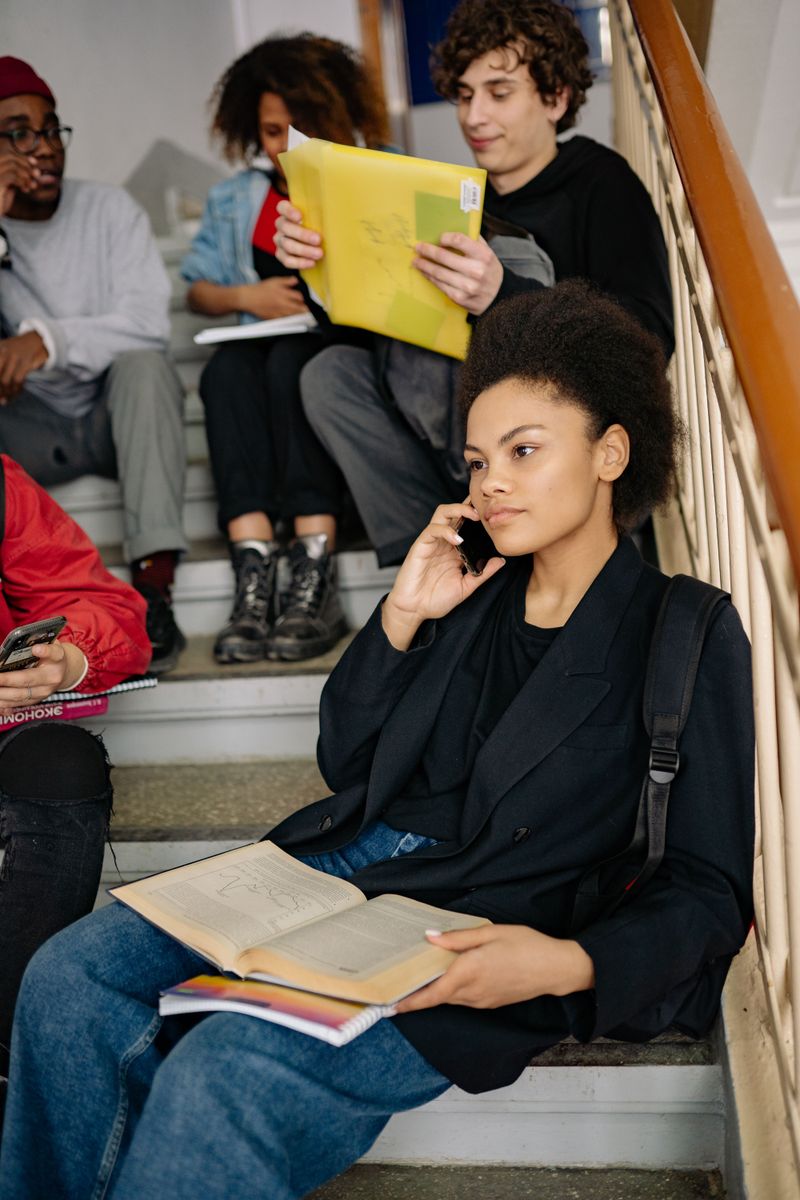
Ask many twenty-somethings about their plans, and romance may not be at the top of the list.
School, careers, travel, and close friendships often come first.
There is a feeling that life should be built before a relationship begins.
Many want to know who they are and what they want before sharing their days with someone else.
That can mean fewer serious relationships early on.
Nothing is wrong with this path.
Still, it helps to stay open.
Someone who supports your goals may fit into your life better than you expect, so keep your heart a little curious along the way.
4. Stress, Loneliness, and Burnout

When your mind feels heavy, the last thing you want is small talk on a first date.
Anxiety, stress, and burnout can drain the energy needed to meet new people.
Loneliness adds a twist.
People may crave closeness but feel too tired or unsure to reach for it.
Confidence can drop, and messages may go unanswered simply because someone feels overwhelmed.
Caring for yourself can make dating feel easier.
Sleep, exercise, time with friends, and talking to a counselor can all help.
Healthy relationships often grow best when each person feels steady on their own first.
5. The Fear of Getting Hurt
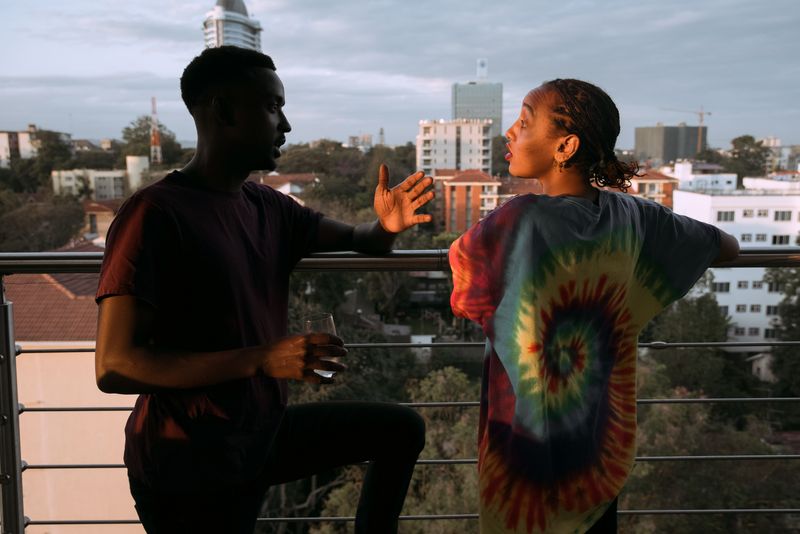
Walking up to someone you like can feel like stepping onto a stage with no script.
Many people would rather stay quiet than risk a no.
Fear of embarrassment and heartbreak keeps some from sharing their feelings.
Seeing rejections screenshotted and shared online can make that worry even louder.
So people wait, hint, or hope the other person goes first.
Remember that a rejection says little about your worth.
It simply means two people were not a match.
Start small with friendly chats and build from there.
Each brave moment makes the next one a bit easier.
6. Picture-Perfect Expectations Online

Scroll for five minutes and you will see dream vacations, matching outfits, and surprise proposals.
Online life shows the highlights and hides the messy parts.
That steady stream can set a bar no real person can reach.
Partners may be compared with influencers or movie-style romances.
Even looks and lifestyles can feel like they must be flawless.
A helpful habit is reminding yourself that posts are carefully chosen moments.
Real love includes bad hair days, arguments, and quiet nights at home.
Try limiting your scroll time and focus on how a person treats you, not how a couple looks online.
7. Rethinking Commitment and Marriage
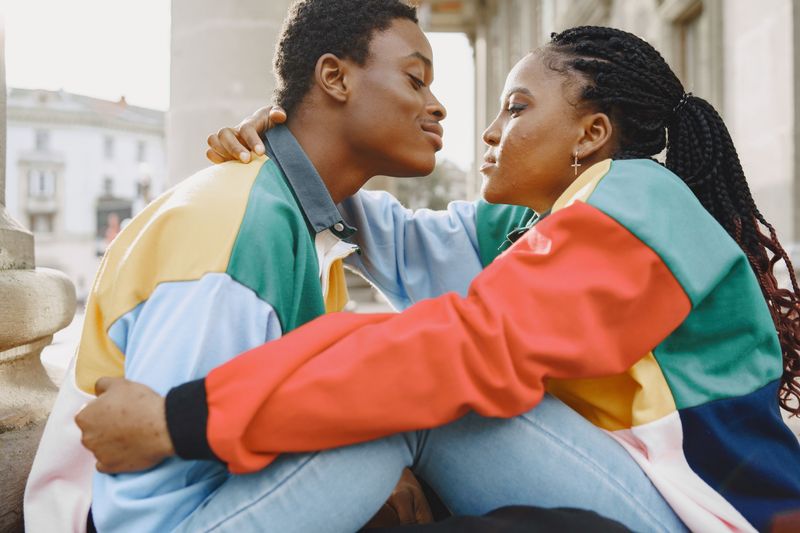
Not long ago, the path seemed set: date, marry, buy a house.
Today that map has many more roads.
Plenty of Gen Z adults are fine with casual dating, long stretches of being single, or waiting to marry.
Surveys often show people marrying later than earlier generations did.
Society is also more accepting of different choices.
The key is knowing what you want and saying it clearly.
If you prefer something casual, be honest about it.
If you hope for something lasting, share that too.
Clear talk helps everyone avoid confusion and hurt feelings.
8. Fewer Face-to-Face Moments

Group chats, video games, and social apps let friends talk all day without leaving the house.
It is easy, but it changes how social skills grow.
Reading body language, making eye contact, and handling awkward pauses all take practice.
With less time spent in person, some young people feel nervous about real-life dates.
Texting can feel safer, yet it cannot replace a warm smile.
Give yourself chances to practice.
Join a club, volunteer, or attend a local event.
Small in-person moments build comfort, and that comfort carries over when someone interesting comes along.
9. Higher Standards for Respect and Fit

Consent, honesty, and shared values matter a lot to many in this generation.
Talking about boundaries is seen as a sign of care, not awkwardness.
With that focus, people may become pickier.
They may walk away from a relationship that feels unhealthy or does not match their beliefs.
Some take longer to say yes because they want a strong emotional fit.
That approach can lead to healthier bonds.
Just remember that no one is perfect.
Decide which values are must-haves and which are nice extras, then stay open to people who are kind, honest, and willing to grow.