 MomSkoop
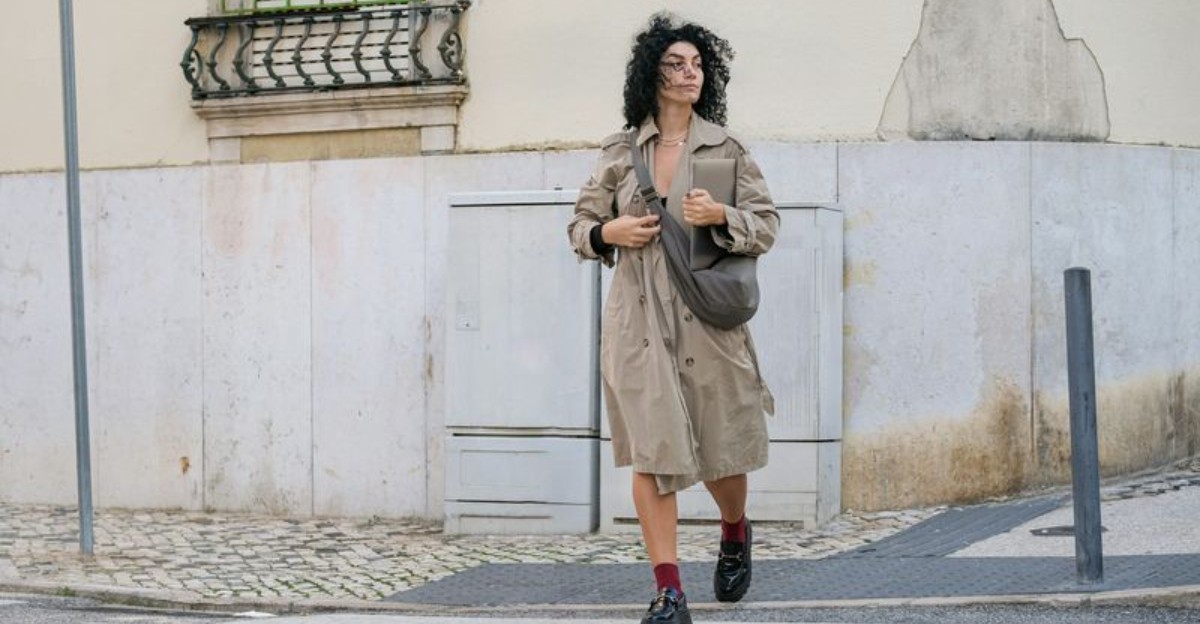
People form opinions about us in just a few seconds, and clothing is often part of that quick impression. Small style choices can shape how polished, confident, or established someone seems.
You do not need a huge budget to use them well. Here are fourteen details worth knowing about, and each one is easier to control than you might think.
1. Fit and Tailoring
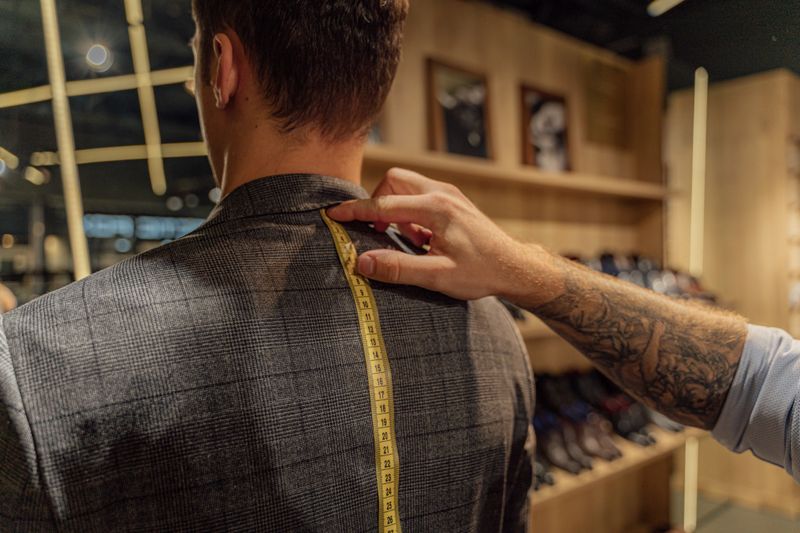
A plain shirt that fits well can look far more expensive than a pricey one that hangs loosely.
Clothes that follow the lines of your body seem chosen on purpose, and that sense of intention is what people notice.
Check the shoulder seams first, since they should sit right at the edge of your shoulders.
Sleeves should end near the wrist bone, and pants should skim the shoe without bunching up.
A local tailor can fix many small problems for a modest price.
Taking in a waist or shortening a hem often costs less than a new garment, and the results can change how an outfit feels from the moment you put it on.
2. Fabric Quality
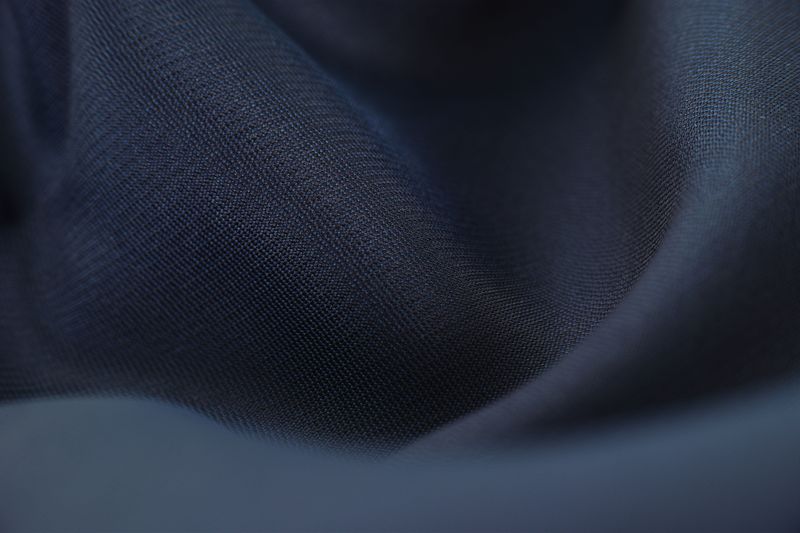
Run your fingers over a cashmere sweater and a cheap acrylic one, and the difference is clear right away.
Natural materials like wool, silk, linen, good cotton, and quality leather drape better and age with more grace.
Craftsmanship shows up even when no label is visible.
A heavy cotton tee holds its shape, while a thin one twists and clings after a few washes.
Read the tags when you shop.
You do not need to buy everything in luxury fabric, but choosing a few key pieces in good materials, like a coat or a pair of trousers, can lift a whole wardrobe.
3. Condition of Clothing
Picture two identical sweaters, one fuzzy with pilling and the other smooth and fresh.
Only one of them looks cared for, and people read that care as a sign of a well-ordered life.
Clean, pressed, lint-free clothes create a sharp impression.
Faded black pants or a wrinkled collar can quietly undo everything else you put together.
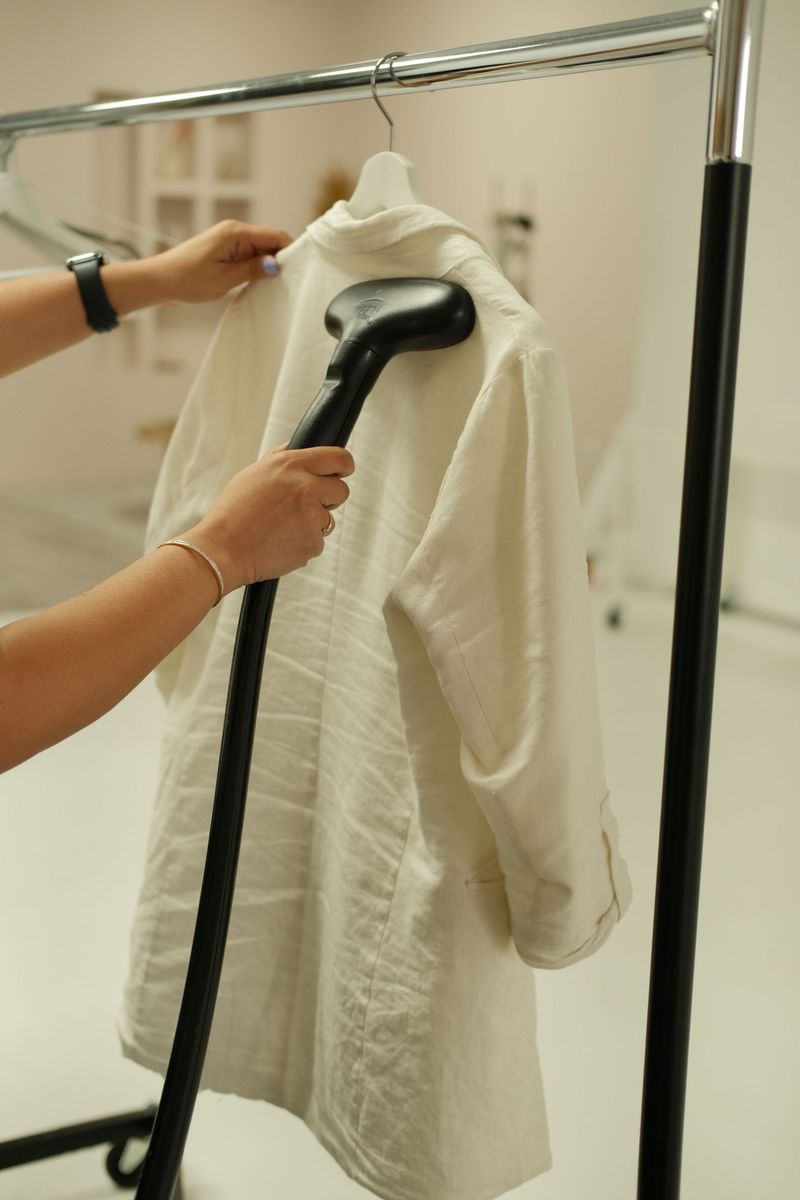
A fabric shaver, a lint roller, and a small steamer cost very little.
Spend five minutes before heading out, and even budget clothing can look sharp, since condition often matters more than the price tag.
4. Shoes
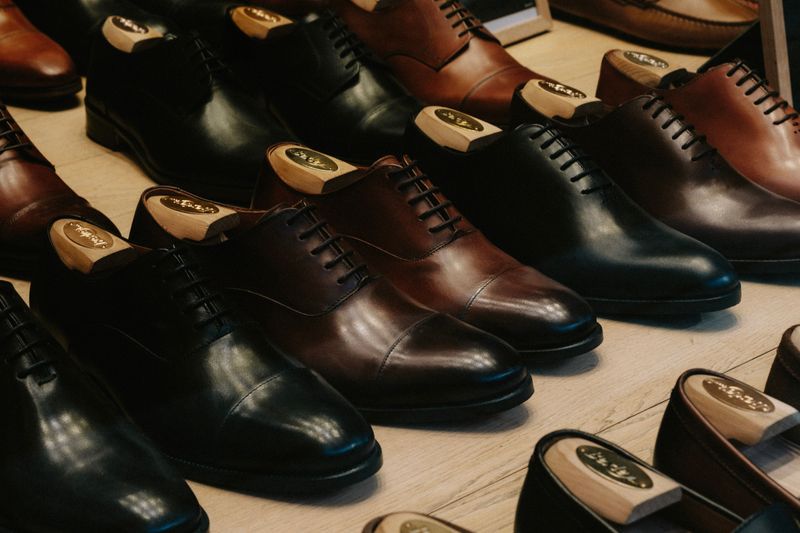
Here is a sneaky truth: many people glance at your feet before they realize they did it.
Shoes tell a quiet story about how much attention you pay to details.
Scuffed toes, cracked leather, or dirty white sneakers can pull down a great outfit.
A clean, well-kept pair, even if simple, makes everything above look better.
Keep a soft brush and some polish at home, and wipe sneakers after wearing them.
Choose shoes that match the setting, such as leather for work and crisp trainers for casual days.
Cedar shoe trees help them keep their shape for years.
5. Subtle Branding
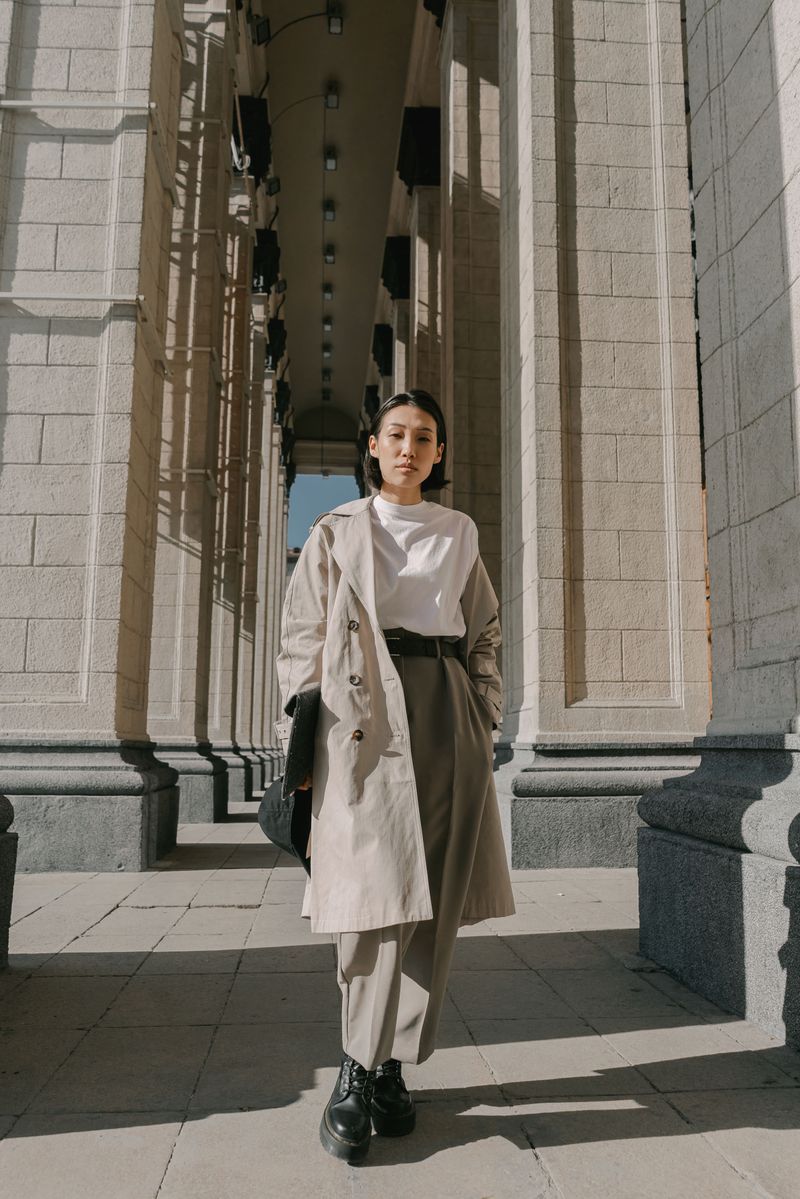
Some of the most confident outfits never shout a brand name.
A logo-free sweater in great fabric can say, without words, that the wearer has nothing to prove.
Big logos can work too, but they send a different message, one that leans toward showing off.
Quiet pieces tend to be read as taste rather than display.
Try building a wardrobe where the quality does the talking.
Look for clean lines, good stitching, and fine details like neat buttons.
If you love a logo piece, balance it with simple items so the outfit does not feel crowded or loud.
6. Color Palette
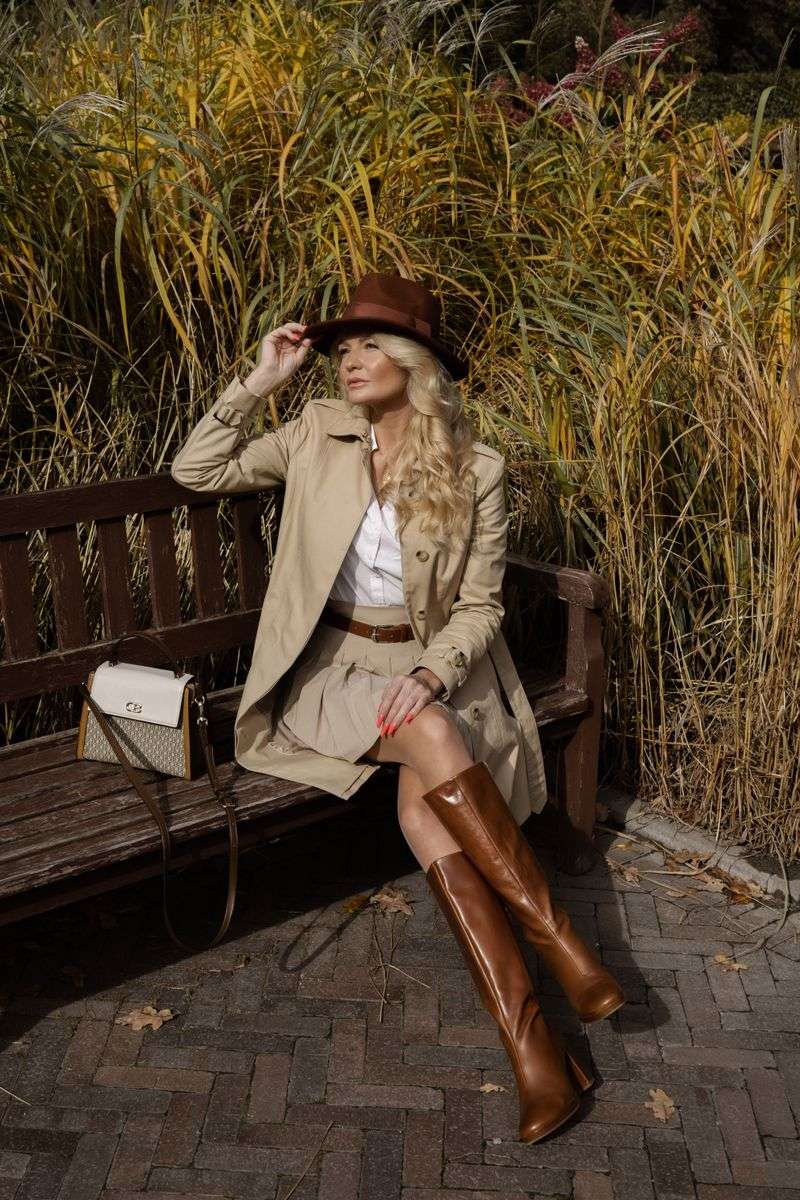
Think of your outfit like a small painting.
When the colors agree with each other, the whole picture feels calm and planned.
Neutrals such as navy, grey, cream, olive, and tan mix easily and look polished.
A single pop of color, like a burgundy scarf, adds interest without chaos.
A handy trick is the three-color rule.
Pick two neutrals and one accent, then repeat a shade somewhere else, such as a belt matching your shoes.
Shopping this way also makes getting dressed faster, because nearly everything in your closet works together.
7. Accessories
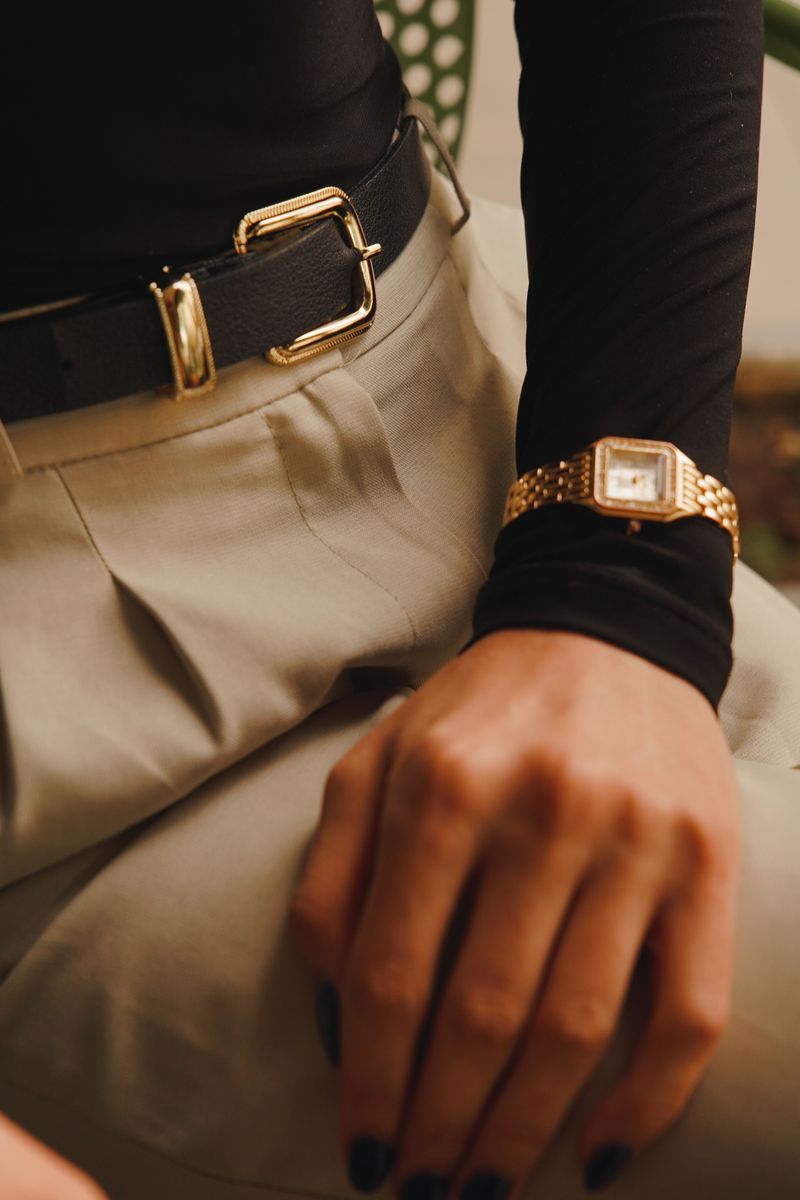
A simple outfit can go from plain to polished with just one well-chosen extra.
A slim watch, a clean leather belt, or a structured bag often makes the difference.
The key word is restraint.
One or two quality pieces beat a pile of shiny items all competing for attention.
Match your metals, so a silver watch pairs with silver jewelry.
Keep leathers in similar tones, like a brown belt with brown shoes.
Good eyewear that suits your face shape is another smart buy, since people look at faces first and glasses frame the whole impression.
8. Grooming

You can wear the finest jacket in town, but messy grooming will steal the show.
Hair, nails, skin, and facial hair are right at eye level, so they carry a lot of weight.
Regular trims keep haircuts and beards looking intentional.
Clean, short nails and moisturized skin add to that fresh feeling.
No fancy products are required.
A good haircut that suits your hair type, a simple skincare routine, and a quick mirror check before leaving can do wonders.
Think of grooming as the frame around your outfit, holding everything together neatly.
9. Proportions and Silhouette
Ever wonder why some budget outfits look so good?
Often it comes down to balance.
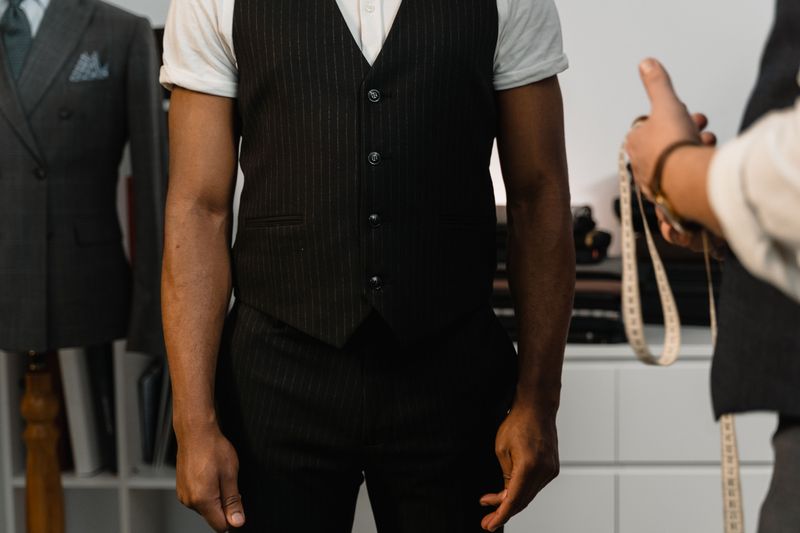
Jacket length, trouser rise, hem, and shoulder width all work together to shape your overall outline.
A longer jacket usually pairs well with slimmer pants, while a roomy top looks best with a more fitted bottom.
Repeating the same volume everywhere can make a person look swallowed by clothing.
Take a photo of your full outfit and look at the shape.
If something feels off, adjust one piece.
Small changes, like rolling a hem or tucking a shirt, can quickly improve the whole look.
10. Consistency
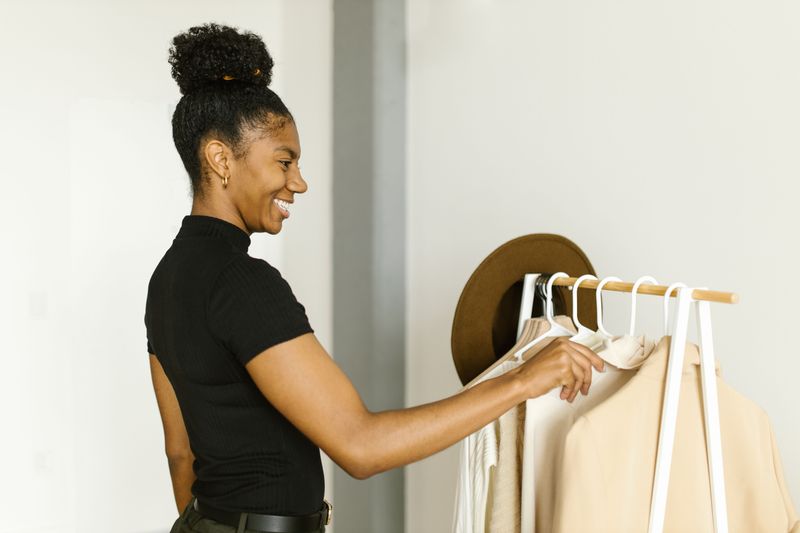
Think about someone you know who always looks like themselves.
Maybe it is crisp shirts and dark denim, or bold vintage dresses.
That recognizable thread is memorable.
A coherent personal style suggests self-knowledge.
Chasing every new trend can look restless, while a steady look feels grounded and sure.
Start by noting which outfits you feel best in and what they share.
Build around those shapes, colors, and fabrics.
You can still enjoy a trend now and then, but let it sit inside your own style rather than replacing it.
11. Restraint
Coco Chanel is often credited with advice to remove one accessory before leaving the house.
Whether or not she said it, the idea holds up well.
When every piece begs for attention, nothing stands out.
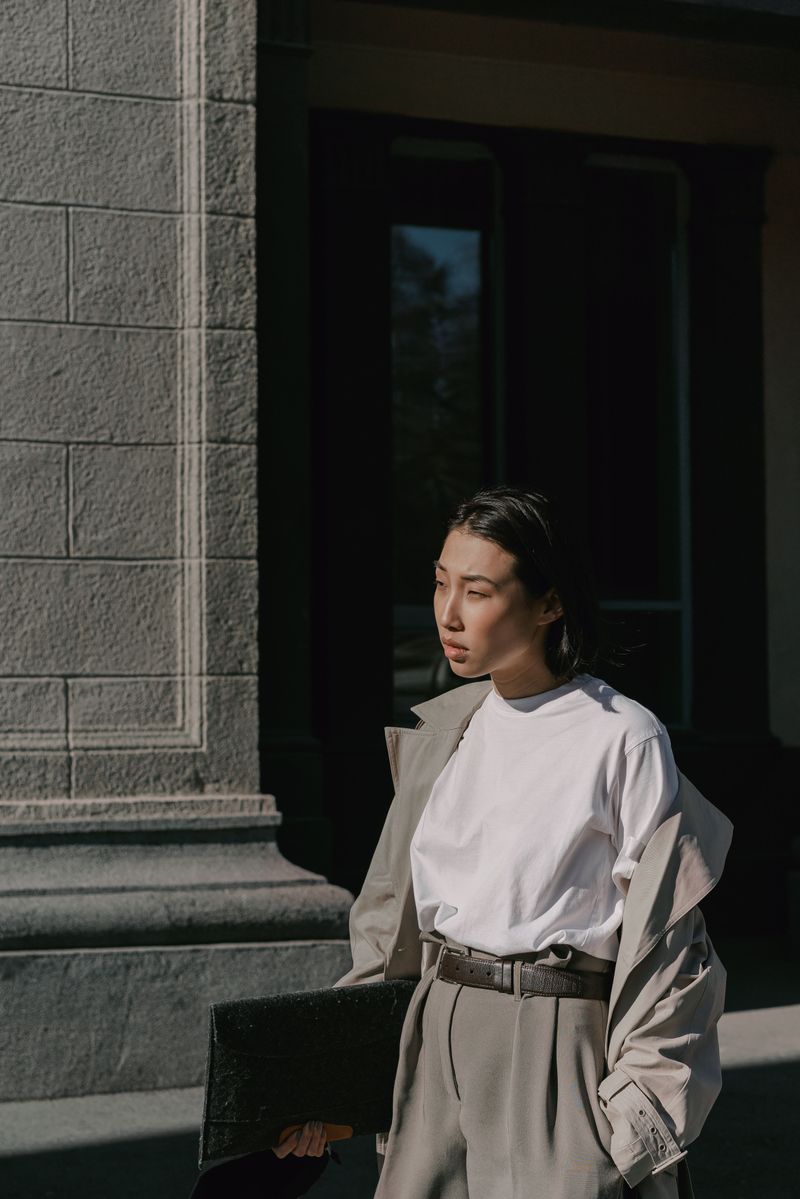
One interesting item surrounded by calm basics looks chosen, not thrown together.
Before you step out, do a quick edit.
If you wear bold shoes, keep the bag simple.
If the jacket has a strong pattern, let the shirt stay plain.
Fewer, better choices give your outfit a clear focus and a relaxed confidence.
12. Context Appropriateness

Reading the room is a style skill.
Dressing one notch above the setting shows you care, while wearing a tuxedo to a backyard cookout just feels awkward.
At a casual office, a neat blazer over a tee can look sharp.
At a wedding, following the dress code shows respect for the hosts.
When unsure, ask someone or check photos from past events.
Aim for polished but comfortable in the environment.
The goal is to look like you belong while quietly showing extra care, rather than trying to outshine everyone around you.
13. Small Maintenance Details
Tiny flaws have a funny way of shouting.
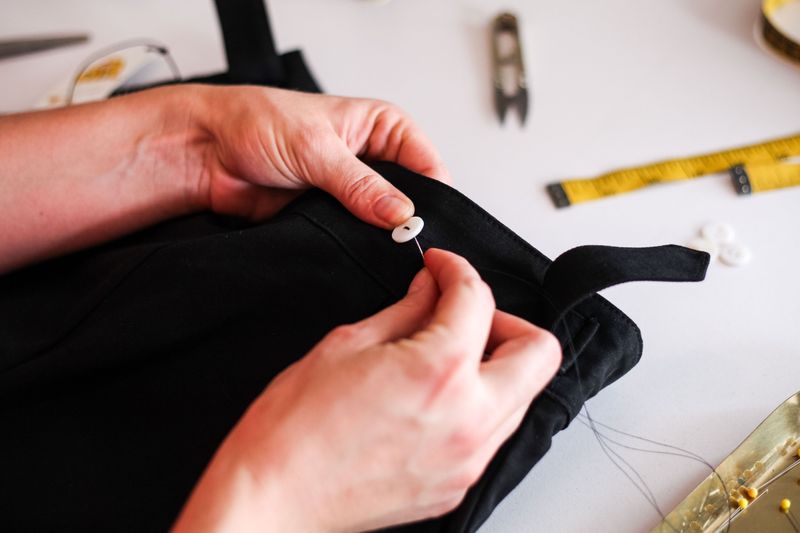
A missing button, a loose thread, or a grubby collar can drag down a very expensive outfit.
Scratched bag hardware and worn-down heels also stand out.
Even an overstuffed bag bulging at the seams can make a polished look feel rushed.
Set aside ten minutes each week for a quick check.
Sew on buttons, snip stray threads, and swap worn heel tips.
Clear out your bag regularly, too.
These little fixes cost almost nothing, yet they protect the impression your clothes work hard to make.
14. Ease

Confidence shows in how you move.
If you are tugging at a hem or shifting in shoes that pinch, people notice the discomfort before they notice the outfit.
Clothes worn naturally suggest that you are settled in your own skin.
That relaxed feeling can make a simple look seem polished and established.
Test outfits by sitting, walking, and reaching before you commit.
Choose sizes and fabrics that let you breathe and move.
Once you are dressed, stop fussing and focus on the day.
Comfort, paired with good fit, lets your personality take center stage.