 MomSkoop

Ever wonder why some people react to everyday moments in ways that seem bigger than the situation? Often, the brain and body learned to protect themselves during hard times, and those habits can stick around long after the danger is gone.
Knowing about these patterns helps us treat ourselves and others with more kindness. Here are fourteen behaviors that may be linked to trauma responses, and what they can look like in real life.
1. Hypervigilance

A person may notice a tiny change in a friend’s tone and instantly wonder what went wrong.
Sitting with their back to a wall or checking who just walked in can feel automatic.
Living on watch is exhausting, and it can lead to poor sleep and tight muscles.
Slow breathing, naming five things you can see, and reminding yourself that you are safe right now can help the alarm settle.
A counselor can also teach tools for turning the volume down.
2. People-Pleasing

“Sure, I can do that!” says the person who is already buried in work.
People-pleasing often grows from a lesson learned early: keeping everyone happy keeps you safe.
Someone may agree to plans they dislike, hide their true opinion, or take blame to avoid a fight.
On the outside it looks like kindness, but underneath it can be fear of rejection or anger.
Try pausing before answering a request.
Saying, “Let me think about it,” buys time to check what you really want.
Small practice runs with safe people can build confidence, and over time your yes starts to mean something real.
3. Avoidance

Taking the long way home to skip one street is more common than you might think.
Avoidance means steering clear of people, places, talks, or feelings that bring back painful memories.
It can bring quick relief, which is why it feels so helpful.
The catch is that life can slowly shrink, because more and more things end up on the do-not-touch list.
Gentle steps can widen the circle again.
Start with something only a little uncomfortable, and bring a supportive friend or a calming routine along.
Therapists often guide this pace, so nobody has to face everything at once.
4. Emotional Numbness

Imagine turning the volume knob on your feelings all the way down.
Emotional numbness can feel like watching your own life through glass, with joy, sadness, and excitement all muted.
The mind sometimes does this to shield a person from pain that felt too big.
The side effect is that good feelings get dimmed too, which can leave someone confused about why nothing seems to matter.
Small sensory moments can help feelings return, like a warm shower, a favorite song, or a walk outside.
Writing down even one word about your mood each day builds a bridge back to emotions.
Patience matters here, because thawing takes time.
5. Difficulty Trusting Others

Trust is like a bridge, and after being hurt, some people test every plank before stepping on.
Expecting betrayal, tricks, or abandonment can become a steady background thought.
A friend who is late might feel like proof of being forgotten.
A kind compliment may spark the question, “What do they want from me?”
Building trust again usually happens in tiny pieces.
Notice when someone keeps their word, and let those moments count.
Sharing small things first, then slightly bigger ones, lets you move at your own speed.
Good therapists and steady friends understand that trust is earned slowly, and that is perfectly okay.
6. Strong Reactions to Criticism

A small note like “Please fix this part” can land like a slap.
When past experiences taught someone that mistakes lead to harm, even gentle feedback may feel like a threat.
The body might react first, with a racing heart, hot cheeks, or a sudden urge to defend or run.
Later the person may replay the comment for hours.
One helpful trick is to ask for a moment before replying.
Take a few deep breaths, then ask yourself whether the feedback is about what you did or who you are.
Most of the time it is only about the task.
Trusted people can help you practice hearing feedback safely.
7. Controlling Behavior

Some people line up the spice jars just so, plan every minute of a trip, and feel panic when plans change.
Behind that need for order is often a simple wish: to never feel helpless again.
Control can show up in routines, in how a home is arranged, or in the way someone manages relationships.
It may bring comfort in the short run, yet it can strain closeness with others.
Try loosening one tiny thing at a time, like letting a friend pick the restaurant.
Notice that you stayed okay.
Each small success teaches the nervous system that safety can exist without having every detail locked down.
8. Chronic Apologizing

“Sorry, sorry, so sorry!” Some people say it when someone else steps on their foot.
Constant apologizing can grow when a person once learned that being blamed was the fastest way to keep the peace.
Over time the word becomes a reflex, a shield thrown up before anything bad can happen.
It may also quietly send the message that your existence is a bother.
Swap a few apologies for thank-yous.
Instead of “Sorry I’m late and talking so much,” try “Thanks for waiting for me.” Save real apologies for real mistakes, so they keep their power and you keep your confidence.
9. Difficulty Setting Boundaries

Saying no can feel like stepping onto thin ice.
After hard experiences, some people never got to practice having limits, or they were punished for trying.
That can lead to taking on too much, letting others cross lines, or not noticing that something feels wrong until resentment builds up.
The body often sends clues first, such as a tight stomach or a sinking feeling.
Start with low-stakes practice, like politely declining an extra cup of coffee.
Short, calm phrases work well: “That doesn’t work for me.” You do not need a long explanation.
Boundaries are not walls, they are simple signs that say where you end and others begin.
10. Social Withdrawal
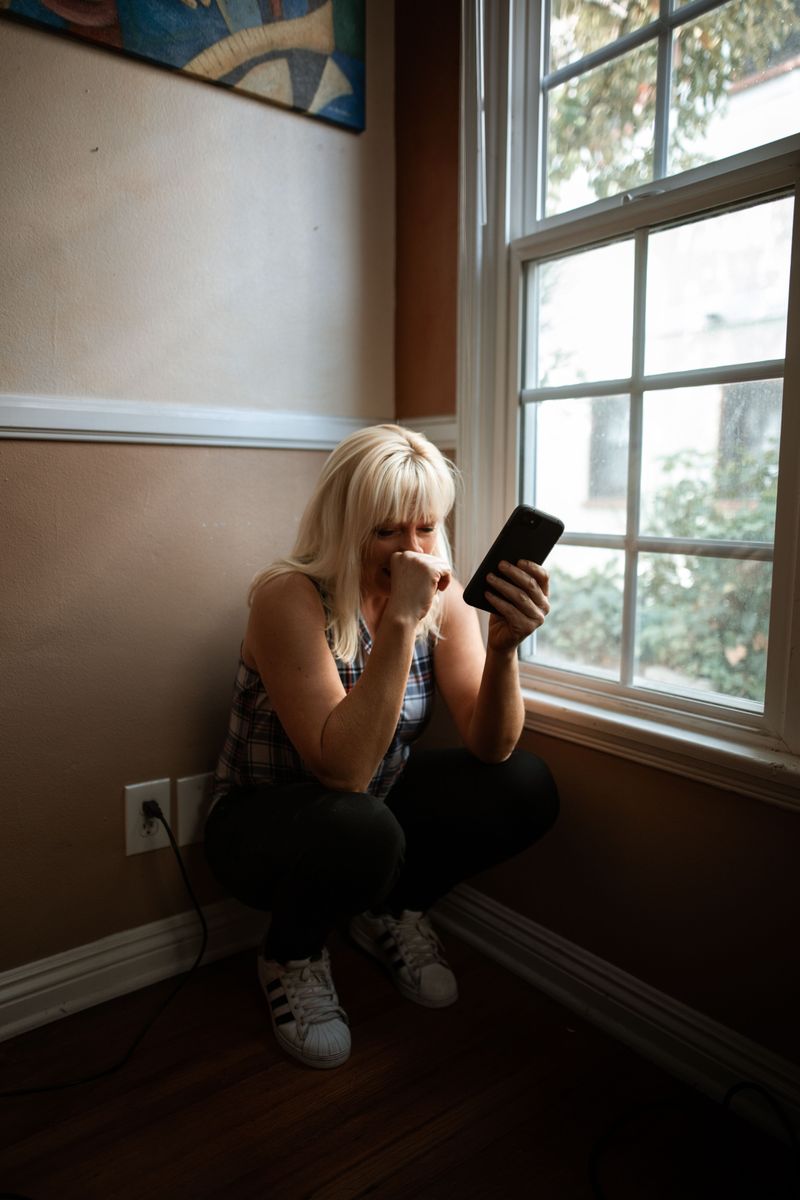
Ever turned your phone face down and wished the world would pause?
When feelings pile up, pulling away can seem like the only safe option.
Someone might skip gatherings, ignore messages, or stay in their room for days.
It is not always about disliking people.
Often the energy to be around others simply runs out.
A little rest is healthy, but long stretches of isolation can deepen sadness.
Try low-pressure contact, like sending a quick emoji or sitting quietly in the same room as a friend.
Connection does not have to be loud to count, and small touches can slowly bring you back.
11. Anger or Irritability

Think of a smoke alarm that goes off when you simply make toast.
After trauma, the body’s alarm can become extra sensitive, so small annoyances spark big flames.
Snapping at a loved one over a misplaced key may have little to do with the key.
Underneath, anger often covers fear, hurt, or exhaustion that has nowhere else to go.
Spotting early signals helps, like a hot face or a clenched fist.
Step away for a few minutes, drink some water, or stretch your shoulders.
Once calm returns, you can talk it through.
Regular exercise and good sleep also turn the alarm sensitivity down.
12. Freezing Under Stress

Fight or flight gets all the attention, yet freeze is a real survival response too.
Rabbits go still when a hawk passes, and people can do something similar.
A person may go blank in a meeting, lose their words during an argument, or sit for ages unable to choose between two simple options.
Afterward they might feel ashamed, even though the response was automatic.
Grounding can help the body unlock.
Press your feet into the floor, wiggle your fingers, or look around and name three colors.
Giving yourself extra time to answer is also fine.
Freezing is not weakness, it is the body trying to protect you.
13. Dissociation

Have you ever driven somewhere and barely remembered the trip?
Everyone zones out sometimes, but dissociation goes further, like floating outside your body or feeling that the world is not quite real.
It can happen when stress gets too heavy.
The mind steps back to cope, which may cause gaps in memory, a foggy head, or a sense of watching yourself in a movie.
Grounding tools can bring you back, such as holding something cold, smelling peppermint, or describing the room out loud.
If these episodes are frequent, a mental health professional can offer deeper support.
You are not broken, your mind is simply using an old protection trick.
14. Self-Sabotaging Patterns

Right when things start going well, some people suddenly push everything away.
They may quit a great job, pick a fight with a loving partner, or stop showing up to something they worked hard for.
It seems strange, but for a nervous system used to chaos, calm and success can feel unfamiliar and even risky.
Closeness may feel like a setup for being hurt, so the mind tries to end things first.
Awareness is the first win.
When you notice the urge to bolt, pause and ask what feels scary.
Sharing the feeling with a therapist or trusted friend can break the cycle, and safety can start to feel normal.