 MomSkoop
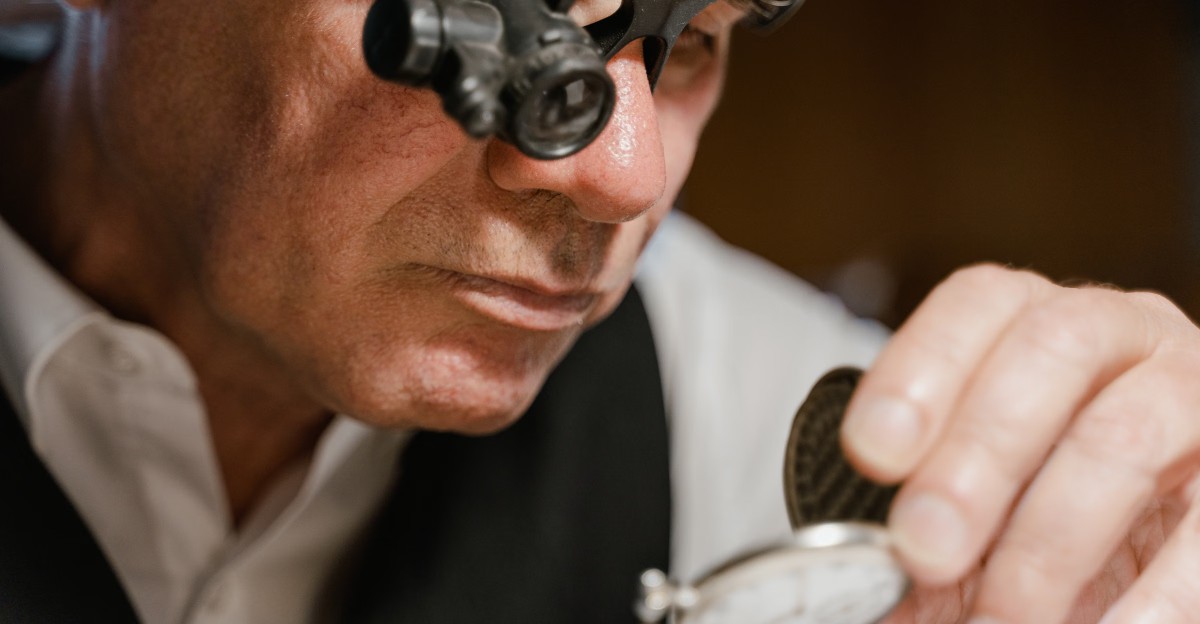
Long ago, a broken object was not trash. It was a puzzle to solve, and someone nearby usually knew how to fix it.
Looking back at what people used to mend shows how much money, effort, and waste they saved. Maybe it will even make you want to grab a screwdriver or a needle and thread.
1. Shoes and Boots
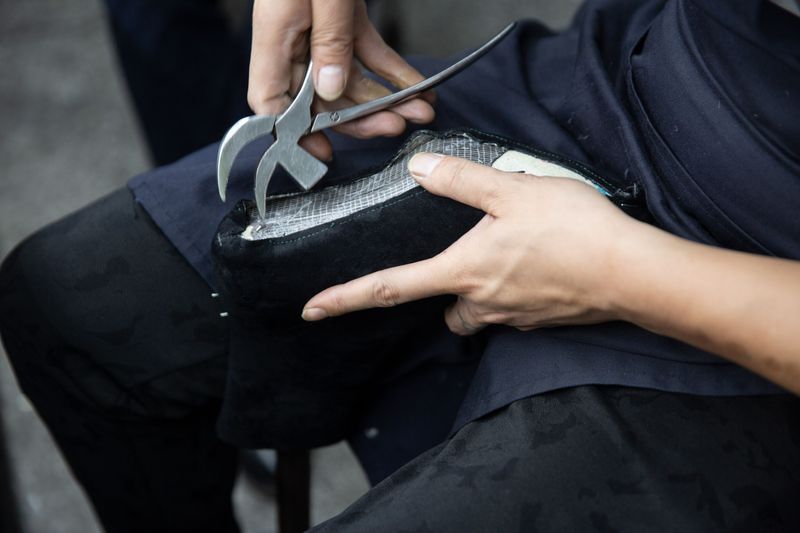
A good pair of boots could outlive the person who first laced them up.
Cobblers made that happen by swapping worn soles, rebuilding heels, and stitching split seams.
Walk into an old shoe shop and you would smell leather, glue, and polish.
The cobbler would trace the damage, cut fresh material, and hammer it into place.
Even a broken buckle could be replaced with a new one in minutes.
Fun fact: many quality boots were built so the sole could be removed and replaced again and again.
Some pairs got three or four new soles over the years.
Today, a few skilled repair shops still do this work, and it costs far less than buying new boots.
2. Watches and Clocks
Tick, tick, tick.
When that sound stopped, people did not toss the watch in a drawer.
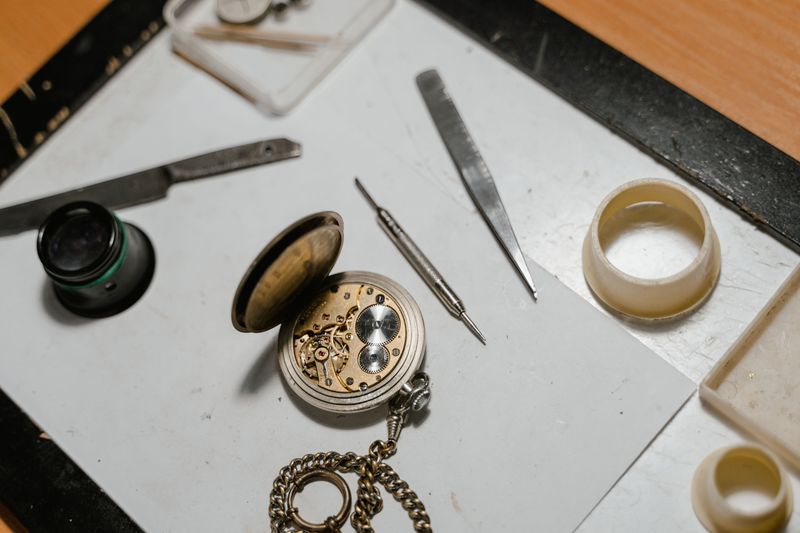
They took it to a watchmaker, who treated it like a tiny patient.
Using a magnifying loupe and steady hands, the expert opened the case and looked for trouble.
A snapped spring, a worn gear, or a bent hand could each be fixed or swapped.
Parts were often made by hand if a match could not be found.
Many families passed watches and grandfather clocks down for generations.
Each repair added a little more history to the piece.
Because the insides were mechanical, a skilled person could understand every moving part and bring it back to life.
3. Radios
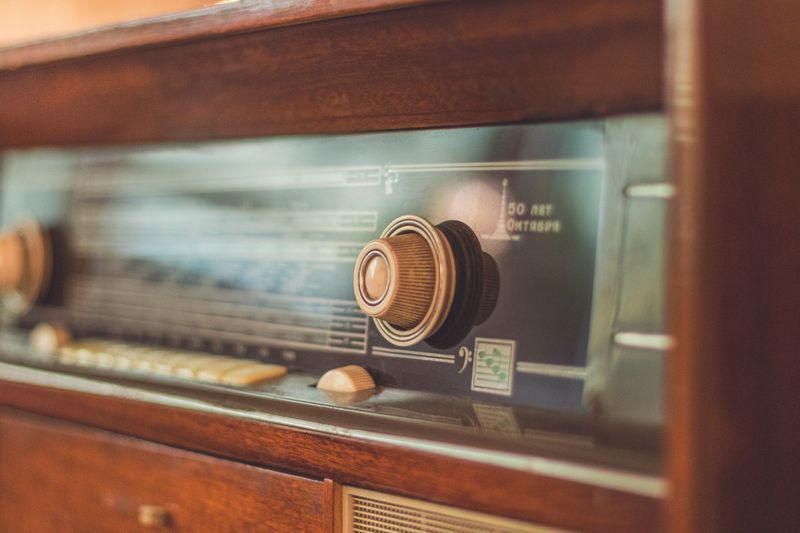
Picture a wooden radio glowing in the living room while the family listens to a baseball game.
Then comes a crackle, and the sound dies.
Nobody panicked, because the fix was often simple.
Early radios were built with parts that could be pulled out and swapped one at a time.
A burned-out vacuum tube slid out like a lightbulb.
Loose wiring, a worn speaker, or a sticky switch could be repaired without touching anything else.
Repair shops stocked drawers full of spare tubes and knobs.
Hobbyists also learned to fix radios at home with a soldering iron and a manual.
That hands-on know-how turned many curious kids into future engineers.
4. Televisions
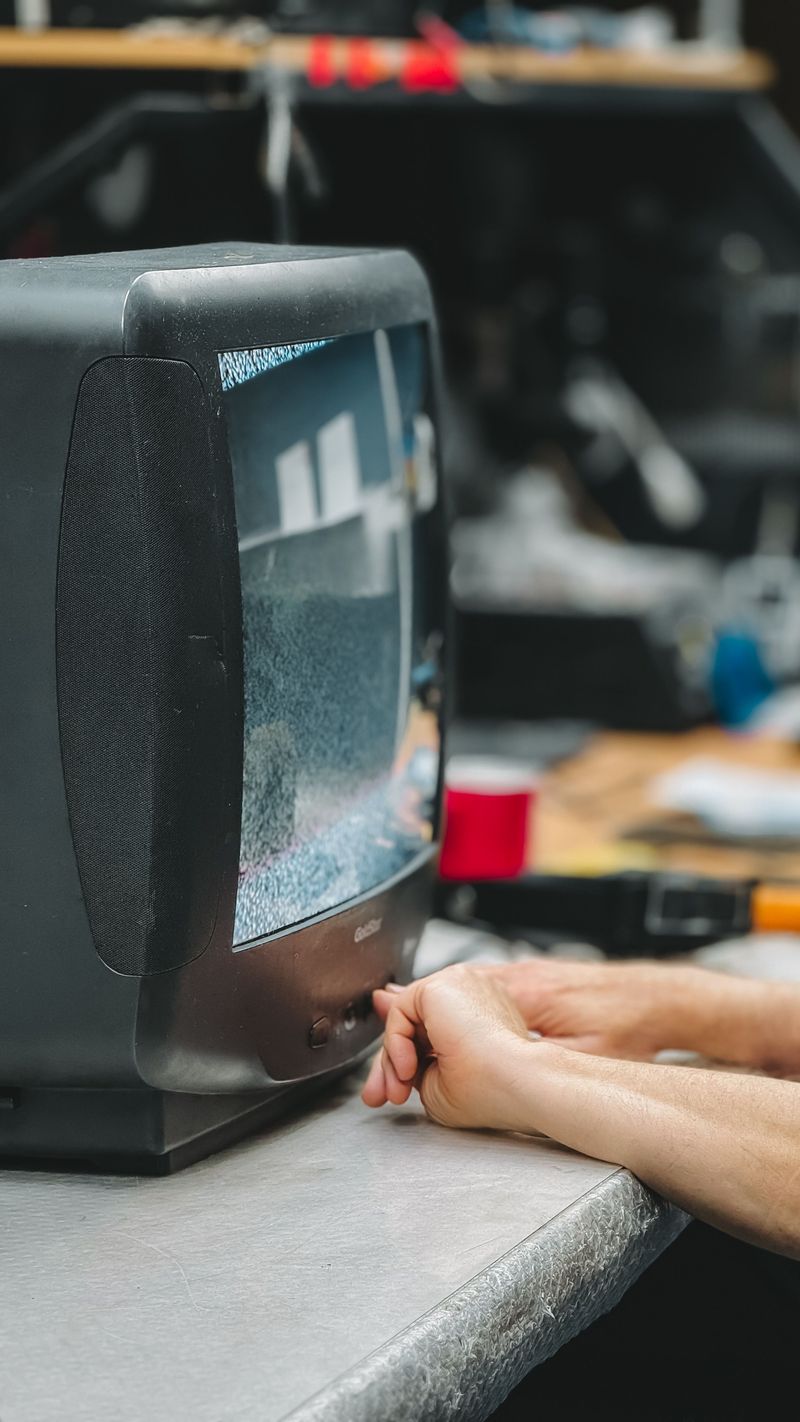
Back when TVs were big wooden boxes, a fuzzy picture meant a visit from the repairman.
He arrived with a toolbox and a case of spare tubes, ready to get your show back on.
Inside the cabinet were picture tubes, circuit boards, and power parts that could each be tested and replaced.
Even small things like a snapped knob or a loose dial were quick fixes.
Many towns had a TV repair shop on the main street.
A television was a major purchase, often costing weeks of pay.
Fixing it made good sense.
Some sets lasted twenty years or more, thanks to careful repairs and the occasional new tube.
5. Toasters
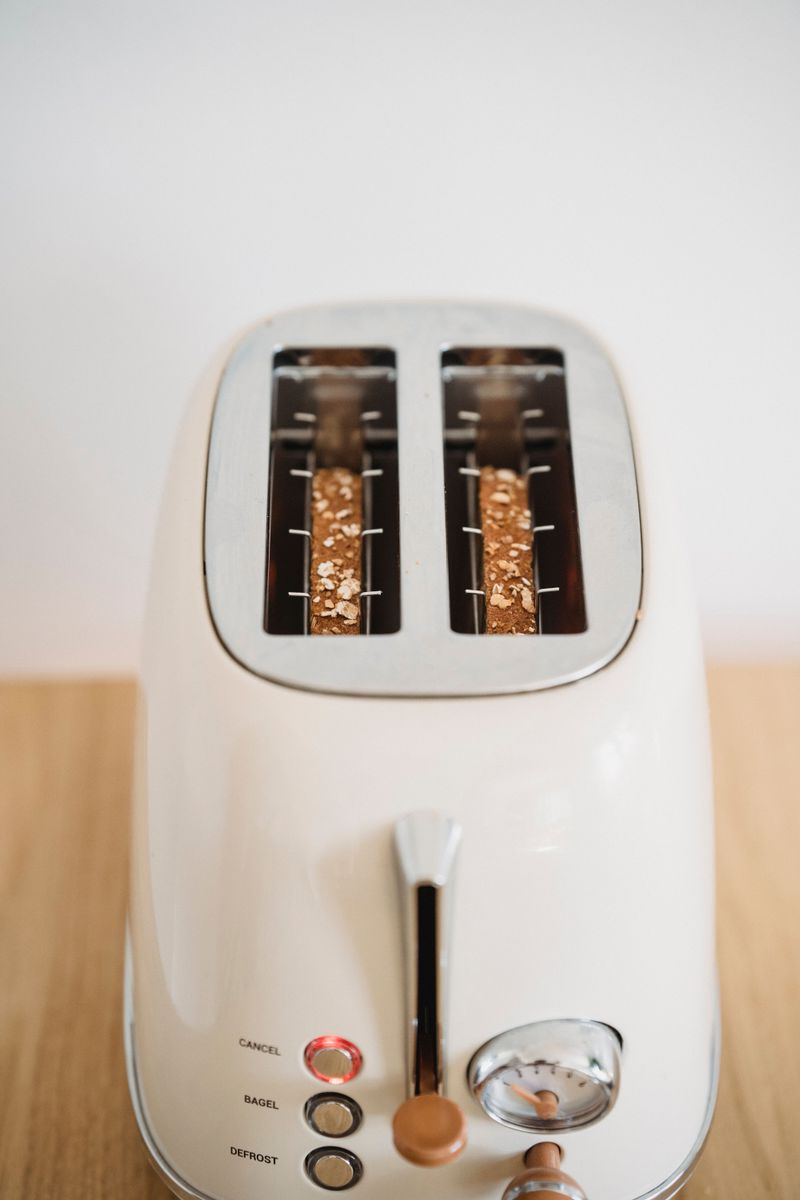
Burnt toast is annoying, but cold, untoasted bread is worse.
When an old toaster quit, families often reached for a screwdriver instead of their wallets.
Early toasters were simple machines.
Inside were a few wires, a switch, a cord, and a thermostat that timed the heat.
If the glowing heating element snapped, a new one could be bought and slipped in.
A frayed cord could be swapped just as easily.
Here is a neat detail: some shiny chrome toasters from the 1940s still work today because they were fixed so many times.
Their parts were easy to reach and easy to understand, which made repair feel like a small, satisfying kitchen project.
6. Vacuum Cleaners
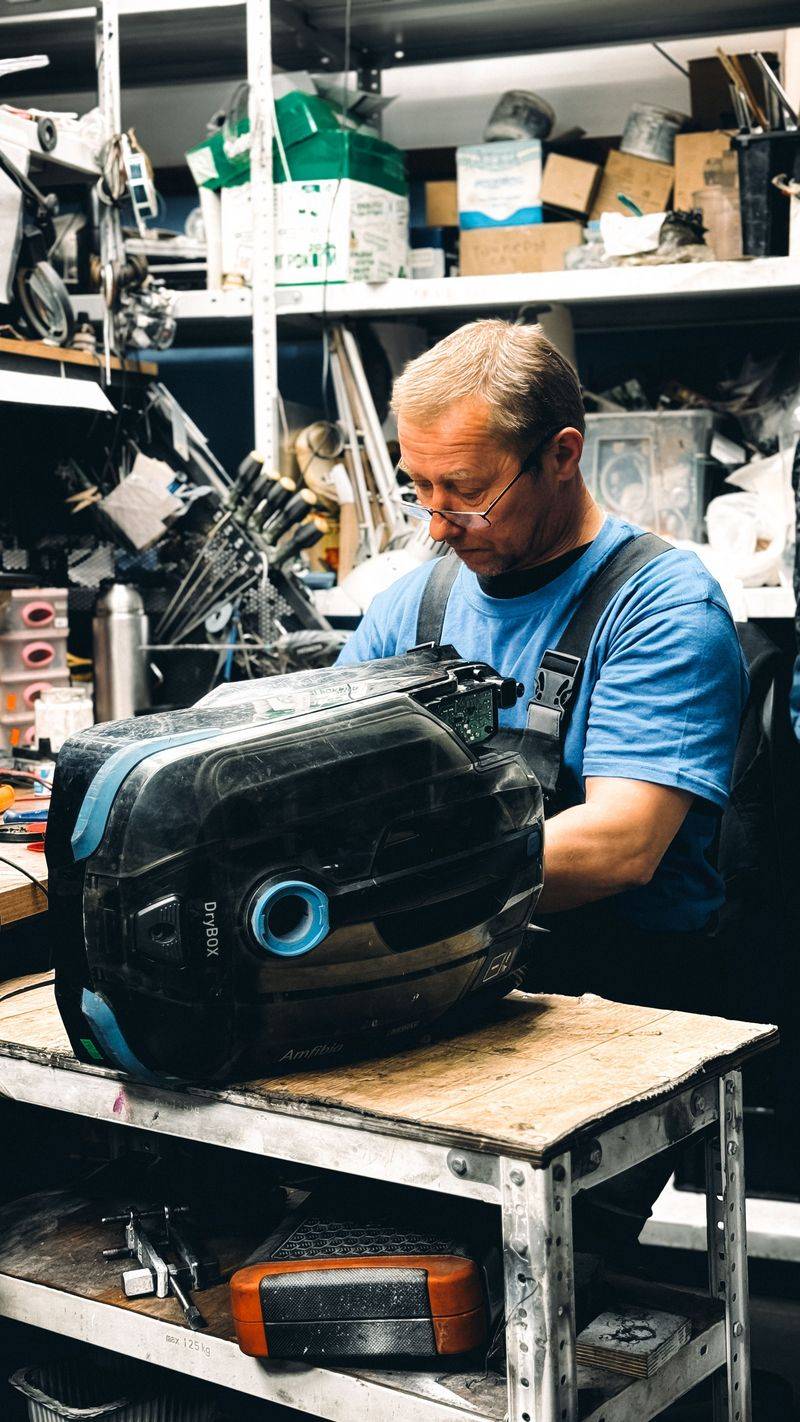
Decades ago, the usual culprit was a stretched belt, and the cure cost just a few coins.
Vacuum cleaners were built like little machines meant to be serviced.
Motors could be rewound or swapped, hoses patched, and brushes replaced when the bristles wore down.
Even a cracked electrical cord was unplugged and exchanged for a fresh one.
Local appliance shops kept shelves of belts and bags for popular models.
Some owners did the work themselves on a Saturday morning.
With regular care, a sturdy vacuum might run for thirty years, which is longer than many people keep a phone today.
7. Umbrellas

One strong gust of wind, and your umbrella flips inside out.
Today that usually means the trash can.
In earlier times, it meant a trip to the umbrella mender.
These craftspeople were experts at bent ribs, torn fabric, snapped handles, and stuck opening mechanisms.
They could sew a new canopy onto the frame or splice in a new metal rib.
A good wooden handle was often kept while everything else was refreshed.
Umbrella menders once walked the streets of big cities, calling out for customers on rainy days.
Their work kept sturdy frames in use for years.
A well-made umbrella, mended a few times, could outlast many cheap replacements.
8. Furniture
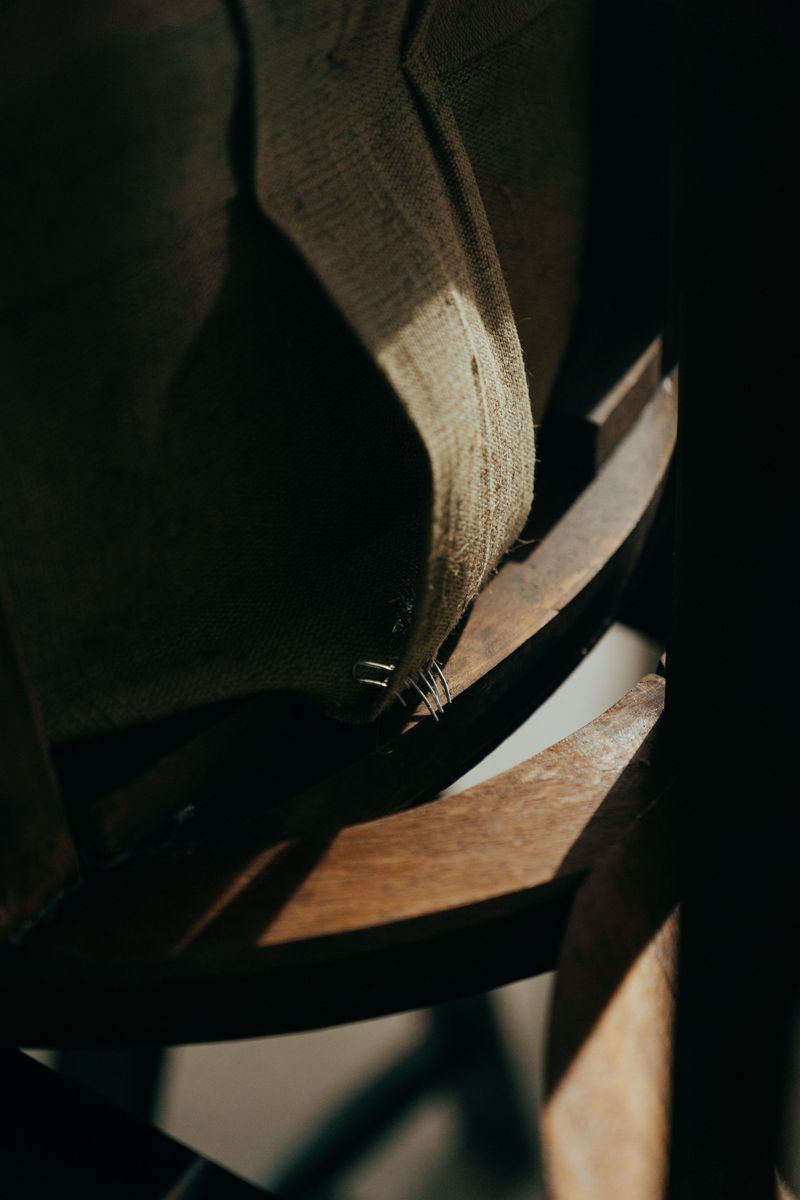
Grandma’s rocking chair has wobbled for years, yet nobody would dream of tossing it out.
Furniture used to be treated as a lifetime investment, so fixing it was normal.
Craftspeople reupholstered worn sofas, sanded and refinished scratched tables, and glued loose chair joints.
Cabinets with broken doors were rebuilt using the same wood.
A little stain and wax could make a tired piece look brand new.
Solid wood is the secret here.
Because it can be sanded, tightened, and recoated, a single dresser can live many lives.
Many antique shops are full of pieces that have been mended for a hundred years and still look wonderful in a living room.
9. Clothing
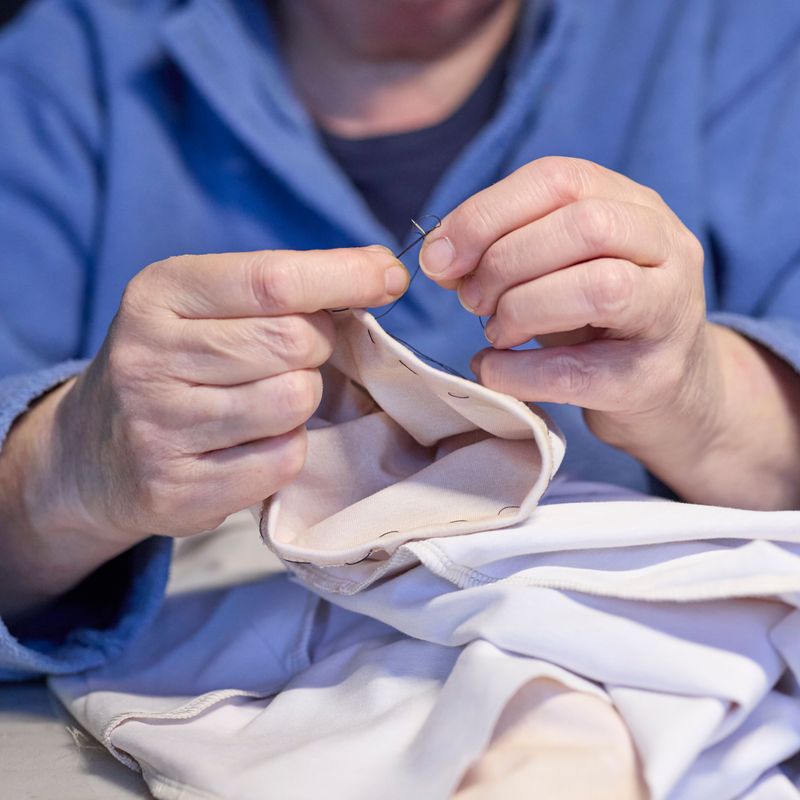
Patches were once a badge of thrift, not embarrassment.
A sweater with new elbows meant the owner planned to wear it for many more winters.
Families kept sewing baskets stocked with needles, thread, and jars of odd buttons.
Torn seams were stitched, thin knees were reinforced, and broken zippers were swapped out by a tailor.
Socks were darned until the heel was more yarn than sock.
During wartime in the 1940s, a slogan urged people to make do and mend.
Clothes were costly, and fabric was scarce.
Today, visible mending is trendy again, with colorful stitches turning small rips into little pieces of art.
10. Pots and Pans
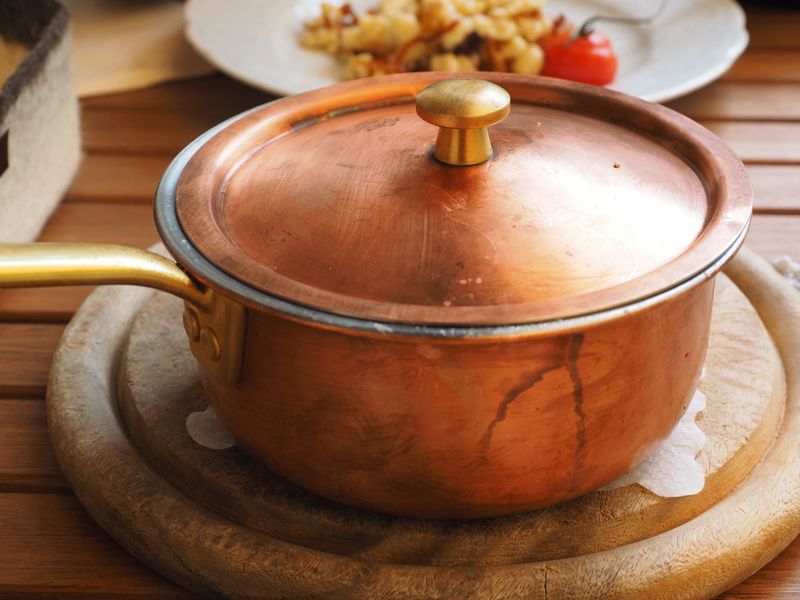
Copper pots gleam on the kitchen wall, but the shine hides a secret.
Their insides were coated with a thin layer of tin, and that coating wore away with use.
Instead of buying a new pot, cooks called a tinsmith.
The expert melted fresh tin onto the surface, making it safe and smooth again.
Dents were hammered out, and loose or burned handles were replaced with new ones riveted on tight.
Cast iron got similar love, since cracked pans could sometimes be welded and rusty ones scrubbed and re-seasoned.
A single set of cookware might feed a family for fifty years, passed down like a recipe card.
11. Lamps
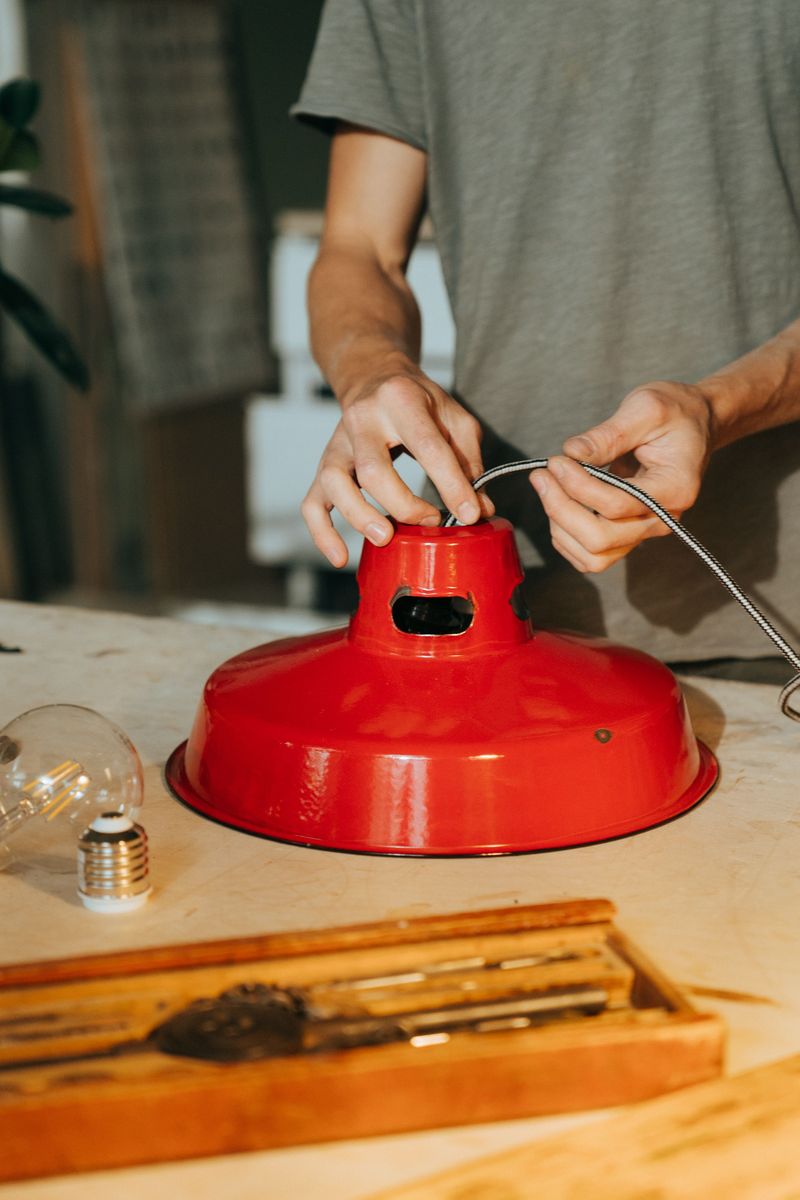
A lamp that flickers is not a broken lamp.
It is a lamp asking for a new socket.
People used to know that, and they acted on it.
The beauty of a lamp is how simple it is.
Inside the base runs a cord to a socket, with a switch and a plug at the ends.
Each of those pieces can be unscrewed and swapped in a few minutes, using parts from a hardware store.
Even the shade got a second chance.
Faded fabric could be recovered, and bent frames straightened.
A well-loved brass or ceramic base might sit through decades of redecorating, changing shades the way people change hats.
12. Bicycles
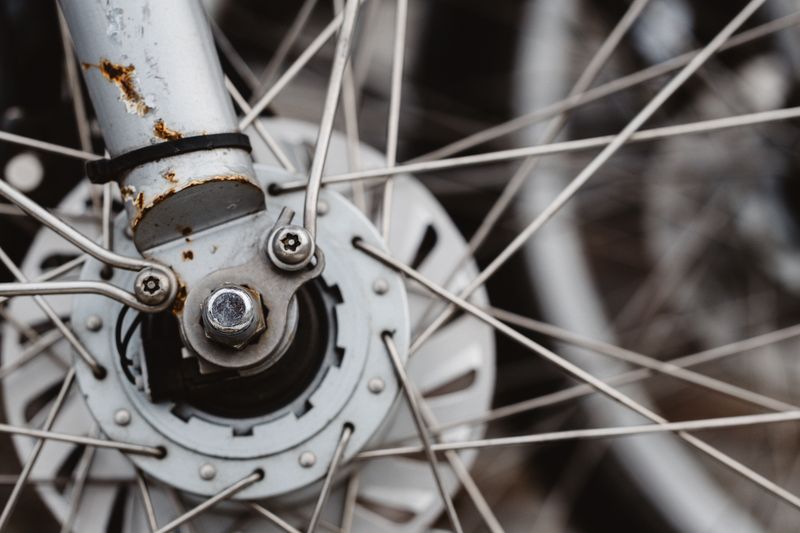
Few machines are as repair-friendly as a bicycle.
Spin the wheel, squeeze the brakes, and you can see almost every part doing its job.
Flat tires were patched right on the roadside.
Chains were oiled, replaced, or shortened, and bent spokes were swapped to keep wheels round.
Bearings were cleaned and repacked with grease so the pedals spun smoothly again.
Because the frame was often sturdy steel, a bike could be repaired over and over across a whole lifetime.
Many kids learned basic mechanics from a parent in the driveway.
That knowledge still pays off, since a little maintenance keeps a bike rolling for decades.
13. Suitcases and Luggage
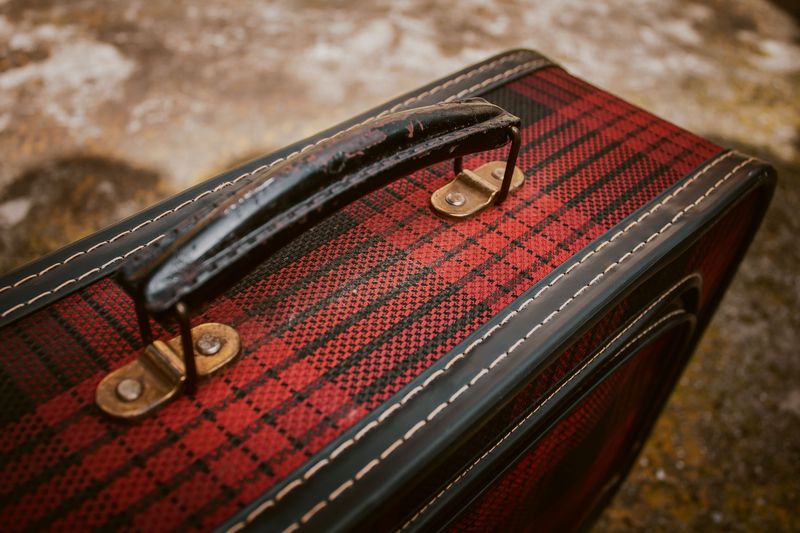
Suitcases take a beating.
They get tossed on trains, stacked on ships, and dragged across cobblestones.
Luckily, luggage shops were ready to patch them up for the next trip.
A repairer could replace a snapped handle, fit a new lock, or tighten a wobbly hinge.
Torn straps were re-sewn, and wheels were swapped when they cracked.
Heavy thread and strong glue brought split corners back together.
Travelers treasured their trunks because each scuff told a story of somewhere they had been.
Fixing a favorite bag felt better than starting over with a stranger.
Quality leather and brass hardware were made to be mended, so the same case could circle the globe again and again.