 MomSkoop
Cowboys, dusty towns, and high-stakes showdowns have thrilled movie fans for over a century. Some Westerns did more than entertain, because they changed how stories about the frontier were told.
From classic heroes to gritty antiheroes, these movies shaped the genre we know today. Ready to saddle up and see which ones left the biggest mark?
1. Stagecoach (1939)
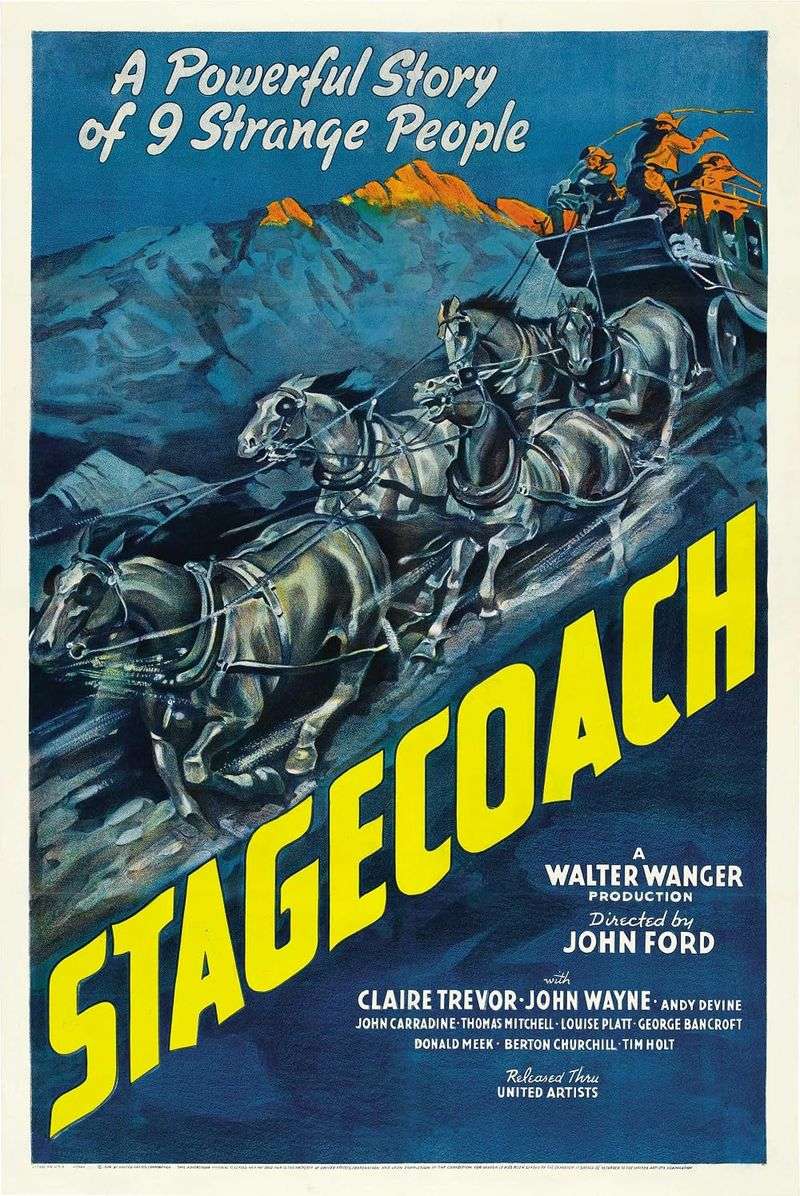
Picture a rickety stagecoach rattling across Monument Valley, packed with strangers who each have a secret.
That is the spark behind this John Ford classic, and it lit up the whole genre.
Before 1939, many Westerns were seen as cheap thrills.
Ford changed that by mixing rich characters, stunning scenery, and heart-pounding chases into one story.
Fun fact: it turned John Wayne, then in his early 30s, into a true star.
The film also set up habits that later Westerns copied again and again, like the lonely hero, the outlaw with a good heart, and the wild chase across open land.
2. The Ox-Bow Incident (1943)
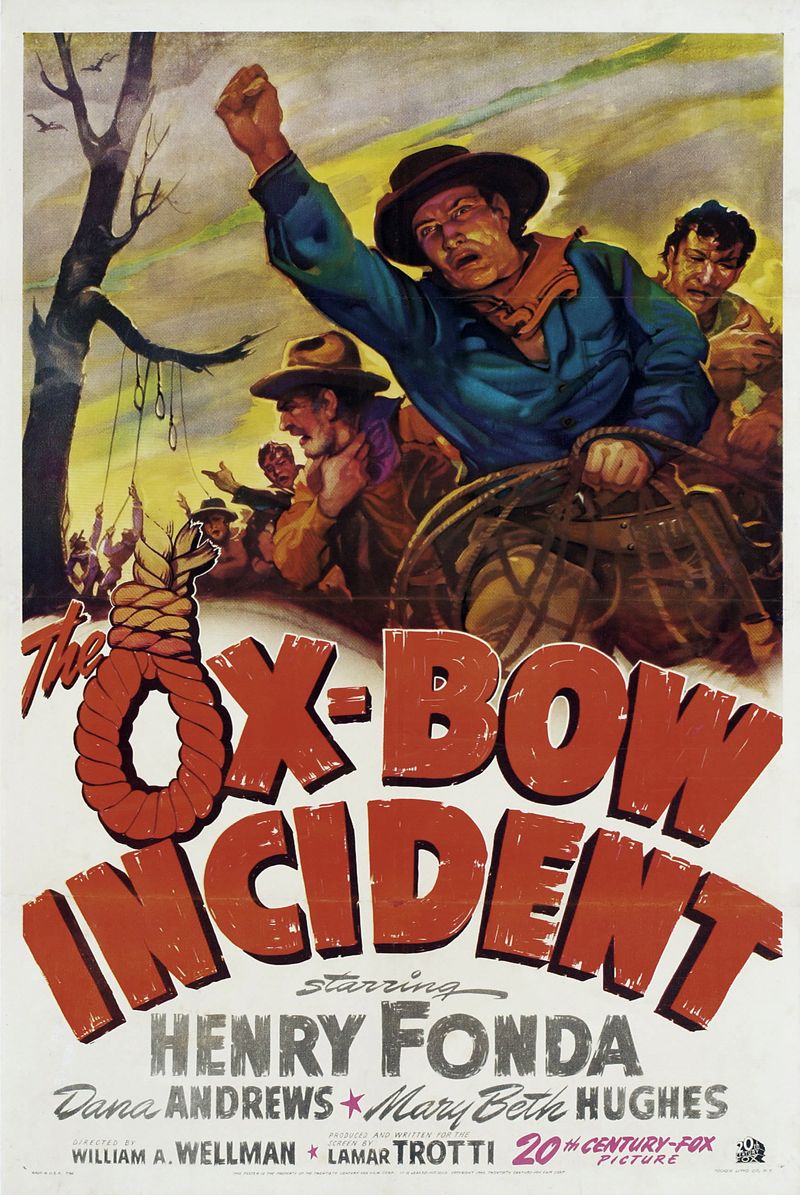
“Is this really justice?” That question hangs over every scene of this gripping film.
A posse chases men they think stole cattle, and the chase turns scary fast.
Director William A.
Wellman skipped the usual cheering and gunfire fun.
Instead, he showed how a crowd can lose its good sense when anger takes over.
Audiences in 1943 were not used to such a serious Western.
The movie proved the genre could handle big ideas like fairness, fear, and guilt.
Many later stories about the frontier borrowed its courage to ask hard questions about right and wrong.
3. Red River (1948)
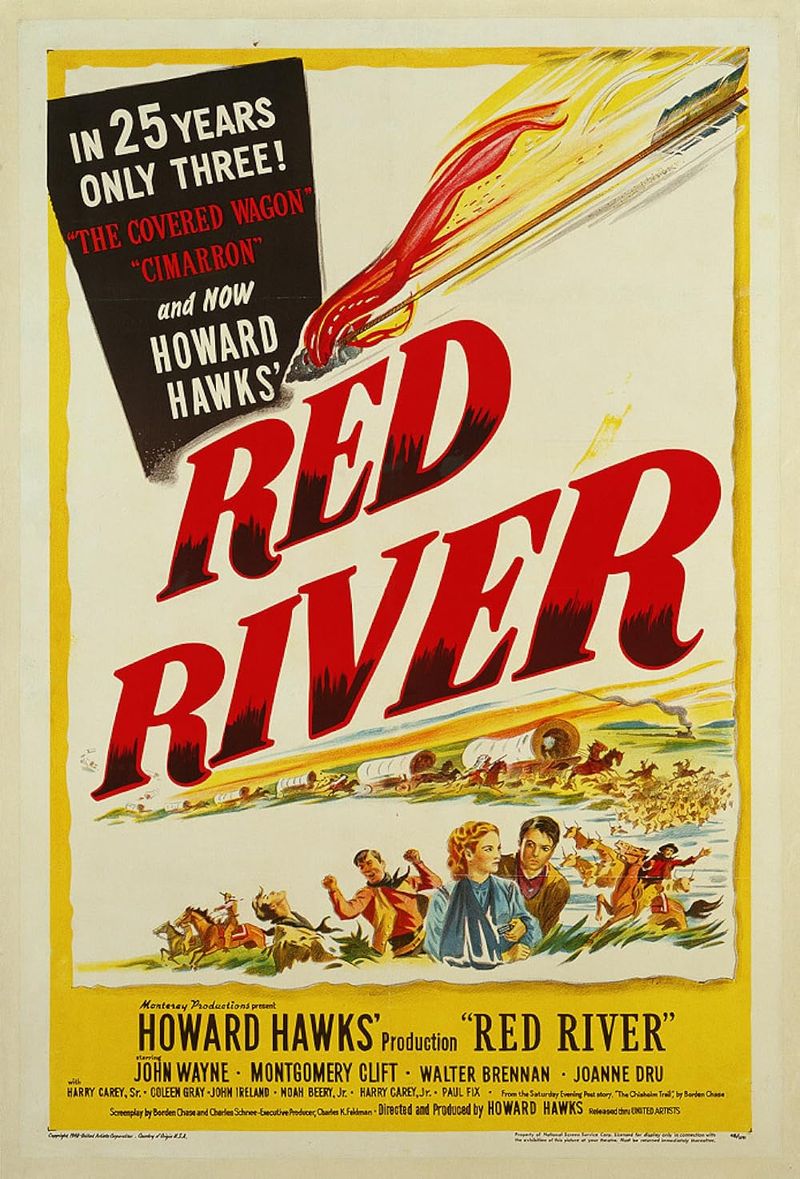
Thousands of cattle, one long trail, and two stubborn men heading for a clash.
Red River turned the classic cattle drive into a family drama with real emotional punch.
John Wayne plays a rancher who grows harsher with every mile.
His adopted son, played by Montgomery Clift, in his late 20s at the time, finally decides he has had enough.
Director Howard Hawks showed that a Western could explore pride, power, and the tug-of-war between generations.
Cowboys were no longer simple heroes in this story.
They were people with flaws, and that made the drama feel real.
4. High Noon (1952)
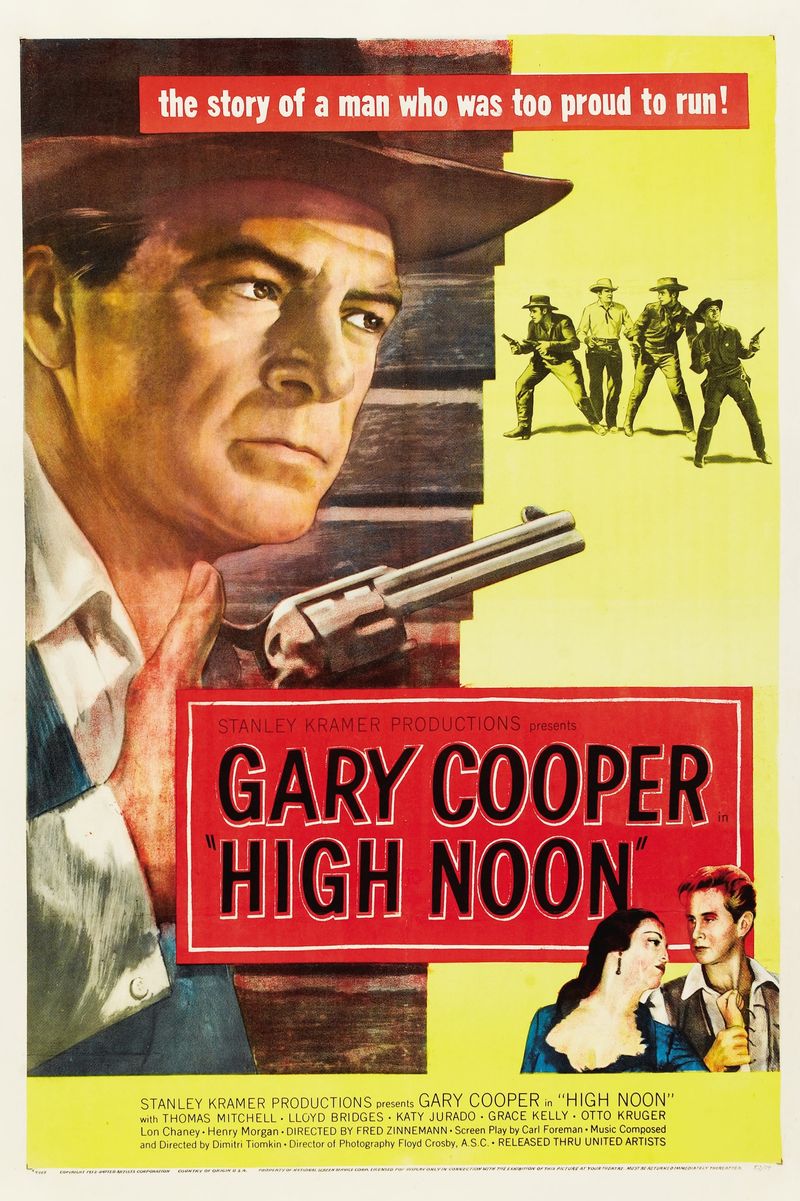
Tick, tock.
The clock is the star here, counting down to the moment a killer arrives by train.
Gary Cooper plays a marshal who looks around for help and finds almost nobody willing to stand beside him.
The story unfolds in close to real time, which keeps your nerves tight from start to finish.
Director Fred Zinnemann used that clever trick to build suspense without needing a giant battle.
Courage here is not about swagger.
It is about doing the right thing while feeling afraid and alone.
Many viewers also saw the film as a comment on the worries of its era, which gave it extra weight.
5. Shane (1953)
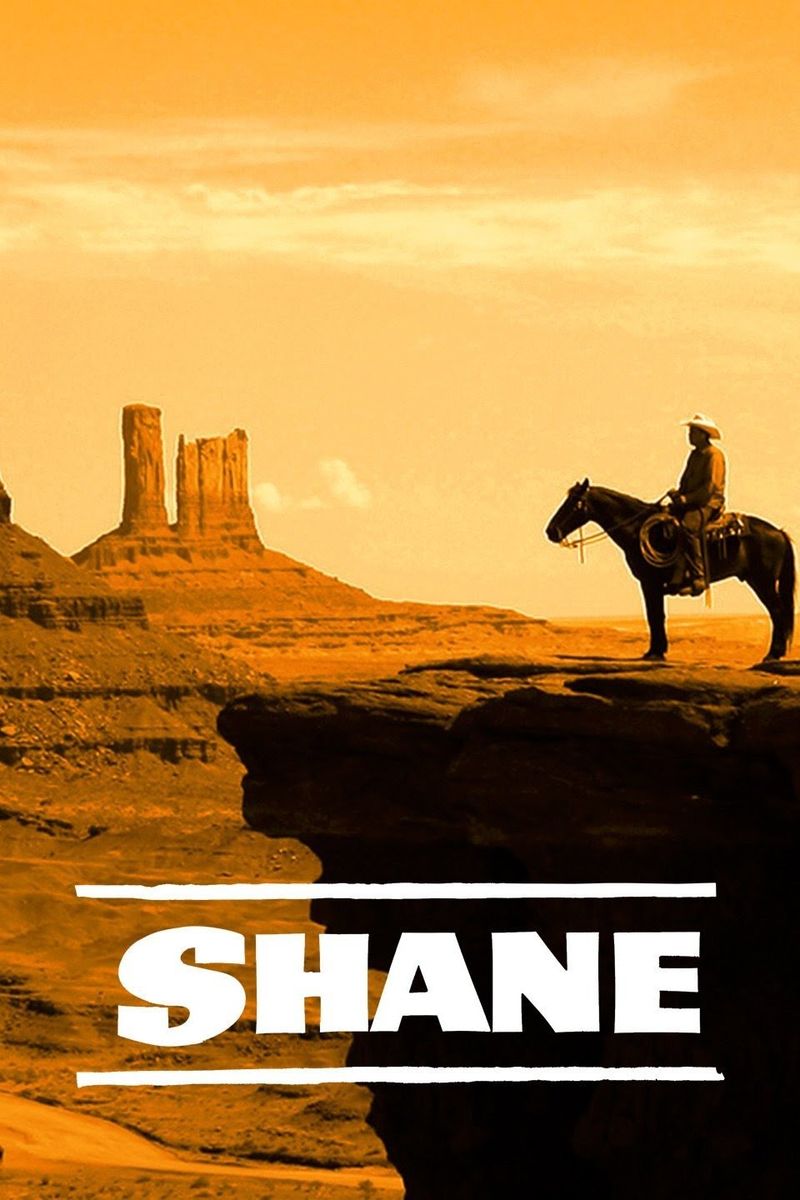
A boy gazes up at a stranger in buckskin, and the whole valley seems to hold its breath.
Shane arrives as a mysterious drifter, then helps farmers who are being bullied by a greedy cattle baron.
Director George Stevens filmed the Wyoming mountains so beautifully that the setting almost feels like a character.
Alan Ladd gives the hero a gentle, tired kind of strength.
The film asks a big question: can a person ever escape a violent past?
Shane became the model for the reluctant hero, a gunfighter who would rather hang up his gun but steps forward when others need help.
6. The Searchers (1956)
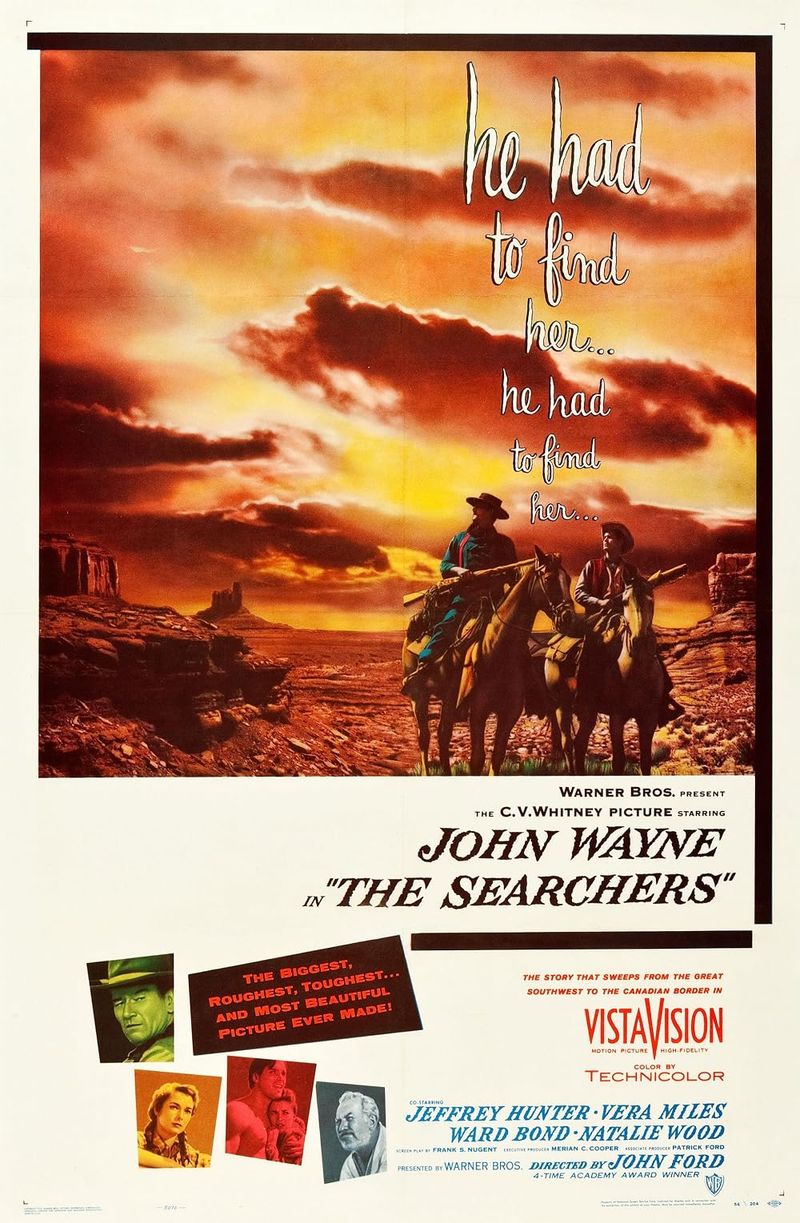
That final shot of a doorway framing the desert is one of the most copied images in movie history.
The Searchers follows Ethan Edwards, a bitter Civil War veteran, on a years-long hunt for his kidnapped niece.
John Wayne, in his late 40s, plays against his usual hero image.
Ethan is driven by anger and prejudice, and the movie does not hide it.
Directors such as Martin Scorsese and Steven Spielberg have praised the film’s framing and mood.
Its tough, tangled hero showed that a Western star could be admired and troubling at once, and that idea still echoes today.
7. Rio Bravo (1959)
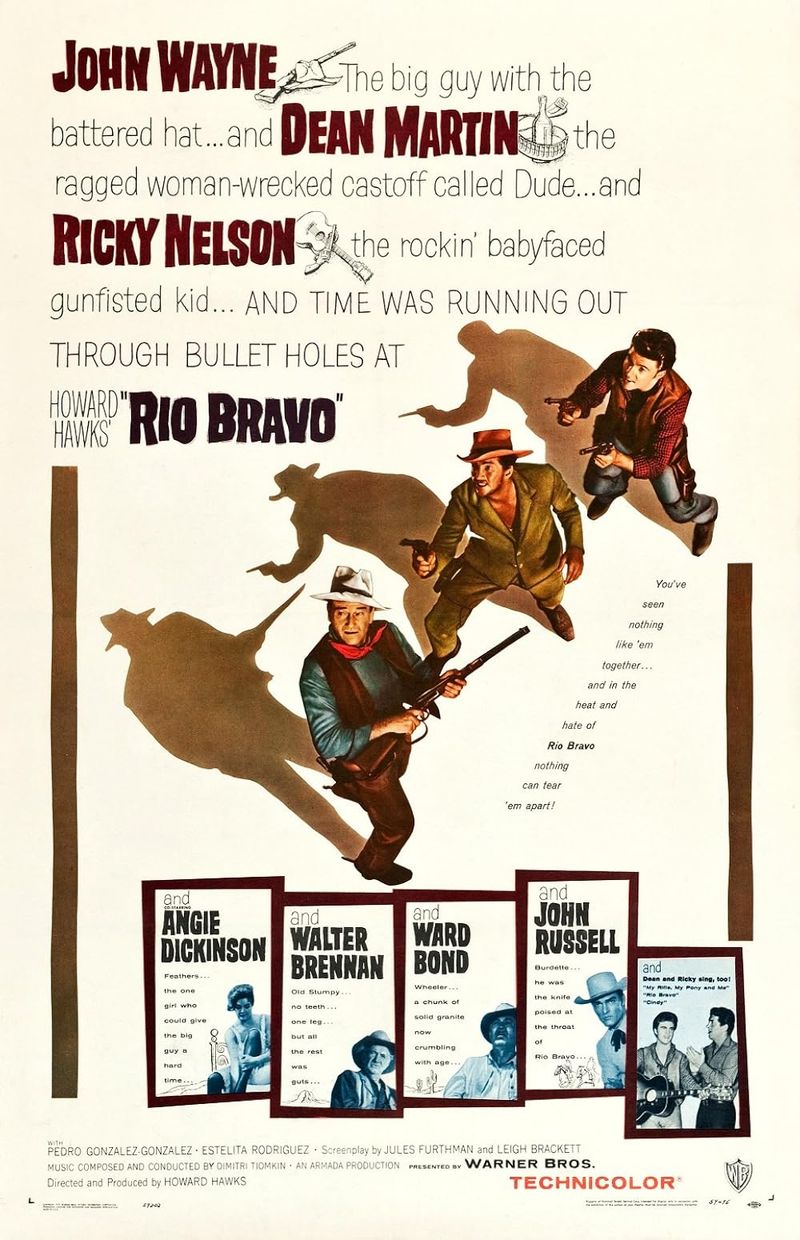
Who needs a lone hero when you have a ragtag crew of pals?
Rio Bravo drops a sheriff, a young sharpshooter, a grumpy old deputy, and a recovering drunk into one jailhouse, and lets the friendship do the talking.
Howard Hawks made the film partly as a reply to High Noon.
His sheriff, played by John Wayne, welcomes help instead of walking alone.
The pace is relaxed, with jokes, songs, and quiet moments between the action.
That easygoing hangout feel became a recipe copied by many buddy-style adventures, both in Westerns and in other action movies afterward.
8. The Magnificent Seven (1960)
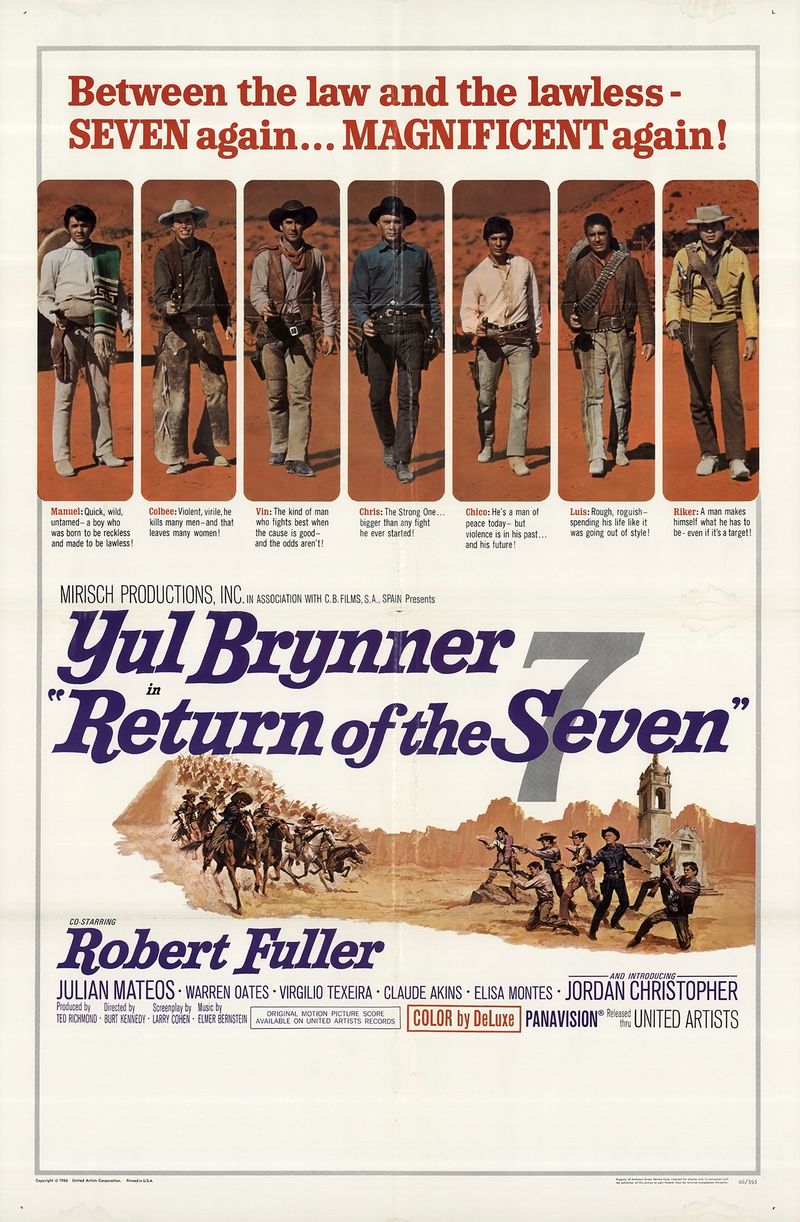
Take a Japanese samurai classic, move it to a dusty Mexican village, and you get a whole new kind of Western.
The Magnificent Seven borrows its plot from Akira Kurosawa’s Seven Samurai, and it works beautifully.
Each hired gun has a different style and a different reason for joining.
Yul Brynner plays the calm leader, while Steve McQueen adds cool charm.
Elmer Bernstein’s rousing theme is still one of the best-known tunes in movie music.
The idea of gathering a team of very different heroes for one big job has been reused in countless action films ever since.
9. The Man Who Shot Liberty Valance (1962)
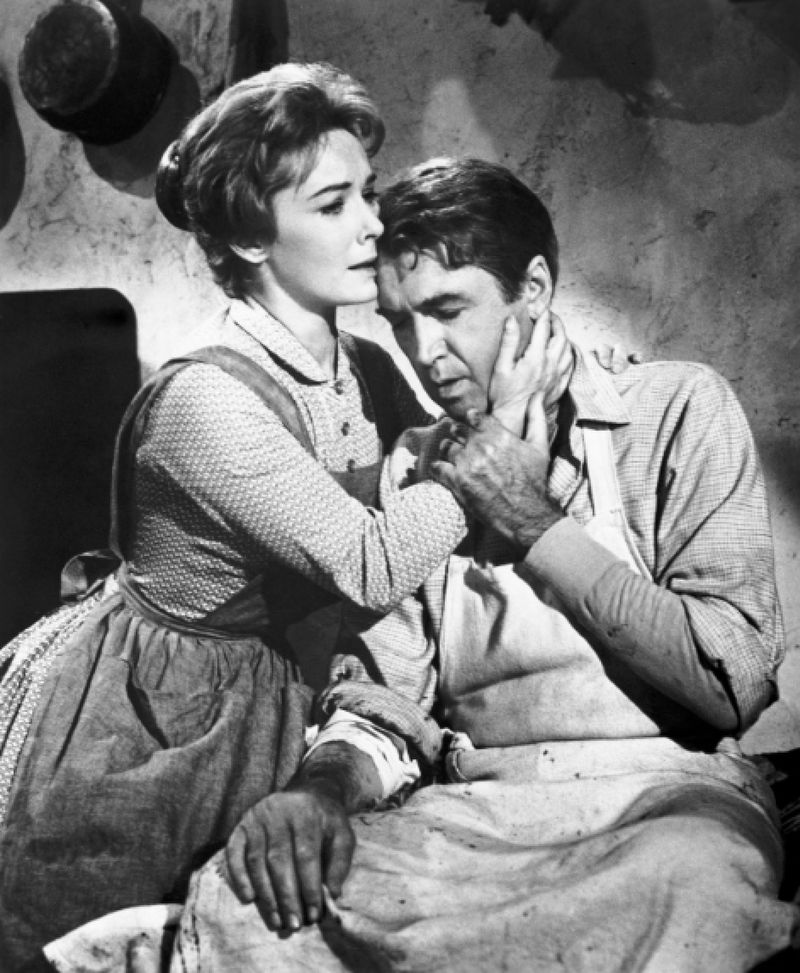
“When the legend becomes fact, print the legend.” That famous line sums up this thoughtful film better than any summary could.
James Stewart plays a lawyer who becomes famous for defeating a vicious outlaw.
John Wayne plays the rancher who knows what truly happened that night.
John Ford shot it in black and white, giving the story a shadowy, wistful feeling.
Instead of cheering for the old West, the movie asks whether we prefer exciting tales over the truth.
That sly question made it a favorite of film lovers and critics.
It showed that the genre could look at its own myths with a smart and gentle eye.
10. A Fistful of Dollars (1964)
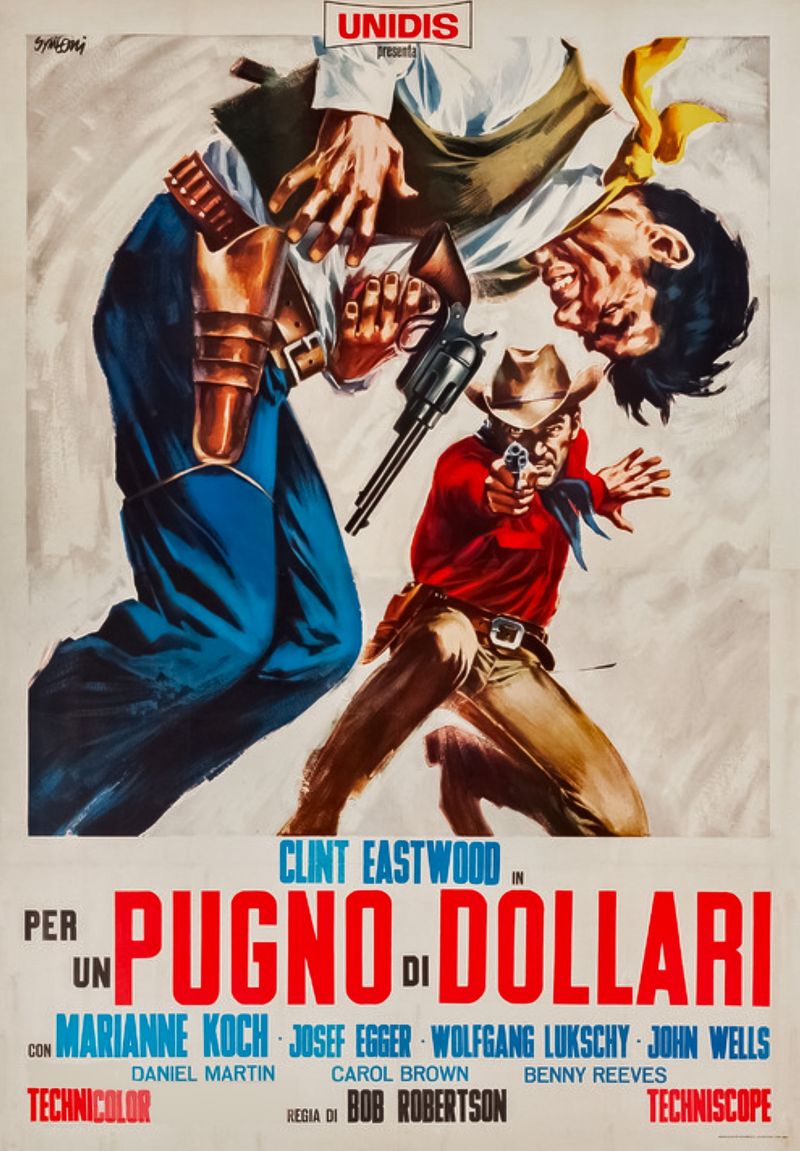
A poncho, a cigar, and a squint that says everything.
Clint Eastwood, then in his early 30s, became a global star as the quiet Man with No Name.
Italian director Sergio Leone filmed this Western in Spain on a small budget, yet it felt fresh and bold.
Instead of noble heroes, it showed a sly drifter playing two gangs against each other.
Leone used huge close-ups of eyes and long, silent pauses before gunfights.
Ennio Morricone’s twangy, whistling music gave it a sound nobody had heard before.
Together, they launched the Spaghetti Western craze across the world.
11. The Good, the Bad and the Ugly (1966)
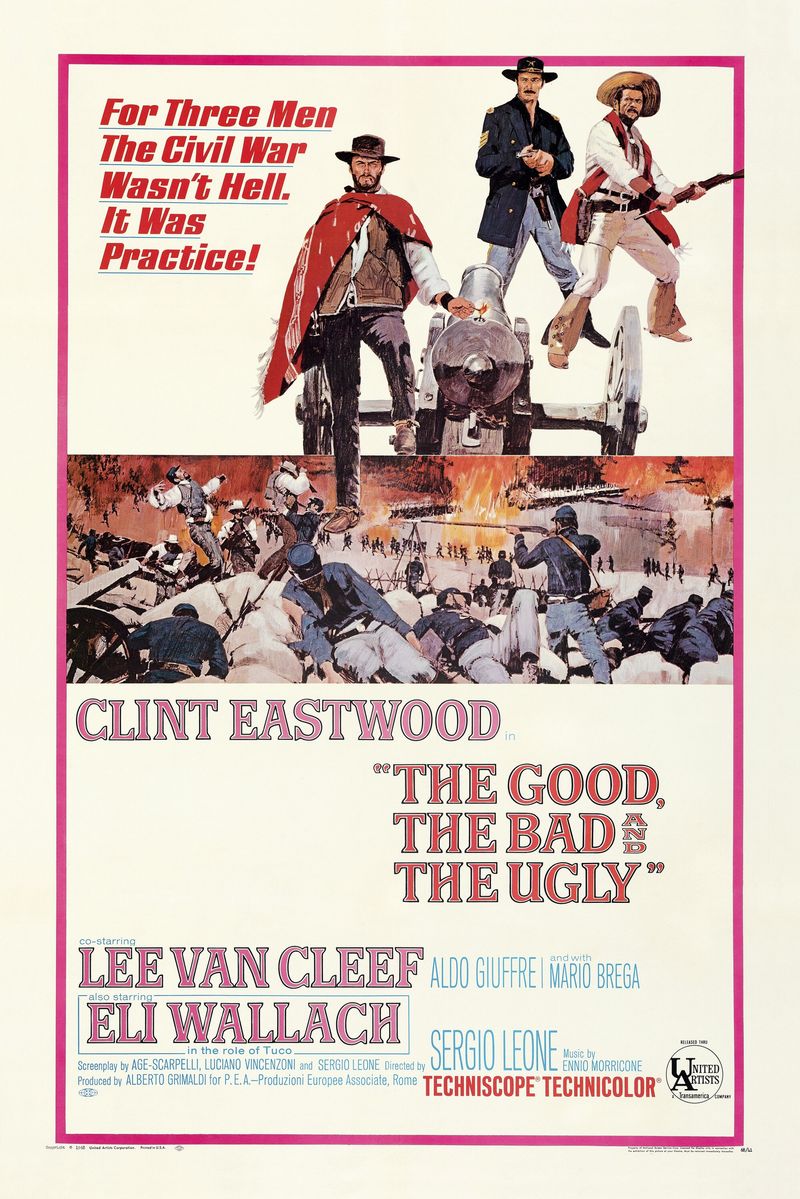
Three men, one hidden stash of gold, and a graveyard showdown that stretches time itself.
The final standoff in this epic is a masterclass in suspense, with cuts getting faster as the music swells.
Clint Eastwood, Lee Van Cleef, and Eli Wallach each play characters who are not exactly saints.
Nobody is purely good, and that gray feeling was a big shift for the genre.
Set against the Civil War, the story also shows how silly and cruel battles can be.
Ennio Morricone’s famous howling theme became one of the most recognized tunes in film.
Directors in many genres still copy its style.
12. Once Upon a Time in the West (1968)
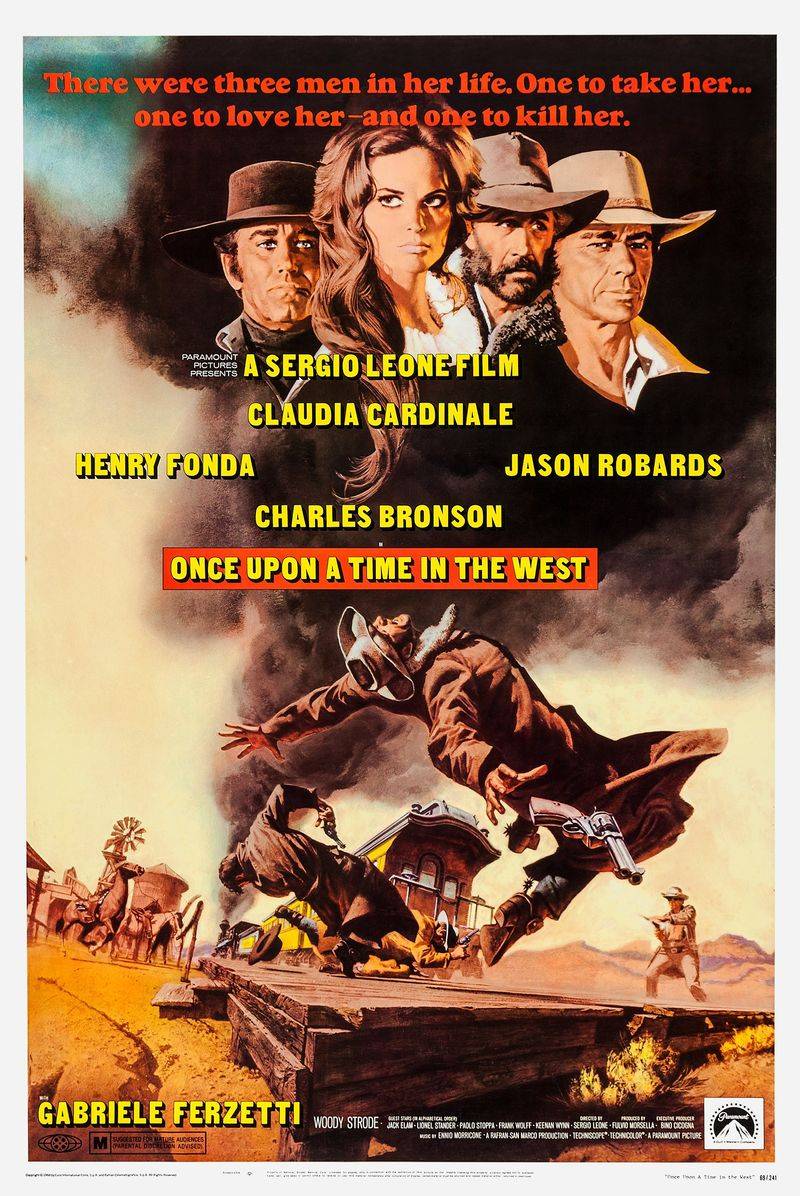
Few openings in movie history are as patient as this one.
Three gunmen wait at a train station while a windmill creaks, and the silence builds until you can hardly sit still.
Sergio Leone treated the Western like an opera, with slow, grand scenes and music acting like a voice.
Henry Fonda shocked audiences by playing a cold-blooded villain after years of kind roles.
The story follows a widow, a hired gun, and a railroad that is swallowing the frontier.
Ennio Morricone gave each character a musical theme, which made the movie feel enormous.
It proved a Western could be as sweeping and emotional as any big-screen epic.
13. The Wild Bunch (1969)
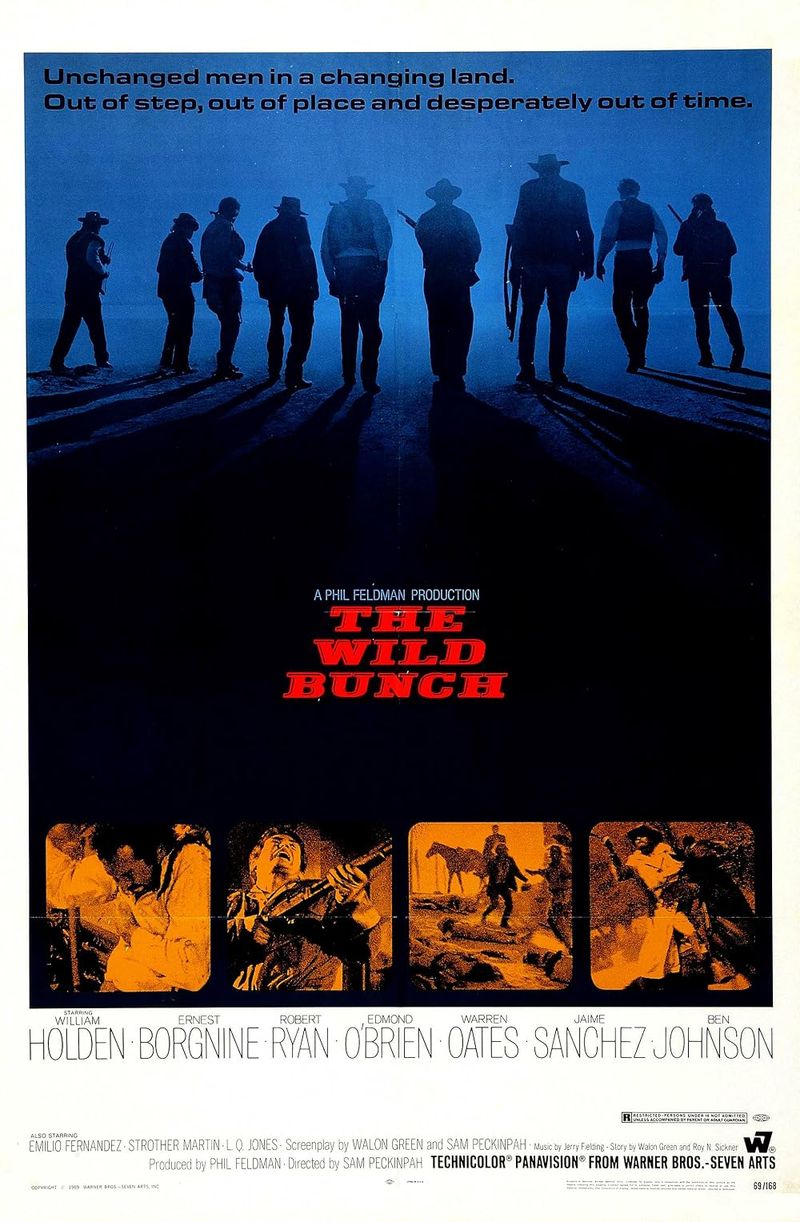
Old outlaws in a brand-new century, and no place left for them to run.
The Wild Bunch opens with a bloody bank robbery gone wrong, and it only gets tougher from there.
Director Sam Peckinpah shocked viewers with its fierce action.
He used slow motion and fast editing in ways that were brand new, and later action movies copied those tricks.
Still, the heart of the story is about loyalty among rough men who feel left behind by a changing world.
Its harsh, honest look at violence made it a turning point.
After it, Westerns could no longer pretend gunfights were clean or glamorous.
14. Butch Cassidy and the Sundance Kid (1969)
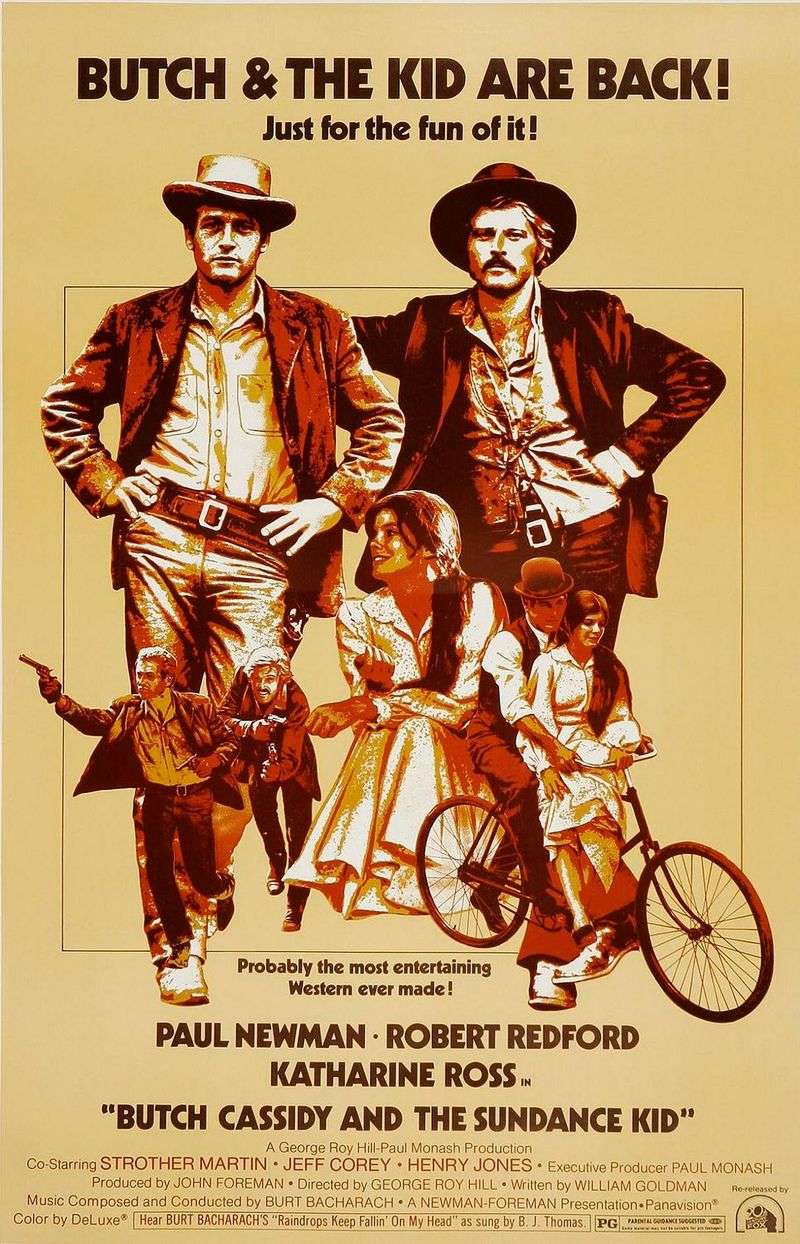
Who says outlaws can’t be funny?
Paul Newman and Robert Redford, both in their 40s and 30s during filming, trade jokes as easily as they dodge bullets.
Butch and Sundance rob banks and trains, but when a relentless posse tracks them down, they flee all the way to Bolivia.
The film swings from comedy to adventure to heartbreak without missing a beat.
The famous bicycle scene, set to a cheerful song, felt very modern in 1969.
Director George Roy Hill brought in a fresh, playful mood that welcomed younger viewers.
The warm friendship at its center is the reason people still love it.
15. Unforgiven (1992)
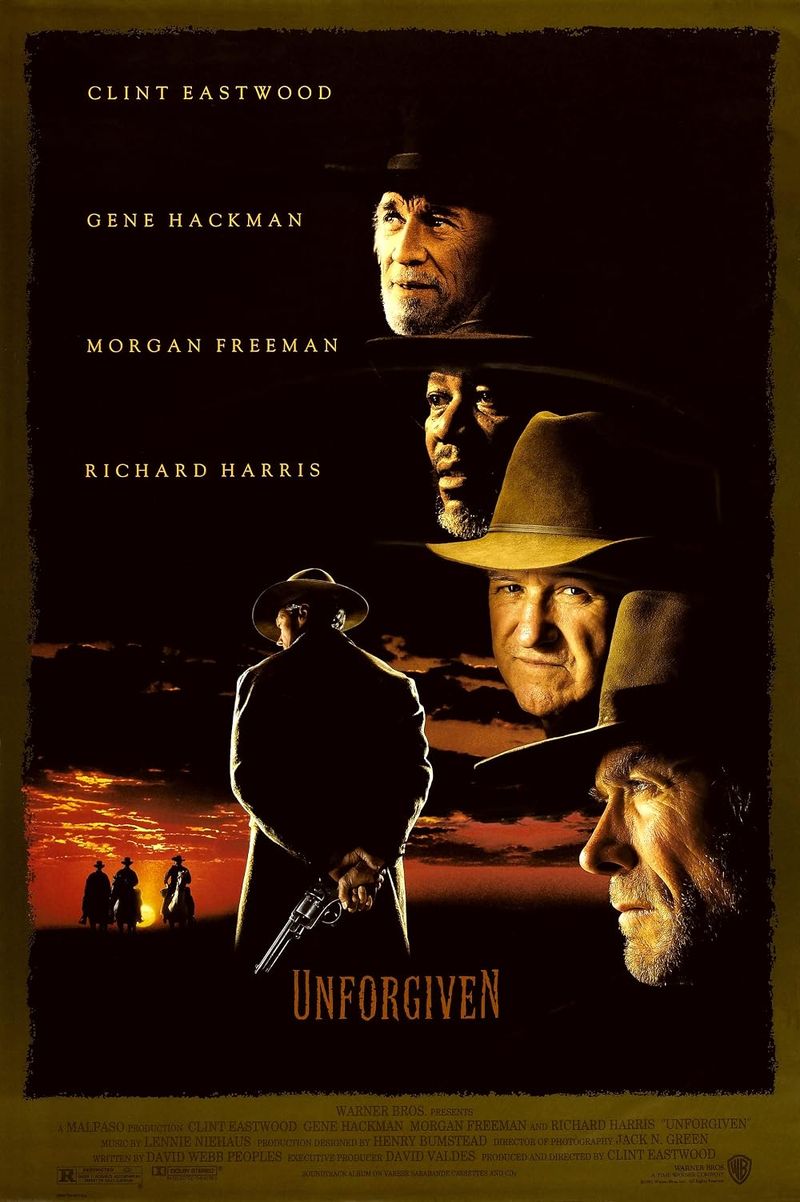
What if the old gunslinger didn’t want to shoot anyone anymore?
Clint Eastwood, in his early 60s, plays William Munny, a widowed farmer haunted by his violent past who takes one last job for the money.
Eastwood also directed, and he keeps the mood quiet, sad, and honest.
The film shows that killing leaves scars, and that the legends told about gunmen are often wrong.
Gene Hackman and Morgan Freeman add depth to the cast.
The movie won four Academy Awards, including Best Picture.
That success reminded Hollywood that the Western still had powerful stories left to tell.