 MomSkoop
Until March 2023, no Asian woman had ever won the Oscar for Best Actress. Two years earlier, a Korean actress in her seventies had already made history in the supporting category with a role as a card-playing grandmother. Those wins grabbed headlines, but the careers behind them stretch back decades and across several film industries.
The women here have earned prizes at Cannes, Venice, Berlin, and the Academy Awards, often while switching languages and genres. Their films range from sword-swinging epics to quiet family dramas, so your next movie night has plenty of options.
1. Michelle Yeoh
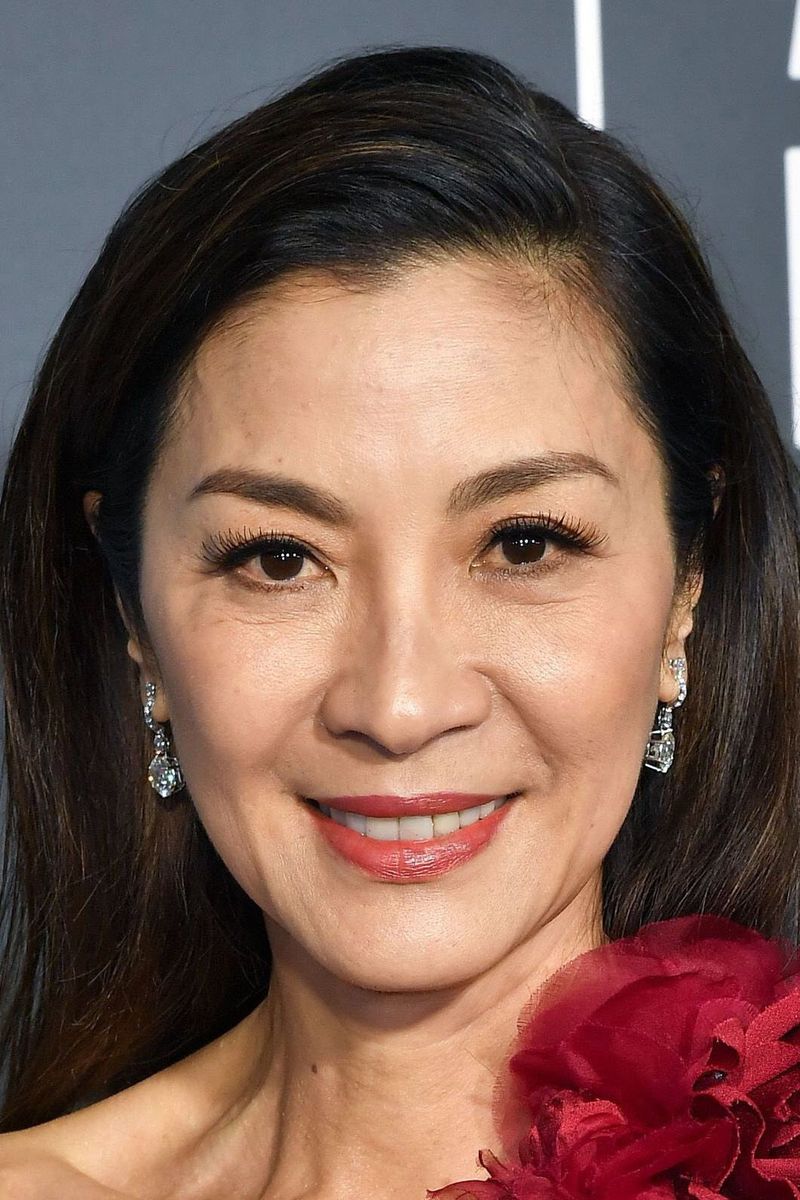
Long before she juggled multiverses and hot dog fingers, she was doing her own stunts in Hong Kong action films.
That fearless streak carried her into a career that now spans more than four decades.
Western audiences got a big introduction in 1997, when she played Chinese agent Wai Lin opposite Pierce Brosnan in Tomorrow Never Dies.
Three years later, Ang Lee cast her as the warrior Yu Shu Lien in Crouching Tiger, Hidden Dragon.
Her fight scenes in that film still look graceful and painful at the same time, which is quite a combo.
She later added Memoirs of a Geisha and Crazy Rich Asians to her résumé, playing very different kinds of strong women.
Then came Everything Everywhere All at Once in 2022.
Her role as Evelyn Wang, a tired laundromat owner pulled into a wild cosmic adventure, won her the Golden Globe and the Oscar for Best Actress.
That Oscar made her the first Asian woman to win the category.
If you only know her from one genre, try pairing Crouching Tiger with Everything Everywhere for a double feature that shows her full range.
2. Zhang Ziyi
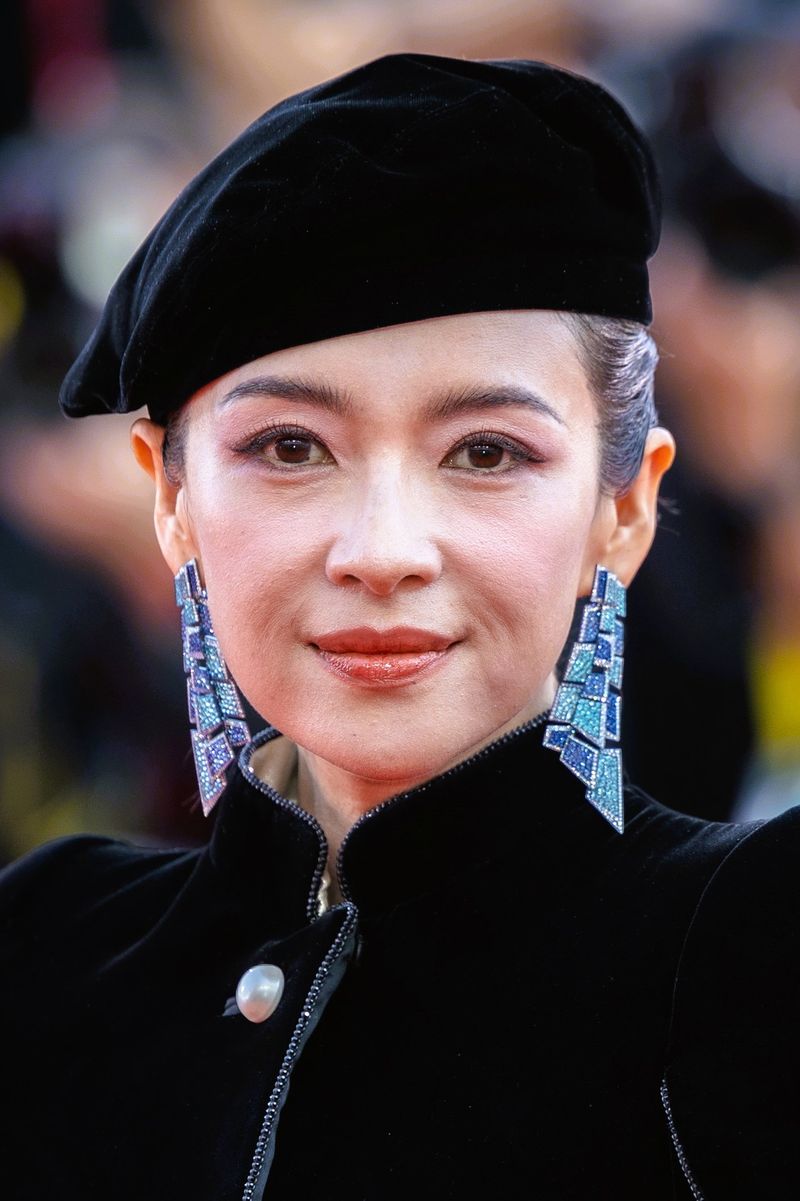
A teenage dancer from Beijing became an international film star in just a few short years.
Her first major role came in Zhang Yimou’s The Road Home in 1999, a gentle love story set in rural China.
One year later, she leaped across rooftops as the rebellious Jen Yu in Crouching Tiger, Hidden Dragon.
The part earned her a BAFTA nomination for Best Supporting Actress and made audiences around the world ask who she was.
Martial arts fans got even more from her in Hero and House of Flying Daggers, two colorful epics from Zhang Yimou.
Those films showed she could hold the screen during quiet moments too, not just during fights.
In 2005, she took the lead as Sayuri in Memoirs of a Geisha, earning Golden Globe and BAFTA nominations.
Later, Wong Kar-wai cast her as Gong Er in The Grandmaster, a role that brought her the Hong Kong Film Award for Best Actress.
Want a fun way to spot her growth as an actor?
Watch The Road Home first, then The Grandmaster, and notice how much she says with stillness.
3. Gong Li
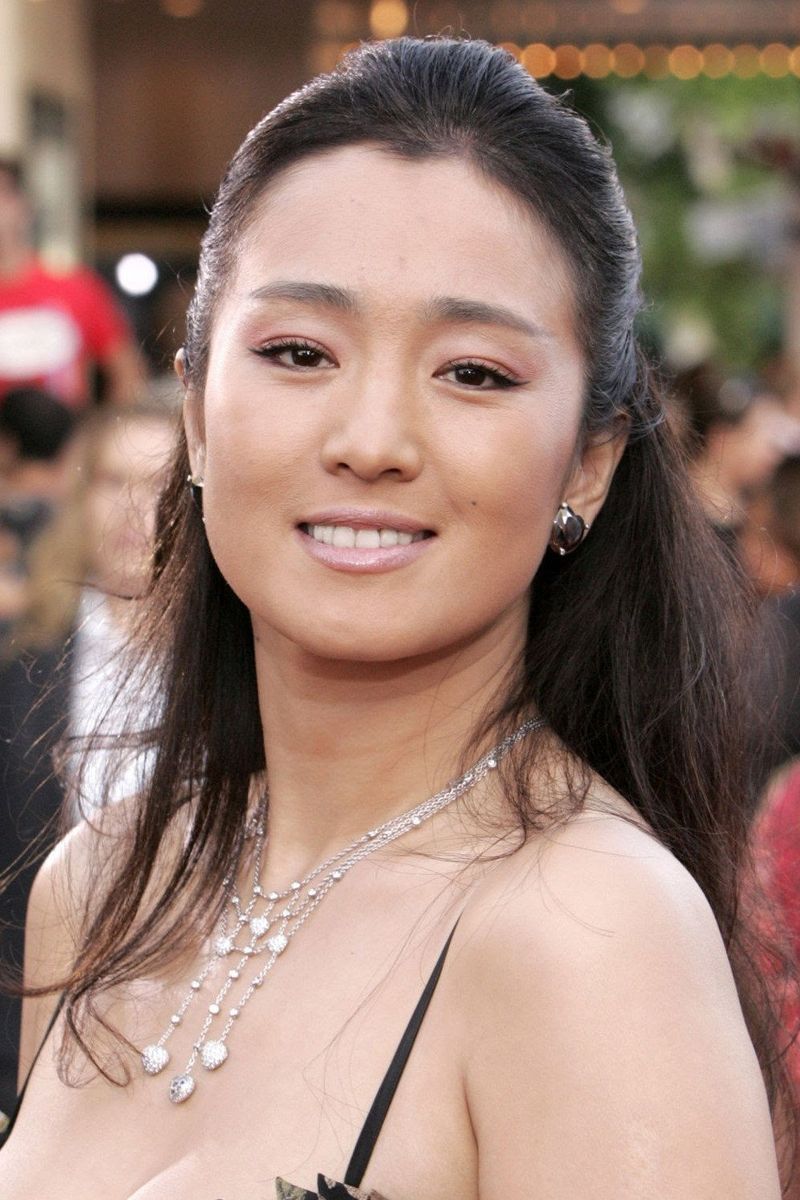
Red lanterns, opera stages, and village courtrooms are just a few settings where this actor has commanded attention.
Her partnership with director Zhang Yimou helped bring Chinese cinema to festival audiences worldwide in the late 1980s and 1990s.
In Raise the Red Lantern from 1991, she played Songlian, a young woman who becomes the fourth wife of a wealthy man.
The story unfolds inside one walled household, and her performance carries much of its tension.
She then played Juxian in Chen Kaige’s Farewell My Concubine, which shared the Palme d’Or at Cannes in 1993.
Before that, she won Best Actress at the Venice Film Festival for The Story of Qiu Ju, about a stubborn farmer’s wife seeking justice.
Hollywood came calling too.
She played the scheming geisha Hatsumomo in Memoirs of a Geisha and won the National Board of Review award for Best Supporting Actress.
Born in China, she later became a citizen of Singapore.
If you like dramas with rich colors and slow-building emotion, Raise the Red Lantern is a strong starting point.
4. Maggie Cheung
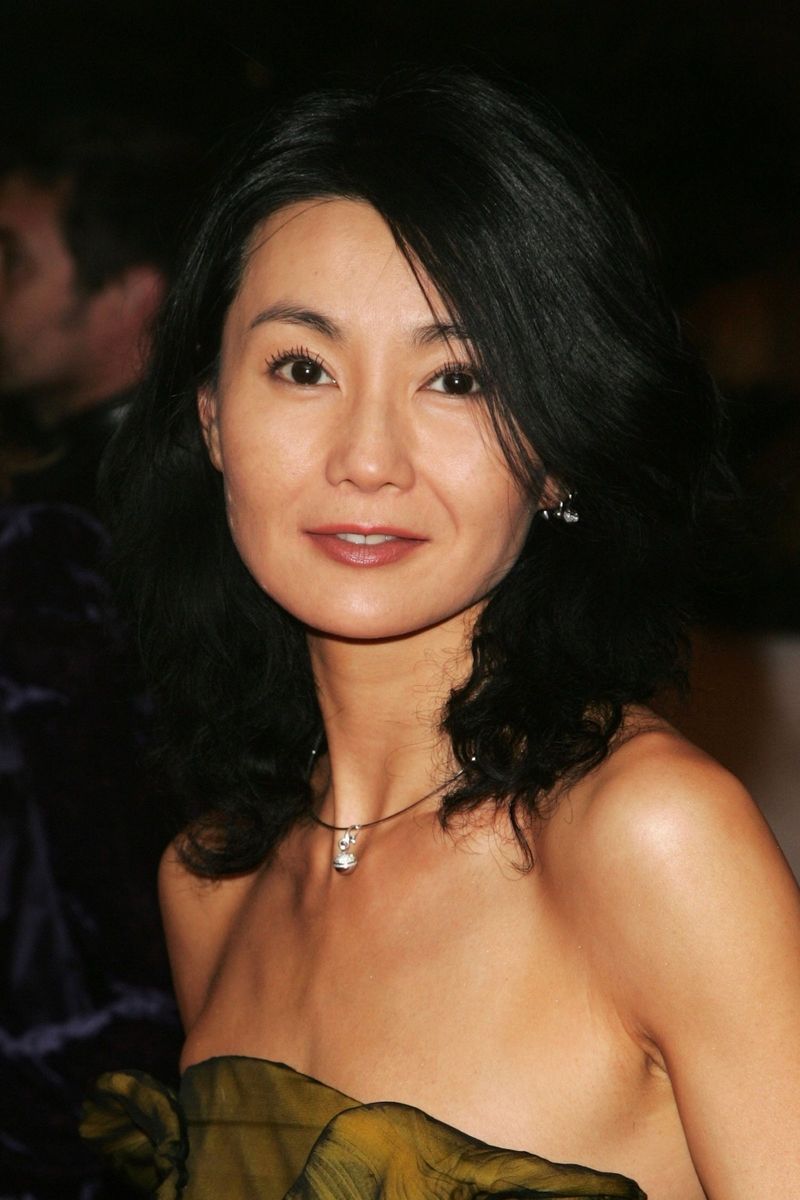
Fans still talk about her collection of high-collared cheongsam dresses in one famously slow, gorgeous romance.
That film, Wong Kar-wai’s In the Mood for Love, is only one highlight in a remarkable career.
She played Su Li-zhen, a woman who grows close to her neighbor after they suspect their spouses are having an affair.
The movie relies on glances, rain, and music more than big speeches, and her restraint makes it work.
Her trophy shelf is crowded.
She won the Silver Bear for Best Actress at Berlin for Centre Stage in 1992, playing silent film star Ruan Lingyu.
In 2004, she won Best Actress at Cannes for Olivier Assayas’s Clean.
She played a former addict trying to rebuild her life and reconnect with her young son, speaking French, English, and Cantonese along the way.
She also holds a record five Best Actress wins at the Hong Kong Film Awards.
If you enjoy movies that feel like moving paintings, give In the Mood for Love a quiet evening and no distractions.
5. Lucy Liu
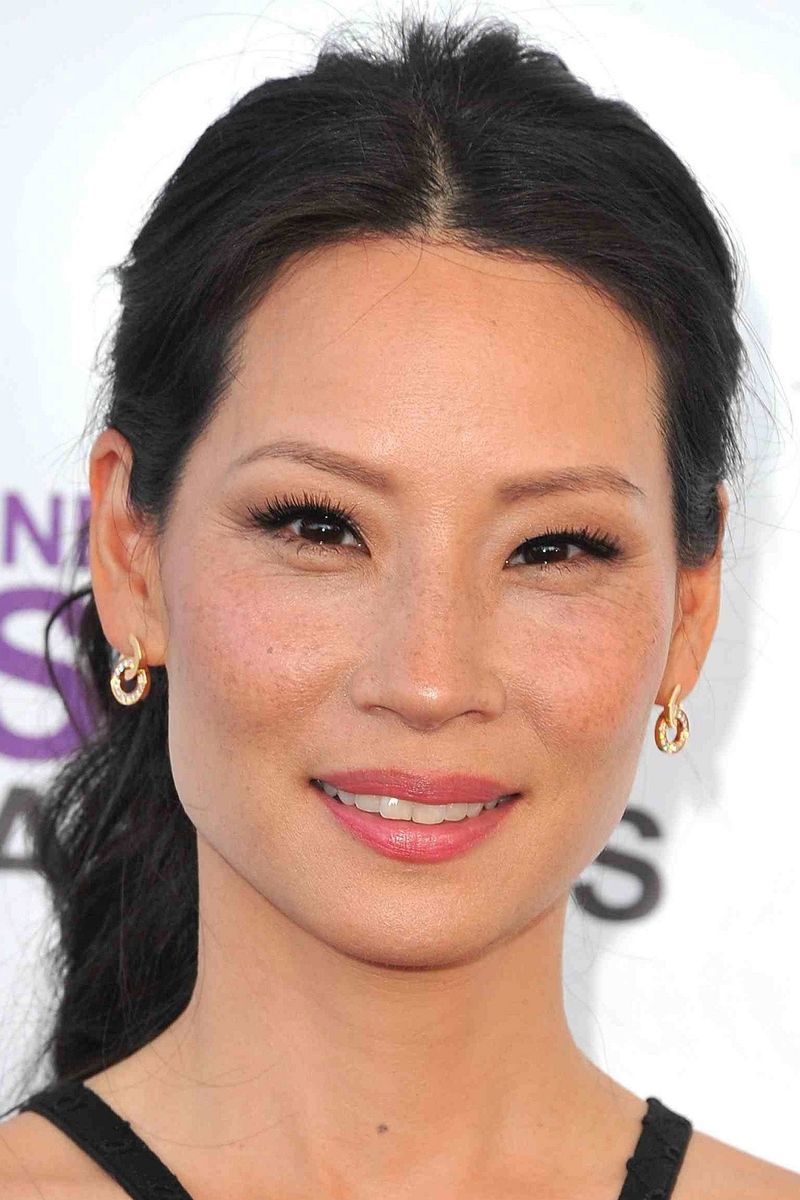
Few actors can say they played a spy-for-hire and a sword-wielding crime boss within three years.
Lucy Liu pulled off both, and audiences remembered.
In Charlie’s Angels from 2000, she played Alex Munday alongside Cameron Diaz and Drew Barrymore.
The film mixed goofy humor with slick action, and it did well enough to earn a sequel.
Quentin Tarantino then cast her as O-Ren Ishii in Kill Bill: Vol. 1.
Her character rules the Tokyo underworld, and the film even tells her backstory through an anime sequence.
Before those movies, she gained attention as the sharp-tongued lawyer Ling Woo on the TV series Ally McBeal.
Later, she spent seven seasons as Dr. Joan Watson on Elementary, a modern take on Sherlock Holmes.
Born in New York to Taiwanese immigrant parents, she has also directed television episodes.
Her career is a handy reminder that moving between movies and TV can keep an actor busy for decades, so check out both sides of her work.
6. Sandra Oh
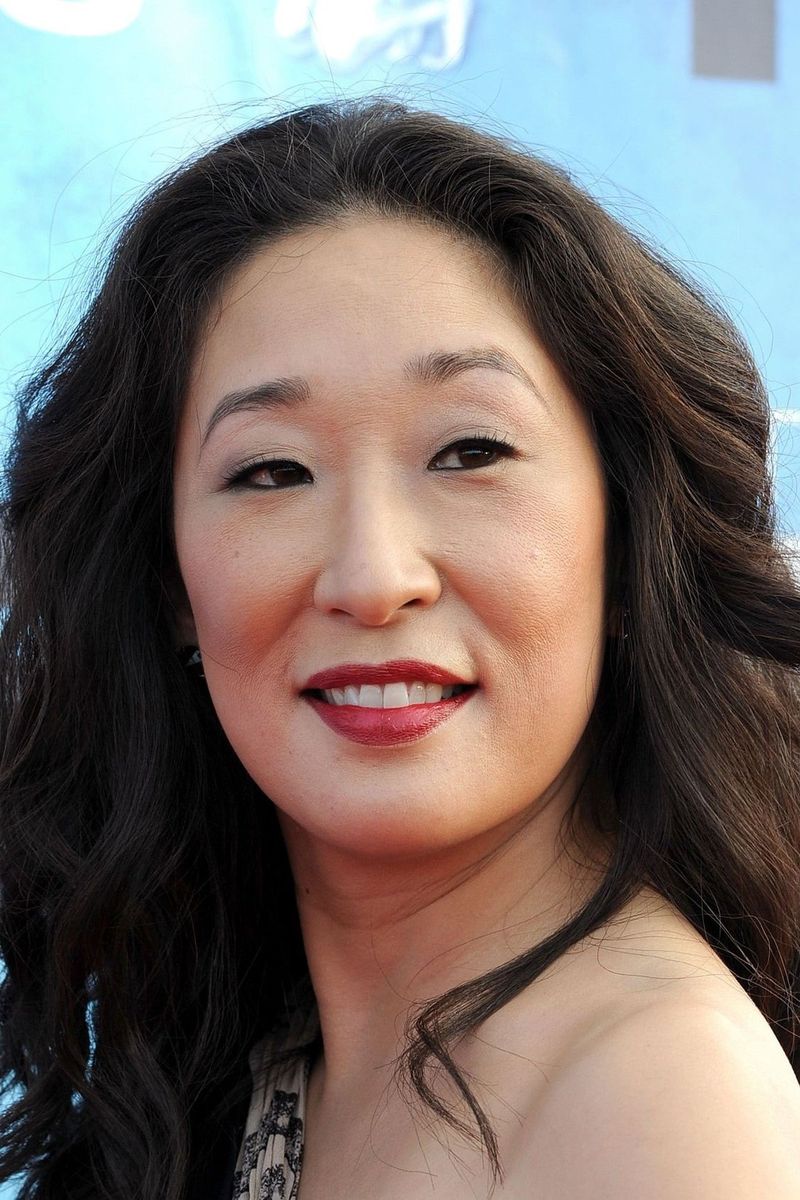
A wine-country comedy and a Pixar movie about a giant red panda make an unusual pair of film credits.
For Sandra Oh, they show just how wide her range goes.
In Alexander Payne’s Sideways from 2004, she played Stephanie, a single mom who gets swept into a road trip romance.
The film won an Oscar for its screenplay, and the cast earned plenty of praise.
Years later, she voiced Ming Lee in Turning Red, the protective mom of a teen who turns into a red panda when emotions run high.
Her performance captures that mix of love and over-the-top worry many families will recognize.
Television made her a household name.
She played Dr. Cristina Yang on Grey’s Anatomy, winning a Golden Globe, then starred as Eve Polastri in Killing Eve.
That second role brought her the Golden Globe for Best Actress in a TV drama.
If you have kids at home, Turning Red makes an easy family pick, while Sideways works better for a grown-up movie night.
7. Awkwafina
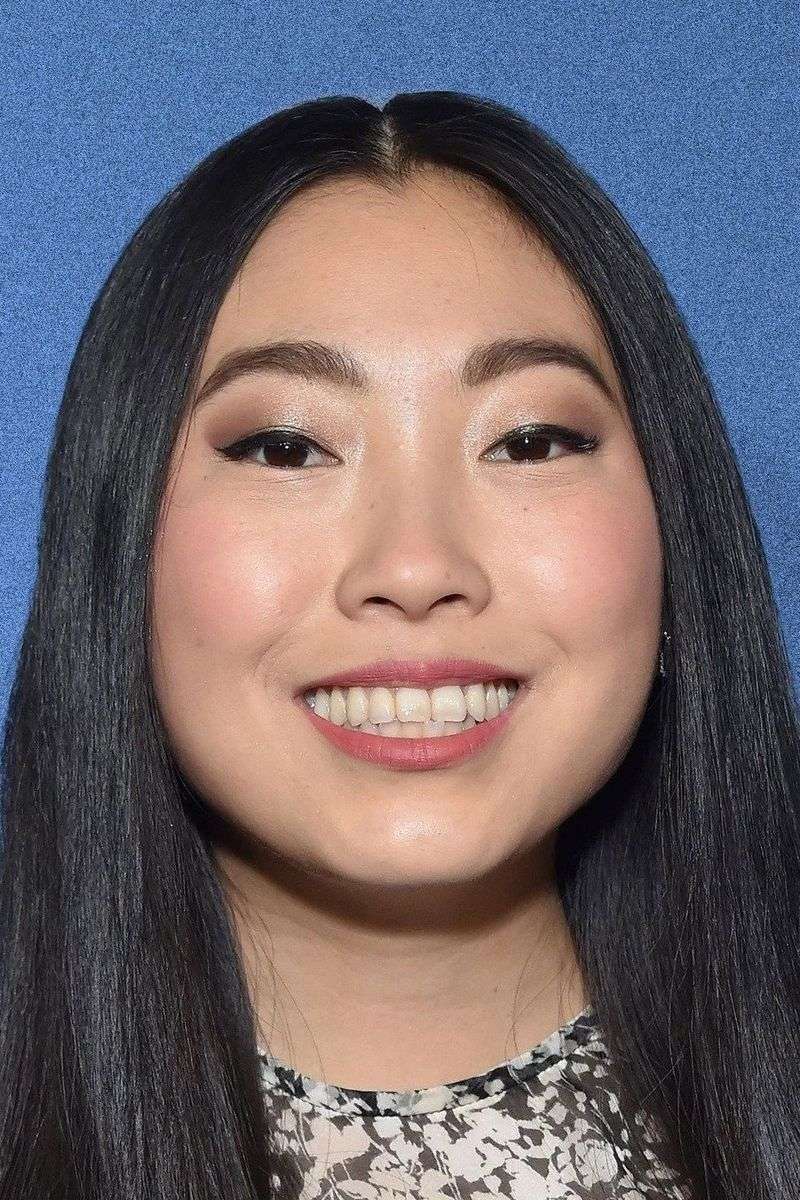
Rap videos on YouTube were an unlikely launchpad for a Golden Globe winner.
Born Nora Lum in New York, she built a following as a rapper and comedian before movies came knocking.
Her breakout year was 2018.
She played the hilarious Peik Lin in Crazy Rich Asians and joined the heist crew of Ocean’s 8.
Then she surprised many viewers with a quiet, moving lead role in Lulu Wang’s The Farewell.
She played Billi, a young woman whose family hides a grandmother’s serious diagnosis from the grandmother herself.
That performance won her the Golden Globe for Best Actress in a comedy or musical.
She became the first woman of Asian descent to win a Golden Globe in a lead film actress category.
Her voice work is worth a listen too.
She played the dragon Sisu in Raya and the Last Dragon and Ms. Tarantula in The Bad Guys, so younger fans may know her voice before her face.
8. Gemma Chan
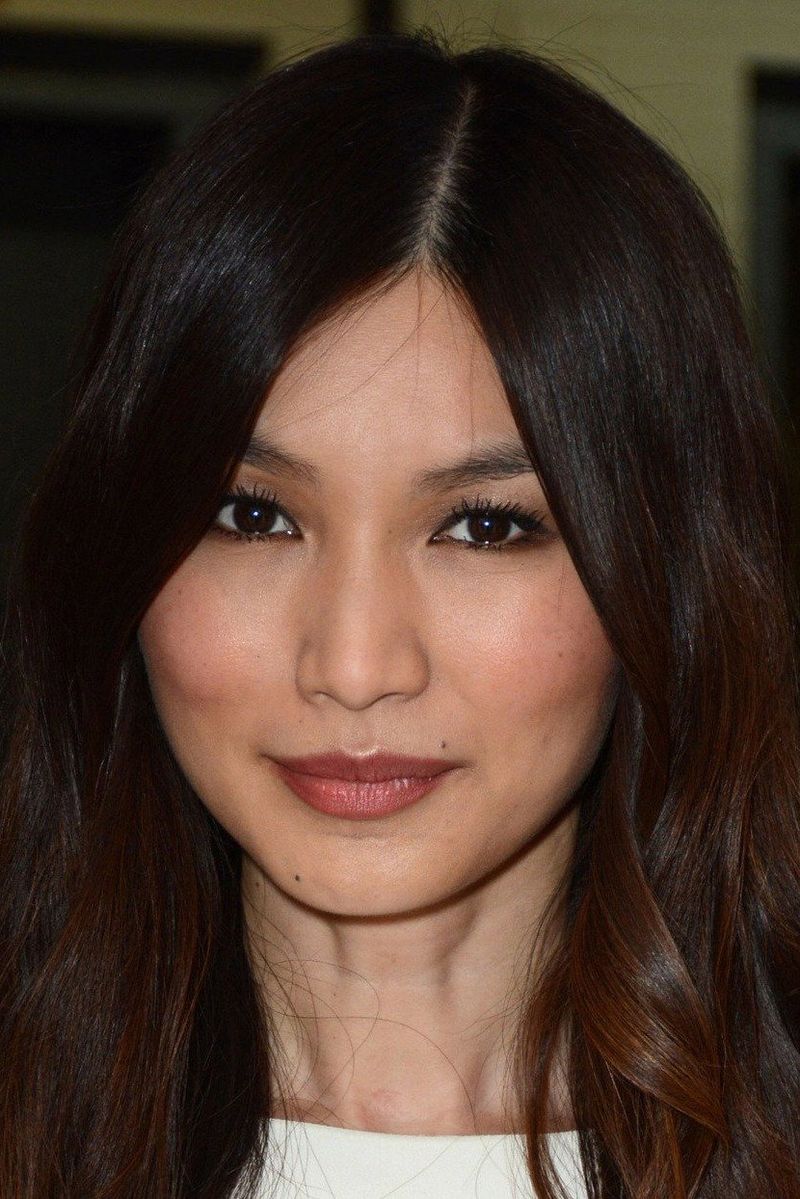
Oxford law school was the original plan, but drama school won out.
That choice led her from British television to Marvel movies.
Many viewers first noticed her as Mia, a lifelike robot, in the British series Humans.
Her careful, slightly eerie performance made the show’s big questions about technology feel personal.
In 2018, she played Astrid Leong-Teo in Crazy Rich Asians, a cousin with great style and a complicated marriage.
Fans often point to Astrid as a favorite character, and the role raised her profile in Hollywood.
Marvel cast her twice.
She played the Kree warrior Minn-Erva in Captain Marvel, then led Eternals as Sersi, an immortal who can transform matter.
She also appeared in the period drama Mary Queen of Scots that same busy 2018.
If you want to see her versatility in one weekend, try a robot story, a rom-com, and a superhero film back to back.
9. Deepika Padukone
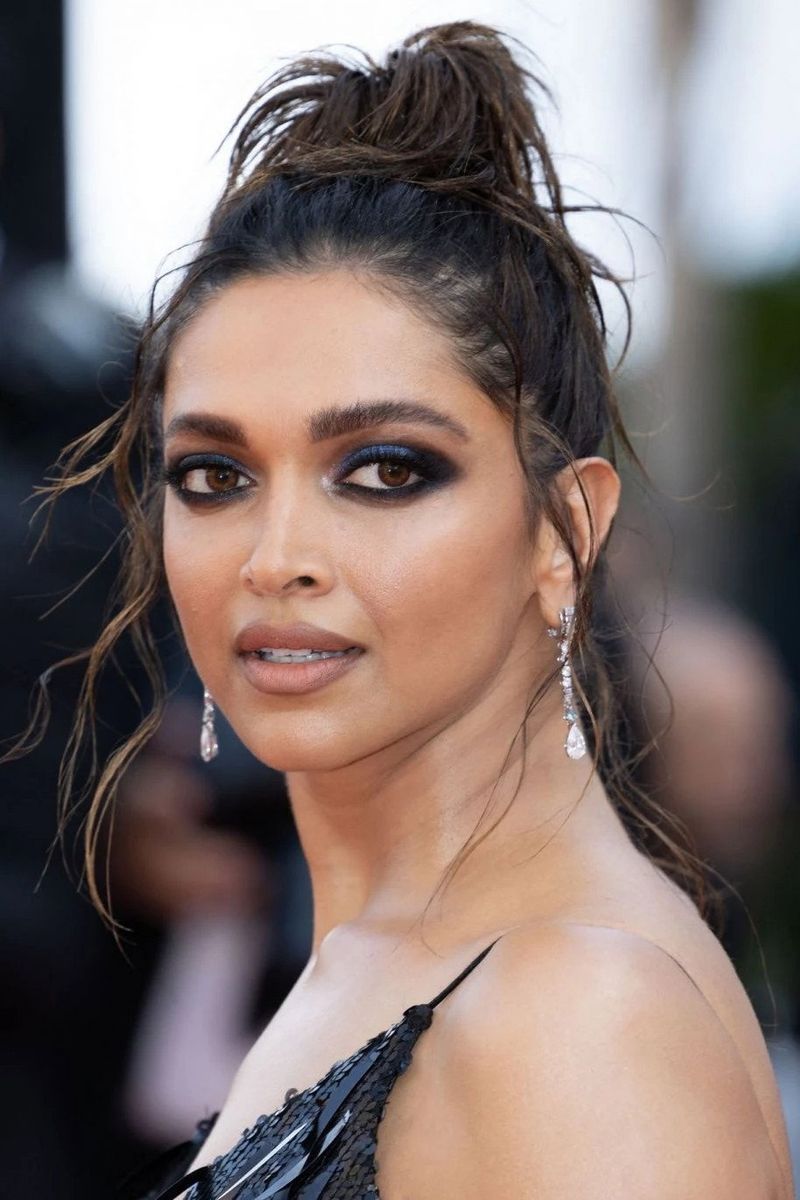
Before acting, she was a competitive badminton player, just like her father, champion Prakash Padukone.
Movies eventually won her attention, and Bollywood has been better for it.
Her Bollywood debut came in Om Shanti Om in 2007, opposite Shah Rukh Khan.
The hit earned her the Filmfare Award for Best Female Debut.
Piku from 2015 shows a lighter side of her talent.
She played an architect caring for her cranky father, played by Amitabh Bachchan, during a road trip with Irrfan Khan behind the wheel.
The comedy-drama won her the Filmfare Award for Best Actress.
Three years later, she starred as Rani Padmavati in Sanjay Leela Bhansali’s lavish historical epic Padmaavat.
She also crossed into Hollywood with xXx: Return of Xander Cage, and Time named her one of its 100 most influential people in 2018.
Piku makes an easy entry point if you are new to Hindi films and prefer family stories over spectacle.
10. Priyanka Chopra Jonas
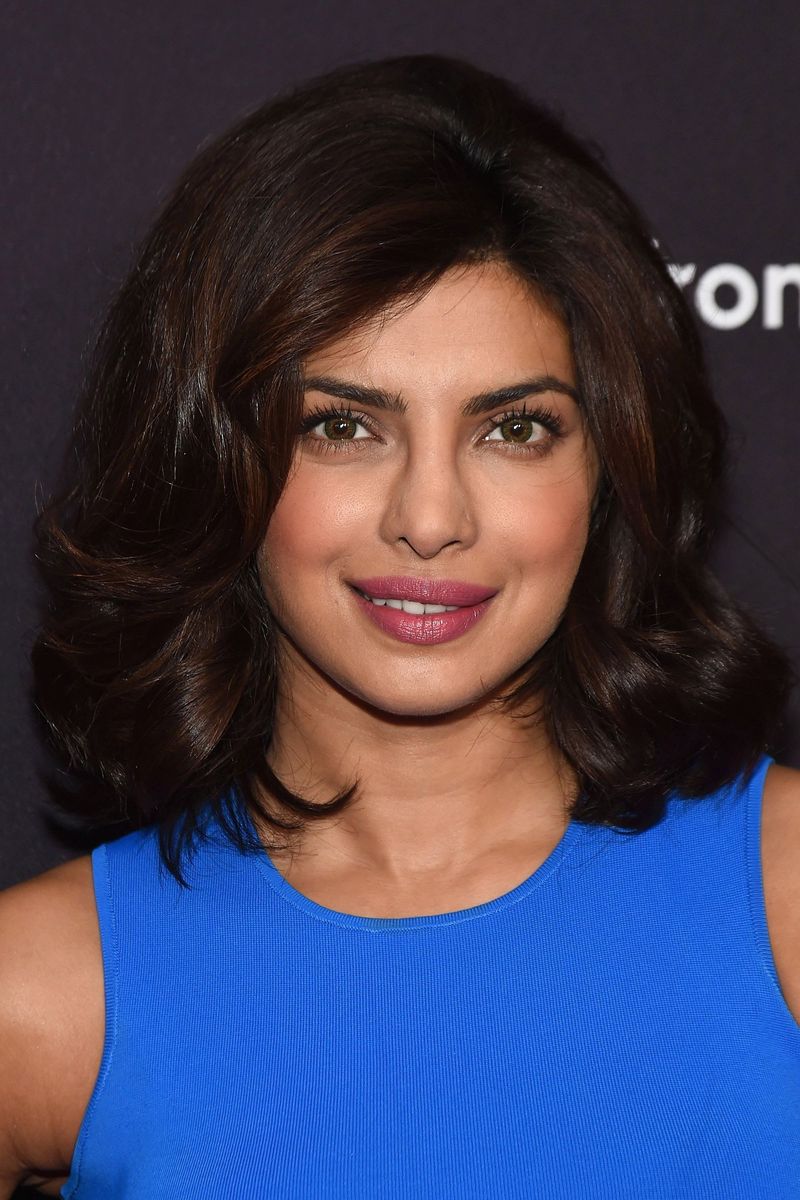
Winning Miss World in 2000 opened doors, but her acting has kept them open.
She has since worked in Hindi films, American television, and Hollywood movies.
In Madhur Bhandarkar’s Fashion from 2008, she played Meghna, a small-town model chasing fame in Mumbai.
The role earned her India’s National Film Award for Best Actress.
Barfi! from 2012 asked for something very different.
She played Jhilmil, an autistic young woman, alongside Ranbir Kapoor’s character, who is deaf and unable to speak.
American audiences met her in Quantico, where she played FBI recruit Alex Parrish.
She became the first South Asian actor to headline an American network drama series.
Her Hollywood film credits include Baywatch, Isn’t It Romantic, and The White Tiger, which she also executive produced.
Fashion is a smart pick if you enjoy behind-the-scenes industry stories, while Barfi! suits fans of sweet, offbeat romance.
11. Aishwarya Rai Bachchan
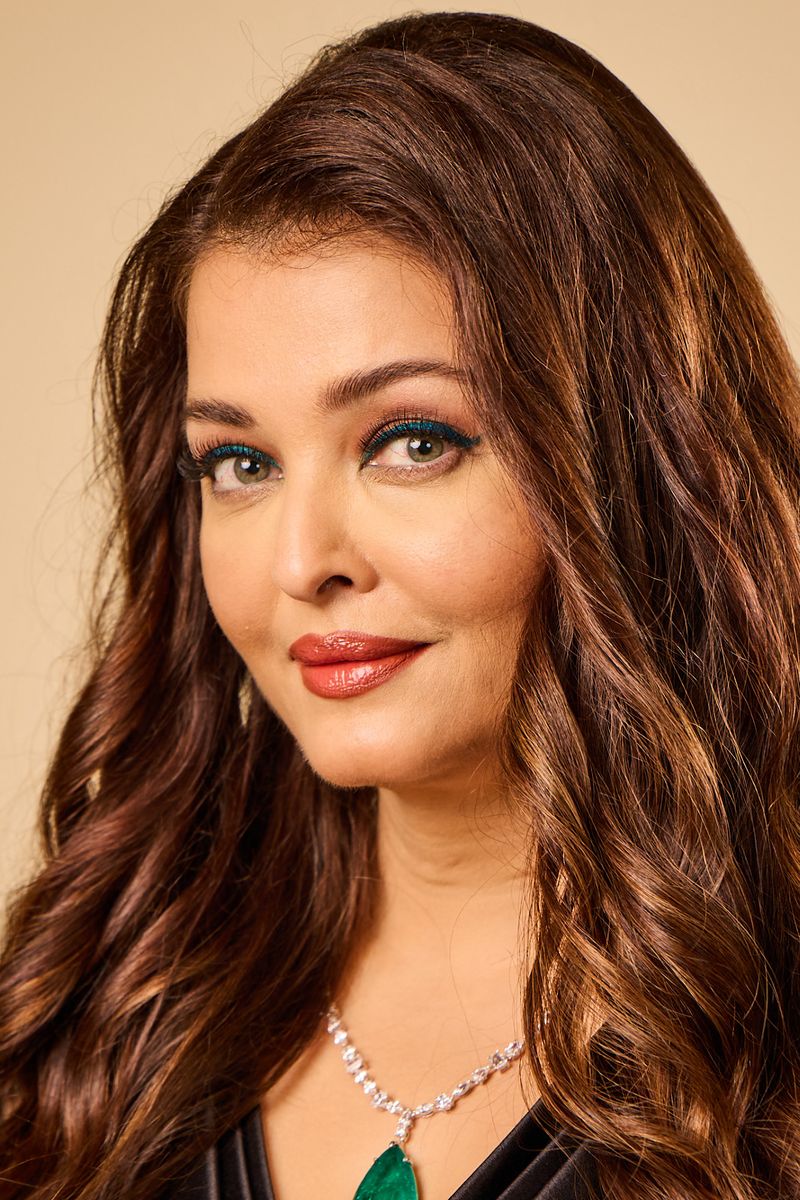
Six years after being crowned Miss World in 1994, she was already one of Hindi cinema’s top leading ladies.
Her films often come wrapped in grand sets, rich costumes, and big music.
Devdas from 2002 is a prime example.
She played Paro, the childhood love of the tragic hero played by Shah Rukh Khan.
Sanjay Leela Bhansali’s lavish film screened at the Cannes Film Festival.
Her performance won her the Filmfare Award for Best Actress.
In Jodhaa Akbar from 2008, she played a Rajput princess in an arranged marriage with Mughal emperor Akbar, played by Hrithik Roshan.
Director Ashutosh Gowariker turned the historical romance into a sweeping, three-hour-plus spectacle.
She also starred in Mani Ratnam’s Guru and appeared in the English-language comedy The Pink Panther 2.
Fair warning: these epics run long, so snacks and a comfy couch are smart planning.
12. Alia Bhatt
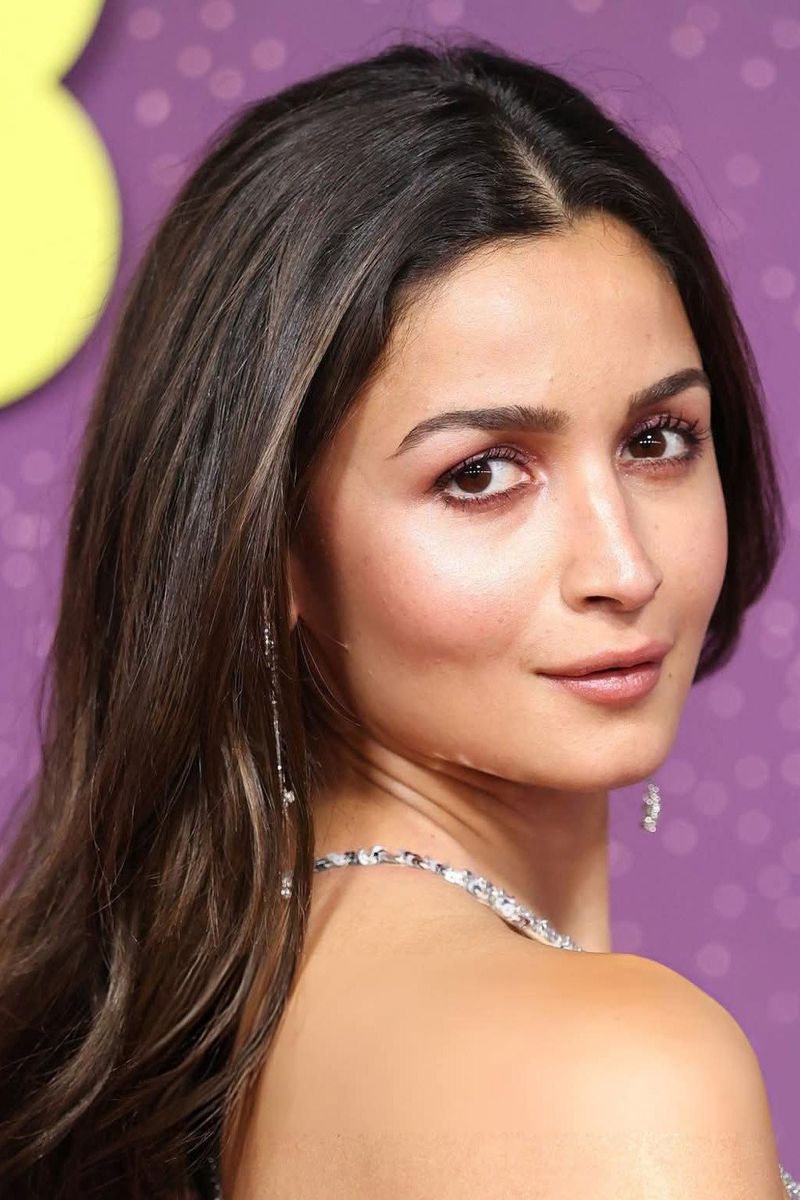
Spy thriller, gangster drama, and rap musical all sit comfortably on one actor’s résumé.
She keeps choosing roles that look nothing alike, and it keeps paying off.
In Meghna Gulzar’s Raazi from 2018, she played Sehmat, a young Indian woman who marries into a Pakistani military family to gather secrets.
The movie is tense and heartbreaking, and she carries it.
Gangubai Kathiawadi from 2022 cast her as a woman who rises to power in Mumbai’s Kamathipura district.
That role earned her India’s National Film Award for Best Actress.
She has also won Filmfare Best Actress awards for Highway, Udta Punjab, Raazi, and Gully Boy.
That’s a strong streak for someone who made her adult debut only in 2012.
Hollywood viewers spotted her in Heart of Stone alongside Gal Gadot, and Time named her one of its 100 most influential people in 2024.
Raazi is a great first watch if you love spy stories with real emotional stakes.
13. Bae Doona
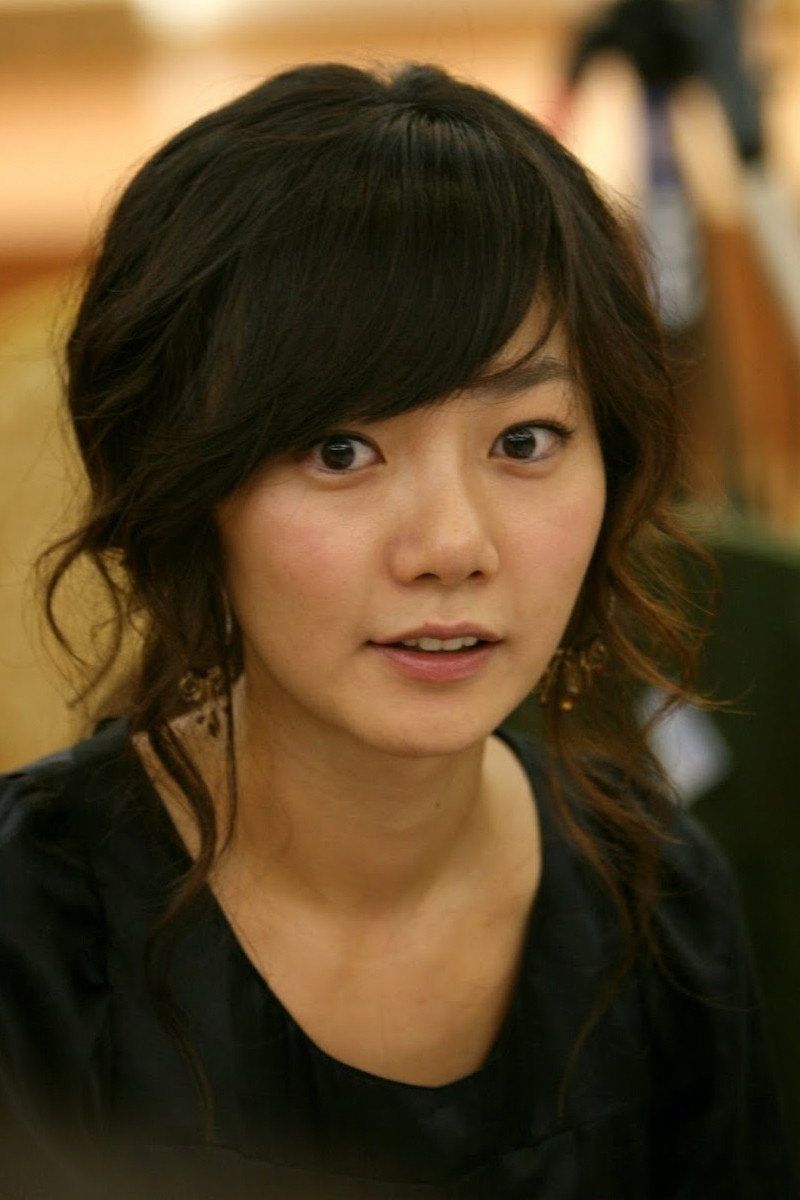
Archery skills came in handy when a giant creature crawled out of Seoul’s Han River.
In Bong Joon-ho’s The Host, she played Park Nam-joo, a bronze-medal archer helping her family rescue her niece.
The 2006 monster movie became a huge box office hit in South Korea.
It blends scares, family comedy, and sharp social commentary, which is classic Bong territory.
Her international work took off with the Wachowskis.
In Cloud Atlas, she played Sonmi-451, a cloned server in a futuristic Seoul who becomes a symbol of rebellion.
She later joined the Wachowskis again in the Netflix series Sense8.
Japanese director Hirokazu Kore-eda also cast her in Air Doll and, years later, Broker.
For A Girl at My Door, she won Best Actress at the Asian Film Awards.
She is also a published photographer, so her eye for images goes beyond the camera’s front side.
14. Kim Hye-ja
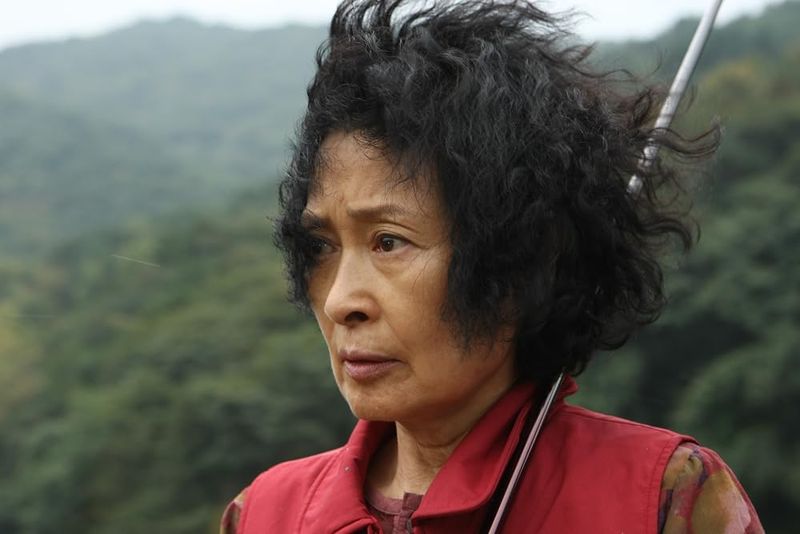
South Korean TV viewers spent decades seeing her as the nation’s favorite on-screen mom.
Bong Joon-ho flipped that image in a gripping way.
In Mother from 2009, she played a widow whose son is accused of a crime.
Determined to prove his innocence, she launches her own investigation.
Without spoiling anything, the film pushes her character into dark and surprising places.
Her performance won Best Actress from the Los Angeles Film Critics Association and the Asian Film Awards.
Much of her career happened on television, including more than 20 years on the long-running drama Country Diaries.
That background makes her film work feel even more striking, since audiences knew her as a comforting presence.
Late Blossom from 2011 offers a softer counterpart, a story about romance and companionship among older neighbors.
If you watch Mother, consider following it with something lighter, because the ending tends to stick with viewers.
15. Jeon Do-yeon
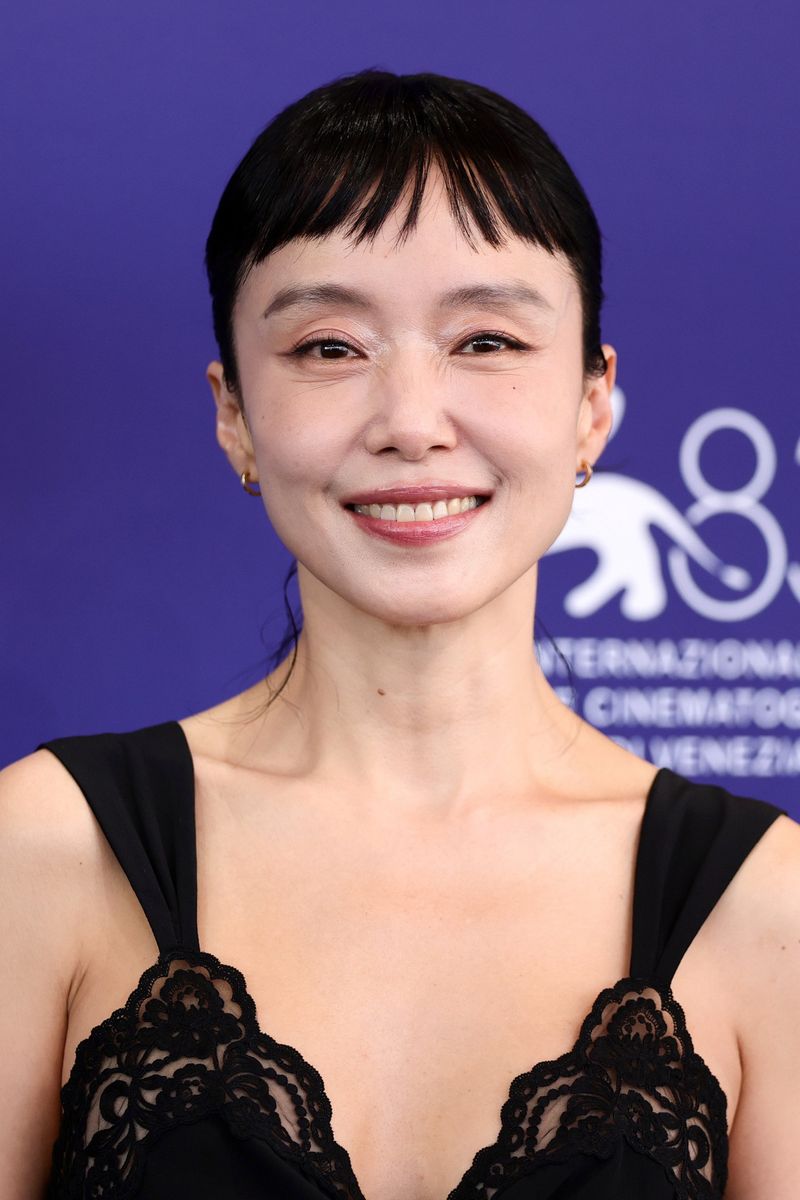
Cannes juries do not hand out Best Actress lightly.
In 2007, she became the first South Korean performer to win it.
The film was Lee Chang-dong’s Secret Sunshine.
She played Shin-ae, a widow who moves to her late husband’s hometown with her young son, only to face unbearable loss.
Her performance tracks grief, faith, and anger with startling honesty.
Many critics consider it one of the strongest screen performances in modern Korean film.
She returned to Cannes with Im Sang-soo’s The Housemaid in 2010, playing a young maid drawn into a wealthy family’s games.
Earlier hits like The Contact helped make her a star in the late 1990s.
More recently, she switched gears completely in the Netflix action film Kill Boksoon, playing a single mom who works as a top assassin.
Secret Sunshine is heavy viewing, so save the action flick for a night when you want pure fun.
16. Tang Wei
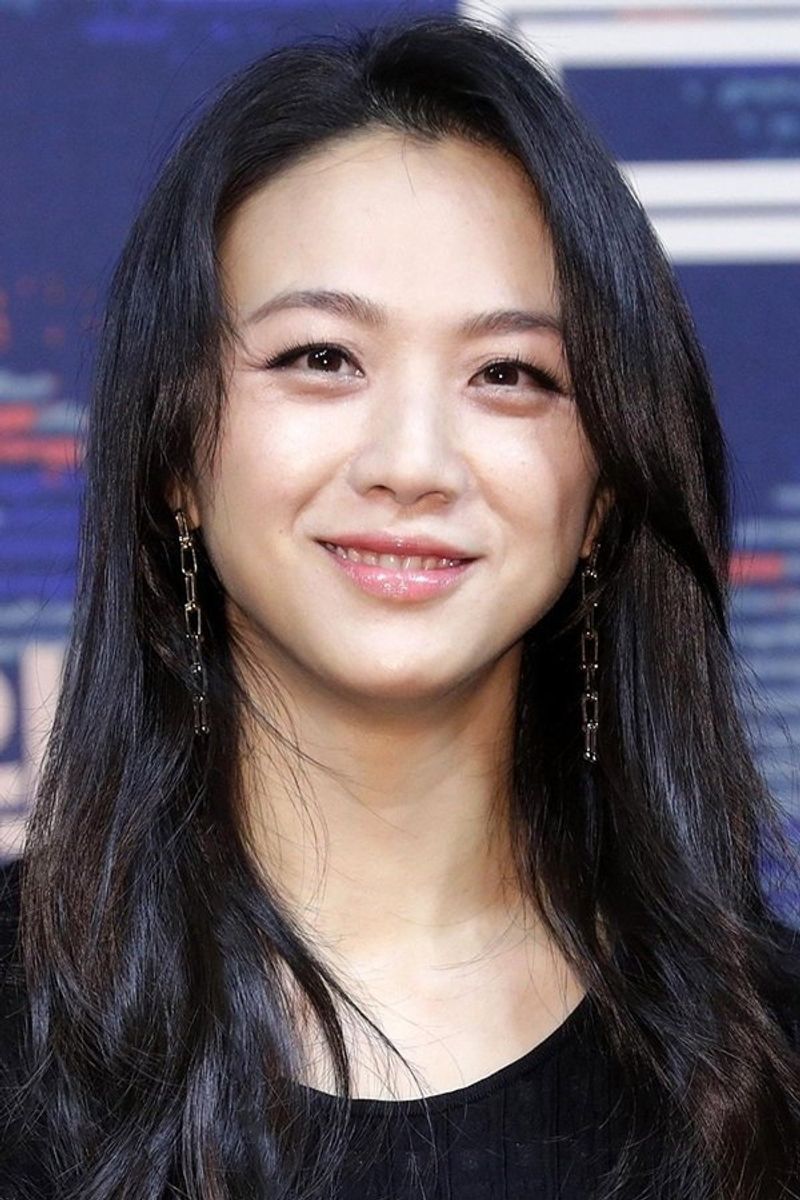
Two very different directors, Ang Lee and Park Chan-wook, built major films around her mysterious screen presence.
She stepped in here because the original list included Song Kang-ho, who is a celebrated actor rather than an actress.
Her film debut came in Ang Lee’s Lust, Caution in 2007.
She played Wong Chia-chi, a student drawn into a plot against a powerful official in wartime Shanghai.
The film won the Golden Lion at the Venice Film Festival.
It also made her a sudden international name in her very first lead role.
Fifteen years later, Park Chan-wook cast her in Decision to Leave, a Korean detective romance.
She played Seo-rae, a widow under suspicion who captures a detective’s attention.
Park won Best Director at Cannes for the film, and she won Best Actress at South Korea’s Blue Dragon Film Awards.
Decision to Leave rewards close attention, so put your phone in another room.
17. Rinko Kikuchi
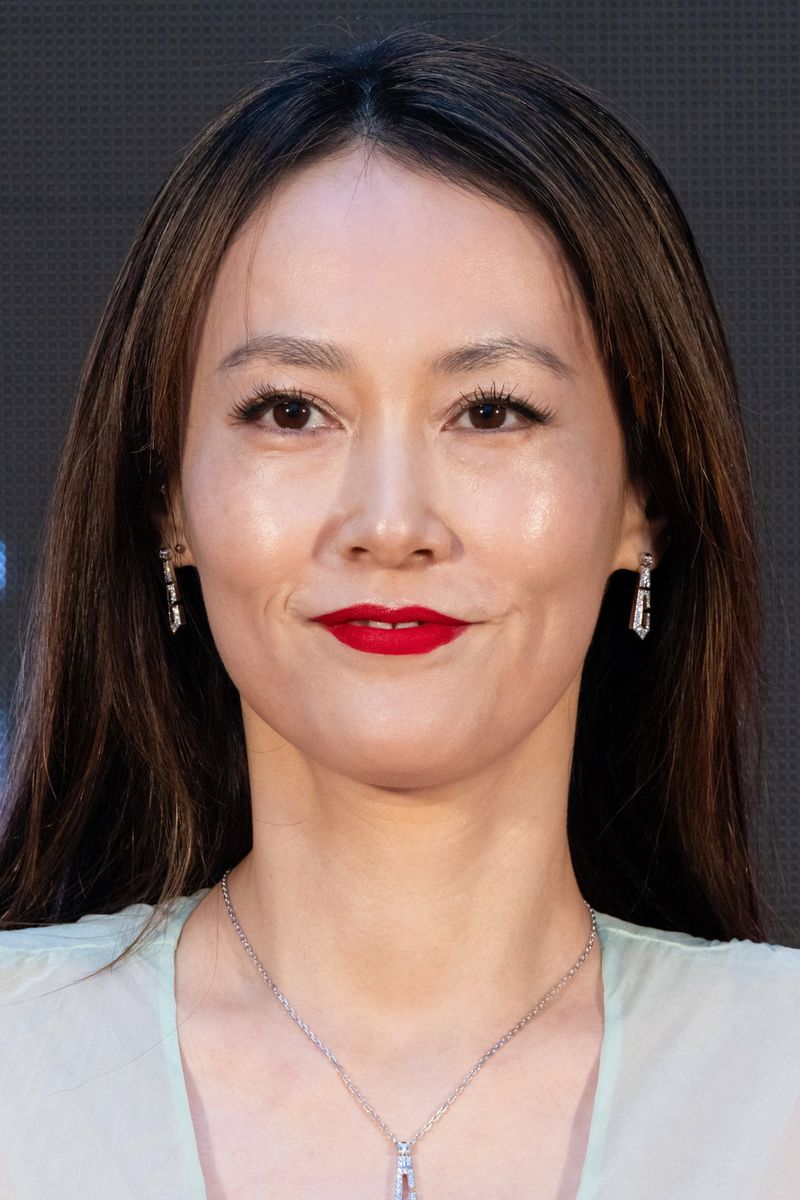
Sign language and giant robots don’t usually share a résumé.
For this Japanese actor, both helped define her international career.
In Alejandro González Iñárritu’s Babel from 2006, she played Chieko, a deaf teenager in Tokyo struggling with loneliness after her mother’s passing.
Her performance earned an Oscar nomination for Best Supporting Actress.
That nomination made her the first Japanese actress nominated for an acting Oscar in about 50 years.
Not bad for a role with very few spoken lines.
In 2013, Guillermo del Toro cast her as Mako Mori in Pacific Rim, a pilot who co-controls a massive robot to battle sea monsters.
She returned for the sequel, Pacific Rim: Uprising.
Her Japanese and indie work is worth exploring too, including Norwegian Wood and Kumiko, the Treasure Hunter.
Kumiko follows a woman who travels to Minnesota hunting for treasure, which makes for a quirky, offbeat watch.
18. Sakura Ando
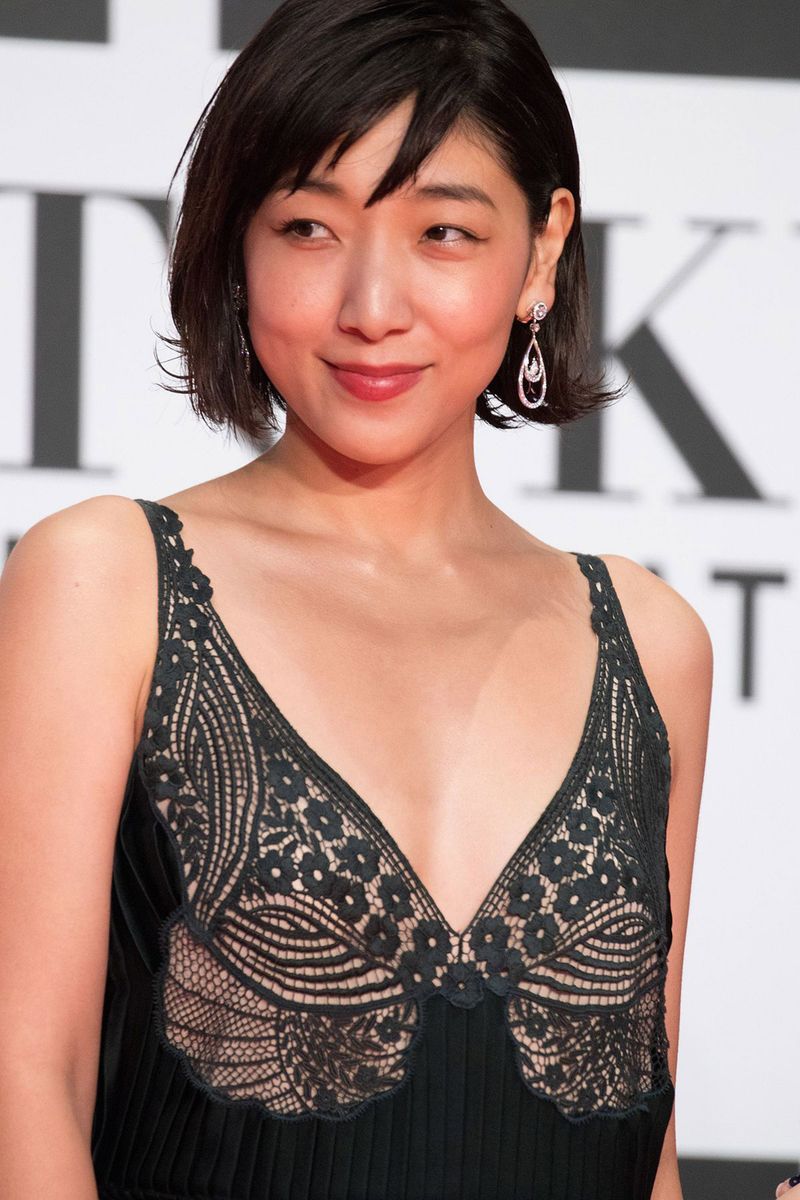
Crying scenes are tricky, yet one quiet moment in Shoplifters is often singled out by viewers and critics.
That 2018 film turned her into a familiar name far beyond Japan.
Directed by Hirokazu Kore-eda, Shoplifters follows a makeshift family getting by through petty theft.
She played Nobuyo, and the film won the Palme d’Or at Cannes.
Her work earned the Japan Academy Film Prize for Best Actress.
She had already won that prize earlier for 100 Yen Love, playing an aimless woman who takes up boxing.
In 2023, she reunited with Kore-eda for Monster, playing a single mother worried about changes in her son.
The story replays events from different viewpoints, so details keep shifting meaning.
That same year, she appeared in the Oscar-winning Godzilla Minus One.
If you like realistic family stories, Shoplifters and Monster make a thoughtful pair for one weekend.
19. Fan Bingbing
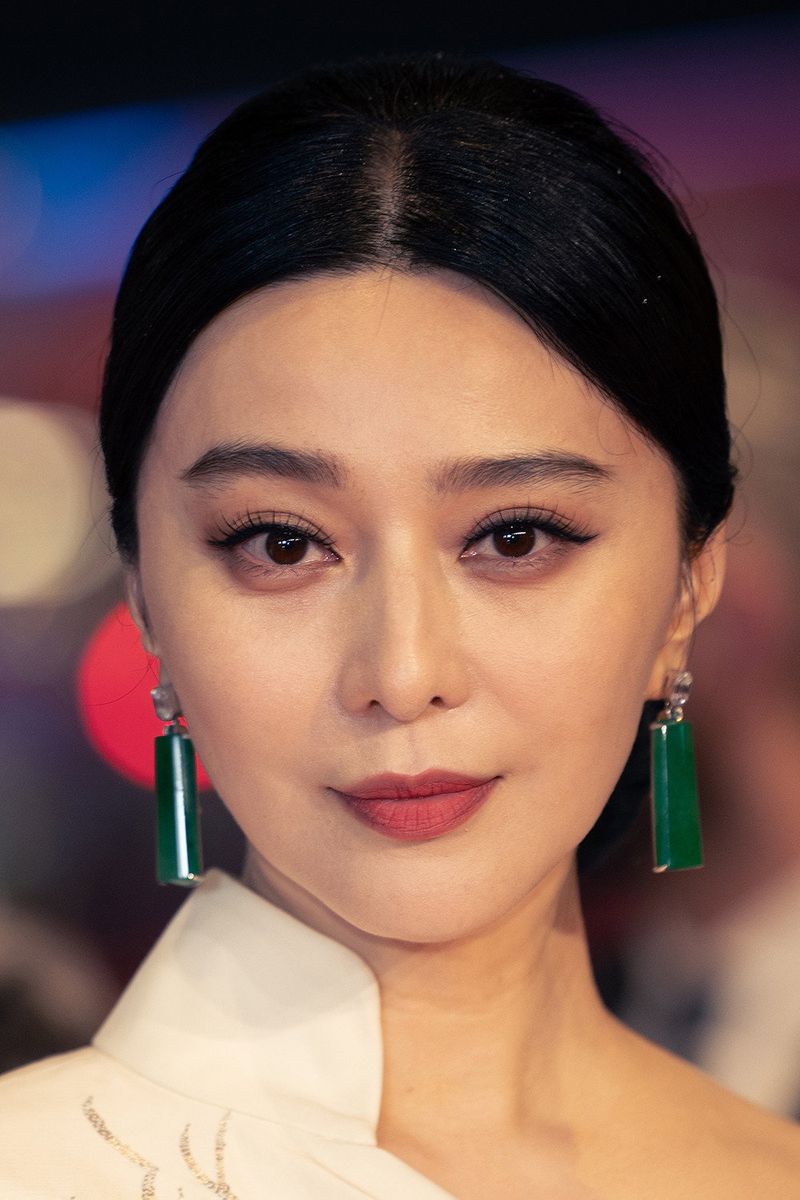
Mobile phones were still new gadgets when a movie about them made her a film star.
Feng Xiaogang’s Cell Phone from 2003 used phones to expose secrets in modern relationships.
Her role earned her the Hundred Flowers Award for Best Actress.
The win helped move her from popular TV dramas into major film roles.
Western audiences met her briefly as the mutant Blink in X-Men: Days of Future Past.
She could open portals on screen, which made for some clever action sequences.
Her biggest critical success came with I Am Not Madame Bovary from 2016, again directed by Feng Xiaogang.
She played Li Xuelian, a rural woman who spends years fighting the legal system over a divorce.
The performance won Best Actress at the San Sebastián International Film Festival.
The film’s unusual circular framing for much of its runtime makes it worth seeing just for the visual style.
20. Youn Yuh-jung
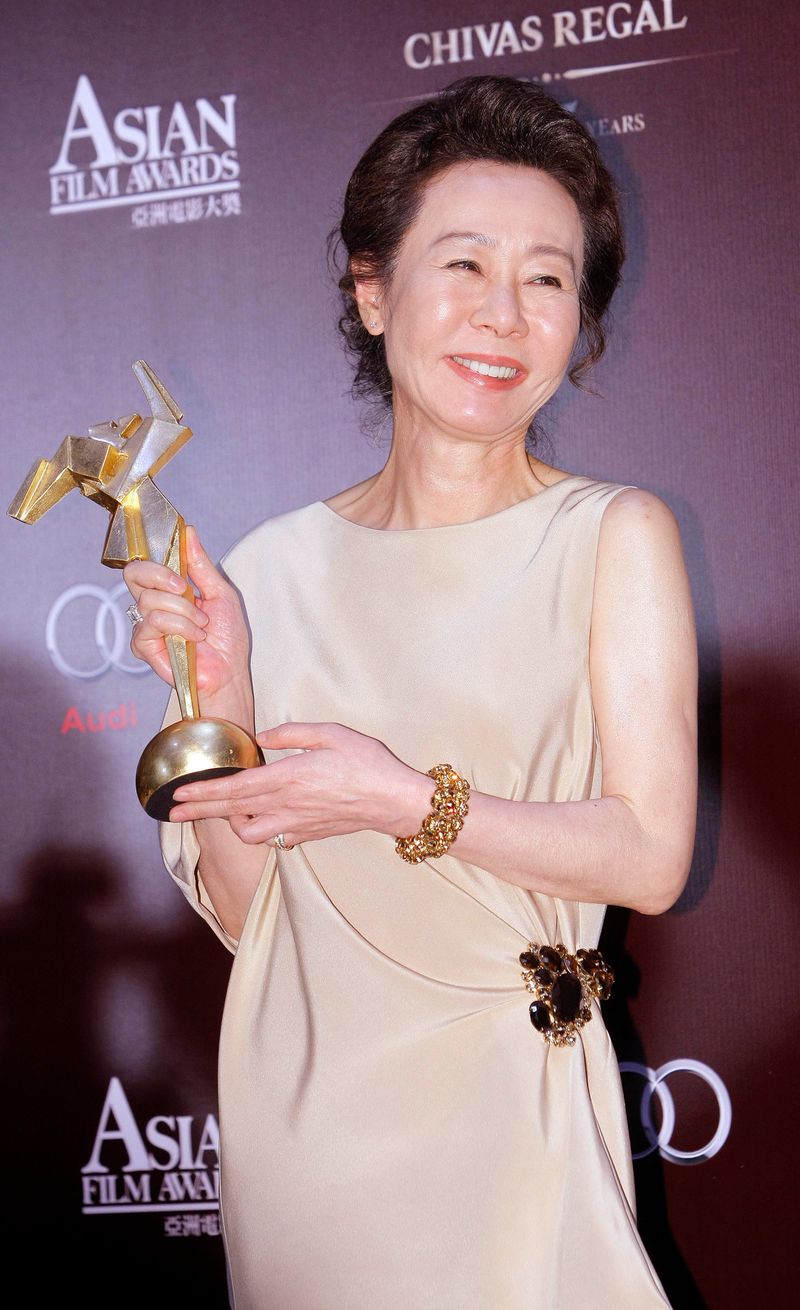
Her Oscar acceptance speech was witty enough that people still quote it.
She earned that moment after more than five decades of work.
Her film debut came in Kim Ki-young’s Woman of Fire in 1971.
She kept working steadily in Korean film and television for the next fifty years.
In Im Sang-soo’s The Housemaid from 2010, she played an older, sharp-eyed maid in a wealthy home.
The film competed at Cannes, and her sly performance drew strong praise.
Then came Lee Isaac Chung’s Minari.
She played Soon-ja, a grandmother who moves from Korea to rural Arkansas, teaches her grandson card games, and plants minari by a creek.
The role won her the 2021 Oscar for Best Supporting Actress, a first for a Korean actor.
Minari is a lovely pick for family viewing with older kids, and her later work in the series Pachinko offers another strong performance.