 MomSkoop

A handwritten recipe card with a grease stain in the corner can become a family treasure overnight. Kids rarely notice that kind of thing at age eight, but they often notice it at twenty-eight. Growing up changes how people see the small stuff grandparents did.
The patient card games, the slow walks, and the stories told twice start to look like gifts instead of habits. One day a grown grandchild is folding towels and realizes they fold them exactly the way Grandma did. The list below looks at the everyday moments that tend to gain value with time. Some may make you smile, and a few might make you want to pick up the phone today.
1. Loving Without Conditions
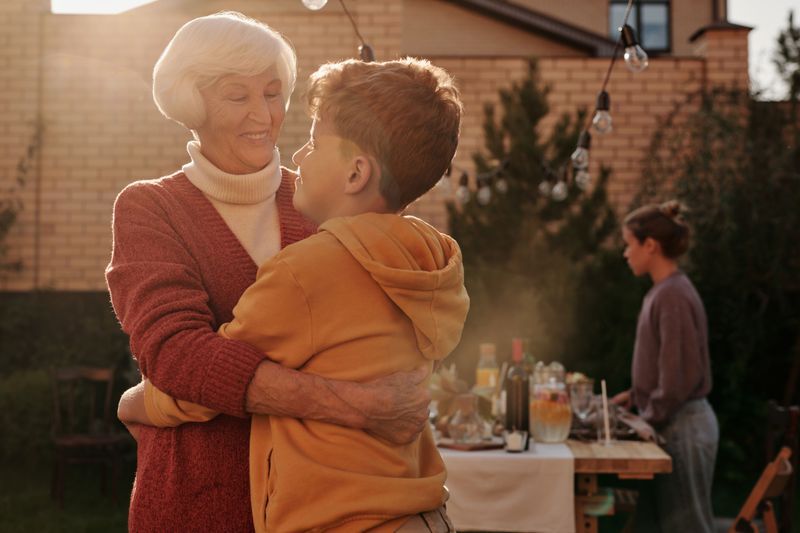
Report cards came and went, but Grandpa’s opinion of you never seemed to budge.
That steady affection is one of the first things many grown grandchildren remember with fresh eyes.
Kids often take that kind of love for granted.
Later, after a few tough bosses and some bumpy friendships, its rarity becomes easier to see.
Unconditional love does not mean grandparents approved of every choice.
It means the relationship stayed solid even when a grandchild messed up, forgot a birthday, or went through an awkward phase with questionable hair.
That reliability gives young people a place to land.
Knowing someone is in your corner can make it easier to try hard things, like a new school or a first job.
If you are a grandparent, small signals help keep that message clear.
A quick text saying you are proud, a card with a short note, or simply showing up to a game can say plenty.
If you are a grandchild, consider telling them what that support meant.
Many grandparents never hear it directly, and hearing it can mean a lot.
Love that does not depend on performance tends to outlast trophies.
Grown grandchildren often call it the foundation under everything else.
2. Telling the Family Stories
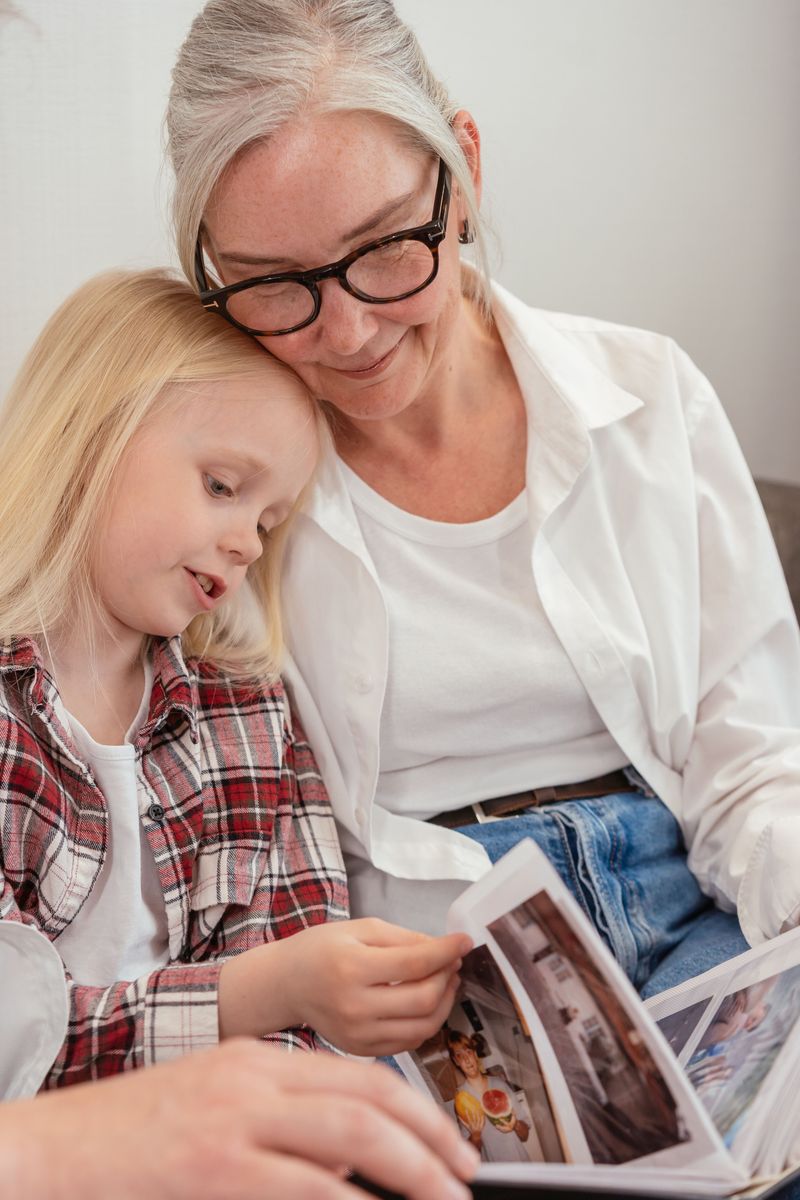
Somewhere in nearly every family lives a story about a lost car, a wild snowstorm, or an uncle who once tried to fix the roof alone.
Grandparents usually hold the full version, including the funny parts parents leave out.
As kids, many grandchildren rolled their eyes at the third retelling.
As adults, they often wish they had taken notes.
Family stories explain where people came from.
They reveal how a great-grandparent arrived in a new town, why a certain dish appears at holidays, or how a family got through hard years.
These details give younger generations a sense of roots.
They also show that the older people in the family were once young, nervous, and figuring things out too.
Want to save these stories before they fade?
Try recording a short phone interview during a visit, or ask about one old photo at a time.
Simple questions work best.
Ask about a first job, a childhood home, or the best meal they ever ate.
Those recordings can become priceless later.
The voice, the laugh, and the pauses carry as much meaning as the story itself.
3. Teaching Hands-On Skills
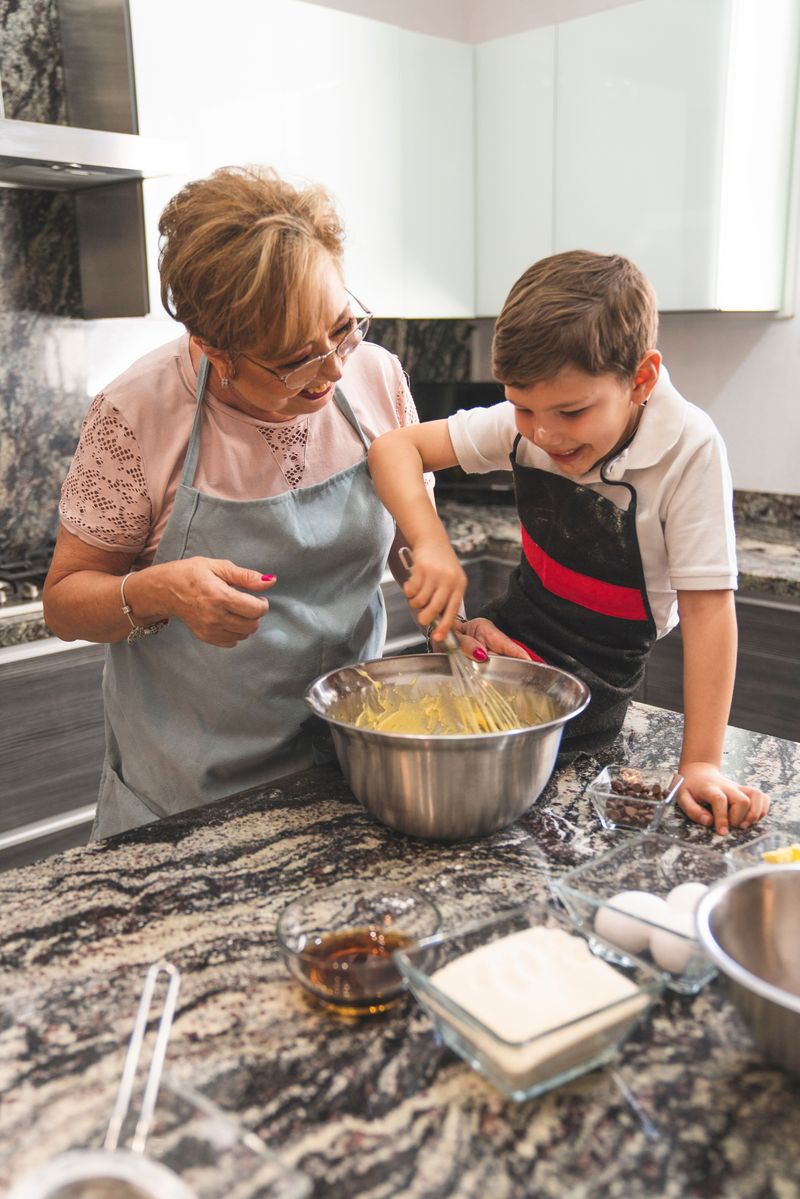
Plenty of adults can sew on a button only because a grandparent once sat beside them with a needle and lots of patience.
Practical skills like that sneak into daily life for decades.
Grandparents often teach things school skips.
Cooking from scratch, planting tomatoes, changing a tire, and using a hammer without bruising a thumb all fit the list.
Learning by doing builds confidence.
A child who bakes a loaf of bread, even a lopsided one, walks away feeling capable.
The lessons also come with plenty of conversation.
Hands stay busy, so talking feels easy and natural instead of forced.
Grandparents who want to share a skill can start small.
A single recipe, one garden bed, or a simple birdhouse kit makes a good first project.
Distance does not have to stop it either.
Video calls can turn a kitchen lesson into a long-distance cooking show, flour spills and all.
Years later, grandchildren often repeat those steps without thinking.
They might hear a grandparent’s voice saying, keep stirring, just as the sauce starts to bubble.
4. Keeping Traditions Alive
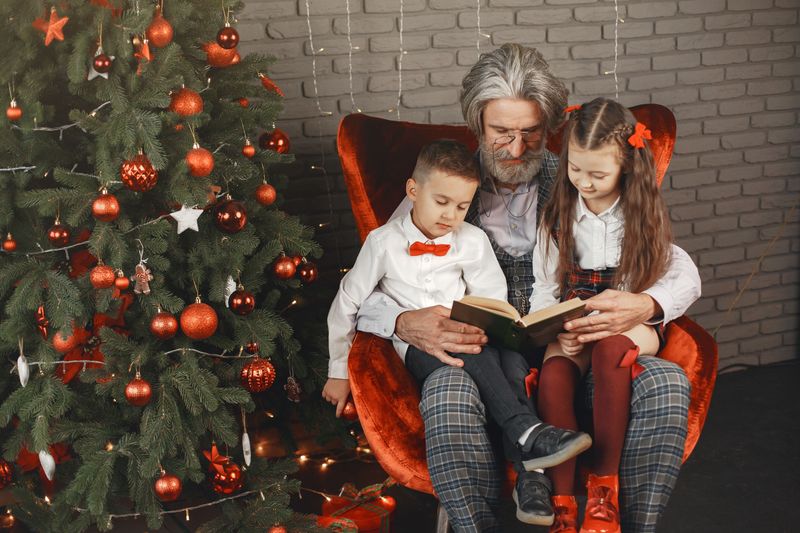
Pancakes shaped like the first letter of your name might not sound like a family tradition, but repeat them every birthday and they become one.
Grandparents are often the keepers of these rituals.
Traditions can be big or tiny.
Some families gather for a yearly reunion, while others just play the same board game every Thanksgiving.
What matters is the repetition.
Doing something again and again creates a feeling of belonging and something to look forward to.
Many grown grandchildren later realize how much effort went into those moments.
Someone had to plan, cook, clean, and remember the details year after year.
Families who want to carry traditions forward can split the work.
A grandchild might learn the special stuffing recipe or take charge of the yearly photo.
New traditions count too.
A grandparent and grandchild might start a monthly breakfast date or a yearly trip to the same apple orchard.
Eventually, many grandchildren find themselves running those rituals for their own kids.
It is a sweet kind of handoff, usually with slightly burnt pancakes.
5. Sharing Hard-Won Wisdom
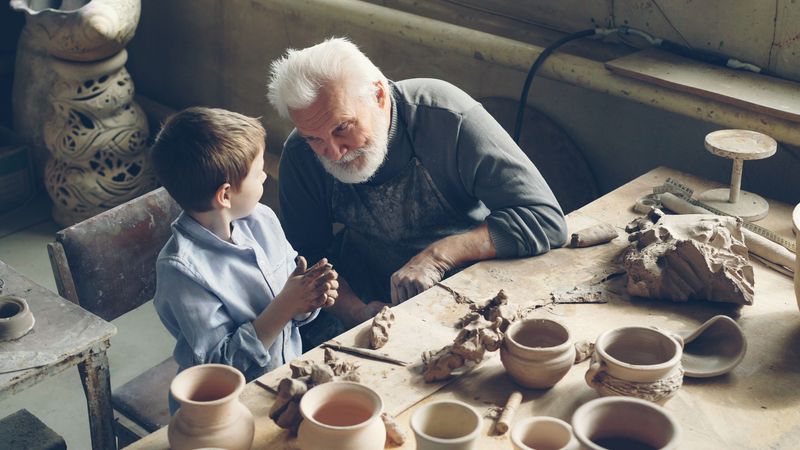
Some of the best advice arrives in short, odd little sayings.
A grandparent might say, sleep on it, and turn out to be annoyingly right.
Decades of living give grandparents perspective.
They have seen jobs change, friendships shift, and problems that once felt huge shrink over time.
Teenagers do not always want that advice in the moment.
Later, many grandchildren find themselves quoting it word for word.
Wisdom from grandparents often feels different from parental advice.
There can be less pressure behind it, which makes it easier to hear.
For grandchildren, asking direct questions can unlock surprising answers.
Try asking how they handled a bad boss or what they would tell their twenty-year-old self.
For grandparents, stories tend to land better than lectures.
Sharing a past mistake can teach more than a list of rules ever could.
Not every old saying holds up, of course.
Still, the habit of pausing, thinking long term, and keeping a sense of humor about setbacks rarely goes out of style.
6. Listening Without Judgment
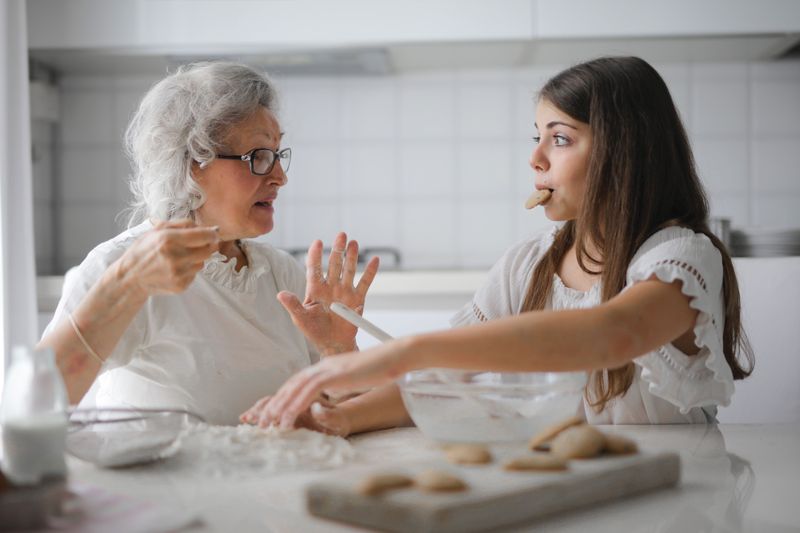
Teen years can feel like walking through a hallway full of critics.
Having one adult who just listens can feel like a break from the noise.
Grandparents often fill that role.
They usually are not the ones enforcing curfews, so grandkids may open up more easily.
A grandparent’s house can turn into a calm spot to talk through friend drama, school stress, or big questions.
The listener does not need to fix anything.
Grown grandchildren often look back and see how valuable that space was.
Feeling heard at fifteen can shape how comfortable someone feels sharing as an adult.
Grandparents can help by resisting the urge to jump in with solutions.
Simple responses like that sounds hard, tell me more, keep conversations flowing.
Respecting parents matters too.
Listening without judgment works best when grandparents stay supportive of the parents’ rules rather than undercutting them.
Serious concerns about safety should still go to parents or other trusted adults.
For everyday worries, though, a patient ear and a plate of snacks can do a lot of good.
7. Giving Unhurried Time
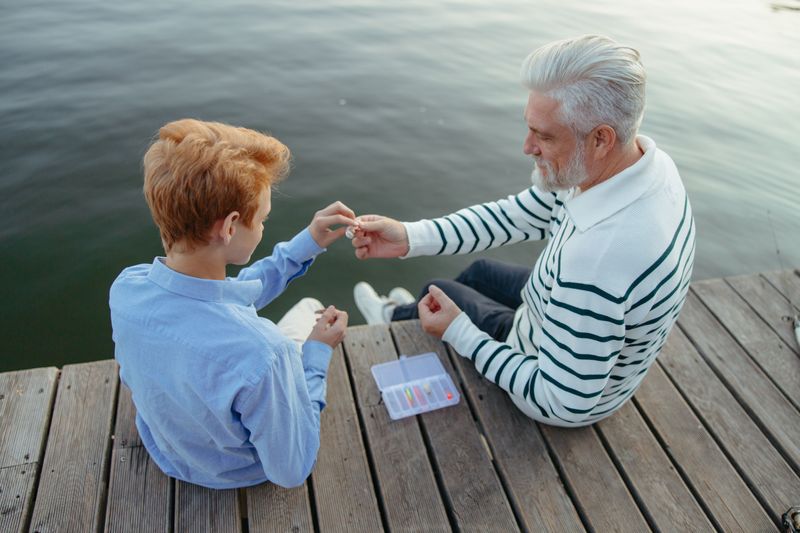
Nobody remembers the exact score of a checkers game from 2009, but plenty of people remember who sat across the board.
Time spent together often matters more than the activity itself.
Many grandparents have more flexible schedules than busy parents.
That can mean long walks, slow breakfasts, and afternoons with no rush to be anywhere.
Kids notice that kind of attention.
Being someone’s focus for a whole afternoon tells a child they matter.
As adults juggle work and errands, many come to see how rare unhurried time really is.
Suddenly those lazy fishing trips look like luxury.
Quality time does not require money or big plans.
Reading a book together, sorting old buttons, or watching clouds can work just fine.
Schedules and health vary, so time together may look different from family to family.
A weekly phone call or a short visit can still carry plenty of meaning.
Putting phones away during visits helps too.
Grandparents and grandkids alike may find conversations go deeper when nobody is scrolling.
8. Sparking Curiosity
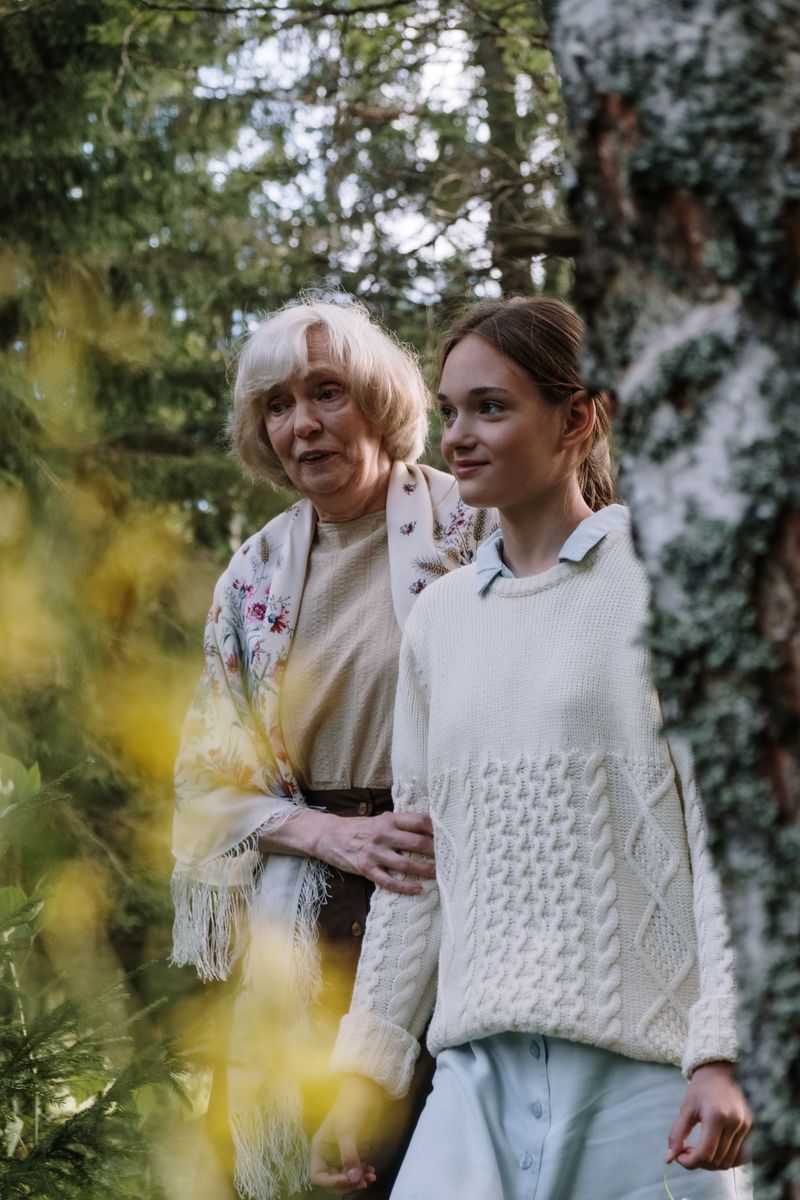
Why is the sky blue, and why do worms come out after rain?
Grandparents tend to be great partners for kids who ask a hundred questions before lunch.
Curious grandparents can open new worlds.
A trip to a museum, a nature walk, or a look through a telescope can introduce interests that last for years.
They also bring different viewpoints from parents.
A grandparent who loves birds, jazz, or old maps may share a passion a child would not find at home.
Grown grandchildren often trace their hobbies back to these moments.
A lifelong love of astronomy can start with one grandparent pointing at the moon.
Encouraging curiosity is easy to try.
Answer a question with, let us find out together, and then look it up side by side.
Library cards, field guides, and simple science kits make great tools.
Free activities like stargazing or puddle exploring count too.
The goal is not to have every answer.
Showing that learning is fun at any age may be the best lesson of all.
9. Leading by Example
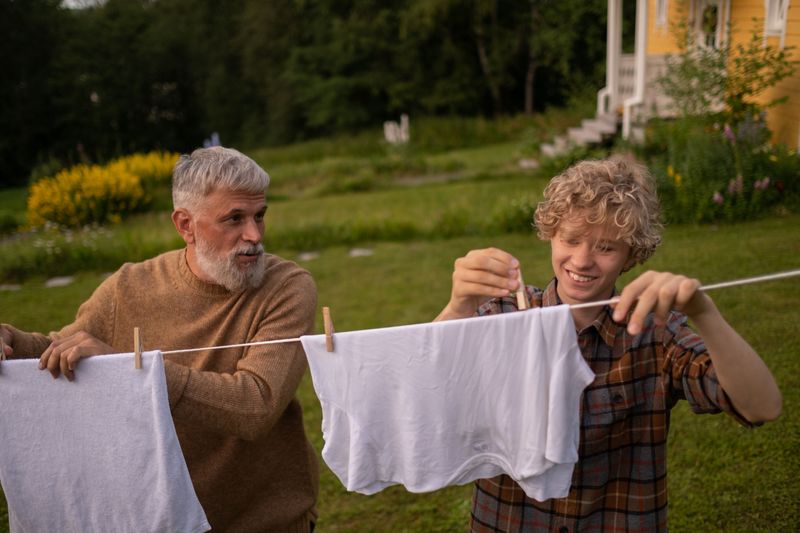
Watching Grandma return extra change to a cashier teaches honesty faster than any speech.
Kids pick up a lot just by observing the adults around them.
Grandparents model values through ordinary actions.
Helping a neighbor, writing thank-you notes, and keeping promises all send clear messages.
Children may not comment on these moments when they happen.
Years later, though, many grandchildren realize they copied those habits without trying.
Kindness, patience, and a strong work ethic often show up in small ways.
Holding a door, showing up on time, and finishing a job well all leave an impression.
Grandparents who want to pass along values can invite grandkids to join in.
Baking cookies for a sick friend or volunteering at a food pantry can become shared projects.
Talking about the why helps too.
A short explanation, like we help because people helped us, connects the action to the value.
Nobody is perfect, and grandparents are no exception.
Owning a mistake and apologizing is also a powerful example, maybe one of the most useful.
10. Being a Steady Presence
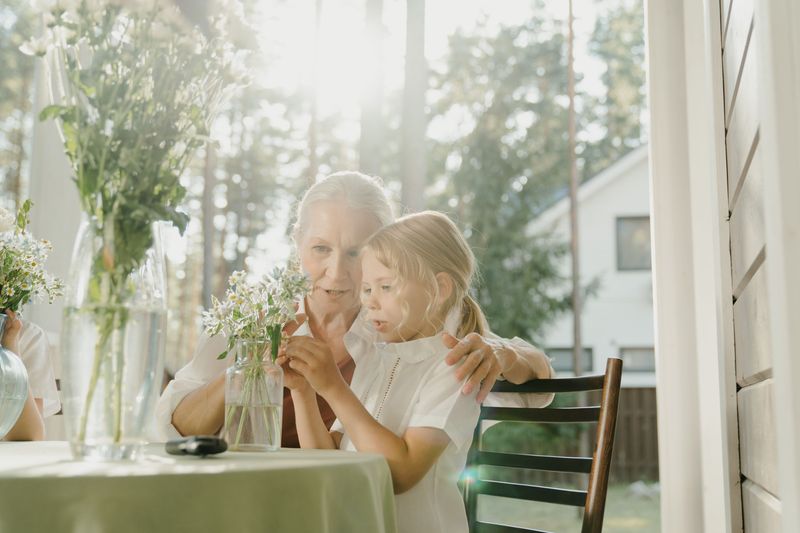
Life can feel like a carnival ride during moves, new schools, or family changes.
Grandparents often act like the handrail that keeps everyone steady.
Their consistent presence offers comfort.
The same house, the same jokes, and the same Sunday phone call can feel reassuring when other things shift.
Grandparents can also help during busy or stressful seasons for parents.
Picking kids up from school or hosting a sleepover gives families some breathing room.
Grown grandchildren frequently look back and see how much that stability helped.
A calm grandparent can make a rough year feel more manageable.
Staying steady does not require being nearby.
Regular calls, letters, or video chats can provide a dependable rhythm across any distance.
Grandparents can show calm by keeping routines and sharing a hopeful outlook.
Kids often take emotional cues from the adults around them.
Grandchildren who appreciate that steadiness can return the favor.
Checking in regularly, especially as grandparents age, keeps the connection strong in both directions, and that steady loop of care might be the best family tradition of all.