 MomSkoop
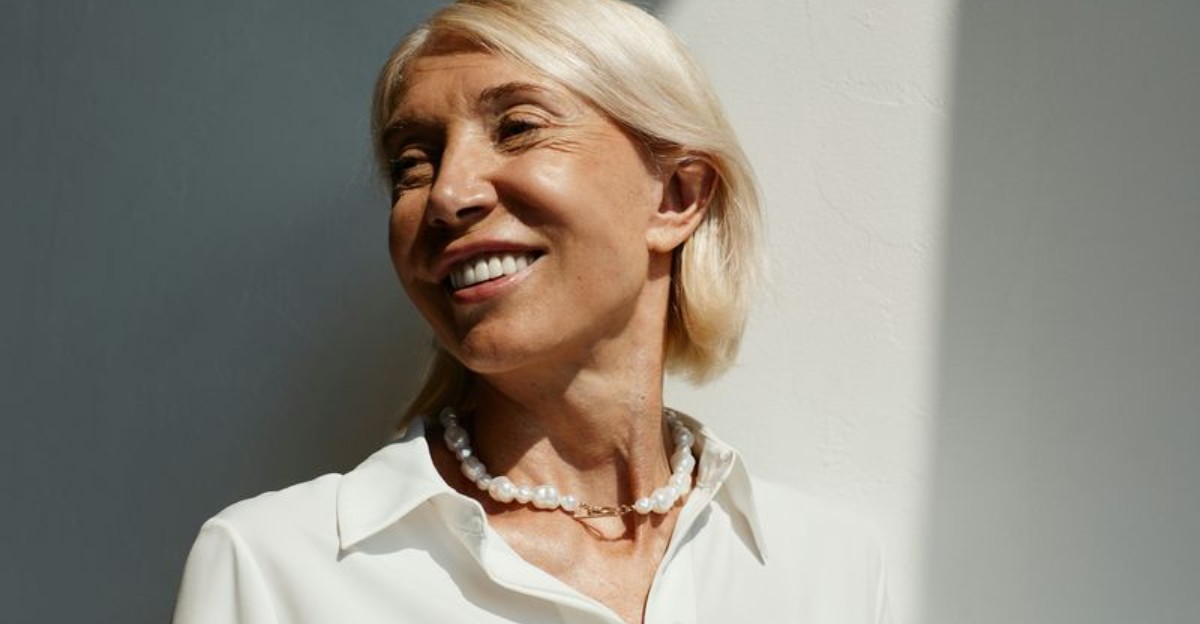
Iris Apfel became a face of a MAC makeup collection in her nineties and signed with IMG Models at 97. Her giant round glasses and stacks of bangles proved that personal style can get louder with age, not quieter. So many style rules after 70 focus on blending in, toning down, and playing it safe.
The women who look great at this stage rarely follow those rules to the letter. They tend to know their colors, trust a good tailor, and pick shoes that let them walk with purpose. I love that their secrets are mostly practical, not expensive or complicated. So what do they understand that the rest of us are still figuring out, and how hard would it be to borrow a few of their tricks?
1. Fit Beats a Full Closet
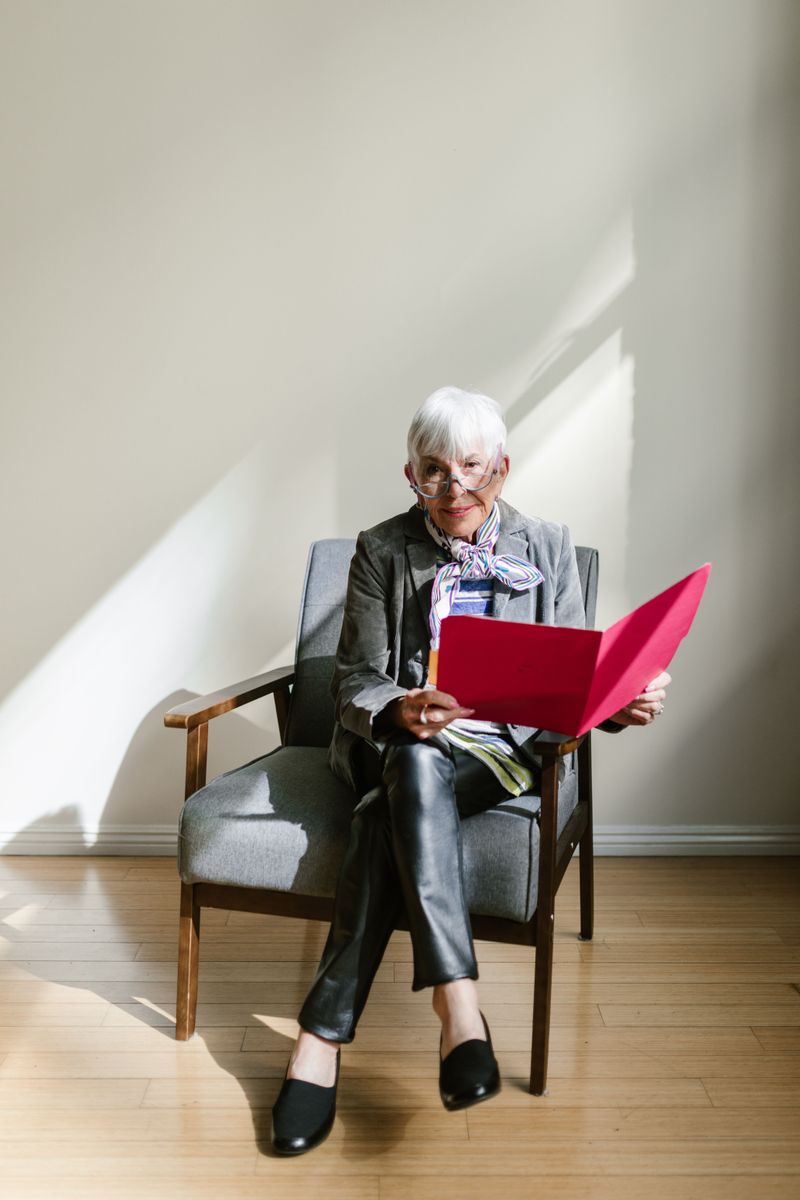
A crowded closet can still leave you with nothing to wear.
Women with lasting style often own fewer pieces, but those pieces fit them right now, not ten years ago.
Fit matters more than price tags.
Clothes that hang too loose can swallow your shape, while pieces that pull tight across the hips or shoulders look strained.
A small tailoring bill for hemming pants or taking in a jacket waist can make an ordinary item look made for you.
Fabric plays a big role too.
Cashmere, silk, linen, and heavier pima cotton tend to hold their shape and drape nicely when cared for properly.
You don’t need a closet full of them, though, and plenty of budget-friendly options do the job well.
Try a simple test the next time you get dressed.
Pull out anything you skip because it bunches, gaps, or needs constant adjusting.
Those items can go to a tailor, a donation bin, or a friend who fits them better.
The goal is a mix of reliable basics and a few fun pieces you actually reach for.
When the core of your wardrobe fits well, getting dressed takes less guessing.
Mornings get calmer, and your mirror becomes a friend instead of a critic.
2. Color Is Your Friend
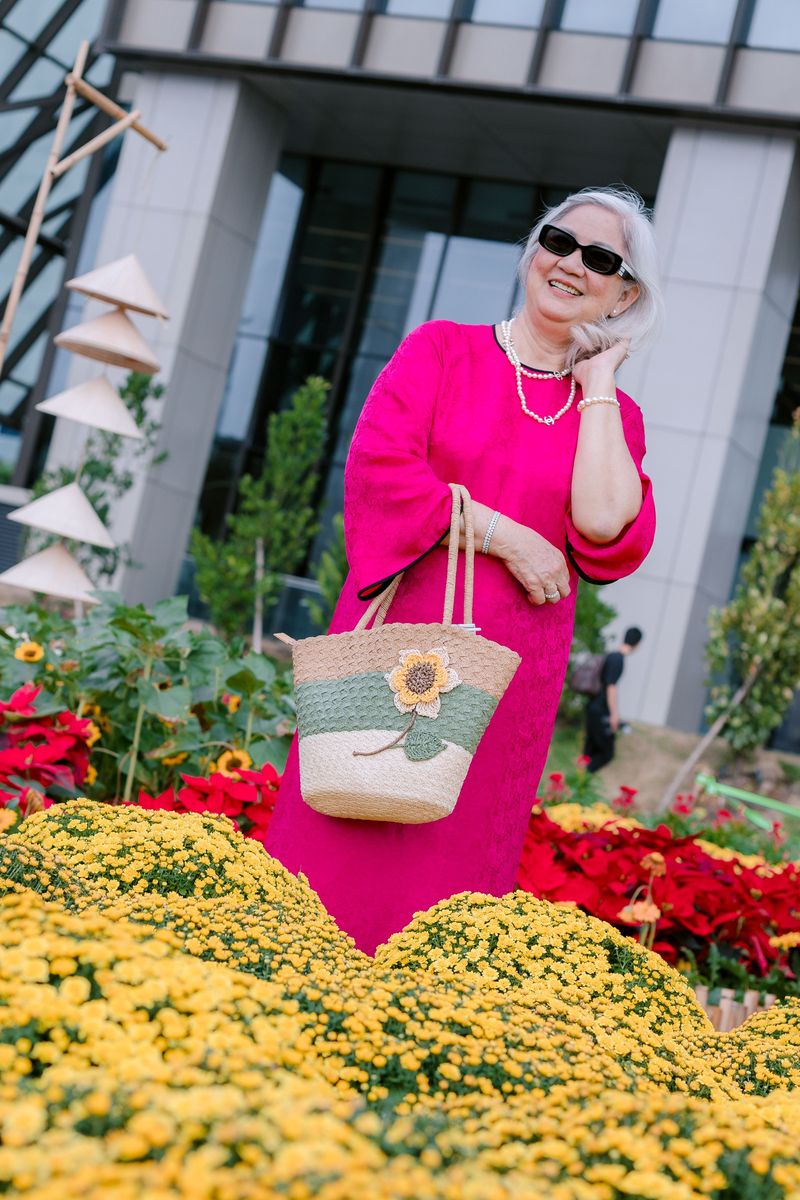
Beige has its place, but it shouldn’t run your whole wardrobe.
Many stylish women over 70 discover that the right color near the face does more for them than any cream or serum.
As hair turns silver or white, the shades that flatter you can shift.
Colors you loved at 40 might suddenly feel flat, while others you ignored start to glow.
Hold different tops up to your face in natural light and notice which ones make your skin look brighter and your eyes pop.
Bold choices like red, coral, orange, and pink can work beautifully.
They keep an outfit from feeling washed out and add a dose of personality before you say a word.
If head-to-toe brights feel like too much, start with a scarf or cardigan.
Tonal dressing is another smart trick.
Pairing two shades of the same color, like a soft blue top with deeper blue trousers, looks polished and pulled together.
It also stretches your wardrobe, since related shades mix easily.
Prints deserve a little thought.
Animal prints on shoes, bags, or a skirt can look sharp, while busy novelty prints can tip into costume territory.
Your call, of course, since style is personal.
3. Balance Shapes the Whole Outfit
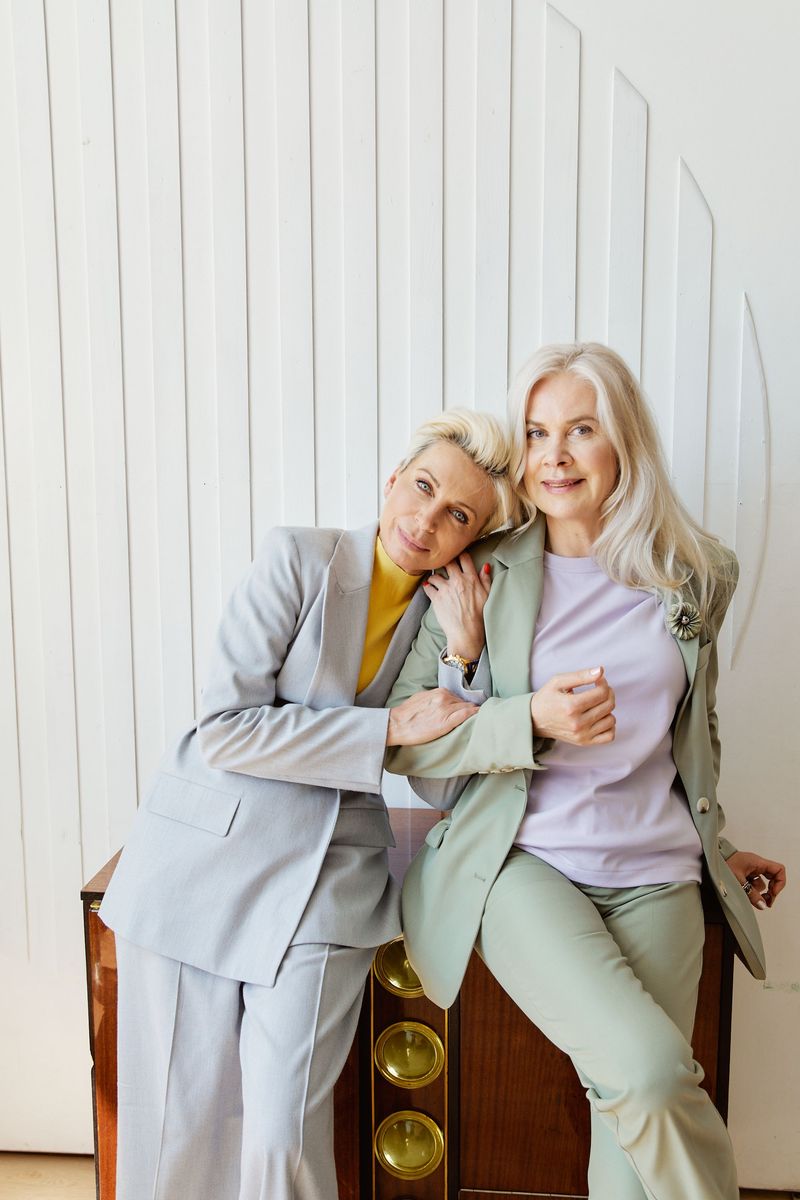
Good proportions work like a quiet magic trick.
When one part of an outfit is fitted and another is relaxed, the eye reads the whole look as balanced and intentional.
Try pairing slim trousers with a flowing tunic, or a fuller skirt with a neat, fitted top.
The same idea applies to color.
A bright jacket over a neutral dress feels confident, while two loud pieces can compete for attention.
Certain cuts flatter a wide range of figures.
A-line skirts and dresses skim the body without clinging.
Wrap dresses create a defined waist you can adjust, and tailored blazers add structure to almost anything.
Straight-cut dresses in sturdier fabrics also hold their shape nicely.
Length matters more than people realize.
Longer blazers that hit at the hip can create a clean line, but petite women may prefer shorter jackets that don’t cut their frame in half.
A quick mirror check from the side shows you a lot.
None of this is about hiding anything.
It’s about choosing shapes that make you feel comfortable and look the way you want.
Once you find two or three silhouettes you love, shopping gets far simpler, and those dressing room marathons get shorter.
4. Layers Do Double Duty
Weather forecasts lie, and air conditioning is a mystery.
Layering solves both problems while making an outfit look more thought out than a single sweater ever could.
Start with a lightweight base, like a cotton tee or a thin knit.
Add a middle layer such as a soft cardigan or a knitted vest.
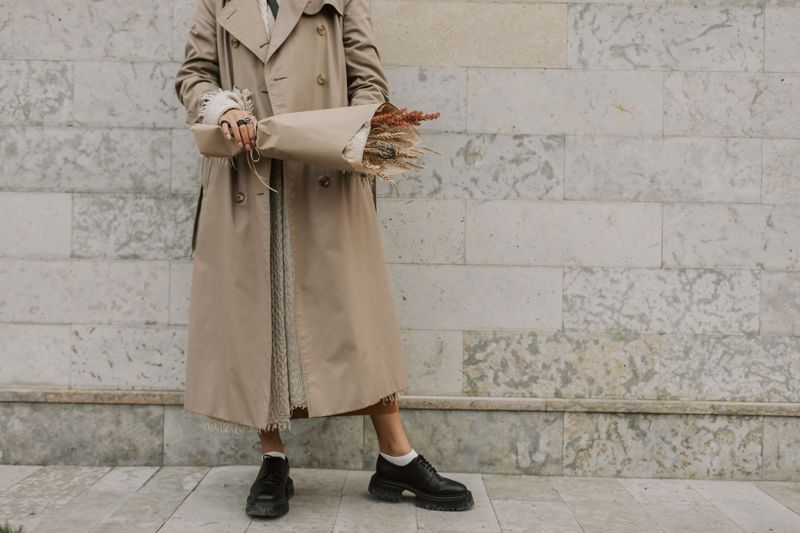
Finish with something structured, like a blazer, denim jacket, or trench coat, and you can peel pieces off as the day changes.
Layers also add visual interest.
Different textures sitting together, maybe smooth cotton under chunky knit, give an outfit depth without extra effort.
A long cardigan over slim pants creates a nice vertical line too.
The trench coat is a classic for good reason.
Its belted shape works over dresses and trousers alike, and it looks sharp in spring and fall.
A well-fitted blazer serves a similar role indoors and pairs with jeans just as easily as skirts.
Keep bulk in mind, though.
Several thick layers can feel heavy and look boxy, so choose thinner fabrics for the inner pieces.
Think of it as building a sandwich.
The bread can be hearty, but nobody wants three slices of it stacked inside.
5. Accessories Carry the Personality
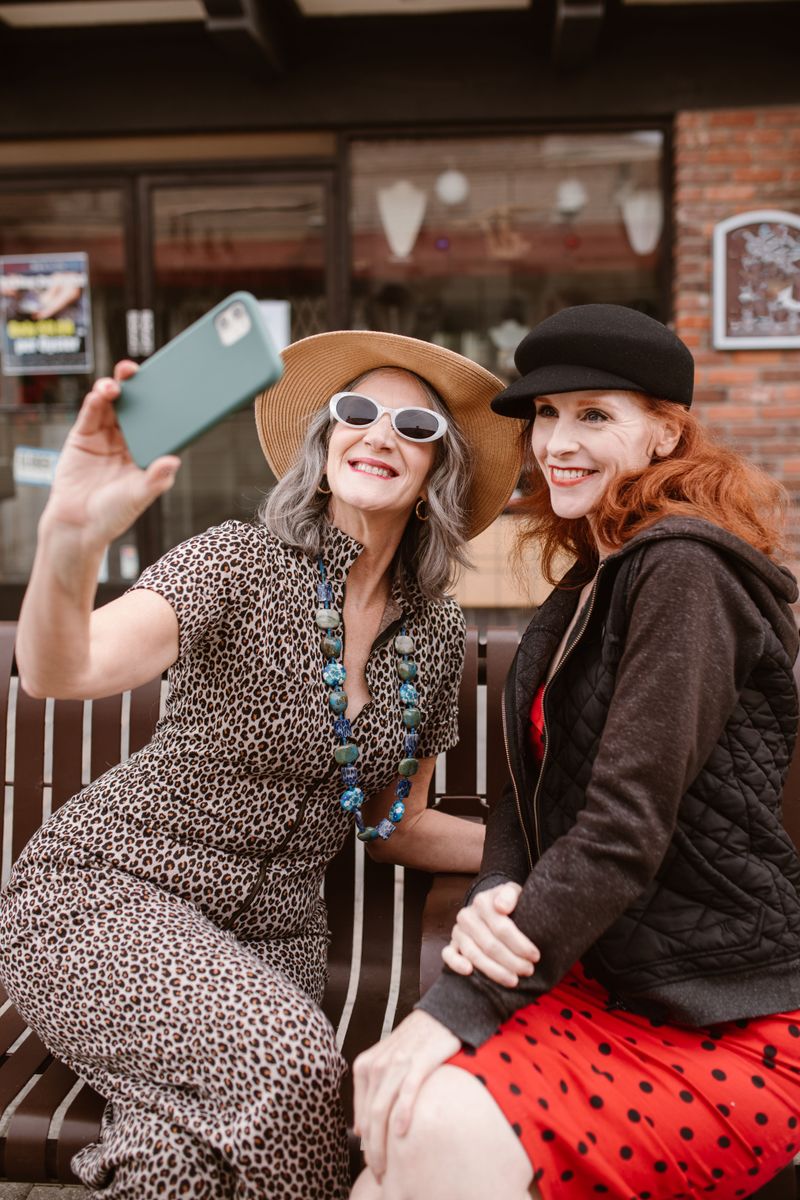
Iris Apfel built a legend partly on oversized glasses and armfuls of bracelets.
You don’t have to go that far, but her approach shows how much a few accessories can say.
A plain sweater and trousers can look completely different with the right add-ons.
A silk scarf brings color near your face.
A chunky necklace turns a basic top into an outfit, and a structured handbag makes even jeans look intentional.
Placement can guide attention.
Necklaces that fall at the collarbone or a bit lower draw the eye toward your face and neckline.
Statement earrings do something similar and can brighten your look in photos.
Bangles and a good watch add interest at the wrist.
Accessories are also budget friendly in a way that whole outfits aren’t.
Swapping a scarf or a pair of earrings costs less than replacing a dress, and it keeps old favorites feeling fresh.
One helpful habit is choosing a single focal point per outfit.
Big earrings might mean skipping the big necklace.
That keeps the look clear instead of cluttered.
Of course, if maximalism makes you happy, go ahead and stack those bangles, because joy is a perfectly good styling reason.
6. Shoes Should Work as Hard as You Do
Sensible shoes used to mean beige and boring.
Today, comfort and style finally share the same shelf, which is great news for anyone who plans to walk more than ten feet.
Plenty of options look sharp and feel steady.
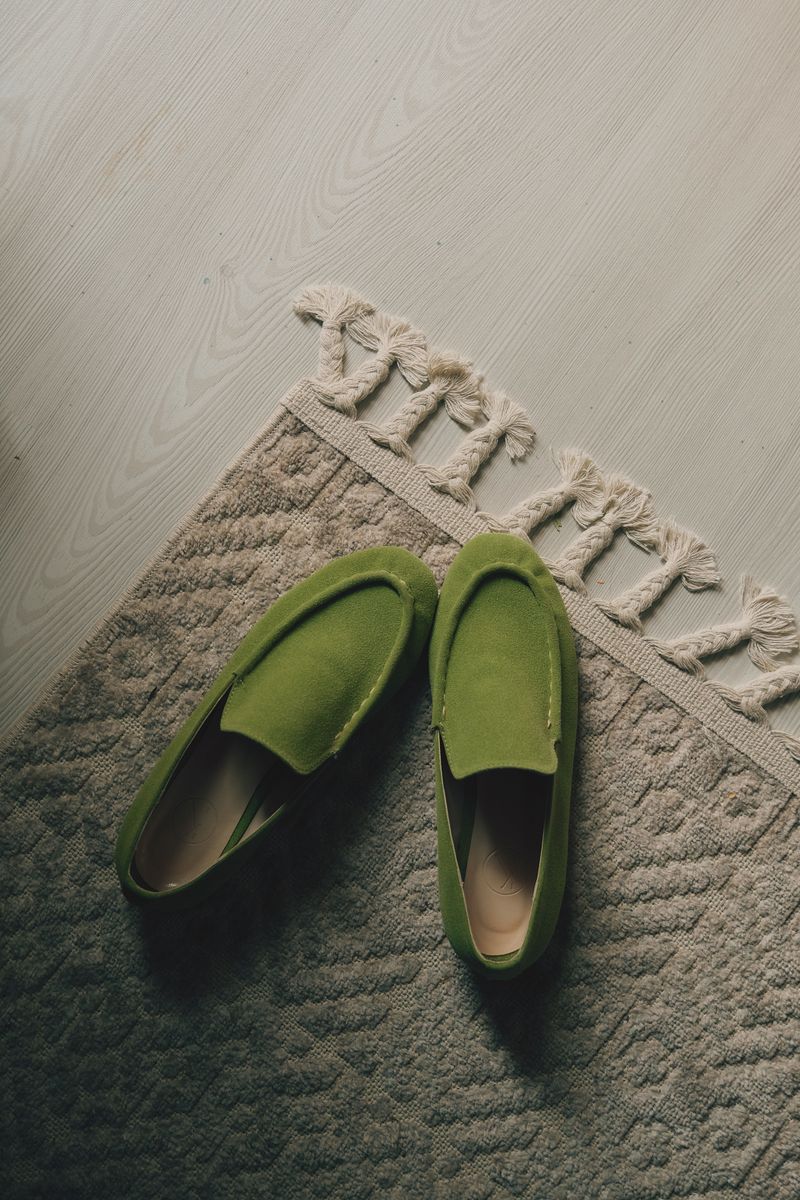
Ballet flats, Mary Janes, and loafers pair easily with trousers and skirts.
Block heels give a little height with more stability than a skinny stiletto, and clean leather sneakers now show up with everything from jeans to dresses.
Practical features matter here.
Non-slip soles help on slick floors and wet sidewalks.
Breathable materials keep feet more comfortable through a long day.
Hook-and-loop straps or stretchy straps can be easier to manage than laces or tiny buckles.
Fit deserves the same attention you give clothing.
Feet can change size and shape over the years, so measuring again before buying makes sense.
Shop later in the day, when feet tend to be a bit larger, and walk around the store before deciding.
A great pair of shoes can anchor an entire outfit.
Red loafers or leopard flats add personality without much fuss.
Best of all, you’ll actually want to wear them out the door instead of carrying them home in your hand.
7. Denim Still Belongs to You

Jeans don’t come with an expiration date.
Levi Strauss and Jacob Davis patented riveted work pants back in 1873, and denim has been adapting to new generations ever since.
Modern jeans are often softer and stretchier than the stiff pairs many women remember.
That added give can make them easier to sit, bend, and move in.
Look at the fabric label for a small percentage of elastane or spandex if stretch is your priority.
Cut makes a big difference.
A mid-rise bootcut in a slightly relaxed fit is classic and comfortable, and it balances the hips nicely.
Straight legs are another easy choice that works with flats and sneakers.
Wash color affects how versatile your jeans feel.
Medium and dark rinses look neater and dress up more easily than heavily faded or ripped styles.
Pair dark jeans with a blazer and loafers for lunch out, or a white blouse and sneakers for errands.
Hemming is worth the small cost, since jeans that pool at the ankle look sloppy.
Once you find a brand and cut that fit well, buy a second pair.
Finding good jeans can feel like a scavenger hunt, so celebrate the win.
8. Skin Care Starts With Moisture
Great makeup starts before you open the makeup bag.
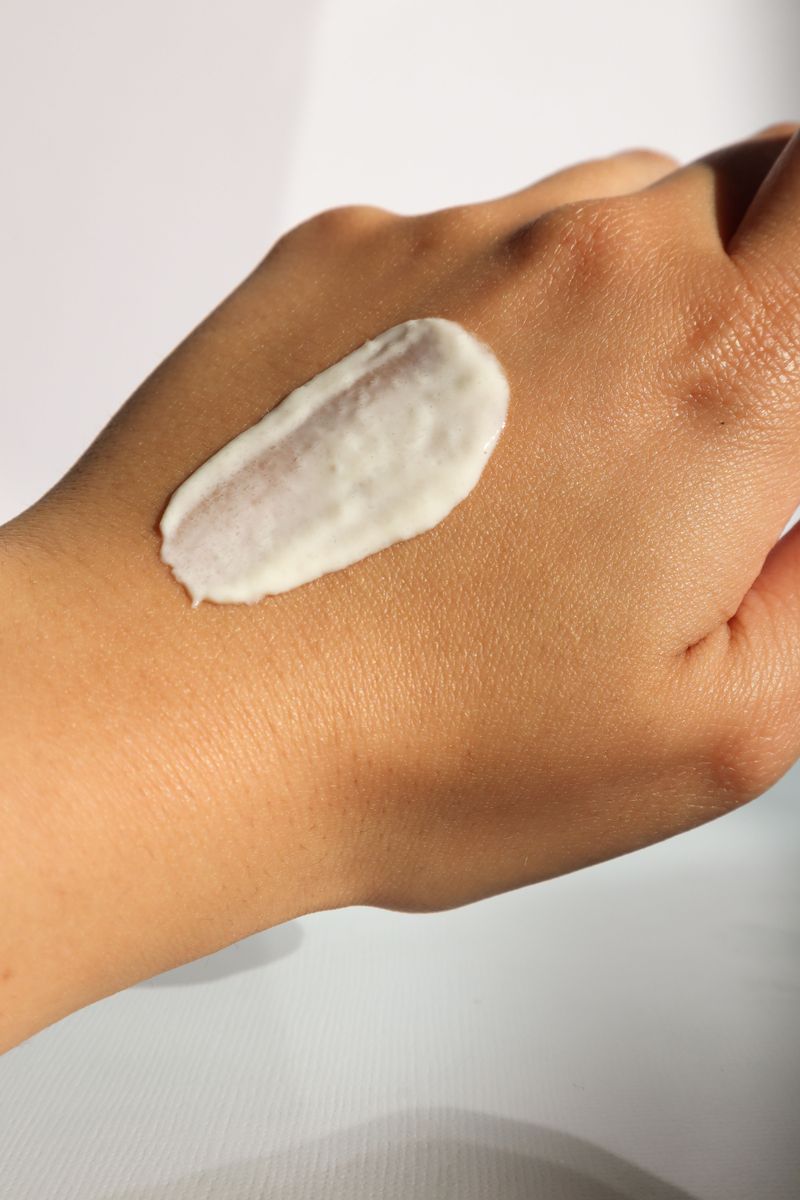
Skin tends to get drier with age, so a simple routine focused on moisture becomes the real foundation.
Keep the basics easy.
A gentle cleanser that doesn’t leave your face feeling tight is a good start.
Follow with a moisturizer suited to your skin, and finish with sunscreen during the day.
Daily sun protection helps guard against sunburn and sun damage, even on cloudy days.
Some women add an essence, a light watery layer applied before moisturizer.
A primer can also help makeup glide on more smoothly.
Neither is required, but they can make foundation sit better on dry skin.
Consistency matters more than fancy labels.
A drugstore moisturizer used every day can outperform a luxury jar that sits forgotten in a drawer.
Pay attention to how your skin feels and adjust as seasons change, since winter often calls for richer creams.
If you notice persistent irritation, unusual spots, or sudden changes, a dermatologist visit is a smart move.
Otherwise, think of this routine as a few calm minutes for yourself each morning and night.
Your face does a lot of smiling, so it deserves a little attention.
9. Lighter Makeup Often Looks Fresher
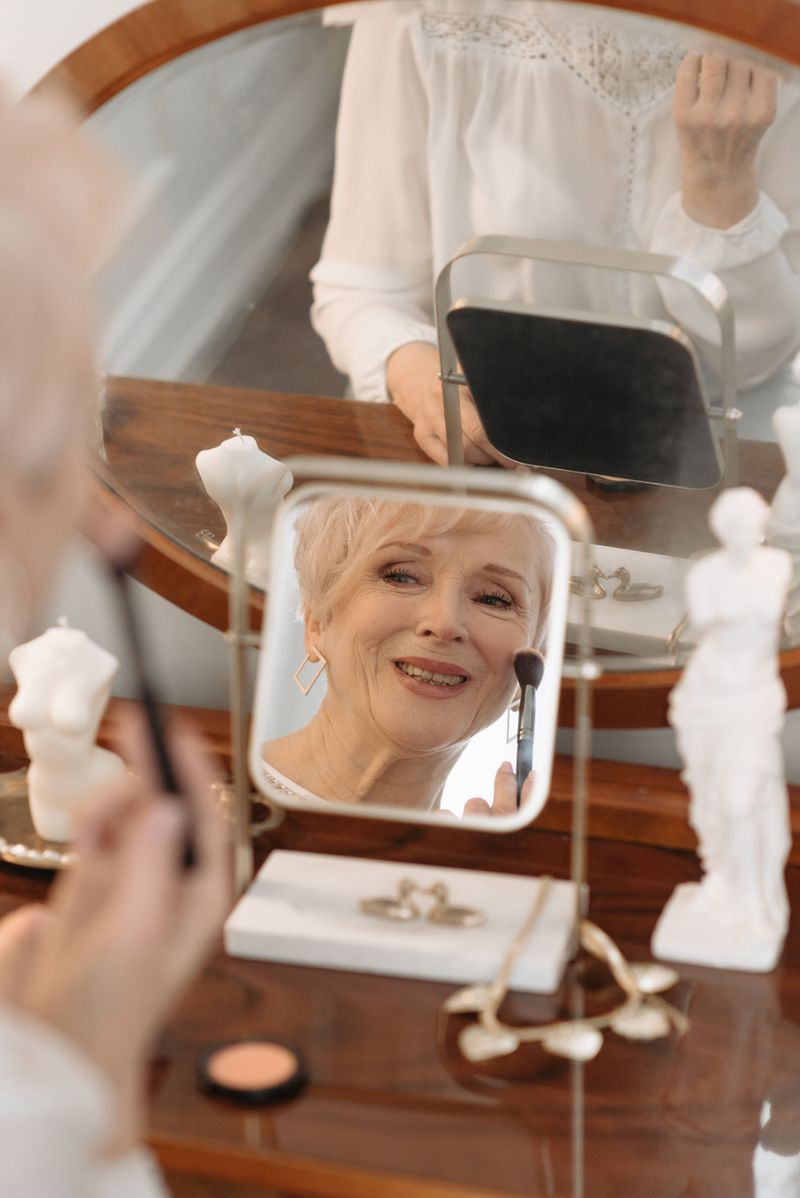
Heavy powder and fine lines are not friends.
Many women over 70 find that using less makeup, and choosing different formulas, gives a fresher and more natural result.
Cream products are often the easiest switch.
Cream blush, cream highlighter, and lightweight liquid foundations tend to blend into skin, while powders can settle into lines and highlight dryness.
A damp makeup sponge helps press foundation in lightly so it doesn’t look cakey.
Color correcting can be surprisingly useful.
Peach or orange tones help cancel bluish under-eye circles and dark spots on many skin tones.
Green-tinted products can calm visible redness.
Use a thin layer, then add concealer or foundation on top.
Eyes benefit from softer definition.
Brown eyeliner usually looks gentler than harsh black, especially with silver hair.
A thickening mascara adds frame without needing dramatic liner.
Filling in thinning brows with a pencil or tinted gel also helps balance the face.
Lips are your chance to play.
A rosy or berry shade can brighten the whole face in seconds.
Of course, some women love bold looks, and that’s fine.
The point is choosing products that suit your skin today, not the routine you learned decades ago.
10. A Haircut That Works With You
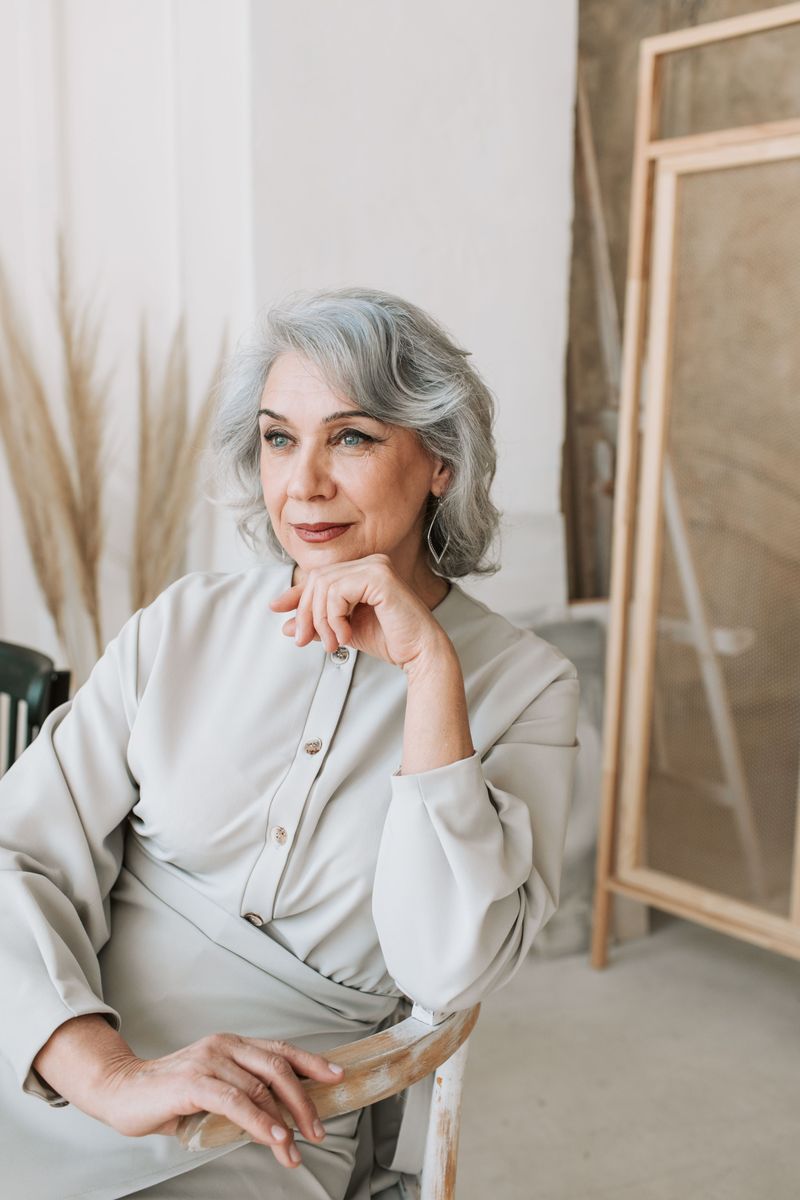
Silver hair can look striking with the right cut.
The best styles after 70 often share one trait: they look good without hours of daily wrestling with a round brush.
The classic bob remains popular for good reason.
Cut at the jawline or just below, it frames the face and can make fine hair look fuller.
A textured pixie feels fresh and needs very little styling.
Soft curls add volume, and long layers with bangs bring movement around the face.
Going grey or white opens up new options.
A silver pixie or sleek grey bob can look polished and modern.
Many women find that natural color also saves time and money compared with frequent touch-ups, though coloring is a perfectly valid choice too.
Texture should guide the decision.
Fighting naturally wavy hair into a sleek style every morning gets old quickly.
A good stylist can suggest cuts that work with your hair rather than against it.
Bring photos to your appointment, and talk honestly about how much time you want to spend styling.
Ask for a quick lesson on drying it at home.
A haircut you can recreate yourself is worth far more than one that only looks right leaving the salon.
11. Style Is Self-Expression, Not a Rulebook
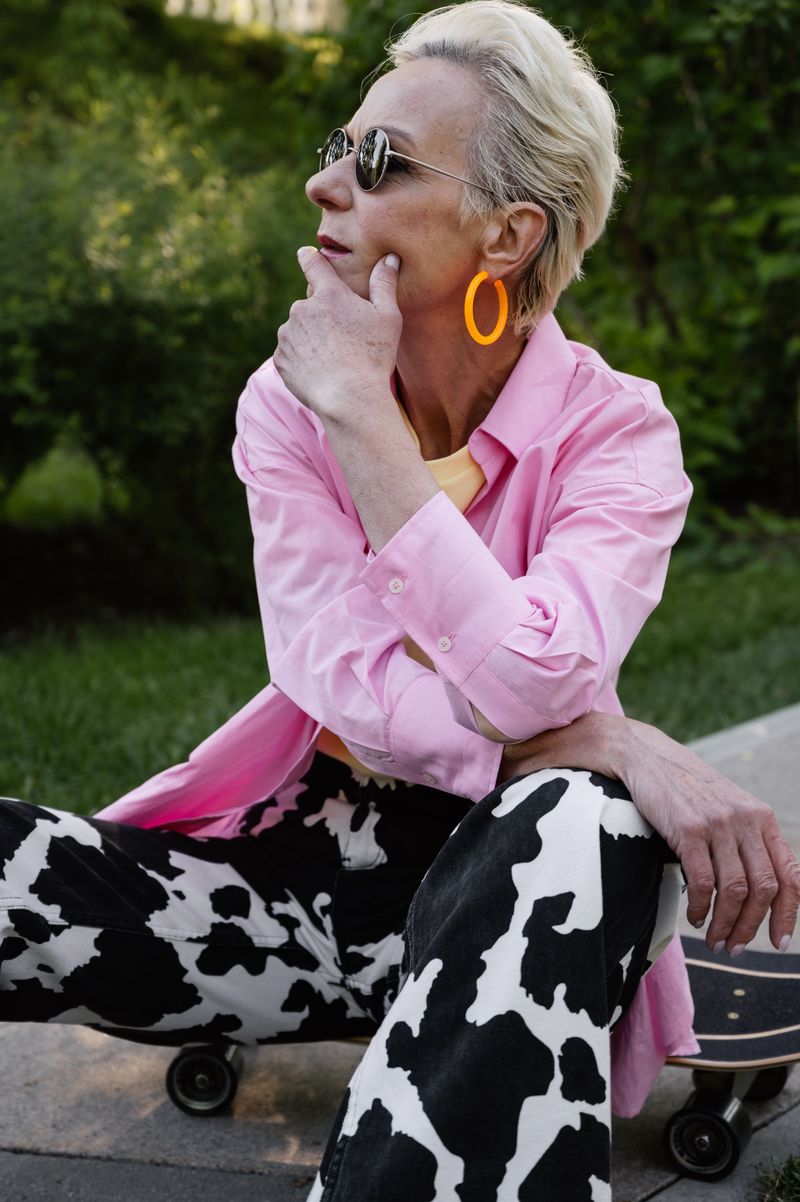
Plenty of magazines once printed lists of things women over a certain age should never wear.
Thankfully, the most stylish older women seem to ignore those lists entirely.
Style works best as a reflection of who you are.
Someone who loves gardening and long walks might live in crisp linen and great sneakers.
A retired teacher who adores drama might wear red coats and dangly earrings.
Both can look fantastic because the clothes match the person.
Dressing to be seen can feel freeing.
Many women describe a stage of life when they feel invisible, and bold personal style pushes back against that.
Wearing what you love says you’re still here and still interested.
Comfort and expression can live side by side.
Choosing soft fabrics and easy shoes doesn’t mean giving up flair.
Think of a cashmere sweater in emerald green or a loose dress in a cheerful print.
If you’re unsure where to start, notice which outfits make you stand a little taller.
Pay attention to compliments, but pay more attention to how you feel.
Your style should change as you change, and nobody gets to hand you a rulebook at the door.
12. Getting Dressed Is a Daily Gift to Yourself
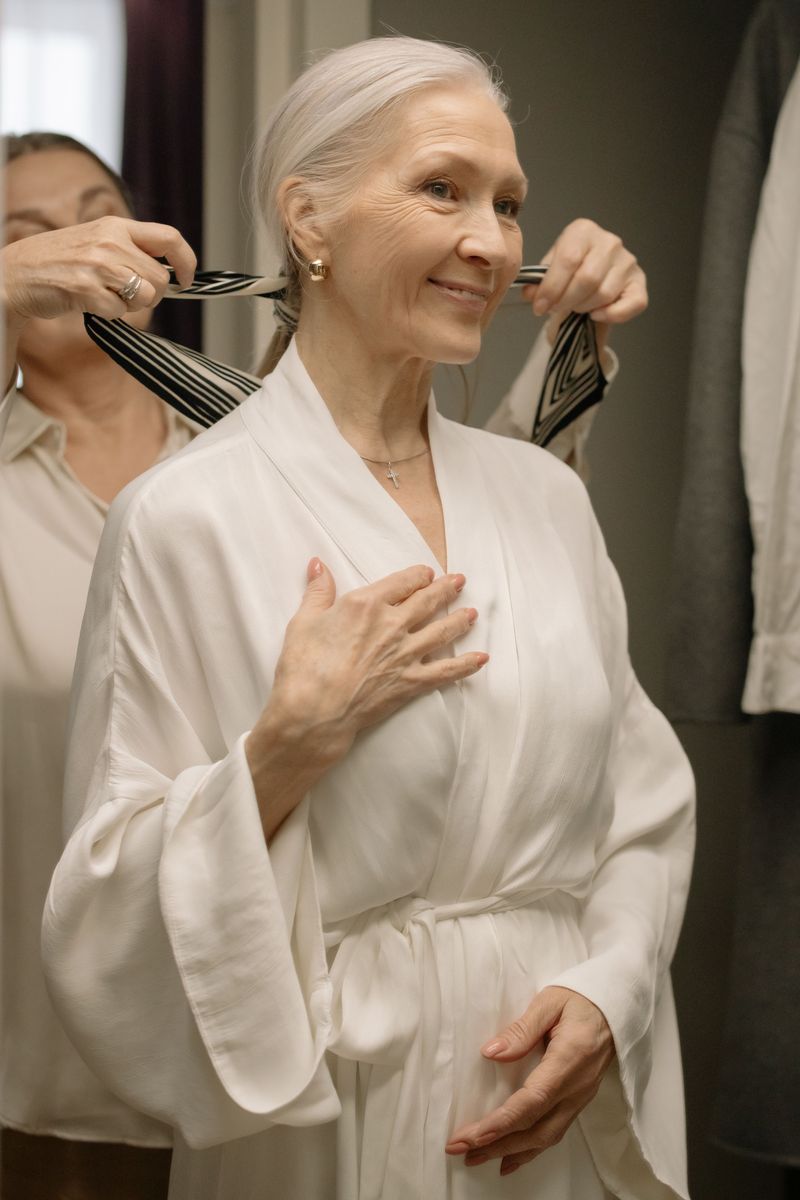
Retirement can turn pajamas into an all-day uniform.
Women with lasting style often keep the habit of getting dressed, even on days when the only appointment is with the mail carrier.
Dressing with intention can set a pleasant tone for the day.
Putting on real clothes, a favorite necklace, or a swipe of lipstick is a small act of self-respect.
It doesn’t need to be fancy, just chosen on purpose.
Self-acceptance plays a big part.
Bodies change over time, and fighting that tends to make shopping miserable.
Choosing clothes for the body you have today, and the life you actually live, makes getting ready much easier.
Taking care of yourself in other ways shows up too.
Regular movement, decent sleep, and time with friends can help you feel more energetic and engaged.
Talk with your doctor about what activity fits your health, and treat any routine as an option rather than a rule.
Impressing others matters less than pleasing yourself.
Wear the bright scarf to the grocery store.
Put on earrings for a phone call with your grandkids.
Looking good after 70 often comes down to deciding that today is worth dressing for, and then simply doing it.