 MomSkoop
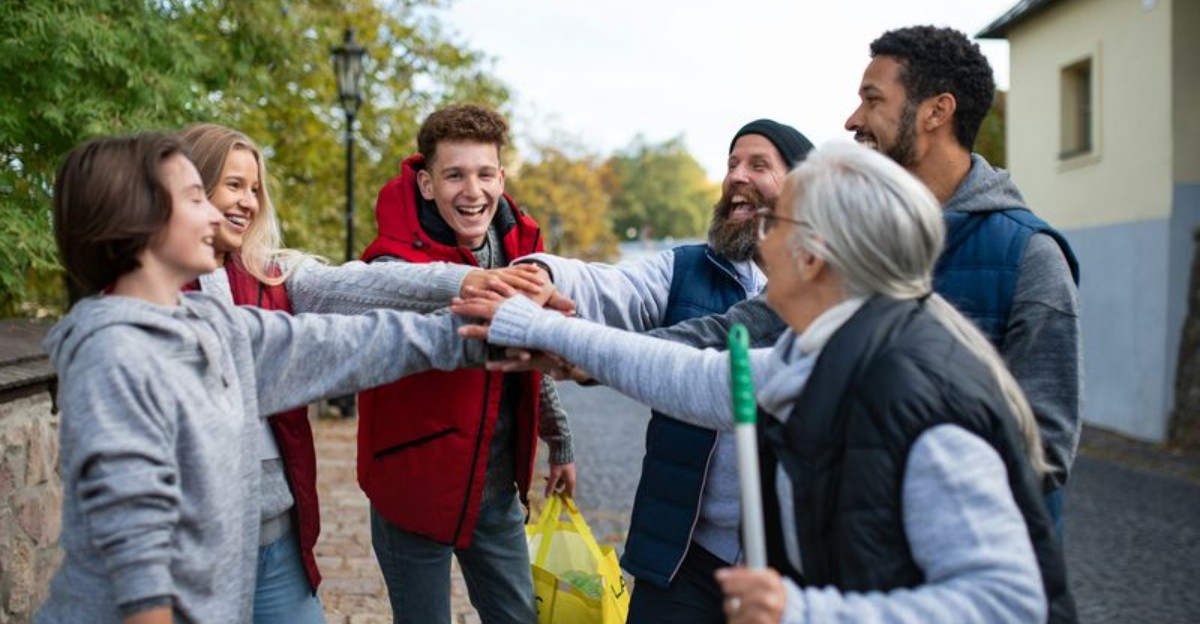
In 1895, a British writer named Guy Beringer published an essay called ‘Brunch: A Plea’ that argued against the heavy, early Sunday dinner. His big idea was a late, relaxed meal that would make the day brighter for people who had stayed up too late on Saturday. Beringer basically made the case that Sunday deserved a better plan than sleeping through the morning and eating too much later.
More than a century later, that same question still pops up when the alarm is off and the blankets feel extra heavy. Staying in bed is a perfectly fine choice sometimes, but Sunday also hands you hours with fewer rules than most other days. So what else could that time hold? A few ideas are worth stretching for.
1. Visit a Local Farmers Market
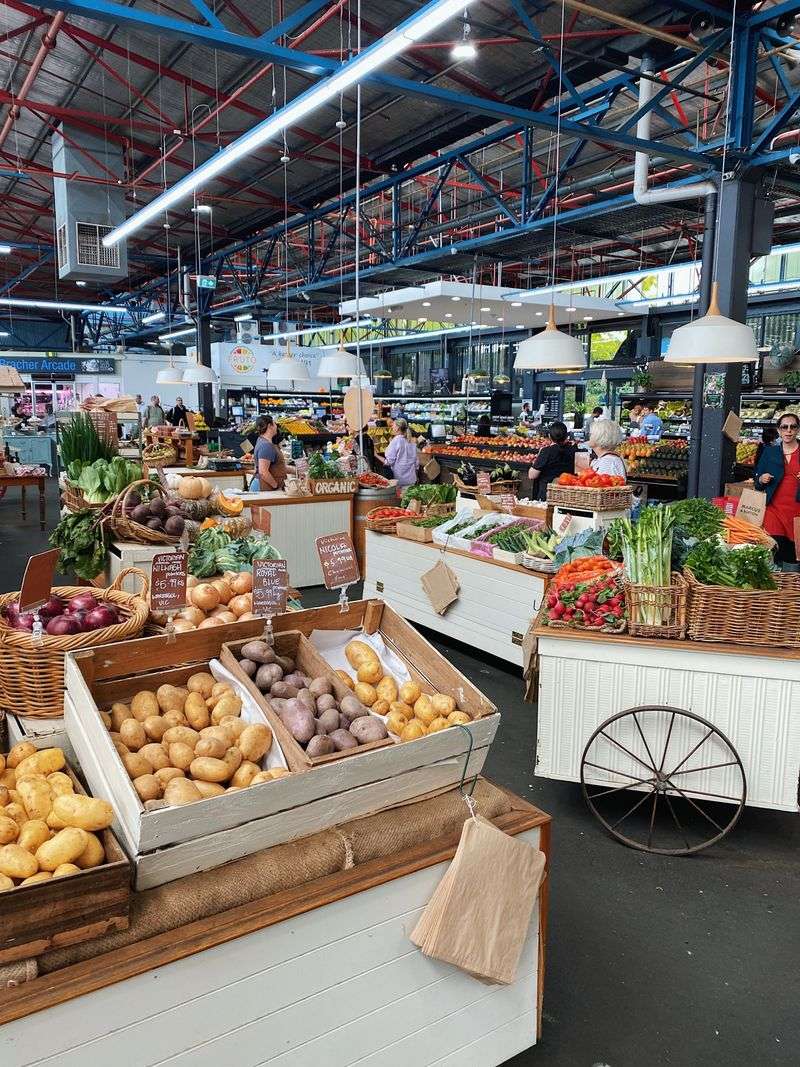
Sunday mornings at a farmers market move at a different speed than a supermarket run.
Instead of fluorescent aisles, you get folding tables, handwritten signs, and the people who actually grew the tomatoes standing right behind them.
Seasonal produce is the main draw, but many markets also sell eggs, bread, honey, jam, cheese, and flowers.
What shows up depends on your region and the month, so a July visit can look nothing like an October one.
Timing matters more than you might expect.
Arrive early for the best pick of popular items, or come near closing time, when some vendors may be willing to offer a deal on what is left.
A short plan keeps your tote bag from turning into a vegetable avalanche.
Pick one or two meals for the week and shop for those, rather than buying a mountain of kale you will feel guilty about by Thursday.
Asking questions is part of the fun.
Vendors can tell you how they grow their crops, which apple is best for baking, or what to do with kohlrabi, and you leave with groceries plus a fresh dinner idea or two.
2. Cook a New Brunch Recipe
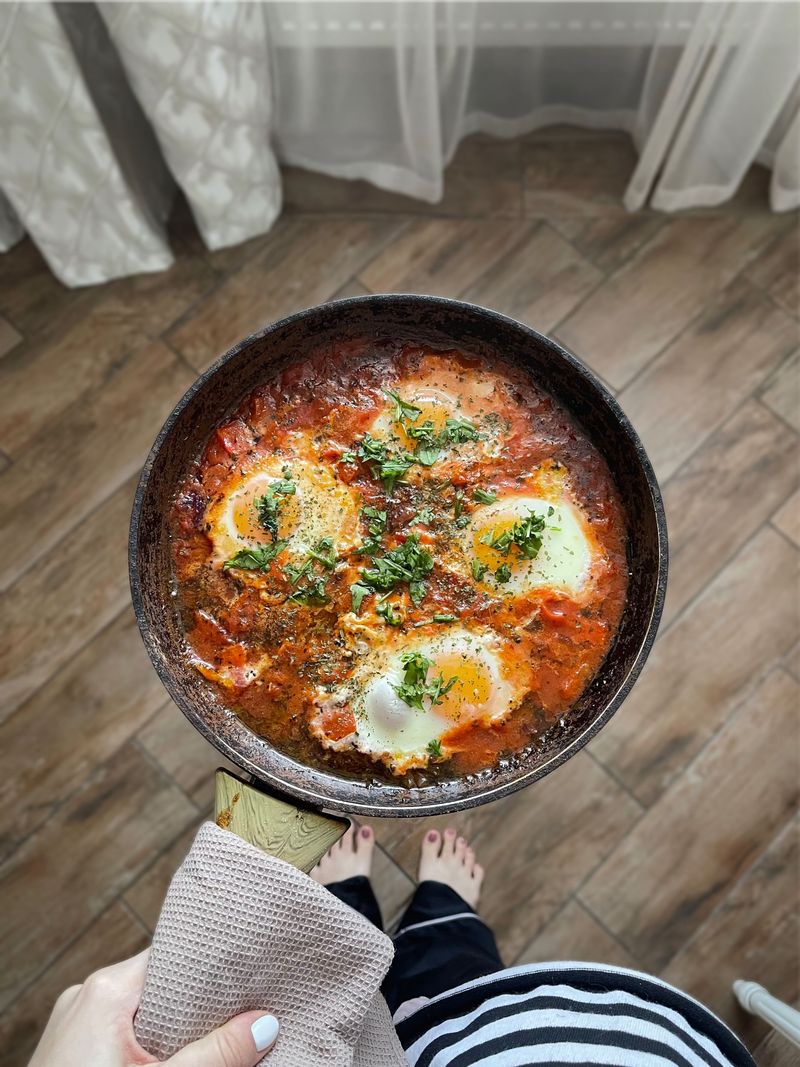
Brunch has a surprisingly literary origin story.
British writer Guy Beringer pitched the idea in his 1895 essay ‘Brunch: A Plea,’ suggesting a late, sociable meal to replace the heavy Sunday dinner.
Your version can be far less formal than a Victorian argument.
Choose one dish you have never made before, like shakshuka, Dutch baby pancakes, or a vegetable frittata, and give it a full, unhurried try.
Sunday works well for kitchen experiments because the clock is usually kinder.
If the first pancake comes out lopsided, nobody is late for work, and you still get to eat the evidence.
Balance helps the meal feel complete.
Pair something savory, such as eggs or roasted potatoes, with something sweet, like fruit or a quick yogurt parfait, so the table offers a little of both.
Inviting a friend or two turns practice into a small event, though a solo brunch counts just as much.
Reading the recipe twice and setting out your ingredients before you start can save you from discovering the missing baking powder mid-whisk.
Once you nail it, you have a dish ready for birthdays and holidays.
Beringer’s plea from 1895 still holds up nicely.
3. Wander a Botanical Garden

Botanical gardens are basically museums where the exhibits keep growing.
Many keep collections from far-off climates, so you can stroll from desert cactus beds to steamy orchid rooms in a single afternoon.
Lots of gardens also feature themed areas, such as Japanese gardens, rose gardens, or native plant beds.
Small signs usually label the plants, which makes it easy to learn a few names while you wander.
Before heading out, check the garden’s website for hours, tickets, and its event calendar.
Depending on the season, you might find guided tours, plant sales, workshops, art installations, or outdoor concerts.
Seasons change the experience a lot.
Spring might bring tulips and cherry blossoms, summer fills the beds with color, and fall can turn an arboretum’s trees into a show of reds and golds.
Comfortable shoes are a smart call, since paths can stretch farther than they look on the map.
A small notebook or your phone’s camera helps you remember a plant you might want for your own yard or windowsill.
Some gardens offer free days or reduced admission for local residents, so a quick look at their pricing page can pay off.
Even a short visit gives you fresh air and plenty to look at.
4. Take a Creative Workshop
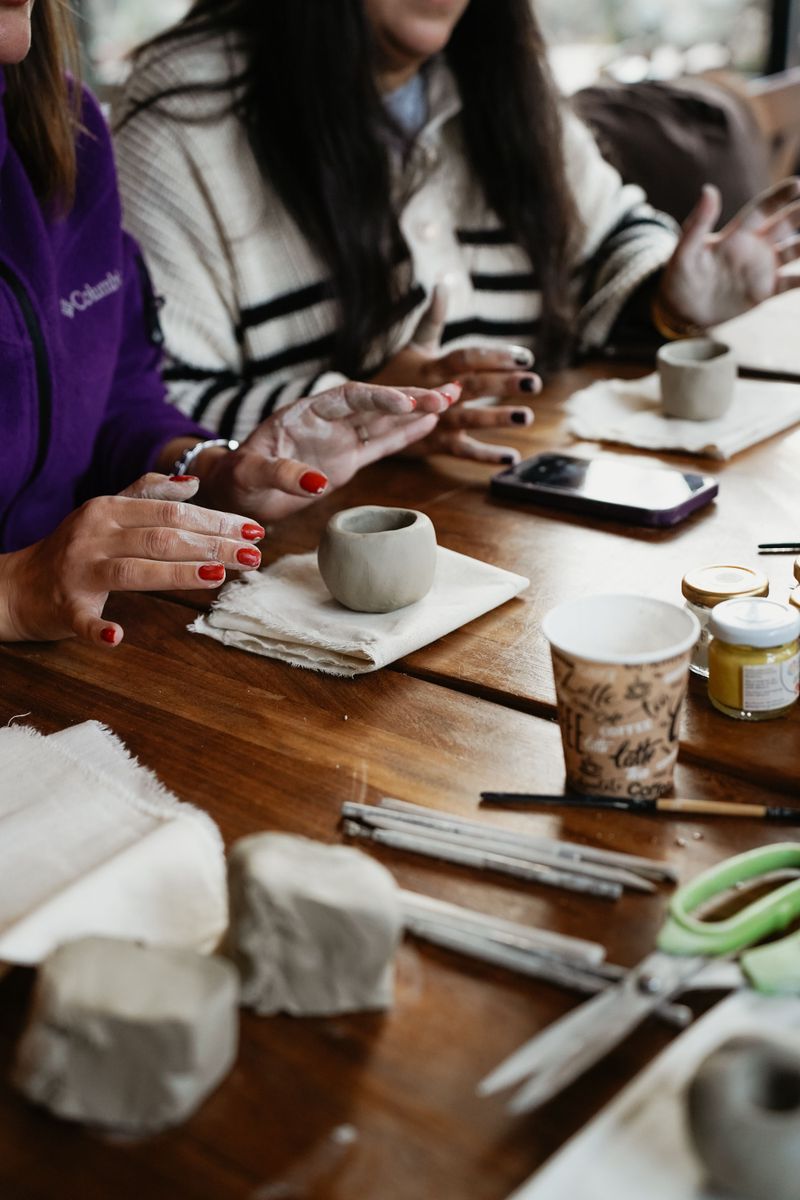
Clay on your hands beats lint on your pajamas.
A Sunday workshop gives you a reason to get dressed and a few hours to make something that did not exist when you woke up.
Options vary widely by area.
Community centers, art studios, libraries, and craft stores often host beginner classes in pottery, watercolor, knitting, calligraphy, photography, or flower arranging.
Online classes are another route if travel or budget is tight.
You can follow along from your kitchen table, pause when needed, and rewind the tricky parts as many times as you like.
Beginner sessions are built for people with zero experience, so no talent audition is required.
Your first bowl may wobble, and your first painting may look more abstract than planned, which is part of the charm.
Bringing a friend can make the first class less intimidating, though going solo is a fine way to meet new people.
Ask what supplies are included before booking, since some classes cover materials while others expect you to bring your own.
The best part might be what you carry home afterward.
That lopsided mug comes with a story no store-bought one can match.
5. Volunteer for a Local Cause

Sunday is a busy day for plenty of nonprofits.
Food banks, animal shelters, and community gardens often rely on weekend volunteers when weekday helpers are at work or school.
Finding a fit starts with what you enjoy.
Animal lovers might walk dogs or socialize cats at a shelter, while organized types could sort donations at a food pantry.
Websites like VolunteerMatch and local community center bulletin boards list opportunities by location and schedule.
Many groups offer one-time shifts, so you can try something out before committing to a regular spot.
Expect a short orientation on your first day.
Some roles, especially ones involving kids or animals, may require an application or background check, so it helps to sign up a week or two ahead.
Volunteering is also a low-pressure way to meet neighbors.
Working side by side on a simple task, like packing boxes or pulling weeds, gives conversation an easy starting point.
Families can join in too, since some organizations welcome kids with an adult.
Check age rules before you go, and dress for the job, because sorting canned goods and cleaning kennels are rarely clean-shirt activities.
A few hours of help can matter a lot to a small team.
Not bad for a skipped nap.
6. Set Up a Home Spa Hour
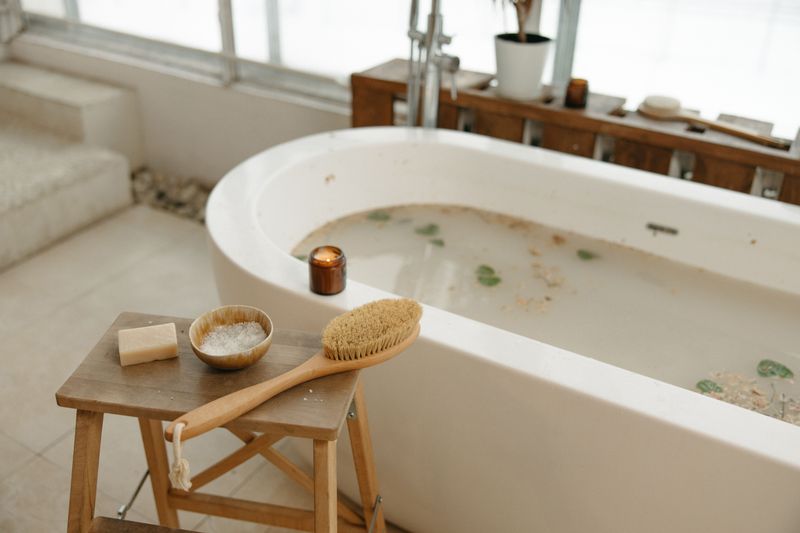
Some of the best Sunday plans require no shoes at all.
A home spa hour gets you out of bed and into a calmer routine without leaving the house.
Start by setting the scene.
Clear the bathroom counter, dim the lights, and put on a playlist you actually find relaxing, whether that means soft piano or a podcast about ocean life.
A long bath or shower is the centerpiece for many people.
Epsom salt, which is magnesium sulfate, is a common bath add-in that lots of people enjoy for soaking, even though claims about skin absorbing magnesium are still debated.
Simple face masks can come from your pantry, with plain yogurt, oats, or honey as popular choices.
Test a small spot first, especially if your skin is sensitive, and skip anything that stings.
Nails deserve a turn as well.
Soak your hands, gently push back cuticles, shape your nails with a file, and finish with lotion, polish, or nothing at all.
Phones tend to sneak into these moments, so leave yours in another room if you can.
The goal is a stretch of time with no emails, no chores, and no one asking where the scissors are.
7. Go on a Nature Walk
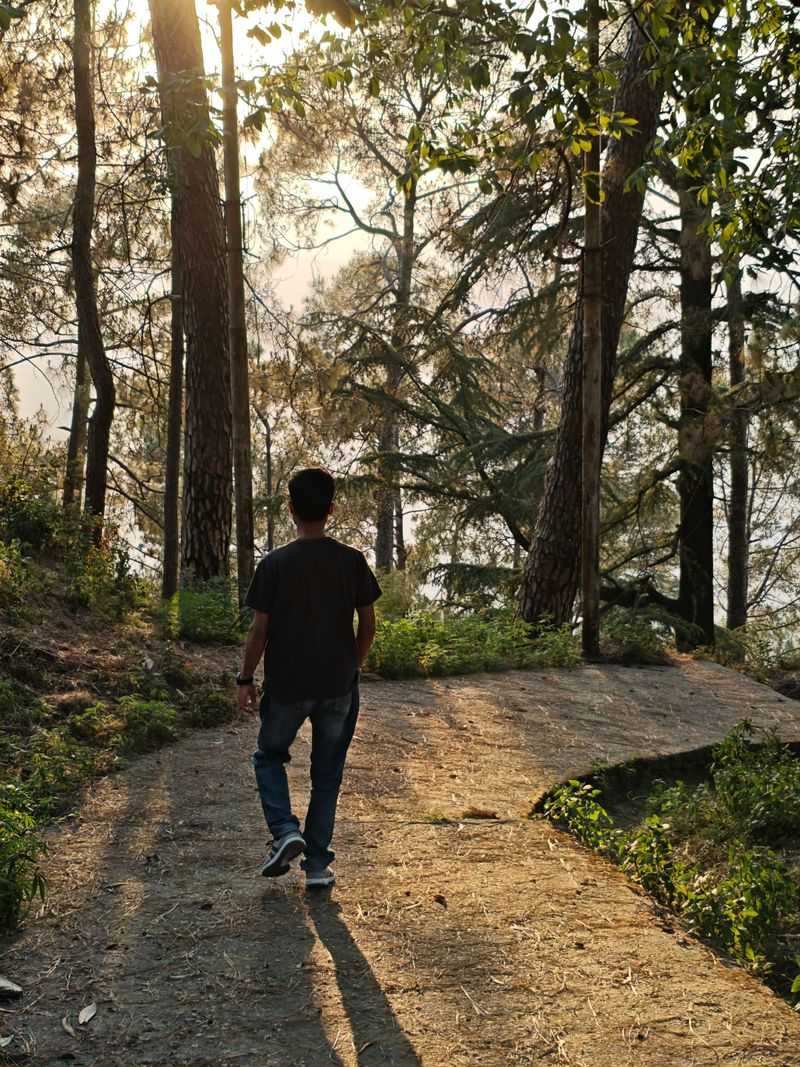
Trails do not care whether you brushed your hair.
A Sunday walk in a park, forest preserve, or along a river path is one of the easiest ways to trade blankets for fresh air.
Apps such as AllTrails and websites for state and national parks list routes by length, difficulty, and location.
Starting with a short, flat loop is perfectly reasonable, especially if your legs have been on vacation lately.
Try a little mindful walking along the way.
Notice the feel of your feet on the ground, the rhythm of your breathing, and the sounds around you, from birdsong to crunching gravel.
Bringing a small challenge can add some fun.
Count how many kinds of birds you spot, photograph interesting mushrooms, or use a free plant identification app to name the trees you pass.
Preparation keeps the outing pleasant.
Wear comfortable shoes, carry water, check the weather, and tell someone your route if you are heading somewhere remote.
Respect for the trail matters too.
Stay on marked paths, pack out your trash, and give wildlife plenty of space, even if that squirrel seems eager for a selfie.
By the time you get home, the bed will still be there.
You just might arrive with muddy shoes and a better story.
8. Start an Indoor Plant Project
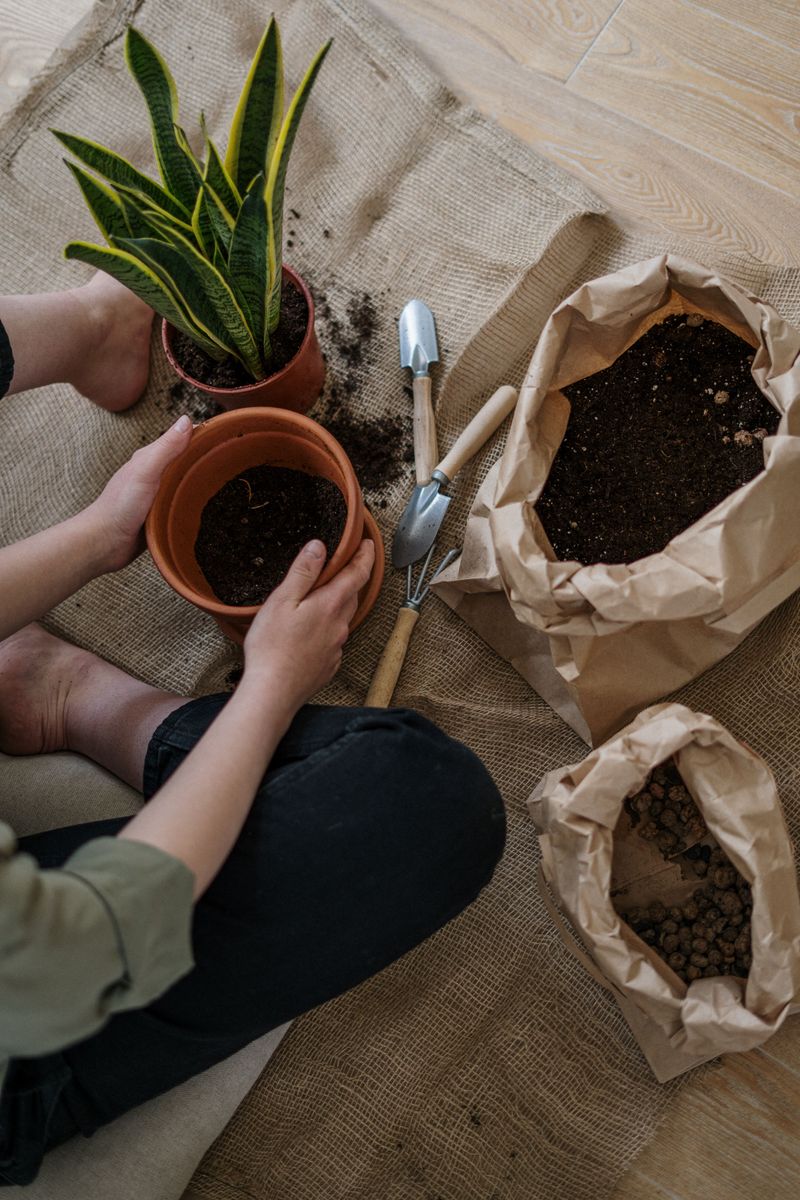
Houseplants make excellent Sunday projects because they reward small, patient effort.
A free afternoon is enough time to pot a new plant, start an herb garden, or rescue that pothos that has outgrown its container.
Beginners often do well with forgiving plants like snake plants, ZZ plants, and pothos.
These tolerate a range of indoor light levels and can handle the occasional forgotten watering.
Herbs bring a tasty bonus.
Basil, mint, and chives can grow on a sunny windowsill, giving you fresh garnishes for pasta, salads, or that new brunch recipe.
Repotting is a popular Sunday task, and a few basics help.
Choose a pot about one to two inches wider than the current one, make sure it has drainage holes, and water the plant a day ahead.
When you move it, gently loosen the roots and fill around them with fresh potting mix.
Leave some space at the top so water has somewhere to go.
Cacti and succulents are the exception to the water-right-away rule.
Wait a few days before watering them in their new pots, while most other plants appreciate a thorough drink right after.
Lay newspaper down first, unless you enjoy finding soil in odd places.
Future you will be grateful.
9. Host a Game or Puzzle Afternoon

A jigsaw puzzle spread across the dining table can quietly take over an entire Sunday.
Board games and card games offer the same pull, with the bonus of friendly trash talk.
Cooperative games such as Pandemic have players working together against the board, which suits groups that get a little too competitive.
Strategy fans might prefer something like Catan or Ticket to Ride, where you plan routes and trade resources.
A theme can make the afternoon feel like an event.
Pick mystery games and serve snacks with clever names, or go full silly with party games like Codenames and charades.
Puzzles work for both solo and group time.
A 1,000-piece puzzle gives a few people plenty to do, and sorting edge pieces is a reliable job for anyone who arrives late.
Budget does not need to be a barrier.
Many public libraries lend board games, thrift stores often stock puzzles, and a standard deck of cards covers dozens of games.
Keep the guest list and rules simple.
Teaching one easy game well beats spending forty minutes reading a rulebook.
Phones can stay face down, and nobody needs to be good at anything.
The only real rule is that whoever finds the last puzzle piece gets bragging rights.
10. Visit a Museum or Art Gallery
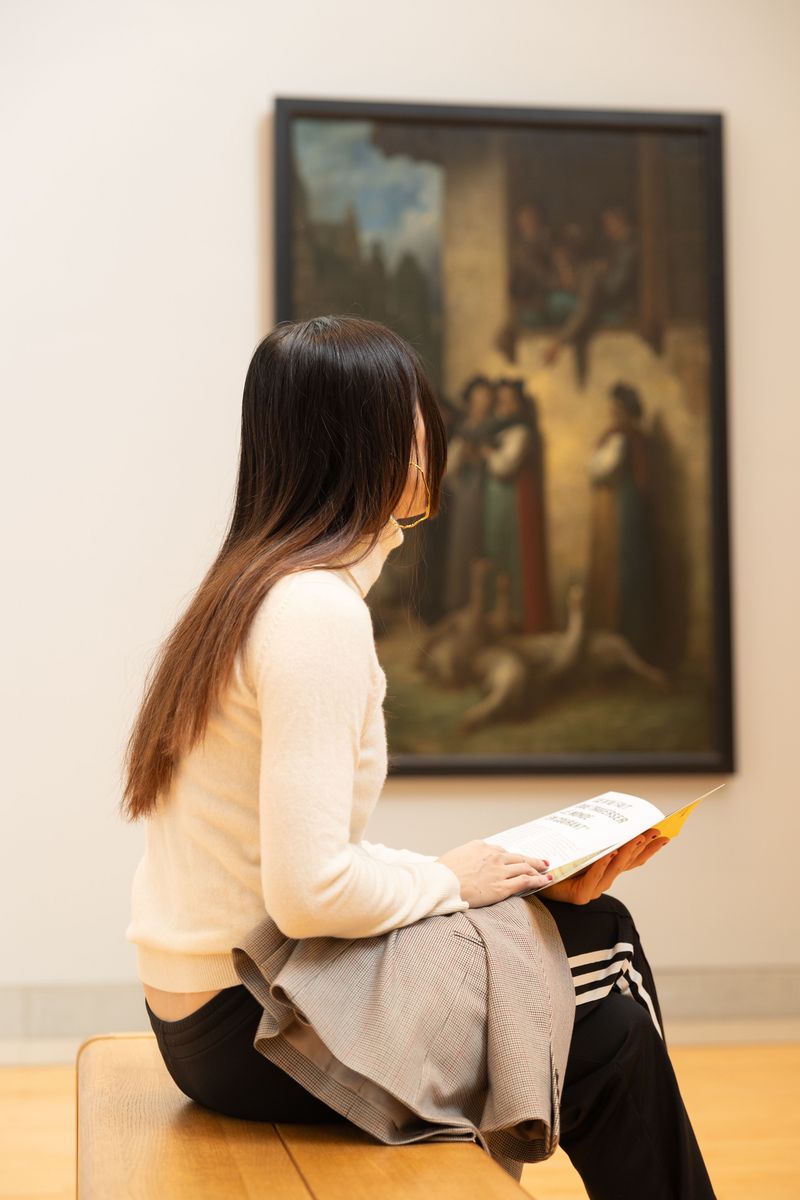
Plenty of museums keep Sunday hours, which makes the last day of the weekend a natural time for a visit.
Art, history, science, and natural history museums each offer a different kind of afternoon.
Start by checking the museum’s website for current exhibitions, ticket prices, and free admission days.
Some museums offer pay-what-you-wish times, and many public libraries lend free passes to local cultural spots.
Pacing helps more than you might think.
Trying to see the whole building in one visit can leave your feet sore and your brain fuzzy, so choose one wing or exhibit to focus on.
Guided tours and audio guides add background you might miss on your own.
Docents often share the story behind a painting or artifact, which can turn a quick glance into a real look.
A small game can sharpen your attention.
Pick a favorite piece in each room, sketch something in a notebook, or try to guess an artwork’s age before reading the label.
Plan a snack break if the visit runs long.
Postcards of favorite pieces make inexpensive souvenirs.
Afterward, you will have plenty to talk about at dinner.
That beats explaining how many hours you spent staring at the ceiling.