 MomSkoop
Some new jackets leave the factory with their vents stitched shut, and plenty of people wear them that way for months. That tiny loose thread is meant to be snipped, yet it often rides along unnoticed A look can go from relaxed to rehearsed with one extra bracelet, one logo too many, or one pair of sunglasses worn after dark.
None of this means you need to follow strict rules or dress like a catalog model. Style works best when your clothes seem to belong to you, not the other way around, and that feeling usually comes from comfort and fit. So which habits tip a look into trying-too-hard territory? A few of them might be hiding in your closet right now, waiting for a second glance.
1. Squeezing Into the Wrong Size

Size labels can be stubborn little things.
Plenty of people buy the number they wish they wore, then spend the day tugging at buttons and seams.
Clothes that pull across the chest or pool around the ankles tend to look like they belong to someone else.
Tight pants can feel restrictive, and baggy hems can catch under your shoes on stairs.
Neither situation helps you look relaxed, which is the whole point of a good outfit.
Fit is personal, and your size can change across brands, seasons, and years.
A medium in one store might be a large in another, so the tag tells only part of the story.
Try sitting, reaching, and walking in the fitting room before you commit.
Tailoring is another option worth knowing about.
Hemming trousers or taking in a waist is often a simple job for a local alterations shop, and the cost is usually modest compared to replacing the piece.
If a garment needs constant adjusting, it is probably telling you something.
Choose the size that lets you forget what you are wearing.
People notice when you look at ease, and that impression beats any number printed on a label stuck inside a collar.
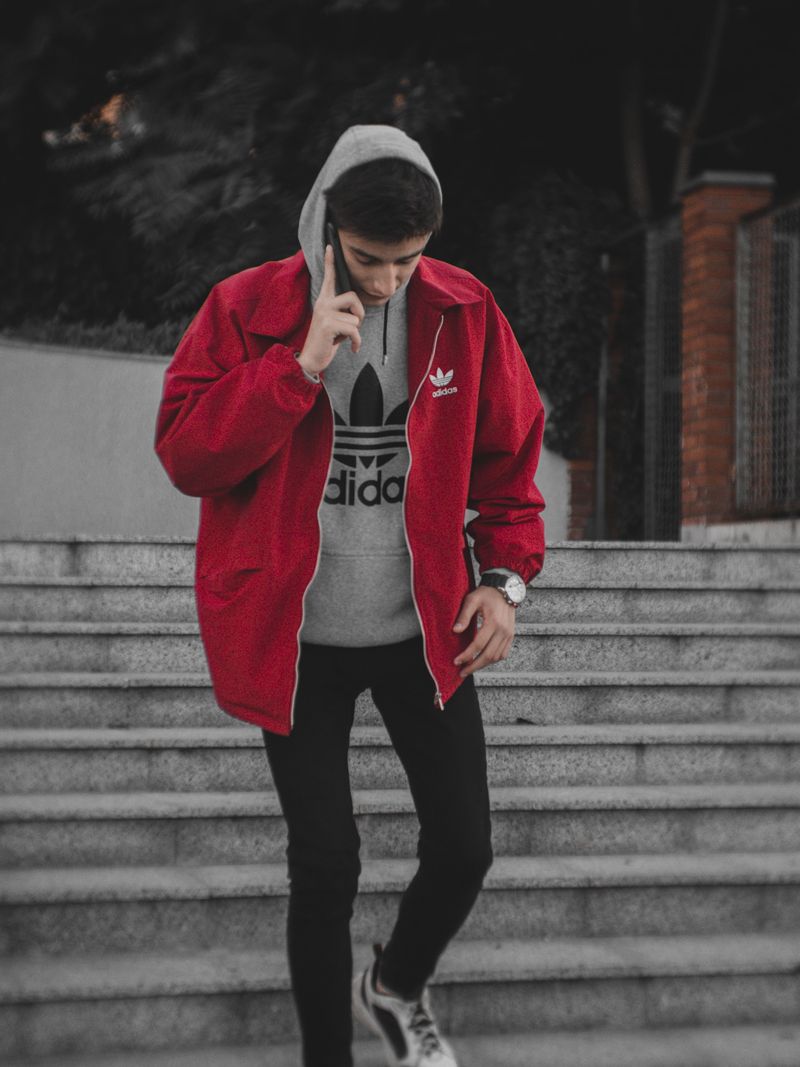
2. Head-to-Toe Logos
A monogram belt can be fun.
Pair it with a logo cap, logo shirt, logo bag, and logo sneakers, and the outfit starts reading like a billboard with legs.
Logos are designed to be noticed, which is exactly why stacking them gets loud fast.
When several brand marks compete, nobody sees your choices anymore.
They just see the labels doing the talking for you.
Fashion writers have spent the last few years discussing quiet luxury, a style built on plain pieces with clean lines and no obvious branding.
You do not need expensive clothes to borrow the idea, though.
A well-fitting plain sweater from any store follows the same principle.
If you love a particular brand, let one logo piece carry the outfit.
A printed tote with a plain tee and jeans gives the bag room to shine.
A logo sweatshirt looks sharper with unbranded pants and simple shoes.
There is nothing wrong with enjoying a name you admire.
The trick is editing, so the brand feels like a choice rather than a uniform.
One clear statement usually lands better than five shouting at once, and your personality gets a chance to show up too.
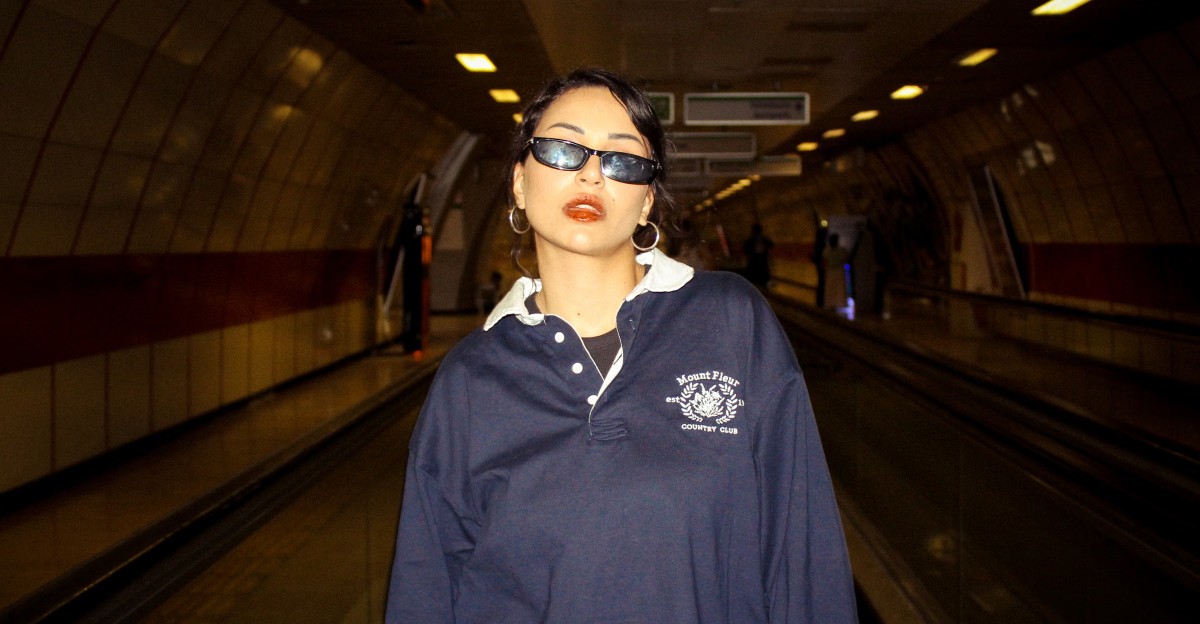
3. Sunglasses After Dark

Dark lenses in a candlelit restaurant make reading the menu a small adventure.
They also hide the one feature people rely on most during a conversation.
Sunglasses do a real job outside, blocking glare and shielding your eyes from bright light.
Indoors or at night, that job mostly disappears.
What remains can look more like a costume prop than a practical accessory.
Eye contact helps people read friendliness and interest.
When your eyes are covered, others may find it harder to tell whether you are listening, joking, or bored.
That can make a simple chat feel oddly distant.
There are exceptions, of course.
Some people wear tinted lenses for light sensitivity, migraines, or after eye procedures, and those reasons are nobody else’s business.
Prescription glasses with light tints are another situation entirely.
For everyone else, a simple habit helps.
Slip your shades into a case or hook them on your shirt when you step inside.
A sturdy case also protects the lenses from scratches in your bag.
You keep the style moment for the sunny sidewalk.
Then you get to enjoy dinner seeing the food, the room, and the person across the table clearly, which feels like a fair trade.
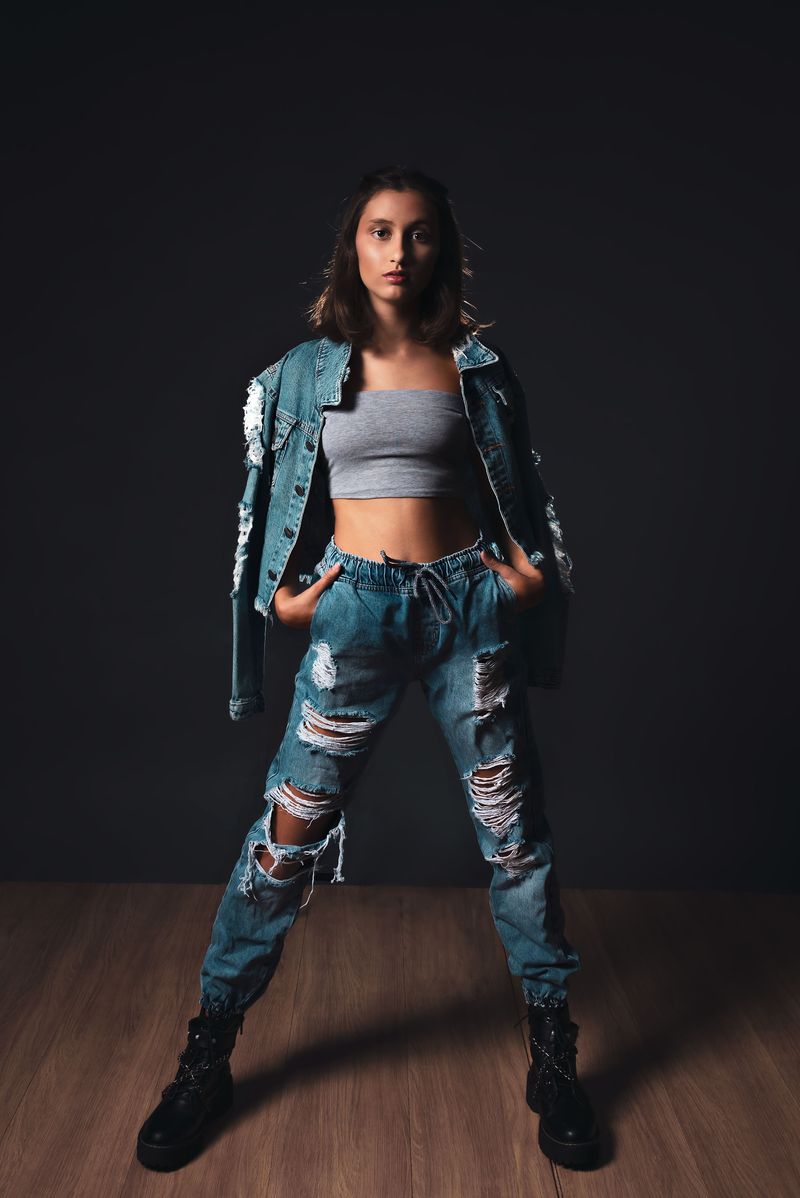
4. Jeans With More Holes Than Denim
Ripped knees have been popping up on jeans since punk bands took scissors to their clothes in the 1970s.
Somewhere along the way, a few rips turned into entire panels of missing fabric.
A little distressing can add easy texture to a casual outfit.
When the holes outnumber the denim, though, the jeans can look more like a craft project gone sideways.
They may also snag on chair corners or let in a chilly breeze.
Heavily shredded pairs also tend to wear out faster.
Thin threads stretched across big openings break with regular washing, and the holes keep growing.
That means you might replace them sooner than a solid pair.
If you like the look, try a lighter touch.
Small frayed spots at the knee or a raw hem give a relaxed feel without overwhelming your outfit.
Wash distressed jeans inside out on a gentle cycle to slow the fraying.
Another route is letting denim age on its own.
Raw or dark jeans fade where you bend and sit, creating creases that match your body and routine.
Those marks tell a real story, which feels a lot more personal than damage bought straight off a rack.
5. Chasing Every Micro-Trend
Last month it was one aesthetic, this month it is another, and next month a new name will show up on your feed.
Keeping pace can feel like a part-time job.
Micro-trends move quickly because social media spreads them in days instead of seasons.
An outfit that looks great in a short video can feel strange at the grocery store.
Buying into each wave also fills a closet with pieces that clash with one another.
Constant switching can make it hard to tell what you actually like.
A closet should reflect your taste, not the algorithm’s weekly mood.
Plus, frequent hauls add up quickly for your budget.
Try a simple test before buying something trendy.
Picture three outfits you could build with pieces you already own.
If you cannot come up with any, the item may end up hanging there with its tags still on.
Trends are not the enemy, and playing with them can be fun.
Pick the ones that match colors and shapes you already reach for often.
A single trendy accessory, like a bag or a hair clip, lets you join the fun without rebuilding your wardrobe every few weeks.
6. Outfits That Need Instructions
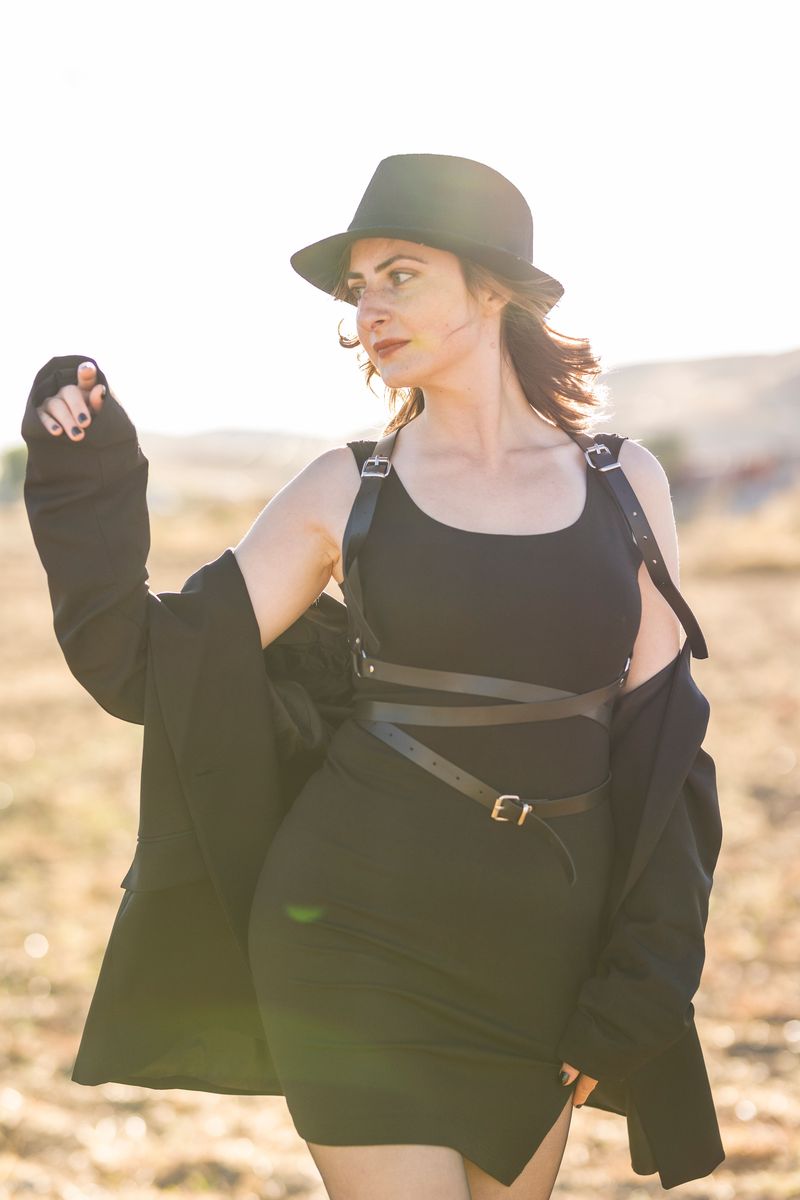
Six straps, three buckles, and a cutout that may or may not be the armhole.
Some garments look like puzzles before you even try them on.
Complicated details can be striking on a runway, where stylists handle fittings and models stand under perfect lighting.
In daily life, dangling straps catch on door handles and bag zippers.
Extra hardware can also dig in when you sit down for a while.
When a piece has a lot happening, the eye bounces around trying to make sense of it.
That busy effect can pull focus away from your face and posture.
Viewers end up studying the outfit instead of seeing you.
You can still enjoy interesting design.
Choose one detailed item and keep the rest of the outfit plain.
A top with a twisted neckline pairs well with simple trousers, and a buckled boot looks sharp with straight jeans.
Before buying, ask whether you can get dressed without help or a mirror tutorial.
If the answer is no, consider how often you will actually wear it.
Pieces that are easy to put on tend to get worn far more, which makes every closet dollar stretch further.
7. Dressing Against the Weather
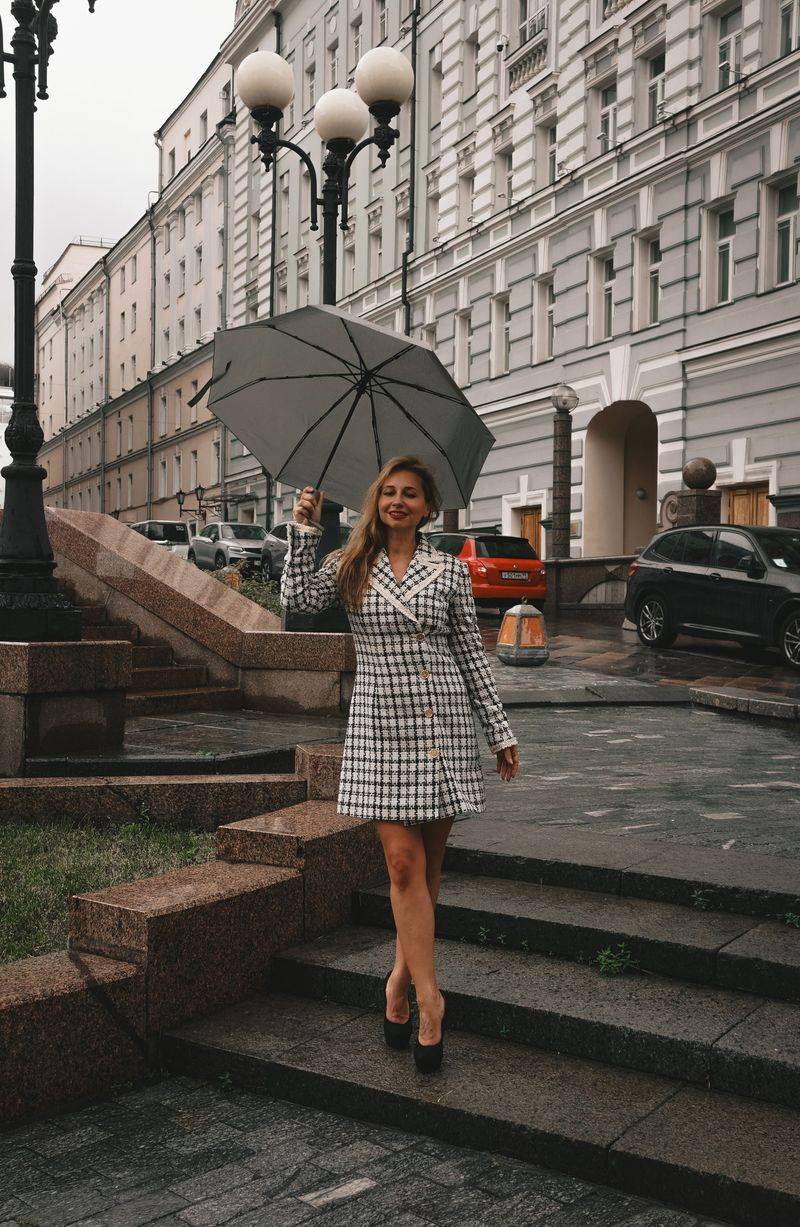
A wool coat in July might suit a photo shoot.
On a real sidewalk at noon, it mostly earns sympathetic looks and a lot of sweat.
Clothes that fight the weather rarely look relaxed.
Bare legs in sleet or suede shoes in a downpour can turn a planned outfit into a struggle.
You spend the day adjusting, shivering, or hunting for shade.
Occasion matters in a similar way.
Showing up in a sequined dress to a backyard barbecue or gym shorts to a formal dinner can make you feel out of step.
Matching the setting helps you relax and enjoy the people around you.
Checking the forecast takes about ten seconds.
Layers help on unpredictable days, like a light cardigan over a tee or a packable jacket in your bag.
Breathable fabrics such as linen and cotton tend to feel better in heat.
For events, a quick look at the invitation or a text to the host clears up guesswork.
Dress codes vary, and nobody expects perfection.
Clothes that fit the day simply let you focus on the fun instead of your discomfort, which usually shows on your face anyway.
8. Piling On Accessories
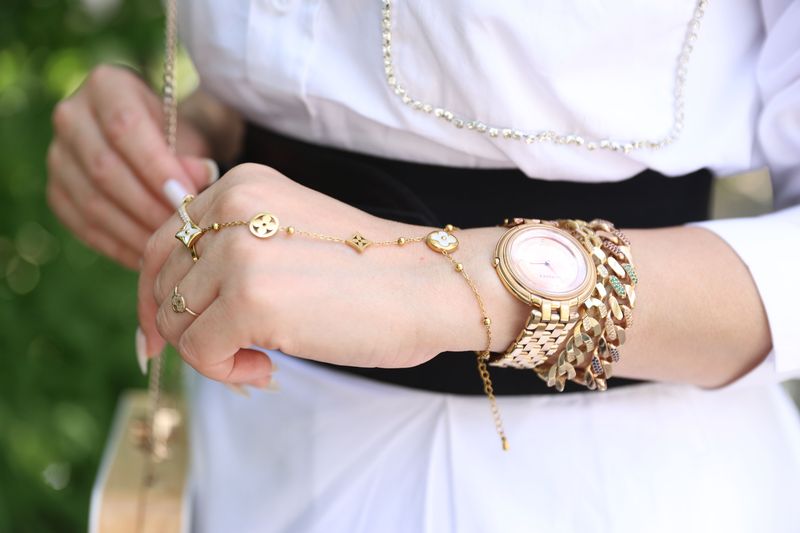
Statement earrings, stacked necklaces, a wrist full of bangles, a scarf, a belt, and a brooch walk into an outfit together.
The result can feel like a jewelry counter took a stroll.
Accessories are fun because they add personality in small doses.
When too many of them compete, though, none of them get noticed.
Bangles clink with each move, and layered chains can tangle by lunchtime.
A common styling idea is to choose one focal point.
If your earrings are big and bold, keep your neckline bare.
If you love a chunky necklace, try smaller studs and a simple watch.
Mixing metals and textures can work beautifully, so this is not about strict rules.
Balance is the goal.
A couple of thin rings plus one cuff feels thoughtful, while ten rings plus three cuffs can overwhelm your hands.
The old advice to remove one accessory before leaving the house is often credited to Coco Chanel, though the exact wording is hard to trace.
Whoever said it first, the tip still holds up as a quick mirror check.
Take one piece off and see whether the outfit breathes a little easier.
9. Forcing Shapes You Do Not Enjoy
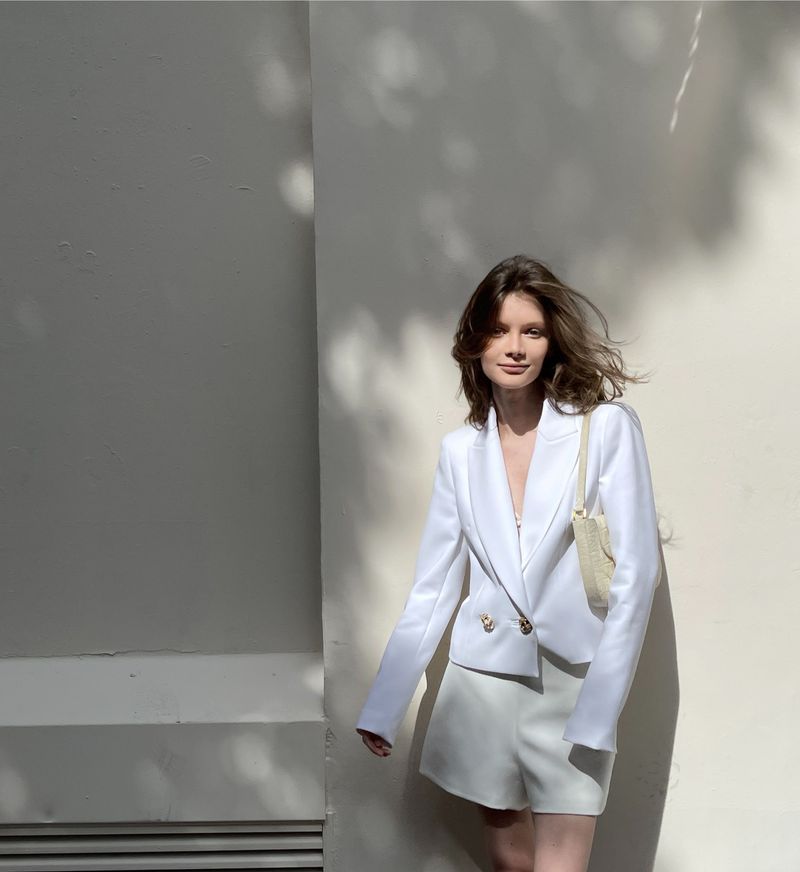
A boxy cropped top looks amazing on a mannequin.
On a person who keeps tugging it down all afternoon, it looks like a rental.
Silhouette simply means the outline your clothes create.
Some people love oversized shapes, while others feel better with defined waists or straight lines.
There is no correct answer, only what feels right to you.
Trouble starts when you wear a shape mainly because it is popular.
If you constantly adjust a hem, cross your arms, or avoid sitting down, the piece is probably working against you.
Comfort shows up in body language more than people realize.
Spend a little time noticing your favorite outfits.
Do they have a belted waist, a V-neck, wide legs, or a longer hem?
Those patterns are clues about shapes you naturally enjoy wearing.
Your body does not need fixing or hiding.
The goal is finding clothes that match how you want to feel and move, whether that means flowing, structured, or somewhere in between.
Shop with those notes in mind, and skip pieces that only work while standing still.
Your favorite photos will probably come from days when you forgot about your clothes completely.
10. Full Gym Gear for Brunch
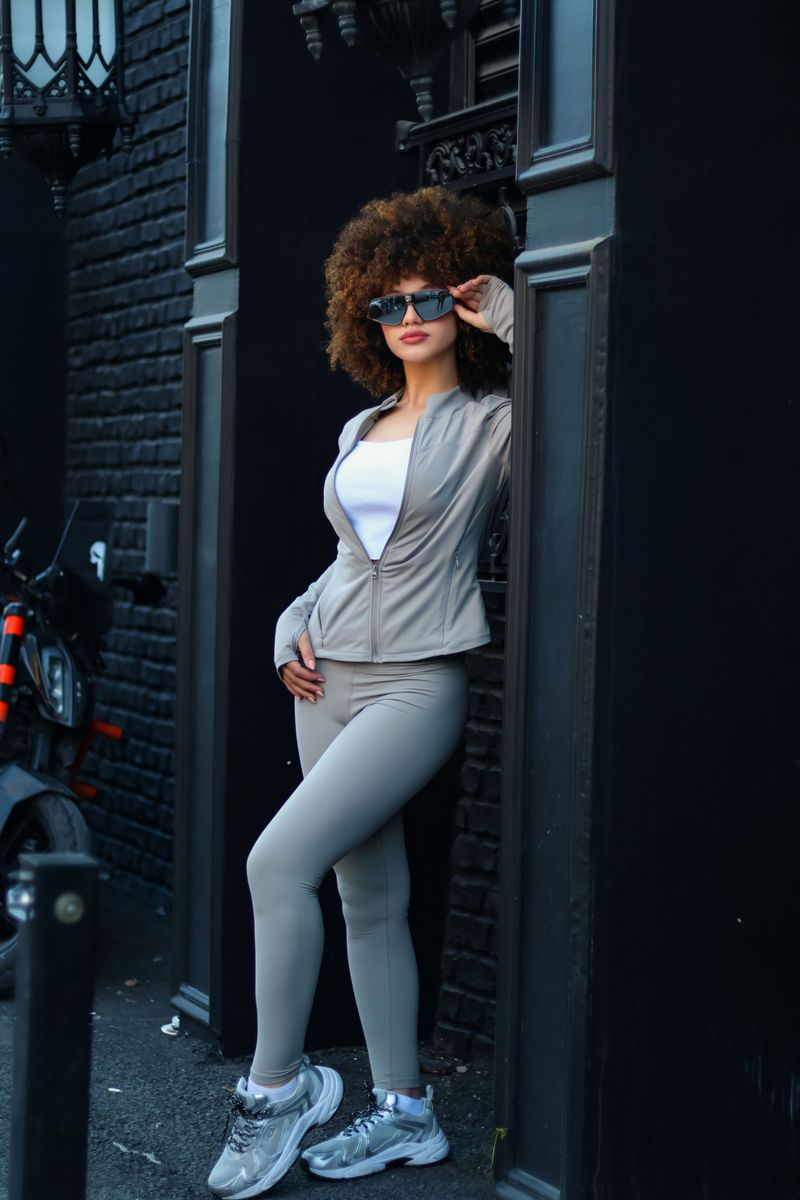
Leggings and a hoodie are a coffee-run classic.
A full technical outfit with a sports watch, compression socks, and racing shoes at brunch tells a slightly different story.
Athleisure became a major category because stretchy, soft clothes feel good.
Plenty of people wear them for errands, travel, and lazy weekends, and that is completely reasonable.
The forced look appears when an outfit seems to announce a workout that is not happening.
Mixing helps.
Try joggers with a crisp button-down or a knit sweater, or leggings under an oversized blazer with clean sneakers.
One athletic piece paired with everyday clothes looks intentional and relaxed at the same time.
Performance gear is also built for sweat and movement.
Moisture-wicking fabrics, reflective strips, and grippy soles have real jobs, and they shine during a run or class.
At a cafe table, those features mostly go unused.
Of course, if you are heading to the gym afterward, wear whatever you need.
Schedules are busy, and practicality wins.
For a casual day with no workout planned, blending sporty basics with regular pieces gives you the comfort you want without looking dressed for a marathon you skipped.
11. Bold Prints From Head to Toe
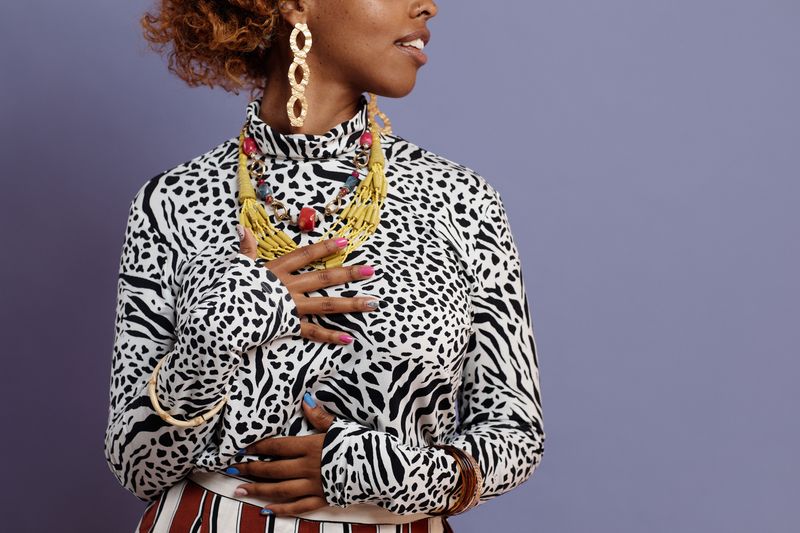
Leopard print has been a fashion favorite for decades, showing up in everything from 1950s coats to current runway shows.
A little of it goes a surprisingly long way.
Bold prints pull attention, which is their charm.
Wear a printed coat, dress, shoes, and bag at once, and the eye has nowhere to rest.
The pattern ends up louder than the person wearing it.
Some designers do pull off full print outfits on purpose, and confident head-to-toe styling can look fantastic.
It usually works best when the pieces match exactly, almost like a suit.
Mismatched prints in different scales tend to feel chaotic instead.
An easier approach is using print as an accent.
A leopard belt, a striped scarf, or floral flats can liven up plain basics.
Pair them with black, white, navy, camel, or denim so the pattern has space.
If you want more, try one printed main piece, like a skirt, with solid colors elsewhere.
Pull a shade from the print into your top to tie things together.
That small color echo makes the outfit look planned, and it keeps the spotlight on you rather than on the wallpaper.
12. Forgetting the Tacking Stitches
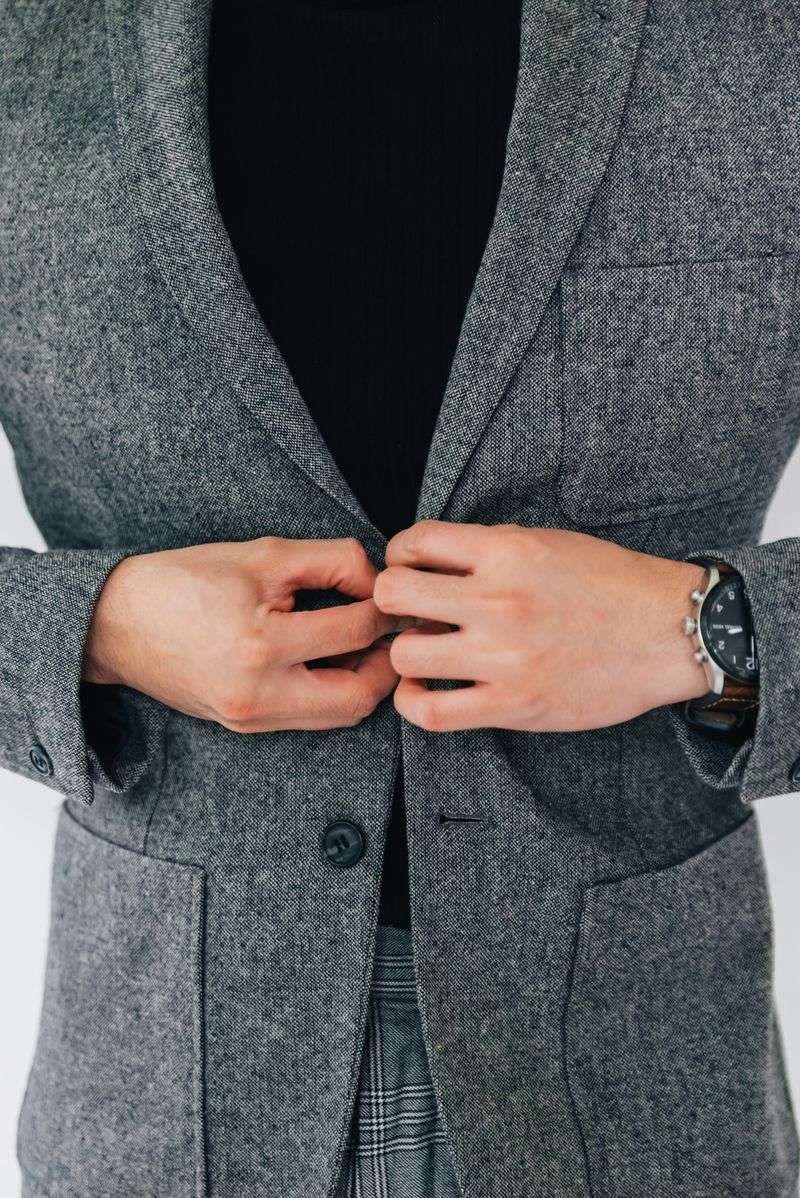
That little X of thread on the back of a new blazer is not a design feature.
It is a tacking stitch, and it is meant to come out.
Manufacturers sew vents, pleats, and pockets closed so the garment holds its shape during shipping and while hanging in stores.
Once you bring the piece home, those stitches have done their job.
Leaving them in can cause vents to pull and pockets to stay shut.
Skirts and coats often have the same loose stitching at slits.
Suit jackets may also come with a label on the sleeve cuff, which is meant to be removed too.
Both details are easy to miss when you are excited about something new.
Removing them takes a minute.
Use small scissors or a seam ripper to snip the loose basting thread, then pull it gently.
Be careful not to cut the garment’s real seams, which are tighter and usually match the fabric color.
Not every pocket stitch should go, though.
Some pockets are decorative and never open, so check the inside lining first.
A quick inspection before the first wear makes a sharp jacket look finished, like it was always meant to be yours.