 MomSkoop
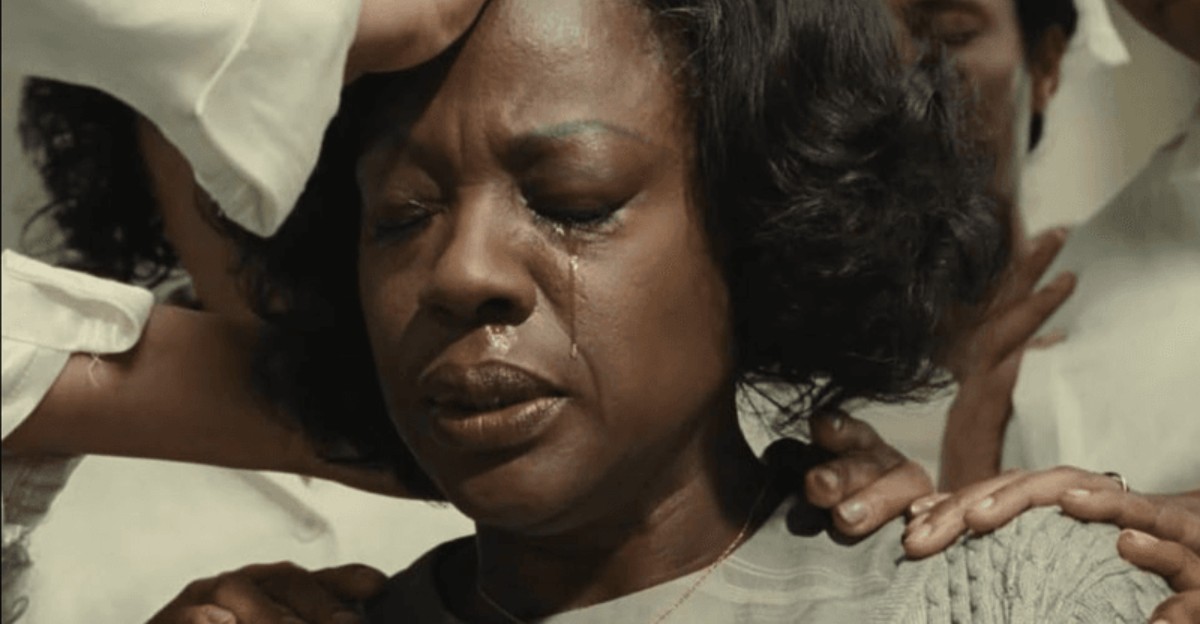
Hollywood makeup kits often include a menthol tear stick, a small tube that stings the eyes until they water on cue. That trick can make cheeks wet, but it cannot make a moment feel true. The scenes in this list land because of what happens around the tears. A shaky breath, a voice that breaks halfway through a word, or a face trying hard to hold steady can say more than a full page of dialogue.
Some of these performances earned Oscars, and some simply stuck with viewers for decades. Keep a box of tissues within reach, because a few of these scenes are tough to watch with dry eyes, even on a fifth viewing.
1. Anne Hathaway in Les Misérables
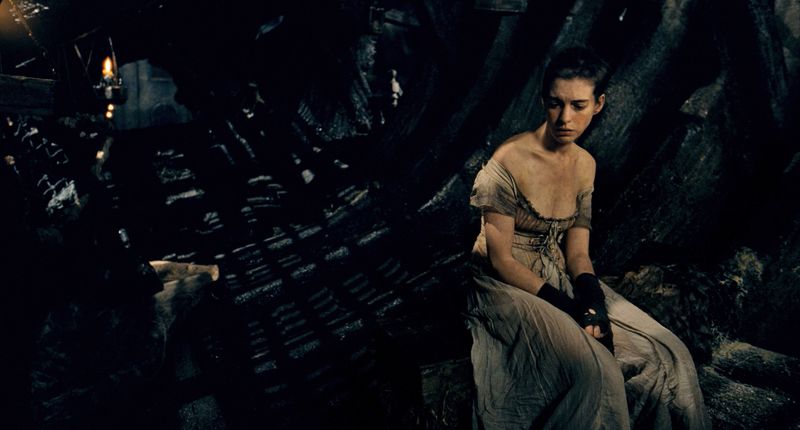
Most movie musicals record songs in a studio first, then have actors mouth along on set.
Director Tom Hooper skipped that for Les Misérables (2012), so the cast sang live while cameras rolled.
That choice matters a lot in Anne Hathaway’s version of “I Dreamed a Dream.” As Fantine, a factory worker who has lost her job, her home, and her hair, she sings most of the song in one long, tight close-up.
You can hear her breath catch and her voice crack, yet the melody never falls apart.
She swings from quiet, shaky lines to raw, almost shouted notes, and the camera simply refuses to look away.
The live singing gives her room to cry and sing at the same time.
A recorded track would have locked her into one fixed take, but here the emotion sets the pace.
Hathaway won the Academy Award for Best Supporting Actress for the role.
Her screen time is fairly short, which makes that win even more impressive.
If you watch it again, pay attention to the pauses.
The silences between lines carry as much heartbreak as the big notes, and that balance is what makes the scene hit so hard.
2. Will Smith in The Pursuit of Happyness
A subway station bathroom is not where anyone expects one of a movie star’s finest moments.
Still, that is exactly where The Pursuit of Happyness (2006) delivers its most painful scene.
Will Smith plays Chris Gardner, a struggling salesman raising his young son on almost nothing.
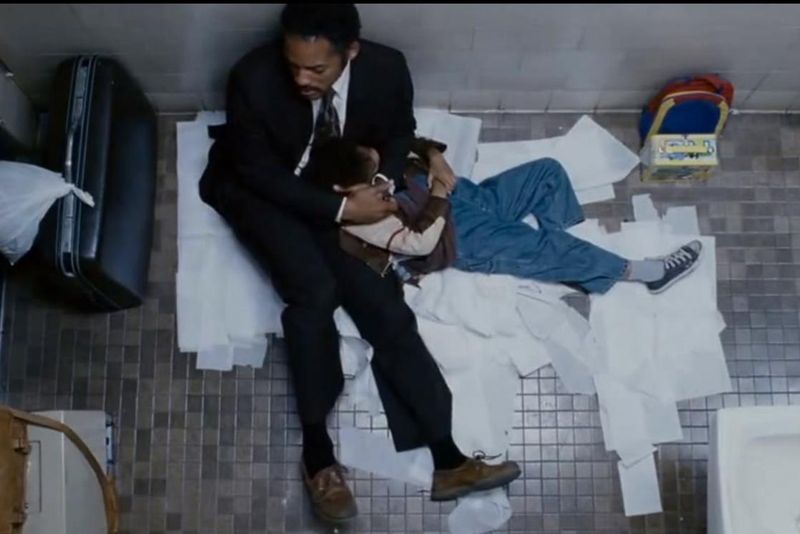
With nowhere else to sleep, the two spend a night locked inside a station restroom.
The heartbreaking part is how hard Chris works to keep the night feeling normal for his boy.
He turns their situation into a pretend game, then holds the boy close while someone pounds on the door.
Smith lets the tears come silently.
His face crumples, but he keeps his body still and quiet so his son can keep sleeping.
That restraint is the whole point.
A loud breakdown would have woken the child, so the character has to swallow his pain in real time, and you feel every second of it.
The film is based on the real Chris Gardner’s story, and Smith’s own son Jaden played the boy.
Smith earned an Oscar nomination for Best Actor, and this scene is a big reason the role still gets talked about.
3. Matthew McConaughey in Interstellar
Time works strangely near a black hole, and Interstellar (2014) turns that science into pure heartache.
After a short trip to a planet close to one, astronaut Cooper returns to find that 23 years have passed back on Earth.
He sits down to watch the video messages his kids sent while he was gone.
In just a few minutes, he sees his son grow from a teenager into a grown man with a family of his own.
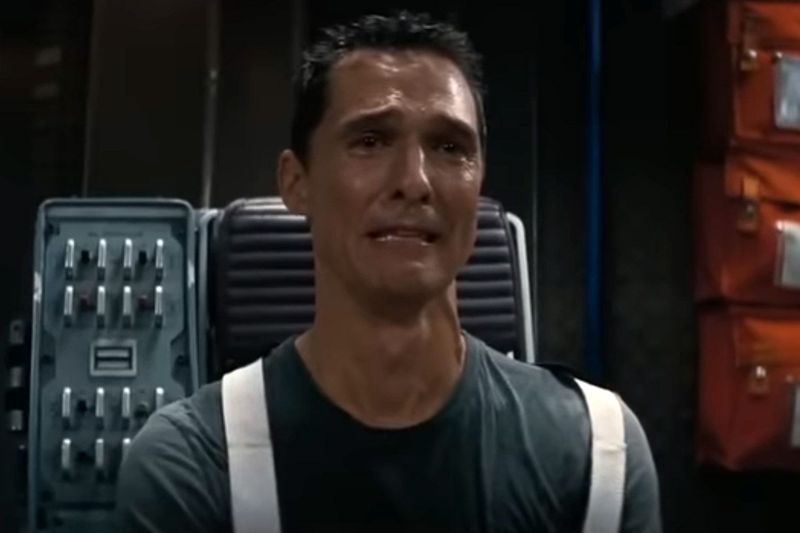
Matthew McConaughey starts the scene smiling at familiar faces.
Then the news gets heavier, and his chin starts trembling before the sobs fully break through.
Director Christopher Nolan has said he kept the recorded messages from McConaughey until the day the scene was shot.
So the reactions you see were his first time seeing that footage.
That detail helps explain why the moment feels so unguarded.
He is not remembering lines about the messages, he is reacting to them as they play.
Watch his hands as well as his face.
He grips the chair and covers his mouth like a parent who knows he can never get those years back.
4. Toni Collette in The Sixth Sense
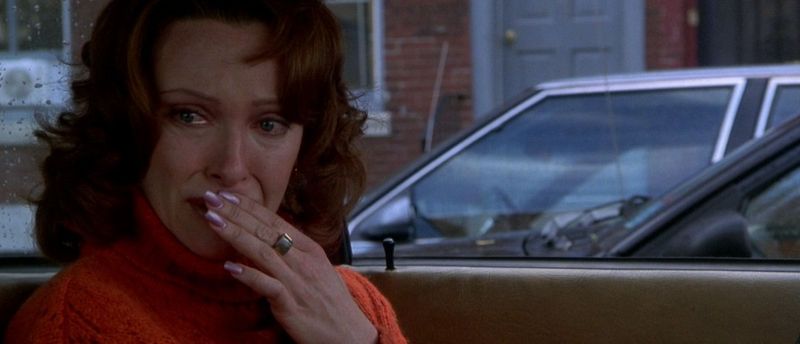
Traffic jams are usually boring, but one in Philadelphia became the emotional peak of The Sixth Sense (1999).
Toni Collette plays Lynn, a single mom worried sick about her son Cole, played by Haley Joel Osment.
Stuck in their car after a highway accident, Cole finally tells his mom his secret.
He then shares a message he says comes from her late mother.
Collette’s reaction builds slowly.
At first she is confused and a bit defensive, then the details hit her, and she starts to cry in a way that feels messy and unplanned.
Her sobbing is not pretty movie crying.
Her face scrunches, her breathing goes uneven, and she clutches her son’s hand like she is afraid to let go.
The scene works because of the two actors together.
Osment stays calm and gentle, which makes Collette’s breakdown feel even bigger by comparison.
Both actors earned Oscar nominations for the film.
If you only remember the famous twist, this quieter scene is worth a rewatch, since it shows the story was always about a family learning to trust each other.
5. Sally Field in Steel Magnolias
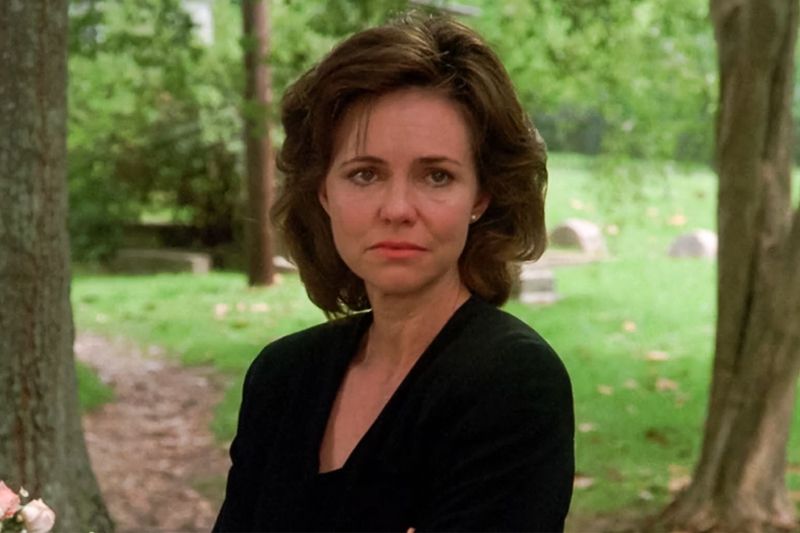
Southern manners hold firm through most of Steel Magnolias (1989), right up until one mother cannot hold them anymore.
Sally Field plays M’Lynn Eatenton, whose daughter Shelby, played by Julia Roberts, faces serious health problems tied to diabetes.
After the funeral, M’Lynn stands with her close friends at the cemetery.
She starts out calm, almost too calm, describing the last moments she spent with her daughter.
Then her voice rises, and the grief turns into anger.
She shouts that she wants to know why, and the shift is so sharp that it catches you off guard.
Field plays the moment as a full emotional storm.
She cries, she yells, and she shakes, showing how sadness and fury can arrive at the same time.
What happens next is the clever part.
Her friend Ouiser, played by Shirley MacLaine, ends up on the receiving end of a joke, and the whole group breaks into laughter through the tears.
That swing from despair to giggles feels true to how people act when they are hurting.
Field makes both halves believable, which is much harder than it looks.
6. Emma Thompson in Love Actually
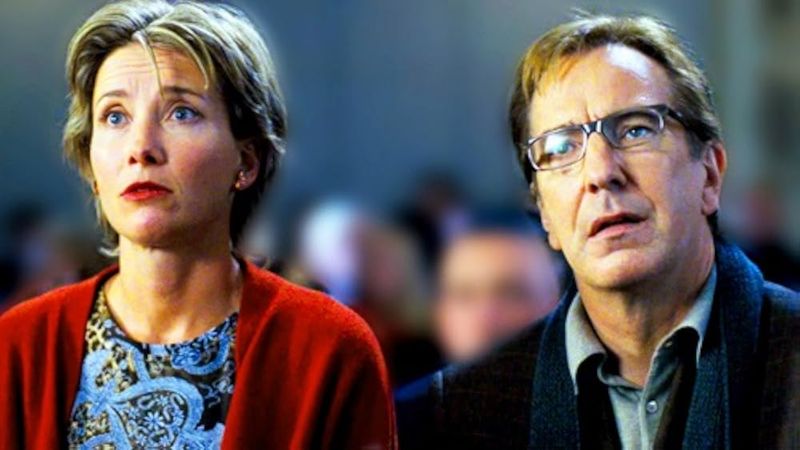
Christmas gifts can say a lot, and in Love Actually (2003) one tiny present says far too much.
Emma Thompson plays Karen, a busy mom who earlier found a gold necklace in her husband Harry’s coat pocket.
She assumes it is for her.
On Christmas Eve, she unwraps her gift and finds a Joni Mitchell CD instead, which means the necklace was meant for someone else.
Karen does not make a scene in front of the family.
She slips upstairs, plays “Both Sides Now,” and lets herself cry alone in the bedroom.
Thompson keeps it small.
She sobs quietly, then smooths the bed, wipes her eyes, and pulls herself together because her kids are waiting downstairs for the school play.
That fast reset is the heartbreaking part.
Many adults know what it is like to tuck away bad news because life simply keeps going.
The scene barely uses any dialogue, yet it ranks among the most discussed moments in a film packed with storylines.
Thompson’s control shows that sometimes the best crying scene is the one where the character is trying hardest not to cry.
7. River Phoenix in Stand by Me
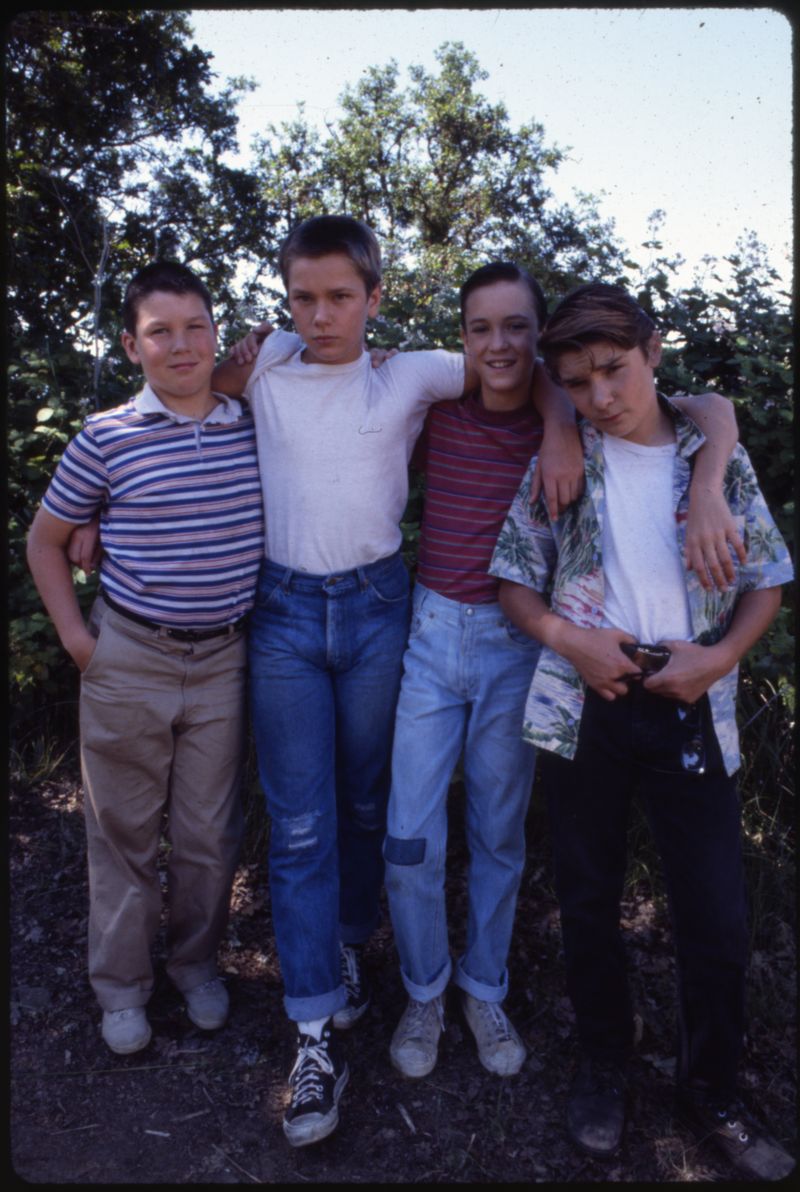
Tough kids rarely let their guard down, which makes the campfire scene in Stand by Me (1986) land like a punch.
River Phoenix plays Chris Chambers, the confident leader of a group of boys on a trip through the woods.
Late at night, Chris finally tells his friend Gordie the truth about some stolen milk money.
He admits he took it, then tried to give it back, only for a teacher to keep the cash and let Chris take the blame.
Phoenix starts the story with a shrug, like it does not bother him.
Bit by bit, his voice shakes, and he ends up crying with his head down.
What hurts most is his frustration.
Chris believes people see him as trouble because of his family name, and he worries he will never escape that label.
Phoenix was a teenager when he filmed this, which makes the depth of his performance even more striking.
He shows a boy who acts grown-up but is still a kid inside.
Wil Wheaton’s quiet reactions as Gordie help too.
Sometimes the best scene partner is the one who simply listens.
8. Henry Thomas in E.T. the Extra-Terrestrial
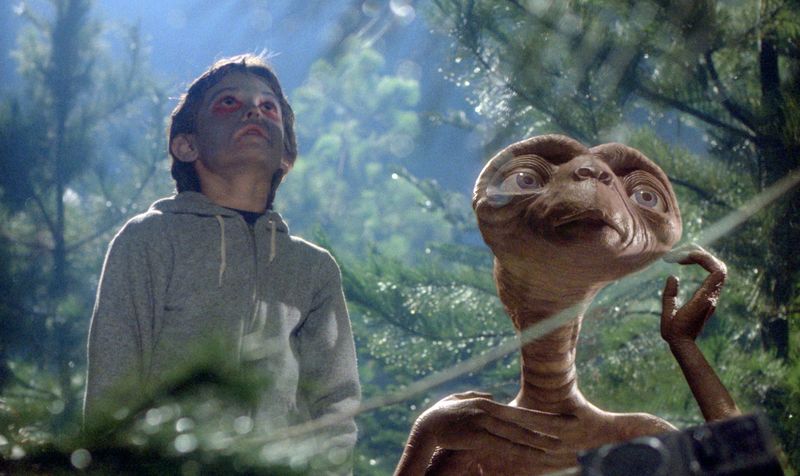
Saying goodbye to a best friend is hard enough without that friend being a wrinkly alien heading back to space.
E.T. the Extra-Terrestrial (1982) saves its biggest tears for that farewell.
Henry Thomas plays Elliott, the boy who hides E.T. and protects him from adults who want to study him.
When the spaceship finally arrives, Elliott has to let his buddy go.
Director Steven Spielberg shot the film mostly in story order.
That approach let the young cast build up their bond with E.T. over the shoot, so the ending came at the close of a long journey for them too.
Thomas’s emotion was clear from the start.
Spielberg has shared that during his audition, the boy cried while improvising a scene, and the director hired him on the spot.
In the goodbye, Thomas does not overact.
His lip trembles, his voice goes thin, and he hugs E.T. like he is trying to memorize the moment.
The scene still works on kids and grown-ups alike.
Watching it with someone younger can be a fun way to see whose eyes get watery first.
9. Tom Hanks in Captain Phillips
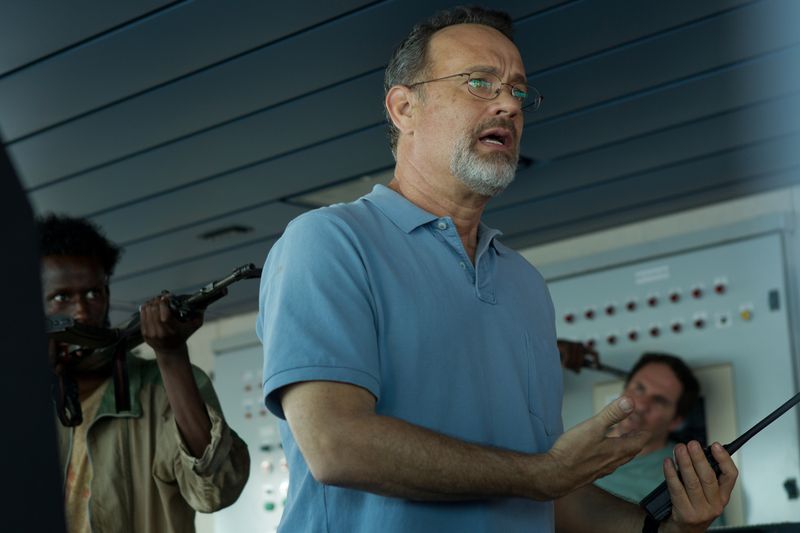
Movie stars usually end tense thrillers with a big speech or a heroic smile.
Tom Hanks ends Captain Phillips (2013) shaking and barely able to answer simple questions.
The film tells the true story of Richard Phillips, a cargo ship captain taken hostage by Somali pirates in 2009.
After his rescue, he is brought to a ship’s medical room for an exam.
The person checking him is played by Danielle Albert, a real U.S.
Navy hospital corpsman, not a professional actor.
Director Paul Greengrass has said the scene was largely improvised, with Albert following her actual medical routine.
Hanks plays Phillips in total shock.
He struggles to speak, his breathing goes ragged, and then the tears pour out as the fear finally catches up with him.
Albert’s calm, steady instructions make the moment feel even more real.
She talks to him the way she would talk to any patient, and that contrast is powerful.
Many viewers point to this scene as some of Hanks’s finest work.
It shows that surviving something terrifying does not instantly feel like relief, and he captures that confusing aftermath with real care.
10. Leonardo DiCaprio in Romeo + Juliet
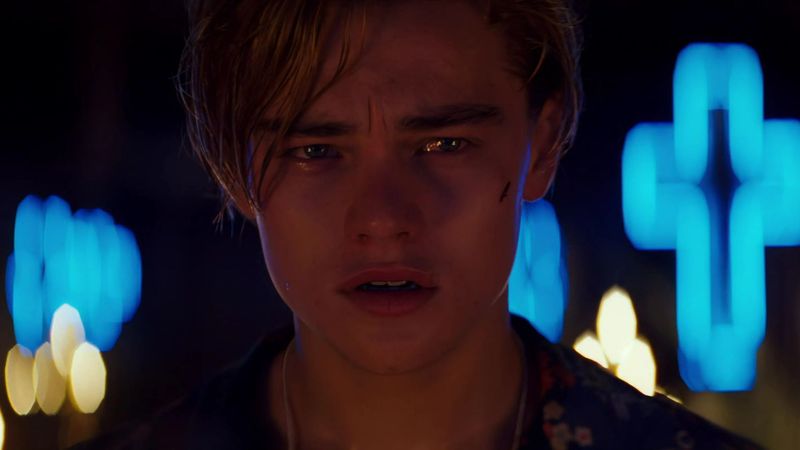
Shakespeare wrote Romeo and Juliet more than 400 years ago, but Baz Luhrmann gave it neon crosses, gangs, and a beachside city in Romeo + Juliet (1996).
Leonardo DiCaprio stars as Romeo, with Claire Danes as Juliet.
The story’s heartbreaking final scene takes place in a church glowing with hundreds of candles.
Romeo finds Juliet lying still and believes she is gone for good.
DiCaprio throws himself into the moment.
He sobs, speaks Shakespeare’s lines through tears, and makes the old-fashioned words sound like the ones a real teenager might say.
That is no small feat, since the language can feel tricky to modern ears.
His crying helps the meaning come through even if you miss a word or two.
Luhrmann adds a painful twist to the classic version.
The timing between the two characters is cut so close that the scene feels almost unbearable to watch.
DiCaprio was only in his early twenties during filming, a few years before Titanic made him a household name.
This scene offers an early look at the emotional range he would later bring to bigger roles.
11. Denzel Washington in Glory
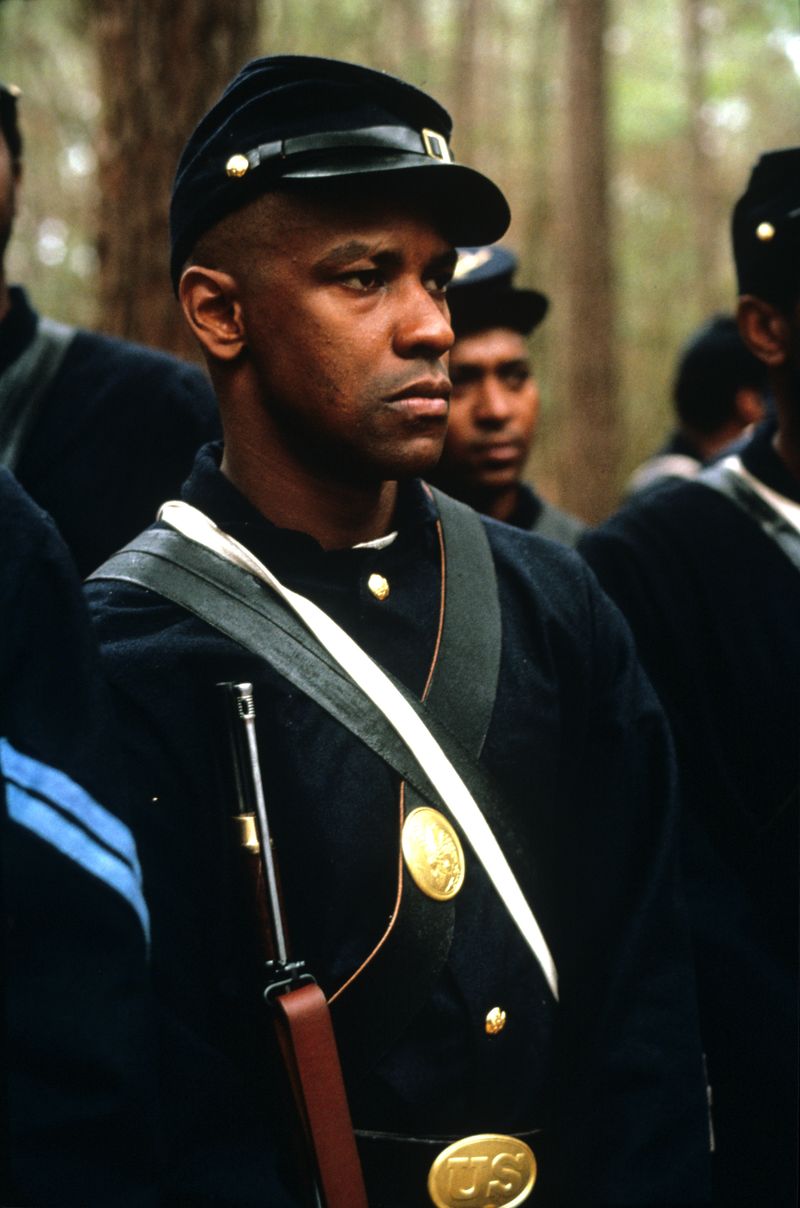
One tear.
That is all Denzel Washington needed to create one of the most talked-about moments in Glory (1989).
The film follows the 54th Massachusetts Infantry, among the first Black regiments to fight for the Union in the Civil War.
Washington plays Private Silas Trip, a proud and angry soldier who leaves camp without permission.
As punishment, Trip is whipped in front of the other men.
He refuses to make a sound and stares straight ahead with fierce defiance.
Then a single tear rolls down his cheek.
He never sobs, never looks away, and never lets his officers see him break.
The scene shows that crying does not always mean giving up.
Here, the tear sits right beside pride, pain, and a long history of injustice that the character carries with him.
Washington won the Academy Award for Best Supporting Actor for this role, his first Oscar.
Many fans and critics point to this moment as the heart of that win.
Watch his jaw and eyes closely.
They tell you more than any monologue could.
12. Colin Firth in A Single Man
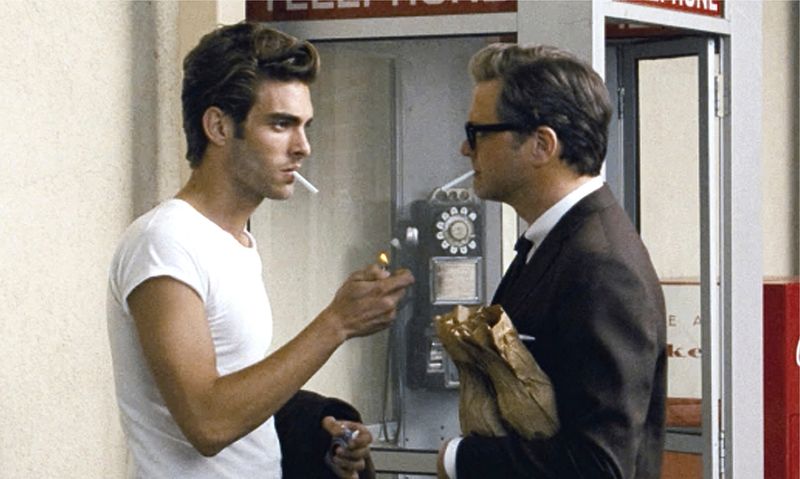
Fashion designer Tom Ford made his directing debut with A Single Man (2009), and the film looks as polished as you might guess.
Underneath all that style sits a very quiet, very painful phone call.
Colin Firth plays George Falconer, a college professor in 1960s Los Angeles.
In a flashback, he gets a call telling him that Jim, his partner of 16 years, was in a car accident.
The caller also tells George he is not welcome at the funeral, since it is for family only.
George has to absorb both blows while keeping his voice polite on the phone.
Firth’s face does most of the work.
He stays composed during the call, but his eyes fill up, and his politeness starts to crack.
After hanging up, the grief finally breaks loose.
The shift from calm to collapse feels small on screen, which makes it even more painful to watch.
Firth earned an Oscar nomination for Best Actor for the role.
If you like performances where emotion happens in tiny details, this scene is a great example of how much an actor can say without raising his voice.
13. Viola Davis in Fences
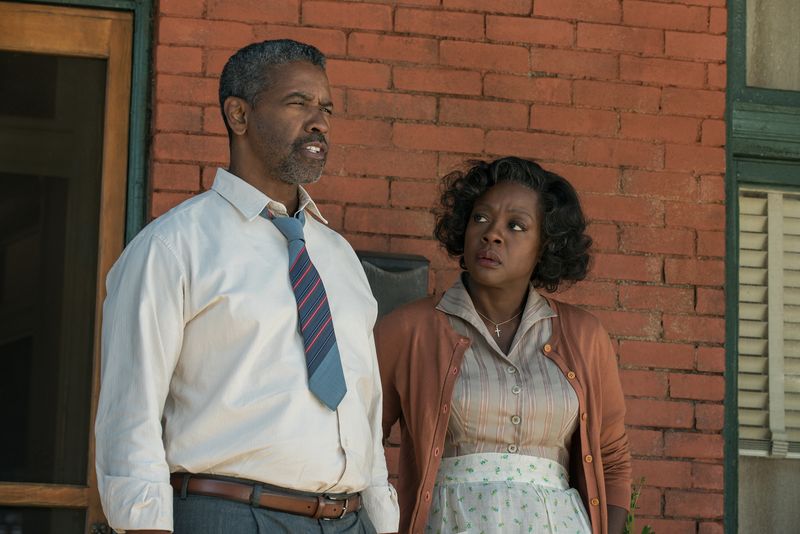
Eighteen years of holding everything in come pouring out in a backyard in Fences (2016).
Viola Davis plays Rose Maxson, a 1950s Pittsburgh wife who has quietly supported her husband Troy, played by Denzel Washington, for nearly two decades.
When Troy admits he has been unfaithful and that another woman is expecting his baby, Rose finally speaks up.
She tells him she has been standing with him for 18 years and has given up her own dreams along the way.
Davis does not hold back.
Tears stream down her face, her nose runs, and her voice shakes with anger and hurt.
That messiness is exactly why the scene works.
She looks like a real person in real pain, not a movie star crying on cue.
The film is based on August Wilson’s play, and Davis had already won a Tony Award for playing Rose on Broadway in 2010.
She then won the Academy Award for Best Supporting Actress for the movie version.
Washington also directed the film, and his silent reactions give her plenty of room.
Together, they turn a family argument into a powerful moment about being truly seen.