 MomSkoop

Baby Boomers were born between 1946 and 1964, so many of them started working before email existed at all. That single detail explains a surprising amount of office friction today. A lot of Boomers learned their jobs through desk phones, paper memos, and yearly reviews in a closed office. Younger coworkers learned through group chats, shared docs, and quick feedback that arrives in minutes.
Neither path is wrong, but they collide in meetings, inboxes, and hallway chats every single workday. I find that collision fascinating because both sides usually think they’re being perfectly reasonable. So which habits tend to cause the most eye rolls from younger employees, and why do they stick around? The answers are more understandable than you might expect, and a few might even win you over.
1. Calling Instead of Messaging

Your phone buzzes with an unknown number, and suddenly your afternoon plan has a new chapter.
Many Boomer coworkers reach for the phone first because, for most of their early careers, it was the fastest tool around.
To them, a call feels personal and clear.
Tone of voice carries meaning, questions get answered on the spot, and nobody has to decode a short message that might sound rude.
Younger employees often see it differently.
A surprise call interrupts focused work, and a two-line chat could have handled the question in seconds without anyone stopping what they were doing.
The frustration grows when calls replace written records.
If a decision happens out loud, you might later wonder what exactly was agreed upon and who promised what.
A simple fix helps both sides.
After a call, send a quick recap message that lists the main points and next steps, which keeps the personal touch while creating a paper trail.
You can also share your preferences politely.
Saying something like, “Chat works great for quick stuff, and I’m happy to hop on a call for bigger topics,” sets expectations without making anyone feel brushed off.
2. Hesitating With New Tech Tools

The company just rolled out a shiny new project app, and one coworker is still printing the task list.
Moments like that can test the patience of younger staff who switch between apps without a second thought.
Many Boomers treat technology as a tool to use when needed, not as the center of the workday.
They adapted to computers, then email, then smartphones, often while already deep into their careers.
That history matters.
Learning a new platform every year can feel exhausting when the old method still gets results, and some people worry about looking clumsy in front of younger colleagues.
For younger employees, though, holdouts can slow down a whole team.
If one person skips the shared board, updates go missing and others end up doing double duty.
Patience pays off here.
Offering a quick, private walkthrough often works better than a big group demo, since nobody enjoys learning in front of an audience.
It also helps to explain the benefit in plain terms. “You won’t have to email me for updates anymore” sells a tool far better than a list of fancy features, and it respects the other person’s time.
3. Treating Long Hours as Proof of Dedication

Leaving at 5 p.m. sharp shouldn’t feel like sneaking out of a movie, yet sometimes it does.
Plenty of Boomer coworkers came up in workplaces where staying late was the clearest way to show commitment.
For that generation, job security often depended on being seen as reliable and present.
Work was frequently tied closely to personal identity, so extra hours felt like a natural part of doing the job well.
Many Millennials and Gen Z workers put a higher value on balance and flexibility.
They tend to judge a good day by finished tasks, not by how long the desk lamp stayed on.
Friction appears when one side reads the other’s habits as a statement.
A younger employee logging off on time may get labeled as less engaged, even if their work is done and done well.
Results make the best argument.
Sharing progress clearly and meeting deadlines shows commitment in a way that’s hard to question, no matter what time you leave.
Respect works in both directions too.
If a colleague truly enjoys late evenings, that’s their choice, as long as it doesn’t become an unspoken rule for the rest of the team.
4. Saving Feedback for the Annual Review

Hearing about a mistake from eleven months ago feels a bit like getting a postcard from the past.
Many Boomer managers and coworkers grew up with the formal annual review as the main moment for feedback.
That system had real strengths.
It was structured, documented, and gave both people time to prepare instead of reacting on the fly.
Younger employees often want something faster.
They tend to prefer frequent, informal check-ins, so they can fix small problems before those problems turn into big ones.
Style can clash as well.
Direct criticism was common in older workplace cultures, while many younger workers respond better to feedback framed around growth and teamwork, and blunt delivery may land harder than intended.
You don’t have to wait for someone to change their whole approach.
Asking, “Is there anything I could do better on this project?” after finishing a task invites quick input without putting anyone on the spot.
If feedback comes across as harsh, focus on the useful part first.
Take the information, ask a follow-up question, and save any concerns about tone for a calm conversation later, when emotions have cooled off.
5. Holding Tight to Formal Dress Codes

A crisp tie and polished shoes once said, “I take this job seriously,” before anyone spoke a word.
Many Boomers still connect formal clothing with professionalism, discipline, and respect for the workplace.
Younger workers often lean toward comfort and personal style.
Business casual, clean sneakers, or a blazer over a simple tee can feel both professional and practical to them.
The tension usually isn’t about clothes alone.
When an older coworker comments on someone’s outfit, the younger person may hear a judgment about their abilities, which stings.
Company policy should settle most of these debates.
If the dress code allows casual wear, that’s the standard, and personal preferences shouldn’t override it in daily conversations.
Still, a little flexibility goes a long way.
Dressing up a notch for client meetings or big presentations shows awareness of the setting and often earns quiet points with more traditional colleagues.
And honestly, there’s room to appreciate both styles.
A well-cut suit and a smart casual outfit can share the same elevator without any drama, and the work inside the office is what people remember most.
6. Raising an Eyebrow at Every New Initiative
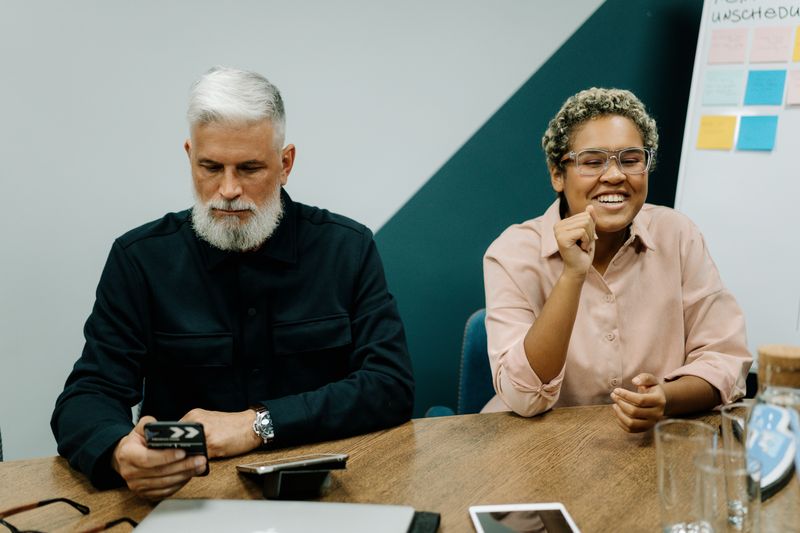
“We tried that in 1998” can stop a brainstorming session faster than a fire drill.
Some Boomer coworkers approach workplace change with caution, and sometimes with open doubt.
That reaction often comes from experience.
Someone who has watched several reorganizations, rebrands, and big promises come and go may have learned to wait and see before getting excited.
Younger employees, especially Gen Z, often feel more hopeful about change.
They tend to see new initiatives as chances to improve the work and their own roles, so constant pushback can feel deflating.
Both perspectives have value.
Optimism builds momentum, while skepticism catches flaws that excited planners might miss in the rush to launch something new.
The smart move is to turn doubt into input.
Asking, “What went wrong last time?” invites useful history and makes the skeptical coworker part of the solution.
Small pilots help too.
Testing an idea with one team first gives cautious colleagues proof instead of promises, and proof tends to change minds better than any slide deck ever could, especially when the results are easy to see and share with others.
7. Questioning Job Hopping

Thirty years with one company used to earn a gold watch and a sheet cake.
Many Boomers are known for strong employer loyalty and valued the security of staying put for decades.
Younger workers often measure career success differently.
Growth, learning, and a match with their values can matter more than tenure, so switching jobs every few years may feel normal.
Frustration shows up when an older coworker treats a short resume as a red flag.
Comments like “You just got here” can make a younger colleague feel judged for a choice that’s common in their generation.
Context helps explain the gap.
Some younger workers entered the job market during recessions, layoffs, and shrinking pensions, and they may see moving on as a reasonable way to protect themselves.
Neither approach guarantees success.
Long tenure builds deep knowledge and relationships, while moving around can build a wide range of skills quickly.
If the topic comes up, curiosity beats defensiveness.
Sharing what you hope to learn in your role often shifts the conversation from loyalty to growth, which is something both generations care about more than they might realize at first.
8. Insisting on Going Through the Chain of Command

Want to suggest a small idea to the department head?
Some Boomer coworkers would rather you start three boxes lower on the org chart.
Many older employees value clear leadership and formal reporting lines.
Boomers can be quite collaborative and often like group decisions, but they usually expect those decisions to happen inside a defined structure.
Younger employees tend to prefer flatter setups.
They often want to share ideas directly, join conversations early, and feel included regardless of their job title.
Hierarchy has its perks, honestly.
It keeps managers informed, avoids surprises, and helps prevent the chaos that happens when everyone emails the boss about everything at once.
Going around someone, though, can feel disrespectful to a traditional colleague.
Even a good idea may get a chilly reception if it skips the expected steps.
A balanced approach often works best.
Loop in your direct manager first, then ask if it makes sense to share the idea more widely, which keeps relationships intact while still getting your voice heard.
Over time, consistent and respectful contributions tend to earn more open doors, even in the most structured offices around.
9. Valuing Desk Time Over Results

Finishing a project early and still getting side-eye for an empty chair is a special kind of puzzling.
Some Boomer coworkers equate being physically present with working hard.
This habit overlaps with the long-hours mindset, but it’s really about visibility.
If someone can see you at your desk, they feel confident that work is getting done.
Gen Z workers often focus on working smart.
They aim for strong results without burning out, and they may see constant presence as wasted time when tasks are already finished.
Remote and hybrid work sharpened this divide.
When teams spread out, presence became harder to see, and coworkers who relied on watching others had to adjust their thinking.
Making your output visible helps close the gap.
Short weekly updates, shared trackers, or a quick message when you finish something give others the reassurance they used to get from seeing you.
Responsiveness matters as well.
Answering messages within a reasonable window during work hours builds trust faster than any amount of chair time, and it shows that flexible schedules can still deliver dependable, high-quality work that the whole team can count on.
10. Expecting Old-School Office Etiquette

Phones face down, a firm handshake, and a “Dear Mr. Smith” email might sound like a scene from a classic sitcom.
For many Boomers, though, those small rituals defined professional behavior.
Traditional etiquette covers demeanor, presentation, and respect for workplace norms.
Some hiring managers have said recent graduates seem to lack polish, pointing to things like inattention in meetings.
Younger employees often define professionalism differently.
They may care more about kindness, openness, and a supportive environment than about formal greetings or strict meeting rules.
Frustration builds when unwritten rules stay unwritten.
A younger worker can’t follow a standard nobody has explained, and getting corrected for it publicly feels unfair.
Some old habits are worth borrowing.
Paying full attention in meetings, replying with a proper greeting, and following up after conversations all make a strong impression on people of any age.
Older colleagues can meet halfway by explaining their expectations kindly instead of assuming bad manners.
A friendly heads-up beats a disappointed sigh every time.
The best offices end up blending both styles.
Courtesy from one generation and openness from the other can create a workplace where people actually enjoy showing up each morning.