 MomSkoop
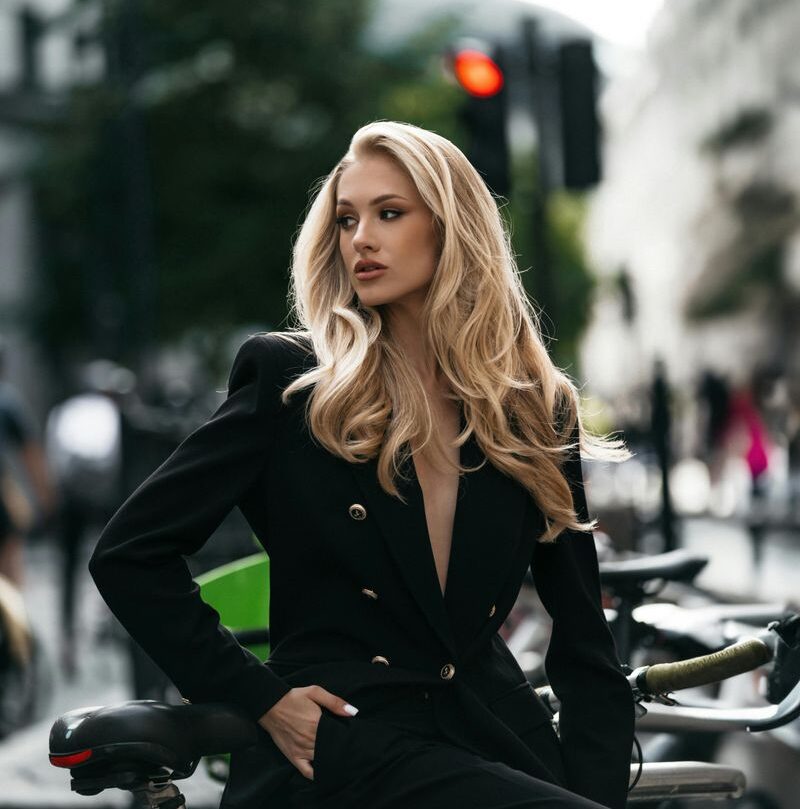
The rule against wearing white after Labor Day was never about weather or flattery. Many historians link it to early twentieth-century social signaling, when wealthy families returned from summer homes and packed away their resort clothes. That detail cracks me up, because a rule built for yacht season somehow followed regular people into their closets. Plenty of other style rules have equally flimsy origins, yet they still get repeated like law.
Women over 35 tend to hear these rules the loudest, usually phrased as gentle advice about what is suddenly too short, too bright, or too young. I love that so many of those warnings are quietly losing their grip. What follows is a look at the old expectations worth questioning, plus practical ways to wear what you actually like. Some of these rules may surprise you, and a few might even make you laugh at how seriously they were once taken.
1. Dressing by a Number Instead of Taste
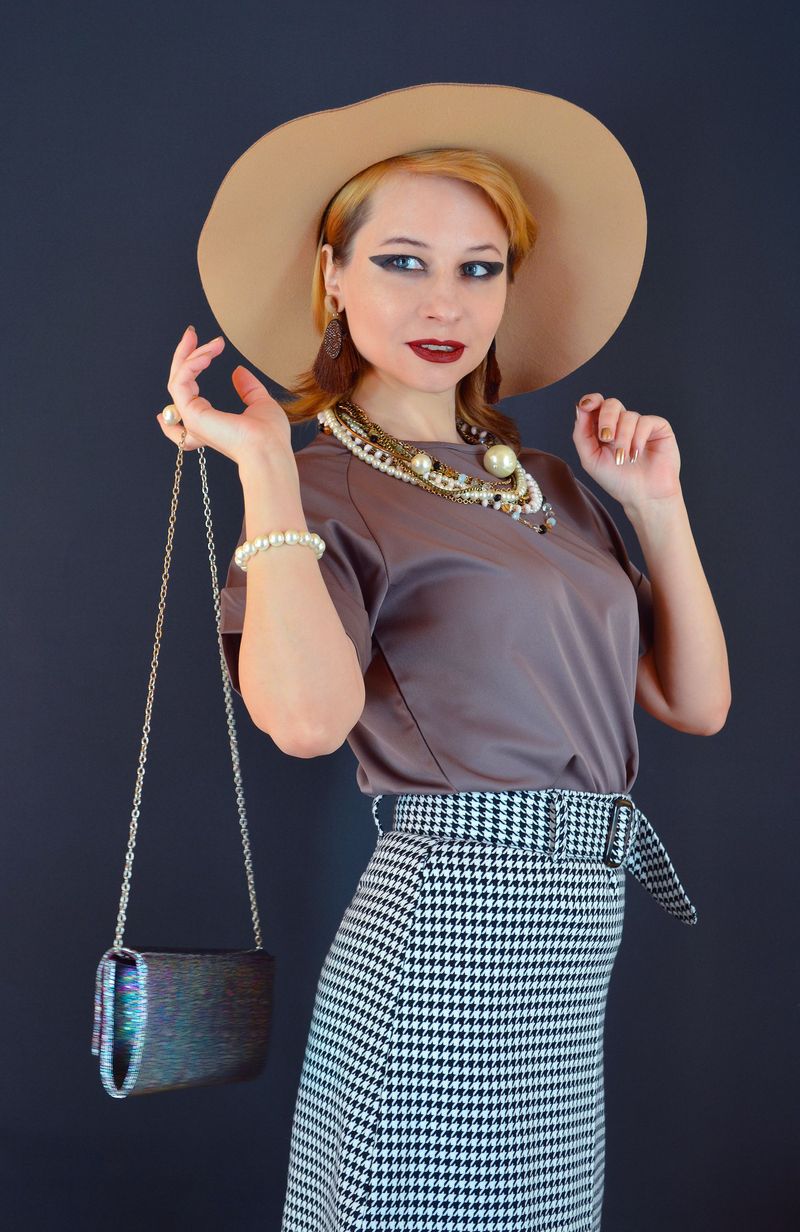
Somewhere along the way, birthdays started coming with dress codes.
The phrase age-appropriate gets tossed around as if a closet should reset each decade like a phone plan.
Style doesn’t work that way, and it never really did.
Your age tells someone how many trips around the sun you’ve taken, not whether a leopard coat or a slip skirt suits you.
A better filter is how you live right now.
Ask yourself where you actually go during a typical week, what makes you feel put together, and which pieces you grab first when you’re running late.
Those answers say far more about your wardrobe than any chart about what women should wear at 35, 45, or 55.
Your job, your climate, your budget, and your taste all deserve a vote.
Practical tip: pull out the three outfits you felt best in last month.
Look for patterns in color, fit, and fabric, then shop with that list instead of a rulebook.
You may find your personal uniform has very little to do with your birth year.
That’s a relief, honestly, because it means you get to keep evolving instead of shrinking into a category someone else invented.
2. Retiring Mini Skirts and Short Dresses
Hemlines don’t come with expiration dates stamped on the tag.
Mary Quant helped popularize the mini in 1960s London, and the women who wore it first are now well into their later decades.
The idea that legs must disappear after a certain birthday is pure folklore.
If you like the way a shorter skirt looks and moves, that preference is reason enough to keep wearing one.
Styling can shift the mood without changing the length.
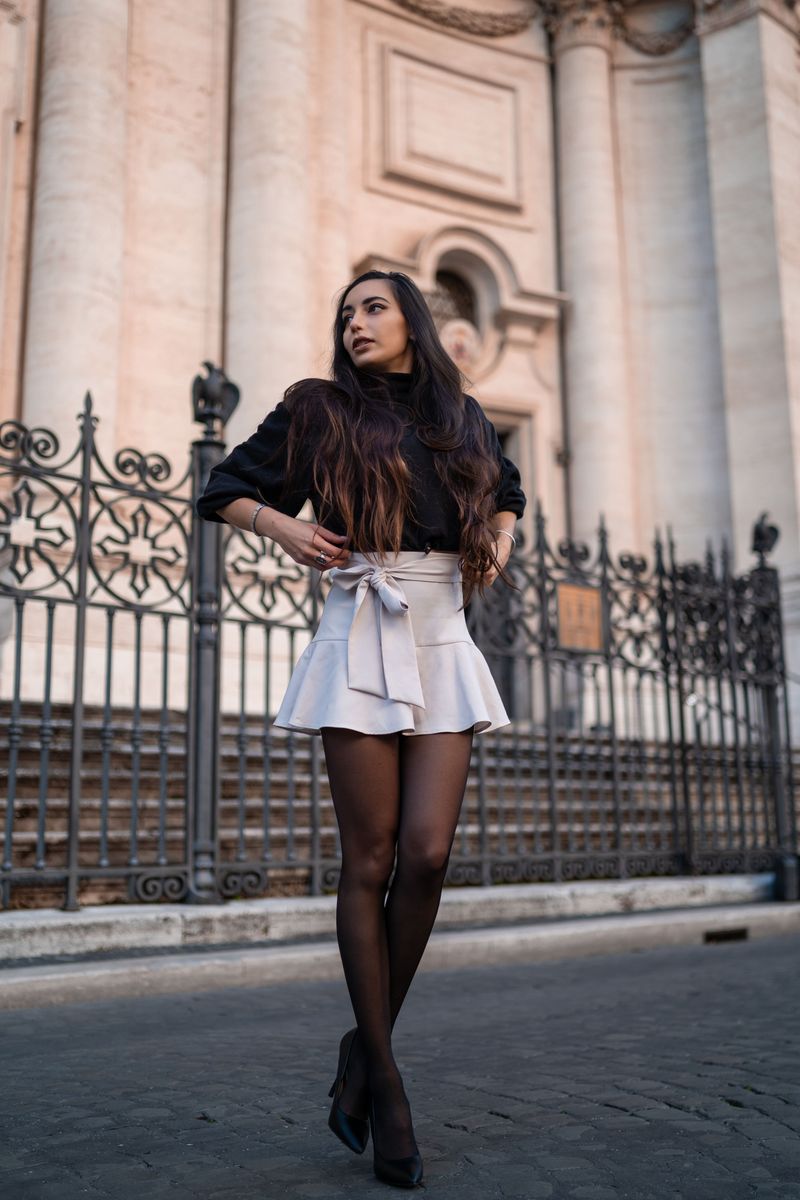
A mini paired with opaque tights, flat loafers, and a roomy blazer reads polished and office-friendly.
The same skirt with a chunky knit sweater and knee boots feels relaxed and weekend-ready.
Proportion is the fun part, so try balancing a short hem with a longer or looser top.
Not into minis at all?
That’s completely fine too, and plenty of women simply prefer midi or maxi lengths for comfort or warmth.
The point is choosing your hemline because you like it, not because someone decided your knees went out of season.
Wear the length that makes you want to walk a little faster down the street.
3. Skipping Crop Tops Entirely
Crop tops have a reputation problem they didn’t earn.
Picture the word and you might think of a tiny tee from a music festival, but the category is much wider.
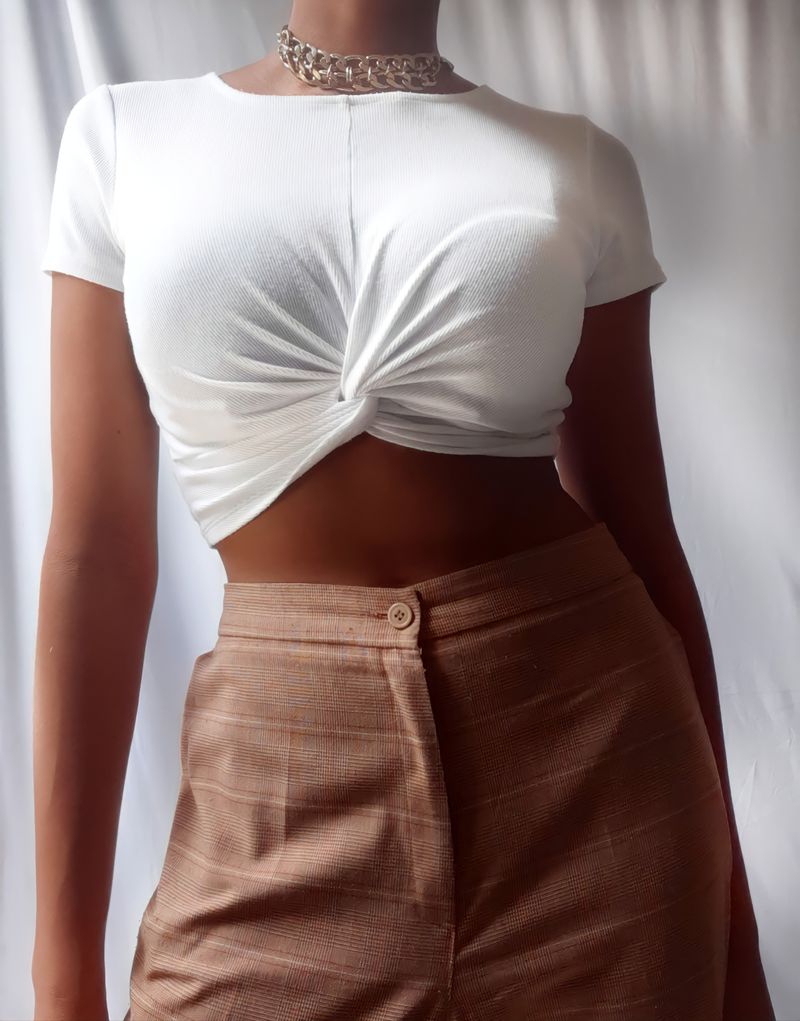
A cropped cardigan, a boxy knit that ends at the waistband, or a short structured jacket all technically count.
Plenty of them show little or no skin when worn the right way.
The trick most stylists lean on is pairing a shorter top with high-rise bottoms.
Wide-leg trousers, a long A-line skirt, or high-waisted jeans meet the hem, so the look feels balanced and intentional.
That combination can also highlight the waist without any tucking, which is handy if bulky tucks bother you.
You can add a fitted tank underneath if you’d rather keep your midriff covered.
Of course, if baring a bit of stomach makes you happy, go for it.
Your body is not a project that needs hiding.
Start with a cropped cardigan in a color you already love, since it layers easily over dresses too.
One small experiment can show you whether this shape belongs in your rotation.
4. Fearing Ripped and Distressed Jeans

Torn denim once looked like rebellion, and later it looked like a mall staple.
Now it mostly just looks like jeans, which is great news for anyone told to give them up.
Distressing comes in many levels.
Some pairs have a soft frayed hem or a small worn patch at the knee, while others look like they lost a fight with a fence.
If heavy rips aren’t your thing, subtle distressing gives texture without much drama.
A raw hem on a straight-leg jean is an easy entry point.
Contrast is your friend here.
Pair worn-in denim with a crisp button-down, a fine-knit sweater, or a sharp blazer, and the outfit tips toward polished.
Shoes matter too, since pointed flats or block heels dress things up quickly.
Sneakers keep it casual for errands.
Care tip: wash distressed jeans inside out on a gentle cycle and skip the hot dryer.
That helps keep small holes from turning into large ones.
Whether your pair is barely scuffed or proudly shredded, wear it with pieces that feel like you.
Denim has always been about personality.
5. Hiding Behind Shapeless Clothing

Tents are wonderful for camping.
As a wardrobe strategy, though, the advice to cover up in baggy layers deserves a second look.
A lot of women hear that their bodies should be concealed once they reach a certain age.
That message carries a quiet judgment that no one actually owes the world.
Oversized pieces aren’t the enemy, by the way.
A slouchy sweater or a roomy shirt can look great when you choose it on purpose and balance it with something more fitted.
The problem is wearing loose clothing only to disappear.
When fabric hangs without any structure, it can swallow your frame and make an outfit feel unfinished.
Try one defined point in each look.
A belt over a shirtdress, tapered trousers under a big knit, or a wrap top that ties at the waist all create shape.
Tailoring also helps more than people expect.
Hemming pants or taking in a jacket at the waist can make an inexpensive piece look custom.
Wear clothes that fit the body you have today.
Comfort and shape can share the same hanger.
6. Banning White After Labor Day
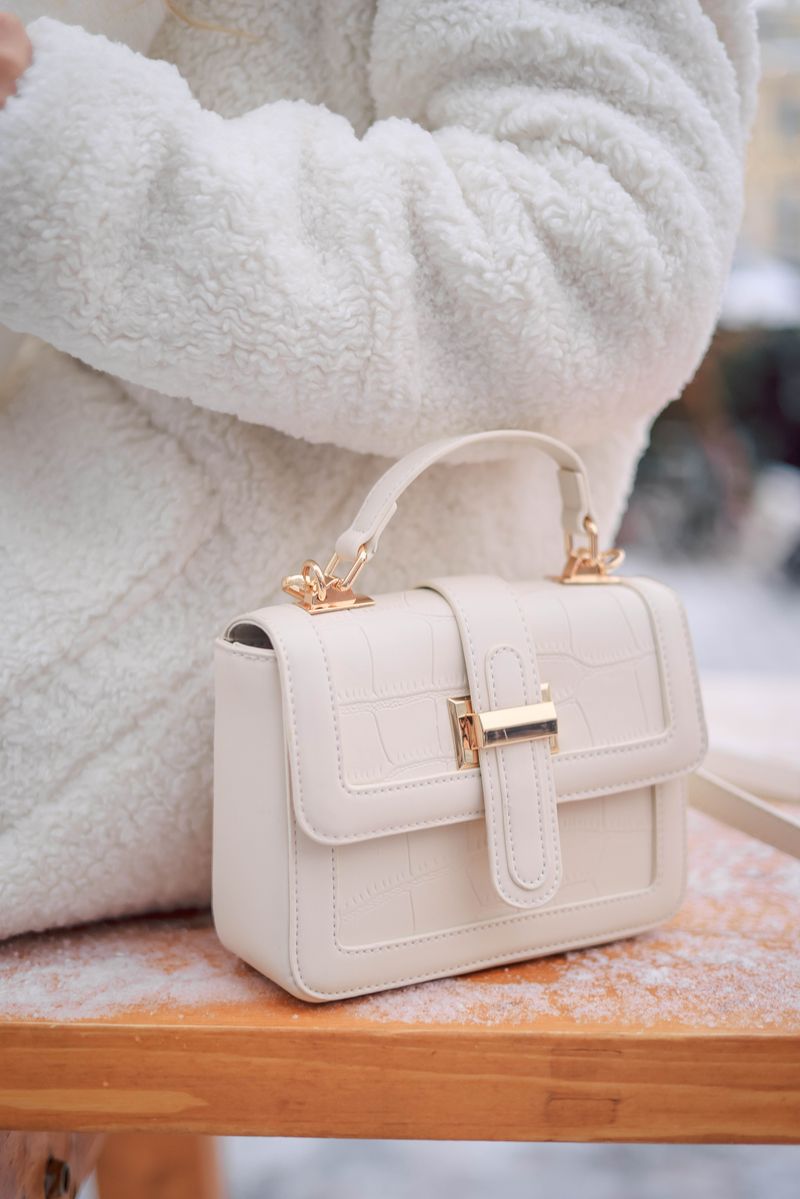
Few fashion rules are as famous, or as random, as this one.
The guideline is often traced to wealthy American families in the early 1900s who packed away light summer clothes when they left vacation homes.
Some historians also see it as a way to separate established society from newcomers.
Either way, it was never about what looks good.
Coco Chanel famously wore white year-round, which tells you how firm the rule really was.
Winter white has been a fashion favorite for decades.
Heavier fabrics make white feel seasonal in colder months.
Think cream wool coats, ivory cable knits, white corduroy, or off-white leather boots.
Pairing white with camel, gray, chocolate brown, or black gives it a fall and winter mood.
A head-to-toe cream look can be especially striking on a dreary day.
Practical note: stains show quickly, so keep a stain pen handy and check care labels before buying.
Wool and cashmere often need gentle washing or dry cleaning.
Wear white in February if you like.
The yachts don’t get a vote anymore.
7. Never Pairing Black With Navy or Brown

Grandmothers across America once gasped at black shoes with a navy dress.
The logic was that dark colors would look like a mistake, as if you’d gotten dressed in the dark.
Designers have mixed these shades on runways for years.
Navy and black together can look rich and deliberate, especially when the textures differ.
Try a navy wool coat over a black turtleneck, or black jeans with a navy cashmere sweater.
Matte against shiny fabric keeps the combo from reading as accidental.
Brown and black work beautifully too.
A chocolate suede jacket over a black dress, or cognac boots with black trousers, adds depth to an otherwise plain look.
The key is intention.
When colors are clearly different shades, the eye reads the outfit as planned rather than mismatched.
This pairing is also great for stretching your closet.
If you own lots of dark basics, suddenly they can all play together.
Next time you hesitate over navy shoes and a black skirt, step out the door anyway.
Your outfit options just doubled without a single shopping trip.
8. Saving Sparkle for After Dark
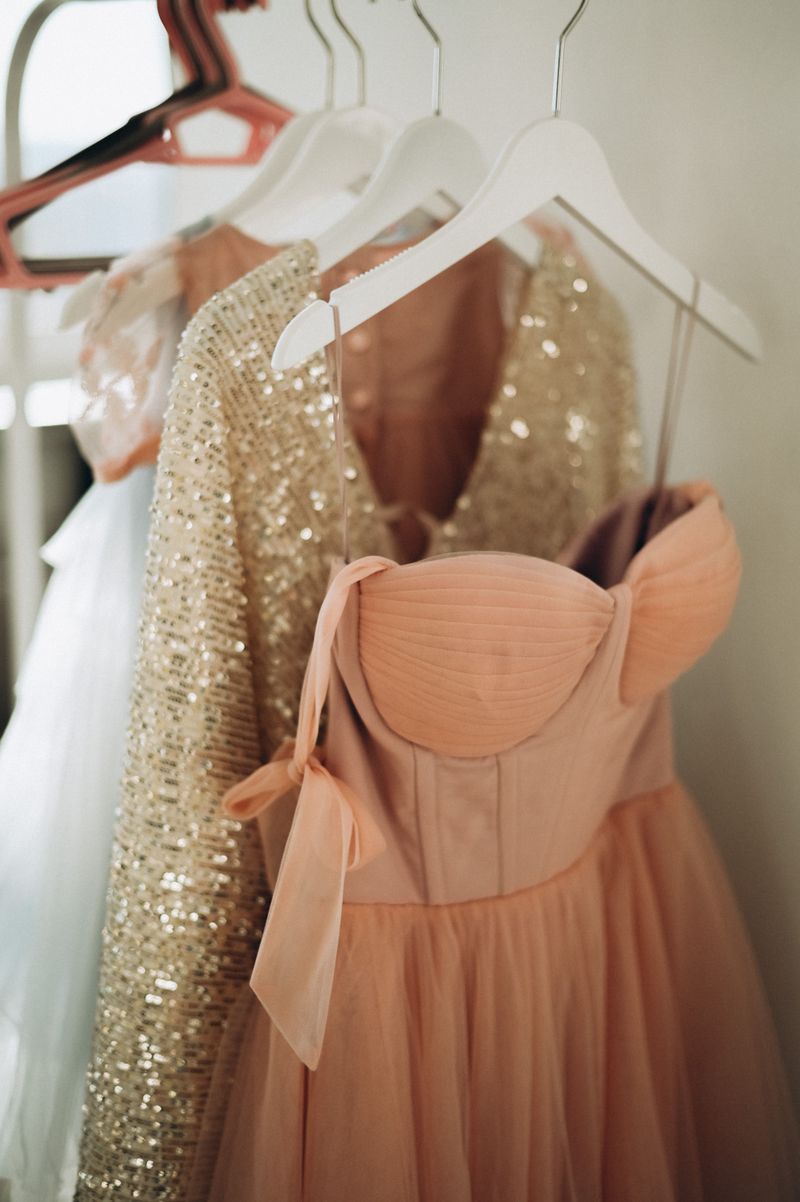
Sequins at noon?
Absolutely, and the effect can be delightful.
The old thinking said shine belonged only at weddings, galas, and holiday parties.
That left gorgeous pieces sitting in closets most of the year.
Daytime sparkle works best when you mix it with casual basics.
A sequin skirt with a gray sweatshirt and sneakers is a popular street-style combination for good reason.
The contrast makes the shiny piece look playful instead of formal.
A metallic knit with jeans or a glittery flat with plain trousers delivers the same idea in smaller doses.
If you want to start subtle, choose one shimmering accessory.
Metallic loafers, a beaded bag, or a lurex-thread sweater bring a hint of glow to a regular Tuesday.
Fabric care matters with embellished pieces.
Many sequin and beaded items should be hand washed or spot cleaned, so check the label before tossing them in with towels.
Sparkle doesn’t need an invitation or a reason.
Sometimes a grocery run feels better in silver shoes, and that’s a perfectly valid outfit plan.
9. Avoiding Pattern Mixing

Stripes and florals were once treated like feuding neighbors.
Put them together, the rule said, and chaos would follow.
Pattern mixing actually follows a few friendly guidelines that make it pretty easy.
Once you know them, the combinations start to feel like a puzzle you can solve.
First, find a shared color.
A navy stripe shirt with a floral skirt that also contains navy ties the look together.
Second, vary the scale.
Pair a small print, like thin pinstripes or tiny dots, with a larger one, such as a bold floral or wide check.
Leopard print often acts like a neutral in fashion circles.
It plays nicely with stripes, denim, and solid brights, so it’s a great first experiment.
A classic Breton striped shirt is another easy partner.
Its simple rhythm calms down louder prints around it.
Start small if the idea feels bold.
A patterned scarf over a printed blouse or a polka-dot sock peeking from a plaid trouser hem counts.
Mistakes here are low stakes and often fun.
Take a mirror selfie, see what you think, and adjust until it clicks.
10. Fearing the Canadian Tuxedo
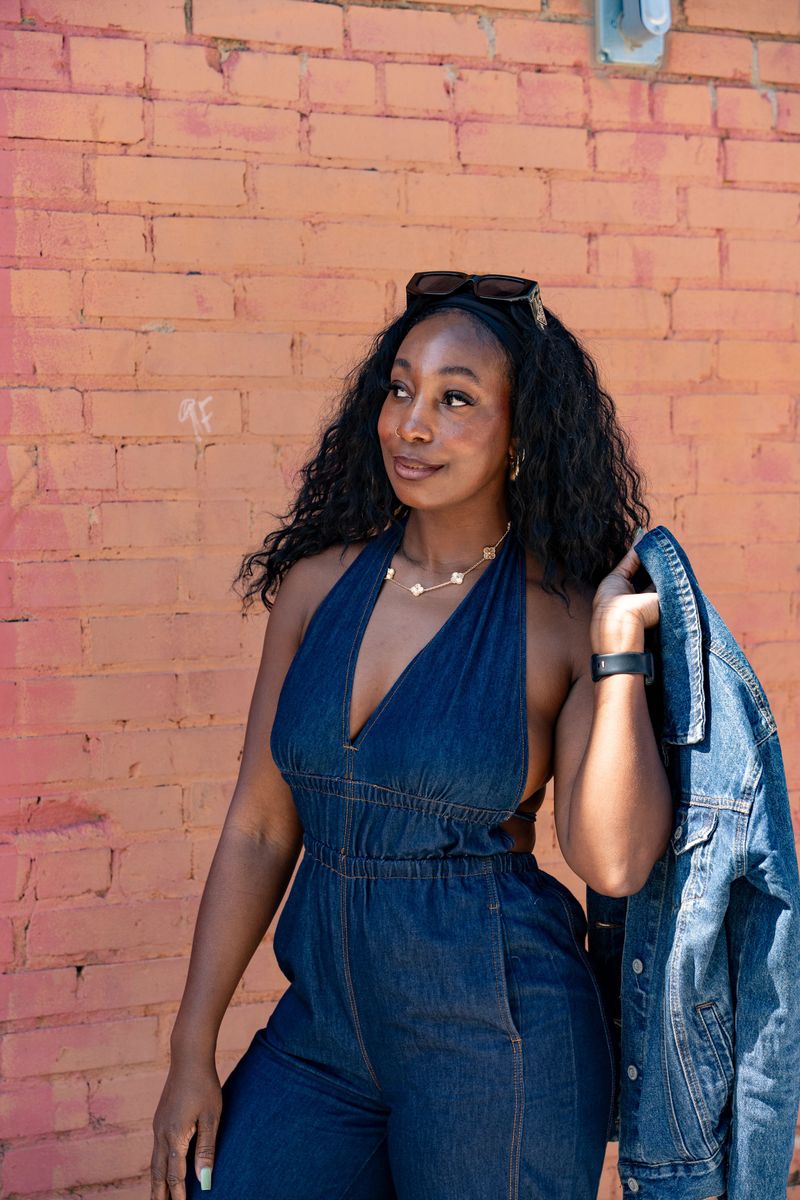
Bing Crosby helped make the Canadian tuxedo legendary.
In 1951, he was reportedly turned away from a Vancouver hotel for wearing denim, and Levi’s later made him a custom denim tuxedo jacket.
That story turned a punchline into fashion history.
Denim on denim has since bounced between joke and runway favorite more than once.
Mixing washes is the easiest way to wear it today.
A light chambray shirt with dark indigo jeans creates contrast and keeps the outfit from blending into one blue blur.
Matching washes can work too, especially in a coordinated set.
A dark denim jacket and matching jeans look sharp with a white tee.
Breaking up the blue helps a lot.
Add a leather belt, a bright bag, or bold shoes to give the eye somewhere to land.
Fit is worth watching here.
Keeping one piece fitted and the other a bit relaxed usually feels more balanced.
Denim is sturdy, washable, and comfortable for a busy week.
Wearing two pieces at once just doubles the convenience, and that’s hardly a fashion crime.
11. Matching Shoes, Bag, and Belt
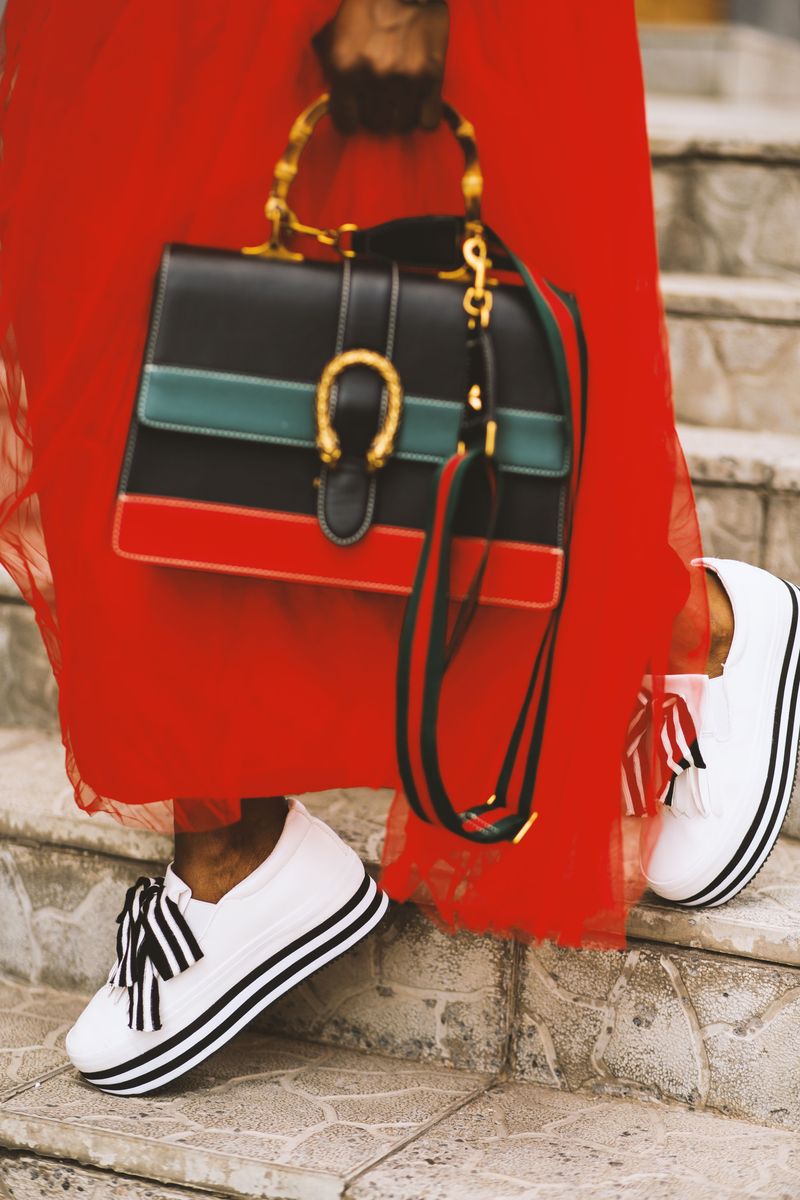
Back in the day, a polished woman owned matching sets of accessories in black, navy, and brown.
Shoes, handbag, and belt lined up like a color swatch.
That look still has charm, but it can feel stiff today.
It also requires buying accessories in triplicate, which is hard on any budget.
A more relaxed approach uses accessories that complement each other without copying.
Burgundy loafers, a forest green bag, and a cognac belt can sit happily together.
Think of your accessories as a family rather than twins.
They should share some mood or tone, such as all earthy or all metallic.
One fun trick is picking a single accent color from your outfit.
If your scarf has a bit of rust in it, rust shoes will connect the look naturally.
Metals don’t need to match either.
Mixing gold and silver jewelry is common now, and a watch with both tones can help bridge them.
Matching sets aren’t wrong if you love them.
Just know you have permission to grab the red bag with the brown boots and enjoy it.
12. Sticking to Beige and Gray

Neutrals are lovely, but nobody signed up for a lifetime of oatmeal.
Yet many women hear that bright colors are too loud once they hit a certain age.
Color is one of the quickest ways to change how an outfit feels.
A cobalt sweater or a tomato red coat brings energy that beige simply can’t.
Not sure where to start?
Look at colors you already gravitate toward in decor, artwork, or nature photos on your phone.
Placing a bright shade near your face, in a top or scarf, is a common way to test it.
Notice whether you like what you see in the mirror.
Color blocking is another option.
Pairing two bold shades, like pink with orange or green with blue, looks confident and modern.
Neutral pieces still have a job.
They make excellent backdrops for a single bright item, so a gray outfit with a yellow bag gets an instant lift.
Your favorite color doesn’t need permission to show up in your closet.
Let it out for a walk and see how the day changes.
13. Assuming Heels Have an Age Limit

Footwear choices often get framed as a march from stilettos toward sensible shoes.
That story skips the part where you get to decide.
Heels have no birthday cutoff.
If you enjoy them and can wear them comfortably and safely, there’s no reason to give them up.
Plenty of women do prefer flats, and that’s an equally valid choice.
Sneakers, loafers, and ballet flats are fashion staples now, not just backup shoes.
The middle ground is wider than ever.
Block heels, kitten heels, and low wedges give some lift with a sturdier base.
A few tips can make heels easier to wear.
Shopping later in the day, when feet tend to be slightly larger, may help you find a better fit.
Cushioned insoles and heel grips are inexpensive fixes worth trying.
If any shoe causes pain, though, listen to your feet and check with a podiatrist.
Choose shoes based on your plans, not your age.
Dancing at a friend’s party calls for different footwear than a day of museum walking, and both deserve style.
14. Covering Your Arms at All Times
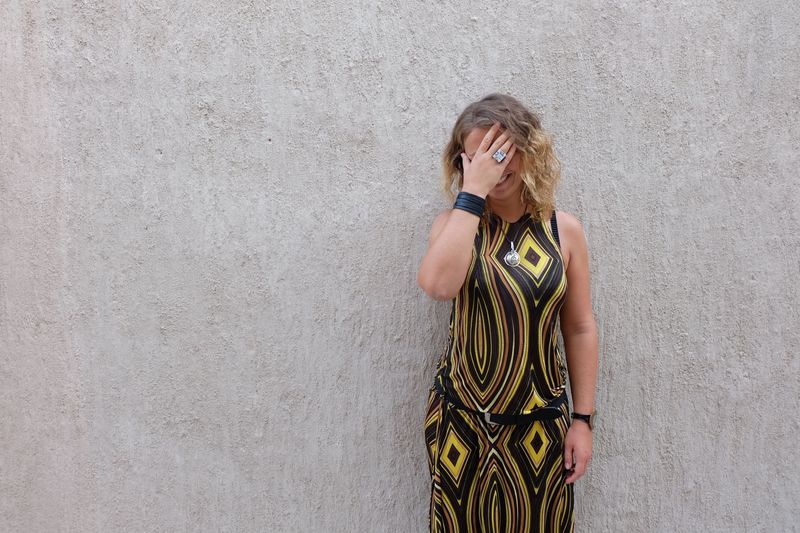
Summer heat doesn’t care about outdated style advice.
Still, a lot of women spend July sweating in cardigans because someone once said arms should stay covered.
Michelle Obama famously wore sleeveless dresses throughout her time as First Lady, including in her official 2009 portrait.
Her choice sparked headlines and plenty of conversation about who gets to bare their arms.
Sleeveless tops and dresses are simply practical in warm weather.
Breathable fabrics like linen and cotton help you stay comfortable when the temperature climbs.
Different cuts offer different feels.
A wide-strap tank, a halter neckline, or a shell top with a high neck each shows a different amount of shoulder.
If you like a little coverage sometimes, keep a light layer nearby.
A linen shirt worn open or a sheer kimono works for chilly restaurants.
Don’t forget sunscreen on newly exposed skin.
Arms and shoulders burn easily, so reapply when you’re outdoors for a while.
Comfort should win on a hot day.
Your arms carried groceries, babies, and suitcases for years, and they’ve earned some fresh air.
15. Sticking With the Same Makeup Routine Forever

Plenty of us learned makeup from teen magazines and older sisters.
Those early techniques can stick around for decades without ever getting a fresh look.
Skin changes over time, and so do product formulas.
What worked at 22 might not feel right at 40, and that’s just normal evolution.
Many makeup artists suggest lighter layers for a fresher finish.
A tinted moisturizer or skin tint can replace heavy foundation if you prefer a sheer look.
Cream blushes and highlighters are popular because they blend easily with fingers.
Some people find powder settles into fine lines, so creams are worth testing.
Eyeliner styles have shifted too.
A softly smudged pencil line or tightlining at the lash base gives definition without a harsh edge.
None of this is mandatory, of course.
If bold red lips or dramatic winged liner bring you joy, those looks are absolutely still yours.
A simple refresh might be one new product swap each season.
Ask a counter artist for a sample, try it at home in daylight, and keep only what you love.