 MomSkoop
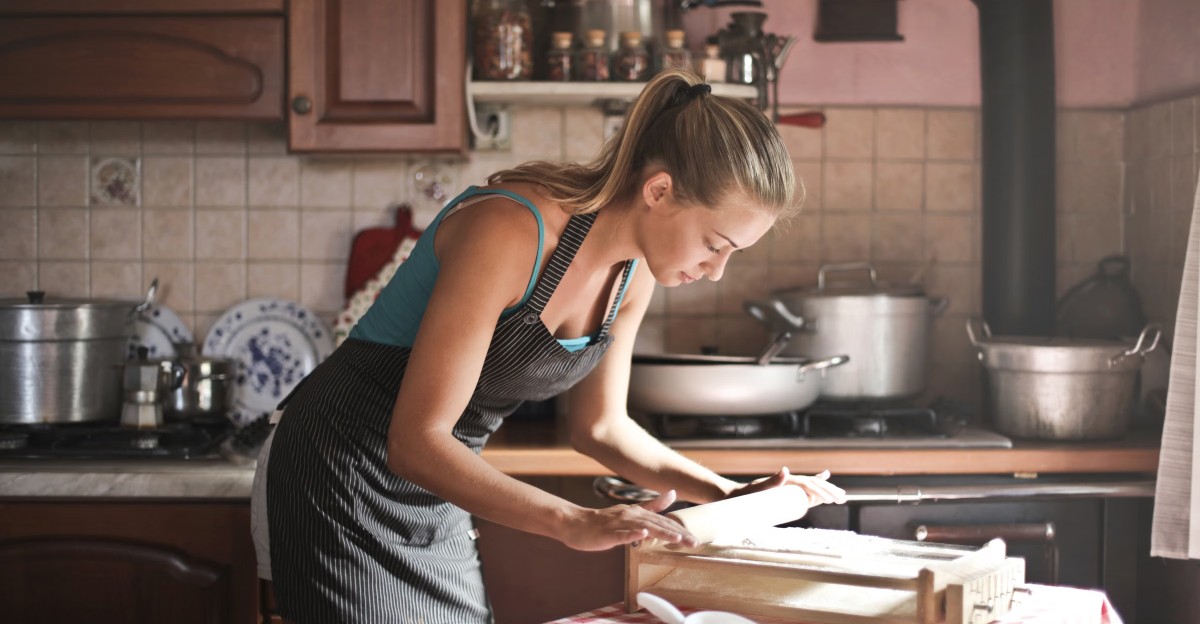
In 1956, the typical American bride was only about 20 years old on her wedding day. That meant plenty of young women went from homework to housework in what felt like a single summer. Before the big day, advice poured in from mothers, teachers, magazines, and even school classes built around running a home. Some of it was practical, while some of it sounds downright startling to modern ears.
They also show how quickly ideas about money, careers, and marriage changed within just a couple of generations. A few of these tips might still be worth borrowing for your own home today. Others belong firmly in the history books, and I suspect your grandmother would recognize most of them right away.
1. Make Marriage the Main Goal

A ring by graduation was a real goal for plenty of young women in the 1950s.
The median age for a woman’s first marriage in the United States sat around 20 for much of the decade, which is younger than many college juniors today.
College didn’t always change the plan.
A common joke said some female students were really there to earn a “Mrs. degree,” meaning they hoped to leave campus with a husband instead of only a diploma.
Staying single past your early twenties came with an unkind label.
Women who didn’t marry risked being called an “old maid,” a phrase that made singlehood sound like a missed bus rather than a choice.
Marriage also offered a practical exit from a parent’s house.
For many young women, a wedding was the most accepted way to set up a home of their own, since living alone or sharing an apartment with friends was less common.
The pressure looks heavy now, yet the urge to build a life on your own terms hasn’t gone anywhere.
Today you get to choose the route, whether that means marriage, school, a career, or some mix of the three, on whatever timeline fits you.
2. Cook, Sew, and Mend Like a Pro

Ironing a man’s shirt was considered a real skill, and girls practiced it in class.
Schools in the United States and Britain offered home economics or domestic science lessons that covered cooking, sewing, and household management.
The goal was clear: prepare girls to care for a husband, children, and a home.
Boys usually headed to shop class to work with wood and metal, while girls learned to hem skirts and plan balanced meals.
Thrift was part of the lesson plan too.
Darning socks, often stretched over a wooden darning egg, kept a pair going for years, and old sweaters could be unraveled and knitted into something new.
In Britain especially, many homes still lacked central heating.
Keeping a house comfortable could mean hauling coal or coke for the fire, which made housekeeping a physical job before you even touched the dishes.
Some of these lessons hold up surprisingly well.
Knowing how to sew on a button, patch a hole, or cook a simple meal from scratch can save money and spare you a trip to the store.
Plenty of people now learn these skills from online videos instead of a classroom.
Anyone can pick them up, and a basic sewing kit costs far less than replacing a favorite pair of jeans.
3. Be a Full-Time Homemaker
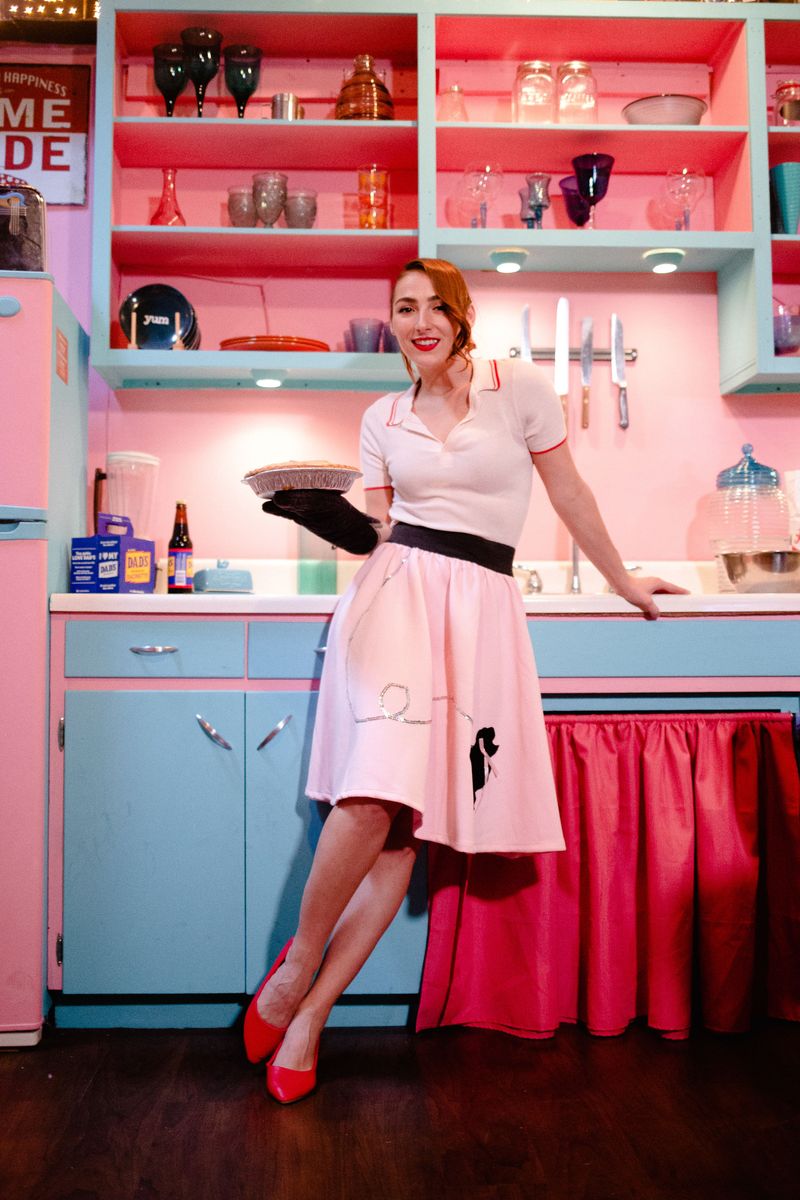
Leaving your job after the wedding was the expected script for many middle-class brides.
Magazines, ads, and TV shows like The Adventures of Ozzie and Harriet and Father Knows Best presented the full-time homemaker as the happy center of the family.
Reality was messier.
Plenty of women, especially in working-class families and families of color, kept earning paychecks because the household needed the money.
The homemaker image even showed up in Cold War politics.
During the 1959 Kitchen Debate in Moscow, Vice President Richard Nixon stood in a model American kitchen and argued with Soviet leader Nikita Khrushchev about appliances and living standards.
Nixon praised labor-saving gadgets as proof that American life made things easier for housewives.
The message hinted that a woman at home with a shiny new washer was a symbol of national success.
That’s a lot of meaning to pile onto a dishwasher.
The ideal also left many women feeling restless, a frustration Betty Friedan later explored in her 1963 book The Feminine Mystique.
Today, staying home and working outside it are both valid choices.
What matters most is that the decision fits your family, your finances, and your own goals.
4. Have Dinner Ready on Time

Pot roast at six o’clock sharp was the dream schedule.
Advice aimed at new wives often stressed planning meals ahead, sometimes as early as the night before, so supper hit the table right when the husband came through the door.
Having his favorite dish ready was framed as a sign of thoughtfulness.
The assumption was simple: he’d be hungry after work, and a hot meal said you’d been thinking of him.
Cookbooks fed this routine.
The Betty Crocker Picture Cook Book, first published in 1950, became a bestseller and taught a generation of brides how to roast, bake, and stretch a grocery budget.
Convenience foods started sneaking in, too.
Swanson’s TV dinners arrived in the early 1950s and offered a frozen turkey meal on a tray, which was handy on nights when the schedule fell apart.
The idea of planning ahead still deserves some credit.
Prepping vegetables, marinating meat, or picking a meal the night before can make busy evenings less frantic for anyone in the house.
The difference now is who does the cooking.
Partners can split the job, take turns, or order takeout without anyone treating it like a crisis.
5. Look Fresh When He Walks In

Lipstick before supper?
According to a popular list of 1950s wife tips, yes.
The list advised wives to rest for about 15 minutes before the husband got home, then touch up their makeup and tie a ribbon in their hair.
The reasoning was that he had spent the day around tired, work-worn people.
Coming home to a fresh-looking wife was supposed to be a pleasant reward.
This list, often called “The Good Wife’s Guide,” is usually credited to a 1955 issue of Housekeeping Monthly.
No one has ever located a copy of that magazine, so it works better as a snapshot of attitudes than as a proven document.
Plenty of real 1950s ads and women’s magazines pushed similar ideas.
They regularly reminded wives to stay polished with curled hair, fresh lipstick, and neat shirtwaist dresses.
A quiet 15-minute reset still sounds pretty great, honestly.
Taking a short break between tasks can help you shift gears, whether you use it for a snack, a stretch, or a moment of silence.
Hair ribbons, by the way, are easy to find in accessory shops now.
Just wear one because you like how it looks, which is a lot more fun than doing it on a timer.
6. Keep the House Tidy
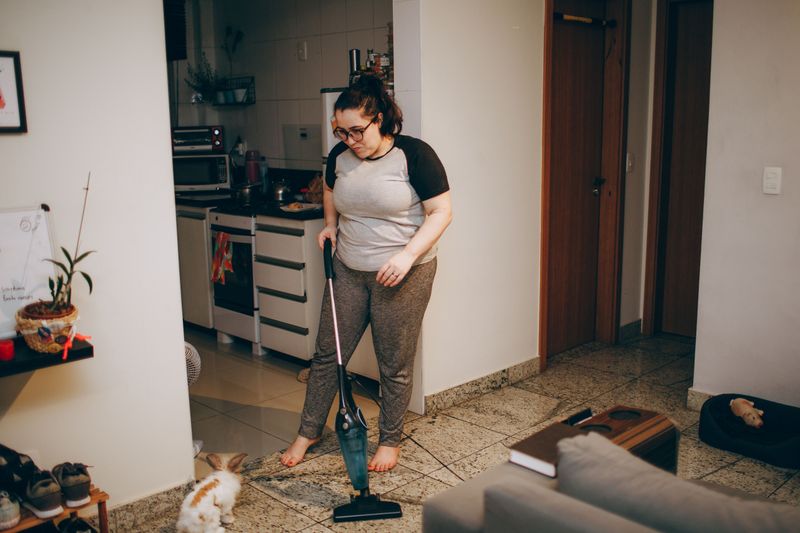
Toys, schoolbooks, and newspapers had a deadline in the 1950s home: the sound of the car in the driveway.
Advice for wives suggested one last sweep through the main rooms to clear clutter and run a dust cloth over tables.
The goal was a house that felt like a haven of rest and order.
Housework and child care were treated as a woman’s job, so a messy living room could feel like a personal report card.
New appliances promised help.
Electric vacuum cleaners, washing machines, and refrigerators became much more common in American homes after World War II, and ads pictured smiling women in dresses using them.
Those machines saved muscle, but they didn’t always free up hours.
As tools improved, expectations for cleanliness often climbed right along with them, so the dusting never quite ended.
A quick evening reset can still be useful today.
Spending ten minutes putting things back where they belong may make the next morning feel calmer, especially if the whole household pitches in.
The key word is household.
Kids can stash their own backpacks, and roommates or partners can grab a dust cloth, because a clean room isn’t one person’s assignment anymore.
7. Stay Cheerful at the Door

Being “a little more interesting” sounds like party advice, but it showed up in tips for wives.
The same widely shared Good Wife’s Guide told women to be cheerful and lively so a husband felt lifted after a dull or tiring day.
The idea went beyond a smile at the door.
A wife was expected to set the mood of the home, almost like a host welcoming a guest who’d had a long trip.
Some of this came from real concern about work stress.
Many men held long factory or office jobs, and the home was pictured as a place to recover from that grind.
The catch was that her own tiring day didn’t count for much.
Caring for small children, cooking, and cleaning could be exhausting, yet the cheerful act was still expected.
There’s a kinder version of this advice worth keeping.
Greeting someone you love with interest and a friendly word can make coming home nicer for both of you.
The trick is making it mutual.
When each person asks how the other’s day went and actually listens, nobody has to perform happiness on a schedule, and the evening starts on a better note.
8. Save Complaints for Later
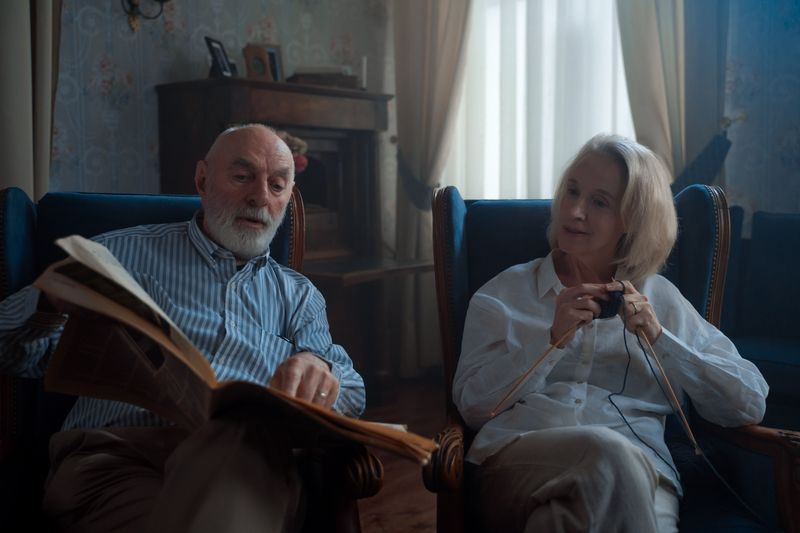
Bad news had a waiting period in many 1950s households.
Advice to new wives warned against greeting a husband with problems, complaints, or a list of what went wrong the moment he walked in.
Instead, she was told to offer him a comfortable chair and let him talk first.
His stories came first, and hers could wait, sometimes indefinitely.
The approach placed his relaxation above her concerns.
A broken washer, a sick child, or a lonely afternoon was supposed to stay quiet until a better moment arrived.
Timing does matter in conversations, and that piece isn’t silly.
Bringing up a stressful topic when someone is hungry and just through the door rarely goes smoothly.
What changed is the idea that one person’s comfort comes first.
Couples today often agree on a short wind-down window, then sit and share news from both sides.
You might try a simple routine like this: ten quiet minutes, then a real check-in.
It respects that both people had a day, and it keeps small worries from piling up into big ones that land at the worst possible moment.
9. Let the Husband Lead

Arguing with your husband was frowned upon, and making big financial moves without him was often difficult.
Men were widely seen as the head of the household, responsible for money, moves, and major choices.
Wives were encouraged to avoid disruptions and keep the peace.
Many people viewed women as needing male protection and guidance in serious matters.
Banks and lenders backed this up in surprising ways.
A married woman often struggled to get a credit card or loan in her own name without her husband’s signature, a problem the Equal Credit Opportunity Act of 1974 helped fix.
Louisiana even had a “head and master” law that let a husband manage jointly owned property on his own.
The U.S.
Supreme Court struck down that provision in 1981 in Kirchberg v.
Feenstra.
Knowing this history makes modern money habits feel more meaningful.
Having your own bank account, credit history, and say in family decisions protects you, whether you’re single or married.
Couples now decide their own setups.
Some split bills evenly and some divide tasks by strengths, but the choice belongs to both partners instead of one person holding the pen.
10. Treat Marriage Like a Career

Diplomat, businesswoman, cook, nurse, teacher, politician, and glamour girl.
That job description came from 1950s marriage advice describing what a successful wife needed to be.
Marriage counselors of the era often encouraged women to see being a wife as a fulfilling career of its own.
A wife was even expected to help her husband climb the ladder at work, by hosting his boss for dinner or keeping his life running smoothly.
When marriages hit trouble, advice columns frequently pointed at the wife.
Ladies’ Home Journal launched its long-running column Can This Marriage Be Saved? in 1953, and the solutions often asked women to adjust and be more obliging.
That’s a lot of pressure for one person.
It treated a partnership like a solo project where only one employee could be written up.
Still, the idea that a good relationship takes effort has staying power.
Paying attention, solving problems together, and showing appreciation are habits that help couples through rough patches.
The modern twist is shared responsibility.
Think of it less as one person’s career and more as a team project, where both names go on the final report and both people get credit for the wins.