 MomSkoop
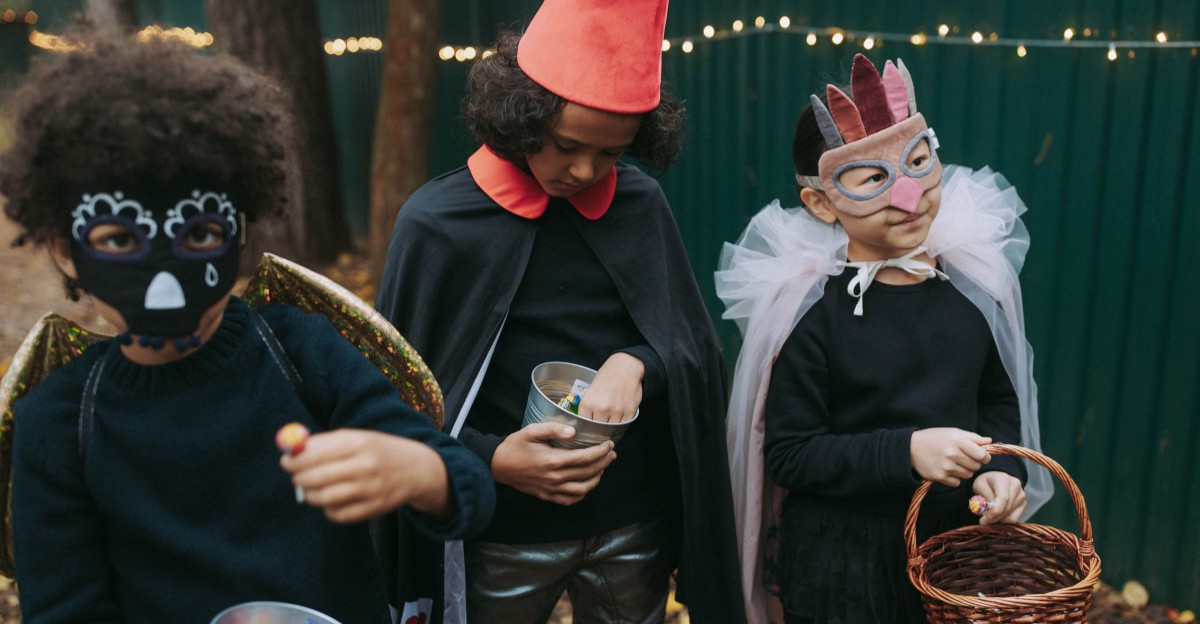
Candy cigarettes once came in boxes made to look like real tobacco brands, and plenty of them landed in trick-or-treat bags. Some even puffed powdered sugar when kids blew through them, a detail that sounds wild now. The 1980s gave Halloween a loose, do-it-yourself feel that many people remember fondly.
Kids roamed in packs, parents lit real candles in pumpkins, and plastic masks pinched faces from dusk until bedtime. Plenty of these customs still show up in old photos, movies, and family stories that get retold every October. Some of those traditions now come with safety warnings, fresh guidelines, or a raised eyebrow from neighbors.
1. Homemade Costumes From Flammable Materials
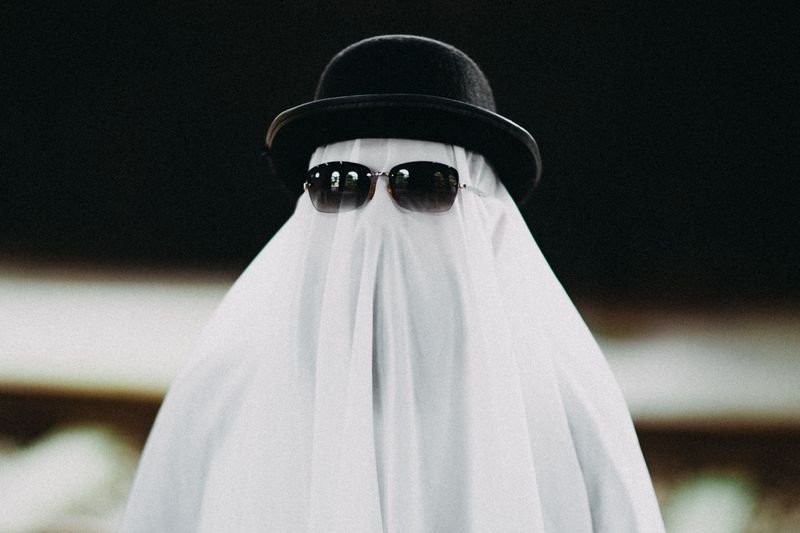
Grab a bedsheet, some scissors, and a bit of tape, and a 1980s ghost was ready to haunt the block.
Homemade costumes were a point of pride back then, built from whatever was lying around the house.
Old curtains, crepe paper, cotton batting, and cardboard all turned into capes, wings, and monster fur.
The results were creative, but few people stopped to check whether those materials could catch fire easily.
Today, safety guidance from the U.S.
Consumer Product Safety Commission suggests looking for costumes, wigs, and accessories labeled flame resistant.
That label doesn’t mean fireproof, but it does mean the material should resist burning and put itself out more quickly.
Baggy sleeves, long trailing hems, and flimsy fabrics also get flagged now.
Those details can brush against a candle or a heat source without anyone noticing until it’s too late.
You don’t have to give up the DIY spirit, though.
Homemade costumes can still shine if you choose sturdier fabrics, trim long pieces, and keep the fit close enough for easy walking.
A quick tip is to add reflective tape to the outfit.
It looks cool after dark and helps drivers spot your little ghost from a distance.
2. Culturally Insensitive Costumes
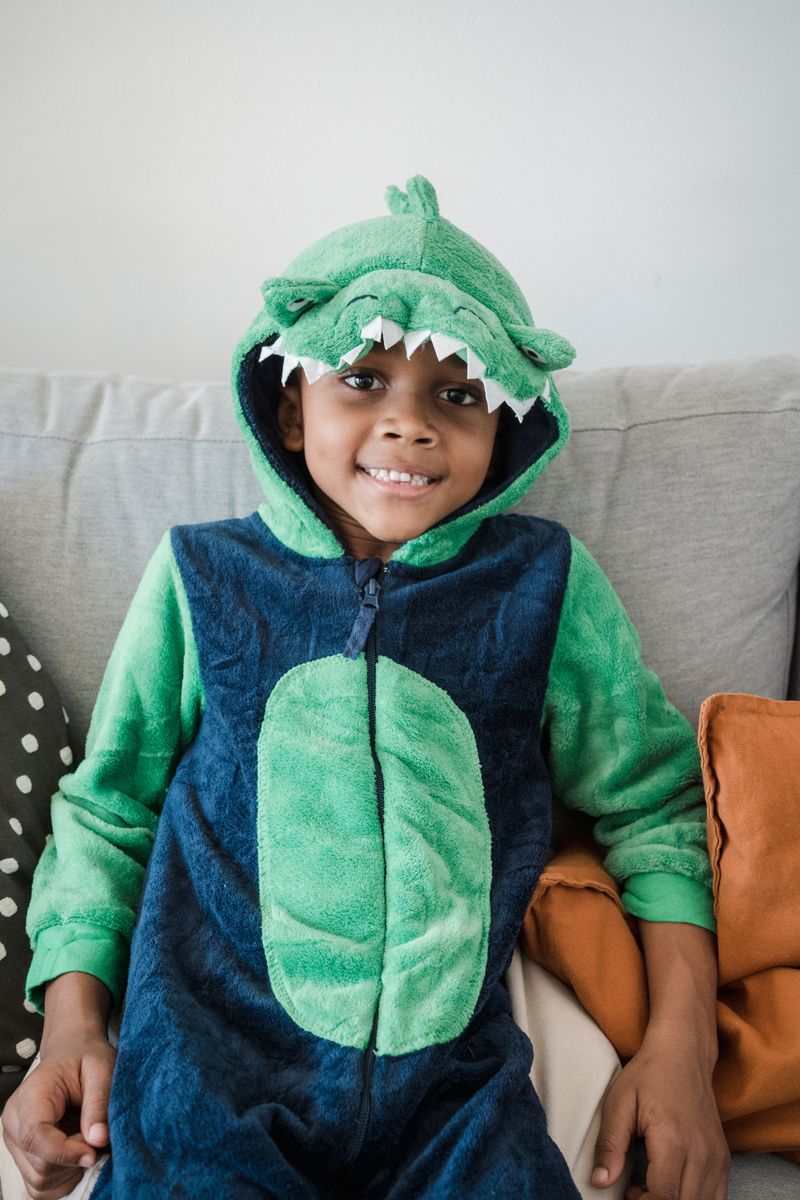
Costume aisles in the 1980s carried some choices that would make plenty of shoppers wince now.
Outfits that turned real cultures into cartoonish caricatures sat on shelves next to witches and vampires.
Back then, many people didn’t think twice about dressing up as a stereotype of another ethnic group.
Sacred items, traditional clothing, and cultural symbols were often treated like simple props for one night of fun.
Attitudes have shifted a lot since then.
Schools, workplaces, and community events now often ask families to skip costumes that mock or reduce a real group of people to a punchline.
The reasoning is pretty straightforward.
A culture is a living part of someone’s identity and history, not something to borrow for a few hours and toss in the closet.
Luckily, the options for fun costumes are endless.
Monsters, movie characters, foods, animals, jobs, and silly puns can all get big laughs without hurting anyone.
A handy test is to ask whether the costume is a character or a group of real people.
If it’s the second one, picking something else is usually the kinder move, and the party will still have plenty of laughs.
3. Unsupervised Trick-or-Treating for Young Children
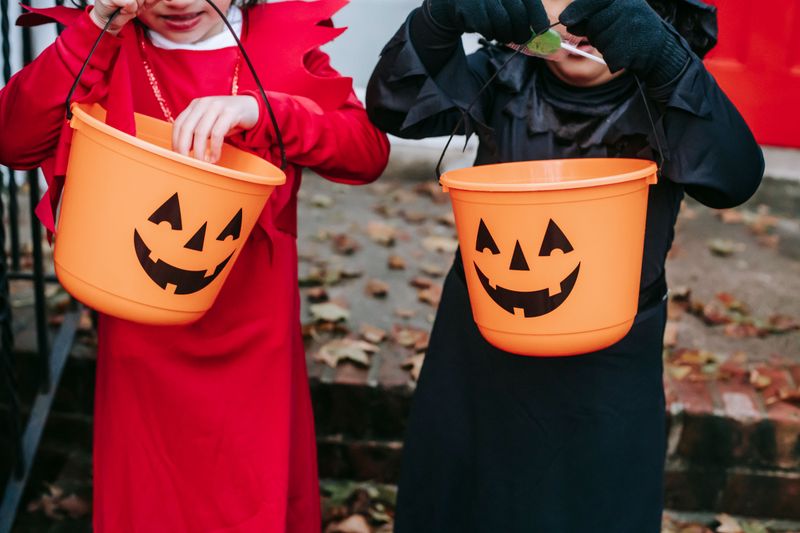
Plenty of 1980s kids remember heading out the door with a pillowcase and very few instructions.
Even younger children sometimes trick-or-treated with friends or siblings and no parent in sight.
That freedom felt normal for the time.
Neighborhoods were busy, kids knew the streets, and many families simply trusted that everyone would come home before the candy ran out.
Today, the advice is much clearer for little ones.
Safety tips from groups like the American Academy of Pediatrics say young children should always go out with a parent or a responsible adult.
Part of the reason is simple size.
Small kids are harder for drivers to see, especially in dark costumes, and they may dart across the street when excitement takes over.
Going along doesn’t have to ruin the fun.
You can hang back on the sidewalk while your child walks up to the door, which keeps a little of that independent thrill alive.
Flashlights, glow sticks, and a planned route also help.
Agreeing on a turnaround time before you leave can save a lot of arguing when someone spots one more house with a full-size candy bar.
4. Accepting Unwrapped Homemade Treats
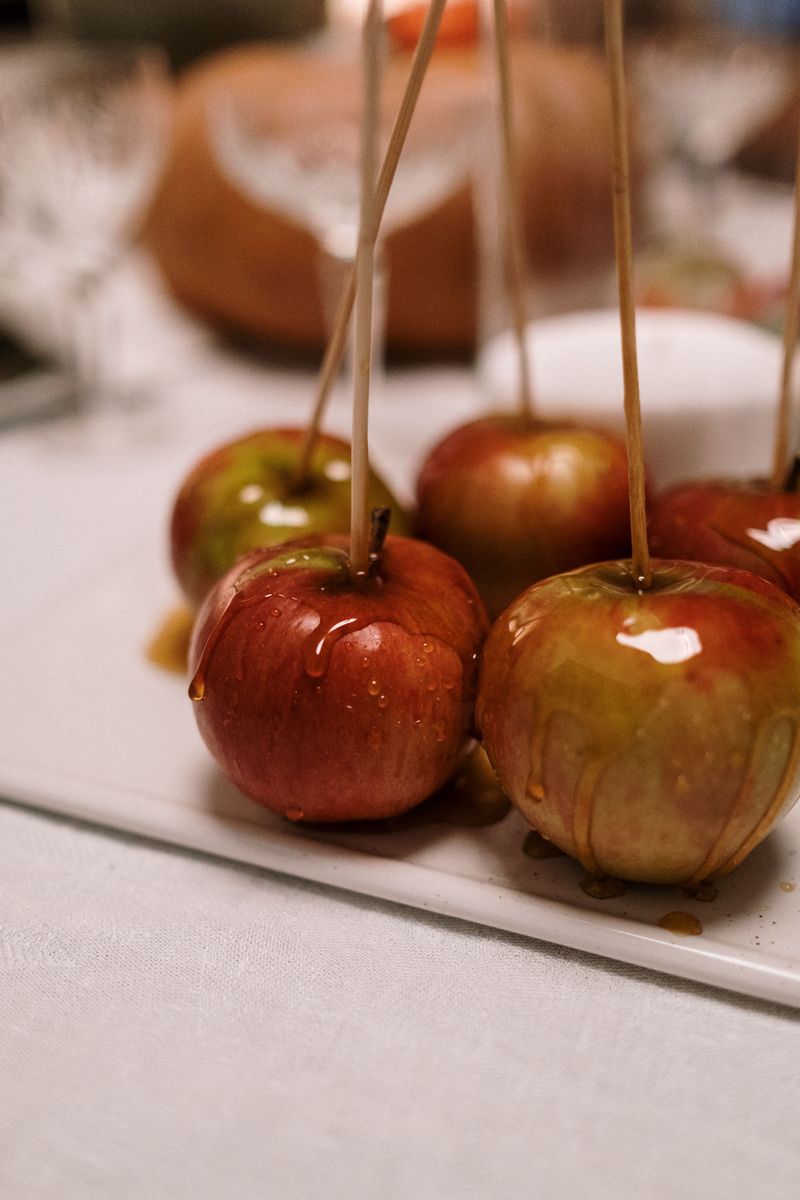
Caramel apples and popcorn balls once made certain houses legendary on Halloween night.
In some neighborhoods, a sweet neighbor’s homemade cookies were the highlight of the whole route.
Fears about tampered treats had already spread by the 1980s.
Stories about razor blades in apples circulated widely, even though confirmed cases of strangers poisoning candy were extremely rare.
Still, many homes kept handing out homemade goodies anyway.
Kids often happily accepted whatever landed in their bags, wrapped or not.
The modern advice leans toward store-bought, sealed candy.
Commercial treats come with ingredient labels, which matters a lot for kids with allergies, and they’re made under food safety rules.
Homemade snacks from people you don’t know also leave parents guessing.
Nobody can tell what’s inside, how it was stored, or whether it touched peanuts or other allergens.
If you love baking, there’s still room for it.
Save those caramel apples for a party with friends and family, where everyone knows the cook and the ingredients.
For trick-or-treaters, sealed candy is the easy choice.
Parents can check labels quickly, and your treats won’t end up in the trash.
5. Bobbing for Apples

Few party games produced soggier hair than bobbing for apples.
Players leaned over a big tub of water, hands behind their backs, and chased floating apples with their teeth.
The game has roots that stretch back centuries in Britain and Ireland, where it was tied to autumn festivals.
By the 1980s, it was a standard feature at school carnivals and basement Halloween parties.
The problem is easy to spot once you think about it.
Dozens of kids dunking their faces into the same water means plenty of shared germs, drool, and the occasional runny nose.
Interest in the game dropped further after the COVID-19 pandemic made people more careful about shared spaces.
Hosts now look for versions that keep the giggles without the communal soak.
One popular swap hangs apples or donuts from strings.
Players still keep their hands behind their backs, but nobody ends up nose-deep in someone else’s water.
Another option gives each player a personal bowl.
It’s less dramatic, sure, but it keeps the challenge alive and the cleanup much easier.
Either way, keep some towels nearby.
Sticky faces and laughter are still part of the deal.
6. Real Candles in Jack-o’-Lanterns
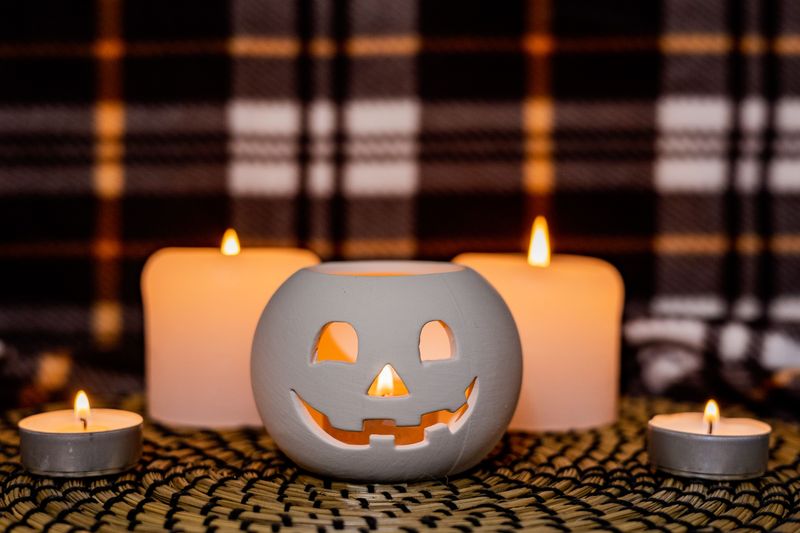
A flickering candle inside a carved pumpkin set the mood on countless 1980s porches.
The glow looked spooky, the lid smelled like toasted pumpkin, and kids loved peeking inside.
That charm came with real risk.
Porches were often decorated with dry leaves, hay bales, paper decorations, and stretchy fake cobwebs, all of which can catch fire fast.
Costumes added another hazard.
A trailing cape or loose sleeve brushing past a lit pumpkin could ignite before anyone noticed.
Today, fire safety groups such as the National Fire Protection Association suggest flameless options instead.
Battery-powered LED candles and small string lights give a similar glow without the open flame.
Some LED candles even flicker to copy the look of a real wick.
You can set them on a timer, too, so your pumpkin lights up each evening without a match.
If you still prefer a real candle, keep the pumpkin far from walkways, curtains, and anything flammable.
Never leave it burning when you’re away or asleep.
One bonus of LEDs is that they don’t scorch the inside of the pumpkin.
Your carving might stay presentable a little longer.
7. Candy Cigarettes
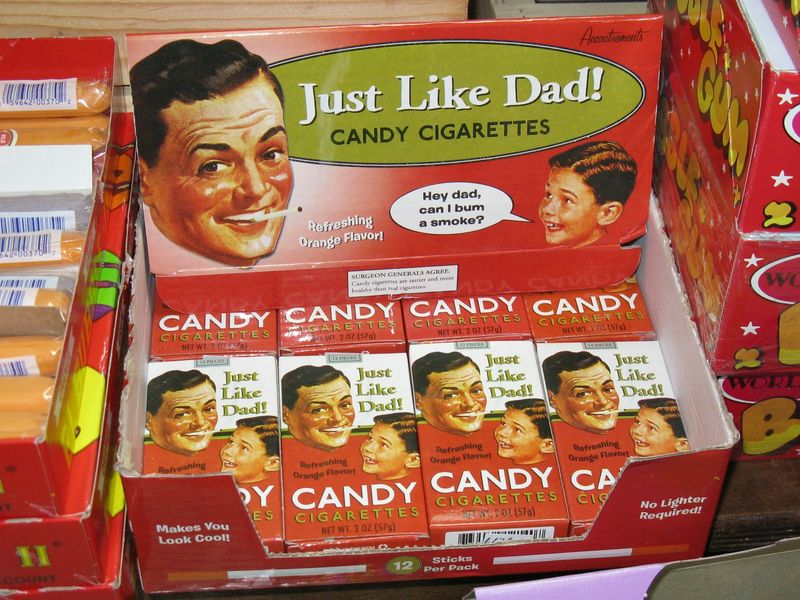
White sticks with red-painted tips once sat in corner stores right beside the bubble gum.
Candy cigarettes were cheap, easy to find, and a common sight in trick-or-treat bags.
The packaging often copied the look of real tobacco boxes.
Some gum versions were wrapped in paper and dusted with powdered sugar, so blowing through them released a small puff that looked like smoke.
Kids used them to act grown up, holding them between two fingers like adults did.
In an era when smoking was far more common, nobody saw much harm in it.
Attitudes shifted as public concern about youth smoking grew.
Several countries banned candy cigarettes, and many U.S. stores quietly stopped selling them.
You can still find versions labeled as candy sticks today.
The names and packaging have changed, and most no longer copy real cigarette brands.
For Halloween, plenty of parents now just skip them.
There are so many other nostalgic treats available that it’s easy to find a swap.
Pixy Stix, Smarties, and Bit-O-Honey all came from earlier decades.
They deliver the same retro feeling without the awkward pretend smoking.
8. Roaming in Big Packs After Dark
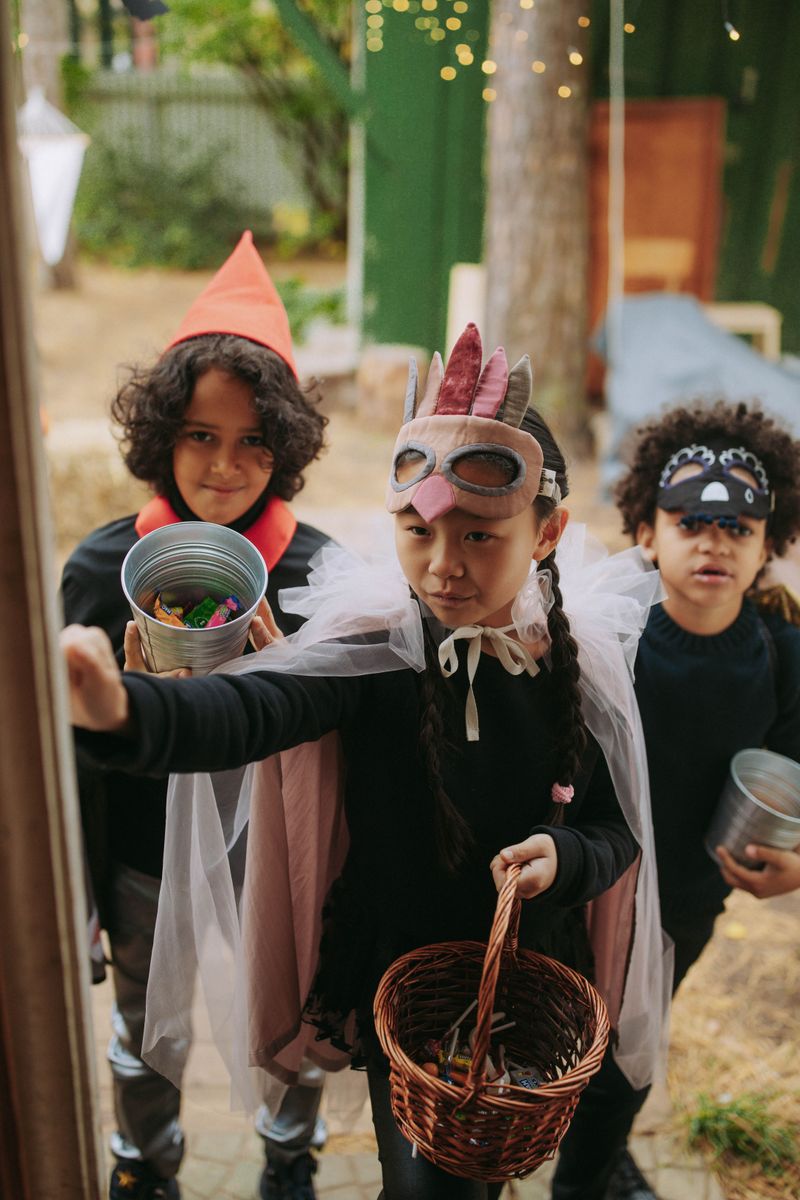
By middle school, many 1980s kids treated Halloween like their own night on the town.
Groups of six, eight, or more would drift from block to block with barely a check-in.
That independence was part of the fun.
Kids planned routes, traded candy on the curb, and stayed out until the porch lights started clicking off.
Things look a bit different now.
Traffic is a big concern, since Halloween is one of the riskiest nights of the year for child pedestrians, and dark streets make kids hard to see.
Large groups also tend to spill into the road and cross in clumps.
Drivers may not expect a crowd of costumed preteens stepping out between parked cars.
Plenty of families now find a middle ground.
Older kids can still go with friends if they carry phones, flashlights, and a clear plan.
Sticking to well-lit streets and crosswalks helps.
So does agreeing on a set route and a firm time to be home.
Reflective tape and glow necklaces make the group easier to spot.
They also help friends find each other when someone wanders off chasing a house with good candy.
9. Realistic Toy Weapons
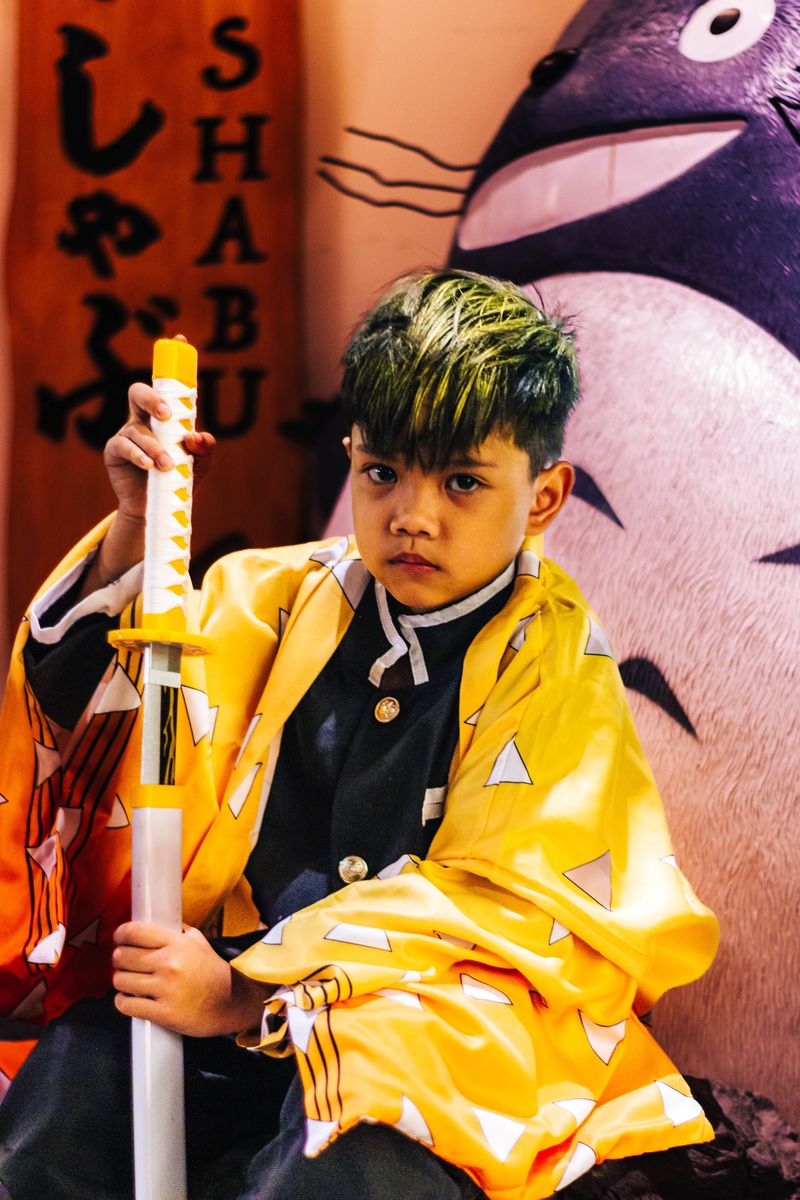
Pirates needed swords, cowboys needed six-shooters, and plenty of 1980s costume boxes included both.
Plastic weapons were treated as the finishing touch that made a character complete.
Some of those toys looked surprisingly real.
Few people worried about it, since the props were seen as harmless pieces of make-believe.
Today, schools and many public events ask people to leave realistic-looking weapons at home.
A toy gun can be mistaken for a real one in a split second, especially at night.
Many states also have rules about how toy guns must look, including bright orange tips.
Even so, those tips can be hard to spot in the dark or from far away.
Sharp or rigid props bring another problem.
Kids trip, run, and bump into each other on Halloween, so a hard plastic sword can easily poke someone.
The easy fix is to choose soft, flexible accessories.
Foam swords, bright cartoon blasters, and obviously fake designs keep the costume fun while avoiding confusion.
A wand, a shield, or a funny sign can work just as well.
Sometimes the best accessory is one nobody could ever mistake for the real thing.
10. Masks That Block Vision
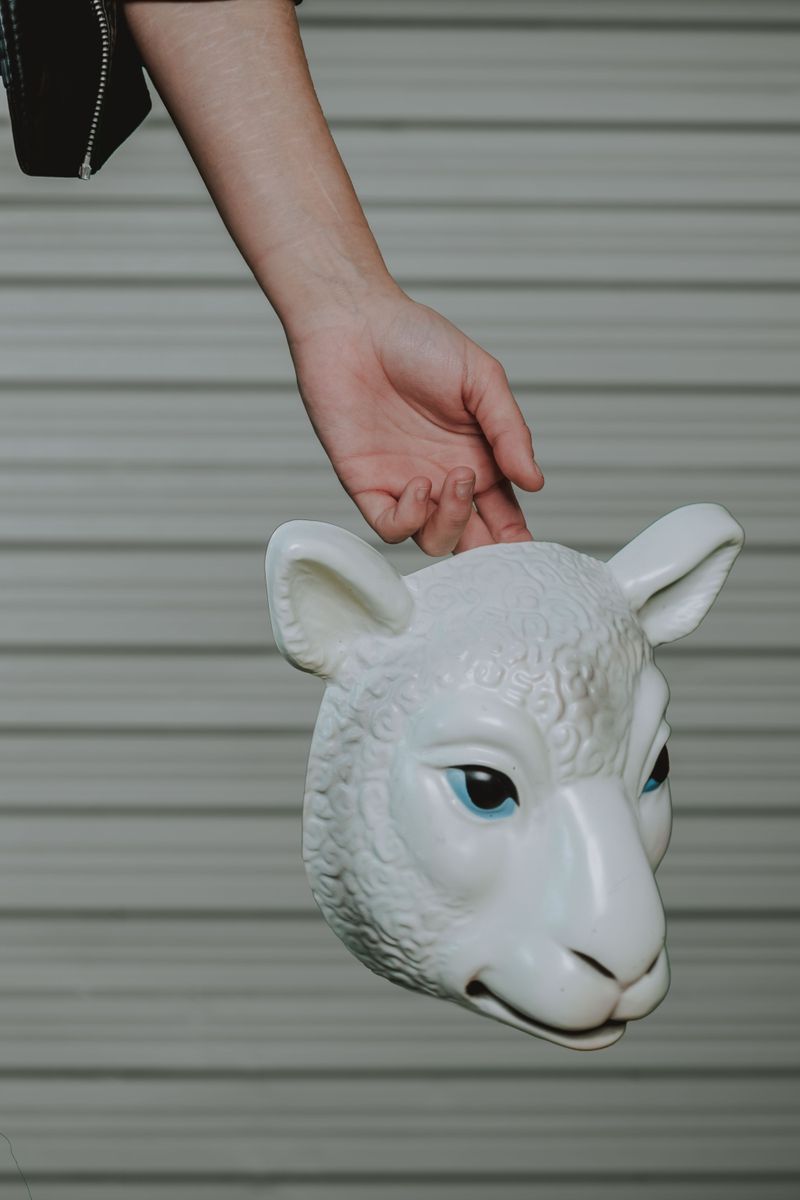
Thin plastic masks with tiny eye holes and a snapping elastic band defined a lot of 1980s costumes.
They usually came packed in a box with a vinyl smock printed with the character’s outfit.
Companies like Ben Cooper and Collegeville sold these sets for popular TV and movie characters.
Kids loved them, even though the masks got hot, sweaty, and foggy within minutes.
The bigger problem was what the masks hid.
Small eye holes made it hard to see curbs, steps, and cars coming from the side.
Many safety guides now suggest face paint or nontoxic makeup instead.
It gives the costume plenty of character while leaving eyes and ears completely clear.
If you or your kid still want a mask, look for one with large eye openings.
Check that it fits well and doesn’t slip down over the eyes while walking.
Another trick is wearing the mask only at doorsteps.
Push it up on top of the head while moving between houses.
Test makeup on a small patch of skin first.
That way, a fun look won’t end with an itchy surprise.
11. Ignoring Food Allergies
Peanut butter cups, nut-filled chocolate bars, and mystery taffy all landed in the same bag back in the 1980s.
Few people thought much about food allergies when handing out treats.
Kids with allergies often had to sort through their haul and give away a big chunk.
Ingredient labels were checked by parents at home, if at all.
That changed a lot over the following decades.
In 2014, the group Food Allergy Research and Education, better known as FARE, launched the Teal Pumpkin Project to make Halloween more inclusive.
The idea is simple.
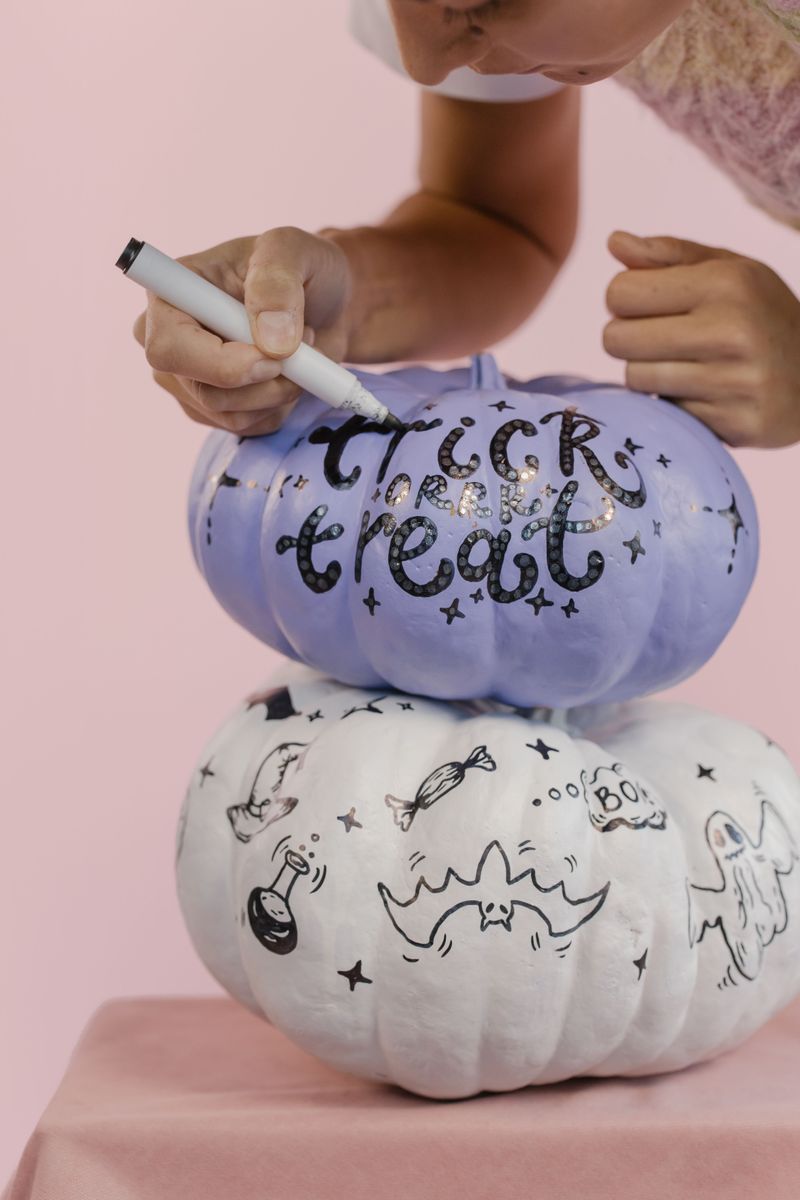
Households put a teal pumpkin outside to show they offer non-food treats, so kids with allergies know they can enjoy that stop too.
You can join in without much effort.
Stickers, glow sticks, pencils, bubbles, and small toys all make great options.
Keep the non-food goodies in a separate bowl from the candy.
That way, nothing gets mixed up or touched by chocolate fingers.
Even if you hand out regular candy, choosing treats with clear labels helps.
Parents can check ingredients quickly, and every kid has a better shot at a fun night.
12. Decorative Contact Lenses Without a Prescription
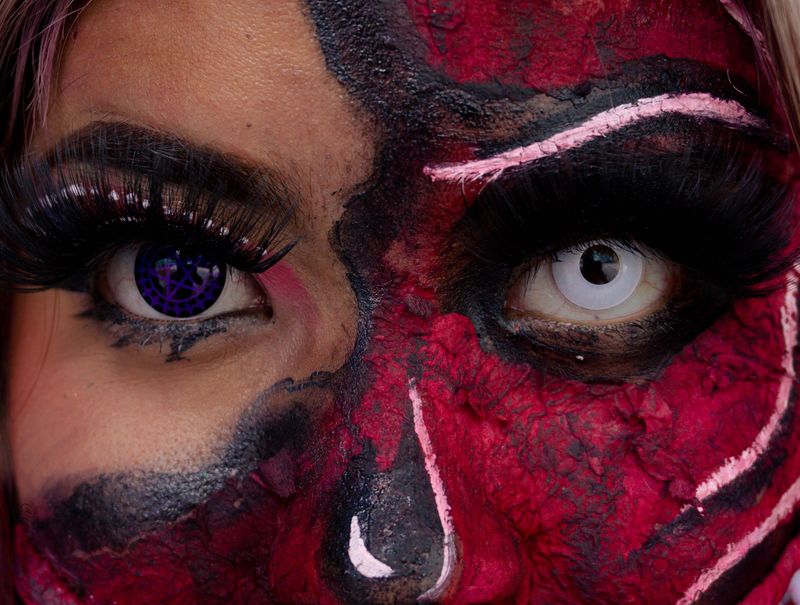
Cat eyes, glowing white pupils, and blood-red irises have tempted costume fans for decades.
Decorative contact lenses existed in the 1980s, but they were far less common than they are now.
The danger comes from skipping the eye doctor.
Lenses that don’t fit properly can scratch the eye, cause infections, and in serious cases lead to vision loss.
The U.S. Food and Drug Administration treats decorative contacts as medical devices.
That means they require a valid prescription, and selling them without one is illegal in the United States.
Despite that rule, costume lenses still pop up at novelty shops, beauty stores, and online sellers.
Some are sold with phrases like one size fits all, which is a big red flag.
If you really want that dramatic look, book an eye exam first.
An eye care provider can measure your eyes and suggest lenses from approved brands.
Never share lenses with friends, even for one night.
Follow the cleaning directions closely and take them out before bed.
Wild eyes can make a costume pop.
Healthy eyes, though, will still be around for next Halloween and every one after that.