 MomSkoop

Plenty of men walk down the aisle a second time with a much clearer idea of what marriage asks of them. That shift interests me, because the lessons usually come from a chapter that ended in disappointment. A first marriage often starts with big hopes and very little practice. A second one tends to begin with fewer fantasies and a lot more homework already done.
It also offers useful clues for couples on their first try who want to skip a few painful lessons. None of this means second marriages are automatically better or that every remarried man changes. Still, the men who do grow often share a handful of habits worth a closer look, and some of them might surprise you.
1. Sharper Self-Awareness

A breakup can work like a very expensive mirror.
Many men see their own habits clearly for the first time only after a marriage ends.
Maybe he notices that he shuts down when he feels criticized.
Maybe he realizes he avoided hard talks until they exploded.
Those discoveries sting, but they also hand him a map of his weak spots.
With that map, he can catch himself before old patterns take over.
When an argument starts heating up, he might pause and ask what he is really reacting to.
That small habit keeps a spilled-coffee moment from turning into a three-day cold war.
Self-awareness also helps him explain himself to a new partner.
Saying something like, I get quiet when I am stressed, so please do not take it personally, saves both people a lot of guessing.
It turns confusion into teamwork.
You do not need a divorce to build this skill, of course.
Journaling, honest chats with trusted friends, or working with a counselor can bring the same insights earlier.
The goal is simple: know your triggers, name your needs, and own your part.
A man who understands himself is far easier to live with than one who keeps getting blindsided by his own moods.
2. Realistic Expectations

Fairy tales rarely mention who takes out the trash.
First marriages sometimes begin with movie-style dreams that crash into ordinary Tuesday nights.
Men who marry again often carry a more grounded picture.
They know romance does not mean zero conflict, constant excitement, or a partner who reads minds.
They expect some boring stretches, some grumpy mornings, and a few disagreements about the thermostat.
Oddly enough, lower fantasy levels can lead to higher happiness.
When you stop expecting perfection, small things start to feel bigger.
A shared laugh over a burned dinner or a partner who listens after a rough day suddenly counts as a real win.
Realistic expectations also mean accepting a partner as she is.
Instead of hoping to change her habits, a wiser husband learns which quirks are worth discussing and which ones are just part of the package.
That shift alone can calm a household.
If you want to try this mindset, list the few things that truly matter to you in a relationship.
Then let the rest relax a little.
Marriage tends to feel lighter when it is not carrying the weight of a Hollywood script.
Ordinary love, it turns out, can be pretty great.
3. Better Listening and Talking Skills

Ever had a conversation where both people talked and nobody heard a thing?
Plenty of first marriages fall apart in that exact loop.
Men who learn from that experience often get serious about communication.
They practice listening to understand, not just to fire back a reply.
They ask follow-up questions.
They repeat back what they heard so their partner knows the message landed.
They also get better at speaking up early.
Instead of stewing over a small annoyance for weeks, a more seasoned husband brings it up calmly while it is still small.
That habit prevents the dreaded explosion over socks on the floor that was never really about socks.
Healthy couples still disagree, and that is fine.
The difference is how they argue.
Disagreements start to feel more like problem-solving sessions than courtroom battles, and both people recover faster afterward.
A few simple tools help.
Try using I feel statements instead of you always accusations.
Put phones away during serious talks.
Agree that either person can call a short break if things heat up, as long as you come back to finish.
Good communication is not a personality trait.
It is a skill, and like any skill, practice makes it stronger.
4. Emotional Maturity

Tough guys are fun in action movies, but they are tricky to be married to.
Many men learn that lesson the hard way.
Life experience tends to soften some of the armor.
After going through loss, change, and a few humbling moments, a man may feel more comfortable showing tenderness, admitting fear, or saying he is sorry.
Those moments of openness can bring a couple much closer.
Emotional maturity also shows up in how he handles stress.
Instead of snapping, sulking, or disappearing into the garage, he can name what he feels and talk about it.
He understands that his partner is not the enemy when life gets heavy.
Empathy grows here too.
A more mature husband tries to see things from his wife’s side, even when he disagrees.
He can say, I see why that hurt you, without needing to win the point first.
None of this happens overnight, and nobody gets it right every time.
Bad days still happen.
What changes is the willingness to repair things afterward rather than pretending nothing happened.
If you are working on this, start small.
Share one honest feeling each day.
It might feel awkward at first, but awkward is often where growth begins.
5. Clearer Boundaries

Some lessons come with flashing warning lights.
After a first marriage, many men know exactly which situations they never want to repeat.
That clarity helps them set boundaries early.
They can say what they need, what they will not accept, and where their limits sit.
A partner then knows the rules of the road instead of discovering them by accident.
Boundaries matter even more when an ex-spouse is still in the picture.
Shared kids, holiday schedules, and old family ties can create plenty of tension.
A thoughtful husband keeps co-parenting conversations respectful and focused, so old drama does not spill into his new home.
He also protects his new marriage from outside interference.
That might mean politely limiting how much his relatives weigh in, or keeping private couple matters private.
His wife can feel secure knowing he has her back.
Healthy boundaries are not walls.
They are more like a fence with a friendly gate.
They keep the good stuff in and give everyone a clear sense of space.
If you want to set better limits, try discussing them during a calm moment rather than in the middle of a fight.
Clear words spoken kindly usually work far better than angry ultimatums.
6. A Deep Sense of Gratitude

Second chances feel different when you know what losing the first one cost.
For many men, remarriage arrives with a strong dose of thankfulness.
After lonely evenings, legal paperwork, and a lot of soul-searching, finding love again can feel like a gift.
That appreciation often shows up in daily behavior.
He says thank you more often.
He notices the effort his partner puts into the home, the kids, or the relationship.
Gratitude also changes how small problems look.
A late dinner or a messy hallway seems a lot less dramatic when you remember how hard things once were.
Perspective has a funny way of shrinking minor irritations.
That thankful mindset can motivate him to put in real effort.
He is less likely to take his partner for granted because he knows love is not guaranteed.
He shows up, pays attention, and keeps trying.
Anyone can borrow this habit.
Try telling your partner one specific thing you appreciated about them today.
Skip the generic thanks for everything and name the actual moment, like the way they handled a tough phone call.
Specific gratitude feels personal, and it tends to make people feel seen.
That feeling can carry a marriage through plenty of ordinary days.
7. Commitment With Eyes Open
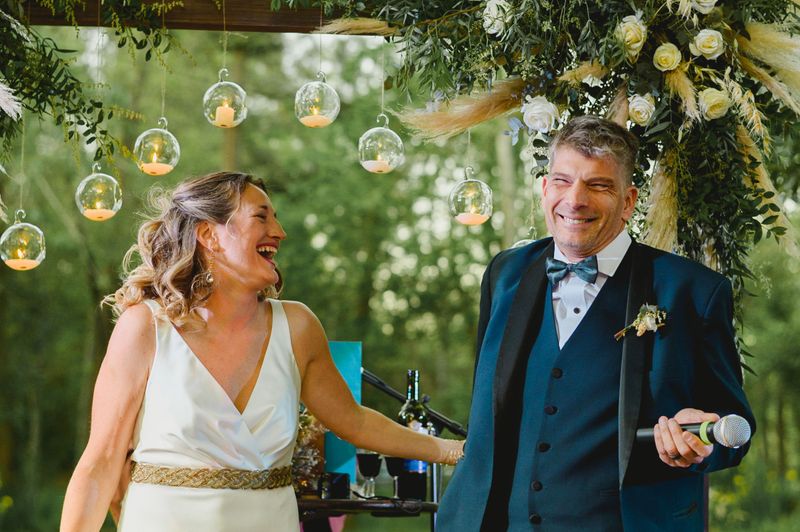
Saying I do the second time is rarely a spur-of-the-moment decision.
Most men think long and hard before signing up again.
That careful choice can lead to a stronger commitment.
He is not marrying because friends are doing it or because it seems like the next step.
He is marrying because he has weighed the risks and decided this partner is worth it.
Commitment with eyes open means planning for rough patches instead of being shocked by them.
He expects job stress, health scares, and family drama to show up eventually.
When they do, he treats them as problems to face together rather than signs the marriage is failing.
This mindset also shapes daily priorities.
A committed husband protects the relationship from slow neglect.
He keeps promises, follows through on plans, and treats the marriage as something worth guarding.
Of course, commitment alone cannot fix everything.
Both people need to be invested, and some problems require outside help.
Still, a firm decision to stay engaged gives a couple a sturdy foundation.
If you are heading toward marriage, ask yourself why you want it.
Clear reasons tend to hold up much better than vague feelings when life gets bumpy.
8. Owning Past Mistakes

Blaming the ex is easy and oddly satisfying.
It also teaches a man exactly nothing.
The men who grow the most after divorce usually take a harder road.
They look honestly at their own role in what went wrong.
Maybe they worked too much, avoided conflict, or stopped making an effort once life got busy.
Owning those choices is uncomfortable, but it brings a big payoff.
When a similar situation shows up in the new marriage, he recognizes it.
He can make a different choice instead of running the same old program.
For example, a man who once ignored his wife’s complaints might now take a small concern seriously right away.
A husband who used to hide money worries might speak up sooner.
These changes look minor, yet they can shift the whole direction of a relationship.
Taking responsibility also builds trust.
A partner feels safer with someone who can admit, I messed that up, and I want to do better.
Defensiveness pushes people away, while honesty invites them closer.
Therapy, support groups, or thoughtful books on relationships can help this process along.
The point is not endless guilt.
The point is learning enough to write a better next chapter.
9. Making the Marriage a Priority
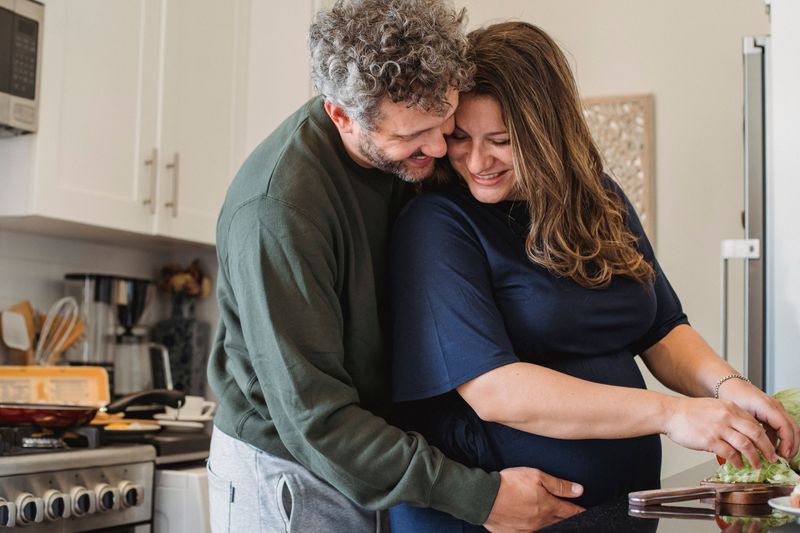
Careers, kids, and fantasy football can quietly crowd a wife out of the schedule.
Plenty of first marriages fade from that slow drift rather than one big blowup.
Men who learned this lesson often guard couple time more carefully.
They plan regular date nights, even simple ones at home.
They put phones down during dinner.
They try to head to bed at the same time so the day ends together.
These habits sound small, and that is exactly why they work.
Connection tends to grow from steady little moments more than grand gestures.
A walk around the block after supper can do more than an expensive vacation once a year.
Making the marriage a priority also means saying no to some things.
He might skip an extra work event or shorten a hobby session to spend time with his partner.
Those choices send a clear message about what matters.
Budgets and schedules differ, so the right routine looks different for each couple.
Some prefer Saturday breakfast dates.
Others like a ten-minute chat on the porch every evening.
Pick something realistic and repeat it.
Consistency beats intensity, and a regular habit can keep two busy people from becoming polite roommates.
10. Smarter Money Conversations

Nothing teaches a crash course in finances quite like splitting up a household.
Divorce often forces men to look hard at their spending, saving, and debt.
Many come into a second marriage far more open about money.
They talk early about income, debts, savings goals, and big future plans.
Some couples also discuss prenuptial agreements, especially when children from earlier marriages or existing assets are involved.
Those talks may not feel romantic, but they prevent nasty surprises.
Hidden credit card bills or mismatched spending habits can breed resentment fast.
Honest conversations up front help both partners feel like a team.
Blended families add extra layers.
Child support, college costs, and estate plans all need clear agreements.
A wise husband makes sure his new partner understands his obligations so nobody feels blindsided later.
You can try a simple monthly money meeting.
Sit down together, look at the budget, and talk about upcoming expenses.
Keep it short and friendly, and maybe pair it with a favorite snack to keep spirits up.
Every couple handles money differently, and there is no single right system.
Some pool everything, while others keep separate accounts.
What matters most is that both people know the plan and agree on it.
11. Less Worry About Outside Opinions

First weddings can feel like a group project with way too many members.
Parents, in-laws, and friends all seem to have opinions.
By round two, many men care a lot less about impressing anyone.
They have learned that a marriage built to please onlookers can crumble once the guests go home.
Their focus shifts to what actually works for them and their partner.
That freedom shows up in big and small ways.
Some couples choose a tiny courthouse ceremony instead of a giant reception.
Others divide household roles in ways that suit their strengths rather than old expectations about who cooks or who handles repairs.
Less outside pressure also means fewer comparisons.
He is not measuring his marriage against a brother’s perfect social media posts or a friend’s fancy house.
He measures it by how he and his wife feel day to day.
Couples can build their own traditions too.
Maybe it is pancakes every Sunday, or a yearly road trip to the same small town.
These rituals belong only to them.
Family and friends still matter, of course.
Their advice can be helpful.
The difference is that the final call stays with the two people actually living the marriage.
12. A Stronger Sense of Self
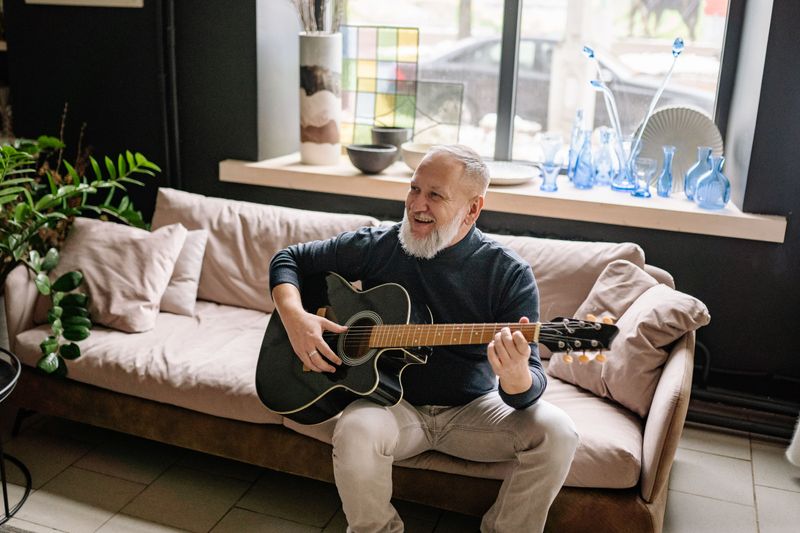
Somewhere in a dusty closet sits a guitar he stopped playing years ago.
After divorce, plenty of men dig out old hobbies like that and rediscover who they are.
That season of rebuilding can be surprisingly valuable.
Men may pick up fishing again, start running, take a cooking class, or reconnect with old friends.
They figure out what they enjoy and what gives their days meaning.
A man with his own interests and purpose brings more to a marriage.
He is not looking for a partner to fill every empty space in his life.
He shows up as a complete person who wants to share his life, not hand it over.
This also takes pressure off his wife.
She is not responsible for his entire happiness, which leaves room for both people to grow.
Each partner can enjoy separate passions and then bring fresh stories back to the dinner table.
You do not have to wait for a big life change to do this.
Set aside an hour each week for something that is just yours.
Encourage your partner to do the same.
Two whole people often make a stronger pair than two halves trying to complete each other.
And yes, he should probably restring that guitar.