 MomSkoop
Hollywood once handed a Japanese director the keys to the American sequel of his own ghost story, and critics still weren’t impressed. That kind of twist shows up again and again when Japanese movies, manga, and anime get a Western makeover. Some remakes swapped samurai for cowboys, while others moved haunted apartments to Detroit or New York City.
A few landed serious star power, from Oscar winners to future franchise leads, and still split audiences down the middle. I find these side-by-side comparisons endlessly fascinating, because the gap between an original and its copy is where the real story lives. You can learn a lot about what makes a film work by spotting what got lost in translation. So grab some popcorn and keep the subtitles on, because the originals deserve a look too.
1. The Magnificent Seven
Few stories have been borrowed as often as Akira Kurosawa’s 1954 epic Seven Samurai.
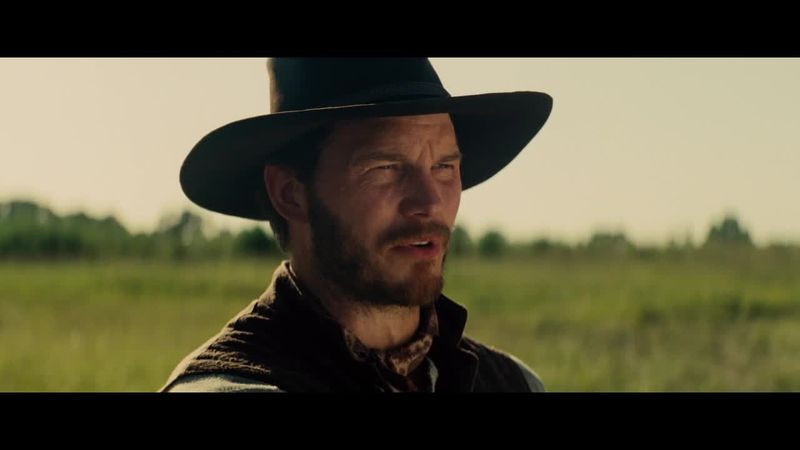
Hollywood first turned it into a Western in 1960, then went back to the well in 2016 with Antoine Fuqua directing.
The newer version stars Denzel Washington as a bounty hunter who gathers a crew to protect a frontier town.
Chris Pratt, Ethan Hawke, and Vincent D’Onofrio round out a lively, diverse cast.
Critics landed squarely in the middle, with Rotten Tomatoes scores in the low 60s.
Reviewers praised Fuqua’s brisk pacing and the cast’s chemistry, but many felt the long final shootout dragged on.
That reaction makes sense when you compare the films side by side.
Kurosawa spends real time on the farmers, their fears, and the cost of fighting, while the 2016 film leans harder on swagger and explosions.
Here’s a fun detail for movie night: the 2016 film is technically a remake of a remake.
If you watch all three in order, you can track how each version shifts the focus from honor to heroics.
Start with the 1954 original if you have a free afternoon.
It runs over three hours, so snacks are strongly encouraged.
2. The Outrage
Paul Newman as a Mexican bandit sounds like a casting experiment, and in 1964 that is exactly what audiences got.
Martin Ritt’s The Outrage moved Kurosawa’s Rashomon from feudal Japan to the American Southwest.
The structure stays familiar.
A crime in the wilderness gets retold from several viewpoints, and each version contradicts the last.
Laurence Harvey, Claire Bloom, Edward G.
Robinson, and a young William Shatner fill out the cast.
On paper, that lineup looks strong, yet reviewers mostly called the result a tired copy of a masterpiece.
Newman’s performance drew particular criticism, with many writers calling it a misfire.
Critics also felt the remake softened the sharp edges that made Rashomon so unsettling in 1950.
Kurosawa’s original is famous enough that the “Rashomon effect” became shorthand for conflicting memories of one event.
The Outrage proves that a great structure alone can’t carry a film without the mood and tension behind it.
If you’re curious, try watching both versions back to back.
You’ll notice how much the original relies on rain, shadows, and silence, details the remake trades for talkier scenes.
3. The Grudge
Earning an F from opening-night moviegoers is a rare feat, and The Grudge pulled it off in January 2020.
CinemaScore audiences gave it the lowest possible grade.
Director Nicolas Pesce built this version as a reboot that runs alongside the earlier American films.
The curse still starts in Japan, then follows a nurse home to a quiet Pennsylvania town.
The cast had real talent, including Andrea Riseborough, Demián Bichir, John Cho, and Lin Shaye.
Critics agreed the actors deserved better, and the film sat below 20 percent on Rotten Tomatoes.
Many reviews said the scares felt watered down and predictable.
Some critics argued the franchise had simply run out of new ideas after so many sequels and spin-offs.
Takashi Shimizu’s Ju-on: The Grudge from 2002 works differently.
It jumps around in time and lets dread build in ordinary rooms, which makes the creaking sounds hit harder.
For a scary movie night, the Japanese original is the stronger pick.
Keep the lights low and the volume up, because that croaking noise is the whole show.
4. Pulse
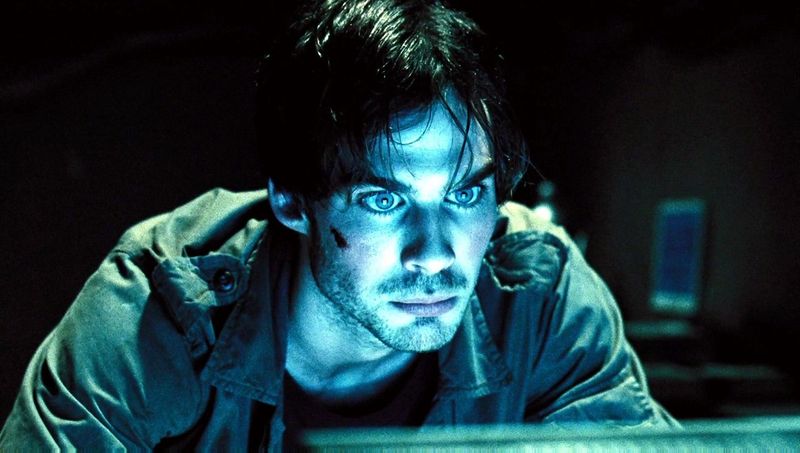
Ghosts crawling through the internet felt eerie in 2001, when dial-up still screeched in many homes.
Kiyoshi Kurosawa’s Kairo used that idea to explore loneliness in a connected world.
The 2006 American remake, Pulse, starred Kristen Bell and Ian Somerhalder.
Jim Sonzero directed, and Wes Craven shared screenwriting credit.
Critics were not kind.
Only about 11 percent of reviews on Rotten Tomatoes were positive, and the consensus said the film skipped the original’s emotional depth for flashy visuals and familiar horror tricks.
That gap is easy to spot.
Kairo moves slowly and lets empty rooms do the talking, while Pulse fills the screen with quick cuts and loud jolts.
The remake still spawned two direct-to-video sequels, which tells you studios saw some value in the idea.
Fans of the original, though, mostly shrug when the topic comes up.
Kairo holds up surprisingly well today, maybe even better than it did at release.
Watching it while your phone buzzes nearby adds a bonus layer of unease you never asked for.
5. Dark Water
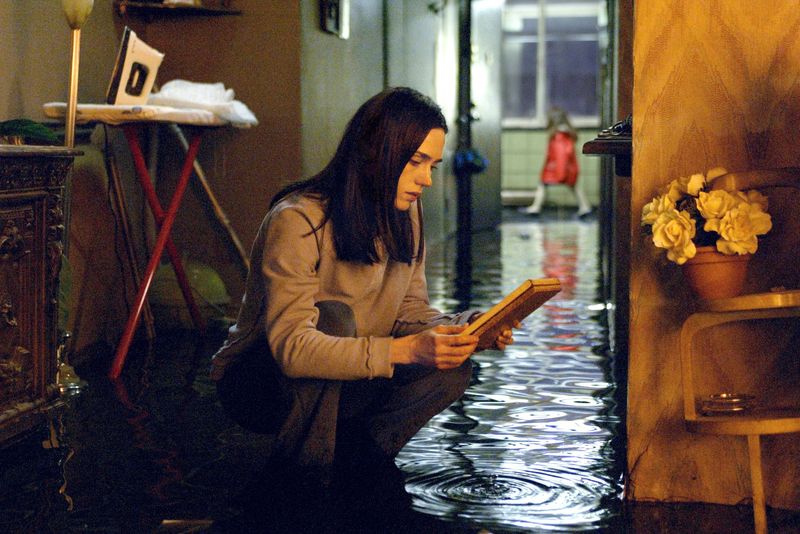
A leaky ceiling is annoying in real life and deeply creepy in this story.
Hideo Nakata’s 2002 film, based on a Koji Suzuki tale, turned water damage into a ghost story about a mother and daughter.
Walter Salles, the Brazilian director of The Motorcycle Diaries, led the 2005 remake.
Jennifer Connelly plays a mother in a custody battle who moves into a run-down building on New York’s Roosevelt Island.
John C.
Reilly, Tim Roth, and Pete Postlethwaite add strong supporting work.
Even so, the film landed at 47 percent on Rotten Tomatoes and 52 on Metacritic.
Critics liked the gloomy atmosphere and Connelly’s performance.
The common complaint was that the film forgot to be scary.
In fairness, the remake plays more like a sad family drama with spooky touches.
If you prefer slow, moody stories over jump scares, you might enjoy it more than critics did.
The Japanese version keeps the focus tight on the mother’s fear of losing her child.
That emotional core gives its quiet moments a stronger chill.
6. Shall We Dance?
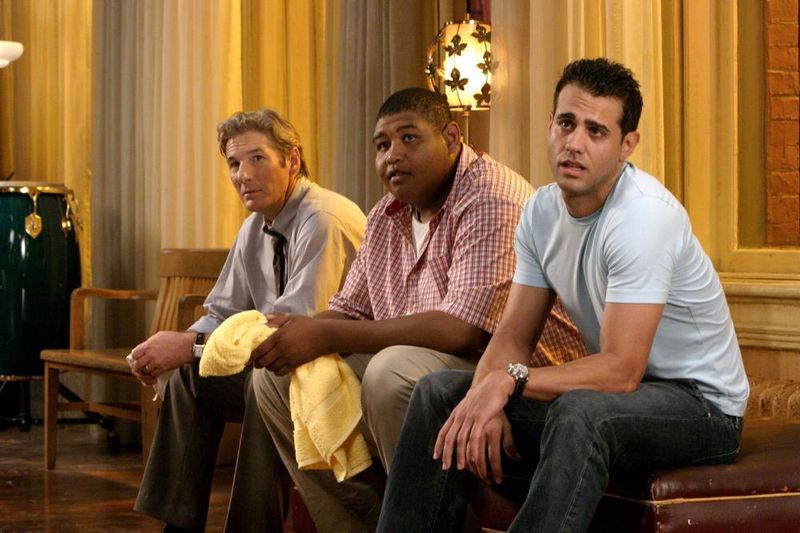
Ballroom lessons as a secret midlife adventure is a charming idea in any language.
Masayuki Suo’s 1996 film followed a quiet Tokyo accountant who sneaks off to dance classes.
The 2004 remake moved the story to Chicago with Richard Gere as an estate lawyer.
Jennifer Lopez plays his instructor, and Susan Sarandon plays his wife.
Critics split almost perfectly, with 47 percent on Rotten Tomatoes and a matching 47 on Metacritic.
The consensus praised the likable cast but said the American version lost the cultural nuance of the original.
That point matters.
In 1990s Japan, ballroom dancing carried a sense of embarrassment for a married man, which made his secret feel risky and sweet.
Without that context, the remake becomes a pleasant romantic comedy with less at stake.
Still, it did solid business at the box office, so plenty of viewers clearly had a good time.
Koji Yakusho’s shy performance in the original is a delight.
Watch it if you enjoy stories about grown-ups trying something new and feeling awkward about it.
7. Godzilla
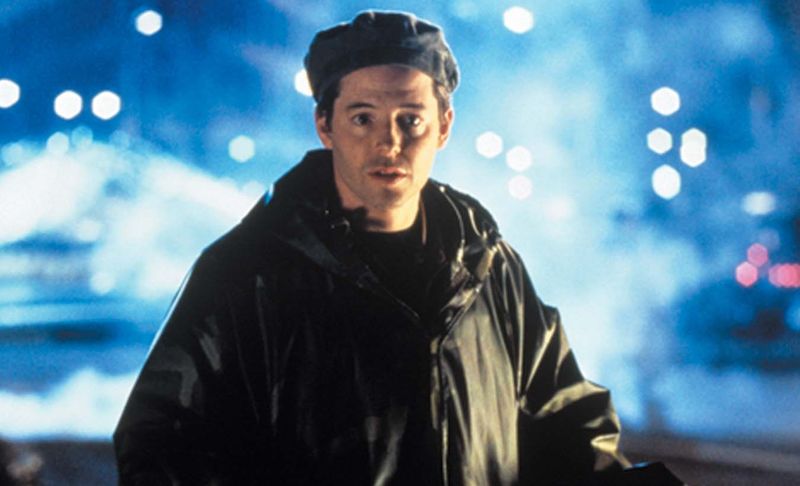
Toho eventually gave the 1998 creature a new name, Zilla, and that rebrand says plenty.
Fans felt the American monster just wasn’t Godzilla.
Roland Emmerich, fresh off Independence Day, directed this big-budget version set in New York City.
Matthew Broderick plays a scientist, and Jean Reno plays a French agent.
Reviews were rough.
The film holds about 16 percent on Rotten Tomatoes, with a consensus saying it lacks compelling characters or heart.
Ishiro Honda’s 1954 original was a serious film shaped by Japan’s experience with nuclear weapons.
The 1998 version reshaped the monster into a fast, lizard-like animal laying eggs in Madison Square Garden.
Fans of monster movies often point out that Godzilla should feel like a force of nature.
Emmerich’s creature hides from missiles and runs from danger, which changes the whole mood.
The good news is that later films, including Toho’s Shin Godzilla in 2016 and Godzilla Minus One in 2023, brought back the weight and dread.
Pair the 1954 film with one of those for a satisfying double feature.
8. The Yellow Handkerchief
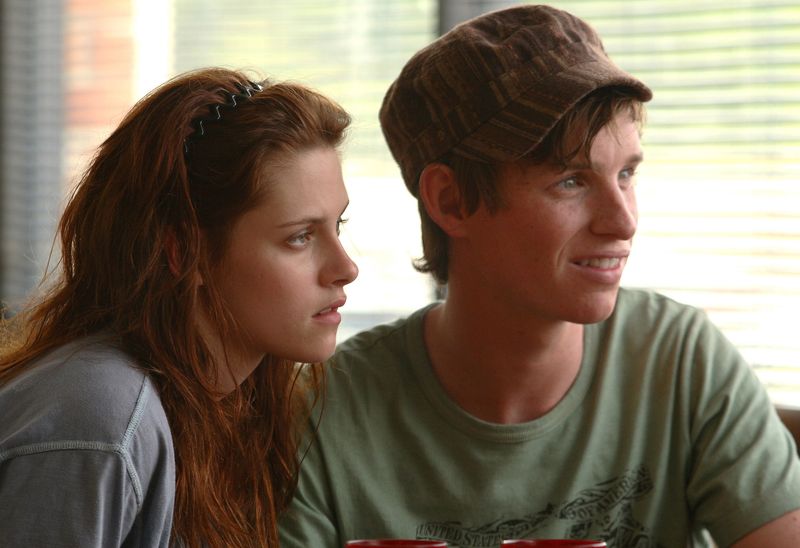
Out of this whole list, this quiet road movie earned some of the friendliest reviews.
Yoji Yamada’s 1977 film starred Ken Takakura as a freed prisoner hoping his wife still waits for him.
The American version moved the trip to Louisiana.
William Hurt plays the former inmate, with Kristen Stewart and Eddie Redmayne as two young travelers who join him.
Maria Bello co-stars, and Udayan Prasad directed.
The film premiered at Sundance in 2008 but didn’t reach U.S. theaters until 2010.
It holds 64 percent on Rotten Tomatoes and 64 on Metacritic.
Critics praised the performances, especially Hurt and Stewart, while noting the small, familiar story sometimes moved too slowly.
That makes it the definition of mixed in the best sense.
The heart of the story survived the trip across the ocean, even if some reviewers wanted more spark.
The famous final image, a line of yellow cloth fluttering outside a home, works in both versions.
It’s a lovely pick for a slow Sunday when you want hope without heavy drama.
9. Apartment 1303 3D
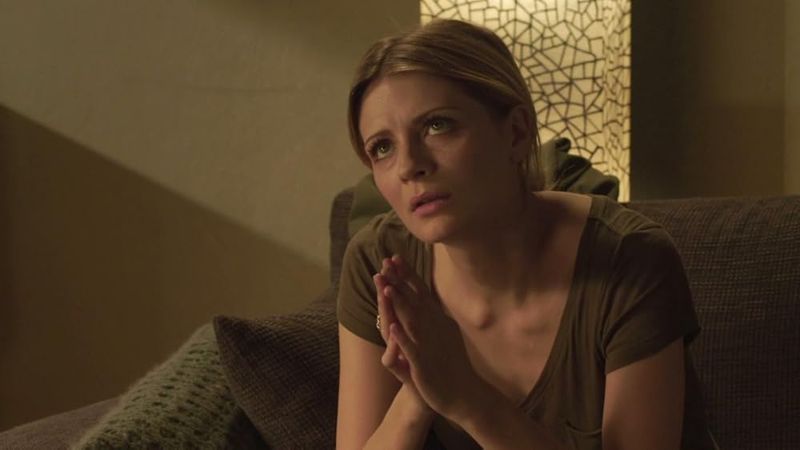
Moving into a cheap apartment with a scary backstory is a classic horror setup.
Ataru Oikawa’s 2007 Japanese film built its scares around a cursed unit high in a tower.
The 2012 remake added 3D and moved the action to Detroit.
Mischa Barton, Rebecca De Mornay, and Julianne Michelle starred, with Michael Taverna directing.
Critics practically lined up to pan it.
The film sits at around 8 percent on Rotten Tomatoes, and Justin Chang of Variety called it an inept and derivative tale.
Reviewers knocked the stiff acting and a plot many found more funny than frightening.
The 3D gimmick didn’t help much either.
Calling this one mixed is generous, honestly.
It belongs on the list as a reminder that a famous face and a spooky premise can’t do the heavy lifting alone.
If you enjoy so-bad-it’s-fun movie nights with friends, it might still have a place in your queue.
For real chills, though, the Japanese version is the better visit to that apartment.
10. One Missed Call
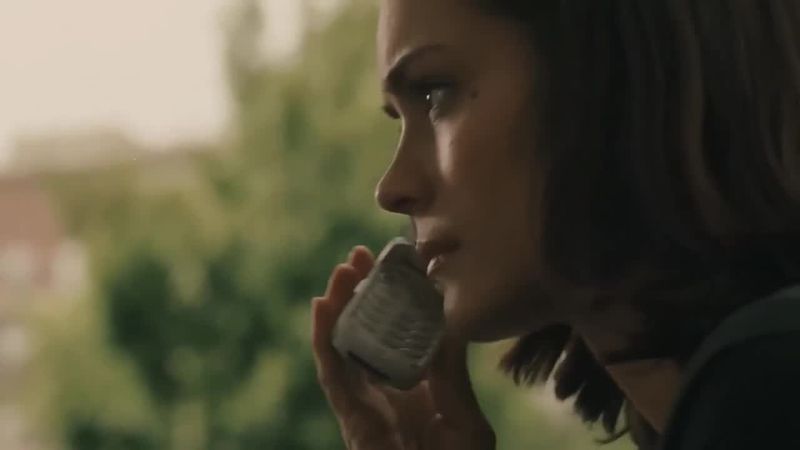
A zero on Rotten Tomatoes is almost impossible to earn, and One Missed Call managed it.
Not one counted critic gave the 2008 remake a fresh review.
Takashi Miike, known for bold and wild films, directed the 2003 original, Chakushin Ari.
Its hook was simple: victims get voicemails from their own future selves, dated days ahead.
French director Eric Valette took on the American version.
Shannyn Sossamon and Edward Burns starred as a student and a detective racing to stop the curse.
Critics called it dull and recycled, a late arrival after a wave of J-horror remakes.
Some writers named it among the weakest of that whole trend.
Timing played a role too.
By 2008, audiences had already seen cursed tapes, haunted houses, and spooky internet ghosts, so a cursed ringtone felt familiar.
Miike’s original isn’t perfect, but it has odd energy and a sharp jab at TV sensationalism.
If you’re a fan of flip phones and early 2000s tech, the original makes a nostalgic, creepy watch.
11. The Ring Two
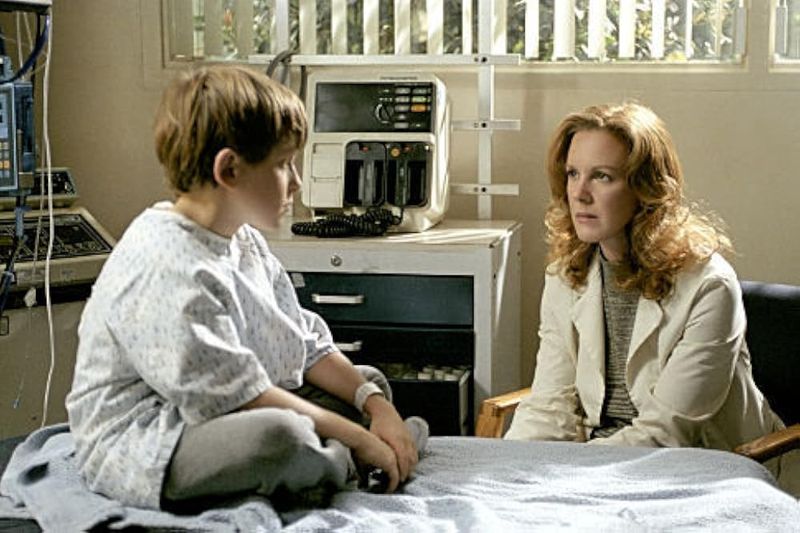
Hiring the creator of the original to direct the sequel sounds like a safe bet.
DreamWorks brought in Hideo Nakata, who made Ringu in 1998, for The Ring Two in 2005.
Naomi Watts returned as reporter Rachel Keller, now living in Astoria, Oregon, with her son.
The story is mostly new, though it borrows a few ideas from Nakata’s Japanese sequels.
The results disappointed many critics.
It holds about 21 percent on Rotten Tomatoes, and the consensus blamed a dull script full of absurd moments.
Metacritic was gentler with a 44, landing it in mixed territory.
Reviewers often singled out a strange scene with angry deer as a moment that tipped into silliness.
The film still opened big at the box office.
Audiences clearly wanted more of the cursed videotape, even if the follow-up didn’t satisfy them.
For the strongest version of this story, Ringu remains the classic.
Nakata’s slow build and that final television scene changed horror movies around the world.
12. Oldboy
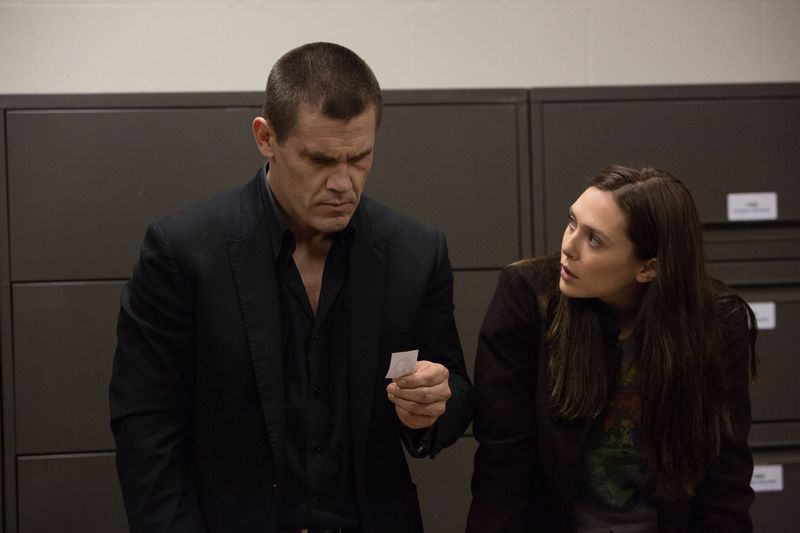
Remaking a cult favorite is a tough job, and Spike Lee took on a doubly famous story.
Oldboy began as a Japanese manga by Garon Tsuchiya and Nobuaki Minegishi.
Park Chan-wook’s 2003 South Korean film then turned it into a worldwide hit.
Lee’s 2013 American version starred Josh Brolin, Elizabeth Olsen, and Sharlto Copley.
The plot follows a man held captive in a room for 20 years with no explanation.
Once released, he hunts for answers, and things get darker from there.
Critics were split, with about 39 percent on Rotten Tomatoes and a 49 on Metacritic.
The consensus called it grim yet safe, saying it neither surpassed nor added much to the earlier film.
Lee publicly noted that his preferred cut was longer than the version that reached theaters.
That detail adds an interesting wrinkle when you judge the final product.
If you track this story to its roots, read the manga first.
Then watch Park’s film, which keeps an intensity that’s hard to copy.
13. Rings
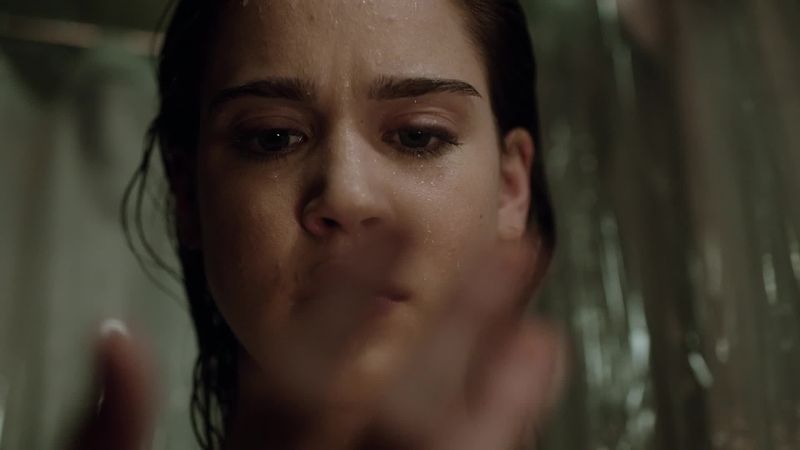
Twelve years passed between The Ring Two and the next American chapter.
Rings finally arrived in 2017, after several delays.
This third film grew out of the universe built on Koji Suzuki’s novels and Nakata’s Ringu.
F.
Javier Gutiérrez directed, with Matilda Lutz, Alex Roe, Johnny Galecki, and Vincent D’Onofrio in the cast.
The update moves the cursed tape into the digital age.
A professor studies the video, and students pass it around on laptops instead of VHS.
Critics weren’t impressed.
The film holds about 7 percent on Rotten Tomatoes, with a consensus describing an endless loop of muddled mythology and rehashed plot points.
Metacritic gave it 25, pointing to generally unfavorable reviews.
Some reviewers felt the long gap between sequels drained the excitement from the franchise.
It’s a good lesson in how fragile horror trends can be.
What felt fresh in 2002 looked dated by 2017, and even a clever tech update couldn’t fix that.
14. Dragonball Evolution
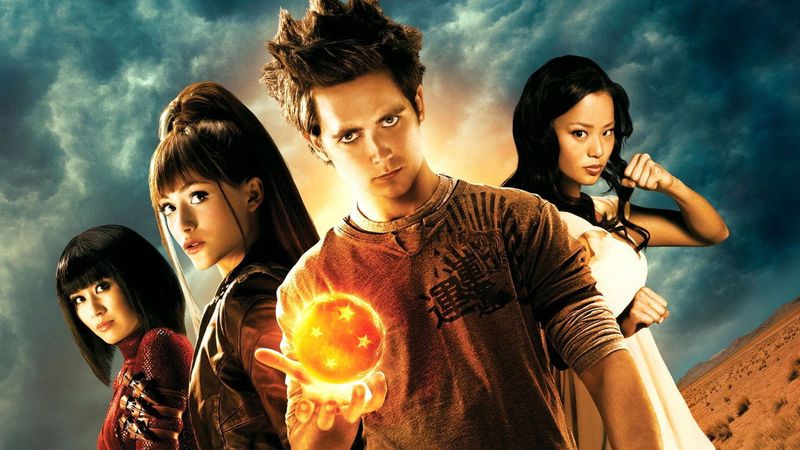
A screenwriter apologizing to fans is something you rarely see.
Ben Ramsey, who wrote Dragonball Evolution, did exactly that in a public statement years after its 2009 release.
The film adapted Akira Toriyama’s beloved Dragon Ball manga.
Justin Chatwin played Goku, reimagined as an American high school student, with Chow Yun-fat as Master Roshi.
James Wong directed, and fans quickly noticed major changes to characters and tone.
Many viewers felt the playful spirit of the source material had vanished.
Critics agreed, with only about 14 percent positive reviews on Rotten Tomatoes.
The consensus said it lacked the magic that made the books a cult sensation.
Oddly, Metacritic listed it at 45, technically in the mixed zone, based on just a handful of reviews.
Among fans, though, it’s often called one of the weakest anime adaptations ever made.
The best way to enjoy Dragon Ball is still the original manga or the long-running anime.
Recent films like Dragon Ball Super: Super Hero show what the series looks like in the right hands.
15. Speed Racer
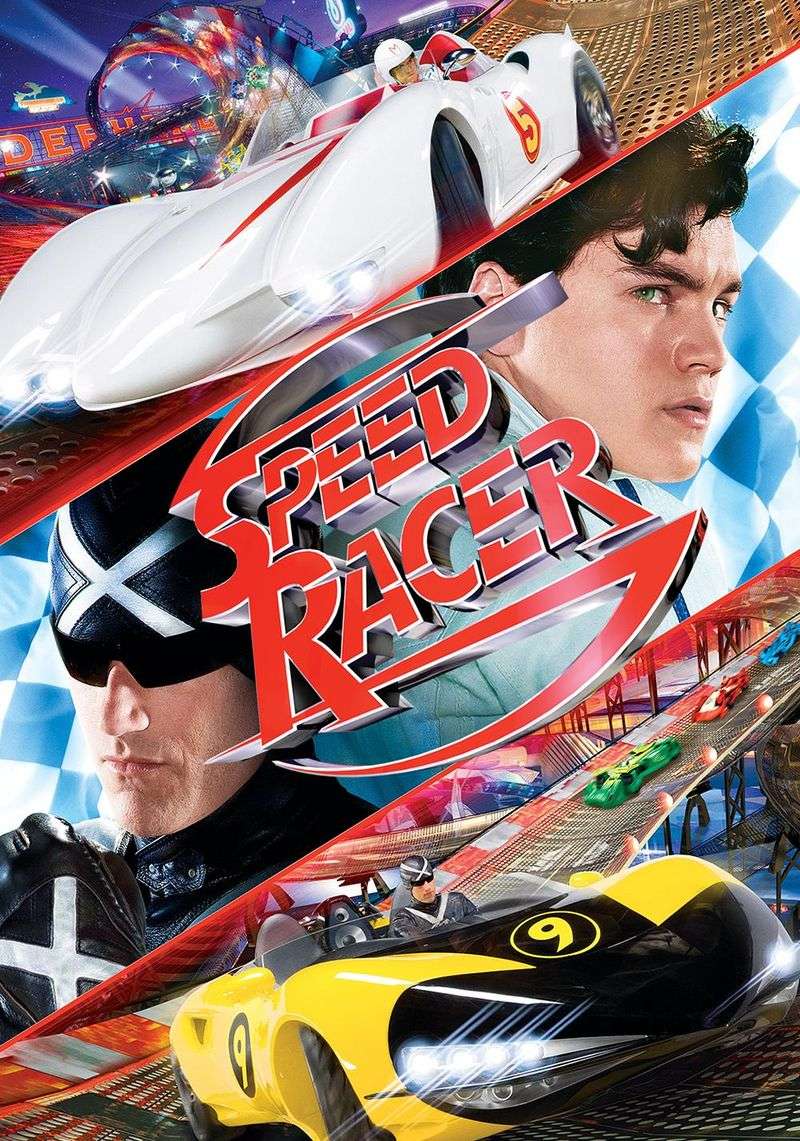
Candy-colored race tracks that loop through the sky made Speed Racer look unlike anything else in 2008.
The Wachowskis, fresh from The Matrix trilogy, built a world that looked like a video game exploding.
The source was Mach GoGoGo, a 1960s Japanese manga and anime by Tatsuo Yoshida.
American kids knew it as Speed Racer, complete with that catchy theme song.
Emile Hirsch starred, alongside Christina Ricci, John Goodman, and Susan Sarandon.
The film went big on digital effects and wild camera work.
Critics were divided, giving it 41 percent on Rotten Tomatoes and 37 on Metacritic.
The consensus praised the visuals but said the story got lost under the effects.
Since then, the film has picked up a loyal fan base that defends its bold style.
Some viewers who found it overwhelming in 2008 now see it as ahead of its time.
If bright colors and nonstop motion sound like your kind of fun, give it a fresh look.
Just maybe skip the giant bag of sugary snacks.
16. Astro Boy
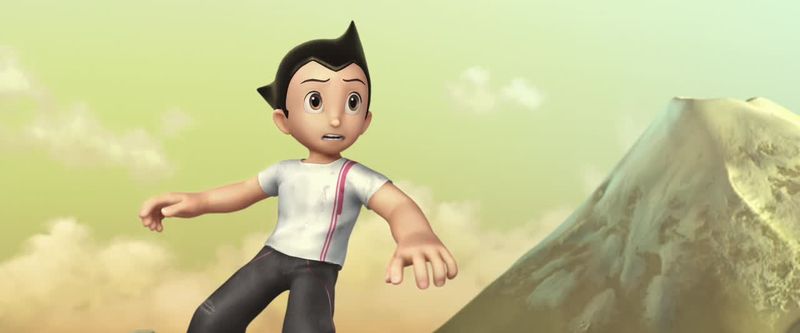
Osamu Tezuka’s robot boy first appeared in manga in the early 1950s.
He later starred in a groundbreaking 1963 TV anime that helped shape Japanese animation.
In 2009, Imagi Animation Studios released a CGI film directed by David Bowers.
Freddie Highmore voiced Astro, with Nicolas Cage as his creator, Dr. Tenma, and Kristen Bell also in the cast.
The story follows a robot built to replace a scientist’s lost son.
Astro then has to find his place in a world that isn’t sure what to do with him.
Critics sat right in the middle, with 51 percent on Rotten Tomatoes and 53 on Metacritic.
Reviewers said it wasn’t very original but offered enough visual thrills for kids.
The film struggled at the U.S. box office, and Imagi closed soon after.
That makes it a bittersweet footnote in animation history.
For families, it’s a perfectly fine weekend pick.
Older viewers who want deeper themes should look up Tezuka’s manga, which handles big questions about humanity with surprising care.
17. Ghost in the Shell
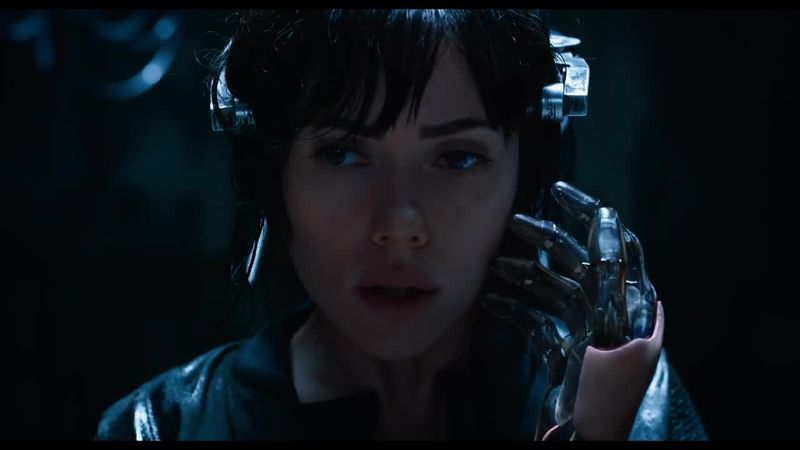
Giant holographic ads towering over a neon city were the selling point of the 2017 Ghost in the Shell.
The look was stunning, and even critics who disliked the film usually admitted that.
Masamune Shirow’s manga started the story, and Mamoru Oshii’s 1995 anime made it a sci-fi landmark.
Rupert Sanders directed the live-action version with Scarlett Johansson as the Major.
Takeshi Kitano and Juliette Binoche co-starred.
The casting of Johansson sparked a widely reported whitewashing debate before release.
Reviews came in mixed, at 43 percent on Rotten Tomatoes and 52 on Metacritic.
Critics praised the visuals but felt the story lacked the original’s big ideas about identity and technology.
That’s the core problem in a nutshell.
The 1995 anime asks what makes someone human, while the remake spends more energy on action set pieces.
Watch the 1995 film first if you’re new to the series.
Then see the remake for its city design, and decide for yourself whether pretty pictures can make up for a thinner story.