 MomSkoop
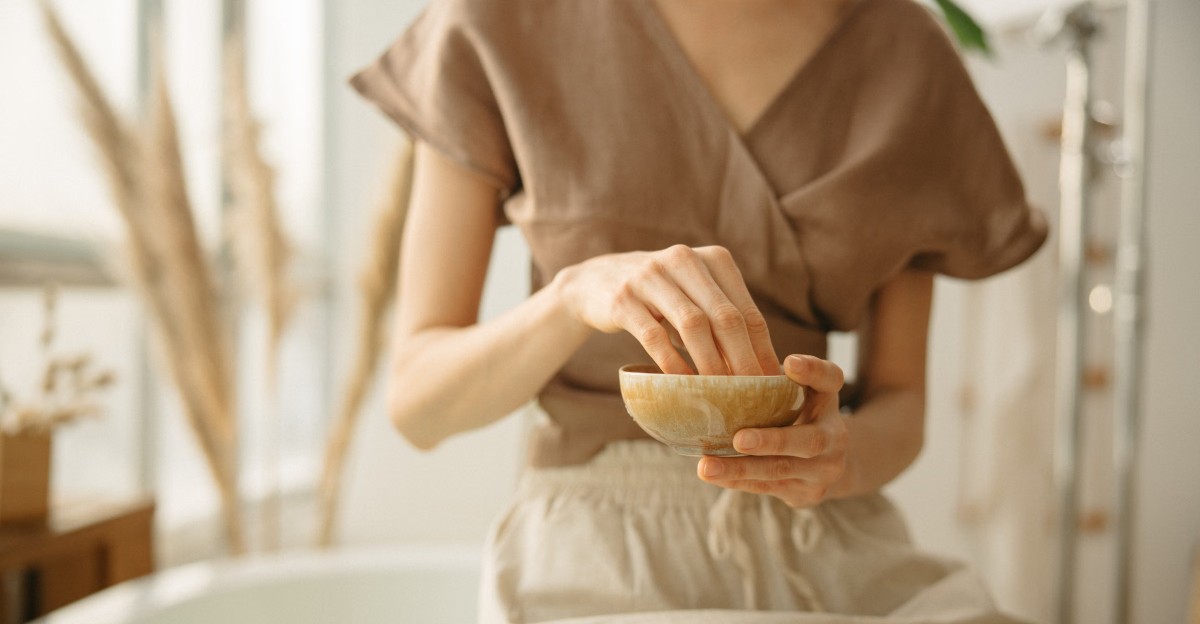
Cold cream got its name because the water in it evaporates on your skin and leaves a cool feeling behind. Your grandmother probably knew that chill well, even if she never explained the chemistry. Plenty of her other habits came straight from the kitchen cabinet or the linen closet. Some sound a little odd today, yet several of them hold up surprisingly well.
So many of these tricks cost almost nothing and use things already sitting in your pantry. That’s the part that makes them worth a second look, especially when beauty shelves keep getting more crowded and more expensive. Not every old remedy deserves a comeback, of course, and a few need some modern tweaks.
1. A Vinegar Rinse for Shiny Hair

Long before clarifying shampoos lined store shelves, a splash of apple cider vinegar in a pitcher of water did the job.
Grandmothers poured it over freshly washed hair and swore by the shine.
The idea still makes sense.
Diluted apple cider vinegar can help clear away product buildup on your scalp, and many people notice smoother, glossier strands afterward.
The key word is diluted.
Straight vinegar is strong enough to irritate skin, so mix a small amount, about a tablespoon or two, into a cup or more of water.
Pour the mix over your hair after shampooing, let it sit for a minute, and rinse it out with plain water.
The tangy smell fades as your hair dries, so you won’t walk around smelling like a salad.
Some people also use a very weak vinegar mix as a facial toner.
If you try that, test a small spot first and stop if your skin stings or turns red.
Once a week or so is plenty for most hair types.
Think of it as a reset button, not a daily ritual, and keep the bottle handy in your shower caddy.
2. Petroleum Jelly for Lips, Hands, and Cuticles
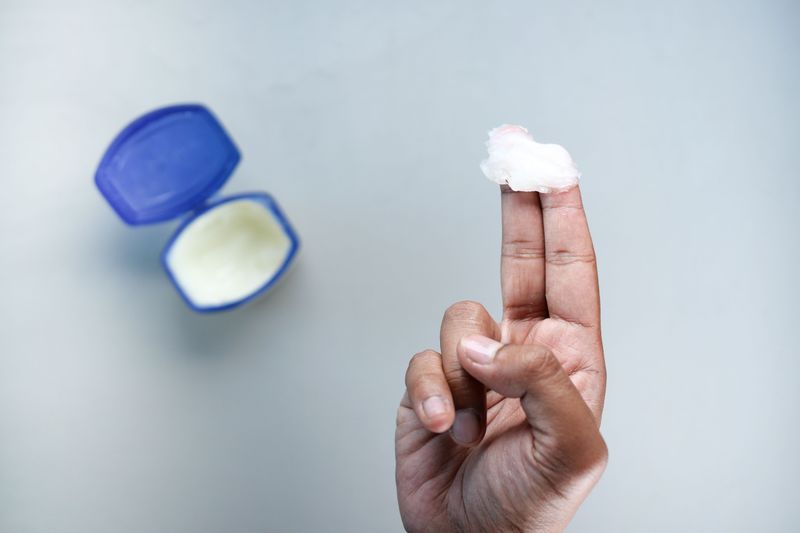
That little blue-lidded jar has lived in bathroom cabinets for generations, and it hasn’t gone anywhere.
Vaseline was patented by Robert Chesebrough back in 1872, which makes it older than the light bulb.
Grandma dabbed it on chapped lips, cracked heels, and rough knuckles.
She was onto something, because petroleum jelly forms a seal on top of skin that helps hold moisture in.
That seal is why it works so well on dry patches and minor irritation.
It doesn’t add water itself, so it shines brightest when applied over damp skin right after washing.
Try rubbing a little into your cuticles before bed.
You can also smooth some onto your hands and slip on cotton gloves for an overnight softening session.
Many people also brush a tiny bit onto their lashes for moisture.
Just know that it won’t make lashes grow longer, despite what some old tips claim.
One caution for faces: if you’re prone to acne, heavy use on your face may trigger breakouts.
Lips, hands, elbows, and feet are much safer territory for this thick, budget-friendly classic.
3. Olive Oil as a Hair and Skin Treat

Pull a bottle from the kitchen and you’ve got a hair mask, a cuticle softener, and a body moisturizer in one.
Families around the Mediterranean have used olive oil on skin and hair for a very long time.
Olive oil contains antioxidants, and it helps seal moisture into your strands.
That can mean less frizz and softer, shinier hair, especially if yours is thick or dry.
For a simple treatment, warm a spoonful between your palms and work it through the ends of your hair.
Leave it on for twenty to thirty minutes, then shampoo well, maybe twice.
Fine hair can feel greasy and flat after an oil treatment, so start with less than you think you need.
You can always add more next time.
On skin, olive oil works nicely on dry elbows, knees, and cuticles.
A few drops rubbed into your nails at night make an easy habit to pick up.
Faces are trickier.
Heavy use can clog pores or worsen acne for some people, so keep it to your body if you break out easily, and save the rest for your salad.
4. Cool Cucumber Slices for Tired Eyes
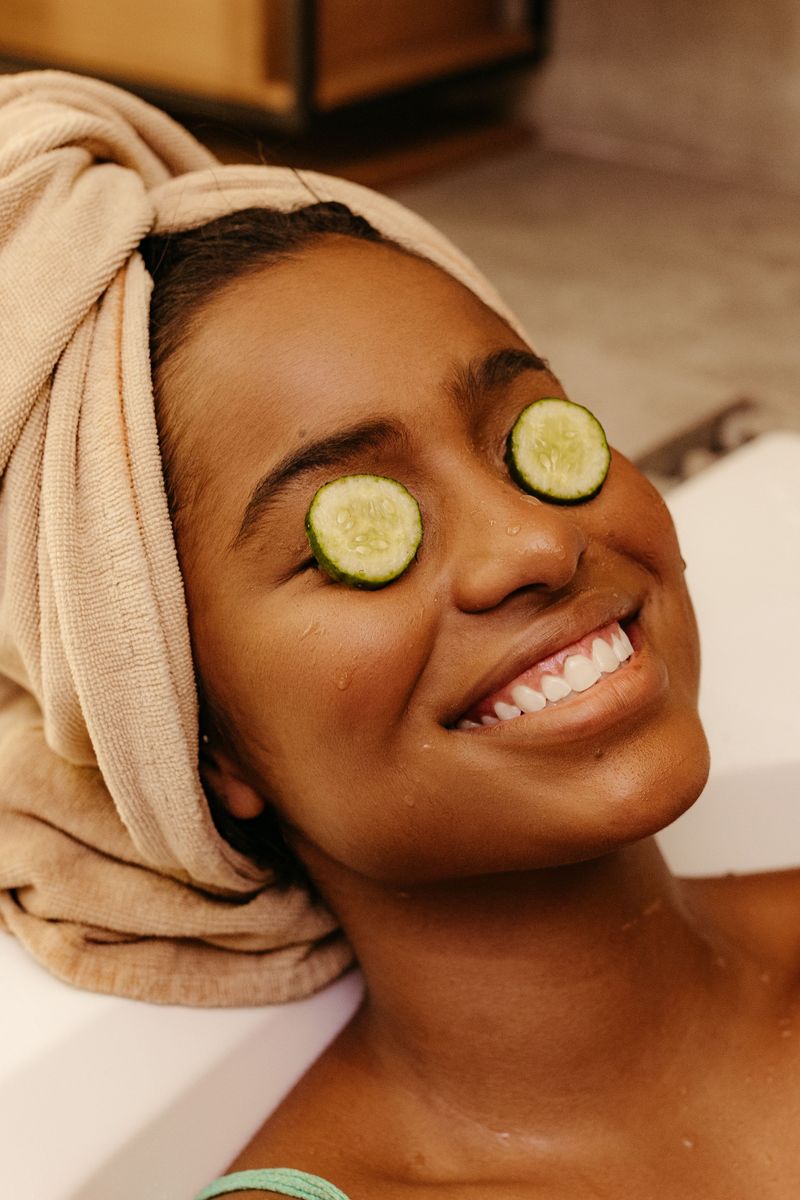
Cartoon spa scenes made this one famous, but grandmothers were doing it long before TV caught on.
Two chilled cucumber slices, ten quiet minutes, and the world feels a little calmer.
The cold is doing most of the work.
Coolness helps narrow small blood vessels near the surface, which can ease puffiness around your eyes.
Cucumbers are also mostly water, so they feel refreshing on thin, delicate skin.
They contain vitamin C and vitamin K too, which adds to their reputation as a soothing pick.
To try it, slice a cucumber fairly thick and chill the pieces in the fridge for at least half an hour.
Lie down, close your eyes, and set the slices in place.
Swap them for fresh cold slices when they warm up.
A short rest like this can help when dark circles come from being tired, though it won’t change circles you inherited from your family.
Bonus points for the excuse to lie still and do nothing.
Grandma may have been quietly sneaking a nap, and honestly, that sounds like the smartest part of the whole routine.
5. An Egg White Mask for a Quick Tightening

Breakfast ingredients doubling as skincare sounds a bit silly, yet the egg white mask refuses to retire.
Grandmothers brushed it on before a dance or a big family photo.
As the egg white dries, it forms a thin film that pulls the top layer of skin snug.
That’s why your face feels firm and your pores look smaller while it’s on.
Here’s the honest part.
Pores don’t actually shrink for good, and the tightening fades once you rinse the mask away.
Still, a temporary boost can be fun before an event.
The mask can also help soak up extra oil and lift away surface grime, which oily skin types often appreciate.
Separate one egg, whisk the white until it’s slightly foamy, and paint a thin layer on clean skin.
Wait about fifteen minutes, until it feels stiff, then rinse with lukewarm water.
Skip it if you have an egg allergy.
Also keep raw egg away from your mouth and wash your hands and bowl well afterward, just as you would after cracking eggs for cookies.
6. Baking Soda as a Mild Scrub
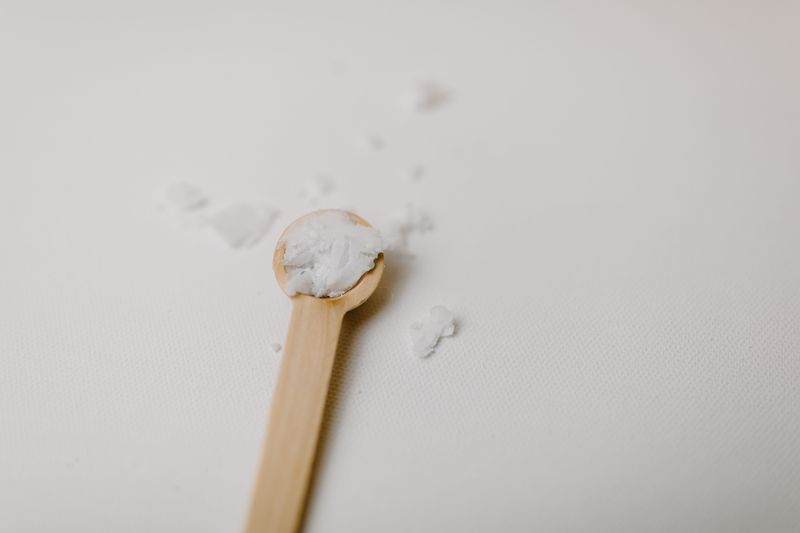
That orange box in the fridge was never just for odors.
Plenty of grandmothers scooped some out, added a splash of water, and turned it into a quick scrub.
Baking soda is made of fine particles, so a paste gives you light friction to buff away dead skin.
Some people also use it to calm small bits of itching or redness.
A little caution goes a long way here.
Baking soda is alkaline, and your skin naturally leans slightly acidic, so frequent use on your face can leave it dry or irritated.
A smarter approach is to save it for rougher areas like elbows, knees, and heels.
Mix about one part water to three parts baking soda and massage gently, without scrubbing hard.
Rinse completely and follow up with a moisturizer right away.
That step helps put back the moisture a scrub can take away.
If you have sensitive skin, eczema, or any open cuts, pass on this one.
A soft washcloth works as a fine backup, and the box can go right back to keeping the fridge smelling fresh.
7. Oatmeal Baths for Itchy, Dry Skin
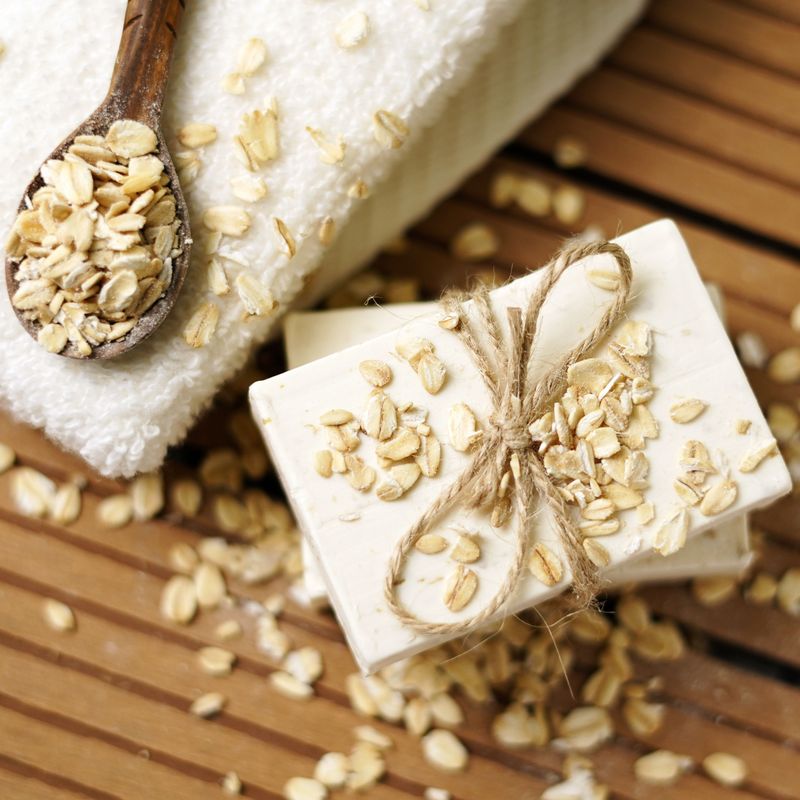
Few things feel as comforting as a breakfast staple that also settles itchy skin.
Grandma’s oatmeal bath was the go-to for bug bites, sunburn, and scratchy winter legs.
The modern version uses colloidal oatmeal, which is oats ground into a very fine powder.
It even shows up on drugstore labels as an approved skin protectant in the United States.
Oatmeal helps form a thin protective layer that holds water in your skin.
That can ease dryness, redness, and itching, and many people with eczema use it during flare-ups.
You can buy colloidal oatmeal or make your own.
Blend plain, unflavored oats in a blender until they turn into a soft powder that clouds water when stirred.
Sprinkle about a cup into a lukewarm bath and soak for fifteen minutes.
Hot water dries skin out, so keep the temperature comfortable rather than steamy.
Pat yourself dry instead of rubbing, then apply moisturizer while your skin is still damp.
And skip the brown sugar and cinnamon, because this is one bowl of oats nobody needs to eat.
8. Rice Water for Hair and Skin
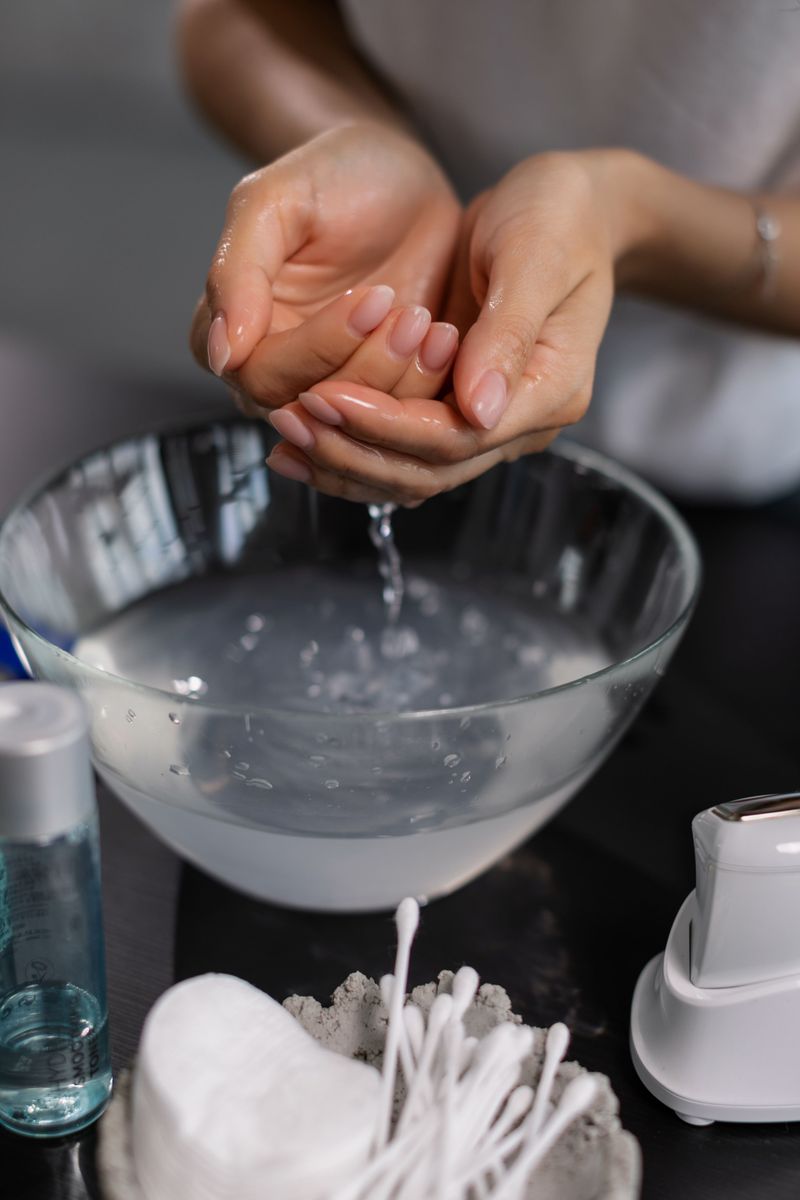
Pouring rice water down the drain might feel like tossing out a beauty treatment.
In parts of East Asia, women have rinsed with it for centuries, and the Red Yao women of Huangluo, China, are famous for their very long hair.
The cloudy liquid left after rinsing or soaking rice contains starch and small amounts of nutrients.
Many people use it to make their hair feel stronger and look smoother.
To make some, rinse half a cup of rice once to clean it.
Then soak it in two cups of water for about thirty minutes, strain, and keep the liquid.
After shampooing, pour it through your hair, leave it for a few minutes, and rinse.
Once a week is a good starting point, since too much can leave some hair feeling stiff.
Rice water is also popular as a gentle face rinse, and many people like how soft it leaves their skin.
Test a small patch first if your skin reacts easily.
Store leftovers in the fridge and use them within a few days.
Fermented batches smell strong, so your nose will tell you when time is up.
9. Cold Cream for Melting Makeup
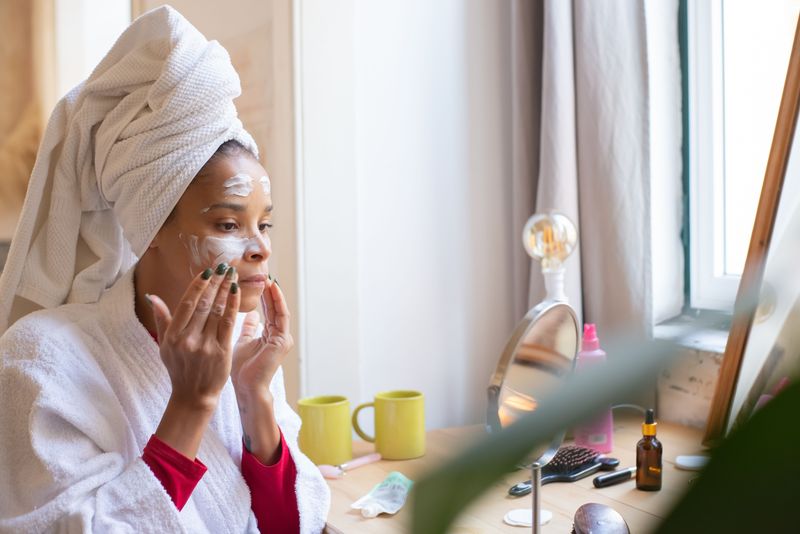
Old movies loved a scene with a heroine at her vanity, face covered in white cream.
That was cold cream, and it was a nightly ritual for many women in the mid-1900s.
The basic recipe dates back to Galen, a Greek physician in the second century.
He mixed oils, beeswax, and rosewater, and the name comes from the cool feeling the evaporating water leaves behind.
Cold cream works because oil dissolves oil.
Makeup, sunscreen, and grime break down in it, so they wipe away easily.
It also leaves moisture behind, which makes it a solid pick for dry skin.
Oily or acne-prone skin may prefer a lighter cleanser, though.
To use it, smooth a layer over dry skin and massage for a minute.
Wipe it off with a soft, damp washcloth, and take your time around your eyes.
Plenty of people now follow it with a gentle face wash to remove any leftover film.
Modern cleansing balms and oils work on the same idea, so Grandma was basically ahead of the curve.
10. A Silk Pillowcase for Smoother Mornings

Waking up with a crease running down your cheek and a bird’s nest on your head is a rough start.
Grandmothers who wrapped their hair in silk scarves at night had a simple answer.
Silk is smooth, so hair and skin glide across it instead of tugging.
That means fewer tangles, less frizz, and fewer of those sleep lines on your face in the morning.
It also soaks up less moisture than cotton.
Your hair keeps more of its natural oils, and your night cream stays on your face instead of in the fabric.
Curly and textured hair often benefits the most.
Many people find their styles last an extra day or two with less morning fixing.
A silk scarf or bonnet offers the same smooth surface and usually costs less.
Satin, often made from polyester, is a washable option if real silk isn’t in your budget.
Care matters, since silk is delicate.
Wash it in cool water with a mild detergent, skip the bleach, and air-dry it, and it should keep you smooth for many nights ahead.