 MomSkoop

Knowing where your main water shut-off valve sits can turn a flooded kitchen into a mild annoyance. Most people walk past that little handle for years without giving it a single thought. Small skills like that one quietly decide how much you can handle on your own. Cooking a simple dinner, reading a bus map, or paying a bill on time all belong in the same toolbox.
I love that none of these abilities require a fancy degree or a big budget. They grow through practice, a bit of patience, and the occasional burnt pancake along the way. The list ahead covers habits that help people stay in charge of their own days, at any age. Some will feel familiar, and a few might nudge you to finally find that valve.
1. Personal Care and Hygiene

A fresh shirt and brushed teeth won’t win you any trophies, but they quietly set the tone for the whole day.
Personal care covers bathing, grooming, dressing, and looking after your teeth and gums.
These tasks matter for more than appearance.
Washing your hands and keeping skin clean lowers the chance of infections and irritation.
Clean clothes simply feel better against your skin, and many people find they carry themselves with more confidence when they feel put together.
Routines help here.
You might shower at the same time each evening, lay out tomorrow’s outfit, or keep a toothbrush timer near the sink.
Small anchors like these make the habit automatic instead of another decision to juggle.
Choice is a big part of this skill, too.
Picking your own hairstyle, clothes, and products keeps you in control of how you present yourself.
If you help a family member with care, letting them make those calls protects their dignity.
Tools can make a real difference when mobility changes.
Long-handled sponges, shower chairs, electric toothbrushes, and button hooks let many people keep handling their own routines.
Using a helpful gadget is still doing it yourself, just with a clever sidekick.
2. Meal Planning and Cooking

Scrambled eggs count as cooking, so congratulations if you’ve already started.
Feeding yourself is one of the most practical skills on this list, and it starts well before the stove gets hot.
Planning comes first.
Jot down a few meals for the week, check what’s already in the fridge, and build a grocery list from there.
Comparing prices at the store and choosing store brands when they suit you can stretch a budget nicely.
Once you’re home, a handful of basic recipes goes a long way.
A pot of soup, a sheet pan of roasted vegetables, and a simple pasta dish can rotate through many weeknights.
Leftovers become tomorrow’s lunch, and creative swaps keep things interesting when an ingredient runs out.
Kitchen safety deserves its own moment.
Learn how your oven, microwave, and stovetop work, and keep pot handles turned inward.
Store raw meat on the bottom shelf so juices don’t drip onto other food.
Cooking at home also lets you shape meals around your own tastes and nutrition needs.
You decide the salt, the spice, and the portion size.
That control is hard to get from a takeout menu, though nobody’s banning pizza night.
3. Money Management

Money has a sneaky habit of disappearing when nobody’s watching it.
Keeping an eye on it is less about math skills and more about paying attention.
A simple budget is the starting point.
List what comes in, whether that’s wages, benefits, or savings, and then list what goes out.
Seeing both columns side by side often reveals surprises, like three streaming services you forgot about.
Next, sort spending into needs and wants.
Rent, utilities, groceries, and medicine land in the first group.
Concert tickets and fancy coffee belong in the second, which doesn’t make them bad, just optional.
An emergency fund acts like a cushion for life’s curveballs.
Even a small amount set aside each payday can help with a surprise car repair or medical bill.
Automatic transfers make saving easier because the money moves before you can spend it.
Paying bills on time and checking bank statements round out the skill.
Many banks let you set up alerts for low balances or due dates.
Handling debt carefully, especially credit card balances, protects your options down the road.
Budgets look different at every income level, and that’s fine.
4. Keeping a Tidy Home
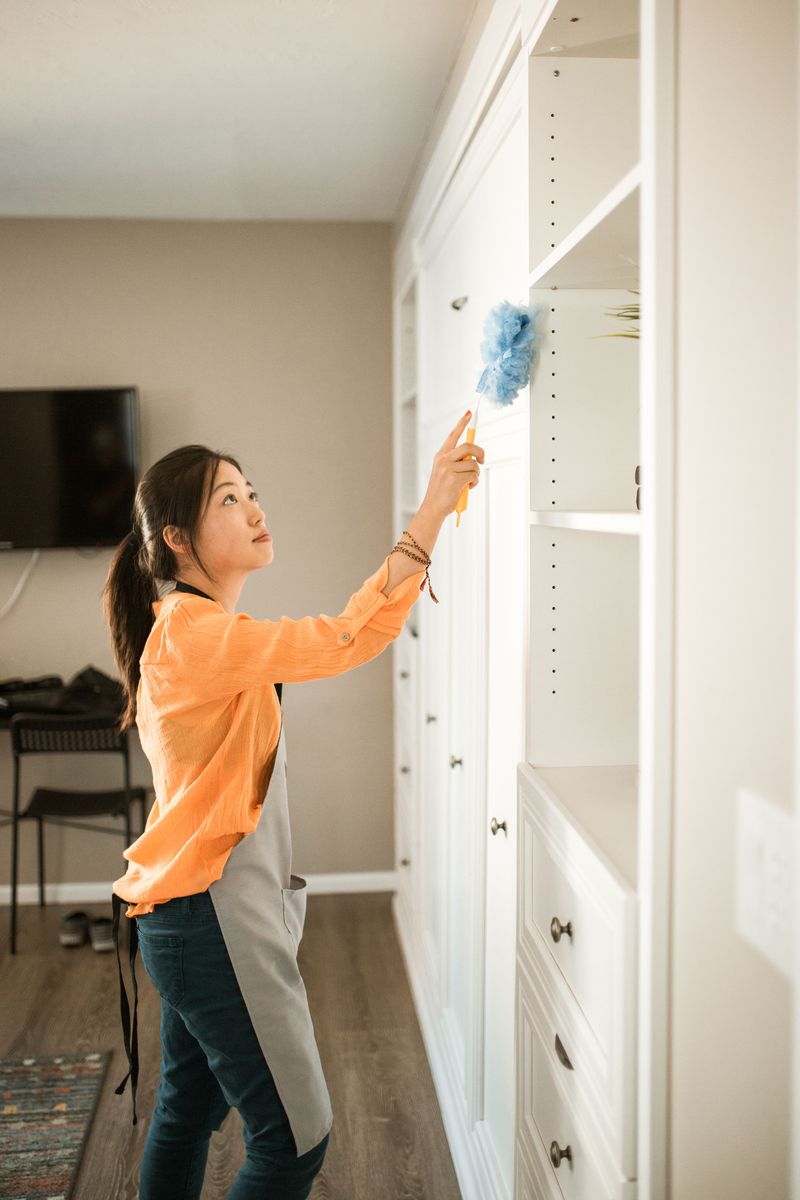
Laundry is the one chore that never truly ends, and somehow socks still vanish.
Keeping a home in working order covers sweeping, dusting, wiping counters, washing dishes, and handling clothes from hamper to drawer.
Clean doesn’t have to mean spotless.
The real goal is a space that works for you, where you can find your keys and cook without clearing a mountain first.
Tidy floors also mean fewer tripping hazards, which matters for people of any age.
Routines make chores feel lighter.
You could tackle one room per day, run a quick ten-minute reset each night, or pair dishes with a favorite podcast.
Breaking big jobs into small pieces keeps them from piling up into a weekend-long project.
Laundry deserves a quick lesson of its own.
Check care labels, separate darks from lights, and empty the dryer lint trap every load to help it run safely.
Folding right away keeps wrinkles from settling in.
Running your own home also means running it your way.
Maybe you like a minimalist counter or a shelf crowded with books.
Either choice is valid when the space feels livable and safe to you.
5. Getting Around Town

Freedom often looks like a bus pass or a set of car keys.
Being able to get from point A to point B opens the door to jobs, doctor visits, grocery runs, and time with friends.
Public transit takes a little homework.
Learn your local routes, check schedules, and figure out how fares work, whether that’s a card, cash, or a phone app.
Many transit agencies offer trip planners online that map out each step of your ride.
Drivers have their own checklist.
Beyond following road rules, it helps to know how to check oil and tire pressure, top off washer fluid, and change a flat.
A small roadside kit with a flashlight and jumper cables can save a lot of stress.
Other options exist, too.
Walking, biking, ride-share services, and community shuttles for older adults or people with disabilities can fill gaps.
Practicing a new route before an important appointment takes the guesswork out of the big day.
Getting out of the house matters for more than errands.
Regular trips into the community make it easier to stay connected with people and activities you enjoy.
Isolation creeps in quietly when travel feels too hard.
6. Managing Your Health

A weekly pill organizer might be the most underrated gadget in the house.
Managing your own health starts with simple tools like that and grows from there.
Medication is a big piece.
Know what each pill is for, when to take it, and which side effects to watch for.
Phone alarms or a written chart taped inside a cabinet can help keep doses on track.
Appointments matter just as much.
Schedule regular checkups, keep a list of questions ready, and bring a record of your medicines.
Describing symptoms clearly, like when they started and what makes them better or worse, helps your care team understand what’s going on.
Daily movement plays a role, too.
Walking, stretching, and simple strength exercises help keep muscles ready for everyday tasks like climbing stairs or carrying groceries.
Stronger legs and better balance can lower the chance of falls.
Basic first aid rounds things out.
Knowing how to treat a small cut, handle a minor burn, or call for help in an emergency adds real confidence.
Many community centers and Red Cross chapters offer classes.
Finding ways to manage stress, whether through hobbies, rest, or quiet time, belongs here as well.
7. Speaking Up for Yourself

Saying what you need sounds easy until you’re standing at a pharmacy counter with a confusing question.
Clear communication helps people get the right help, make informed choices, and solve problems before they grow.
Start with knowing what you want to say.
Jotting down a few points before a phone call or appointment keeps important details from slipping away.
Simple, direct phrases like I need more time to decide or Can you explain that again work wonders.
Listening counts just as much as talking.
Repeating back what someone said, in your own words, confirms you understood correctly.
It also shows respect, which tends to make conversations smoother.
Self-advocacy means knowing your rights and asking for them politely but firmly.
A student with a hearing impairment might request front-row seating or captioned videos.
An employee might ask for a schedule change around medical appointments.
Good communication also keeps friendships healthy.
Sharing feelings honestly and handling disagreements calmly helps people build a support network they can lean on.
Speech therapy, communication apps, and other supports can help when spoken words are difficult.
Expressing yourself takes many forms, and none of them are wrong.
8. Solving Problems and Making Decisions

Locked out, rained on, and running late is a fun trifecta nobody orders.
Life tosses curveballs constantly, and problem-solving is the skill that keeps you swinging.
A simple four-step process helps.
First, name the problem clearly.
Then brainstorm possible fixes, choose one, and act on it.
That sounds almost too basic, yet writing it out on paper can calm a racing mind.
A quick pros and cons list turns a jumble of worries into choices you can compare.
Asking how each option might play out shows how your actions shape results.
Decision-making grows with practice.
Small kids can choose between two shirts or two snacks, and those little choices build a base for bigger ones later.
Adults keep stretching the same muscle when they pick an apartment, a job, or a phone plan.
Mistakes are part of the deal.
A choice that flops still teaches you something for next time.
Getting input from trusted friends is smart, but the final call stays yours.
Being the one who decides how things get done is a big part of independence.
Even tiny daily choices add up to a life that feels like your own.
9. Managing Your Time

The snooze button has ruined more mornings than any villain in a movie.
Managing time well starts with getting up when you meant to and builds from there.
Routines form the backbone.
A steady wake-up time, regular meals, and a predictable bedtime give the day a shape.
Once those anchors are in place, other tasks fit in more easily.
Calendars and planners keep commitments from slipping.
Paper works great for some people, while others prefer phone apps with reminders.
Writing down appointments the moment you make them saves plenty of last-minute scrambling.
Prioritizing helps when the list gets long.
Pick the two or three tasks that truly matter today and handle those first.
The rest can wait, move to tomorrow, or sometimes vanish entirely because they weren’t that important.
Build in buffer time, too.
Traffic, long lines, and lost shoes happen, so leaving ten extra minutes makes punctuality much easier.
Breaking big projects into smaller steps keeps them from feeling overwhelming.
Balance matters as well.
Work, school, chores, and rest all need space on the schedule.
Blocking off downtime might feel silly, but it protects the hours that recharge you for everything else.
10. Basic Home Repairs

Drip, drip, drip is the soundtrack of a faucet asking for attention.
Handling small repairs yourself can save money and spare you the wait for a service call.
Start with the emergency basics.
Find your main water shut-off valve and learn how to turn it.
If your home has gas, know where the shut-off is and when to leave it to the gas company.
Simple maintenance tasks come next.
Changing your furnace or air conditioner filter on schedule helps the system run properly.
Tightening loose cabinet handles, resetting a tripped breaker, and unclogging a slow drain are all beginner-friendly jobs.
Caulking gaps around windows and tubs keeps out drafts and water.
A tube of caulk and a steady hand can handle most small cracks.
Weatherstripping on doors works in a similar way.
Safety devices need regular checks.
Test smoke and carbon monoxide alarms monthly and replace batteries as the manufacturer recommends.
That small habit can make a big difference.
A basic toolkit helps a lot: screwdrivers, pliers, a hammer, a tape measure, and a flashlight.
Online video tutorials can walk you through many fixes.
Bigger electrical or plumbing problems still belong with licensed pros.
11. Staying Safe and Prepared
Power outages love terrible timing, usually right before dinner.
Being ready for surprises means a blackout becomes an inconvenience instead of a crisis.
An emergency kit is a smart first step.
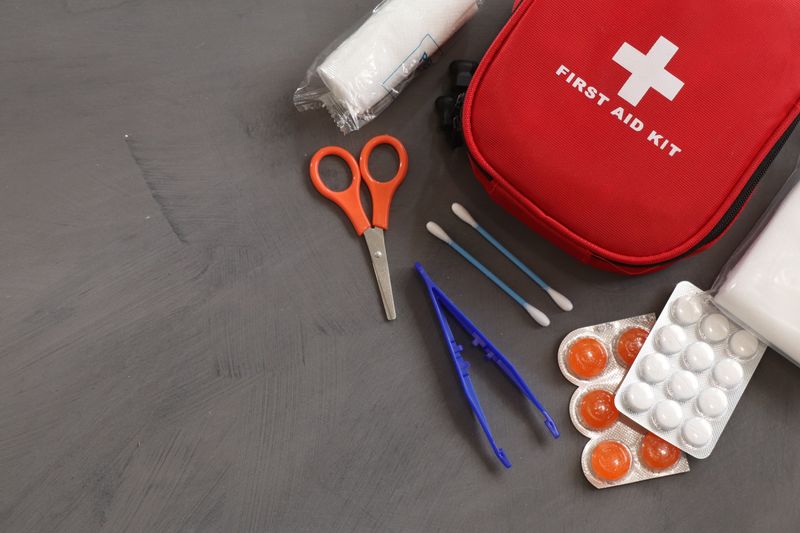
Pack water, nonperishable food, a flashlight, extra batteries, a first aid kit, and any needed medications.
Copies of important documents, like IDs and insurance cards, belong in a waterproof bag inside.
Plans matter as much as supplies.
Know how you’d leave your home quickly and where you’d go.
Also think about sheltering in place during storms, including which room feels safest.
Backup contacts help when phones fail or someone is unreachable.
Write down a few key numbers on paper and share your plan with a trusted friend or relative.
A portable phone charger can keep you connected longer.
Safety awareness extends to daily life, too.
Watch for loose rugs, poor lighting, and slippery tubs at home.
Adding grab bars, night lights, and nonslip mats can reduce fall risks, especially as people age.
Out in the community, stay alert to your surroundings and trust your instincts.
Knowing local emergency numbers and alert systems rounds out a solid safety plan.
12. Using Technology With Confidence

Video calls turned tablets into the new family kitchen table for plenty of households.
Feeling comfortable with technology opens doors to banking, shopping, job searches, health portals, and chats with loved ones.
Start with the basics.
Learn how to send messages, make video calls, and search the web for reliable information.
Saving and organizing files, like photos and documents, keeps important things easy to find later.
Online safety is a big piece.
Use strong passwords, turn on two-step verification when available, and think twice before clicking strange links.
Scam messages often pretend to be banks or delivery companies, so contact the company directly if something feels off.
Troubleshooting is a skill worth building.
Restarting a device, checking Wi-Fi, and updating apps solve a surprising number of problems.
Searching your exact error message online often leads straight to a fix.
Programs like word processors and spreadsheets help with work, school, and personal budgets.
Libraries and community centers frequently offer free classes for beginners.
Technology keeps changing, so curiosity helps more than perfection.
Learning one new feature at a time keeps things manageable.
And yes, asking a teenager for help still counts as independence.