 MomSkoop
In 1988, Studio Ghibli sent Japanese audiences home from a double bill with a fluffy forest spirit and a heartbreaking wartime tragedy. That pairing amazes me, since I can guess how stunned those families felt. Animation often gets filed under kid stuff, yet filmmakers have used drawings, clay, and puppets to explore war, addiction, grief, and memory for decades. Some of these films earned R ratings, while others carry gentle-looking PG labels that hide creepy moments.
That gap between how a movie looks and what it says matters to parents, teens, and anyone planning a movie night. A quick check of ratings and themes can save you from an awkward evening on the couch. The list below covers sci-fi, horror, documentary, and fantasy from Japan, Europe, Israel, and the United States. Which of these would you hand to a ten-year-old, and which would you keep on a high shelf?
1. Grave of the Fireflies
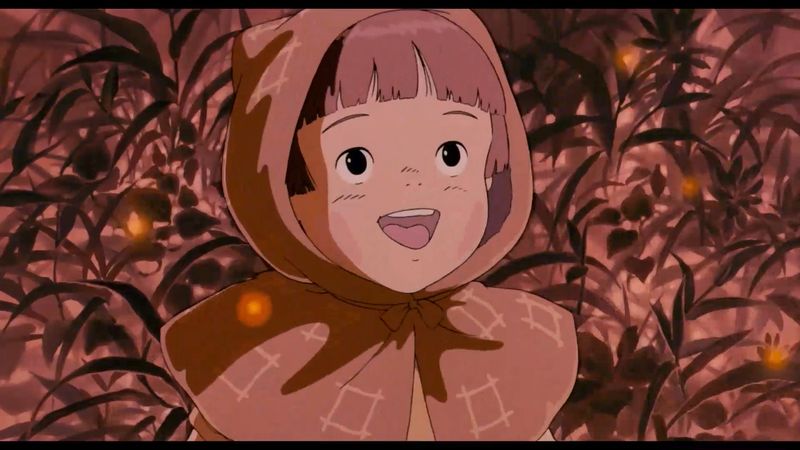
A small tin of fruit drops turns into one of the saddest objects in film history here.
Studio Ghibli released this story in Japan on April 16, 1988, with Isao Takahata directing.
The plot follows two siblings, Seita and Setsuko, after air raids leave them without a home near the end of World War II.
They try to survive on their own, and hunger slowly closes in on them.
Takahata adapted a short story by Akiyuki Nosaka, who drew on his own wartime childhood.
That personal root explains why the film feels so quiet and specific instead of preachy.
Interestingly, Takahata pushed back on calling it simply an anti-war film.
He focused on the two children and their choices, which makes the heartbreak feel personal rather than political.
You won’t find swearing or graphic gore, yet many adults rank this among the most emotionally crushing movies they’ve watched.
Young kids may not have the tools to process the loss and starvation shown on screen.
If you plan to share it with a teen, leave time afterward to talk.
Keep tissues nearby, and maybe a lighter Ghibli title queued up for the next night.
2. Persepolis
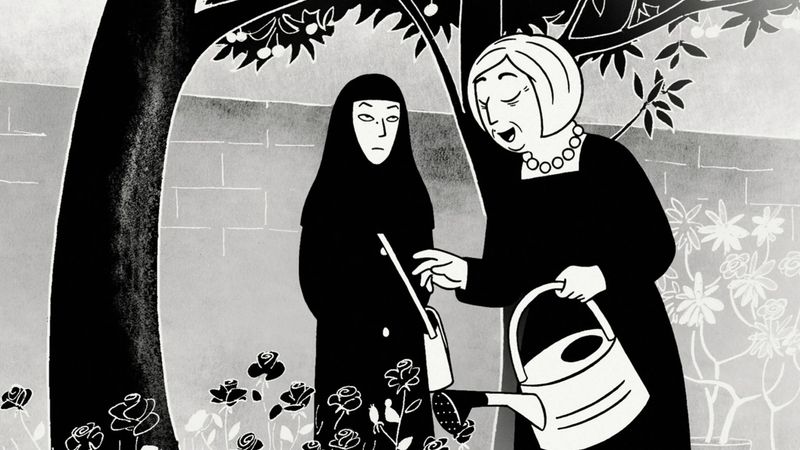
Punk rock, Iron Maiden fandom, and a revolution make a strange but powerful mix in this memoir on screen.
Marjane Satrapi co-directed it with Vincent Paronnaud, adapting her own autobiographical graphic novel.
Young Marji grows up in Iran during the 1979 revolution and the war with Iraq that followed.
She watches relatives get arrested, sees bombings change her neighborhood, and pushes against strict rules about how girls should act.
Later, her family sends her to Europe, where loneliness and culture shock hit hard.
The film treats exile as its own kind of struggle, not a simple happy escape.
The stark black-and-white style mirrors the look of Satrapi’s books.
It premiered at Cannes in 2007, shared the Jury Prize there, and later earned an Oscar nomination for Best Animated Feature.
In the United States, the MPAA gave it a PG-13 for violent images, sexual references, language, and brief drug content.
That rating fits, since the tough moments are real but never shown for shock value.
For older teens curious about modern history, this works as a great entry point.
Expect laughs, too, because Marji’s grandmother steals nearly every scene she’s in.
3. Waltz with Bashir
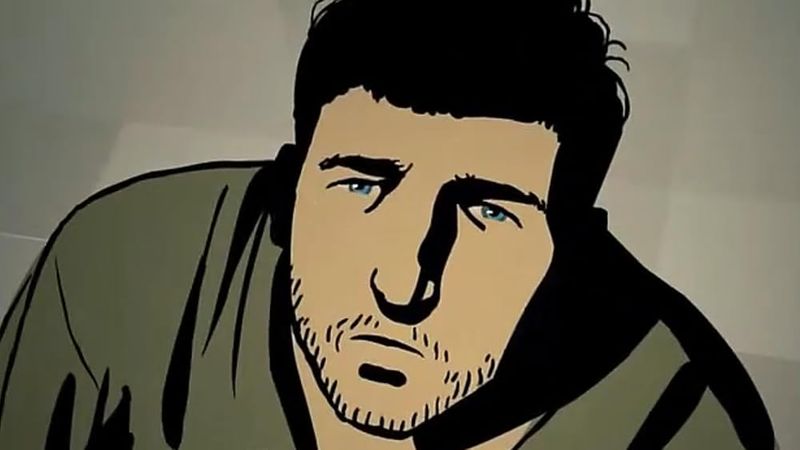
Most documentaries rely on real footage, but Ari Folman chose animation to explore memories he couldn’t fully recall.
The result premiered at Cannes on May 15, 2008, and opened in Israel weeks later.
Folman served as a young soldier during the 1982 Lebanon War.
Years afterward, he realized he remembered almost nothing about one terrible event, so he started interviewing old friends who were there.
Each conversation adds pieces to the puzzle, and the animation captures dreams, flashbacks, and blurry moments that a camera never could.
A haunting image of soldiers floating in the sea under flares returns again and again.
The film deals with trauma, guilt, and the way the mind sometimes protects itself by hiding painful memories.
It builds toward the Sabra and Shatila massacre, and the final moments switch to real archival footage.
That ending lands like a punch, which is exactly the point.
The movie carries an R rating in the United States for disturbing violence, nudity, and a sexual scene.
It won the Golden Globe for Best Foreign Language Film and earned an Oscar nomination.
Save this one for mature viewers ready for a serious history conversation.
4. Anomalisa
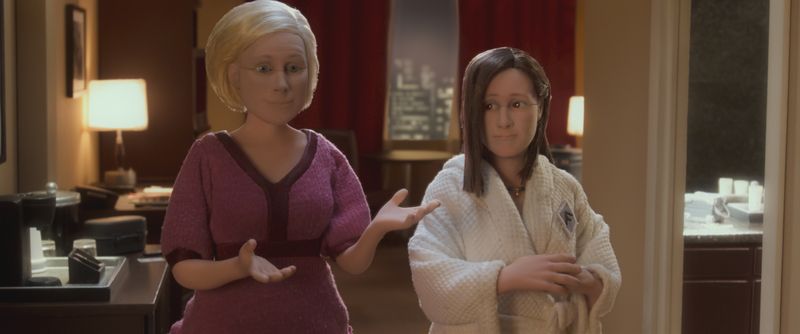
Puppets usually make people think of Muppets and kids’ shows, so these lifelike figures can catch you off guard.
Charlie Kaufman and Duke Johnson directed this stop-motion drama, which opened in limited release on December 30, 2015.
Michael Stone, voiced by David Thewlis, is a customer service author on a business trip to Cincinnati.
To him, nearly every person shares the same face and the same voice, both provided by actor Tom Noonan.
That clever trick shows how isolated and numb Michael feels.
Then he meets Lisa, voiced by Jennifer Jason Leigh, whose unique voice sounds like music to him.
The story looks at loneliness, depression, and the letdowns that can come with adult relationships.
It’s thoughtful and sometimes funny, but it’s definitely not a family movie.
The MPAA rated it R for strong sexual content, graphic nudity, and language.
Some viewers are surprised by how frank a puppet film can be.
Fun fact: part of the funding came from a Kickstarter campaign.
The film went on to earn an Oscar nomination for Best Animated Feature, proof that small, odd projects can travel far.
5. A Scanner Darkly
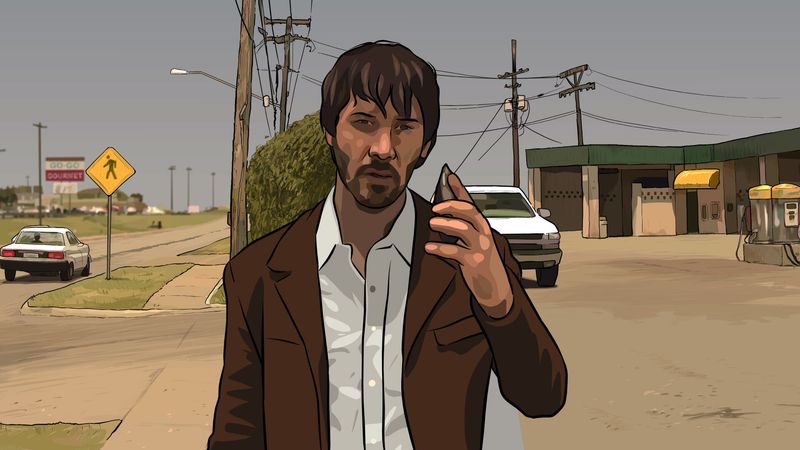
Keanu Reeves, Robert Downey Jr., Winona Ryder, and Woody Harrelson walk around looking like living paintings in this one.
Richard Linklater filmed the actors first, then animators traced over the footage in a process called rotoscoping.
Released in the United States on July 7, 2006, the movie adapts a novel by Philip K.
Dick.
The story takes place in a near future where a drug called Substance D has hooked a huge part of the population.
Reeves plays Bob Arctor, an undercover cop who spies on his own drug-using friends.
Things get messy when his bosses order him to watch himself, and he can’t tell which version of him is real.
Police officers wear scramble suits that flash through endless faces, a detail that looks amazing in animated form.
The trippy style matches the paranoia and confusion the characters feel.
Expect heavy drug use, rough language, and a sad look at addiction’s toll on the mind.
The MPAA rated it R, and that label is well earned.
For adults who enjoy sci-fi with brains, it’s a strong pick.
Just don’t expect a tidy action thriller.
6. Perfect Blue
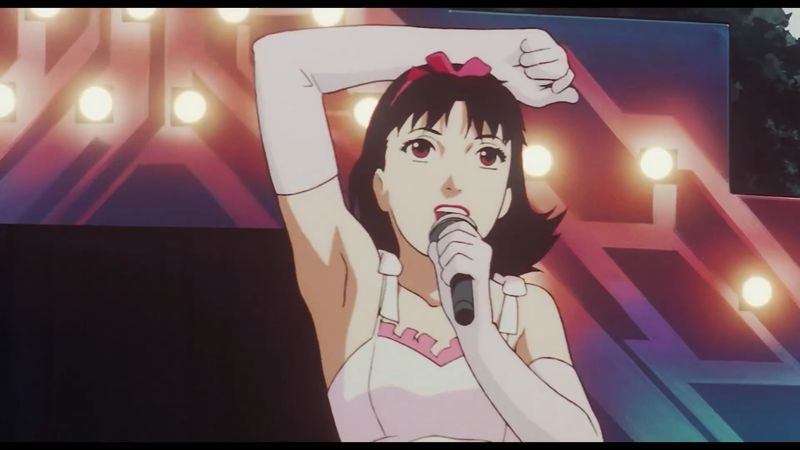
Satoshi Kon’s first feature film announced a major talent, and it did so with a chill down the spine.
Produced by Madhouse, it opened in Japan on February 28, 1998.
Mima Kirigoe leaves her pop group, CHAM!, to become a serious actress.
Some fans feel betrayed, and one of them begins stalking her while a mysterious website posts diary entries that seem to know her thoughts.
Soon Mima can’t separate her real life, her TV role, and her own unsettling visions.
The editing jumps between these layers so smoothly that viewers get confused right along with her.
The film tackles identity, exploitation in the entertainment business, and the pressure placed on young celebrities.
It includes graphic violence and a disturbing sexual assault scene filmed for Mima’s TV show.
That content makes it adults-only viewing, no matter how bright the idol costumes look.
Even many grown-up horror fans call it hard to shake off.
If you like psychological thrillers, this one rewards close attention.
Many viewers have noticed its echoes in later live-action films, so it’s fun to spot the similarities afterward.
7. Akira
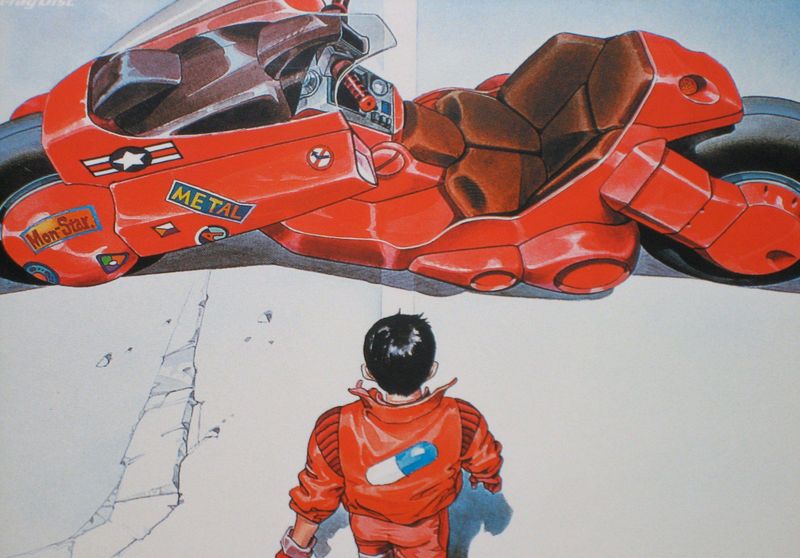
That bright red motorcycle skidding sideways has been copied and saluted in countless movies and shows.
It comes from Katsuhiro Otomo’s cyberpunk landmark, released in Japan on July 16, 1988.
Otomo adapted his own manga and directed the film himself.
The story unfolds in Neo-Tokyo, a rebuilt city full of biker gangs, protests, and shady government projects.
Teen gang leader Kaneda tries to help his friend Tetsuo, who gains terrifying psychic powers after a secret experiment.
As Tetsuo’s power grows, his body and mind spin out of control.
Big ideas run through the chaos, including corruption, science gone wrong, and what happens when someone who feels powerless suddenly gets too much power.
The animation is detailed and fluid, and it still looks sharp today.
Parents should know the film includes strong violence, bloody fights, and intense body horror.
Tetsuo’s transformation near the end is especially grotesque, so younger viewers may find it upsetting.
For teens and adults who love sci-fi, it’s a great piece of film history.
Watch it with good speakers, because the drum-heavy score by Geinoh Yamashirogumi adds a lot of energy.
8. When the Wind Blows
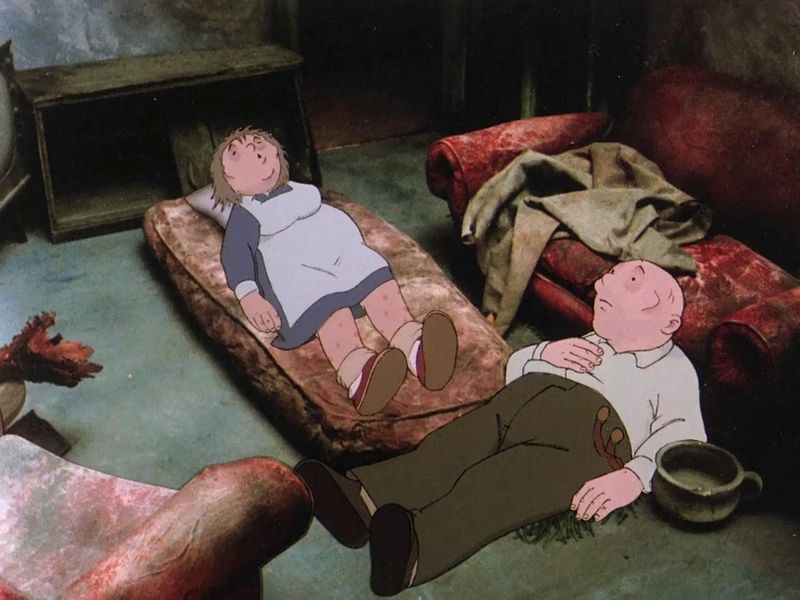
Raymond Briggs gave the world The Snowman, so his name on a cartoon might suggest a sweet holiday treat.
His graphic novel behind this film is something very different.
Released in the United Kingdom on October 24, 1986, and directed by Jimmy T.
Murakami, it follows retired couple Jim and Hilda Bloggs.
They live in a quiet country cottage when news warns that a nuclear attack is coming.
Jim follows government pamphlets carefully, building a shelter from old doors.
The couple trusts that officials know best, even as the situation after the blast grows worse and worse.
Their politeness and cheerful habits make the story more painful to watch.
Viewers can see the effects of radiation sickness long before Jim and Hilda understand what’s happening.
John Mills and Peggy Ashcroft voice the couple with real tenderness.
David Bowie sang the title song, and Roger Waters of Pink Floyd contributed music to the soundtrack.
There’s no gore, but the slow decline is hard to sit through.
It’s best for mature teens and adults who want to understand the fears people carried during the Cold War.
9. Princess Mononoke
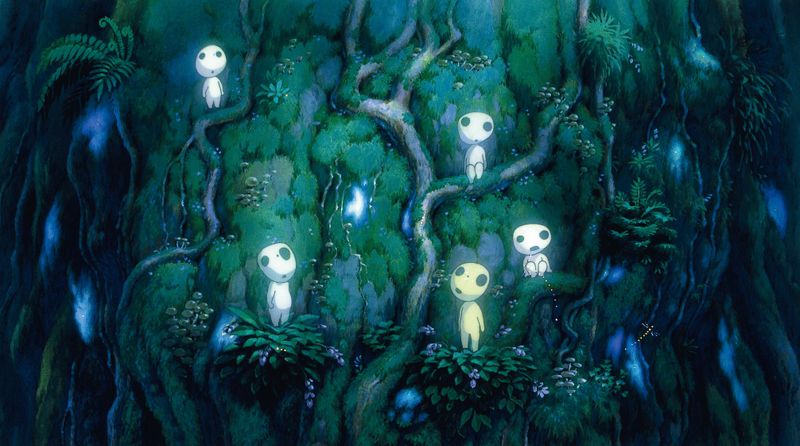
Gentle Ghibli magic gets swapped for arrows, curses, and battle scenes in Hayao Miyazaki’s 1997 epic.
It opened in Japan on July 12, 1997, and reached United States theaters in October 1999.
Prince Ashitaka receives a curse after fighting a raging boar god.
His search for a cure leads him into a conflict between Irontown, led by Lady Eboshi, and the forest gods protected by San, a girl raised by wolves.
Nobody is purely a villain here, and that’s what makes it fascinating.
Eboshi destroys the forest, yet she also gives shelter to outcasts and people with leprosy.
The film includes bloody battle violence, including arms and heads being severed by arrows.
Disease, revenge, and environmental damage add even more weight.
In the United States, it carries a PG-13 rating.
Neil Gaiman wrote the English dub script, which features Billy Crudup, Claire Danes, and Minnie Driver.
Many families start Ghibli fans with lighter titles and save this one for later.
When kids are ready, it can spark great talks about nature, progress, and seeing more than one side of a fight.
10. Felidae
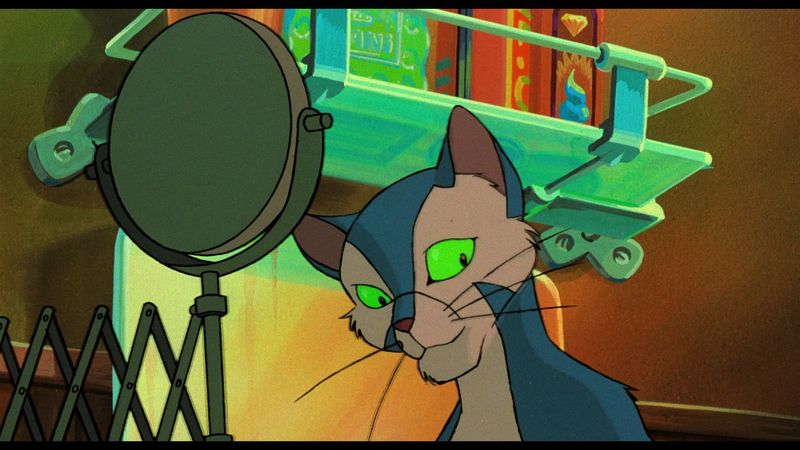
Cute cartoon cats?
Not even close, and that surprise is the whole hook of this German thriller.
Directed by Michael Schaack and released in Germany on November 3, 1994, it adapts a bestselling novel by Akif Pirinçci.
The hero, Francis, is a sharp-minded house cat who moves into a run-down neighborhood with his owner.
Almost right away, Francis finds the body of another cat.
More grim discoveries follow, so he teams up with a cranky neighbor named Bluebeard to solve the mystery.
The investigation uncovers a secret cult, cruel animal experiments, and talk about breeding a perfect cat.
It plays like an old detective noir, just with whiskers.
Families should steer clear, because the movie shows graphic gore, upsetting animal abuse, and sexual content.
Some nightmare sequences are especially disturbing.
Fans of dark mysteries may find it fascinating as a curiosity of European adult animation.
Pet lovers who get upset by animal harm on screen might want to skip it entirely, and that’s a perfectly fair choice.
11. Wizards
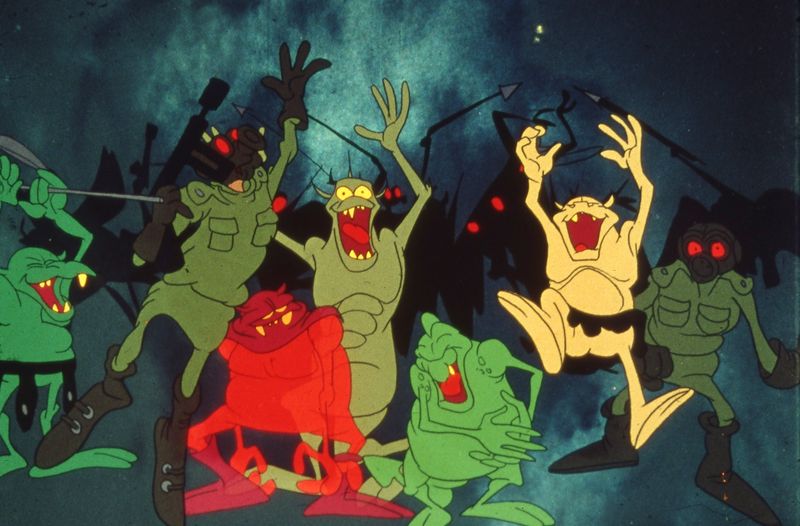
Ralph Bakshi made his name with edgy grown-up cartoons, and he aimed this fantasy at a broader crowd.
Released on February 11, 1977, through 20th Century Fox, it still carries plenty of dark ideas.
Millions of years after a nuclear war, the world splits between magical fairy lands and toxic wastelands.
Twin wizard brothers stand on opposite sides: kindly Avatar and the sinister Blackwolf.
Blackwolf discovers old Nazi propaganda footage and uses it to fire up his armies.
Bakshi blended traditional drawings with rotoscoped war footage, which gives the battle scenes an unsettling, gritty look.
That choice pushes clear anti-war and anti-fascist messages to the front.
It also means some imagery feels much heavier than the cartoony characters suggest.
The film is rated PG, but expect violence, war scenes, and suggestive designs for some female characters.
Parents may want to preview it before showing younger kids.
Bakshi’s style looks wonderfully strange by today’s standards, part comic book and part history lesson.
It’s a fun pick for fans of 1970s animation who like their fantasy with a political bite.
12. Coraline
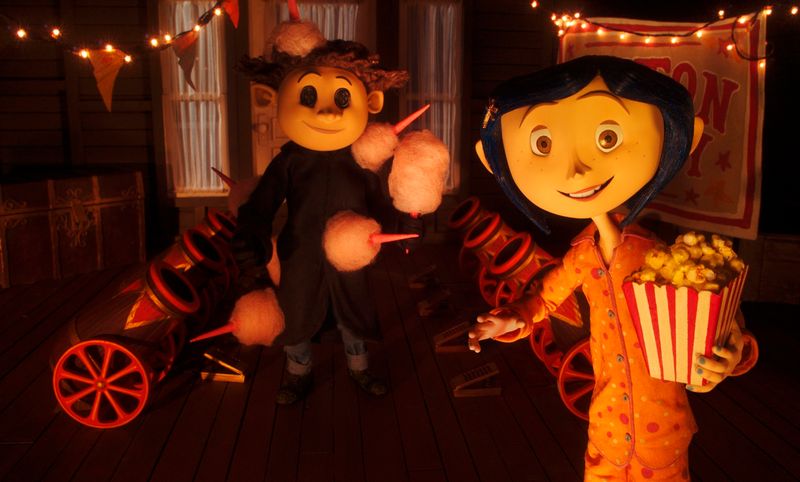
Buttons sewn onto eyes might be the creepiest idea ever tucked into a PG movie.
Henry Selick directed this stop-motion tale from Laika, which opened in the United States on February 6, 2009.
Based on Neil Gaiman’s novella, the story follows Coraline Jones after her family moves into an old house.
Her busy parents barely notice her, so she explores and finds a small door to another world.
On the other side lives the Other Mother, who cooks amazing meals and pays full attention to Coraline.
The catch is that she wants Coraline to stay forever, with buttons replacing her eyes.
Themes of neglect, manipulation, and being trapped sit right under the colorful surface.
Later scenes show the Other Mother turning spidery and monstrous, and her world falling apart.
The film earned an Oscar nomination for Best Animated Feature and was Laika’s first feature film.
Its handmade puppets and sets show incredible patience and detail.
Plenty of kids love it, but sensitive younger viewers may find it scary.
A good tip is to watch the trailer together first and see how your child reacts.
13. Fantastic Planet
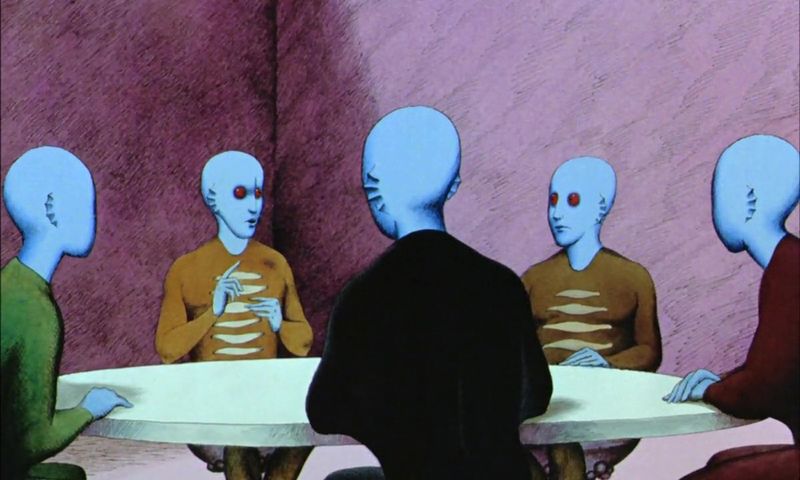
Giant blue aliens with red eyes keep tiny humans as pets in this trippy 1973 classic.
René Laloux directed it as a French and Czechoslovak co-production, using artwork by Roland Topor.
On the planet Ygam, the towering Draags treat humans, called Oms, like insects or toys.
Some Oms live as pampered pets, while wild ones hide in the parks and face regular wipeouts by the Draags.
A young Om named Terr grows up as a pet but secretly learns from his owner’s teaching device.
Knowledge becomes his tool for helping the Oms fight back.
The story works as an allegory about slavery, oppression, and the power of education.
It debuted at Cannes in May 1973 and won a special jury prize there.
Cutout animation gives the film a dreamy, storybook look that stands apart from most cartoons.
Some scenes include partial nudity and cruel treatment of the Oms, so it’s best for older viewers.
The jazzy, funky score by Alain Goraguer adds to the strange mood.
If you enjoy weird art that makes you think, this one is a real treat.
14. It’s Such a Beautiful Day
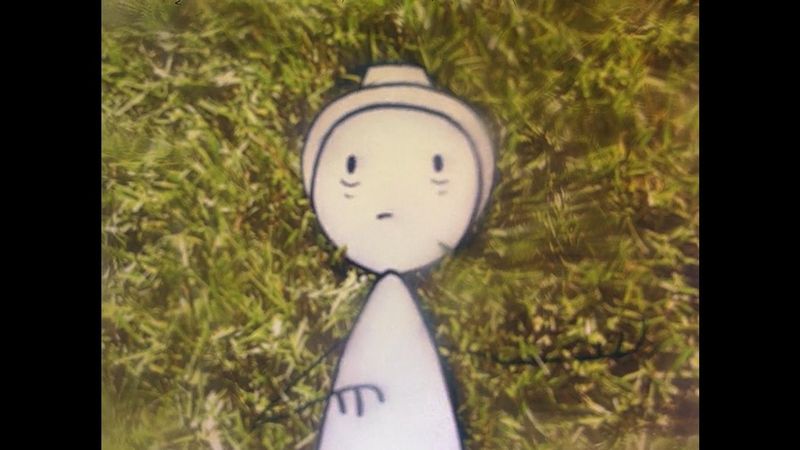
A stick figure in a hat might not look like the star of a deeply moving film.
Don Hertzfeldt proves otherwise with this feature, released in 2012 through his studio, Bitter Films.
The movie combines three of his short films, starting with Everything Will Be OK.
Together they follow Bill, an ordinary man who starts noticing strange things as an illness affects his brain and memory.
Hertzfeldt mixes simple drawings with real photos, split screens, and odd camera effects.
The style feels homemade, yet the experimental tricks show impressive skill.
Big questions about memory, mental illness, and mortality sit at the center.
Somehow, the film is also very funny, with dry narration and absurd little moments.
Bill’s confusion can be hard to watch, especially for anyone who has seen a loved one struggle with memory loss.
Younger kids may also be confused by the abstract storytelling.
For teens and adults, it’s a short, surprising watch at a little over an hour.
Plan a few quiet minutes afterward, because the ending tends to stick around in your head.
15. Flee
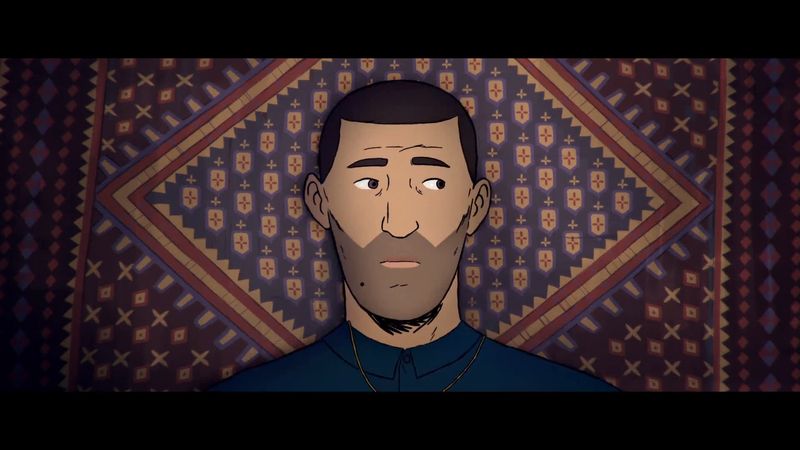
History got made when this film earned Oscar nominations for Best Documentary, Best Animated Feature, and Best International Feature in the same year.
No film had landed all three before.
Directed by Jonas Poher Rasmussen, it premiered at Sundance in January 2021.
It reached United States theaters on December 3, 2021.
The story follows a man called Amin Nawabi, a pseudonym that protects his identity.
On the edge of marriage, he finally shares the story of fleeing Afghanistan as a child and the dangerous years that followed.
Animation lets him speak openly while staying anonymous.
Real news footage pops up between animated scenes, reminding viewers that these events truly happened.
The film explores refugee life, family loyalty, and Amin’s journey of coming to terms with being gay.
Scenes of smugglers, crowded boats, and police can be tense and frightening.
It’s rated PG-13 in the United States for mature thematic content, strong language, and disturbing images.
For teens learning about refugees, it offers a personal story that a textbook simply can’t match.
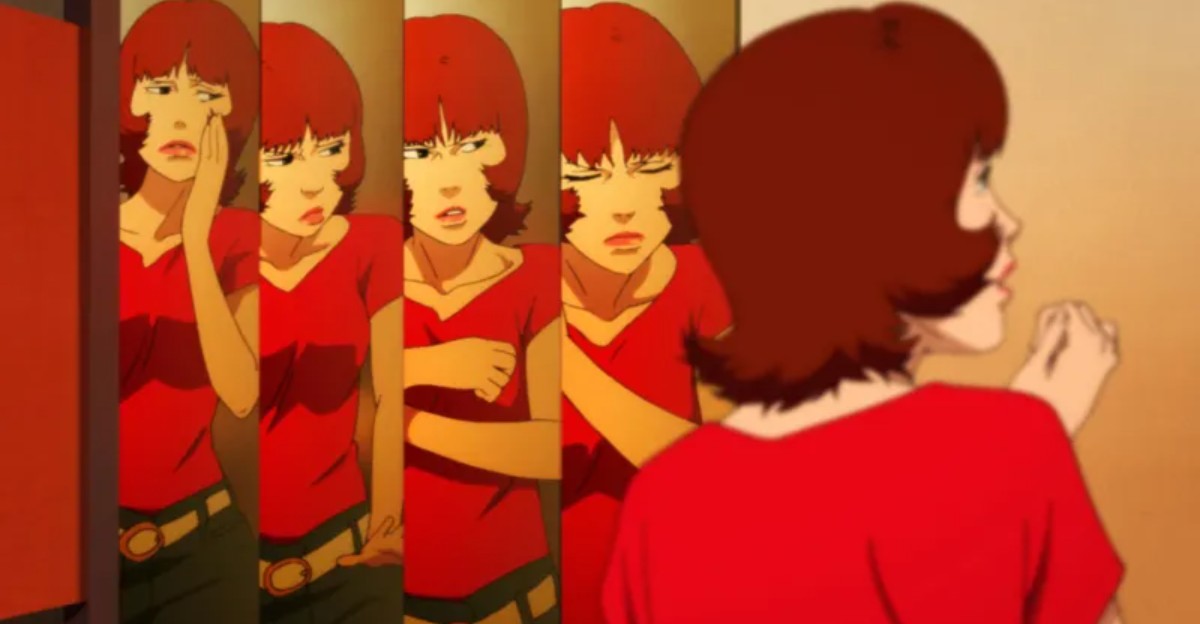
16. Paprika
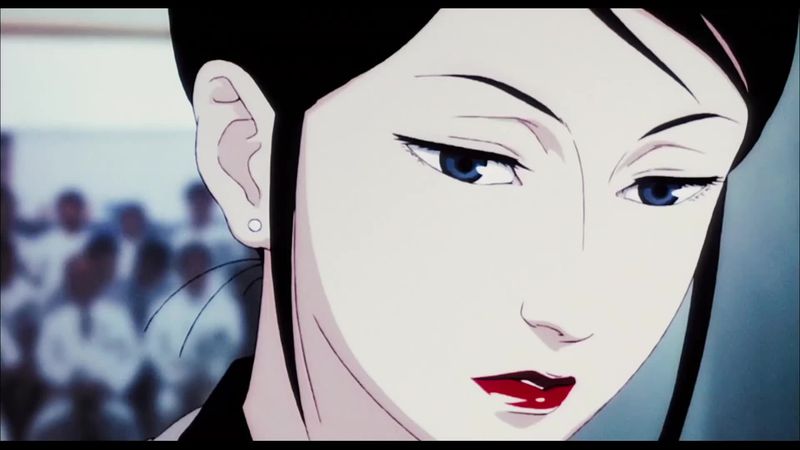
Refrigerators, frogs, and porcelain dolls marching down a city street make one of animation’s wildest parades.
That dreamy chaos belongs to Satoshi Kon’s final feature film, released in Japan in November 2006.
Adapted from a novel by Yasutaka Tsutsui, the story centers on a device called the DC Mini.
Therapists use it to enter patients’ dreams, until someone steals it and starts causing havoc.
Soon, nightmares leak into the waking world.
Dr. Atsuko Chiba and her bold dream alter ego, Paprika, race to find the thief before reality falls apart.
The film plays with identity, mental health, privacy, and the risks of powerful technology.
It also includes violent moments and some sexual imagery, so it’s best for older teens and adults.
Madhouse animated it with dazzling transitions, as scenes slide from one dream into another.
Susumu Hirasawa’s electronic score makes the whole ride feel even stranger.
Watch it once for the visuals and again for the details you missed.
Few movies show so clearly that cartoons can carry grown-up ideas without losing their sense of play.