 MomSkoop

When Planet of the Apes premiered in 1968, its final image sent audiences out of theaters rethinking the whole adventure. A single shot on a beach changed the meaning of everything that came before it. That trick has been repeated by filmmakers for decades, and it still lands when done well.
The best twists do more than surprise you, because they quietly rewrite scenes you thought you understood. I love the moment a movie makes me want to rewind immediately. Rewatching with fresh eyes feels like solving a puzzle you didn’t know you were holding. This list sticks to spoiler-free descriptions, so your first viewing stays safe. Which of these clever rug pulls have you already fallen for?
1. The Sixth Sense
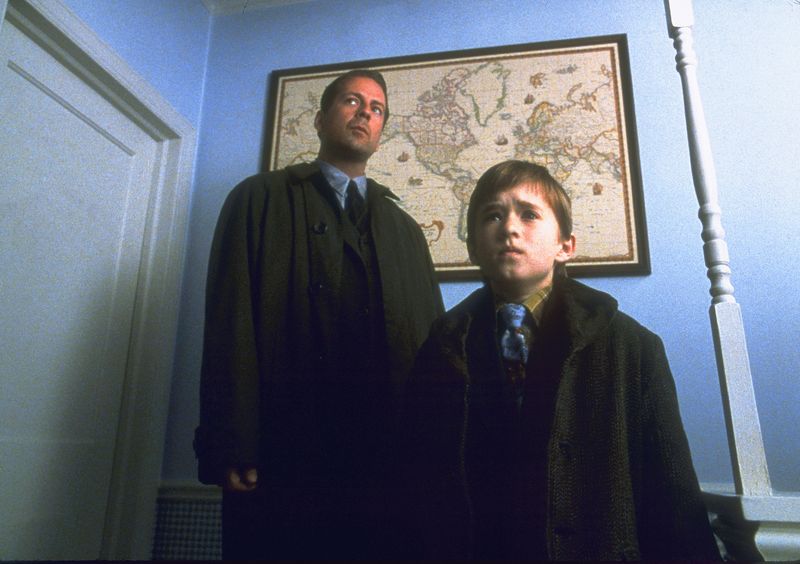
Few endings have launched more rewatch parties than this one.
M. Night Shyamalan’s supernatural drama arrived in U.S. theaters on August 6, 1999, and quickly became the twist movie people loved to whisper about.
Bruce Willis plays a child psychologist named Malcolm Crowe.
Haley Joel Osment plays Cole, a frightened boy carrying a secret he can barely say out loud.
The story moves slowly and calmly, which is part of its cleverness.
You settle into the rhythm and stop questioning small details along the way.
Then the final reveal changes the meaning of the entire film.
Conversations you watched earlier suddenly feel completely different, almost like the scenes were rewritten while you sat there.
My favorite part is how fair the movie plays.
The clues sit right in front of you the whole time, never hidden behind cheap tricks or sudden new information.
A smart tip for a second viewing is to watch who speaks to whom.
Notice which characters respond and which ones stay oddly quiet.
Pay attention to colors too, especially red, which shows up at interesting moments.
Once you start spotting the patterns, you’ll appreciate how carefully the story was built from the very first scene.
2. The Usual Suspects
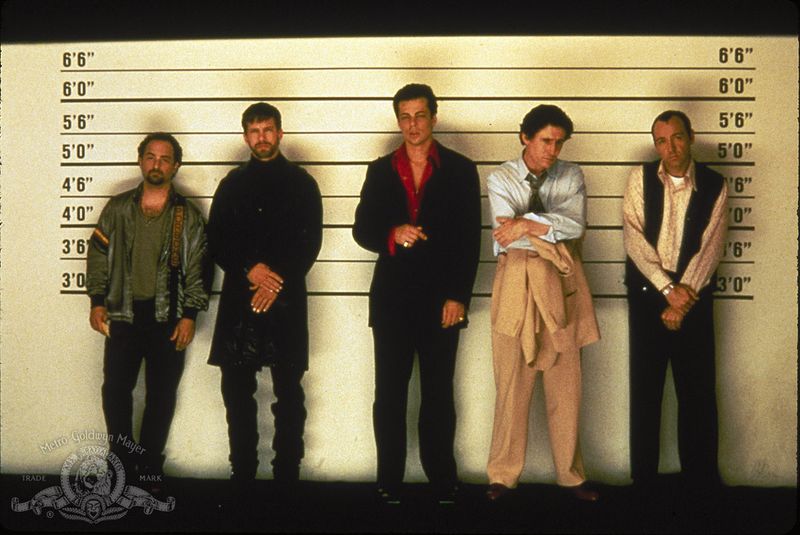
A police lineup, five sketchy guys, and one story that keeps shifting under your feet.
Bryan Singer’s crime thriller opened in the U.S. on August 16, 1995.
Much of the plot unfolds through Verbal Kint, played by Kevin Spacey.
He tells investigators about a heist gone wrong and a crime boss so feared that his name alone makes people nervous.
The film leans on what writers call an unreliable narrator.
That means the person telling the story may not be giving you the full truth.
Why does it work so well?
You hear details so confidently that you treat them like facts, even though they come from just one voice.
Christopher McQuarrie’s screenplay won the Academy Award for Best Original Screenplay.
Kevin Spacey also won the Oscar for Best Supporting Actor for his role.
The ending pushes you to rethink who was really in control of the conversation.
It’s a great lesson in paying attention to who tells a story and why.
If you rewatch it, keep an eye on the office where the interview happens.
Small objects in the background matter more than you’d guess, and that’s all I’ll say.
3. Fight Club
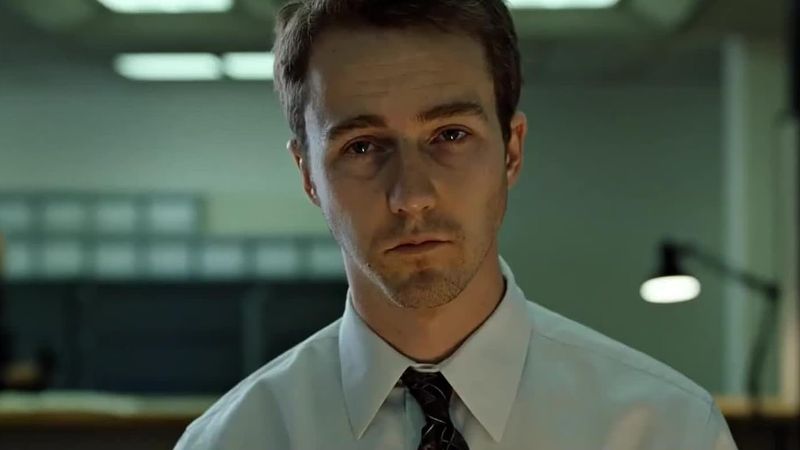
Insomnia, IKEA catalogs, and a soap salesman walk into a movie.
David Fincher’s Fight Club hit U.S. theaters on October 15, 1999, based on Chuck Palahniuk’s 1996 novel.
Edward Norton plays an unnamed narrator stuck in a dull office job.
His life changes after he meets Tyler Durden, a wild and confident stranger played by Brad Pitt.
The movie is loud, dark, and packed with sharp jokes about modern life.
Underneath the chaos, though, it keeps planting questions about identity and what’s real.
The big reveal forces you to reinterpret the narrator’s experiences from the beginning.
Plenty of moments that seemed random suddenly click into place.
Here’s a fun detail for rewatchers.
Fincher slipped a few quick single-frame flashes into the early scenes, and they’re easy to miss at normal speed.
The film wasn’t a huge box office hit at first.
It found a much bigger audience later on home video, which helped turn it into a frequently quoted cult favorite.
One heads-up: it contains intense, mature content, so it’s better suited to older viewers.
Watch closely and you’ll see how carefully the twist was set up all along.
4. Psycho
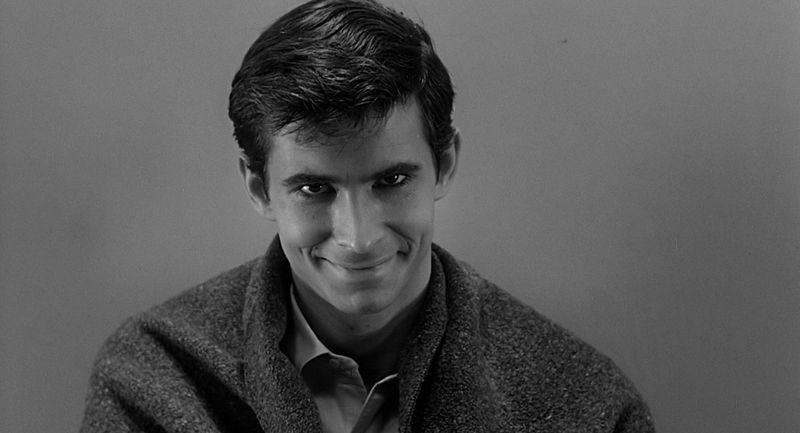
Alfred Hitchcock reportedly bought up copies of Robert Bloch’s novel to keep the ending secret.
He also had theaters enforce a policy that nobody could enter after the movie started.
Psycho premiered in New York City on June 16, 1960.
The story begins with Marion Crane, played by Janet Leigh, who checks into the quiet Bates Motel during a rainy night.
Anthony Perkins plays Norman Bates, the shy motel manager who seems a little too nervous.
His big, old house sits on the hill just behind the motel, watching over everything.
Hitchcock broke a major rule of storytelling by surprising audiences with who the movie is actually about.
That choice alone shocked viewers in 1960.
Then comes the final reveal, which changes how you see the characters and events.
It became a model that thrillers still borrow from today.
The film was shot in black and white on a fairly small budget.
Bernard Herrmann’s screeching string score added plenty of tension too.
Watching it now feels like visiting the original blueprint for twist endings.
You’ll notice ideas that later films copied, sometimes almost shot for shot.
5. The Prestige
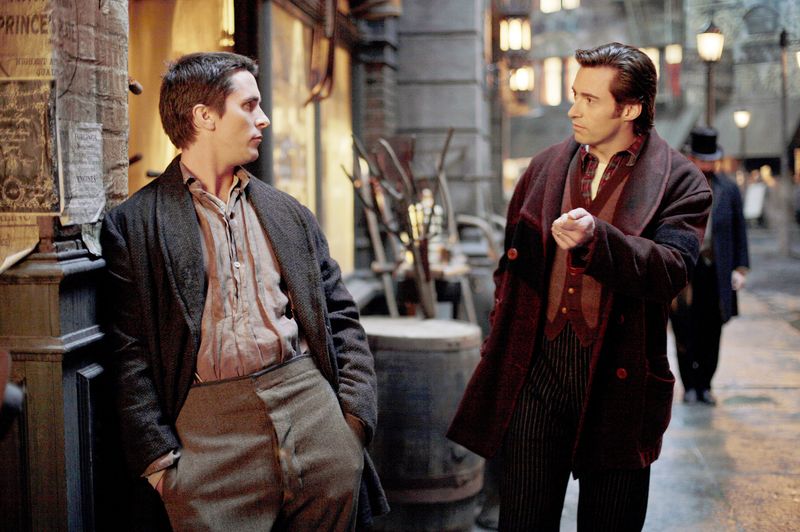
“Are you watching closely?” That line opens Christopher Nolan’s The Prestige, and it’s honestly the best advice for viewers.
Released in the U.S. on October 20, 2006, the film follows two rival magicians in Victorian London.
Hugh Jackman plays Robert Angier, and Christian Bale plays Alfred Borden.
Their friendly competition turns into a bitter feud full of secrets and sabotage.
Each wants to perform the greatest trick ever seen, no matter the cost.
David Bowie also appears as the real-life inventor Nikola Tesla.
That casting choice is a delightful surprise all on its own.
The movie is built like a magic trick with three parts: the pledge, the turn, and the prestige.
Michael Caine’s character explains these steps early, almost like a guide to the film itself.
Multiple revelations stack up near the end.
Each one changes how you see the characters’ choices and sacrifices.
A fun way to enjoy it is to treat the movie as a game against the director.
Try to spot the secrets before they’re revealed, because the clues are definitely there.
The film is based on Christopher Priest’s 1995 novel.
Fans of the movie may enjoy comparing how both versions handle their surprises.
6. Seven
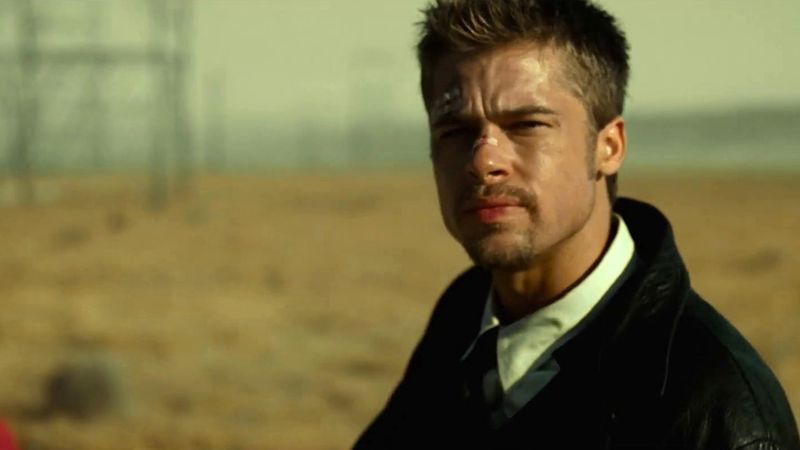
Rain falls in nearly every outdoor scene, and the gloom never lets up.
David Fincher’s crime thriller, often stylized as Se7en, reached U.S. theaters on September 22, 1995.
Morgan Freeman plays William Somerset, a calm detective a week from retirement.
Brad Pitt plays David Mills, his eager new partner who wants to prove himself.
Together they chase a criminal whose crimes are based on the seven deadly sins.
The case grows darker as the clues lead them through a grim, unnamed city.
The pairing is a big part of the fun.
Somerset is patient and thoughtful, while Mills charges ahead with plenty of confidence.
Gwyneth Paltrow plays Tracy, Mills’s wife, who brings some kindness to the bleak setting.
Her scenes with Somerset are quiet and memorable.
The ending is famously bleak and leaves a heavy impression.
It shows how a twist can hit emotionally, not just as a puzzle.
Fair warning: the movie is intense and best for mature audiences.
The opening title sequence, with its scratchy text and jittery editing, also became widely admired by designers.
Go in prepared for a story that sticks with you long after the credits.
7. Memento
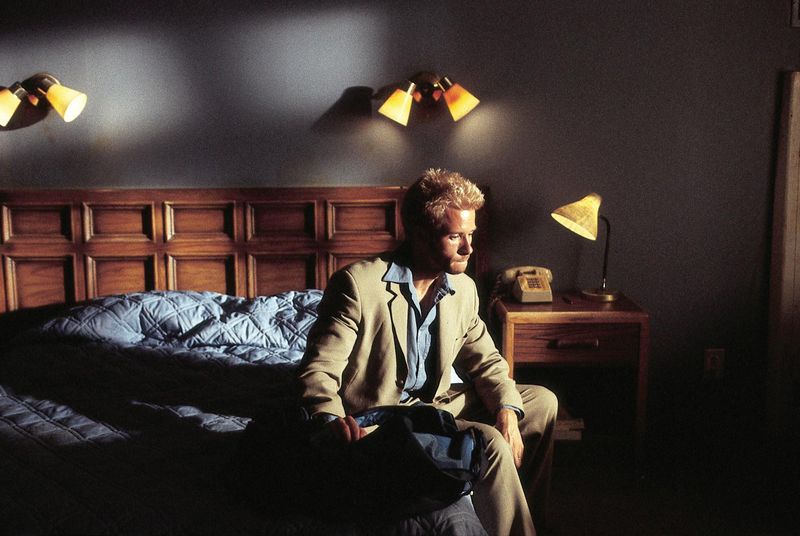
Imagine trying to solve a mystery when you can’t form new memories.
Leonard Shelby, played by Guy Pearce, faces exactly that problem in Christopher Nolan’s Memento.
The film opened in the U.S. on March 16, 2001.
Leonard keeps track of his life using Polaroid photos, handwritten notes, and even tattoos on his body.
Here’s the clever part.
Much of the story plays out in reverse, so you see the results before you see what caused them.
That backward structure puts you in Leonard’s shoes.
Like him, you start each scene unsure of what just happened.
Black-and-white scenes move forward in time between the color ones.
Eventually the two timelines meet, and that meeting delivers the movie’s biggest reveal.
The ending changes how you understand Leonard’s quest and the people around him.
It raises tough questions about memory and the stories people tell themselves.
Nolan based the film on a short story by his brother, Jonathan Nolan.
The screenplay earned an Academy Award nomination.
Tip for viewers: keep a mental note of faces and names.
Trust me, you’ll want every scrap of information you can hold onto.
8. Oldboy
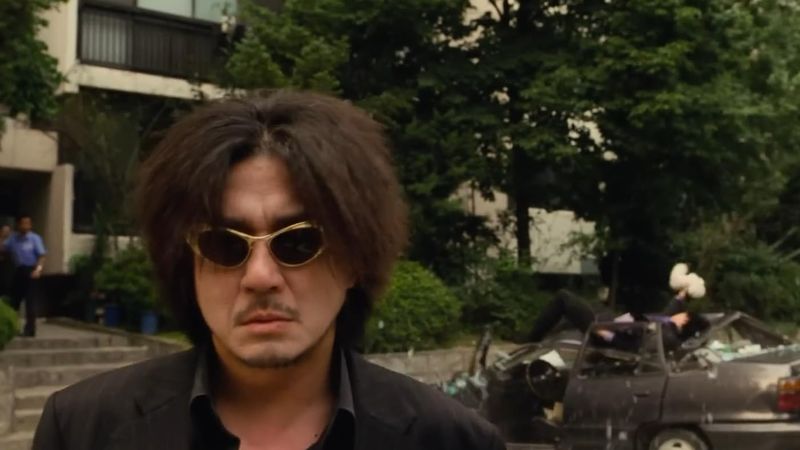
Locked in a shabby room for 15 years with no explanation, Oh Dae-su has plenty of questions.
Park Chan-wook’s South Korean thriller opened in South Korea on November 21, 2003.
Choi Min-sik plays Dae-su, a regular man whose life is suddenly taken away.
When he’s finally released, he sets out to find who imprisoned him and why.
The movie is famous for a hallway fight filmed in what looks like one long sideways take.
Dae-su battles a crowd of opponents, and the camera simply slides along with him.
Oldboy won the Grand Prix at the 2004 Cannes Film Festival.
That’s a major honor, and it helped bring Korean cinema more international attention.
The final reveal changes how Dae-su understands his own past.
Many viewers find it shocking and hard to shake.
A heads-up for younger readers: the content is very mature and intense.
This one is meant for adult audiences.
The film is based on a Japanese manga.
An American remake directed by Spike Lee arrived in 2013, but many fans still prefer the original.
Watch it with subtitles for the full effect of the performances.
9. Planet of the Apes
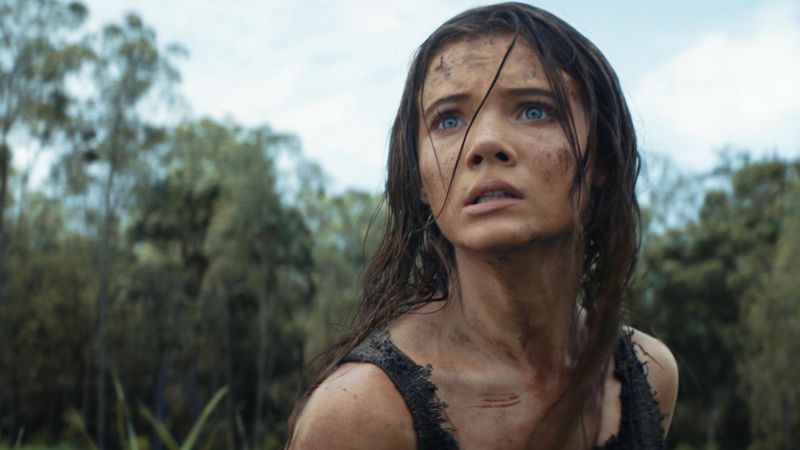
Long before streaming made spoilers a constant danger, this 1968 ending was already the stuff of legend.
The film premiered in New York City on February 8, 1968.
Charlton Heston plays George Taylor, an astronaut who crash-lands on a strange planet.
There, intelligent apes rule while humans can’t speak and are treated like animals.
The makeup effects were groundbreaking for the time.
John Chambers received an honorary Academy Award for the ape makeup.
Roddy McDowall and Kim Hunter play Cornelius and Zira, two thoughtful chimpanzee scientists.
Their curiosity about Taylor gives the story much of its heart.
Rod Serling, creator of The Twilight Zone, co-wrote the screenplay.
You can feel his love of ironic endings in the final scene.
That final image changes how you understand the entire setting.
Plenty of people know the twist without ever seeing the film, which shows how famous it became.
If you somehow haven’t heard it, protect that luck.
Watch it before anyone spoils it.
The movie launched a huge franchise with sequels, a TV series, and later reboots.
Still, the original twist remains the one people mention first.
10. Primal Fear
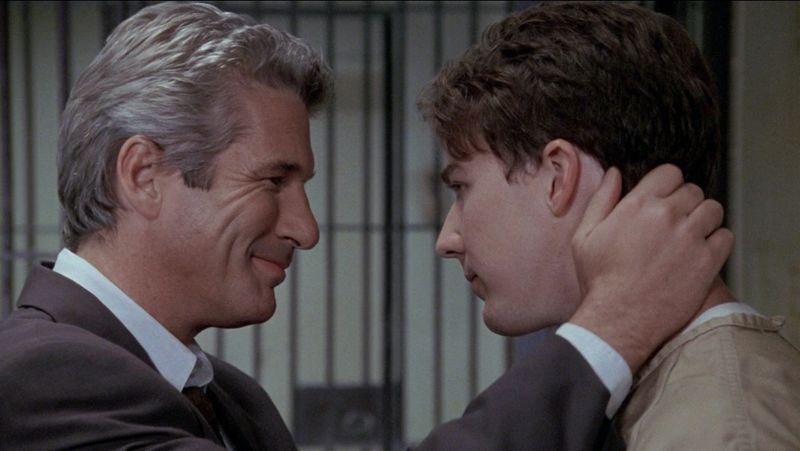
A flashy Chicago lawyer takes a case mostly for the headlines.
Richard Gere stars as Martin Vail in Primal Fear, which opened in the U.S. on April 5, 1996.
Vail defends Aaron Stampler, a shy, stuttering young man accused of a serious crime against a powerful church leader.
Edward Norton plays Aaron in his first feature film role.
Norton’s performance earned him an Academy Award nomination for Best Supporting Actor.
He also won a Golden Globe for it, which is impressive for a debut.
Laura Linney plays the prosecutor, Janet Venable, who has history with Vail.
Their courtroom clashes add plenty of tension.
The story keeps you guessing about guilt and innocence.
Every new piece of evidence seems to point in a different direction.
The twist near the end makes you rethink earlier scenes, especially those courtroom moments.
It’s a sharp reminder that first impressions can mislead you.
The film is based on William Diehl’s 1993 novel.
Fans of legal dramas will enjoy the mix of courtroom strategy and personal drama.
Watch Norton’s performance closely on a rewatch.
It’s fascinating to see how much he packs into small expressions.
11. The Others
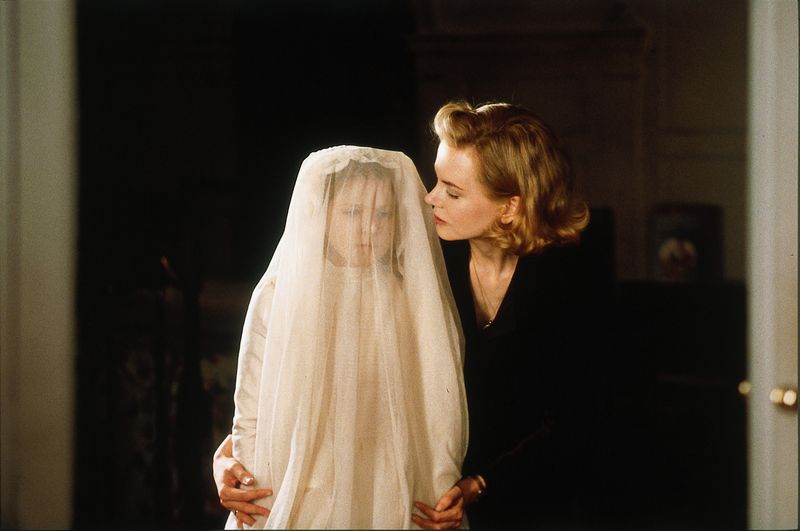
Curtains stay closed, doors stay locked, and candles light the way.
In The Others, those strict house rules exist because two children are extremely sensitive to sunlight.
Nicole Kidman plays Grace, a mother living on the island of Jersey just after World War II.
She waits for her husband to return while raising her children in a huge, foggy mansion.
Written and directed by Alejandro Amenábar, the film opened in the U.S. on August 10, 2001.
It relies on mood and silence rather than loud scares.
New servants arrive, and strange things start happening around the house.
Grace grows more convinced that someone else is living there with them.
The film shows how much fear can come from what you don’t see.
Shadows and quiet footsteps do most of the work.
Its ending changes how you understand Grace’s whole situation.
Earlier scenes take on a completely new meaning.
The movie won several Goya Awards, Spain’s top film honors, including Best Film.
Kidman also earned a Golden Globe nomination.
Watch it on a rainy evening with the lights low.
Just maybe keep one lamp handy.
12. Knives Out
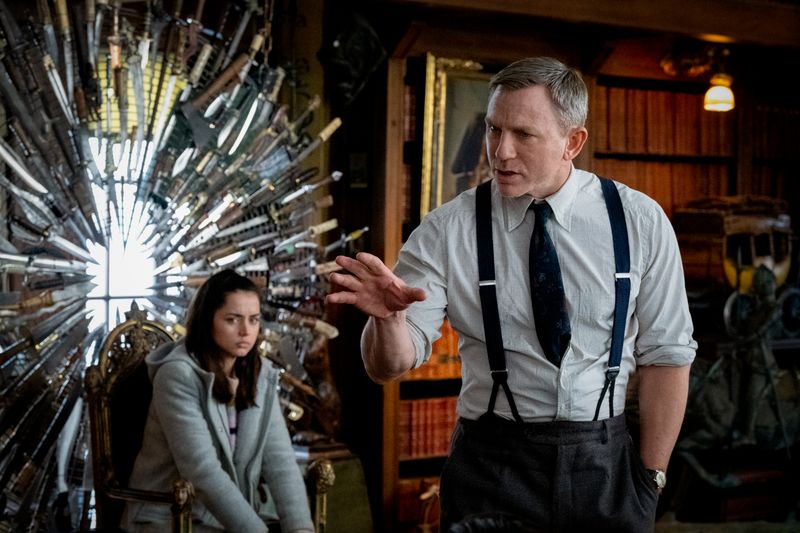
A wealthy mystery novelist, a messy family, and a detective with a Southern drawl.
Rian Johnson’s Knives Out premiered at the Toronto International Film Festival on September 7, 2019.
Christopher Plummer plays Harlan Thrombey, the famous author at the center of the case.
Daniel Craig plays Benoit Blanc, the private detective hired to sort out the truth.
Ana de Armas plays Marta, Harlan’s caring nurse.
Chris Evans, Jamie Lee Curtis, and Toni Collette round out the scheming relatives.
The film plays with classic whodunit rules in a fun way.
It reveals some information early, which seems strange until you realize the real mystery is something else entirely.
Red herrings and lies pile up in every room of the house.
Each family member has reasons to hide something.
Johnson’s screenplay earned an Academy Award nomination for Best Original Screenplay.
Its success led to Glass Onion, released in 2022, and more Benoit Blanc adventures.
The movie is a great pick for family movie night with older kids.
It has humor, sweaters, and enough clues to spark debates at the table.
Try guessing the ending before the big reveal.
Good luck.
13. Parasite
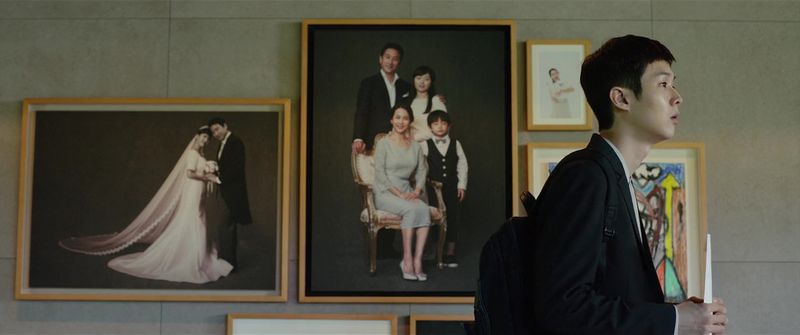
History was made at the 2020 Oscars when Parasite became the first non-English-language film to win Best Picture.
Bong Joon-ho’s South Korean film also won Best Director, Best Original Screenplay, and Best International Feature.
The story follows the Kim family, who live in a cramped semi-basement apartment in Seoul.
One by one, they find jobs working for the wealthy Park family.
At first, the movie feels like a clever comedy about a family working the system.
You might laugh at how smoothly their plan comes together.
Then a mid-film turn changes the story’s direction.
What seemed like a playful scheme becomes something far more tense and serious.
The film also won the Palme d’Or at the 2019 Cannes Film Festival.
It opened in South Korea on May 30, 2019.
Watch how the movie uses stairs and levels.
Characters constantly climb up or down, which matches its themes about wealth and class.
The houses themselves tell a story too.
The Parks’ sleek home and the Kims’ crowded apartment show the gap between their lives without a single word.
Mature viewers will find plenty to discuss afterward.
14. Arrival
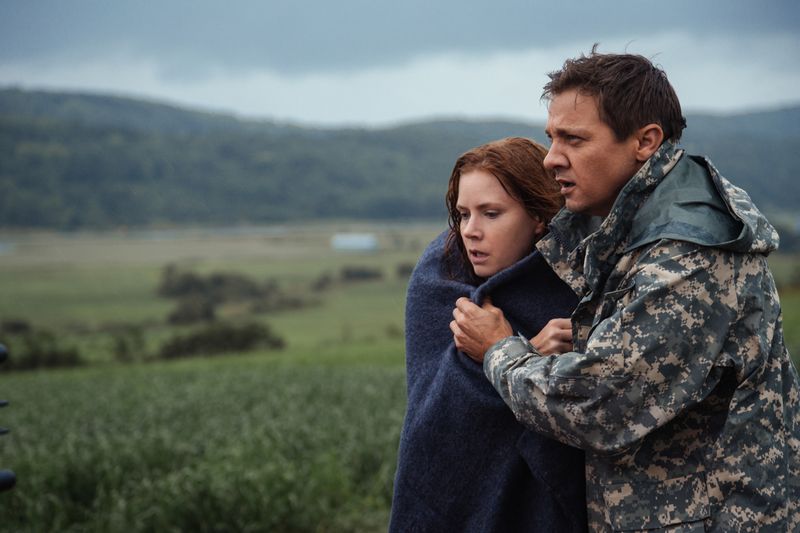
Twelve mysterious spacecraft appear around the world, and the hero isn’t a soldier.
She’s a language professor.
Amy Adams plays Louise Banks, a linguist asked to communicate with the visitors.
Jeremy Renner plays Ian Donnelly, a physicist who works beside her.
Denis Villeneuve directed the film, which premiered at the Venice Film Festival on September 1, 2016.
It’s based on Ted Chiang’s short story Story of Your Life.
The aliens communicate using circular, inky symbols.
Watching Louise slowly decode them is surprisingly gripping.
Instead of big battles, the tension comes from misunderstandings between nations and species.
Every conversation feels like it matters.
The twist centers on how Louise experiences time.
Scenes you thought you understood early on suddenly take on a whole new meaning.
Unlike many twists on this list, this one is more emotional than shocking.
It makes you think about love, loss, and the choices people make.
Arrival earned eight Academy Award nominations, including Best Picture.
It won the Oscar for Best Sound Editing.
Keep tissues nearby for the final scenes.
You may also find yourself wanting to restart the movie the moment the credits roll.