 MomSkoop

Your body loses water overnight just by breathing, so you wake up a little low on fluids before your feet touch the floor. That small detail made me look at mornings differently. The first hour after waking quietly shapes how the rest of the day feels. A rushed start can leave you frazzled before breakfast even happens.
I love that the fixes here are small, cheap, and mostly free. None of them asks you to become a sunrise yoga person who journals in perfect cursive. They fit into real kitchens, real schedules, and real snooze-button struggles. So which tiny change could make tomorrow morning feel a little calmer for you?
1. Give Yourself a Little Extra Time

Rushing is sneaky.
One late alarm turns into a hunt for keys, a skipped breakfast, and a heart rate that feels like a drumroll before 8 a.m.
Setting your alarm a bit earlier gives your morning some breathing room.
Even fifteen extra minutes can turn a frantic scramble into a steady pace.
You might use that time to sip something hot, sit quietly, or simply move without racing the clock.
The trick is going slowly.
Jumping from 7:30 to 5:30 overnight usually ends in a grumpy standoff with the snooze button.
Try shifting your wake-up time earlier by ten or fifteen minutes every few days instead.
Bedtime matters here too.
If you wake up earlier, going to bed earlier keeps you from trading stress for exhaustion.
A consistent schedule, even on weekends, helps your body clock settle into a rhythm it can count on.
Your schedule may not bend easily.
Night shifts, babies, and long commutes all play by their own rules.
If earlier mornings simply aren’t possible, laying out clothes and packing bags the night before can buy you that same cushion of time without touching your alarm at all.
2. Drink a Glass of Water First

Eight hours without a sip is a long stretch.
While you sleep, your body keeps losing water through breathing and sweat, so you start the day slightly behind.
A glass of water soon after waking is one of the easiest morning habits around.
It replaces what you lost overnight and can help you feel more alert.
Being even mildly dehydrated can leave some people feeling foggy or headachy, which nobody needs before a busy day.
Make it easy on yourself.
Fill a glass or bottle before bed and leave it on your nightstand.
That way, hydration happens before you’ve even found your slippers.
Plain water isn’t for everyone, and that’s fine.
A slice of lemon, a few cucumber rounds, or some crushed berries can add flavor without much fuss.
Room temperature water often goes down easier than ice cold on a sleepy stomach.
Aim for about one cup to start.
You don’t need to chug a gallon or follow a fancy ritual.
Think of it as a small, steady first win, the kind that takes thirty seconds and gives your morning a gentle push in the right direction.
3. Stretch or Move Your Body Gently

Stiff shoulders and a creaky back can make mornings feel heavier than they need to.
A few minutes of movement can shake that off before the day picks up speed.
Nobody’s asking for a sweaty boot camp at dawn.
Light stretching, a few slow neck rolls, or a short walk around the block counts.
Gentle movement can boost energy, lift your mood, and ease tension that built up while you slept curled like a pretzel.
Here’s a simple five-minute plan.
Reach your arms overhead and hold for a few breaths.
Then fold forward slowly, roll your shoulders, and finish with some easy side bends.
Outdoor walks bring a bonus.
Fresh air and daylight make the world feel a little more awake, and you might wave at a neighbor or two along the way.
A dog will happily volunteer as your coach.
Listen to your body as you go.
If something hurts, ease off, and check with a doctor if you have an injury or health condition.
Movement should feel like a friendly wake-up nudge, not a punishment for hitting snooze twice.
4. Spend Five Quiet Minutes Breathing

Five minutes is shorter than most commercial breaks.
Yet that small window of quiet can change how your mind enters the day.
Meditation sounds intimidating to plenty of people.
Visions of monks and mountaintops pop up fast.
In reality, it can be as simple as sitting still and paying attention to your breathing.
Try this approach.
Sit somewhere comfortable, set a timer, and breathe in slowly through your nose.
Breathe out a little longer than you breathed in, and repeat.
Your mind will wander, probably toward lunch plans or an email you forgot.
That’s normal, not failure.
Each time you notice, just guide your attention back to your breath without scolding yourself.
Quiet time like this can help calm racing thoughts and sharpen your focus for the hours ahead.
Many people find it eases anxious feelings and nudges their mood in a better direction.
Free apps and guided recordings can help if silence feels awkward at first.
Some folks prefer sitting outside with their coffee and listening to birds instead.
Any version works if it gives your brain a short, peaceful pause before the noise begins.
5. Write a Few Lines in a Journal

Some mornings, your brain wakes up already juggling a dozen worries.
Paper can hold a few of them so your head doesn’t have to.
Morning journaling works like emptying a cluttered backpack.
Writing thoughts down gets them out of the loop in your mind and onto the page, where they often look smaller.
It can also help you notice patterns in how you feel over time.
Forget the idea that you need beautiful handwriting or deep wisdom.
A cheap spiral notebook works just as well as a leather-bound one.
Three or four sentences is plenty.
Not sure what to write?
Try one of these prompts:
List three things you’re thankful for today.
Write one goal you’d like to reach before bedtime.
Describe how you’re feeling in a single honest sentence.
Some days the words will flow, and some days they’ll trickle.
Both are fine.
Keeping prompts on a sticky note inside the cover helps on blank-page mornings.
Gratitude lists bring a nice side effect, since hunting for good things trains your eyes to spot them.
Over weeks, flipping back through old pages can show you how many stressful moments you already handled.
6. Map Out Your Top Priorities
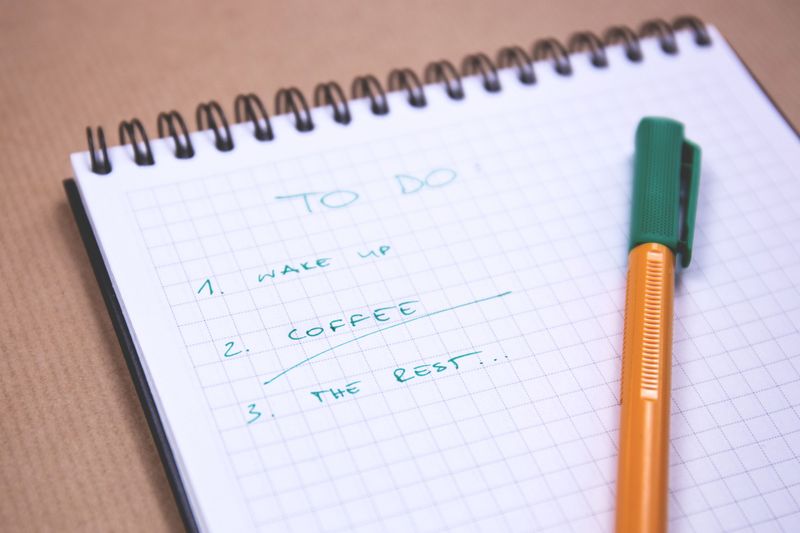
A to-do list with twenty-seven items isn’t a plan.
It’s a dare.
Taking a few minutes each morning to sort out what really matters can make the day feel more manageable.
Planning gives you a sense of control, and it cuts down on those moments of staring at your desk wondering where to begin.
Fewer decisions later means less mental wear and tear.
Start by writing down your tasks, then circle the top three.
Those are your priorities, the things that would make today feel like a success.
The rest can wait or move to tomorrow.
Big projects get friendlier when you chop them up.
Instead of writing “clean the garage,” try “sort one shelf.” Smaller steps are easier to start and more satisfying to check off.
Deadlines help too.
If something is due Friday, work backward and decide what needs to happen today.
That simple habit can save you from a frantic Thursday night.
Paper planners, phone apps, and whiteboards all work, so pick whichever you’ll actually use.
Leave a little open space in your schedule as well.
Real life loves surprise detours, and a plan with breathing room bends instead of breaking.
7. Eat a Balanced Breakfast

Hungry and stressed make a terrible team.
That shaky, cranky feeling around 10 a.m. often has more to do with an empty stomach than a hard day.
Food gives your body and brain the fuel they need to get going.
A breakfast with protein, whole grains, and some healthy fat tends to keep you full longer than a sugary pastry.
Steady energy can make it easier to focus and less likely you’ll raid the snack drawer before lunch.
Breakfast doesn’t have to be fancy.
Greek yogurt with berries takes about a minute.
Scrambled eggs with a piece of fruit, avocado toast, or whole-grain cereal with milk all fit the bill.
Busy mornings call for shortcuts.
Hard-boil a batch of eggs on Sunday, or mix overnight oats in a jar before bed.
Grab-and-go options mean you’re not choosing between eating and getting out the door on time.
Appetites vary, and some people simply aren’t hungry right after waking.
That’s okay.
A small snack a little later still counts, and anyone with specific dietary needs should follow advice from their own doctor or dietitian.
8. Keep Your Phone Away for a While

Your phone is very good at handing you other people’s emergencies before you’ve brushed your teeth.
Work emails, news alerts, and group chats can flood in the second you unlock it.
Skipping screens for the first part of your morning gives your brain a chance to wake up on its own terms.
Without that instant wave of information, many people feel less overwhelmed.
You get to set the tone before the outside world starts shouting.
Try waiting thirty minutes before checking your phone, then stretch it toward an hour if that feels doable.
Small wins add up.
An old-school alarm clock helps a lot.
If your phone isn’t your alarm, it can charge in the kitchen or living room overnight.
Out of reach often means out of mind.
Fill that phone-free time with something you actually enjoy.
Read a few pages of a book, water your plants, listen to music on a speaker, or chat with whoever shares your breakfast table.
Some jobs and family situations require being reachable early, and that’s real life.
In that case, turn off nonessential notifications so only important calls get through.
Those quiet minutes are yours, so guard them like your favorite mug.