 MomSkoop
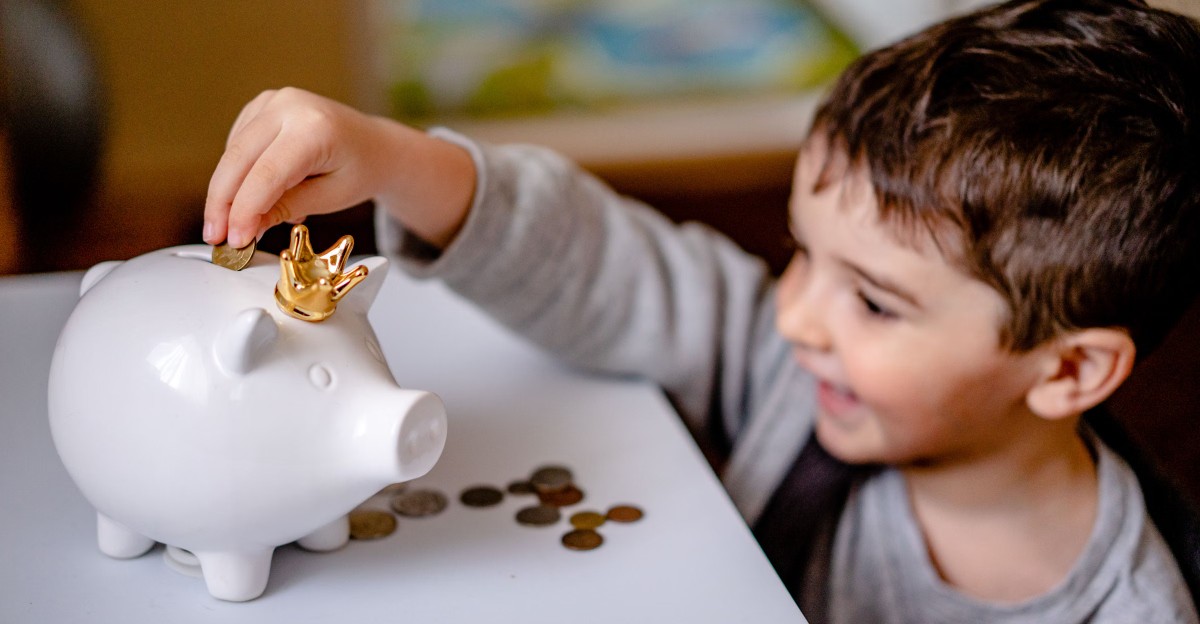
Foundational money skills, like planning ahead and waiting for a reward, start taking shape by around age seven. That means a second grader saving for a toy is quietly practicing grown-up budgeting. Money is only one example of how early routines stick around. The way you slept, snacked, played, and handled a bad day as a kid can still show up in your adult schedule.
Maybe you still hide in a book on weekends, or maybe you leave dishes in the sink exactly like you did at twelve. The good news is that a childhood habit is a starting point, not a life sentence. Which old routines are still running your day, and which ones deserve a fresh update?
1. Reading for Fun
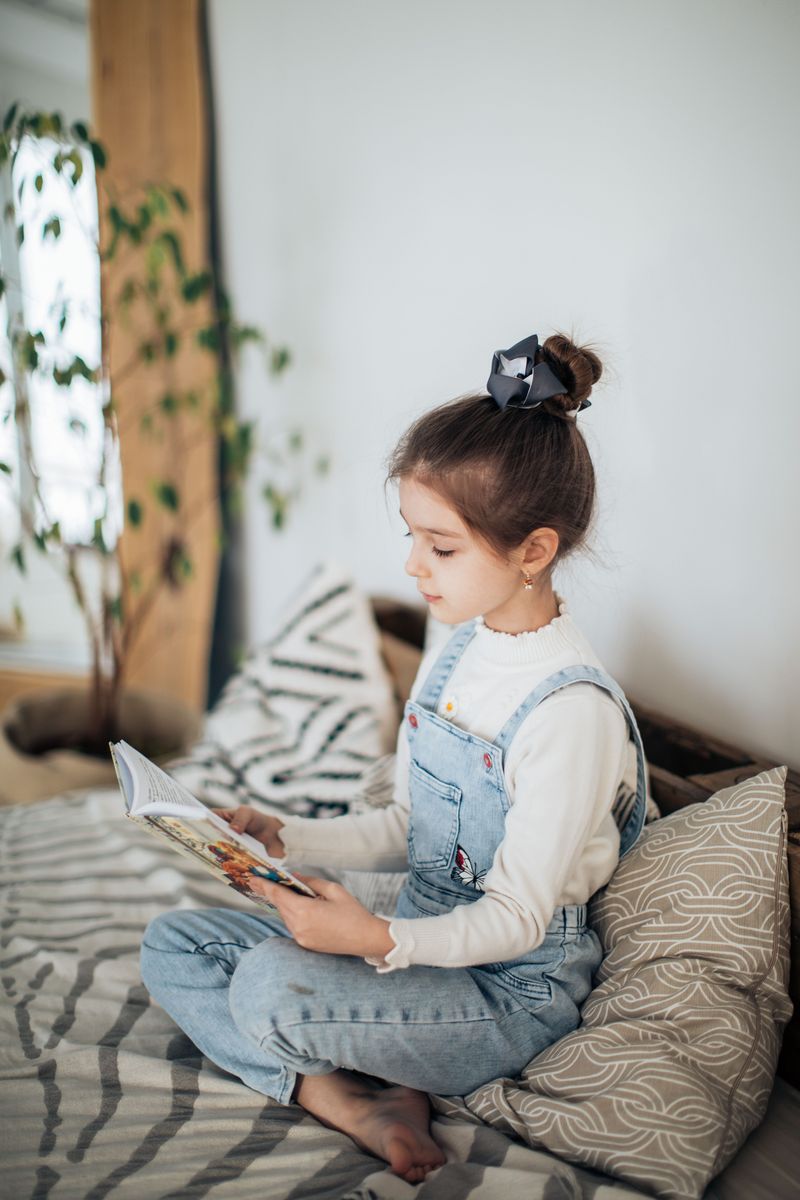
Bedtime stories do more than buy parents ten extra minutes of quiet.
Kids who read often tend to build bigger vocabularies and stronger focus, and those skills travel with them into adulthood.
Stories also give young readers practice stepping into someone else’s shoes.
Following a character through a tough choice helps kids think about feelings and points of view that differ from their own.
As adults, regular readers often find it easier to explain ideas clearly and follow long arguments.
Many also keep learning on their own, picking up new hobbies or skills because books feel like a natural place to start.
Didn’t grow up as a bookworm?
That’s completely fine, and it’s never too late to begin.
Try ten pages before bed, an audiobook during your commute, or a library card you actually use.
Graphic novels, cookbooks, and sports biographies all count as reading.
The best book is simply the one you’ll want to pick up again tomorrow.
If you have kids around, let them catch you reading.
Children copy what they see, and a parent flipping pages on the couch can send a stronger message than any lecture about turning off the TV.
2. Screen Time Habits

Remember sneaking a handheld game under the covers long after lights-out?
Plenty of adults still do the grown-up version with a phone, scrolling far past bedtime.
Heavy screen use in childhood can cut into sleep, especially when devices come out right before bed.
The bright light and nonstop stimulation make it harder for the brain to wind down, and that pattern often follows people into adulthood.
Long hours on a couch with a screen can also mean fewer hours moving around.
Over time, that can shape a more inactive daily routine that’s tough to shake later.
Screens aren’t villains, though.
Educational shows, video calls with grandparents, and strategy games can all have a place in a balanced day.
The trick is building limits that feel normal instead of like punishment.
You might try a phone parking spot outside the bedroom, or a rule that screens go off an hour before sleep.
For families, shared screen-free time works better than strict bans that nobody follows.
A board game night or an evening walk gives everyone, adults included, a break from the glow without any dramatic speeches required.
3. Eating Patterns at the Family Table
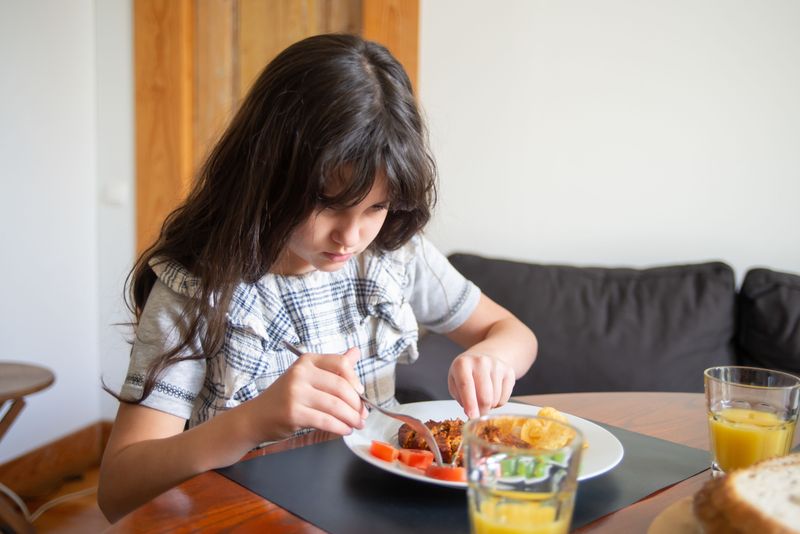
Some adults still push peas to the edge of the plate like it’s 1998.
Picky eating in childhood can carry forward, and grown-up picky eaters often eat a smaller variety of foods, especially fruits and vegetables.
Family meals tell a happier story.
People who shared regular meals with family as kids often eat more produce and a more balanced diet as adults.
The mood around food matters too.
Comments about eating, strict rules, or times when food was scarce can shape how someone feels about meals for years.
That’s why pressure rarely helps a reluctant eater.
Offering new foods again and again, without forcing them, gives taste buds time to adjust.
Cooking together is another easy win.
Kids who wash lettuce, stir sauce, or crack eggs pick up kitchen skills and often feel more curious about trying what they helped make.
Family dinners don’t have to be fancy or nightly.
A Sunday breakfast or a takeout night at the table still counts, so pick whatever fits your schedule and budget.
As an adult, you can stretch your own palate the same way.
Try one new vegetable a week and see what surprises you.
4. Active Play and Sports
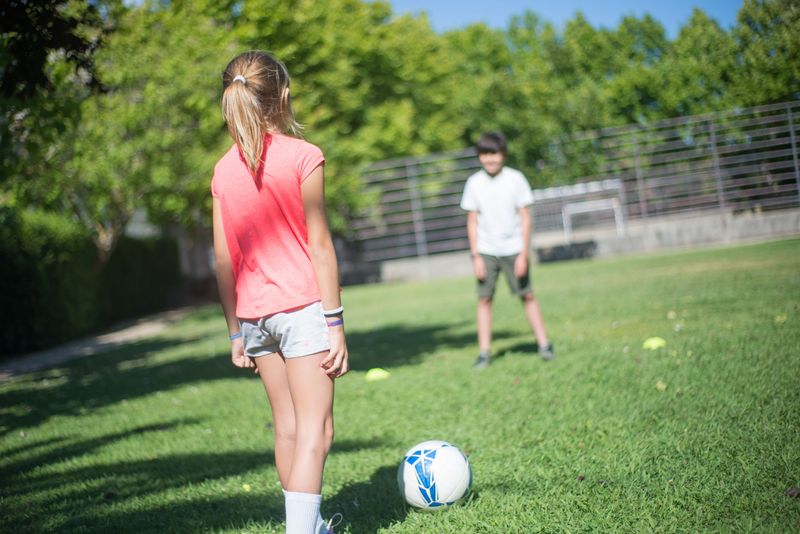
Tag, bike rides, and backyard soccer looked like pure goofing off.
In reality, active kids are more likely to stay active as adults, partly because they learned early that moving can be fun.
Regular movement supports heart health, strong bones, and a healthy weight.
It also lowers the risk of conditions like type 2 diabetes and heart disease later in life.
Youth sports bring extra perks beyond the scoreboard.
Many former team players report better self-esteem and handle stress more easily, and teamwork skills come in handy at work too.
One catch stands out, though.
Kids who feel forced into exercise may grow up avoiding it, so enjoyment matters more than intensity.
Let children test different options, from dance and swimming to skateboarding or hiking.
The goal is finding something they look forward to, not something they dread.
Adults can borrow the same playful approach.
If the gym feels like a chore, try pickleball, a dance class, or simply a long walk with a podcast.
Movement doesn’t need a uniform or a membership.
Chasing your dog around the yard still gets your heart pumping, and it’s far more entertaining than a treadmill.
5. Chores and Tidiness

Nobody ever thanked their parents for making them unload the dishwasher.
Yet childhood chores can build responsibility, time management, and problem-solving skills that pay off in adult life.
Kids learn a lot by watching.
If parents keep spaces in order, children often pick up similar routines, though some people raised in messy homes swing the other way and become very neat.
A tidy space can feel calmer for many adults.
Clutter, on the other hand, can make it harder to focus or relax at the end of a long day.
Chores also teach teamwork in a practical way.
When a household runs as a group effort, kids see that their help actually matters.
Start small and match tasks to age.
A five-year-old can sort socks, while a teenager can handle laundry from start to finish.
For adults, the same bite-sized method works.
A ten-minute tidy before bed beats a weekend cleaning marathon you’ll keep putting off.
Remember that tidy looks different in every home.
Busy schedules, small spaces, and roommates all change the picture, so aim for a system that works for you rather than a magazine photo.
6. Saving and Spending Money

That clear plastic piggy bank was secretly a finance class.
Basic money skills, like planning ahead and waiting for something you want, begin forming by around age seven.
Kids also soak up their parents’ attitudes about money.
A child who hears calm talks about budgets learns something different from one who hears constant stress over bills.
An allowance can be a handy practice tool.
Saving for a video game or a new pair of sneakers teaches patience in a way no lecture can.
Hands-on experiences make lessons stick.
Letting kids compare prices at the grocery store or open a savings account gives money a real-world shape.
Adults who grew up with tight finances may notice lingering habits, like feeling anxious about spending or buying on impulse.
Recognizing those patterns is a useful first step toward changing them.
You don’t need a big income to build better habits.
Even setting aside a small amount each week builds the saving muscle.
Try naming your goals, too, like a trip or an emergency fund.
A savings account labeled vacation feels a lot more motivating than one simply called savings.
7. Creative and Imaginative Play
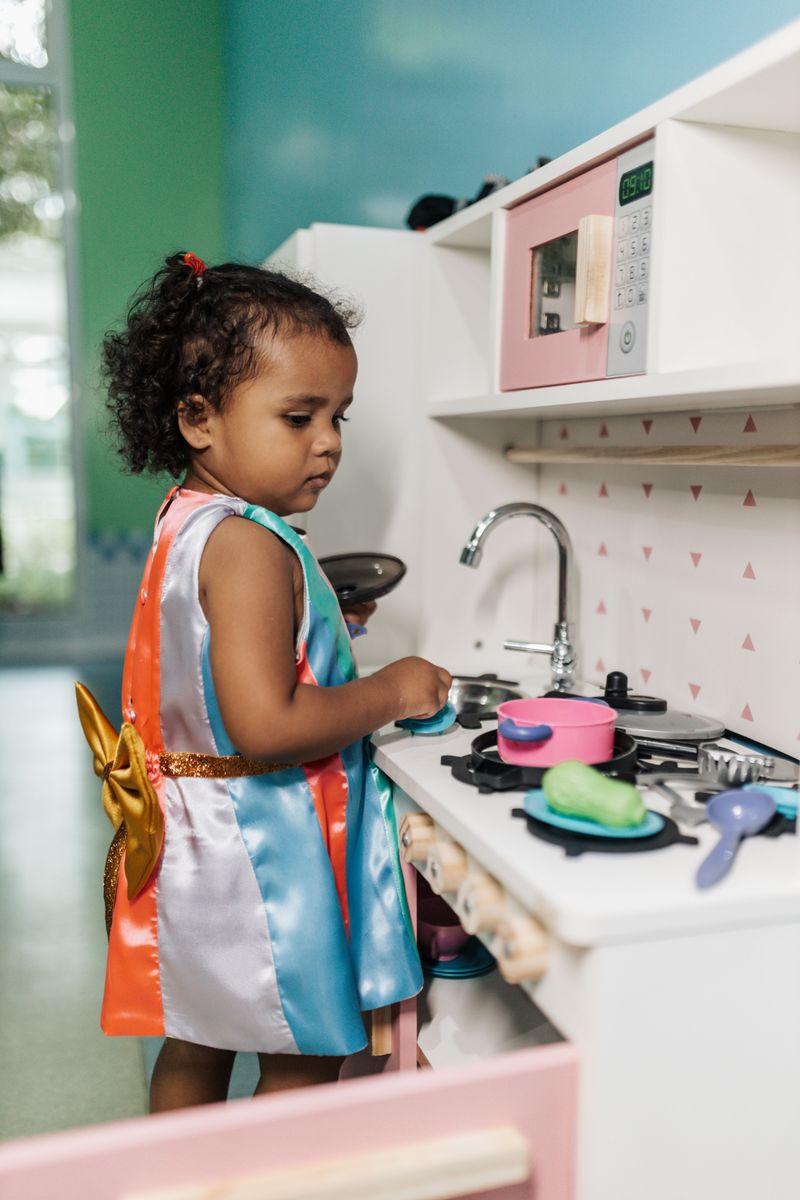
A cardboard box once became a spaceship, a castle, and a pirate ship in a single afternoon.
That kind of pretend play gave kids early practice in flexible thinking and decision-making.
Imaginative play encourages children to experiment without worrying about getting it wrong.
Kids who play this way often grow into curious adults who enjoy testing new ideas.
Group play adds social benefits.
Deciding who plays the dragon or how the fort should look teaches compromise, communication, and teamwork.
Creative hobbies keep helping in adulthood too.
Painting, writing, building, or playing music can give you a healthy outlet when life gets stressful.
Open-ended toys tend to spark the most imagination.
Blocks, art supplies, dress-up clothes, and plain old boxes leave room for kids to invent their own stories.
Digital games can be fun in moderation, but they work best alongside hands-on play.
A mix keeps both creativity and balance in the picture.
As a grown-up, give yourself permission to play.
Doodle during phone calls, try a pottery class, or build a ridiculous Lego set just because you want to.
Nobody’s grading it.
8. Making Friends
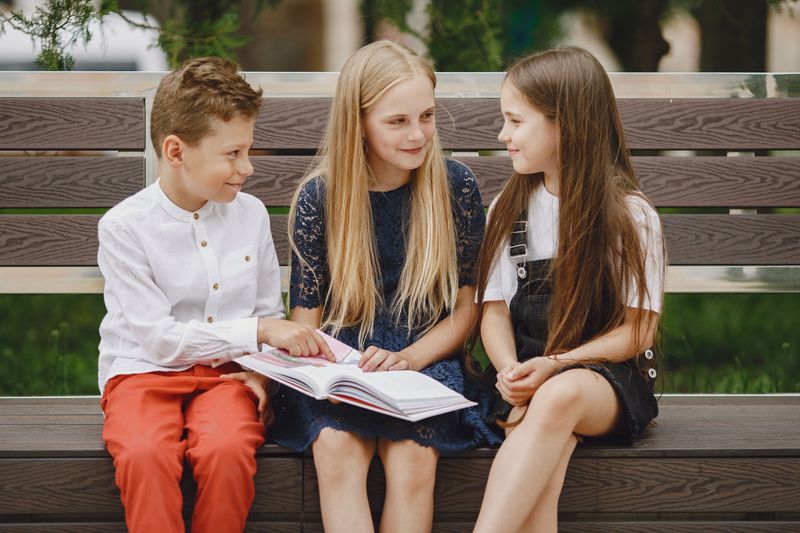
Trading snacks at lunch was basically early networking.
Childhood friendships help kids learn how to read social cues, share, and settle arguments without slamming doors.
Close bonds with caregivers matter too.
A secure early relationship can set the stage for trust and steadiness in adult friendships and partnerships.
Talking regularly with parents and peers builds communication skills.
Kids who practice listening and explaining their feelings usually have an easier time doing both as adults.
Positive social experiences early on are linked to better mental health and confidence later.
Difficult early relationships, by contrast, can make trust feel harder in adulthood, though support and effort can change that path.
Parents can help by creating easy chances to connect.
Playdates, clubs, sports teams, and family gatherings all give kids low-pressure practice.
Shy children don’t need to become social butterflies.
One or two solid friends can mean just as much as a crowded birthday party.
Adults can rebuild friendship skills anytime.
Join a book club, say yes to that coworker lunch, or text an old friend first.
Someone has to send the message, and it might as well be you.
9. Bedtime Routines

Bath, pajamas, story, lights out.
That simple childhood sequence did a lot of quiet work for your body clock.
Steady sleep helps kids with mood, attention, memory, and learning.
Ongoing poor sleep in childhood has been linked to higher risks of weight problems, type 2 diabetes, and mood difficulties later in life.
Part of the reason is hormonal.
Short sleep can mess with the signals that control hunger and fullness, which affects eating patterns.
Consistency is the real hero here.
Going to bed and waking up at similar times, even on weekends, helps the body know when to feel sleepy.
A sleep-friendly room makes a difference too.
Cool temperatures, dark curtains, and fewer gadgets set the stage for better rest.
Adults can rebuild a bedtime routine without the rubber duck.
A shower, a cup of herbal tea, and a chapter of a book can signal that the day is done.
Of course, shift work, new babies, and busy households make perfect sleep tough.
Aim for small improvements rather than flawless nights, and if sleep problems keep hanging on, a talk with your doctor is a smart move.
10. Handling Setbacks
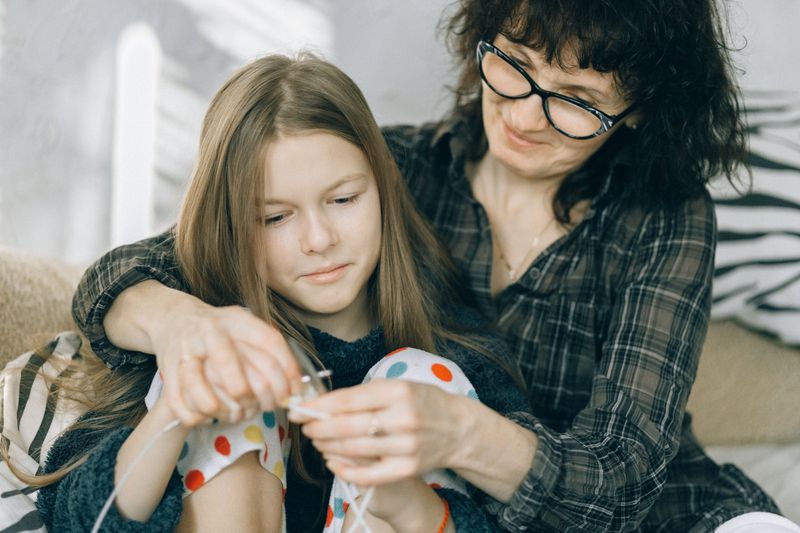
Falling off a bike and climbing back on was a tiny lesson in grit.
The way kids learn to handle frustration often shapes how adults respond to stress, rejection, and change.
Resilience isn’t something people either have or lack.
It grows through support, practice, and seeing that mistakes are survivable.
Caring adults make a huge difference.
A trusted parent, teacher, coach, or relative can help protect kids from many of the long-term effects of hard experiences.
Tough early experiences, especially ongoing ones, can make the adult stress response more sensitive.
Small problems might feel bigger than they are, but support and practice can help people build new ways of coping.
Parents can help by letting kids struggle a little before jumping in.
Solving a tricky puzzle or fixing a friendship spat on their own builds confidence.
Naming feelings is another simple tool.
Saying something like you look frustrated helps children understand emotions instead of bottling them up.
Adults can keep building resilience too.
Try breaking big problems into smaller steps, leaning on friends, and talking to a counselor when things feel heavy.
Bouncing back is a skill, and skills get stronger with every rep.