 MomSkoop
In 1858, the French Navy made a striped knit shirt part of its official uniform, and versions of that design still hang in closets today. That small historical detail tells me something useful about which clothes stick around for decades. Several pieces started as gear for sailors, soldiers, or laborers, then quietly moved into regular everyday life. They lasted because they solved real problems, like staying dry in rain, moving easily, or matching almost anything.
That matters for your closet and your budget, because buying fewer replacements frees up money and space. A small group of well-chosen basics can also make getting dressed on a rushed weekday morning feel much simpler. I love the idea that a single shirt or coat can calmly outlast a dozen trend cycles.
1. White Button-Down Shirt

Few garments can handle a job interview on Monday and a picnic on Saturday.
A crisp white button-down pulls off both without breaking a sweat, which is more than most of us can say.
Fabric choice changes the personality of the shirt.
Poplin feels smooth and looks sharp, though it wrinkles easily, while oxford cloth has a slightly heavier basketweave texture that reads more relaxed.
Small details also matter more than you might expect.
Collar styles range from point to spread to button-down, and cuffs can be barrel, French, or convertible, so pick what suits your daily routine.
For styling, tuck it into tailored trousers for meetings, or wear it open over a tee with jeans.
Rolled sleeves and a half-tuck give it an easygoing weekend look.
Keeping it bright takes a little effort.
Wash it in cold or lukewarm water with a detergent made for whites, and skip bleach, since it can weaken fibers and actually leave yellow marks.
Pretreat collar and underarm stains quickly, and let lotion or sunscreen dry before getting dressed.
Low-heat drying or air-drying helps prevent shrinking, and ironing works best while the cotton is still slightly damp.
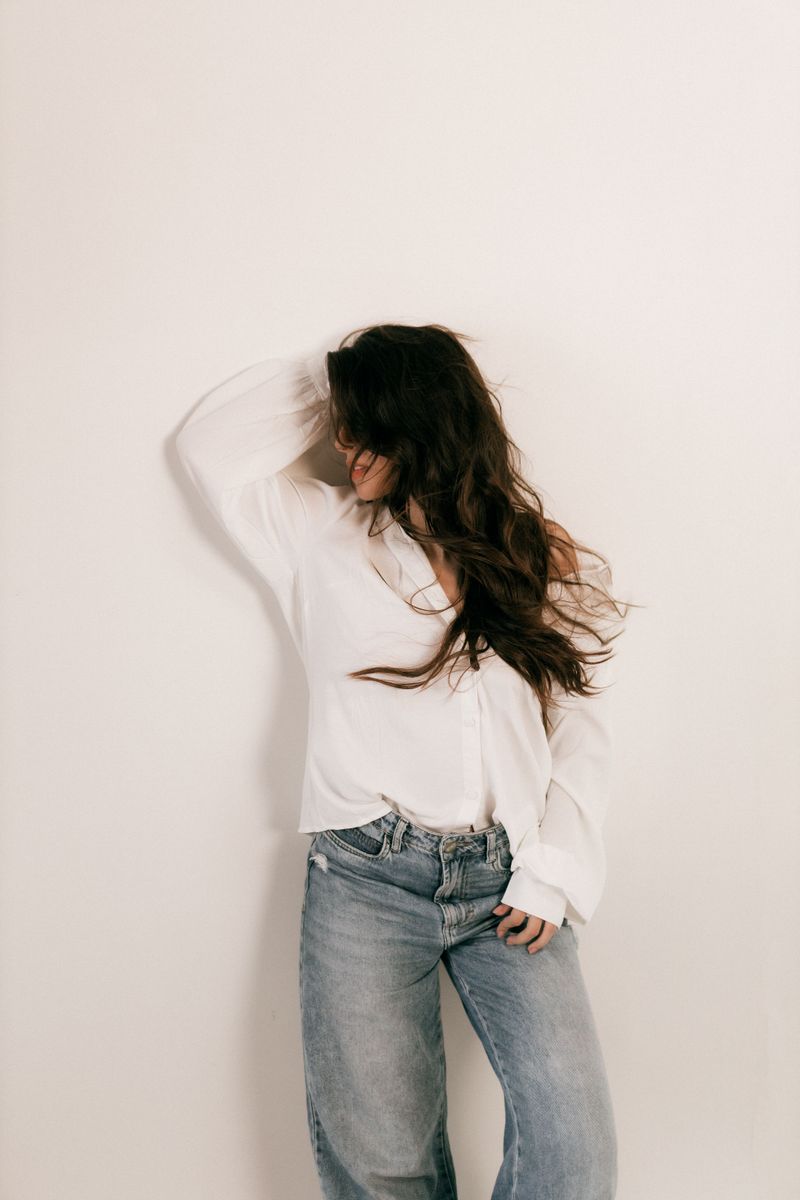
2. Straight-Leg Jeans
Copper rivets on jeans trace back to 1873, when Levi Strauss and Jacob Davis received a patent for reinforcing work pants.
That workwear toughness still shows up in the straight-leg cut today.
The appeal comes from balance.
A straight leg keeps a fairly consistent width from thigh to ankle, so it avoids the extremes that tend to date skinny or very wide styles.
Wash choice sets the mood.
Dark indigo looks more polished for dinners or casual offices, while medium and light washes feel relaxed and work with sneakers and simple tees.
Rise and length give you room to play.
High-rise pairs define the waist, mid-rise feels looser, and ankle-length hems pair nicely with flats while full-length versions suit boots and loafers.
Fabric matters for how the jeans change over time.
Rigid all-cotton denim holds its shape and slowly develops fading patterns from wear, while blends with a little elastane add stretch for comfort.
Care is refreshingly simple.
Wash them inside out in cold water and hang them to dry, which helps protect both the color and the fit for many seasons to come.
3. Trench Coat
Rainy days got a lot more stylish when Thomas Burberry developed gabardine in 1879.
That tightly woven, water-resistant cotton became the backbone of the trench coat and still defines it today.
Military history gave the coat its name.
British officers wore trench coats during World War I, and many of the original practical details survived the jump to city sidewalks.
Look closely and you’ll spot a lot of hardware with a purpose.
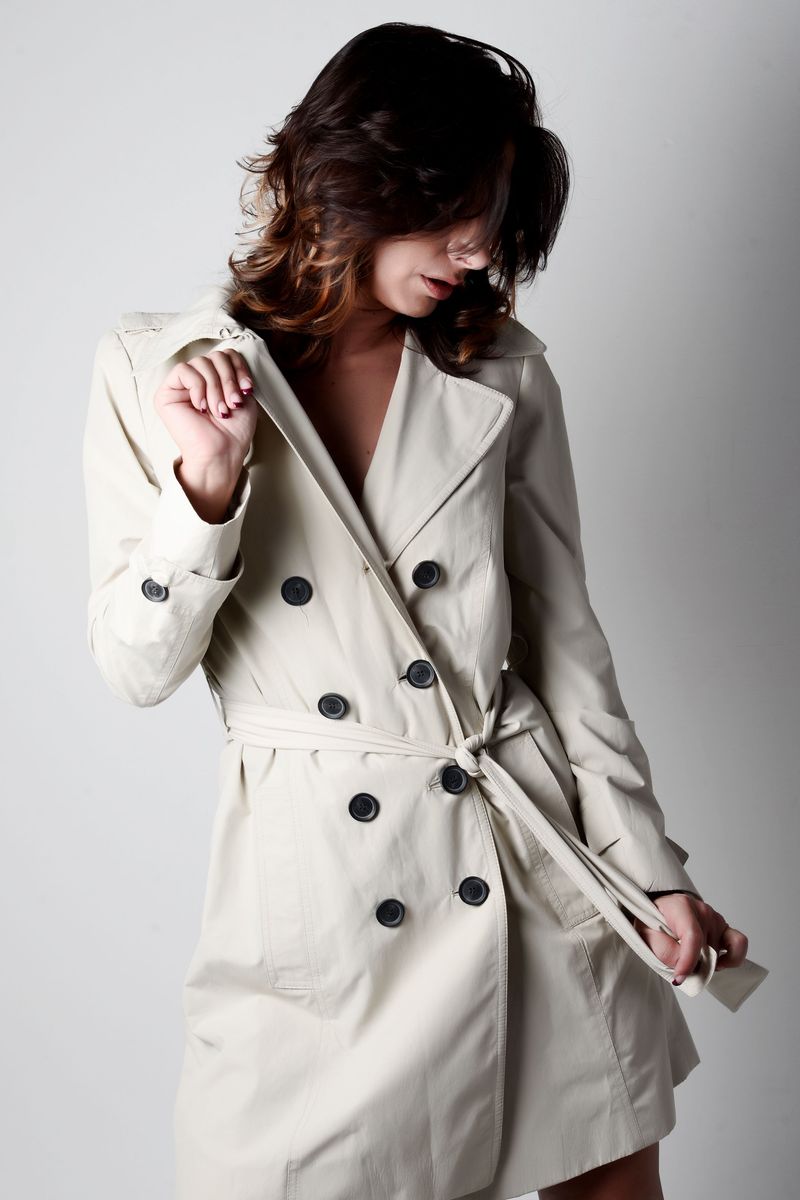
Classic versions feature a double-breasted front, wide lapels, a storm flap, epaulets, a buckled belt, cuff straps, and a back vent.
Those details make it surprisingly flexible.
Belt it tightly over a dress for a defined shape, or leave it open and loose over jeans and a sweater for errands.
Khaki is the classic shade, though navy and black versions blend in just as easily.
Some coats come with linings, which can stretch their usefulness into cooler spring and fall weeks.
To keep the structure crisp, professional dry cleaning is the usual route.
Small marks can often be spot cleaned, but check the label first, since materials vary between makers.
4. Little Black Dress
Back in 1926, American Vogue compared a simple black Chanel dress to the Ford car.
The point was clear: like a reliable car, this dress could become standard equipment for women everywhere.
Nearly a century later, the comparison still holds up.
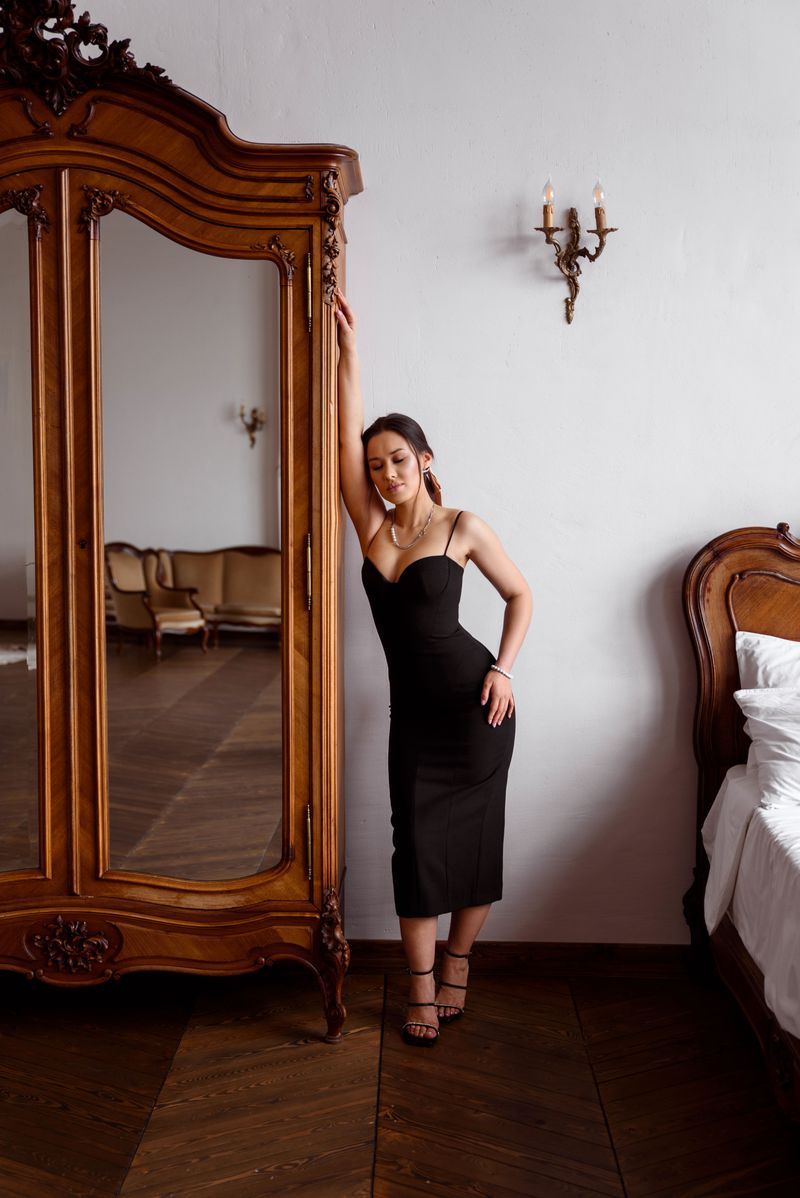
A little black dress acts like a blank canvas, ready to take on whatever mood your accessories suggest.
Fabric options are wide.
Jersey feels stretchy and relaxed, wool crepe has more structure, and silk, velvet, or lace lean toward evening plans.
Lengths usually land at mini or midi, so you can choose based on your comfort and your calendar.
A sleeve style you actually like matters more than any rule.
Styling is where the fun starts.
Add a denim jacket and sneakers for daytime, then switch to heels, earrings, and a clutch when the plans get fancier.
Care depends heavily on the material, so the label deserves your full attention.
Delicate fabrics may need dry cleaning, while jersey versions often handle a gentle wash, keeping that deep black from fading too soon.
5. Cashmere Crewneck Sweater
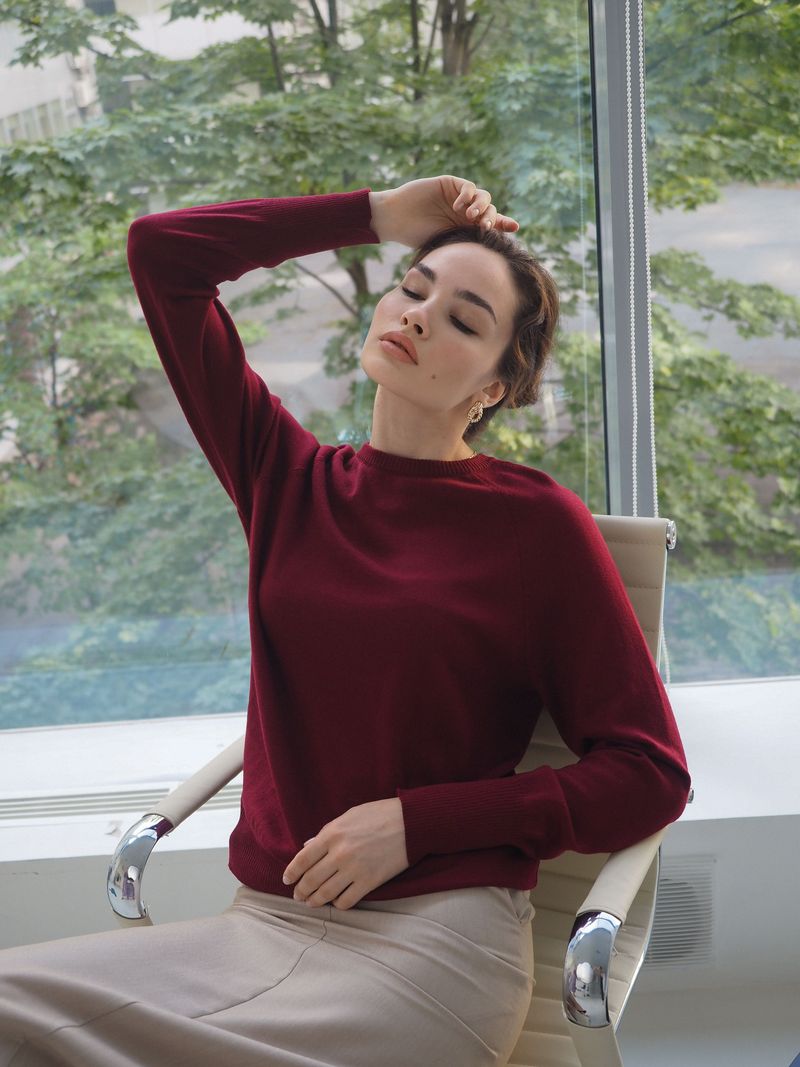
Soft as it feels, cashmere comes from a fairly rugged source.
The fiber is the fine undercoat of cashmere goats, which grow it to handle cold mountain climates.
That fine fiber explains the appeal.
A good cashmere sweater feels light but insulates well, so it layers under coats without making you feel bundled up like a burrito.
The crewneck shape keeps things simple.
It sits neatly under a blazer, over a collared shirt, or alone with jeans, and it works in neutral shades like gray, navy, or camel.
Care is where cashmere either thrives or falls apart.
Hand wash it in cool water, or use a delicate or wool cycle no hotter than 30 degrees Celsius inside a mesh laundry bag.
Never wring it out.
Press the water gently into a towel, then lay the sweater flat to dry, reshaping it while damp and keeping it out of direct sunlight.
Folding beats hanging, since hangers can stretch the shoulders.
If small pills appear, a cashmere comb removes them, and moth protection helps during long summer storage.
6. Leather Moto Jacket
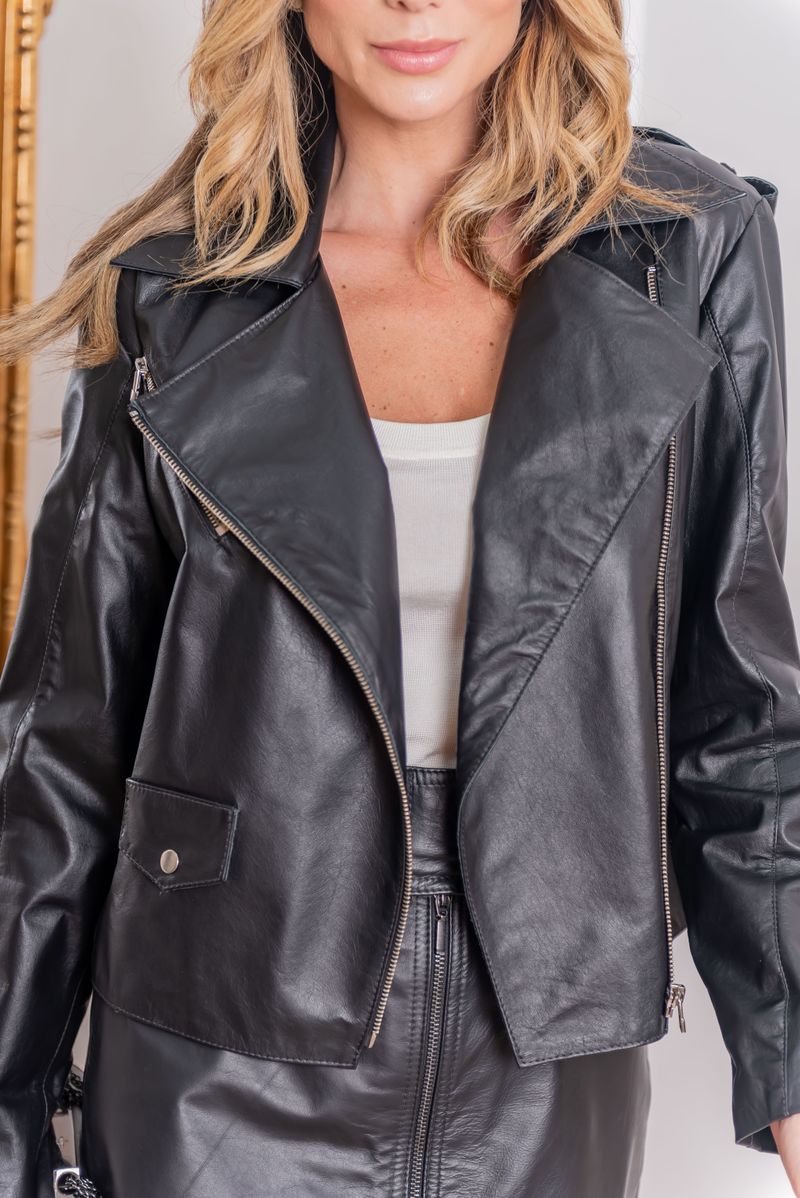
Leather moto jackets were built for riders, yet plenty of owners have never touched a motorcycle.
Honestly, the jacket doesn’t seem to mind one bit.
Part of the charm is how leather ages.
With proper care, a quality jacket can last for decades and develop a patina, the soft sheen and creasing that make each one look personal.
Styling is pleasantly flexible.
Throw it over a plain tee and jeans, or pair it with a floral dress for a fun contrast between tough and soft.
Rain is the enemy, so plan ahead.
If you get caught in a light shower, wipe the jacket with a soft cloth and let it air dry at room temperature.
Skip hair dryers and heaters, since high heat can leave leather stiff and cracked.
Use a wide, sturdy hanger instead of thin wire ones to support the shoulders.
Conditioning keeps the leather supple.
Every three to six months works for frequent wear, using a small amount of leather conditioner, and never put the jacket in a washing machine.
7. Classic White T-Shirt
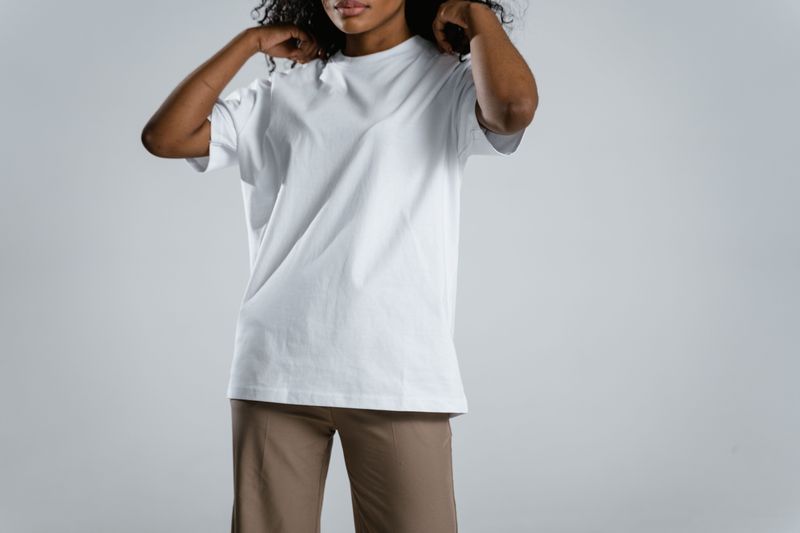
Ask a stylist to build an outfit from scratch, and a plain white tee is often the first layer down.
It’s the quiet roommate of your closet, low drama and always around.
Simplicity is the whole point.
Most versions are cotton with short sleeves, and the main decision is crew neck or V-neck.
Crew necks look clean under jackets and sweaters.
V-necks can feel a bit more open, which some people prefer with blazers or unbuttoned shirts.
Fit makes a bigger difference than price.
Check that the shoulder seams sit near your shoulder edge and the hem lands where you like it, tucked or untucked.
Dress it up with tailored trousers and loafers, or keep it basic with jeans and sneakers.
It also slides neatly under a slip dress or overalls for a layered look.
To keep it white, wash it with other whites on a gentle cycle.
Mixing it with darker colors is the fastest way to end up with a shirt in a mystery shade of gray.
8. Black Blazer
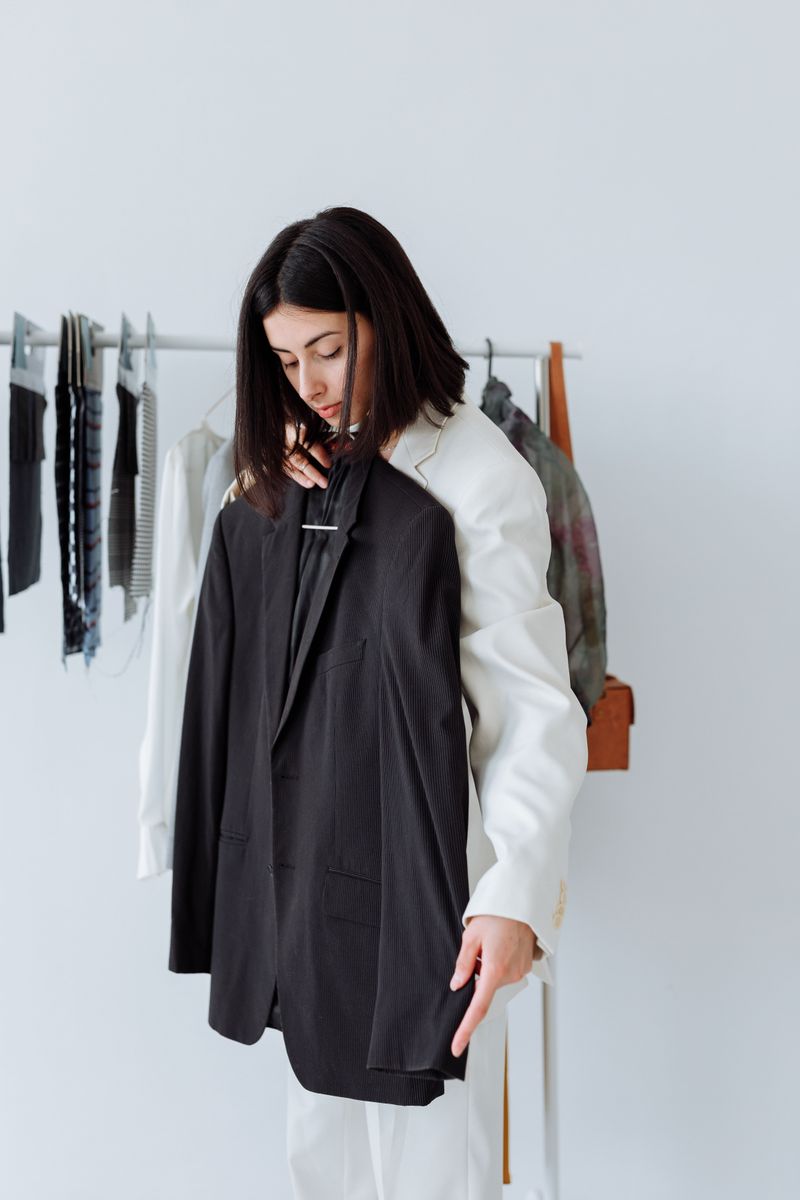
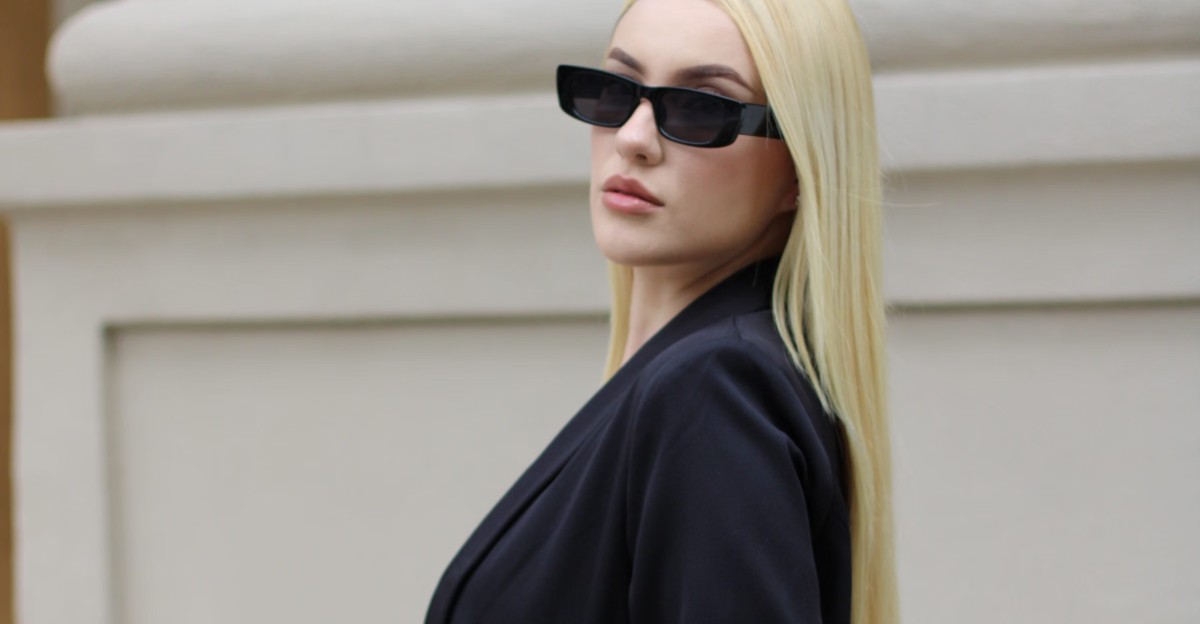
One black blazer can make jeans look intentional and a dress look ready for business.
That kind of range is hard to find in any other single jacket.
Structure is the secret.
Defined shoulders and careful tailoring give the outfit underneath a clean frame, even when the rest is casual.
Materials vary a lot.
Wool and wool blends with a tight weave feel substantial, while neoprene and ponte knit versions resist wrinkles, which helps if your blazer spends time in a bag.
A full lining can help the jacket drape smoothly instead of clinging.
It also makes slipping it on over a sweater much easier on chilly days.
Cuts range from fitted to cropped to oversized, with single-button or double-breasted fronts.
An oversized blazer over a tee and straight-leg jeans looks relaxed, while a fitted one works neatly with a skirt.
Care depends on the fabric, so the label should guide you.
Hang it on a shaped hanger between wears, and brush off lint, since black fabric shows dust more than most colors.
9. Leather Loafers
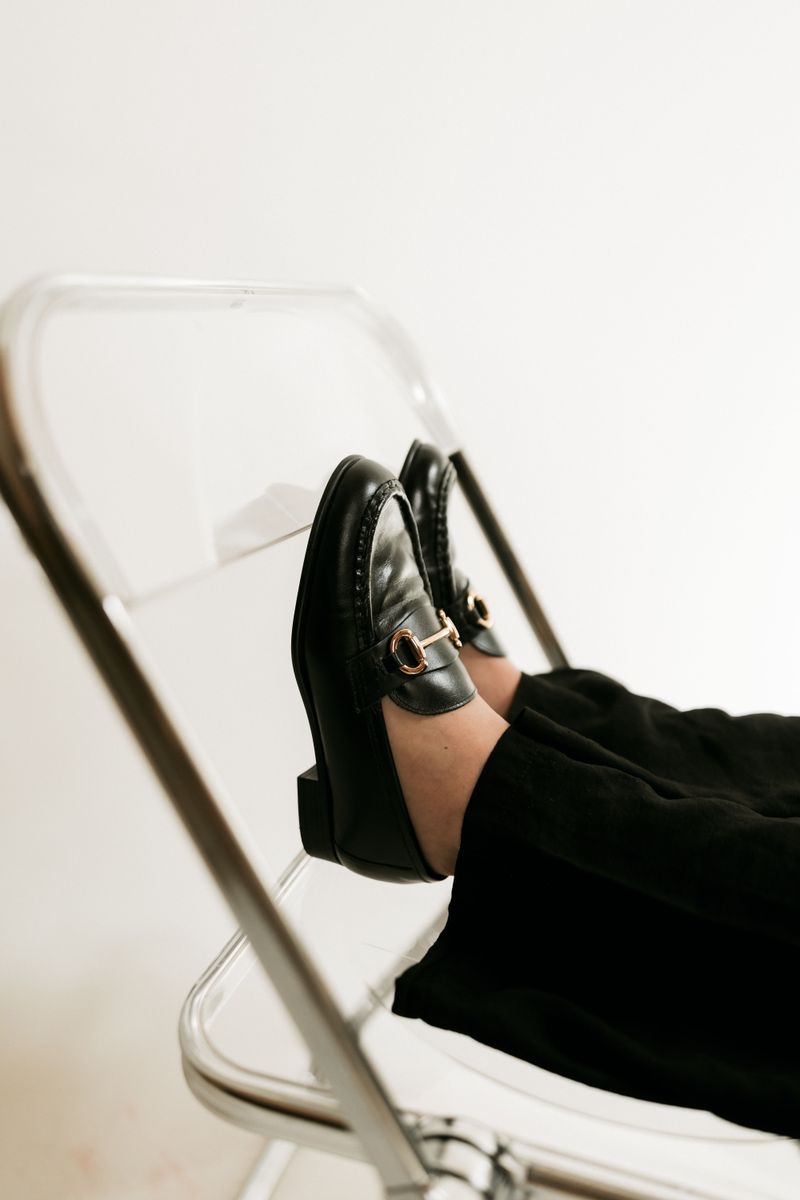
No laces, no fuss, no struggle by the front door.
Loafers slip right on, which makes them a favorite for people who are always running five minutes behind.
That easy design also looks polished.
Leather loafers work with tailored trousers at the office and with cuffed jeans on weekends.
Color choice shapes how often you’ll reach for them.
Brown pairs nicely with denim, khaki, and navy, while black leans more formal and works with gray or black trousers.
Try them with ankle-length pants or a midi skirt to show off the shoe.
Socks are optional, though thin liners can help with comfort on long days.
Leather needs routine attention to stay in shape.
Wipe off dirt after wear, and apply a leather conditioner now and then to keep the material supple and help prevent cracking.
Shoe trees or stuffed paper help them hold their form between wears.
Rotating them with other shoes also gives the leather time to dry out, which can stretch their lifespan considerably.
10. Black Pencil Skirt

Slim, straight, and straightforward, the pencil skirt earned its name from that narrow shape.
It usually ends just below or around the knee.
A black version stretches across many settings.
Pair it with a blouse for work, then swap in a fitted sweater or a tee and sneakers when the day winds down.
Construction details make the difference in daily wear.
Look for a back vent or small slit for walking room, a reinforced waistband, and a lining if the fabric is thin.
Fabric choices range widely.
Wool and stretch wool look tailored, leather adds edge, and ponte knit blends with spandex feel soft while holding their shape.
Fit should feel close without being restrictive.
Some pull-on styles use elastic waistbands, which can make dressing easier and more comfortable for long days.
Care depends on the fabric, so read the label.
Many ponte knit versions can be machine washed cool on a gentle cycle and tend to resist wrinkles, which is handy for travel.
11. Tailored Wool Trousers
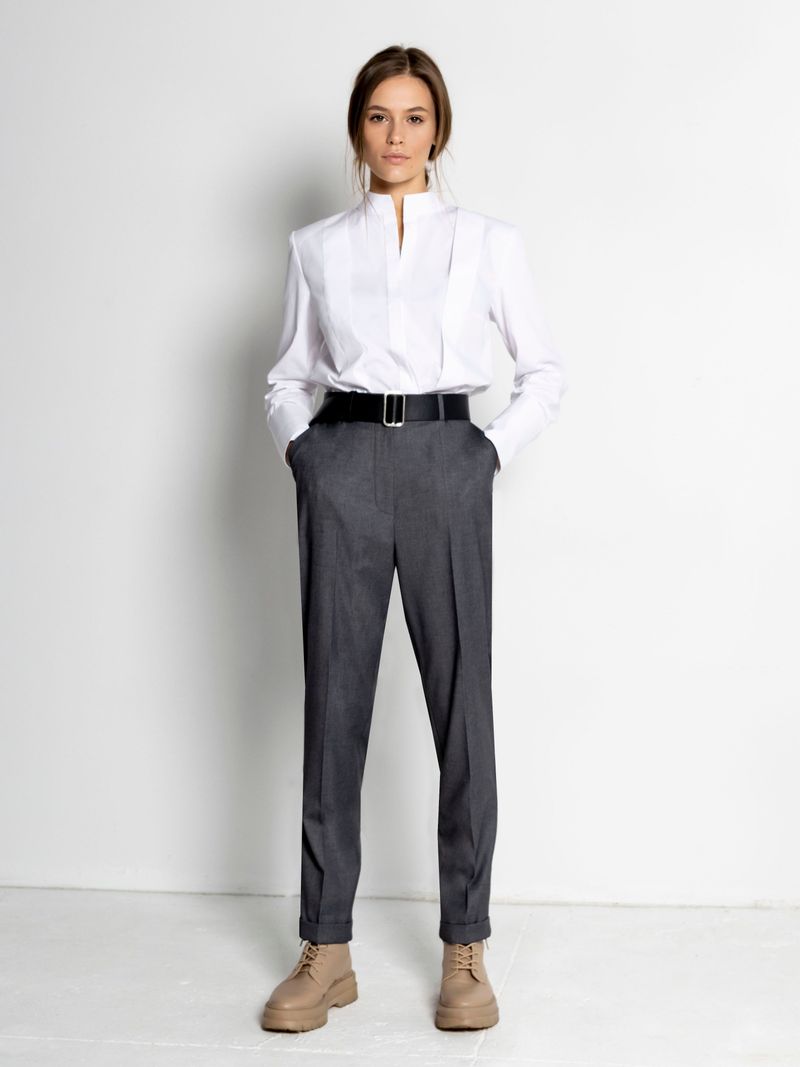
Wool might seem like a winter-only fabric, but tailored wool trousers show up in offices year-round.
Lighter weaves exist for warmer months, so the fabric is more flexible than its reputation.
Drape is the big selling point.
Wool hangs nicely and tends to hold its shape, which keeps a pressed crease looking sharp through a long day.
Cut matters for how modern the trousers feel.
Straight or slightly tapered legs are the usual choices, and both work with loafers, boots, or clean sneakers.
Gray and navy are handy starting colors.
They pair well with white shirts, knit sweaters, and both black and navy blazers.
For a casual twist, try them with a striped shirt and sneakers.
For dressier plans, a silky blouse or fine knit keeps things polished.
Dry cleaning is the typical route for keeping the shape crisp.
Some wool blends can handle a gentle hand wash, but the care label always gets the final say.
12. Navy Blazer
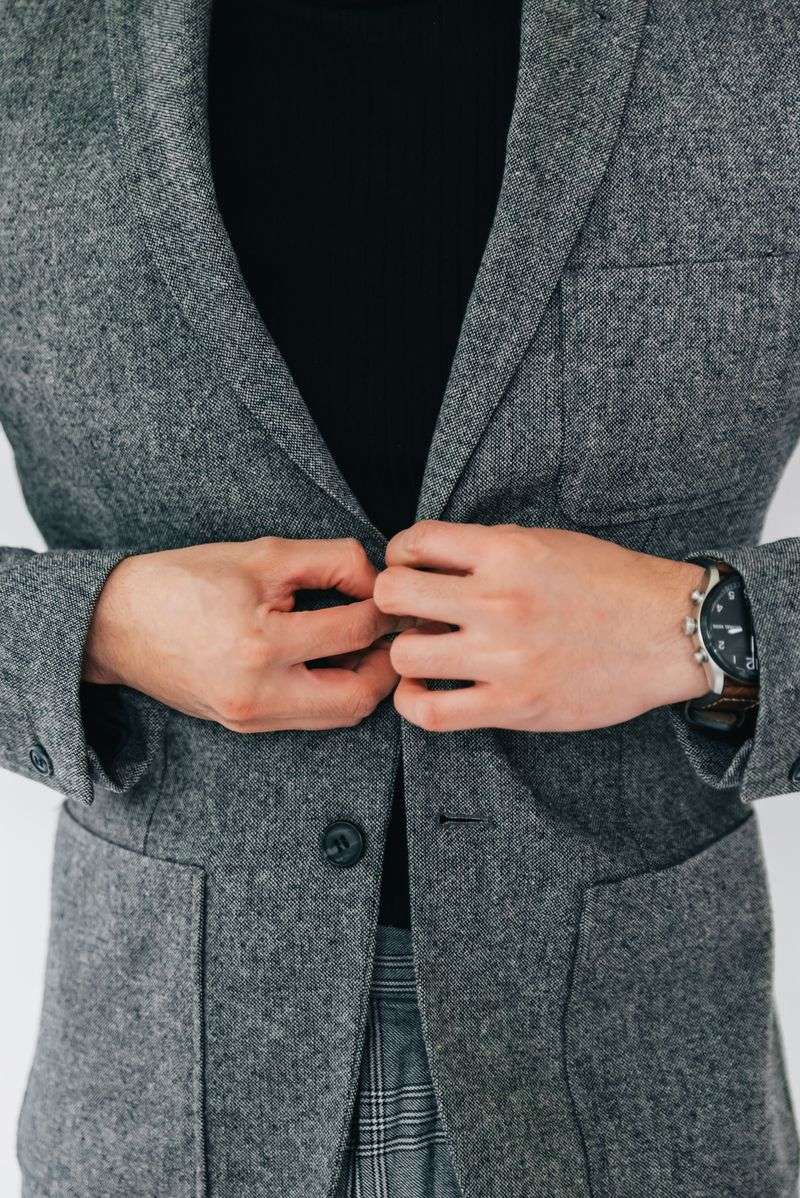
Black blazers get plenty of attention, but navy might be the friendlier sibling.
Its softer tone sits comfortably beside colors that black can overpower.
Think khaki chinos, gray trousers, light-wash jeans, and even white pants in summer.
Navy plays nicely with pretty much the whole neutral family.
Fabric choices often include wool blends and hopsack, a basketweave that feels breathable and has a subtle texture.
That texture gives the jacket some depth up close.
Like other blazers, navy versions usually feature structured shoulders.
You’ll find single-breasted and double-breasted designs, and some come with metal buttons for a classic look.
For a relaxed outfit, wear it over a striped shirt with jeans and loafers.
For a sharper look, add a white button-down and gray wool trousers.
Care follows the same logic as other tailored jackets, so check the label first.
A shaped hanger and occasional brushing help it keep its form between cleanings.
13. Wool Pea Coat
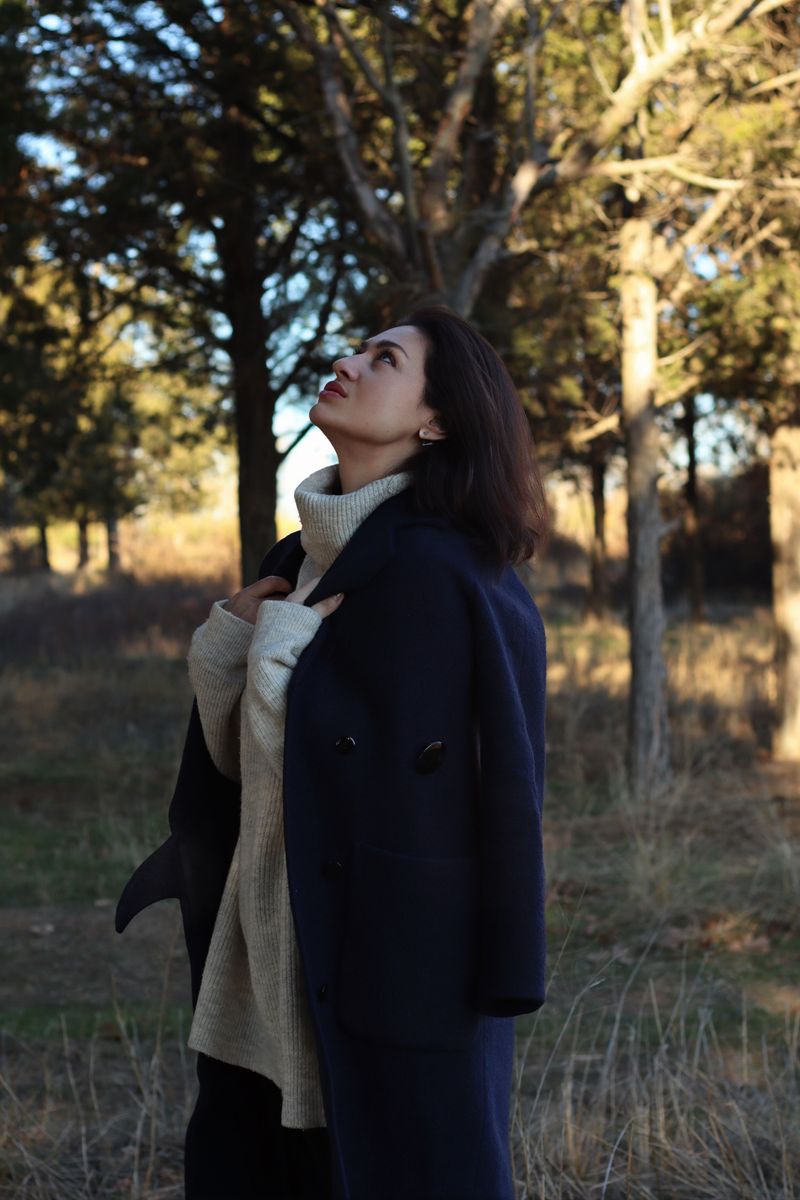
Sailors needed coats that could handle wind, salt spray, and freezing decks.
The pea coat answered that call, and its naval roots still show in its design.
Thick wool, often dense Melton, does most of the heavy lifting.
Wool stays insulating even when damp, and it naturally resists flames, which made sense aboard ships.
The short length was practical too.
It let sailors climb and move easily, and it still makes the coat handy for biking, commuting, or carrying groceries.
Other features include a double-breasted front, slash pockets, large round buttons, and a tall collar.
Flip up the wide lapels and button them across your throat on bitter days.
Navy is the classic color, though charcoal and black are common.
Pair it with jeans and boots, or layer it over a cashmere sweater and wool trousers.
Dry cleaning usually keeps a wool coat in good shape.
Brush it after wear, hang it on a sturdy hanger, and store it with moth protection when the weather turns mild.
14. Striped Breton Shirt

Here’s a fashion staple that started with a government rule.
In 1858, the French Navy adopted the striped knit shirt as an official undershirt for sailors.
That original regulation set a specific stripe pattern.
The design typically featured a wide boat neck and no buttons, which kept it from snagging on ship rigging.
Coco Chanel helped carry the stripes from ship decks to stylish wardrobes.
Today, navy-and-white and black-and-white versions are the most familiar.
Quality shows in the stripes themselves.
On traditional versions, they’re knitted into the dense cotton fabric rather than printed on top, so they hold up through years of washing.
Styling is pleasantly easy.
Wear it with white jeans, tuck it into a skirt, or add it under a navy blazer for a slightly preppy look.
Wash it at 30 degrees Celsius with similar colors and skip fabric softener.
Lay it flat to dry instead of tumble drying, which helps the shirt keep its original shape.
15. Leather Ankle Boots
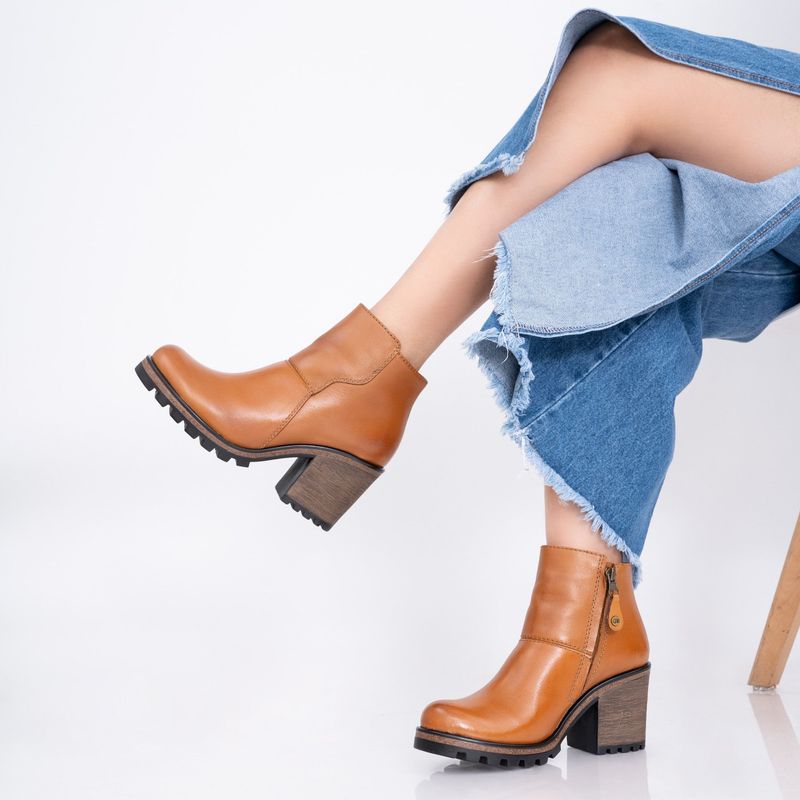
Slip on a good pair of leather ankle boots, and fall suddenly feels a lot more manageable.
They cover jeans, skirts, and trousers without much thought.
Leather type matters.
Full-grain and top-grain leathers are known for strength, while nubuck offers a softer, brushed texture that needs a bit more caution around water.
Height and heel shape guide your outfits.
Low block heels or flat soles work for long walks, and slim profiles slide neatly under straight-leg pants.
Routine care pays off.
Brush off dirt with a soft brush after wear, wipe with a damp cloth when needed, and use a cleaner made for your leather type.
Let wet boots air dry naturally, away from radiators or strong sunlight that can warp the leather.
Condition them every few months, working a small amount in with circular motions.
Boot trees or stuffed paper help them keep their shape in storage.
A waterproofing spray or wax adds extra protection, so slushy sidewalks become a minor annoyance instead of a disaster.