 MomSkoop

A single offhand mention of an ex can turn a lively first date into a long stare at the menu. One sentence is all it takes for the mood to shift. I find that fascinating, because most first-date stumbles have nothing to do with looks or outfits. They come from what we say, how much we say, and when we say it.
Nerves push people into odd habits, like rambling, grilling, or bragging about a promotion before the appetizers land. The good part is that these slips are easy to spot once you know what they look like. That’s the part that interests me most, since a few small changes can make a big difference.
1. Talking Too Much About Yourself

Your date did not buy a ticket to a one-person show.
When you hold the floor for twenty minutes straight, the evening turns into a performance with a single audience member.
Nerves often cause this.
Silence feels scary, so you fill it with stories about your job, your hobbies, and that hiking trip from last spring.
The trouble is that your date never gets a turn.
People tend to leave a date feeling good when they felt heard, and that can’t happen if they barely spoke.
A simple fix is to watch the balance.
After you share a story, toss the conversation back with something like, “What about you?” or “Have you ever done anything like that?”
You can also keep your answers shorter than feels natural.
A two-minute version of a story usually lands better than the full director’s cut.
Passion is still welcome, so don’t hide what excites you.
Just remember that enthusiasm works best when it invites the other person in rather than drowning them out.
Think of the conversation like a game of catch.
If you keep the ball the whole time, the other player eventually wanders off to find a different game.
2. Not Asking Any Questions

Curiosity might be the most attractive thing you can bring to dinner.
Without it, even a perfectly pleasant person can seem distant and hard to read.
Some people answer every question their date asks, then simply stop.
They smile, nod, and wait for the next prompt like a quiz show contestant.
From the other side of the table, that can feel like talking to a wall.
Your date may start wondering if you’re bored, shy, or quietly counting down to the check.
Open-ended questions help a lot here.
Instead of “Do you like your job?” try “What’s the best part of your work?” or “How did you end up in that field?”
Follow-up questions are even better.
If your date mentions a trip to Portugal, ask what surprised them there rather than jumping to a new topic.
You don’t need a script, and you shouldn’t memorize a list.
Listen closely, and the next question usually shows up on its own.
Asking questions also takes pressure off you.
While your date talks, you get a breather and a chance to learn what makes them light up.
3. Turning the Date Into an Interview

Where do you see yourself in five years?
That question belongs in a conference room, not over tacos on a Friday night.
Asking questions is good, but there’s a limit.
Rapid-fire questions with no breathing room can make your date feel like a job candidate sweating through a panel review.
The giveaway is a pattern.
You ask, they answer, you ask again, and you never share anything about yourself in return.
Real conversation trades back and forth.
When your date tells you about their dog, share something about your own pet or the one you wish you had.
Let topics linger, too.
A good thread can run for ten minutes if you let it wander naturally instead of checking it off and moving on.
Lighter questions also help the mood. “What’s a movie you can quote by heart?” is more fun than “What are your long-term career goals?”
If you notice yourself firing off question after question, pause.
Add a story, laugh at their answer, or simply react before asking anything else.
Nobody wants to leave a date wondering if they got the position.
4. Bragging to Impress

Nobody has ever fallen for someone because of a detailed rundown of their stock portfolio.
Still, plenty of people try.
Wanting to impress a date is natural.
The problem starts when every story circles back to your salary, your car, your title, or the famous person you once stood near at an airport.
Constant self-promotion can come across as arrogance.
It can also suggest you think your worth depends on a list of achievements, which isn’t the message you want to send.
Your accomplishments are part of you, so you don’t need to hide them.
Share them when they fit the conversation, and focus on why they matter to you rather than how big they sound.
“I just finished my first half marathon, and I was so slow but so happy” feels friendly. “I’m basically an elite athlete now” feels like a sales pitch.
Humility goes a long way on a first date.
Letting your date discover your good qualities over time can be more appealing than announcing them on night one.
Save the highlight reel for your résumé.
Over dinner, a little mystery works in your favor.
5. Fishing for Constant Reassurance

Laughing a little too hard at your own jokes is a classic sign of first-date jitters.
So is checking your date’s face after every sentence to see if it landed.
Seeking approval this way can feel tiring for the other person.
They may sense they need to keep reassuring you, which turns the date into a support session.
Self-deprecating comments fall into the same trap.
Lines like “I’m terrible with people” or “I’m not that smart” can invite awkward reassurance or make your date question things they hadn’t even noticed.
A dash of humble humor is fine.
Joking about burning toast is charming, while repeatedly putting down your looks or intelligence can make the mood heavy.
One helpful approach is to let your stories stand on their own.
Say the funny thing, then move on without hunting for a reaction.
If you’re nervous, it’s okay to say so once. “I’m a little nervous, honestly” often breaks the ice and can make your date relax, too.
Confidence doesn’t mean acting perfect.
It often just means trusting that you’re worth getting to know, flaws and all.
6. Complaining About Everything

Your boss, your commute, the weather, and the slow Wi-Fi at your apartment all deserve a rant sometimes.
Your first date, however, probably isn’t the right audience.
Complaining can feel like bonding, especially when you share a gripe about traffic.
Too much of it, though, paints you as someone who’s unhappy most of the time.
Your date has limited information about you.
If half of it is negative, that’s the picture they’ll take home.
Try flipping a complaint into something lighter.
Instead of griping about your job, mention the coworker who brings homemade cookies every Monday.
Honesty still matters, so you don’t need to fake constant cheer.
If life is tough right now, a short, calm mention is fine without turning it into the whole evening.
Notice the energy at the table.
If you hear yourself starting a third rant, steer toward something you’re looking forward to, like a concert or a weekend plan.
Positive talk tends to be contagious.
When you share what excites you, your date usually has more to say back, and the conversation picks up speed instead of sinking.
7. Bringing Up the Ex

Exes have a sneaky habit of crashing first dates uninvited.
One small mention can quickly grow into a full documentary.
Talking about past partners, good or bad, often raises questions in your date’s mind.
Are you still hurt?
Are you comparing them to someone else?
Have you actually moved on?
Even praising an ex can backfire. “She was amazing at cooking” might sound kind, but it puts a third person at the table.
Sometimes the subject comes up naturally, like when your date asks how long you’ve been single.
A short, neutral answer works best, such as “It ended a while ago, and we both moved on.”
Skip the breakup details, the blame, and the story of who got the couch.
Those topics can wait until you know each other better.
If your date starts talking about their ex, you can gently guide things elsewhere.
Asking about a recent trip or hobby gives them an easy exit.
A first date is about seeing whether two people click right now.
Keep the spotlight on the two of you, and let the past stay in the past where it belongs.
8. Oversharing Too Soon

Openness is lovely, but a first date isn’t a therapy session.
Sharing your entire life story in one sitting can overwhelm someone who just met you.
Heavy topics like family drama, health problems, past trauma, or intimate history need trust before they’re shared.
Bringing them up early can make your date feel unsure how to respond.
It can also create a rushed sense of closeness.
Deep secrets shared with a near stranger may feel bonding in the moment but awkward the next morning.
Being yourself doesn’t require telling everything at once.
You can be honest while still keeping some chapters for later.
A good rule is to match your date’s level of sharing.
If they mention their family lightly, keep yours light too.
Little personal details work well early on.
Talk about your favorite childhood snack, the city you grew up in, or the weird hobby you picked up last year.
Trust builds in layers, a bit like a good lasagna.
Rushing the process can leave things messy, while taking time lets the good stuff settle in properly over future dates.
9. Starting a Heated Debate
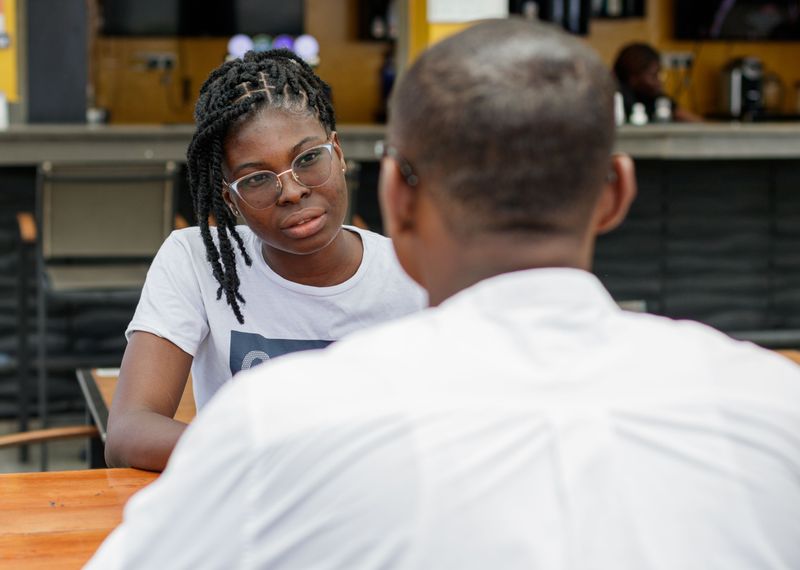
Politics and religion can turn a sweet evening into a cable news panel fast.
Hot-button topics bring strong feelings, and strong feelings rarely mix well with first-date nerves.
Values matter, of course.
Many people want a partner who shares their core beliefs, and there’s nothing wrong with that.
The issue is timing and tone.
Jumping into a heated debate before you’ve built any comfort can make your date feel cornered or judged.
If a big topic comes up, keep it curious rather than combative.
Asking “What shaped that view for you?” is far kinder than trying to win an argument.
Some people prefer to know key values early, and dating profiles often handle that before you meet.
That can free the actual date for lighter discovery.
Pay attention to body language.
Crossed arms, short answers, or a sudden interest in the dessert menu can signal that it’s time to switch gears.
Plenty of meaningful topics aren’t divisive.
Favorite books, dream travel spots, or what someone does on a perfect Sunday can reveal a lot about a person without raising anyone’s blood pressure.
10. Asking About Money

“So, what do you make a year?” might be the fastest way to make a first date feel like a loan application.
Money questions often land with a thud.
Asking about salary, debt, or wealth can seem intrusive.
Your date may wonder whether you’re interested in them or in their bank account.
Sharing your own money troubles can also feel heavy.
A quick joke about rent prices is relatable, but a detailed breakdown of your credit card balance is a lot for night one.
Financial habits do matter in long-term relationships.
Spending styles, saving goals, and attitudes about money are worth discussing once you’re more serious.
For now, keep it casual.
You can learn plenty from how someone talks about their work or their weekend plans without asking for numbers.
The check itself can be a small conversation moment.
A simple “How would you like to handle this?” is friendlier than a long, awkward debate.
Curiosity about someone’s life is great.
Just aim it at their passions, stories, and quirks rather than their paycheck, and the conversation will feel far more relaxed.
11. Planning the Wedding Early

Picking baby names on a first date is a bold move, and not usually in a good way.
Talking about marriage and kids too intensely can make someone feel rushed.
Knowing what you want is healthy.
If you hope to have children someday, that’s useful information for both of you.
There’s a big difference, though, between “I’d like a family eventually” and describing your dream wedding venue in detail.
The second can feel like pressure on someone you met an hour ago.
Many dating apps let people list relationship goals on their profiles.
That can handle the big-picture matching before you even sit down together.
On the date itself, let things breathe.
Focus on whether you enjoy each other’s company, laugh at the same things, and want to meet again.
If your date asks about your future plans, answer honestly and briefly.
Then shift back to the present with a question about their life right now.
Relationships tend to grow at their own pace.
Enjoy the first chapter instead of skipping to the ending, because the early stuff is part of the fun.
12. Judging Your Date’s Choices

Teasing someone about their pineapple pizza order might seem harmless.
Pile on a few more snarky remarks, though, and your date may start to feel picked apart.
Judgmental comments come in many forms.
Rolling your eyes at their music taste, mocking their job, or commenting on their outfit can all sting more than you intend.
People are often a bit more sensitive on a first date.
They’re trying to make a good impression too, so a harsh comment can hit harder than it would between old friends.
Respect doesn’t require agreeing on everything.
You can dislike reality TV and still ask your date what they enjoy about it.
Swap judgment for curiosity whenever you can. “How did you get into that?” opens a door, while “Really?
That’s weird” slams it shut.
Gentle teasing can work once you’ve built some rapport.
Even then, keep it light, mutual, and focused on harmless things like a terrible pun.
Small kindnesses add up across an evening.
Your date will likely remember how you made them feel more than any clever line you delivered.
13. Telling the Wrong Kind of Joke

A good laugh can make two strangers feel like old pals.
A bad joke, on the other hand, can make the room feel ten degrees colder.
Humor is a great first-date tool, but some types are risky.
Jokes built on stereotypes about gender, race, or sexuality can offend quickly and leave a lasting mark.
Dark humor about violence, illness, or trauma is another gamble.
You don’t know your date’s history yet, and a careless line could touch a painful spot.
Bitter jokes about exes also tend to flop.
They can make you seem stuck in old resentment rather than playful.
Safer laughs come from shared moments.
The waiter’s dramatic pepper grinder, a funny sign on the wall, or a silly story about your own cooking disaster all work nicely.
Watch how your date responds.
If a joke gets a polite smile instead of a laugh, let it go rather than explaining it.
Observational, kind humor usually travels well.
When you’re unsure if a joke will land, that hesitation is often a good sign to skip it and pick something friendlier.
14. Being Rude to the Server

Your date is watching more than your face across the table.
They’re also noticing how you talk to the person refilling your water.
Snapping at a server, sighing loudly over a small mistake, or ignoring staff entirely can say a lot.
Many people see it as a preview of how you might treat them once the charm wears off.
Restaurants get busy, and orders sometimes come out wrong.
How you handle those moments can matter more than the mistake itself.
A calm, polite request usually fixes things. “Excuse me, I think this was supposed to have no onions” works far better than an exasperated lecture.
Small courtesies make a difference.
Saying please and thank you, making eye contact, and being patient during a rush are easy habits.
Tipping fairly also falls into this category, depending on local customs.
Leaving a stingy tip after great service can leave a sour taste for your date.
Kindness toward strangers is attractive.
When you treat staff with respect, you’re showing your date the kind of person you are without saying a single word about it.
15. Staring at Your Phone

Few things deflate a date faster than watching someone scroll through their feed mid-sentence.
Your phone may buzz, but the person across from you is the main event.
Checking texts, emails, or social media sends a clear message.
It suggests whatever’s on the screen matters more than the conversation in front of you.
Even quick glances add up.
Your date might start wondering if you’re bored or waiting for a better offer.
One easy fix is to silence your phone and tuck it away before you sit down.
Out of sight really does help keep it out of mind.
Emergencies happen, of course.
If you’re expecting an important call, mention it at the start so your date isn’t caught off guard.
Phones can also play a fun role if used together.
Showing a photo of your goofy dog or looking up the answer to a friendly debate can spark laughs.
Undivided attention is a small gift that feels big.
For an hour or two, giving your date your full focus shows you’re interested in getting to know them.
16. Moving Too Fast Emotionally

Acting like soulmates within the first hour sounds romantic in movies.
In real life, it can feel more overwhelming than sweet.
Rushing emotional closeness shows up in several ways.
Deep talks about life’s meaning, jokes about your future vacations together, or intense eye contact that never breaks can all feel like too much too soon.
Connection usually needs time to grow.
Pushing it can leave your date feeling pressured instead of excited.
Enthusiasm is wonderful, so don’t bottle it up completely.
Saying “I’m having a really fun time” is honest and lovely without promising forever.
Pay attention to your date’s comfort level.
If they lean back, give shorter answers, or change the subject, it may be time to ease off the intensity.
Physical affection follows the same idea.
Let things unfold naturally and check that you’re both on the same page before moving closer.
A relaxed pace gives both people room to feel safe and curious.
The best second dates often come from first dates that felt easy, fun, and pleasantly unfinished, leaving you both wanting another round.