 MomSkoop
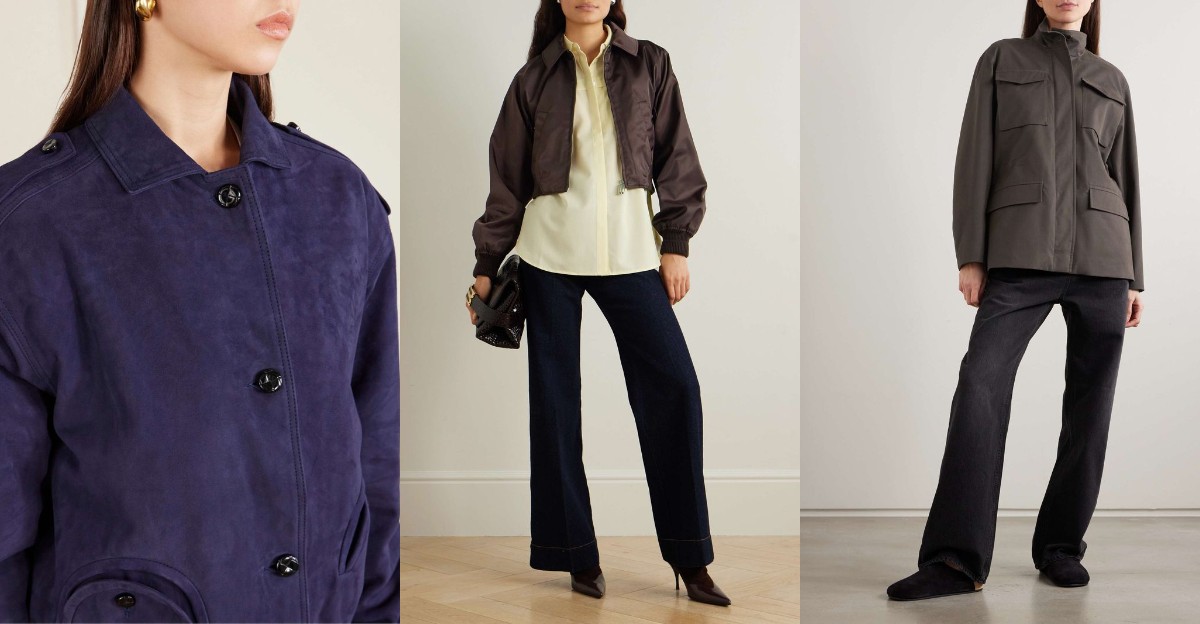
Several jackets hanging in ordinary closets today started life as hard-working gear for pilots, soldiers, motorcyclists, and English golfers. One of them even picked up its everyday nickname from a character on a 1960s American TV soap opera. Ribbed cuffs, roomy patch pockets, and buttoned collars were once practical fixes long before they became style choices.
Your outerwear also does more visible work than almost anything else you own. It’s the first layer people see, and on chilly days it might be the only part of your outfit anyone notices. So which classic shapes deserve a spot on your coat hooks this year? The eight styles ahead cover rugged, polished, sporty, and weatherproof looks, with a few fun history lessons tucked into the pockets.
1. Leather Moto Jacket
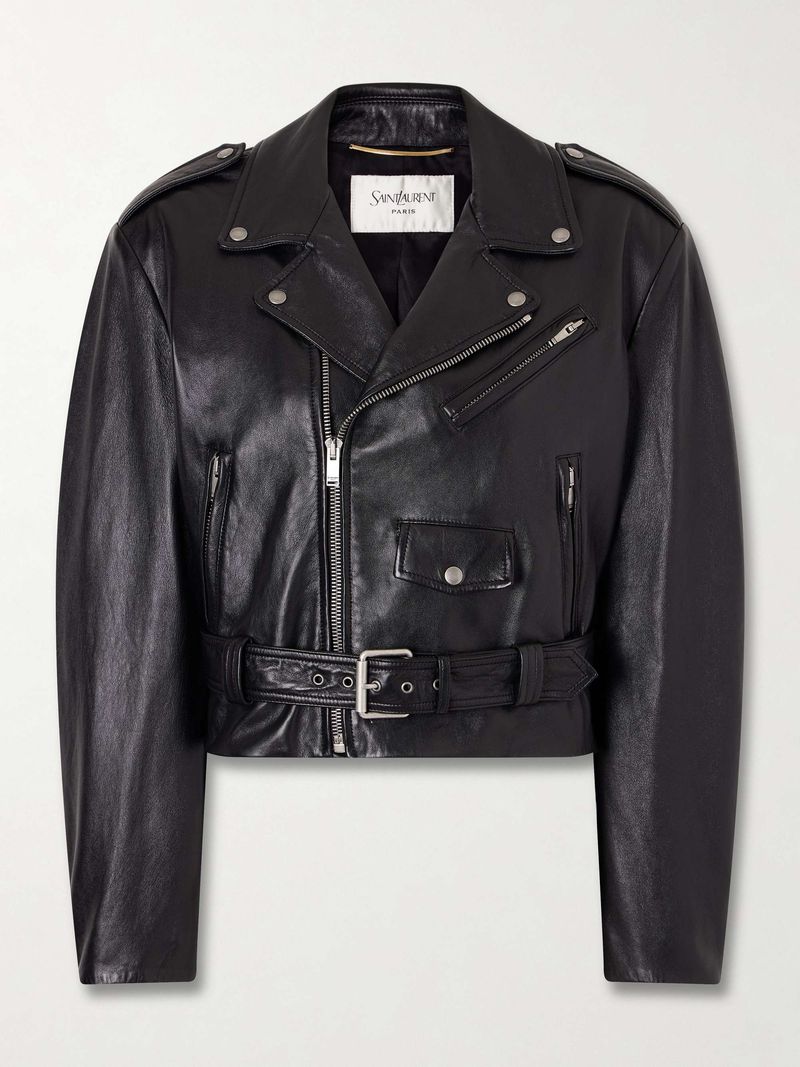
Motorcycle riders in 1928 got a jacket so practical that it still looks almost the same today.
Irving Schott of Schott NYC designed the Perfecto that year, and its off-center zipper became the shape most people picture when they hear ‘biker jacket.’
That slanted zip had a real job, since the overlapping front panel helped block wind on the road.
Snap-down lapels, zippered pockets, and a belted waist round out the classic version.
Punk musicians adopted the style in the 1970s, with the Ramones among its best-known fans.
That history gives the jacket an edge, but it plays nicely with softer pieces too.
Try a black moto over a floral midi dress and ankle boots for a fun clash of textures.
For a laid-back weekend, pair it with a gray hoodie and straight-leg jeans.
Leather needs a little care to look its best over the years.
Hang it on a wide, padded hanger, keep it away from direct heat, and condition it occasionally following the maker’s label.
Fit matters more here than with most jackets.
Classic moto styles are cut close to the body, so check that you can still lift your arms and layer a thin sweater underneath.
2. Denim Jacket
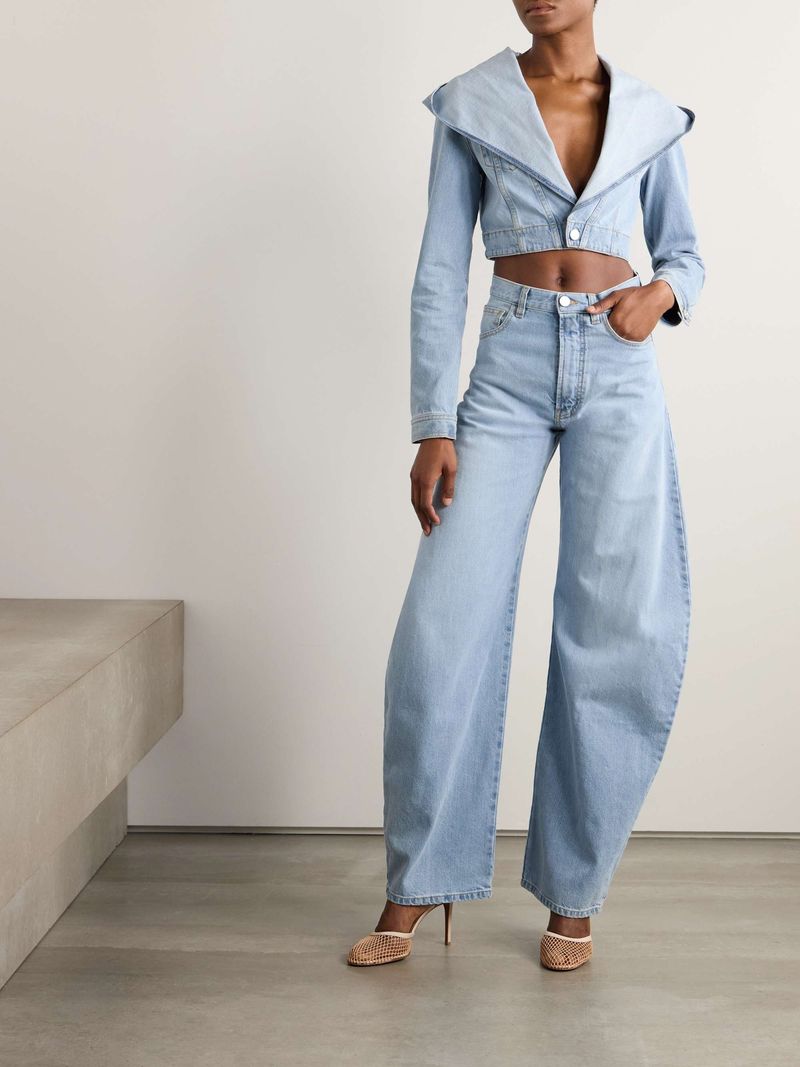
Few jackets get better with age the way a good denim one does.
Dark indigo denim fades over time, so the creases at your elbows and pockets slowly record where you’ve been.
The trucker style is the version most people know by sight.
Levi’s introduced its Type III Trucker in 1962, with pointed chest pocket flaps and V-shaped seams running down the front.
Today the options stretch well beyond that blueprint.
You’ll find cropped cuts, roomy oversized shapes, and shirt-weight ‘shackets’ in washes from pale blue to black and crisp white.
A cropped denim jacket sits nicely over a slip dress or flowy skirt because it lands near the natural waist.
An oversized one looks relaxed with leggings, a long tee, and chunky sneakers.
Planning a denim-on-denim outfit?
Pick two washes that look clearly different, like a light jacket with dark jeans, so the pairing reads as a choice instead of an accident.
Care is pleasantly low effort for this one.
Washing it less often, inside out in cold water, helps slow fading, and hanging it to dry keeps the shape from shrinking or twisting.
3. Bomber Jacket
Open cockpits were brutally cold, and early military pilots needed jackets that could handle wind at altitude.
That’s the job the bomber, also called the flight jacket, was built to do.
The U.S. Army Air Corps adopted the leather A-2 in 1931, complete with knit cuffs and a knit waistband.
In the 1950s, the nylon MA-1 arrived, lighter and better suited to jet-age flight crews.
Here’s a fun detail hiding inside many MA-1 jackets: a bright orange lining.
The reversible design meant a downed crew member could flip the jacket inside out to be easier to spot.
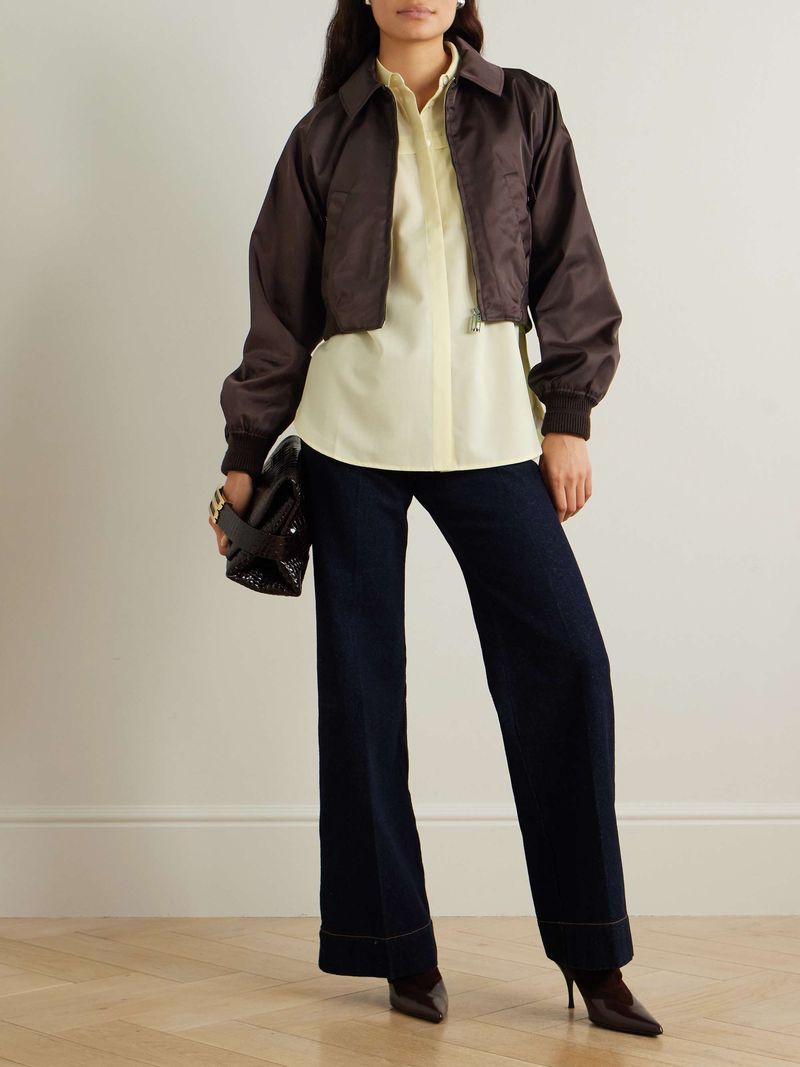
Modern bombers come in nylon, leather, suede, cotton, and even satin.
The short, waist-length cut with ribbed edges stays the same, which makes the shape easy to recognize anywhere.
For a simple everyday outfit, wear an olive bomber with a white tee, dark jeans, and clean sneakers.
When the weather cools, slide a crewneck sweater underneath for an extra layer.
Because bombers end at the waist, they pair well with higher-rise pants and skirts.
A satin version over a silky camisole and trousers works for dinner out without feeling stiff or overdone.
4. Trench Coat
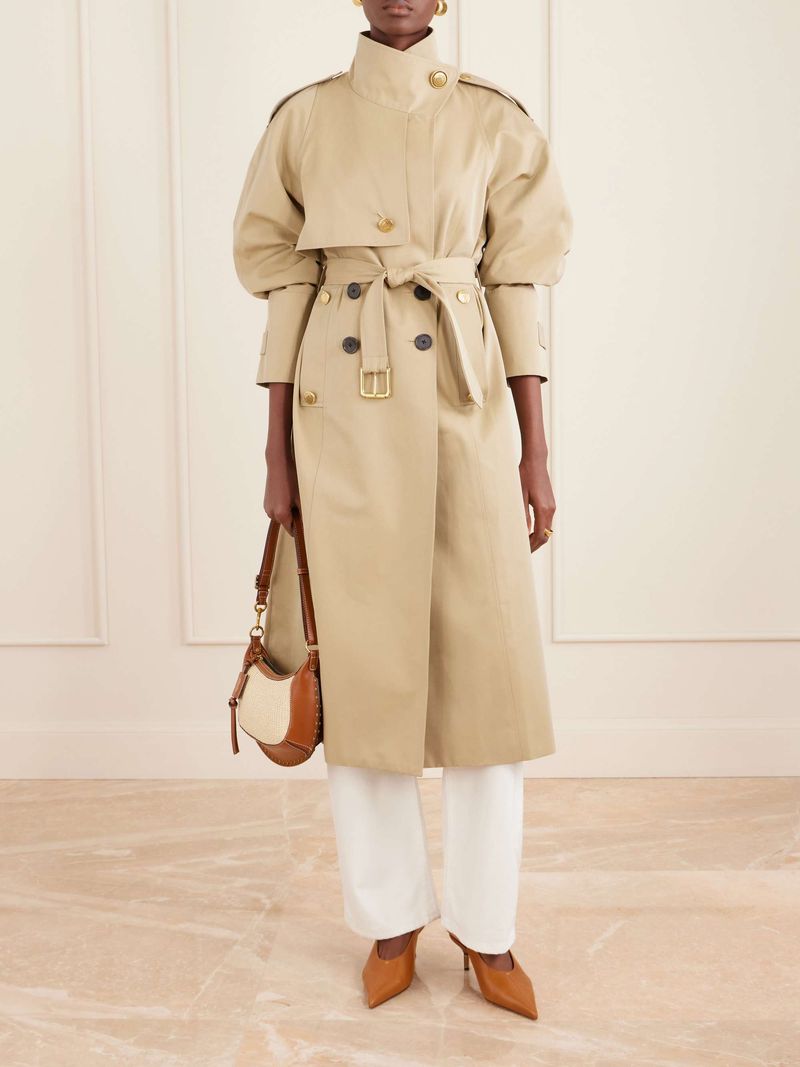
Rain has never stopped a trench coat from looking sharp.
Thomas Burberry invented gabardine in 1879, a tightly woven, weather-resistant fabric that was far lighter than the heavy wool coats of the time.
During World War I, British officers wore versions of the design in the trenches, which is how the coat earned its name.
Shoulder epaulets and a belt with metal D-rings both come from that military past.
A classic trench is double-breasted, with a storm flap, wide lapels, cuff straps, and a waist belt.
Beige and khaki are the traditional colors, though black and navy are easy to find too.
Length changes the mood quite a bit.
A knee-length trench looks polished over a sweater and tailored trousers, while a shorter version feels more casual with jeans and loafers.
Try tying the belt in a loose knot behind your back instead of buckling it in front.
It keeps the coat tidy when you wear it open, which is a smart move on milder days.
Check the care label before tossing it in the wash.
Many cotton gabardine trenches call for dry cleaning, and frequent washing can wear down a water-repellent finish over time.
5. Blazer
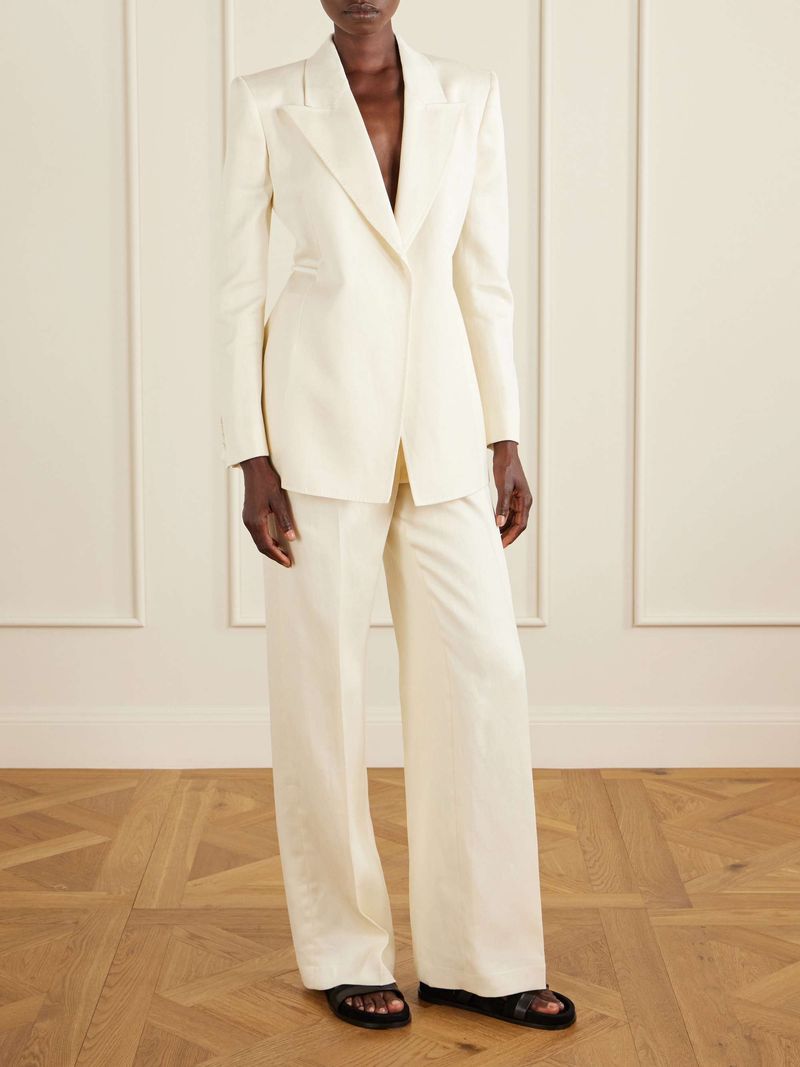
Rowers at Cambridge University wore bright red jackets in the 1800s, and the word blazer is often linked to the Lady Margaret Boat Club and those blazing colors.
That’s quite a lively start for a piece now tied to office meetings.
Unlike a suit jacket, a blazer is made to be worn on its own.
That freedom lets you pair it with jeans, chinos, skirts, or tailored pants without needing a matching set.
Fabric decides the season more than anything else.
Wool handles cooler months, linen and cotton feel lighter in summer, tweed adds texture, and velvet suits evening plans.
A navy blazer with a striped tee, straight jeans, and loafers is a simple formula worth memorizing.
For something bolder, an oversized blazer over a short skirt and knee boots plays with proportion.
Shoulder fit is the detail to check first in the fitting room.
A tailor can shorten sleeves fairly easily, but shoulders that hang too far or pinch are much harder to fix.
Patterns are fair game too.
A plaid or houndstooth blazer can make a plain black tee and trousers look planned, and pushing the sleeves up slightly relaxes the whole outfit.
6. Puffer Jacket
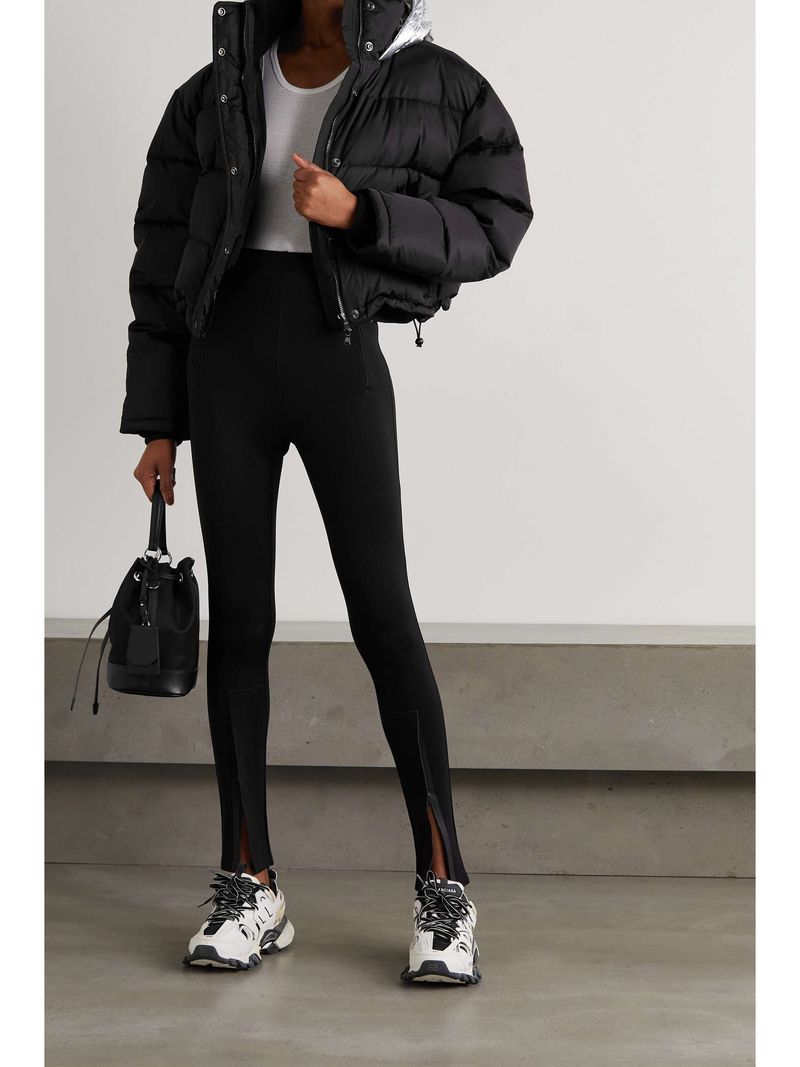
A puffy quilted jacket once showed up as eveningwear.
In 1937, couture designer Charles James made a padded satin jacket that now sits in the collection of London’s Victoria and Albert Museum.
Around the same era, outdoorsman Eddie Bauer created his down-filled Skyliner jacket, patented in 1940.
Those stitched channels hold the filling in place so it doesn’t slump to the bottom.
Modern puffers use either down or synthetic fill, usually inside a nylon or polyester shell.
Synthetic fill tends to keep insulating better when damp, while down squishes smaller for packing.
Volume is the fun part to balance.
An oversized puffer looks neat with slimmer bottoms like leggings or straight jeans, and a cropped puffer pairs well with high-waisted pants or a midi skirt.
A shiny metallic or bright red puffer can carry an outfit on its own.
Keep everything else simple, like black jeans, white sneakers, and a knit beanie, and let the jacket do the talking.
Washing takes a gentle touch.
Many brands suggest a front-loading machine with mild detergent, then tumble drying on low with a few clean tennis balls to help fluff the fill back up.
7. Field Jacket
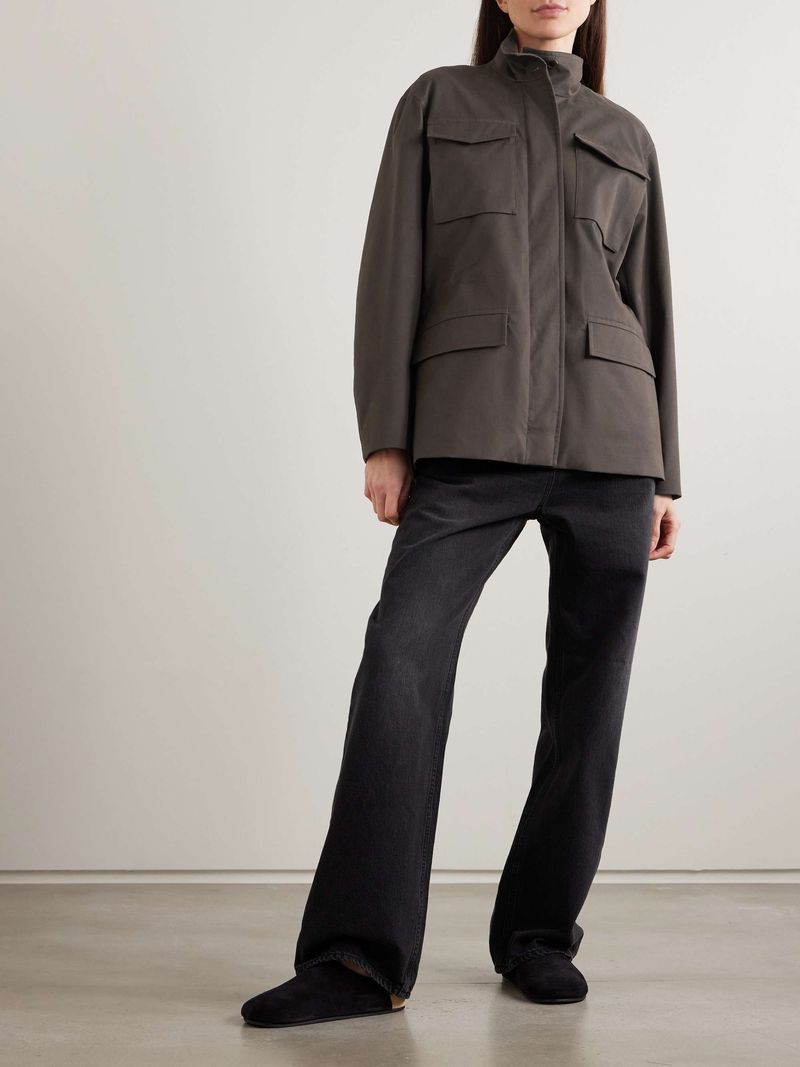
Four front pockets might sound like overkill until you count how much stuff you carry.
The M-65 field jacket, introduced by the U.S. military in 1965, was built around that kind of practical thinking.
It followed earlier designs like the M-1943 from World War II.
The M-65 added a hood that rolls into the collar, adjustable cuffs with hook-and-loop closures, and a drawstring waist.
Movie fans may recognize the shape from Taxi Driver, where Robert De Niro’s character wears one.
Its olive drab color is still the shade most people connect with the style.
Most versions are made from cotton or a nylon-cotton blend, which helps against wind and light weather.
The relaxed cut leaves room for a hoodie or sweater underneath on cooler days.
For an easy outfit, try an olive field jacket with a plain tee, dark denim, and lace-up boots.
Swap in a fine-knit turtleneck and wool trousers when you want a sharper look.
That drawstring waist is worth using instead of ignoring.
Pulling it in slightly gives the boxy jacket more shape at the middle, which works nicely over a long knit dress or wide-leg pants too.
8. Harrington Jacket
A golf jacket from Manchester got its famous nickname from American television.
Baracuta introduced the G9 in 1937, a lightweight, water-resistant jacket designed with golfers in mind.
In the 1960s, the character Rodney Harrington, played by Ryan O’Neal, wore one on the soap opera Peyton Place.
Fans and shops started calling the style a Harrington, and the name stuck for good.
Steve McQueen and Elvis Presley were also photographed wearing the jacket, which boosted its cool reputation.
Britain’s Mod crowd later adopted it as part of their sharp, tidy look.
The design is easy to spot once you know the clues.
A short zip front, ribbed cuffs and waistband, a two-button stand-up collar, an umbrella-style back vent, and a red tartan lining are the signature details.
Style it with a white tee, slim chinos, and loafers for a clean spring outfit.
For a nod to its Mod past, add a button-down shirt and suede desert boots.
Because it’s light, the Harrington fills the gap between a sweater and a real winter coat.
Popping the collar is optional, though it’s easily the most fun part of wearing one.