 MomSkoop
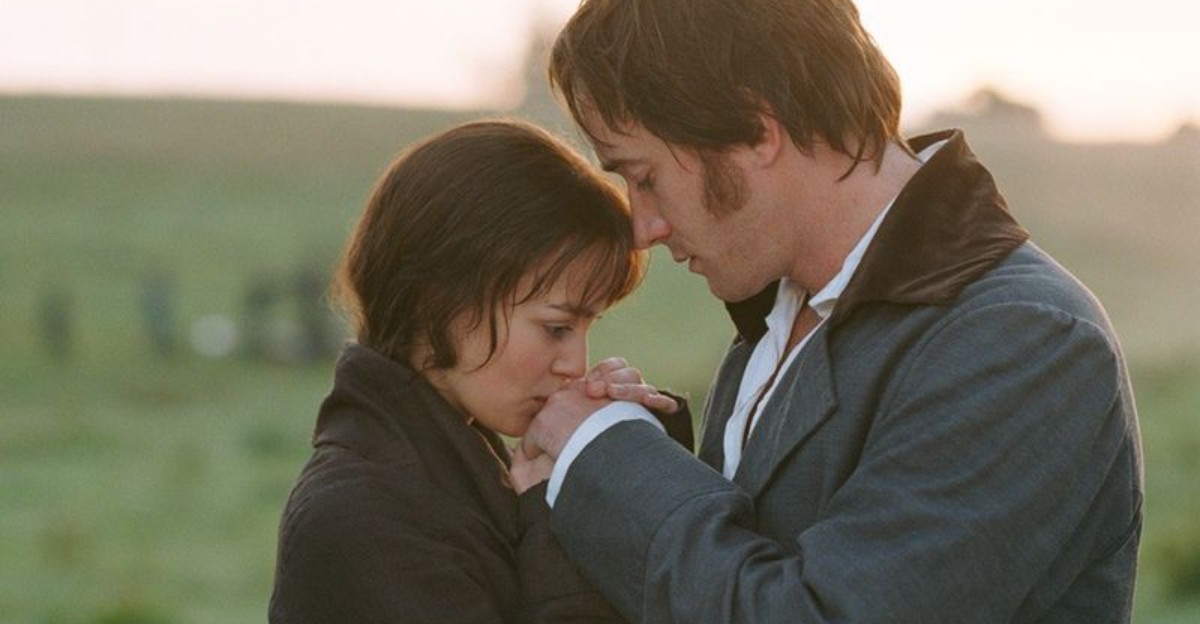
A novel published in 1813 still gets credit, and some blame, for setting the bar for proud men who learn how to apologize. Nearly two centuries later, a TV lake scene that never appears in that book pushed the bar even higher. Fairy tales, blockbusters, and late-night HBO episodes have all taken turns teaching us what love is supposed to look like. Some of those lessons hold up nicely, while others deserve a polite return to sender.
It is fascinating how a single scene can stick around for decades and quietly sneak into real dating choices. That’s why I wanted to look at the heroines, and a couple of heroes, who did the most shaping. Some of these picks are sweet, some are messy, and at least one involves a vampire who watches a girl sleep. Which ones taught you something useful, and which ones should you probably unlearn?
1. Cinderella
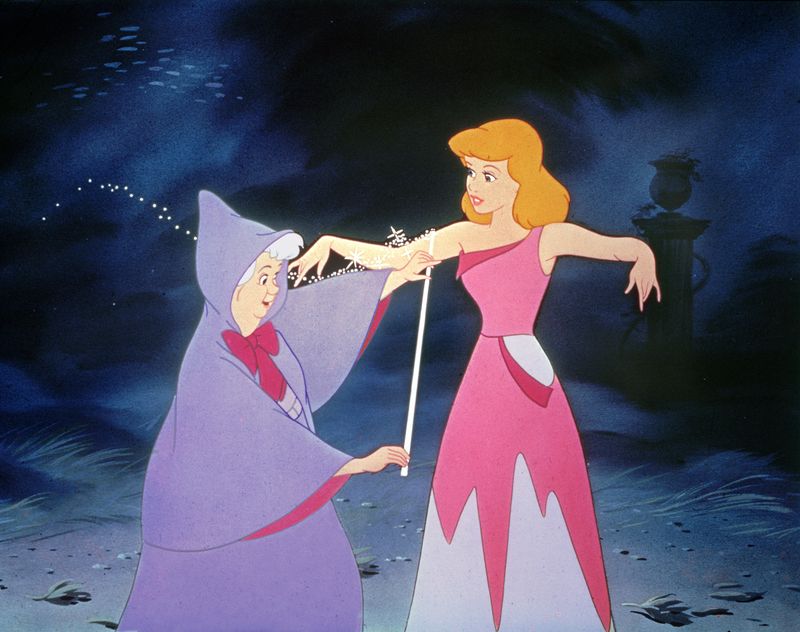
One lost shoe has done a surprising amount of work in shaping romantic dreams.
Charles Perrault’s 1697 version of the story gave us the glass slipper, and Disney’s 1950 film made it famous worldwide.
The plot is simple and powerful.
A kind young woman stuck doing chores for a cruel stepfamily meets a prince, and her life changes overnight.
Many little girls absorbed one main message from that.
The right partner can rescue you from a hard life.
Cinderella does have real strengths, to be fair.
She stays kind under pressure and keeps hoping when things look bleak.
Still, a fairy godmother handles the dress, the ride, and the timing.
The prince does the searching, and she mostly waits.
Later versions have tried to give her more say in her own story.
The 2015 live-action film starring Lily James even lets her meet the prince before the ball.
For your own life, keep the kindness and skip the waiting.
Happiness built only on someone else showing up is a shaky plan.
Romance can be magical without being a rescue mission.
And a shoe that fits only one person in the kingdom was always a bit suspicious.
2. Elizabeth Bennet
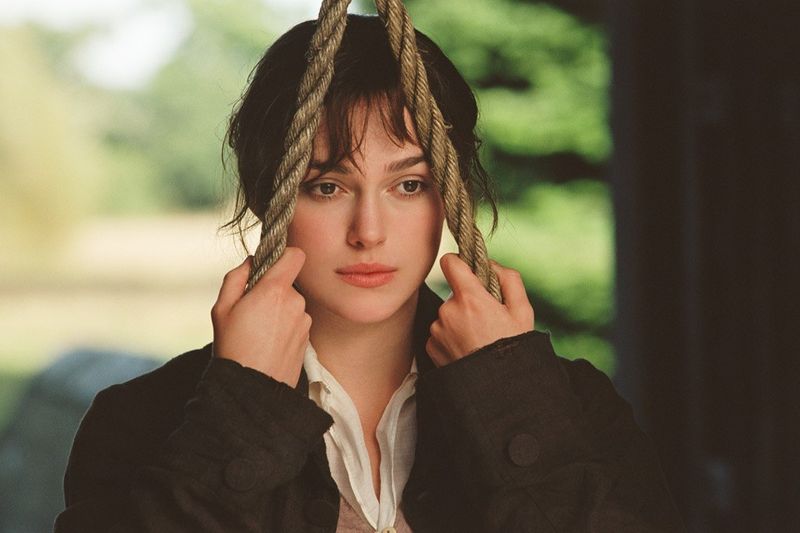
Turning down a rich man’s proposal was a bold move in 1813, and Elizabeth Bennet does it twice.
First she refuses the silly Mr. Collins, then she rejects the wealthy Mr. Darcy to his face.
Jane Austen gave her a sharp tongue and a habit of laughing at nonsense.
Her family needs money, yet she won’t marry someone she can’t respect.
That choice planted a big idea in readers’ heads.
Love should come with conversation, humor, and a partner who actually listens.
Elizabeth also gets things wrong, which makes her easier to relate to.
She trusts the charming Mr. Wickham too quickly and judges Darcy too harshly.
Her famous line about her own mistake sums it up nicely.
She admits that until that moment, she never knew herself.
So what can you borrow from her today?
Standards are healthy, especially the ones about respect and shared values.
Just leave a little room for second impressions, because first ones can be wrong.
Elizabeth’s story suggests the best partner might be someone you once rolled your eyes at, as long as they grow.
Muddy petticoats from a three-mile walk are optional.
The self-respect is not.
3. Mr. Darcy
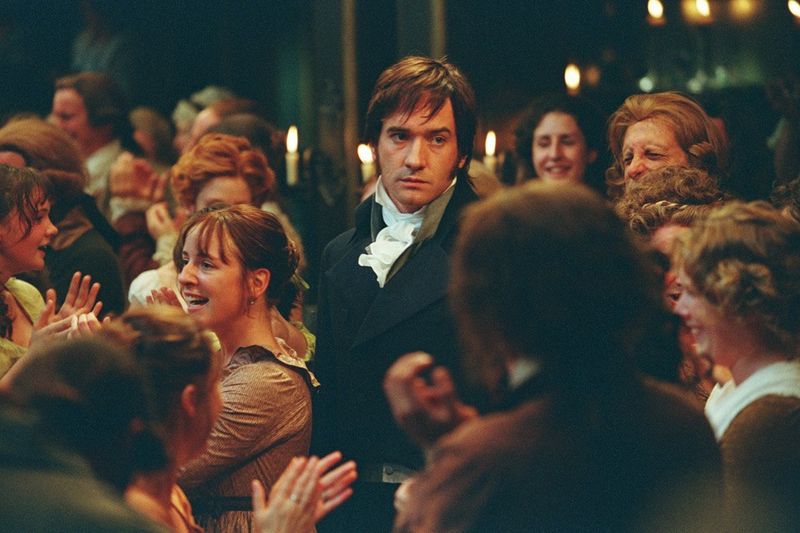
Fun fact for the Darcy fans: the famous wet-shirt lake scene isn’t in the novel at all.
Screenwriter Andrew Davies added it to the 1995 BBC series starring Colin Firth.
Even without the swim, Austen’s Darcy has kept readers swooning for two centuries.
He starts out stiff and snobby, calling Elizabeth only “tolerable” at a dance.
The appeal comes from what happens next.
After Elizabeth rejects him, he takes her criticism seriously and changes how he treats people.
He also helps her family quietly, without bragging.
Rescuing her sister Lydia from scandal is something he hopes Elizabeth never finds out about.
That combination created a template that romance writers still use.
A cool, distant man turns out to have a deep, loyal heart underneath.
Here’s the catch for real life.
Plenty of rude people stay rude, and waiting for a hidden softie can waste years.
The useful part of the Darcy fantasy is the growth, not the grumpiness.
Look for someone who hears hard feedback and actually does better.
Owning a giant estate like Pemberley is a bonus that very few people can offer.
Humility is far easier to find.
4. Belle
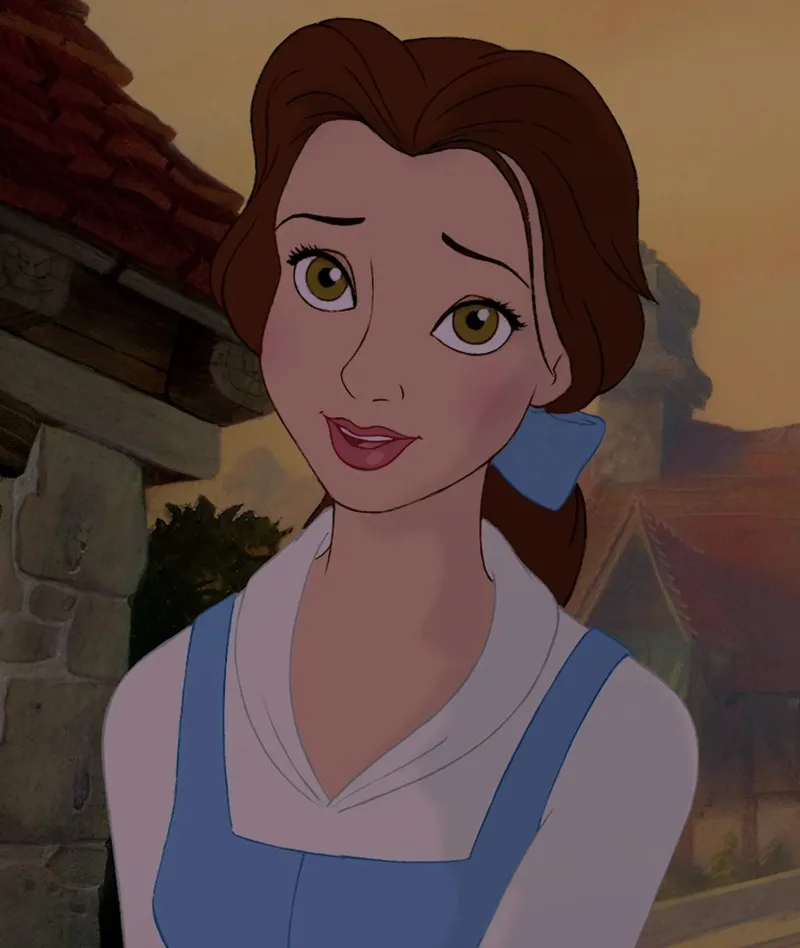
Bookworms finally got a princess of their own in 1991.
Disney’s Belle walks through her village with her nose in a book while neighbors call her odd.
Beauty and the Beast made history as the first animated film nominated for the Best Picture Oscar.
Belle’s love of stories and her refusal to marry the showy Gaston made her stand out.
Her romance carries a big lesson about looks.
She learns to see past the Beast’s scary appearance to the person inside.
That message is lovely, and it still holds up.
Kindness and shared interests matter more than a perfect face.
The story also raises questions worth talking about.
The Beast keeps her father prisoner and has a terrible temper early on.
Some viewers worry that kids learn they can fix a cruel partner with enough patience.
Belle does stand up to him, but real people don’t usually transform because someone loves them hard enough.
A smart way to read her story is to focus on her boundaries.
She leaves when he scares her and only returns after he changes on his own.
That’s a solid rule for anyone.
A giant library as a gift is just extra credit.
5. Vivian Ward
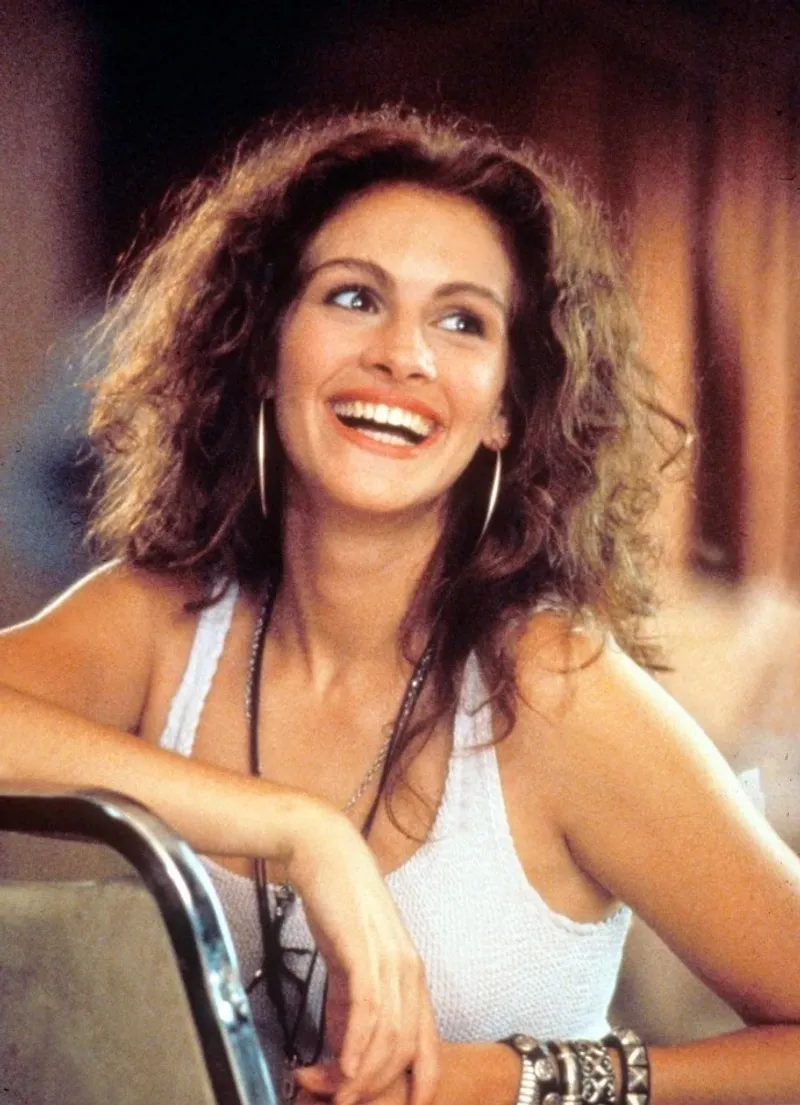
Few movie moments get quoted as often as Vivian’s “Big mistake. Huge!” to snobby shop clerks.
Julia Roberts played her in Pretty Woman, the 1990 hit that earned her an Oscar nomination.
Vivian works the streets of Hollywood Boulevard when she meets businessman Edward Lewis, played by Richard Gere.
He hires her for a week, and the two fall for each other.
The film borrowed heavily from the Cinderella playbook.
A rich man, a shopping spree, and an opera trip turn her life upside down.
That fantasy shaped a lot of expectations about being chosen by someone powerful.
Money and a makeover look like love in some scenes.
Vivian deserves more credit than the shopping bags suggest, though.
She has clear rules, a quick wit, and she walks away when Edward treats her like a purchase.
The famous ending flips the rescue idea on its head.
After Edward climbs her fire escape, she says she’ll rescue him right back.
That line is the best takeaway here.
A strong relationship works in both directions, with each person lifting the other.
Fancy jewelry boxes snapping shut are fun on screen.
Mutual respect lasts longer.
6. Carrie Bradshaw
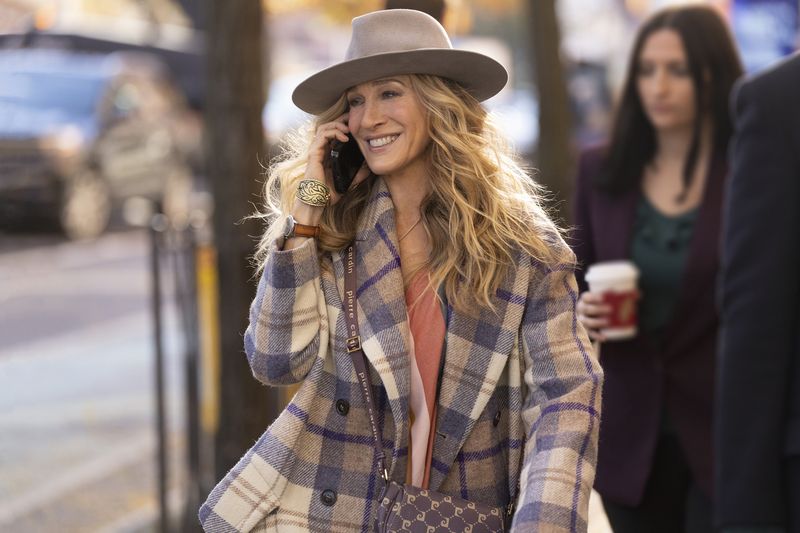
A newspaper column started it all.
Candace Bushnell wrote about dating in New York, and HBO turned it into SATC in 1998.
Sarah Jessica Parker played Carrie, a writer who asks big questions about love from her laptop.
The show ran six seasons, ending in 2004, then spun off into movies and a revival.
Carrie made it normal to talk openly about dating over brunch.
Her bond with Miranda, Charlotte, and Samantha also showed that friends can be the steady love story.
Her romance with Mr. Big is where things get complicated.
He keeps her guessing for years, and fans still argue about whether he was worth it.
Many viewers came away thinking the dramatic, on-again, off-again love was the real deal.
Meanwhile, the steady and kind Aidan often gets overlooked in the debate.
A helpful way to watch now is to treat the show as a conversation starter.
Ask which choices felt exciting and which felt exhausting.
Chasing someone who won’t commit makes good TV and tiring real life.
Carrie’s friendships are the part most worth copying.
Her shoe budget is a separate conversation entirely.
Her rent probably wasn’t realistic either.
7. Bridget Jones
Helen Fielding borrowed a famous name on purpose.
Bridget’s love interest, Mark Darcy, is a playful nod to Pride and Prejudice.
The character began in a newspaper column before the 1996 novel.
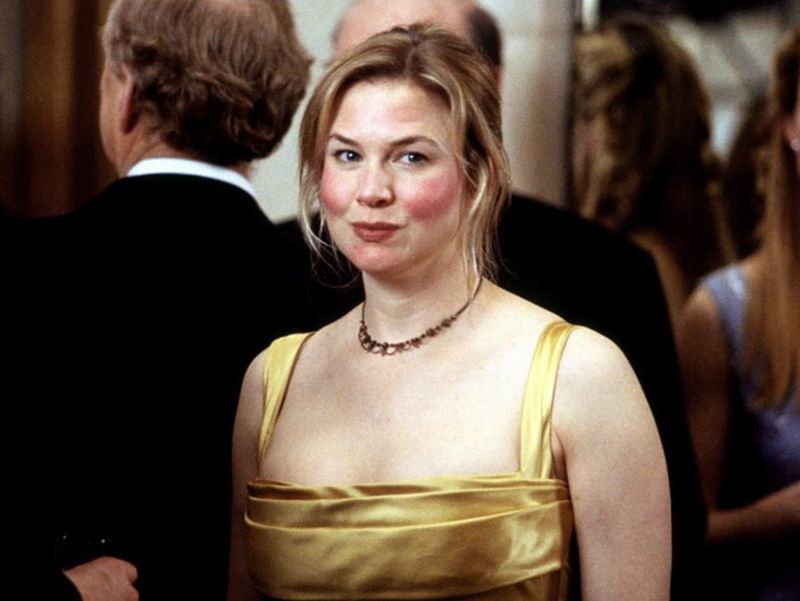
In the 2001 film, Renée Zellweger played Bridget and Colin Firth played Mark, which feels like a wink to his earlier role.
Bridget counts calories, cigarettes, and embarrassing moments in her diary.
She falls for her charming boss, Daniel Cleaver, played by Hugh Grant, before realizing he’s bad news.
Her appeal comes from being a total mess in very human ways.
She gives awkward speeches, picks the wrong outfit for a party, and keeps going anyway.
The big romantic message lands in Mark’s famous words.
He tells her he likes her very much, just as she is.
That idea gave plenty of women real comfort.
You don’t need to become perfect before someone can love you.
A small warning comes along with the sweetness.
Bridget spends a lot of energy worrying about being single, as if it were a problem to solve.
Being single can be a perfectly good chapter.
And reindeer sweaters can absolutely be a valid fashion choice.
8. Rose DeWitt Bukater
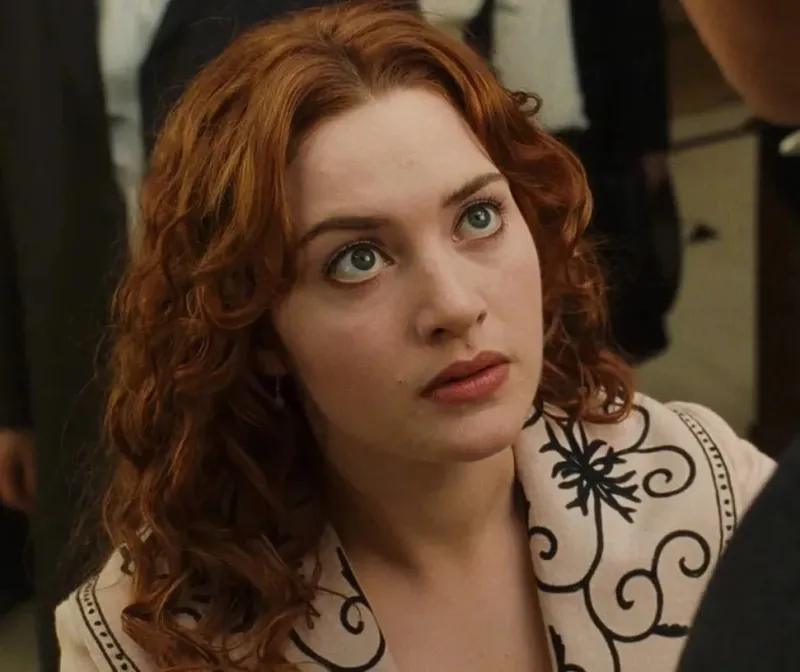
Standing at the front of a ship with your arms spread wide became a pose people still copy on ferries.
Kate Winslet’s Rose made that moment famous in Titanic.
James Cameron’s 1997 film won 11 Academy Awards, including Best Picture.
Rose is a 17-year-old from a wealthy family, engaged to the controlling Cal Hockley to save her family’s finances.
Then she meets Jack Dawson, a broke artist played by Leonardo DiCaprio.
He teaches her to spit, dance below deck, and imagine a different future.
The romance shaped a powerful dream.
Love could be the spark that frees you from a life that feels like a cage.
That part is inspiring, but there’s a fuller reading too.
Rose makes her own choices, including leaving Cal behind, and Jack mainly encourages her.
Her later life shows the real payoff.
She keeps her promise to live boldly, and the film’s final photos show her adventures.
So the healthiest takeaway isn’t finding a Jack.
It’s finding people who make your world bigger rather than smaller.
Fans have debated that floating door for decades.
Rose’s courage is a much less controversial topic.
9. Jo March
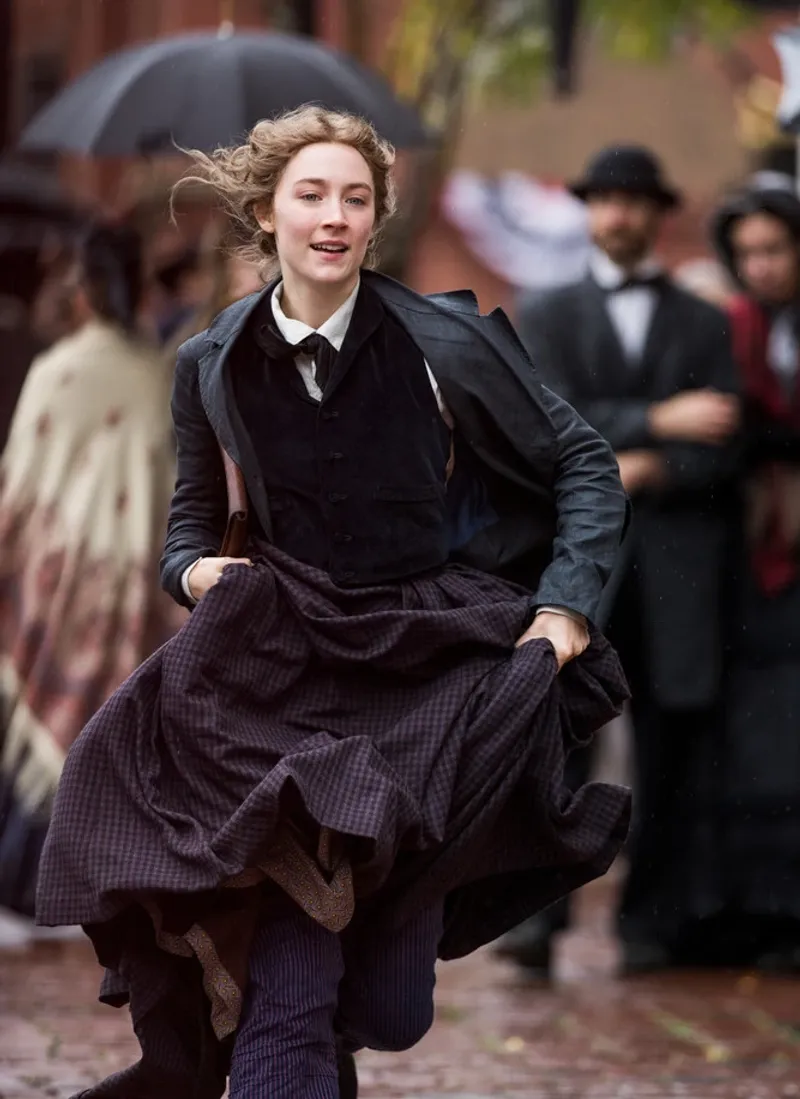
Readers have been upset with Jo March since 1869.
That’s when part two of Little Women came out, and Jo turned down her best friend Laurie.
Louisa May Alcott based the March sisters loosely on her own family.
Alcott never married, and she reportedly felt pressured by fans and her publisher to marry Jo off at all.
Jo writes stories, wears ink on her fingers, and hates the idea of being proper.
Her rejection of Laurie shocked readers who expected the handsome rich neighbor to win.
She explains that they’d fight too much and want different things.
That’s a surprisingly grown-up reason for a teenage reader to hear.
Jo later marries Professor Friedrich Bhaer, an older and less glamorous man.
He challenges her writing and shares her love of ideas.
Greta Gerwig’s 2019 film, with Saoirse Ronan as Jo, plays with this ending in a clever way.
It connects Jo’s choices to Alcott’s real struggles with publishers.
Jo’s lesson feels fresh today.
A partner should fit your goals, not replace them.
Choosing your own path might disappoint people cheering from the sidelines.
That’s okay, because they don’t have to live it.
10. Bella Swan
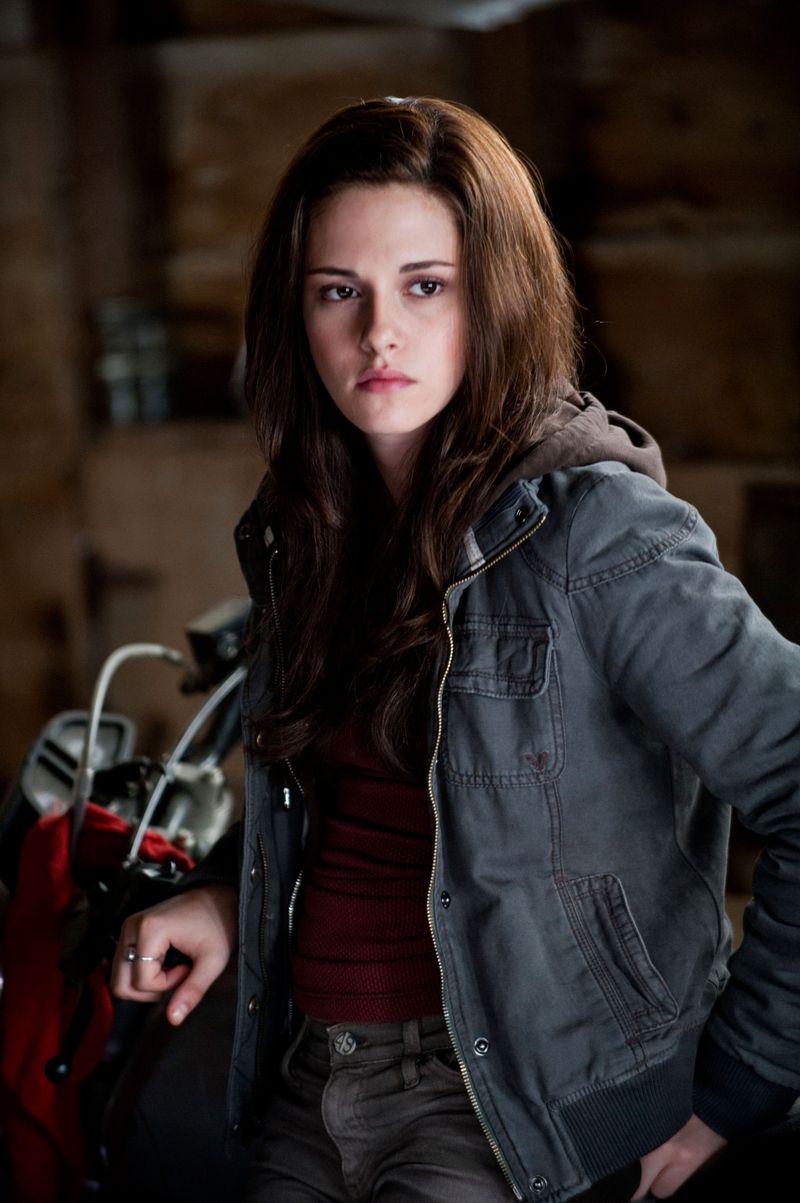
T-shirts reading Team Edward and Team Jacob once filled malls across the country.
Stephenie Meyer’s Twilight, published in 2005, sparked that friendly rivalry.
Bella moves to rainy Forks, Washington, and meets Edward Cullen, a vampire stuck at 17.
Kristen Stewart played her in the films, starting in 2008.
Their romance feels huge and all-consuming.
Edward calls her his life, and Bella is willing to give up nearly anything to stay with him.
That intensity shaped many young readers’ ideas about true love.
Being needed that much can feel like proof of devotion.
Some details look different in hindsight.
Edward watches Bella sleep before they’re even dating, and he often decides things for her safety without asking.
When he leaves in New Moon, Bella’s grief takes over months of her life.
The book shows those blank months as empty pages with just the month names.
Fans can enjoy the drama and still notice what’s missing.
Healthy love leaves room for your own friends, plans, and privacy.
Protectiveness is sweet until it turns into control.
And sparkling in sunlight remains a strange dating perk.
11. Anastasia Steele

Here’s a surprising origin story.
Fifty Shades of Grey started as Twilight fan fiction called Master of the Universe.
Author E. L. James reworked it into an original novel published in 2011.
The trilogy became a publishing sensation, and Dakota Johnson played Anastasia in the 2015 film.
Ana is a shy college student who interviews billionaire Christian Grey for the school paper.
Their relationship involves contracts, rules, and plenty of grown-up content.
The books got a lot of people talking about desire more openly.
Many readers felt the series gave them permission to admit what they found exciting.
Plenty of critics, however, pointed out worrying patterns.
Christian tracks Ana’s location, controls her choices, and shows up uninvited.
The story also leans on a familiar fantasy.
A sweet woman’s love heals a wounded, difficult man.
Real relationships work better with honest talks and clear consent from both sides.
Ana’s contract talks are actually the most realistic part, since they focus on what each person agrees to.
Keep that part and toss the stalking.
And yes, a helicopter date is still wildly unrealistic for most budgets.
12. Katniss Everdeen

Romance is the last thing on Katniss Everdeen’s mind, and that’s exactly why she stands out.
Suzanne Collins introduced her in The Hunger Games in 2008.
Katniss volunteers to take her little sister’s place in a deadly televised contest.
Her focus stays on protecting her family, not finding a boyfriend.
Peeta Mellark announces his crush on live TV, and the “star-crossed lovers” story becomes a survival strategy.
Katniss plays along because sponsors send gifts to fan favorites.
Meanwhile, her friend Gale shares her anger at the Capitol.
Fans picked sides, but Katniss rarely treats the love triangle as her main problem.
Jennifer Lawrence brought her to the big screen starting in 2012.
The films kept that same sense that love is one part of a bigger life.
In the end, Katniss picks the partner who brings peace rather than more fire.
She explains that she needs hope and rebuilding, not just passion.
That’s a thoughtful message for any reader.
The right person can be the one who helps you heal.
Not every great heroine needs a romance at the center.
Sometimes a bow and arrow are enough.
13. Buffy Summers
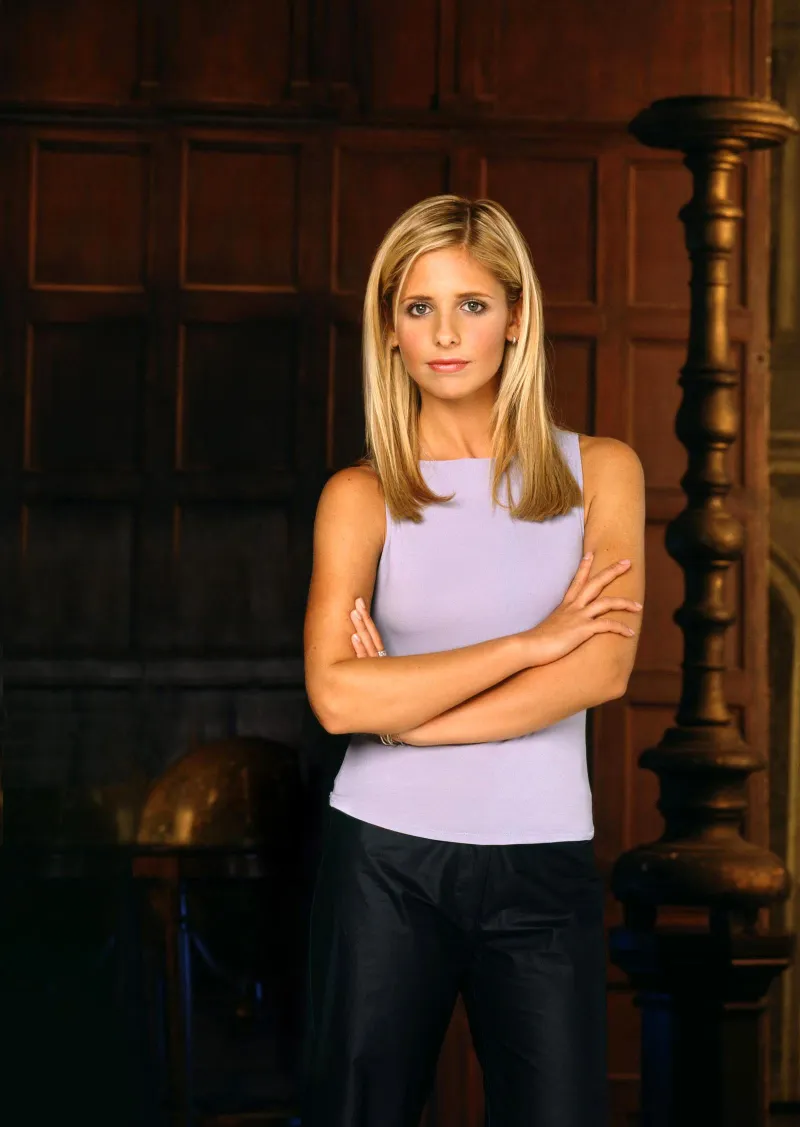
Saving the world on a school night does complicate your dating life.
Buffy Summers learned that over seven seasons, from 1997 to 2003.
Sarah Michelle Gellar played the teen chosen to fight vampires in Buffy the Vampire Slayer.
Her biggest romances involve two vampires, Angel and Spike.
Angel is the brooding one with a cursed soul.
After their first night together in season two, he loses that soul and turns cruel.
That plot gave viewers a striking picture of a partner who suddenly changes.
Buffy has to face him and make painful choices to protect others.
Her later relationships stay complicated too.
Riley wants a normal life, and her bond with Spike gets darker and messier.
Still, Buffy never gives up her mission for a boyfriend.
Her friends, her sister Dawn, and her duty often come first.
That’s a refreshing model for anyone balancing love with big goals.
A relationship should fit around who you are, not ask you to shrink.
Picking vampires as boyfriends is not advice anyone should follow.
Picking yourself is advice worth keeping.
14. Anna Scott
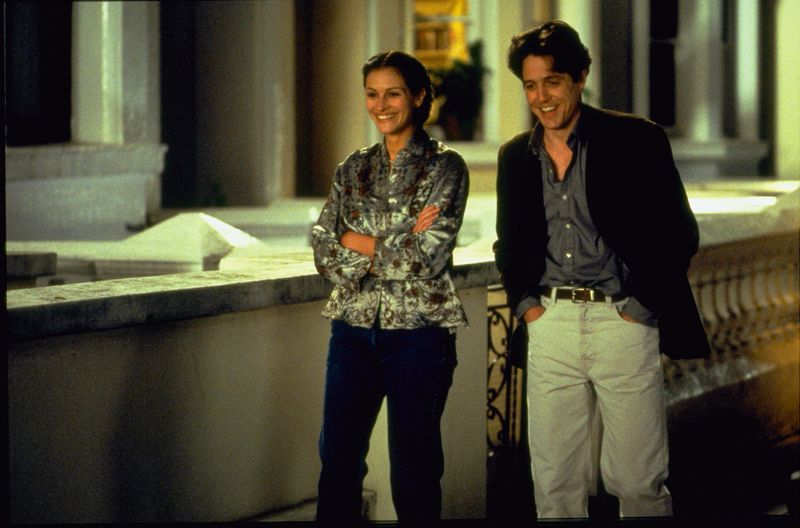
A spilled glass of orange juice kicks off one of the sweetest movie romances of the late 1990s.
Notting Hill hit theaters in 1999 with a script by Richard Curtis.
Julia Roberts plays Anna Scott, a hugely famous American movie star.
Hugh Grant plays William Thacker, who runs a small travel bookshop in London.
Their worlds could hardly be more different.
Paparazzi, tabloids, and press tours keep crashing into his quiet life.
Anna delivers the line that people still quote.
She says she’s just a girl, standing in front of a boy, asking him to love her.
That moment shaped a hopeful idea about fame and status.
Underneath the glamour, people want to be seen for who they really are.
The movie doesn’t pretend it’s easy, either.
William struggles with her fame, and Anna sometimes hurts him while protecting herself.
The best lesson is how they handle their mismatch.
They say sorry, try again, and choose each other on purpose.
Most of us won’t date a movie star.
A partner who makes room for your messy, ordinary self is still worth waiting for.