 MomSkoop

Saying thank you takes about one second, yet plenty of women go weeks without hearing it from the person they share a home and a life with. That tiny gap can quietly turn a loving partnership into something that feels more like unpaid staffing. Recognition rarely shows up as a grand gesture.
It lives in small habits, like asking about her day, remembering her big meeting, or noticing who always buys the toilet paper. A man can love his partner deeply and still overlook the steady effort she pours into their shared life, week after week. The signs below are patterns worth noticing, not a verdict on anyone’s heart. Spotting them early can open a fair, honest conversation before resentment moves in and starts rearranging the furniture.
1. Thank You Rarely Comes Up

Dinner appears, the bills get paid, the dog gets walked, and the room stays quiet.
When a partner handles a long list of tasks and hears no thanks, her work starts to feel like background noise.
Gratitude doesn’t need a speech or a greeting card.
A quick ‘Thanks for picking up my prescription’ tells her that someone saw the effort and valued it.
The trouble with skipping those words is how slowly the damage builds.
One missed thank you is forgettable, but months of silence can send the message that her effort is simply expected.
If you notice this pattern in your own relationship, try naming it gently and specifically.
Saying ‘I’d love to hear thanks when I handle the school forms’ is clearer than hoping he’ll guess.
And if you’re the one who forgets, here’s an easy fix.
Pick one thing she did today and thank her for it out loud before bedtime, no fanfare required.
Small habits like this cost zero dollars and take seconds.
They also make it far more likely that appreciation starts flowing both ways under one roof, which beats keeping score.
2. Her Feelings Get Brushed Aside

Few phrases shut down a conversation faster than ‘You’re overreacting.’ Words like ‘too sensitive’ or ‘dramatic’ turn a real concern into a character flaw, and suddenly the topic shifts from the problem to her personality.
Being dismissed this way can make someone question her own reactions.
She may start shrinking her complaints or skipping them altogether just to avoid the eye roll.
Agreeing isn’t the point.
A partner can see a situation differently and still say, ‘I can tell this upset you, so help me understand.’
That one sentence keeps the door open, while a brush-off slams it shut.
Over time, consistent dismissal can signal that her inner world simply doesn’t count in the relationship.
If you hear these phrases often, notice how you feel afterward.
Do you leave the talk feeling heard, or do you leave wondering whether you were wrong to speak up in the first place?
A calm reply can help, such as ‘I’m not asking you to agree, just to listen.’ If the pattern continues no matter how you phrase things, talking with a licensed counselor can offer a neutral space to sort it out.
3. Time Together Keeps Getting Bumped

Calendars tell the truth, even when people don’t.
If date night keeps sliding to next week while his golf tee times stay locked in, that schedule says something about priorities.
Busy seasons happen, and nobody expects a partner to clear his week for a candlelit dinner.
The concern is a steady pattern where she gets the leftover hours, usually when he’s tired and scrolling.
Quality time doesn’t require money or elaborate planning.
A walk after dinner, coffee on Saturday morning, or twenty phone-free minutes on the couch can count.
What matters is who makes the plans.
If she’s always the one suggesting time together and he rarely initiates, the imbalance can leave her feeling like a scheduling request instead of a person he wants around.
Try making time together concrete.
Put a standing slot on the shared calendar, even something simple like Thursday takeout, and see whether he protects it or treats it as optional.
His response can reveal a lot.
A partner who values you tends to guard that time, while one who keeps bumping it may need a direct conversation about what you need.
4. Her Wins Barely Get a Reaction

She lands the promotion, finishes the half marathon, or finally gets her sourdough to rise, and he responds with ‘Nice’ before changing the subject.
That flat reaction can sting more than outright criticism.
Interest in a partner’s life goes beyond big milestones.
It shows up in questions about her coworker drama, her book club pick, or the project she’s been stressing over for weeks.
When conversations mostly circle back to his day, his plans, or logistics like who’s grabbing groceries, she may start feeling like a roommate.
Her goals and passions become background details instead of shared topics.
Curiosity is a skill anyone can practice.
Asking ‘What was the best part of your day?’ or ‘How did the presentation go?’ takes a few seconds and shows he’s paying attention.
If you feel overlooked, share your news in a way that invites a response.
Saying ‘I’m really proud of this and wanted to celebrate with you’ gives him a clear cue.
Some people simply aren’t naturally expressive, so one muted reaction isn’t proof of a problem.
A long pattern of shrugging off what matters to you, though, deserves an honest talk.
5. She Carries the Household Load
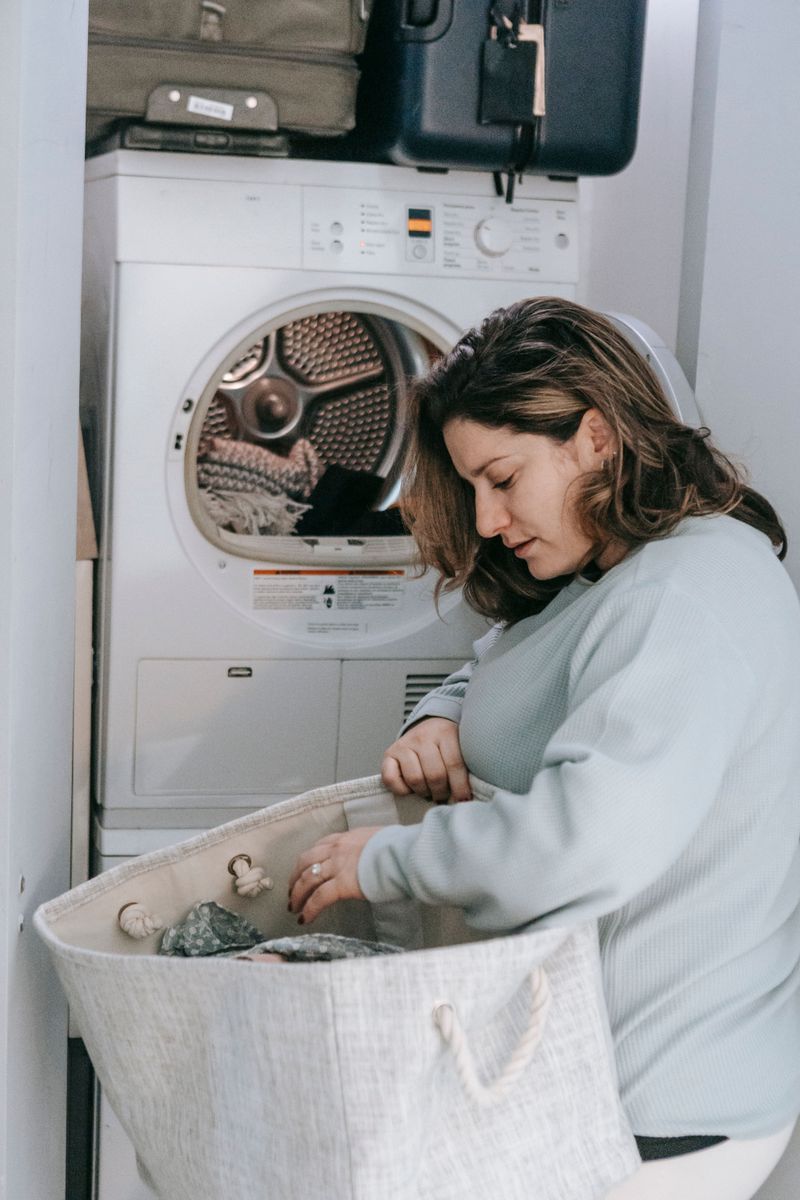
Somebody has to remember that the dog needs a vet visit, the kid needs a costume by Friday, and the fridge is out of milk.
When that somebody is always her, the work goes far beyond the chores themselves.
This invisible planning is often called the mental load.
It covers the tracking, reminding, and scheduling that keep a home running, and it rarely gets noticed unless something gets missed.
A partner who waits to be asked can think he’s being helpful.
Still, needing step-by-step instructions turns her into a manager, which is its own exhausting job.
Fair division doesn’t have to mean a perfect fifty-fifty split.
Work schedules, health, and preferences differ, so the goal is a balance both people agree feels reasonable.
One practical approach is writing down recurring tasks, including the planning behind them.
Seeing ‘book dentist appointments’ and ‘buy birthday gifts for nieces’ on paper can surprise someone who assumed things just happen.
From there, divide full ownership of tasks rather than single steps.
If he handles school lunches, he also tracks groceries for them, which frees her brain from one more mental tab.
6. Big Decisions Happen Without Her

Finding out your partner bought a truck, quit his job, or promised his brother a two-week stay can feel like reading your own life’s news secondhand.
Shared lives need shared decisions, especially when money, housing, or long-term plans are involved.
Leaving her out sends a clear signal that her input is optional.
Even if the choice turns out fine, the process tells her she’s a passenger rather than a co-pilot.
The flip side can be sneaky too.
A partner who constantly answers ‘Whatever you want’ may seem easygoing, yet it can mean he’s checked out and handing her the full weight of decisions.
Healthy couples usually find a middle ground.
Small calls, like what to cook tonight, don’t need a committee, while bigger ones deserve a real conversation.
You might agree on a simple rule, such as discussing any purchase over a set amount or any plan that affects both schedules.
Clear expectations remove guesswork and reduce surprises.
If decisions keep landing on your plate already made, say so calmly.
Something like ‘I want to be part of choices that affect us both’ is direct without starting a fight.
7. Important Dates Keep Slipping By

Forgetting a birthday once is human, and plenty of loving partners have scrambled for a last-minute card.
Forgetting it year after year starts to look less like a memory issue and more like a priority issue.
Anniversaries, birthdays, and big events like her surgery date or job interview carry emotional weight.
When they slide past unnoticed, she may feel like an afterthought in her own relationship.
Thankfully, phones exist for exactly this reason.
Setting a recurring calendar reminder takes less than a minute and removes the old excuse of having too much on his mind.
Remembering doesn’t require expensive gifts either.
A handwritten note, her favorite takeout, or a simple ‘Good luck today, I’m thinking of you’ text can mean more than a pricey bouquet bought in a panic.
If dates keep getting missed, try sharing a calendar with the important ones already plugged in.
His follow-through after that can tell you a lot.
Some people truly struggle with memory or attention, so consider the whole picture before drawing conclusions.
A partner who cares will usually look for a fix once he knows how much the forgetfulness hurts.
8. Deep Talks Get Dodged

Ask how the relationship is going and get a sigh, a shrug, or a sudden interest in the TV remote.
Avoiding meaningful conversations is one of the quieter ways a partner can pull away.
Talk may still happen, just on the surface.
Topics stick to dinner plans, bills, and weekend logistics, while feelings, worries, and hopes stay off the table.
Sometimes avoidance comes from discomfort rather than indifference.
Some people never learned how to handle tense conversations, so they dodge them to protect themselves from conflict.
Understanding the reason doesn’t make it less lonely for her, though.
Over time, surface-level chats can weaken closeness and leave problems sitting unresolved.
Timing can make a difference.
Bringing up a big topic during a calm moment, like a drive or a walk, often feels less intense than a face-to-face sit-down after a rough day.
Starting small helps too.
Try something like ‘What’s one thing that would make this week easier for you?’ before tackling heavier subjects, and notice whether he leans in or keeps backing away.
If he refuses those conversations entirely, couples counseling can offer structure.
A neutral third person can make hard talks feel safer for both partners.
9. Affection Only Flows One Way

Hugs, a hand on the back, or a kiss on the way out the door seem minor until they disappear.
A drop in affection he starts himself can leave a partner wondering what changed.
He may still accept her hugs and return them.
Yet if she’s almost always the one reaching out first, the imbalance can make her feel unwanted or taken for granted.
Another pattern deserves attention.
When affection appears mostly when he wants intimacy, she may feel valued for what she provides rather than for who she is.
People express love differently, and some are simply less touchy by nature.
The key question is whether his current behavior matches how he used to act or how she needs to be loved.
Talking about it can feel awkward, so keep it specific and kind. ‘I miss when you’d hug me when you got home’ gives him a clear, doable request.
Small daily gestures keep a couple connected without much effort.
A quick squeeze of the hand while watching a show may seem tiny, but it says she still matters to him outside the bedroom.
10. Friends, Hobbies, and Screens Come First

His fantasy football league gets three hours of attention a week, while her question about weekend plans gets a distracted ‘Huh?’ When outside interests get more energy than the relationship, she notices.
Having friends and hobbies is healthy, and nobody should give up their own life for a partner.
The trouble starts when his enthusiasm seems reserved for people and activities outside the home.
Phones are a classic culprit.
Scrolling through dinner or answering texts mid-conversation tells her the screen is more interesting than she is, even if that isn’t the intention.
Contrast matters most.
If he lights up describing a new video game but goes blank when she talks about her day, the gap is hard to miss.
Simple boundaries can help both people.
Phone-free meals, a charging spot outside the bedroom, or one evening a week reserved for each other can reset the balance.
Present these ideas as shared experiments rather than punishments.
He keeps his hobbies, she gets his attention, and the couch becomes a place for two people again instead of one person and a glowing rectangle.
11. Support Runs on a One-Way Street

She shows up for his big presentation, listens to his work frustrations, and helps his family through a move.
When she has a rough week, though, he’s suddenly busy or offers a quick ‘That stinks’ before moving on.
One-sided support creates a lopsided relationship.
The giving partner can end up emotionally drained and quietly resentful, even if she never says so.
Support doesn’t always mean fixing the problem.
Often it looks like sitting with her, asking what she needs, or handling dinner so she can rest.
Convenience is a telling detail.
If he helps only when it fits his schedule or mood, she learns not to count on him, and that’s a hard lesson to unlearn.
Asking directly can clear up confusion.
Some partners truly don’t realize how heavy things feel for her, so a plain ‘I need you to be there for me this week’ can help.
Watch what happens next.
A caring partner will usually step up once he understands, while someone who keeps disappearing during hard times may be showing you how the relationship really works for him.
12. He Assumes She’ll Always Stay

Early in a relationship, plenty of people dress up for dates, plan surprises, and work to impress.
Over time, comfort settles in, and that’s normal, but comfort is different from coasting.
When a man treats his partner’s love and patience as guaranteed, the effort can fade.
The flowers stop, the compliments dry up, and the little gestures that once built closeness quietly vanish.
Security in a relationship is a good thing.
The problem comes when security turns into an assumption that she’ll stay no matter how little he gives.
Long-term love still needs maintenance, a bit like a garden that won’t water itself.
Compliments, curiosity, and small surprises keep both people feeling chosen rather than simply kept around out of habit.
If this sounds familiar, consider telling him what used to make you feel special.
Specific memories, like ‘I loved when you planned that picnic,’ give him an easy path back.
The most telling sign is how he responds to that honesty.
A partner who still values you will try, and that effort, even if imperfect, is often the recognition worth waiting for.