 MomSkoop

TikTok creators started telling viewers not to buy things, and the trend got a name: de-influencing. It even landed on the Collins Dictionary Word of the Year shortlist that year. That flip on advertising is a good snapshot of how Gen Z operates. They take an old habit, turn it sideways, and post the results for millions of strangers to judge.
Some of their choices look puzzling from the outside, like eating a plate of pickles and cheese and calling it supper. Others, like buying used clothes instead of new ones, sound a lot like what grandparents did decades ago. Many of these habits make more sense once you look at the reasons behind them.
1. De-Influencing

Influencers spent years convincing people to buy stuff, so naturally a new crowd showed up telling them to stop.
De-influencing started on TikTok in January 2023, and Collins Dictionary shortlisted the word that same year.
The idea is simple.
Creators explain which hyped products they think aren’t worth the money, then suggest cheaper options or point out that you might not need the item at all.
A video might take on a pricey serum or a famous pair of leggings.
Instead of a shopping link, viewers get a shrug and a reminder that the drugstore version works fine for many people.
Older generations might worry this sounds like a fancy way of complaining.
In a way, it’s closer to a friend who tells you the truth before you hit checkout.
It also pushes back on paid brand deals, which many young viewers have learned to spot quickly.
Honest reviews feel more trustworthy than a script someone was paid to read.
If you want to try the mindset, wait a few days before buying anything you saw in a video.
Ask whether you’d still want it if nobody online were talking about it.
That small pause can save a surprising amount of money.
2. Thrifting Over Fast Fashion
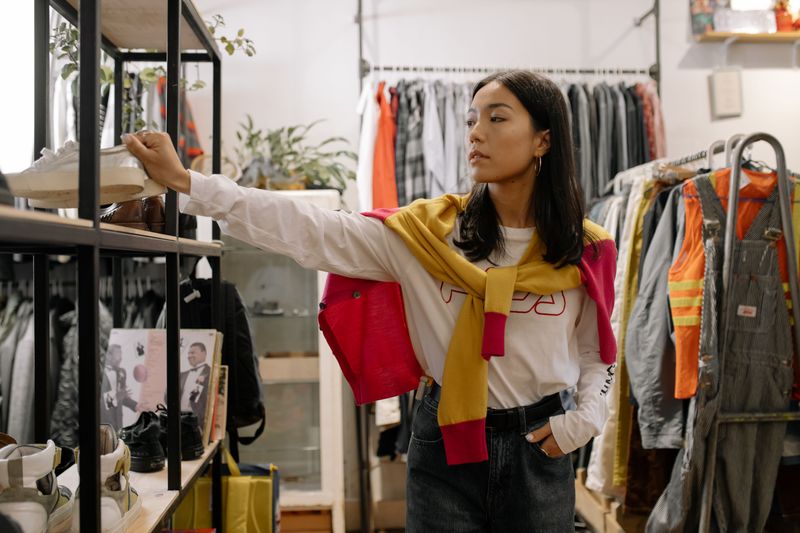
Grandma called it a hand-me-down, and Gen Z calls it a find.
Secondhand shopping has gone from a budget move to a weekend hobby for many young shoppers.
Apps like Depop, Poshmark, ThredUp, and eBay made buying used clothes as easy as scrolling.
Young sellers photograph pieces carefully, write funny listings, and treat their shops like little personal brands.
The appeal comes from a few directions.
Used clothes usually cost less, they keep garments out of landfills, and they make it easier to own something nobody else at school is wearing.
Some older shoppers still picture musty racks and mystery stains.
Today’s thrift fans often wash, mend, and restyle what they buy, and clothing swaps with friends are a popular way to refresh a closet for free.
Upcycling is part of the fun too.
A boxy men’s shirt becomes a cropped top, and old jeans turn into a tote bag.
Want to start small?
Pick one category, like jackets or belts, and check secondhand options first next time you need one.
Bring measurements, since vintage sizing rarely matches modern labels.
Patience matters, because the good stuff rarely shows up on the first visit.
3. The Y2K Fashion Comeback

Low-rise jeans have returned, and plenty of people who wore them the first time are not thrilled.
The late 1990s and early 2000s look, known as Y2K, has made a big comeback with younger fans.
The checklist is easy to spot.
Think cargo pants, velour tracksuits, baby tees, chunky sneakers, butterfly clips, tinted sunglasses, rhinestones, and logos front and center.
What makes it funny is that many of the people reviving this era were toddlers, or not yet born, when it first happened.
They know it mostly from old photos, music videos, and movie clips shared on TikTok, Instagram, and Pinterest.
Today’s version is usually looser than a full costume.
A single retro piece often gets mixed with modern streetwear, so the outfit reads as personal rather than a museum display.
For anyone who lived through the original wave, this can feel like seeing your old yearbook on a runway.
You might even have some of these pieces sitting in a closet right now.
If you’re curious, borrow just one element.
A shiny clip or a pair of small oval sunglasses brings the throwback without committing to a whole velour situation.
4. Girl Dinner
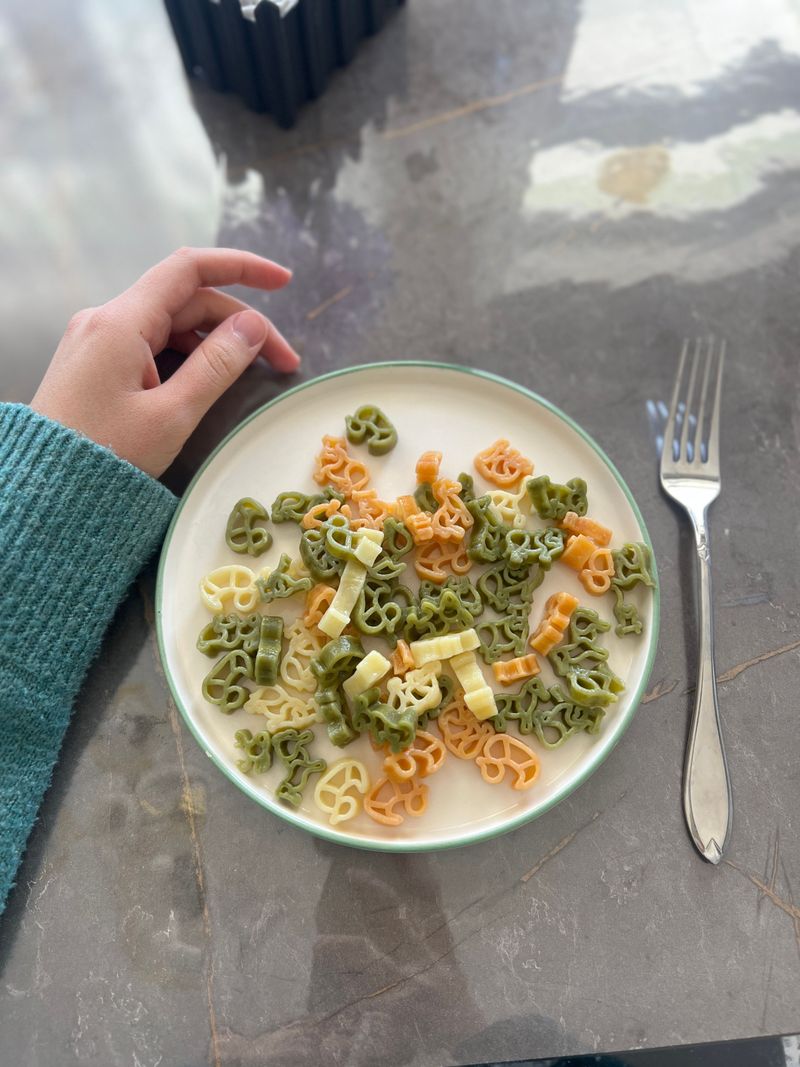
Bread, cheese, pickles, and grapes on one plate sounds like a snack.
In 2023, creator Olivia Maher posted that exact spread on TikTok, joked that it felt like a medieval peasant meal, and called it girl dinner.
The name stuck fast.
Soon people were sharing their own plates of crackers, sliced veggies, cheese cubes, olives, popcorn, or whatever was left in the fridge.
Part of the charm is the honesty.
Plenty of people eat this way when they’re alone and tired, and the trend gave that habit a playful label.
Not everyone found it cute, though.
Some critics raised concerns that a scattered snack plate might skip key nutrients, or that jokes about tiny meals could encourage unhealthy eating habits.
Both points can be true at once.
A low-effort plate can be relaxing, and it can also be built with some care.
If you like the idea, try adding something filling, such as hard-boiled eggs, hummus, beans, nuts, or leftover chicken.
Throw in fruit or raw vegetables for crunch.
You’ll keep the fun no-cook spirit while making a plate that actually holds you over until breakfast.
5. Working From Anywhere

For many parents, a job meant a desk, a commute, and a parking pass.
A good number of young workers would rather pack a laptop and see where the Wi-Fi takes them.
The digital nomad lifestyle means working remotely while traveling or moving between cities.
The pandemic showed lots of companies that some jobs can be done from a kitchen table, and that lesson stuck.
Not every version involves beaches and fancy photos.
Some young people simply move to a cheaper city, while others stay in one place for months at a time, a slower style nicknamed slowmading.
Older relatives may worry about stability, health insurance, or whether anyone is actually working.
Those are fair questions, and the lifestyle does take planning.
Visas, tax rules, time zones, and spotty internet can turn a dream setup into a headache.
Remote jobs also aren’t available in every field, so this option suits some careers far better than others.
If you’re curious, start by asking whether your current job allows a short remote stint.
A two-week trial in another town can show you whether you like this pace before you sell the couch.
6. BeReal

Two minutes.
That’s how long BeReal gives users to snap a photo once the daily alert pops up with the message Time to BeReal.
The app was launched in 2020 by French developers Alexis Barreyat and Kévin Perreau.
Its twist is that it uses the front and back cameras at the same time, capturing your face and whatever is in front of you.
Since nobody knows when the alert will arrive, the photos often show ordinary moments.
Homework, laundry, a bus window, or a half-eaten sandwich become the content.
There are no filters to smooth things over.
If you post late, your friends can see that too, which adds a small dose of friendly pressure.
Another clever rule keeps things even: you can’t see friends’ posts until you share your own.
The focus stays on close friends rather than collecting followers.
For parents used to polished vacation albums, a picture of a cluttered desk might seem pointless.
For many young users, that’s exactly the point, since it feels more like texting a friend than performing for a crowd.
A lunch break never looked so dramatic.
7. Dopamine Dressing
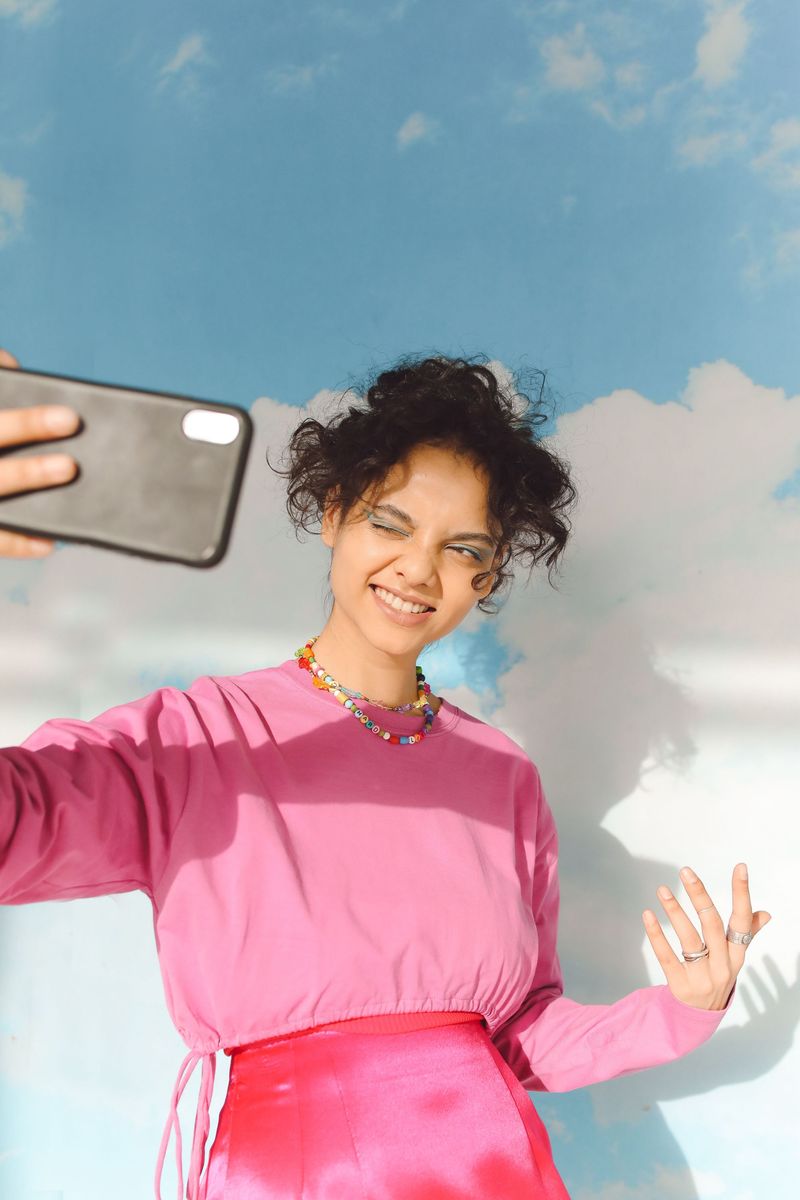
Neon green pants on a Tuesday?
For fans of dopamine dressing, that’s a reasonable choice.
The term describes picking bright, bold clothes because they make you feel happy.
Saturated colors, playful prints, and surprising combinations are common features of the look.
Think a tangerine sweater with fuchsia trousers, or a striped shirt under a polka-dot jacket.
The outfit doesn’t need to match in a traditional way, as long as the wearer enjoys it.
Some older folks grew up with rules about neutral office wear and outfits that blend in.
A rainbow ensemble at a coffee shop might look like a lot to them.
It’s worth keeping expectations realistic, though.
A cheerful shirt won’t fix a rough week, but liking what you see in the mirror can make getting ready more fun.
You don’t have to go head to toe.
Try one bright item, like socks, a bag, or a scarf, alongside clothes you already wear.
If that feels good, add a colorful top next time.
Some people find that a single bold piece is plenty, and that’s a perfectly fine place to stop.
8. The Casual Photo Dump
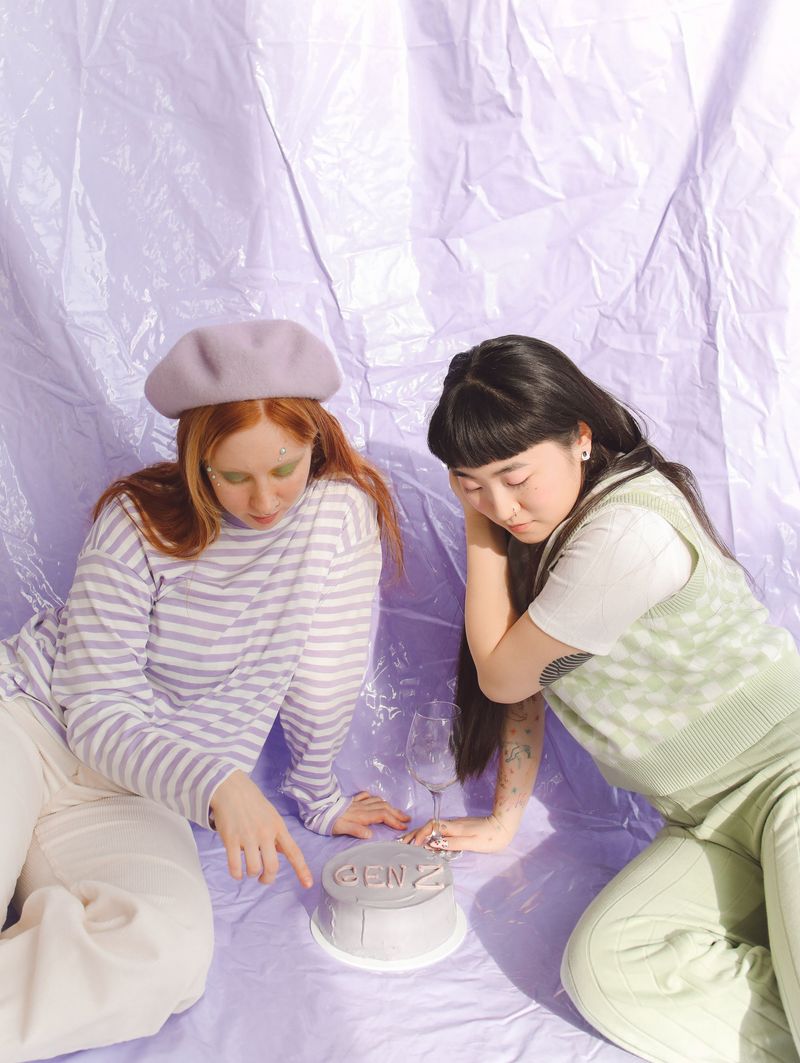
A blurry concert shot, a slightly burnt pizza, and a picture of a dog yawning walk into an Instagram post.
That combo is a photo dump, one of the most common ways younger users share online.
Instead of one carefully posed image, a post includes a handful of loose snapshots.
Some are crooked, some are dark, and a few seem to have no reason for being there.
The style grew partly as a reaction against highly edited feeds that looked like magazine spreads.
Showing messy, everyday moments can feel more relaxed and relatable.
Here’s the funny wrinkle.
Plenty of people still choose their messy photos with great care, so the casual look can become its own kind of performance.
Older generations used to call this a stack of prints from the drugstore.
The difference now is that the stack is public and comes with captions.
If you post online, a photo dump can take the pressure off finding one perfect picture.
Pick a theme, like a weekend or a road trip, and let a few imperfect shots tell the story.
Just maybe skip the photo with your friend mid-sneeze unless they agree.
9. Old-School Gadgets as Accessories

Wired headphones were supposed to be on their way out.
Instead, celebrities like Bella Hadid, Lily-Rose Depp, and Hailey Bieber have been photographed wearing them, and the dangling cord has turned into a style accent.
The comeback doesn’t stop at earbuds.
Compact digital cameras from the early 2000s and basic flip phones are showing up in the hands of people born after those devices peaked.
Many young fans like the look those old cameras produce.
The flash is harsh, the colors are a bit off, and the grain adds a throwback feel that a modern phone works hard to remove.
Flip phones bring a different appeal.
With fewer apps and a clunky keypad, they can make scrolling less tempting, which some people use as a break from screens.
Parents might laugh, since they remember upgrading away from these gadgets as fast as possible.
Now the junk drawer might hold something a teenager would happily borrow.
Before you toss old tech, check whether it still turns on.
A working digital camera with a charger and memory card can make a fun gift for a young photographer in your life.
10. Fast-Moving Core Aesthetics

Barbiecore, cottagecore, mob wife, goth, clean girl.
If that list sounds like a riddle, you’re not alone.
These are microtrends, highly specific looks that rise on TikTok and other platforms, often fading just as quickly.
Each one comes with its own color palette, signature pieces, and a cute nickname.
Barbiecore leaned into hot pink, especially around the 2023 Barbie movie.
Cottagecore favors floral dresses and baking bread, while mob wife style brought out faux fur coats, gold jewelry, and animal print.
The speed is the worry.
When a look peaks and fades within months, closets can fill with pieces that suddenly feel dated, and cheap fast fashion makes that cycle easy to repeat.
Interestingly, some young shoppers seem tired of the churn too.
More of them talk about building a personal style instead of chasing every new label.
A simple approach helps.
Before buying something tied to a microtrend, ask whether you’d wear it if the name disappeared tomorrow.
If the answer is yes, it probably fits your style.
If not, try borrowing, thrifting, or styling something you already own to join in without the extra shopping bag.
11. Clothes Without Gender Rules
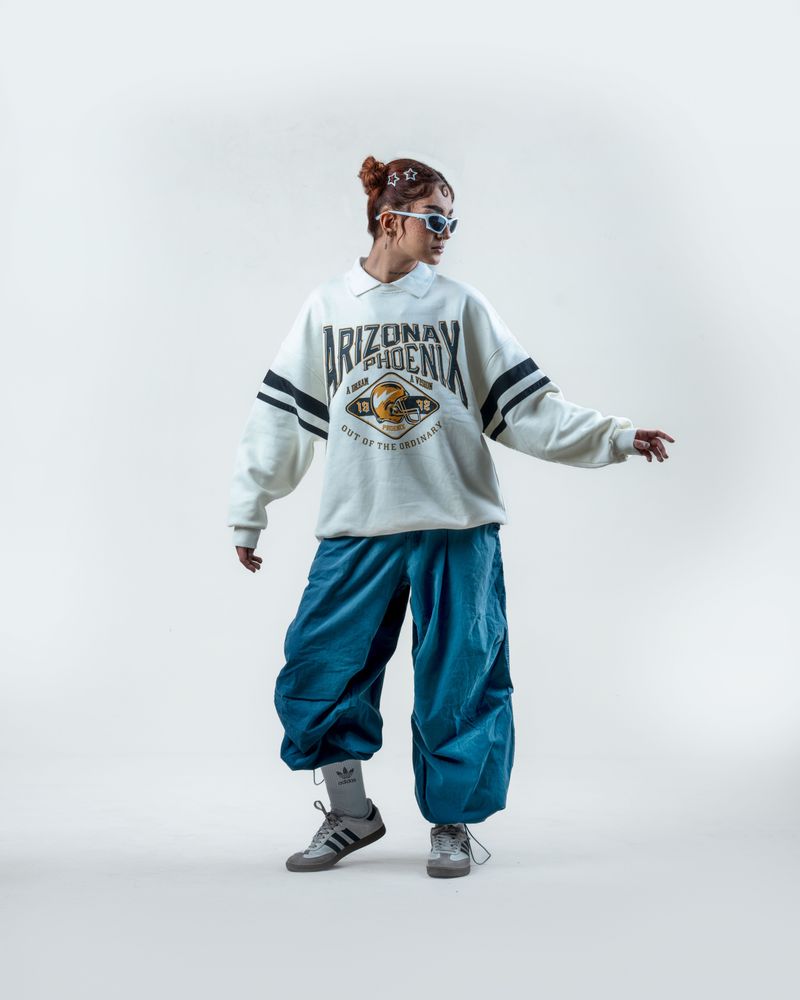
Shopping used to start with one question: men’s or women’s section?
Many younger shoppers would rather skip that step and grab whatever fits.
Gender-neutral fashion focuses on clothes anyone can wear.
Oversized button-downs, boxy blazers, cargo pants, and roomy knits show up often because their relaxed shapes work on lots of bodies.
Some retailers now offer all-gender sections, and certain brands build size charts around measurements rather than labels.
That can make it easier to compare fit across a store.
Harry Styles drew plenty of attention when he wore a dress on the cover of Vogue in 2020.
Still, people from many communities, especially queer and trans folks, were mixing these styles long before it hit magazine covers.
Older generations may find this confusing at first.
Yet borrowing a partner’s sweater or a dad’s flannel isn’t a new idea at all.
If you want to explore, try shopping both sections next time.
Pay attention to shoulder width, sleeve length, and inseam rather than the tag on the rack.
You may find a better fit in a section you’ve never walked through, and that alone makes the extra lap worthwhile.
12. Deep Fandom Communities

Ask a teenager about their favorite anime or K-pop group, and you may want to clear your schedule.
Young fans often know release dates, behind-the-scenes trivia, and lyrics by heart.
This kind of deep interest is nothing new.
Older generations had Star Trek clubs, Beatles fans, and comic book collectors, so the passion itself would look familiar.
The internet changes the scale.
Fans can find each other across countries, share fan art, translate subtitles, and plan meetups at conventions or concerts.
For many people, these spaces offer friendship and a sense of belonging.
Bonding over a favorite video game or character can be an easy way to connect when making friends in person feels harder.
Families might worry when a fandom seems to take up a lot of time or money.
Merchandise, concert tickets, and late-night streaming sessions can add up fast.
Balance is the useful word here.
If someone you love is deep in a fandom, try asking about it with curiosity instead of eye rolls.
You might learn something, and you’ll probably hear a long, cheerful explanation about why a certain episode changed everything.
Bring snacks for that conversation, maybe even a girl dinner plate.