 MomSkoop

Spending time at home doesn’t have to mean sitting on the couch scrolling through your phone or watching the same shows over and over. There are plenty of ways to make a quiet evening feel fun, productive, and genuinely relaxing without ever leaving the house. Whether you enjoy making things with your hands, learning something new, or simply finding a creative way to unwind, the right hobby can make staying in something you actually look forward to.
The best part is that you don’t need a lot of money, space, or experience to get started. Many hobbies only require a few basic supplies and a little patience, and some won’t cost you anything at all. You might discover a hidden talent, pick up a useful skill, or find an activity that helps you switch off after a long day. These hobbies are perfect for anyone who loves being at home but wants to make their free time a little more interesting and rewarding.
1. Reading a Good Book

Paper books have one quiet trick that apps can’t copy.
You can feel your progress, since the pages on the left side grow thicker as the story moves along.
Print also keeps your phone out of your hands, which helps if notifications love to interrupt you.
An e-reader works well too, especially if you like adjusting text size or carrying hundreds of titles in one slim device.
Plenty of e-readers use screens designed to look like paper, so pick whatever feels right for your eyes and budget.
Your local library can make this hobby nearly free.
Many libraries lend e-books and audiobooks through apps like Libby, so you can borrow a novel without changing out of your slippers.
A simple habit can keep you reading.
Try setting a page goal instead of a time goal, like 20 pages after dinner.
Small targets feel easy to hit, and they stack up faster than you’d expect over a month.
Not sure what to pick?
Reread an old favorite, try a short story collection, or grab a genre you usually skip.
A mystery lover might be surprised by a funny memoir.
The best book is the one you can’t wait to open again tomorrow.
2. Baking Homemade Bread

Flour, water, salt, and yeast walk into a kitchen.
A few hours later, they come out as a loaf that makes the whole house smell like a bakery.
Homemade bread rewards patience more than fancy tools.
A large bowl, a baking sheet or Dutch oven, and a kitchen scale will carry you a long way.
Weighing flour instead of scooping it gives you more consistent results, since a scooped cup can pack in extra flour.
Beginners often start with a no-knead loaf.
You stir the dough, cover it, and let time handle much of the work.
Once that feels comfortable, you can try focaccia, soft sandwich rolls, or a rich brioche made with eggs and butter.
Sourdough is the slow project of the bread world.
It uses a starter, which is a living mix of flour and water that collects wild yeast and bacteria.
Starters need regular feeding, so treat one like a very low-maintenance pet.
Don’t panic if your first loaf looks lumpy or flat.
Write down what you changed, such as rise time or oven heat, and adjust next time.
Even a funny-looking loaf still makes excellent toast.
3. Caring for Indoor Plants
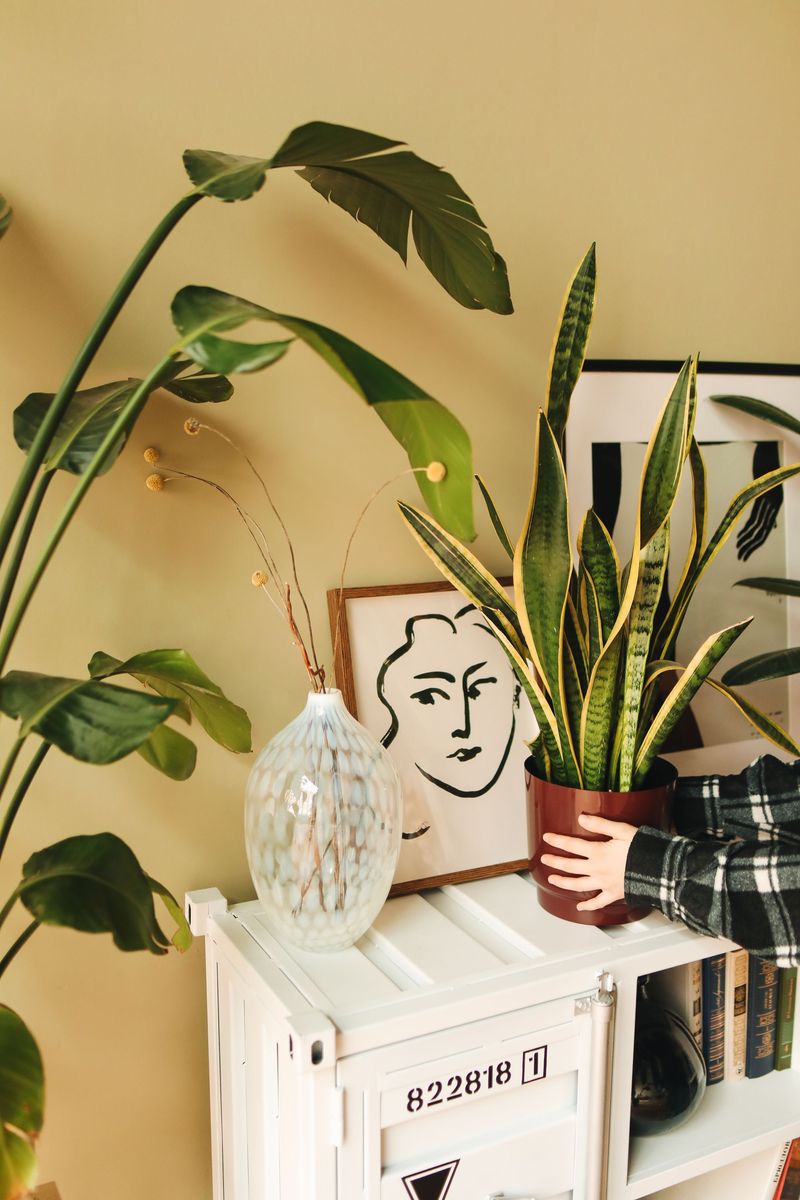
A pothos vine creeping along a bookshelf is proof that some roommates never complain.
Houseplants give you something living to tend, and watching a new leaf unfurl feels like a small victory.
Start with forgiving plants if you’re new.
Snake plants, ZZ plants, pothos, and spider plants handle a range of indoor conditions better than fussier picks.
Snake plants and ZZ plants also tolerate missed waterings, which helps if your schedule gets busy.
Light matters more than most beginners realize.
Check which windows get sun and for how long before you buy.
A plant tag that says bright indirect light usually means near a window, but not baking in direct afternoon rays.
Overwatering trips up plenty of plant owners.
Before you grab the watering can, push a finger about an inch into the soil.
If it still feels damp, wait a few days.
Pots with drainage holes make this much easier to manage.
Pet owners should check plant safety first, since pothos and snake plants can upset cats and dogs if chewed.
The ASPCA keeps an online list of toxic and safe plants.
Spider plants are on its nontoxic list, which makes them a friendly pick for homes with curious paws.
4. Learning a New Cooking Skill
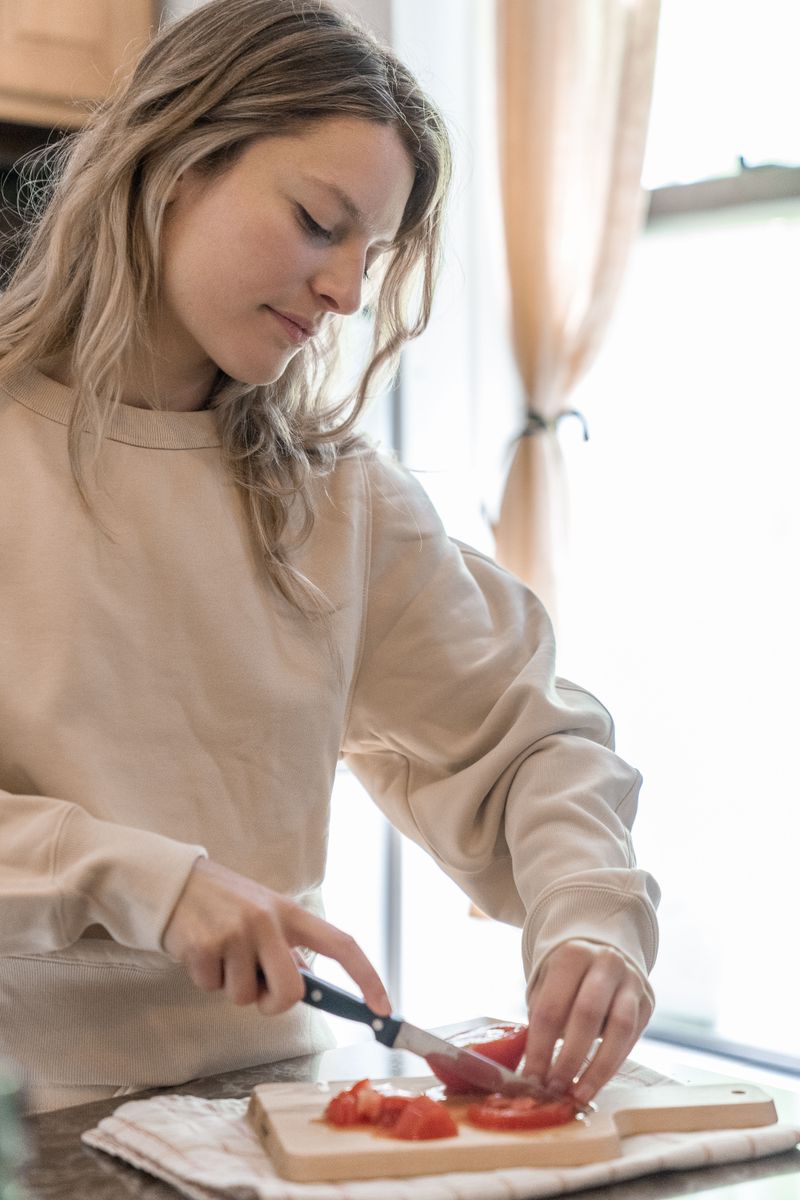
Professional kitchens run on a French phrase, mise en place, which means everything in its place.
It simply means prepping and measuring ingredients before you turn on the stove, and it can make home cooking feel much calmer.
Picking one skill at a time keeps things fun instead of stressful.
Knife work is a smart first choice.
Practice a basic dice on onions, carrots, and peppers, keeping the fingertips of your guiding hand curled under.
Speed comes later, so focus on even pieces first.
Searing is another skill worth learning.
Heat your pan before adding oil, pat meat or tofu dry, and resist the urge to move it around.
That patience gives you a browned crust packed with flavor.
Once you’ve seared something, try deglazing.
Pour a splash of broth into the hot pan and scrape up the browned bits stuck to the bottom.
Those bits turn into a quick sauce in a few minutes.
Free video tutorials and library cookbooks make practice affordable.
Choose a weekly technique, repeat it in a few recipes, and notice how your confidence grows.
Dinner becomes a little lesson you get to eat at the end.
5. Listening to Podcasts
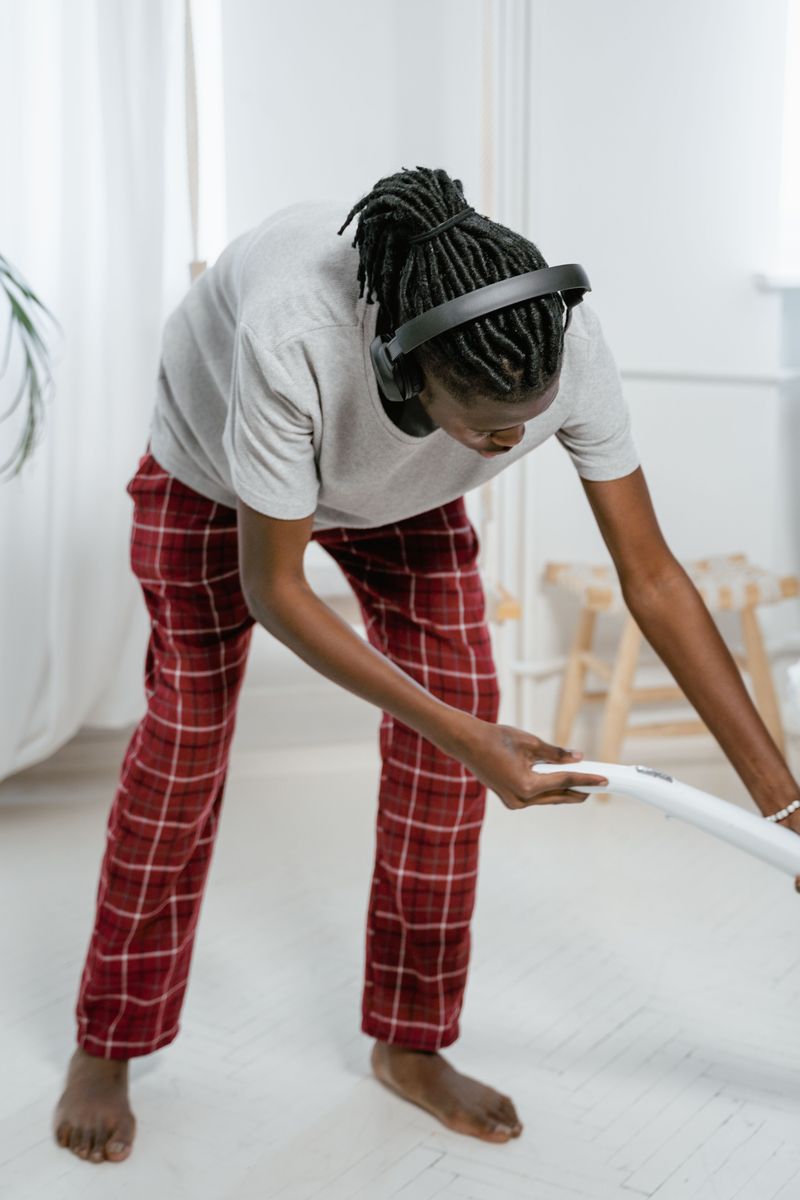
Folding laundry gets a lot less boring when someone is telling you a story about a historical mystery.
Podcasts let your ears stay busy while your hands handle chores, cooking, or a slow afternoon puzzle.
The range of shows is huge.
You can find history series, comedy chats, true stories, science explainers, book clubs, and shows about one single movie franchise.
Free apps like Apple Podcasts and Spotify make searching easy, and most episodes cost nothing to stream.
Long-running series work especially well for homebodies.
Starting a show from episode one feels a bit like binge-watching, but you can still water the plants at the same time.
Many fans enjoy getting to know hosts through hundreds of hours of conversation.
Try a few episodes before deciding a show isn’t for you.
Early episodes sometimes sound rougher than later ones, since hosts often improve with practice.
If the topic still doesn’t grab you after three tries, move on without guilt.
Here’s a tidy trick for staying organized.
Make a short queue of shows by mood, such as funny, curious, or relaxing.
Then you’ll always have the right voice ready for washing dishes or winding down at night.
6. Starting a Craft Project
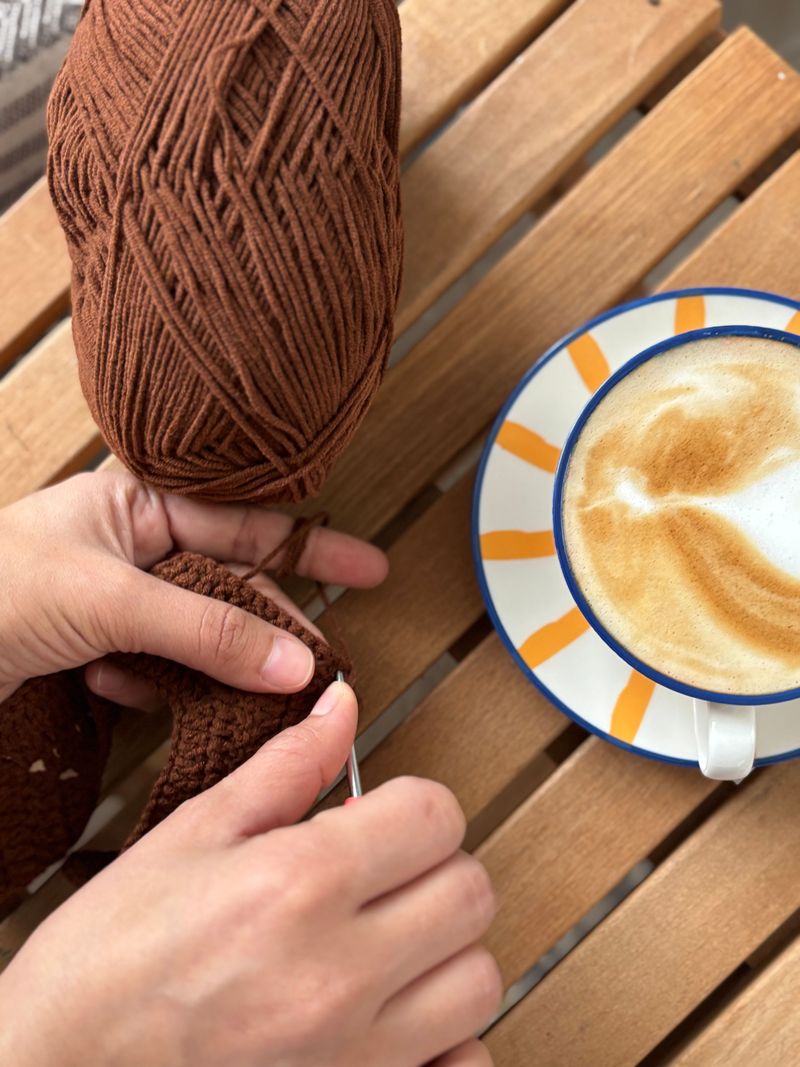
Somewhere in your house, there’s probably a drawer of half-used yarn or forgotten markers.
That pile might be the start of your next favorite hobby.
Crafts give your hands a clear job, which can feel refreshing after hours of scrolling.
Embroidery is a friendly entry point because a hoop, needle, floss, and fabric cost little and fit in a small bag.
Beginner kits often come with a printed pattern, so you just follow the lines.
Knitting and crochet take a bit longer to learn, but they reward practice.
Start with a simple scarf or dishcloth instead of a sweater.
Chunky yarn and larger needles or hooks make stitches easier to see.
Prefer something squishier?
Air-dry clay lets you shape trinket dishes, ornaments, or tiny figures without a kiln.
Pressed flower art turns backyard blooms into framed pieces, and it only needs heavy books and some patience.
Choose a project that matches your time.
A weekend kit feels satisfying, while a big quilt can stretch across months.
Either way, finishing something you made with your own hands brings a special kind of pride, even if a stitch or two wanders off course.
7. Hosting a Home Movie Night

No sticky theater floors, no one kicking your seat, and the pause button belongs to you.
A home movie night beats the multiplex in a few very practical ways.
Comfort comes first.
Pull floor pillows, beanbags, or extra blankets around the TV so nobody gets stuck on a hard chair.
Dim the overhead lights and use a lamp or string lights instead, which cuts glare on the screen.
Snacks are where you can get creative.
Air-popped or stovetop popcorn makes a great base, and a small toppings bar lets guests experiment.
Try grated parmesan, cinnamon sugar, or a sprinkle of taco seasoning in little bowls.
A theme can turn an ordinary evening into an event.
Watch every movie in a trilogy, pick films from the year you were born, or let each person choose one title from a hat.
Themed snacks are optional, but pretty fun.
Sound matters more than people expect.
Turning on subtitles helps with mumbled dialogue, and closing curtains can reduce outside noise.
You don’t need a fancy speaker system for a great night.
Good company, a decent screen, and a movie everyone agreed on usually do the job nicely.
8. Studying a New Language

Duolingo’s green owl has become famous for its pushy reminders.
That cartoon bird hints at something useful, though, since language learning tends to work best in small daily doses.
Online tools make studying from your couch easy.
Duolingo offers game-style lessons, Babbel focuses on structured courses, and Preply connects you with live tutors for one-on-one practice.
Many apps offer free versions, so you can test a few before paying anything.
Pick a reason that excites you.
Maybe you want to chat with relatives, plan a future trip, or understand a favorite band’s lyrics.
A clear goal makes it easier to stick around when verb tenses get tricky.
Mix up your practice so it doesn’t feel like homework.
Watch a show in your target language with subtitles, label items around the house, or switch your phone’s language for a week if you feel brave.
Cooking from a recipe written in that language counts too.
Speaking out loud matters, even if you feel silly.
Read sentences aloud, record yourself, and compare with native audio.
Mistakes are part of the process.
Every awkward sentence is one step closer to a conversation that flows.
9. Keeping a Journal
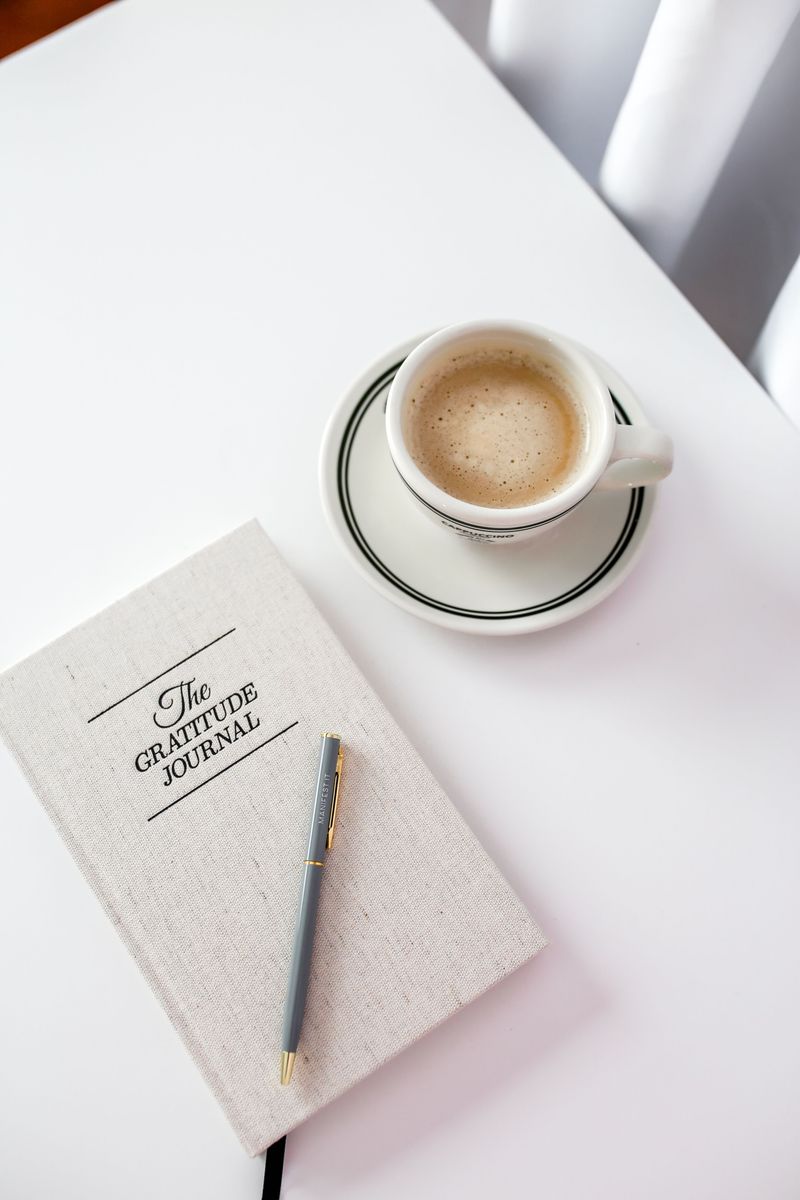
A blank notebook asks for nothing except a few honest lines.
That low pressure makes journaling one of the simplest hobbies to start tonight.
Writing things down can help you sort through a busy day and notice patterns in your moods or habits.
There’s no correct way to do it.
Some people write long pages every morning, while others jot three quick bullet points before bed.
Different styles suit different personalities.
A gratitude journal lists a few things you appreciated that day.
Stream-of-consciousness writing means letting thoughts spill out without editing.
A prompt journal gives you questions to answer, like what made you laugh this week.
Creative types can mix things up.
Add sketches, ticket stubs, recipe notes, or doodles in the margins.
Bullet journals combine to-do lists, habit trackers, and calendars, and some people decorate theirs with stickers and colored pens.
Keep your journal somewhere easy to reach, like your nightstand or kitchen counter.
If writing every day feels like a chore, aim for a couple of times a week.
Your journal is private, so spelling and neat handwriting don’t matter.
Years from now, flipping back through old pages can feel like reading letters from a past version of you.
10. Setting Up a Meditation Corner

A floor cushion, a plant, and a little quiet can turn an unused corner into your favorite spot in the house.
Creating a meditation space gives you a set place to slow down for a few minutes.
You don’t need a spare room.
A bedroom corner, the end of a hallway, or a spot by a window can work.
The main goal is a place that stays fairly tidy and free from piles of mail or laundry.
Choose seating that suits your body.
Some people like a firm floor cushion, while others prefer a sturdy chair with both feet on the ground.
A folded blanket can add support for your knees or back.
Small details help set the mood.
Try a soft lamp, a battery candle, a houseplant, or a few smooth stones from a walk.
Keep decorations simple, since clutter can pull your attention away.
Beginners might start with five minutes of slow breathing or a guided session from an app like Insight Timer, which offers many free recordings.
Using the same spot each time can help the routine stick.
Even on busy days, sitting there for a few breaths is a small, steady way to end a homebody day well.