 MomSkoop
Getting older comes with plenty of changes, but some of them can be surprisingly freeing. By the time you reach your 60s, you may find yourself caring less about what other people think and feeling more comfortable making choices that actually make you happy. Things that once seemed intimidating or selfish can start to feel perfectly reasonable. There’s often a sense of relief in realizing you don’t have to spend so much time trying to meet everyone else’s expectations.
Of course, turning 60 doesn’t mean life suddenly becomes easier or that every worry disappears. But with more experience often comes a clearer idea of what matters and what simply isn’t worth your energy anymore. Whether it’s setting boundaries, trying something new, or finally putting yourself first, certain experiences can feel especially rewarding at this stage of life. Here are 13 that may bring a whole new sense of freedom.
1. Traveling on Your Own Schedule

Tuesday flights used to be a fantasy for anyone with a boss and a vacation request form.
After 60, many people find the calendar finally loosens its grip.
Traveling in the off-peak season can mean thinner crowds at museums, shorter waits for tables, and a slower pace overall.
Spring and fall trips often work well for popular spots that feel jammed in summer.
Spontaneity becomes easier too.
When a friend mentions a fun festival two states away, you can actually say yes without checking with a supervisor first.
A few practical moves help this freedom go further.
Signing up for fare alerts lets you pounce when prices drop, and flexible dates often open up better options.
You also get to choose your travel style without apology.
Some people want a packed itinerary, while others prefer one sight a day and a long lunch afterward.
Revisiting favorite places can feel just as rewarding as chasing new ones.
A beach town you loved decades ago might look different when you can stay two weeks instead of four rushed days.
Budget, health, and family needs still shape what works.
Even a short drive to a nearby town on a quiet weekday can carry that same sense of open road.
2. Learning Something Brand New
Being a beginner gets a bad reputation in school.
Later in life, it can turn into one of the most fun roles you play.
Nobody is grading you now, and that changes the whole mood.
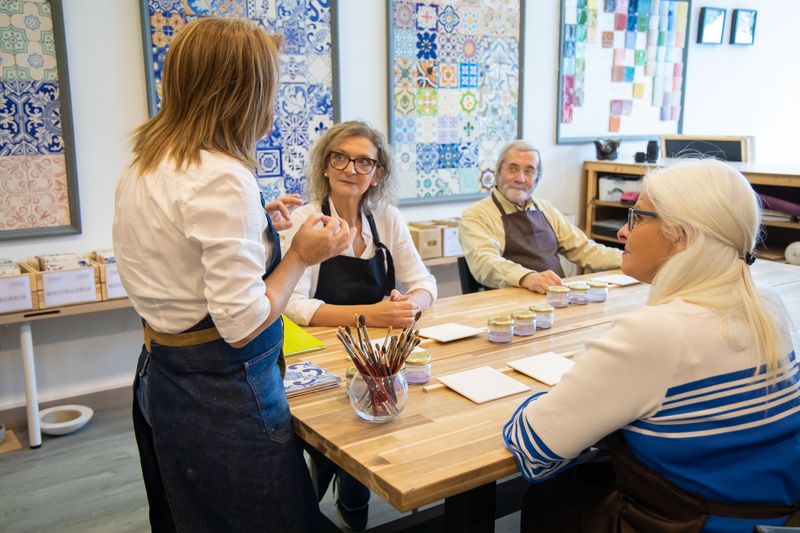
You can take a watercolor class, learn chess, or try woodworking simply because it sounds interesting.
Puzzles, games, reading, and crafts keep your brain busy in a satisfying way.
Finishing your first knitted scarf, even a lumpy one, can bring a real sense of accomplishment.
Community centers, libraries, and local colleges often offer low-cost classes for adults.
Some colleges even let older residents audit courses, so check what programs exist in your area.
Online lessons are another option if travel or schedules get tricky.
Video tutorials can teach you guitar chords or bread baking from your own kitchen table.
Picking a skill you always wondered about tends to work better than choosing something you feel you should learn.
Curiosity is a stronger motivator than guilt, and it shows up more reliably on rainy days.
Mistakes become part of the story instead of a source of stress.
Your crooked first bowl might end up being the piece you keep on the shelf the longest.
3. Dressing for Yourself

Office dress codes have a funny way of lingering in your closet long after the job ends.
Clearing them out can feel like taking off shoes that pinched for years.
Many people over 60 start choosing clothes based on comfort and personal taste instead of outside expectations.
Breathable fabrics like cotton, linen, and chambray are popular picks because they work in so many settings.
Fit matters more than any trend.
A shirt that moves with you will usually get worn more often than a stiff one that looked great on a hanger.
Color is another place to play.
If you spent decades in navy and gray, a bright scarf or a bold printed blouse might be a fun experiment.
Try pairing one statement piece with simple basics.
A patterned top with plain trousers, for example, keeps the look balanced without much effort.
Shopping can also become more relaxed.
Thrift stores, consignment shops, and clothing swaps with friends let you test new ideas without a big investment.
Your style rules are yours to write.
Wear the sneakers, the hat, or the red lipstick if they make you smile when you pass a mirror.
4. Building Deeper Friendships

Friendship in your thirties often squeezes into ten-minute phone calls between errands.
After 60, there may finally be room for the long lunch that stretches into afternoon.
Regular time with friends and neighbors helps many people feel less lonely.
Those connections can also support emotional health and add a stronger sense of purpose to ordinary weeks.
You may notice you care less about having a huge circle.
A few people who really know you can matter more than a crowded party.
Standing plans make friendships easier to keep.
A weekly walk, a monthly book club, or a Sunday breakfast spot gives everyone something steady to count on.
New friends are possible too, even if it feels awkward at first.
Classes, faith groups, walking clubs, and volunteer projects put you next to people with shared interests.
Reaching out first is a small act of courage that often pays off.
Plenty of people are waiting for someone else to send the text, so you might as well be the one.
Old friends deserve a call as well.
Reconnecting with a college roommate can bring back stories you forgot you even had.
5. Letting Go of Extra Stuff
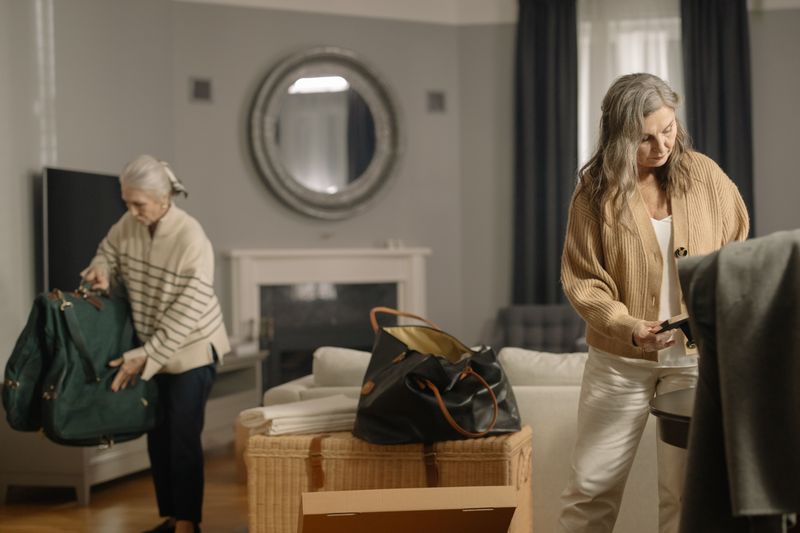
Somewhere in many homes sits a drawer full of cords for gadgets nobody owns anymore.
Clearing that drawer is a tiny victory, and it can lead to bigger ones.
Decluttering simplifies your space and makes room for the things you actually use.
For some people, it becomes the first step toward downsizing to a smaller home.
A smaller place can mean lower monthly expenses and less upkeep.
Fewer rooms to clean and less yard to mow can free up hours each week.
Downsizing may also release home equity, which can add financial flexibility.
A financial advisor can help you weigh that choice based on your own situation.
Starting small keeps the job from feeling overwhelming.
Pick one closet or one shelf, and set aside a short block of time to sort it.
Sentimental items need a gentler approach.
Photographing a treasured object before giving it away lets you keep the memory without storing the bulk.
Family members might want certain pieces, so ask before you donate.
You may discover that your grandson has secretly wanted that old record player for years.
6. Starting an Encore Career

Retirement does not have to mean the end of work, just the end of work you did not choose.
That distinction makes a big difference.
An encore career is paid or volunteer work taken on after a main career, often picked for personal meaning.
People use these roles to apply skills they spent decades building, this time on their own terms.
Schedules tend to be more flexible.
You might consult two days a week, teach a night class, or run a small business from home.
Former accountants may help small nonprofits balance their books.
Retired teachers sometimes tutor, and longtime nurses might coach new caregivers.
Work like this can add structure, social contact, and mental challenge to your week.
It can also bring in extra income, which helps some households stretch savings.
Start by listing what you enjoyed most in your past jobs.
Then look for roles that keep those parts and drop the long commute or endless meetings.
Some people even turn a hobby into a side gig.
Selling handmade jewelry or giving garden tours can turn a love into a paycheck, small or large.
7. Making Movement and Wellness a Priority
Rushing to a 6 a.m. gym class before work is nobody’s idea of fun.
With more open time, movement can fit into your day instead of fighting with it.
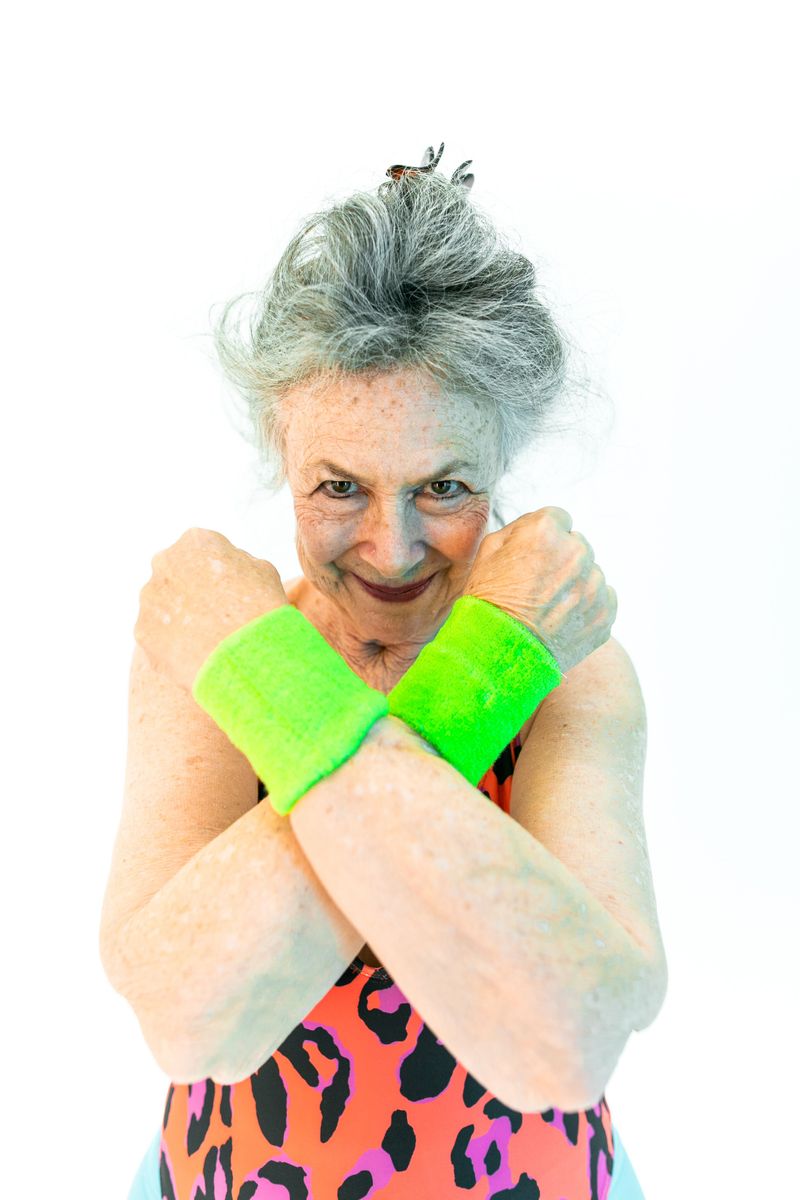
Walking, swimming, and gardening are popular ways to stay active and keep strength and mobility.
Choosing something you enjoy makes it more likely you will keep showing up.
Food can shift too.
Without a lunch break that lasts twenty minutes, you have time to cook balanced meals and actually sit down to eat them.
Drinking enough water and keeping a steady sleep schedule also support how you feel day to day.
A regular bedtime is easier to keep when there is no alarm forcing an early start.
Talk with your doctor before starting a new exercise routine, especially if you have health conditions.
They can help you choose activities that fit your body and goals.
Group options add a social twist.
Senior fitness classes, mall walking groups, and pickleball leagues mix exercise with conversation.
Progress does not need to be dramatic.
A ten-minute walk after dinner counts, and it can grow into something longer when you feel ready.
8. Spending More Time Outdoors
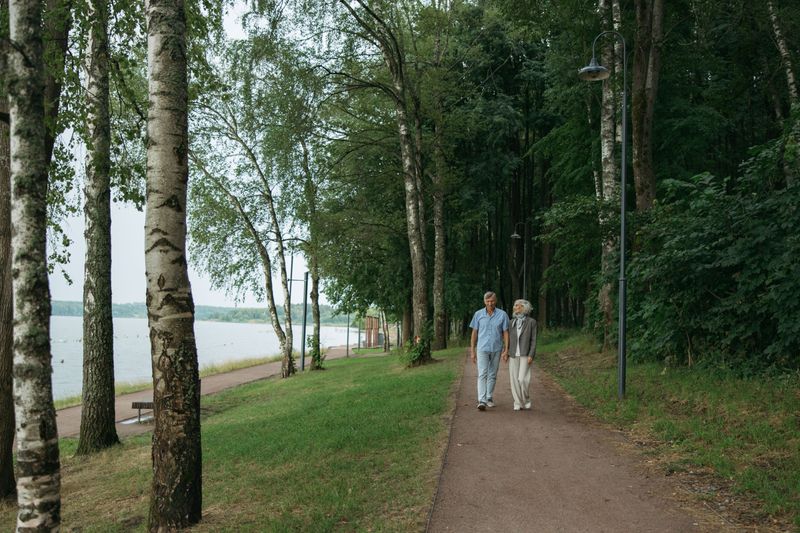
Birdwatchers will tell you the best sightings happen early on quiet weekday mornings.
Lucky for you, those mornings may now be wide open.
Time outside gets you moving and soaking up daylight, which helps your body make vitamin D.
Many people also find that a stroll through green spaces lifts their mood and eases stress.
You do not need a mountain or a national park.
A city park, a backyard, or a tree-lined street can give you a dose of fresh air.
Try pairing outdoor time with something you already like.
Read on a porch, eat lunch on a park bench, or call a friend while walking.
Gardening is a favorite for good reason.
It combines light exercise, sunshine, and the bonus of tomatoes that taste far better than store-bought ones.
Weather and mobility can limit options, so plan around them.
Shaded trails, paved paths, and early hours work well during hot months.
Bring water, sunscreen, and a hat, and let someone know your route if you hike alone.
Those small habits keep the focus on enjoying the view instead of worrying about it.
9. Volunteering in Your Community
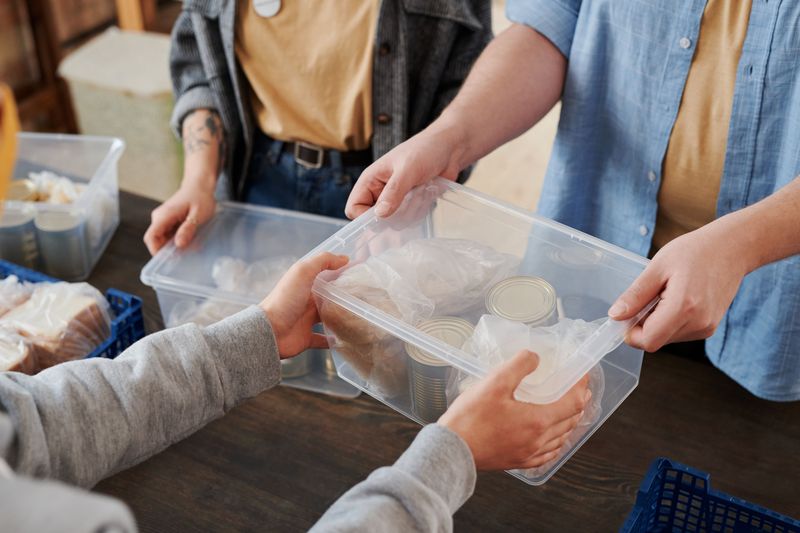
Food banks, animal shelters, and hospitals often run on the steady help of volunteers.
Plenty of those helpers have silver hair and a lot of know-how.
Giving time can bring a fresh sense of purpose after leaving a career.
Many volunteers say the work helps them feel less lonely and more connected to their neighborhood.
Some roles keep you physically active.
Sorting donations, walking shelter dogs, or building homes gets you moving while you help.
Other roles lean on skills you already have.
Reading to kids, mentoring small business owners, or helping neighbors with tax forms can make a real difference.
Start by thinking about causes that matter to you.
Local nonprofits, libraries, schools, and places of worship usually welcome help and can explain what they need.
You can also set your own limits.
A few hours a month counts, and you are allowed to say no when a request feels like too much.
New friendships often grow naturally from shared work.
Standing side by side at a soup kitchen line is a surprisingly easy way to start a conversation that lasts for years.
10. Getting Comfortable With Technology
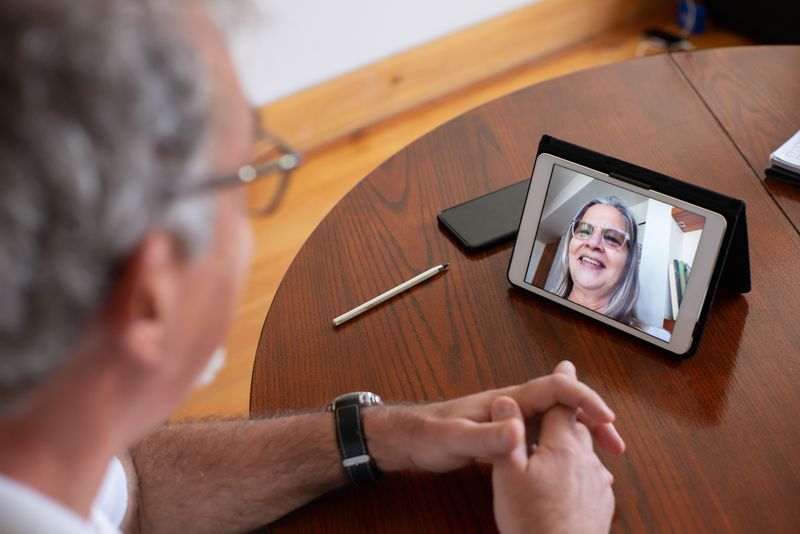
Grandkids can be surprisingly patient tech tutors, especially when the payoff is more video calls with you.
That alone makes learning a few new apps worth the effort.
Video chats, messaging, and social media make it easier to stay close with family and friends in other cities.
Seeing a face often feels more personal than a quick phone call.
Technology also handles daily chores.
Online banking, grocery delivery, and telehealth visits can save trips and time.
Entertainment opens up as well.
Streaming services, audiobooks, podcasts, and online courses bring a library of options into your living room.
Many libraries and senior centers offer free classes on smartphones and computers.
Those lessons usually move at a friendly pace and welcome plenty of questions.
Learn one tool at a time instead of everything at once.
Master texting, then try photos, then move on to video calls when you feel steady.
Staying safe online matters too.
Be wary of messages asking for passwords or payments, and check with someone you trust when something feels off, because scammers love a rushed decision.
11. Making Art Just Because
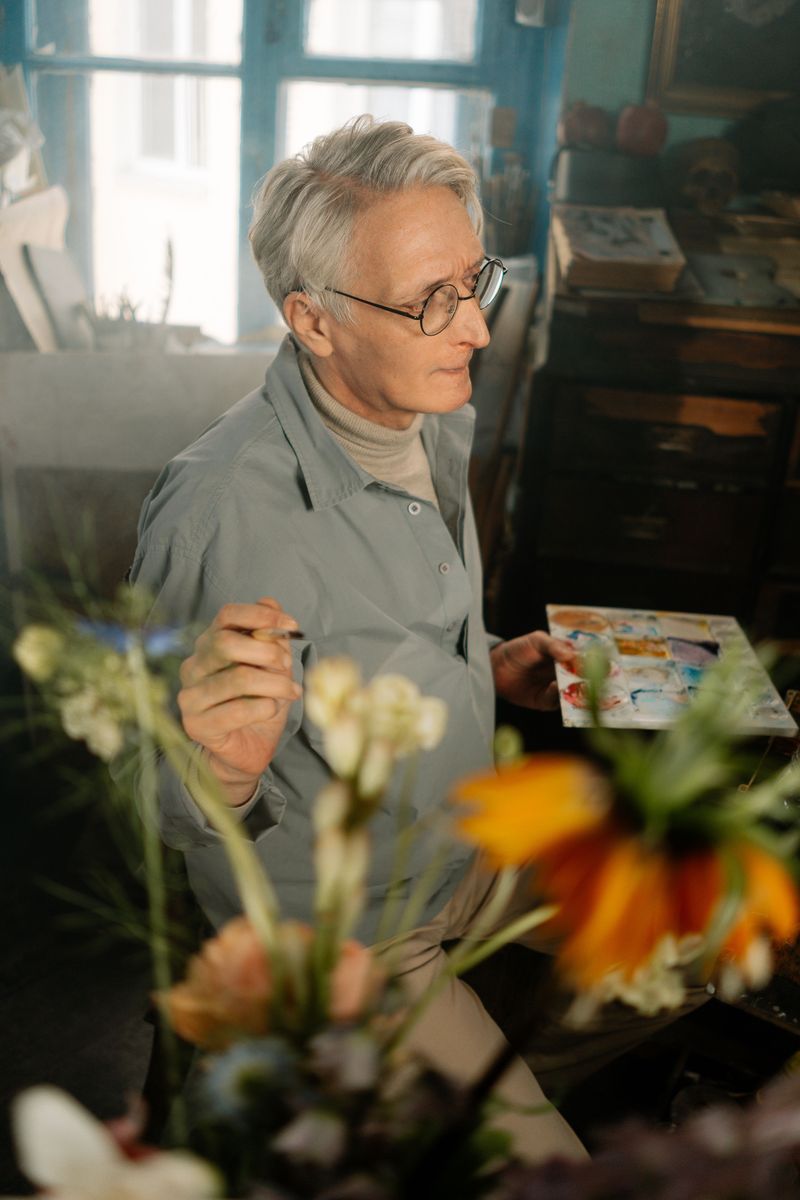
Grandma Moses, the American folk artist, started painting seriously in her late seventies.
Her story is a cheerful reminder that the paintbrush has no age limit.
Writing, painting, music, and other creative arts can bring deep satisfaction later in life.
They give your mind a workout and offer a fresh way to process what you have lived through.
You have decades of stories and observations to draw from.
A memoir, a song, or a series of sketches can capture them in a way only you could.
Creative work can also become a legacy.
Family members may treasure a handwritten recipe book or a scrapbook of travel drawings for generations.
Supplies do not need to be fancy.
A basic sketchbook, a set of colored pencils, or a free writing app is plenty to start.
Art classes, community choirs, and writing groups add friendly feedback and structure.
They also connect you with other people who enjoy making things.
Let go of the pressure to be good right away.
The joy often lives in the doing, and the results tend to improve faster than you expect.
12. Rediscovering the Kitchen

Weeknight dinners once meant whatever could hit the table in twenty minutes flat.
Now there might be time for a slow-simmered soup on a Wednesday.
With fewer daily demands, cooking can shift from chore to hobby.
You can test new recipes, try unfamiliar spices, or finally learn to make fresh pasta.
Meals can become more relaxed as well.
Eating slowly at the table, without a rush to get somewhere, makes food more enjoyable.
Cooking classes at community centers or kitchen stores are a fun way to build skills.
Some focus on a single cuisine, like Thai or Italian, which keeps lessons focused.
Cooking for one or two people takes a little planning.
Halving recipes or freezing extra portions helps cut down on waste.
Dining out can turn into its own adventure.
Trying a new local restaurant at lunchtime is often quieter and easier than a packed Friday night.
Sharing food spreads the fun.
Hosting a potluck, swapping recipes with friends, or teaching a grandchild your famous pie can make a simple meal feel like an event.
13. Enjoying Quiet Time Alone
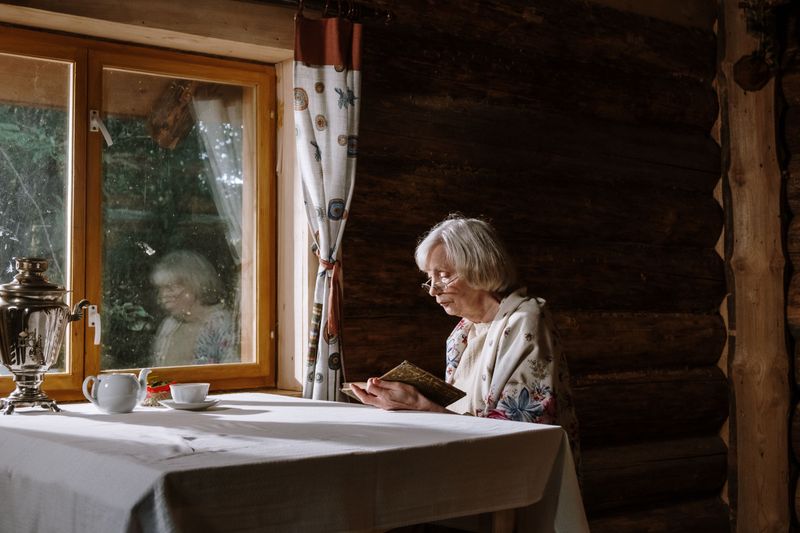
Silence used to be rare in houses full of kids, pets, and ringing phones.
These days, a quiet morning can feel like a small luxury.
Many people over 60 find that time alone gives them room to think.
Quiet hours let you sort through memories, values, and what you want next.
Solitude is different from loneliness.
Choosing an afternoon to yourself can feel restful, especially when you know friends are a phone call away.
Journaling is one simple way to use that time.
Writing a few lines each morning can help you notice patterns and clear your head.
Others prefer a slow walk, prayer, meditation, or simply watching birds from a window.
No single method is correct, so pick what feels natural.
Setting a little boundary helps protect this time.
Turn off notifications for an hour, or tell family that mornings are your quiet stretch.
If being alone starts to feel heavy instead of restful, reach out to someone or talk with a doctor.
Balance matters, and the sweetest quiet often comes right before a good conversation.