 MomSkoop
Some of the funniest characters in TV and movies are the ones who just can’t seem to stay out of trouble. Whether they’re pulling ridiculous pranks, coming up with terrible plans, or making a mess of perfectly normal situations, they always find a way to keep things interesting. You can usually tell when they’re about to do something they shouldn’t, but that’s part of what makes them so entertaining to watch.
Of course, there’s a big difference between characters who cause trouble on purpose and those who somehow create chaos without even trying. Some love pushing people’s buttons, while others have a talent for making bad decisions at the worst possible moment. Either way, their antics often lead to some of the funniest and most unforgettable moments on screen. These 14 comedy characters became fan favorites partly because they never made life easy for anyone around them.
1. Ferris Bueller

Faking a sick day takes skill, and nobody on film has done it with more confidence.
In the 1986 John Hughes comedy, Matthew Broderick plays a Chicago high school senior who treats skipping class like a fine art.
His bag of tricks includes clammy hands, a fake cough, and a computer hack that changes his attendance record.
He even talks his nervous best friend, Cameron, into borrowing his father’s prized 1961 Ferrari without asking.
Things only get bolder from there.
Ferris walks into a fancy restaurant pretending to be Abe Froman, the Sausage King of Chicago, and somehow gets a table.
Then he hops on a parade float and leads a downtown crowd through a performance of “Twist and Shout.” Meanwhile, Principal Ed Rooney spends the whole day trying and failing to catch him.
Part of the fun comes from how Ferris talks straight to the camera.
He breaks the fourth wall to share his tips, so you feel like his partner in crime instead of a bystander.
Should you copy his methods before your next math test?
Probably not, but the movie makes a fair point about slowing down to enjoy life before it zooms past you.
2. Bart Simpson

Long before he had his own show, Bart Simpson appeared in short cartoons on The Tracey Ullman Show starting in 1987.
The Simpsons then premiered as a full series in December 1989, and the spiky-haired 10-year-old has been causing chaos ever since.
Nancy Cartwright gives Bart his scratchy voice and gleeful attitude.
His favorite targets include Principal Seymour Skinner, his teacher Mrs. Krabappel, and pretty much any adult with a phone number he can prank.
One early stunt stands out.
In the first-season episode “The Telltale Head,” Bart saws the head off the statue of town founder Jebediah Springfield, and an angry mob soon comes looking for answers.
Fans also know him from the show’s opening, where he writes punishment lines on a classroom chalkboard.
Those lines change from episode to episode, so they reward viewers who pay close attention.
What keeps Bart likable is the small heart buried under the mischief.
He sticks up for his sister Lisa at times, and he occasionally feels bad about what he’s done.
He’s a reminder that kids who test limits aren’t always bad kids.
Sometimes they’re just bored, curious, and very good with a slingshot.
3. Dennis the Menace
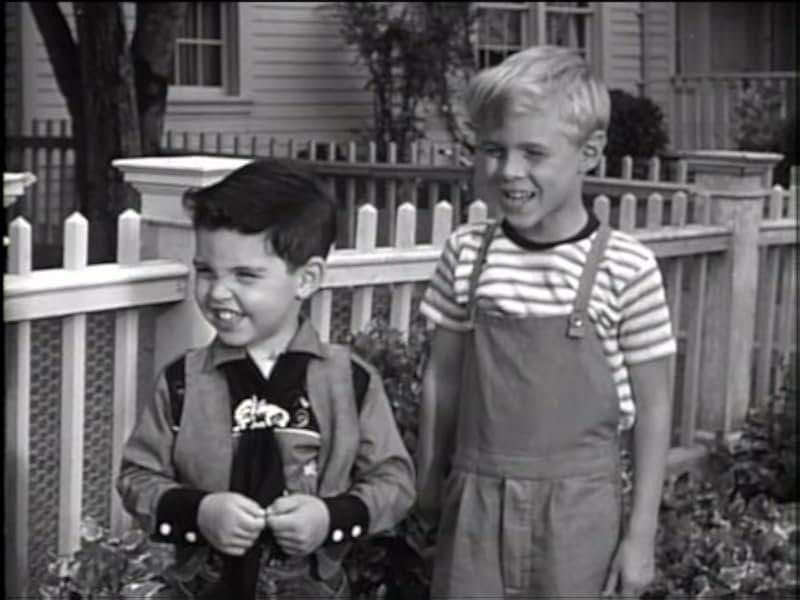
Cartoonist Hank Ketcham launched his comic strip on March 12, 1951, and named the lead after his own young son.
That little boy in overalls quickly became one of America’s best-known pint-sized pests.
Dennis Mitchell rarely means any harm.
He just wanders into trouble with the energy of a kid who never learned the word “wait.”
His favorite victim is George Wilson, the retired neighbor next door.
Mr. Wilson wants peace, quiet, and a tidy garden, and Dennis seems to arrive the moment he gets any of the three.
The strip jumped to television with a live-action series that ran on CBS from 1959 to 1963.
Jay North played Dennis, bringing the comic panels to life with a cowlick and a grin.
Over the years, the character grew softer and sweeter.
Early readers saw a true rascal, while later fans met a boy whose messes usually came from good intentions.
Kids still relate to him for a simple reason.
Most of us have caused a disaster while trying to help, and Dennis makes those moments feel funny instead of embarrassing.
4. Jim Halpert
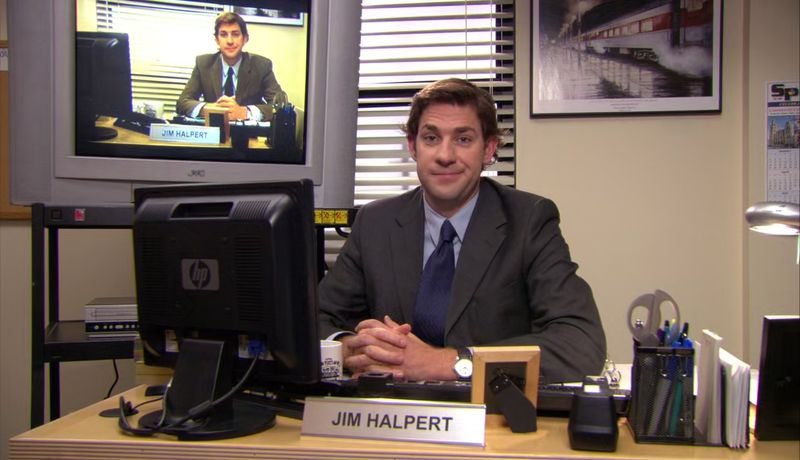
A stapler sealed inside yellow Jell-O kicked things off in the very first episode of The Office.
From that moment, Jim Halpert made pranking his coworker Dwight Schrute into something close to a hobby.
John Krasinski plays Jim as the calm, smirking salesman at Dunder Mifflin’s Scranton branch.
His trademark move is looking right into the documentary camera after a prank lands.
Some of his schemes took serious planning.
He trained Dwight to expect a breath mint whenever a computer restart sound played, until Dwight reached out his hand without thinking.
Another favorite involved faxes from “Future Dwight” with spooky warnings about what was coming.
Dwight took them seriously, which tells you a lot about both men.
Jim’s troublemaking feels different from the others on this list.
He mostly causes mischief because his job bores him, and pranks become his way of getting through the day.
If you’ve ever doodled during a long meeting, you probably understand him a little.
Just remember that his tricks worked because Dwight was fair game in that office, which won’t be true of your coworkers.
5. Michael Scott
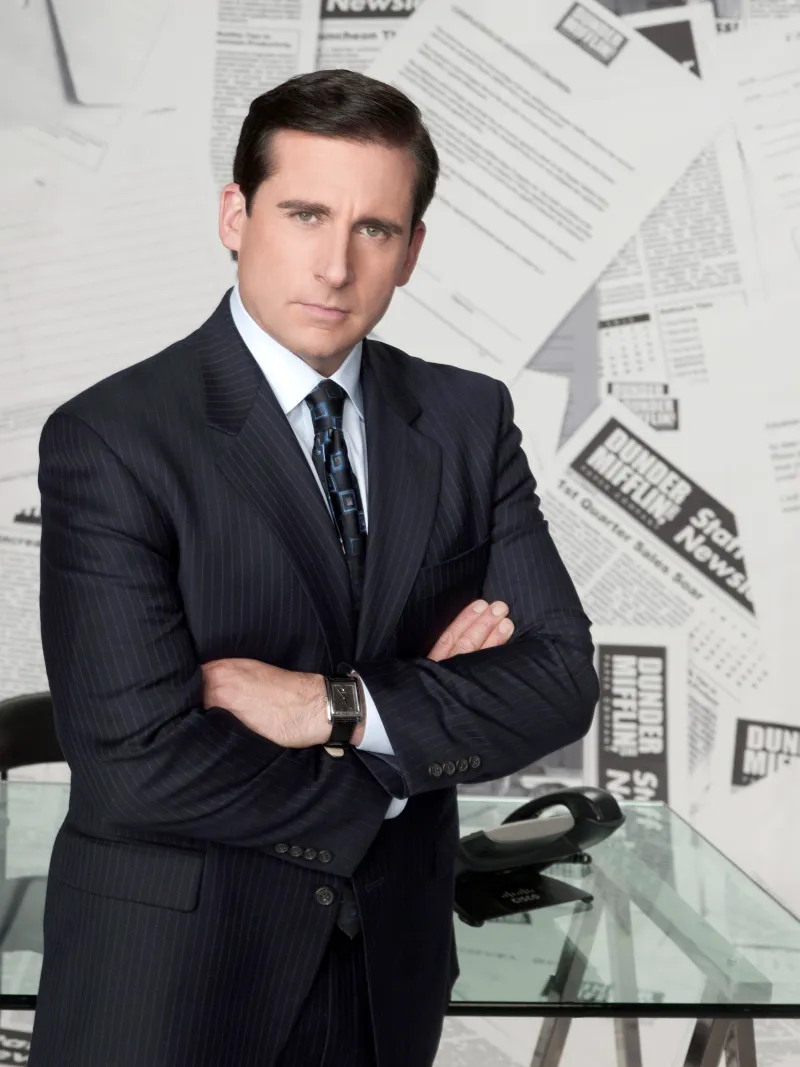
Trusting a GPS a little too much once sent Michael Scott straight into a lake.
That moment from the Season 4 episode “Dunder Mifflin Infinity” sums up the regional manager perfectly.
Steve Carell played Michael on NBC’s The Office, and his performance earned him a Golden Globe in 2006.
The character wanted to be loved by his staff, yet his choices kept making their workdays harder.
His troublemaking rarely came from bad intentions.
Instead, it came from a boss who said whatever popped into his head without checking it first.
In the episode “Diversity Day,” his clumsy attempts at teaching tolerance created more problems than they solved.
He also spread wild rumors around the office and stood up for his rude friend Todd Packer when he shouldn’t have.
Somehow, the show still made you root for him.
Michael truly cared about the people in his office, even when he showed it in odd ways.
Here’s a takeaway worth keeping.
Good intentions matter, but listening to the people around you matters just as much, especially if you’re the one in charge.
6. George Costanza
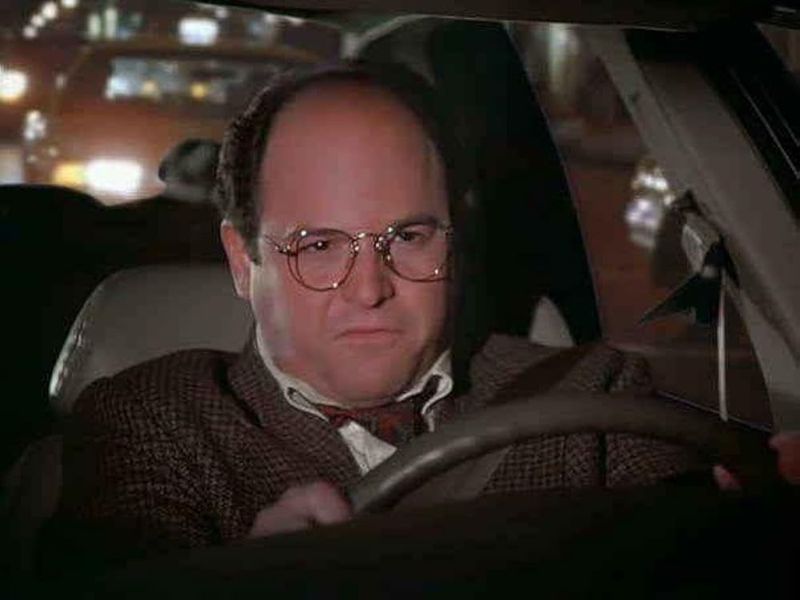
Art Vandelay doesn’t exist, and that’s exactly the point.
George Costanza invented the imaginary importer and exporter whenever he needed a fake boss, a fake job, or a quick way out of trouble.
Jason Alexander played George on Seinfeld as a man who treated lying like a full-time career.
He pretended to be an architect, made up fake clients, and spun stories that collapsed under the lightest pressure.
His most famous fib might be The Human Fund.
George handed coworkers cards saying he’d donated to this charity in their names, which let him skip buying real holiday gifts.
The slogan, “Money for people,” tells you how much thought went into it.
Of course, his boss eventually asked for details, and the whole plan fell apart.
Watching George is like watching someone build a house of cards in a windstorm.
You know it’ll fall, and the fun lies in seeing how long he can hold it together.
If his stories teach anything, it’s that one small lie usually needs ten more to support it.
Telling the truth upfront would have saved him a whole lot of sweating.
7. Cosmo Kramer
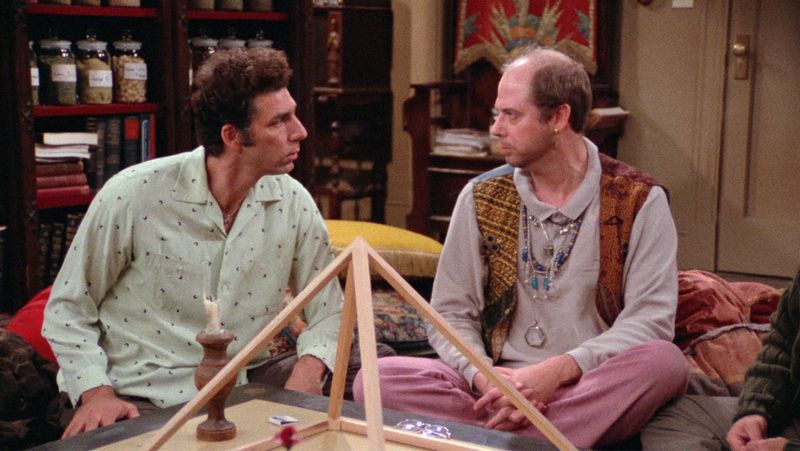
Few TV neighbors have entered a room like Kramer, who skids through Jerry’s apartment door as if he’s been launched from a cannon.
Michael Richards built the character around that wild physical energy, and he won three Emmys for it.
Kramer never seems to hold a regular job.
Instead, he bounces between strange ideas, including a coffee table book about coffee tables.
Plenty of his schemes would land a real person in hot water.
He’s stolen cable, gotten mixed up in a cockfighting plot with a rooster named Little Jerry, and treated other people’s property as his own.
Then there’s the butter incident.
Kramer shaved with butter, liked how it felt on his skin, and ended up basting himself under the sun until he smelled like a meal.
What makes him memorable is how little he worries about consequences.
Kramer jumps first and thinks later, if he thinks at all.
Not everyone wants a neighbor like that.
Still, a little of his boldness could help you pitch that odd idea you’ve been sitting on, as long as you skip the butter.
8. Frank Reynolds
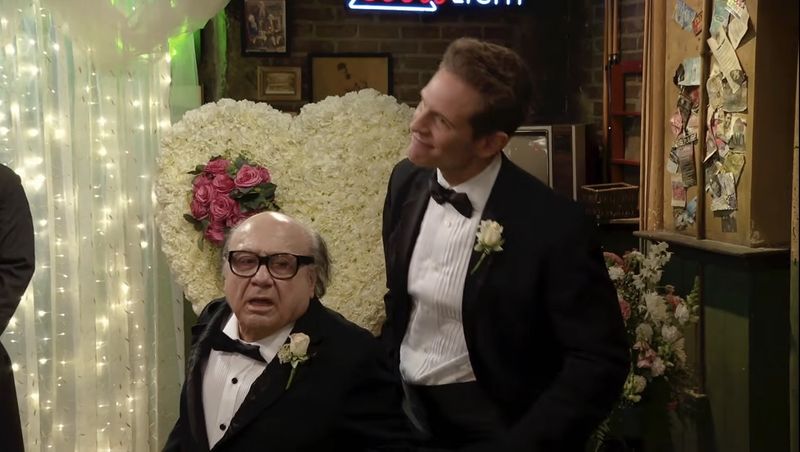
Danny DeVito joined It’s Always Sunny in Philadelphia in its second season, and the show got noticeably stranger.
His character, Frank Reynolds, is a wealthy businessman who gives up comfort to join the gang at Paddy’s Pub.
Frank’s version of fun involves schemes that range from shady to completely bonkers.
He’s run sweatshops, launched Wolf Cola as a tax scam, and hosted a no-rules card table where anything goes.
He also once commandeered a tour boat just to get to a movie.
Nobody stops Frank once he gets an idea, mostly because nobody around him is any more sensible.
The show itself has become a record holder.
It passed The Adventures of Ozzie and Harriet to become the longest-running live-action American sitcom by number of seasons.
Frank fits that long run perfectly because his choices never get tamer.
If anything, each season finds him digging deeper into chaos.
He’s best enjoyed from a safe distance, like a fireworks show.
You can laugh at the sparks without needing to stand anywhere near them.
9. Louie De Palma
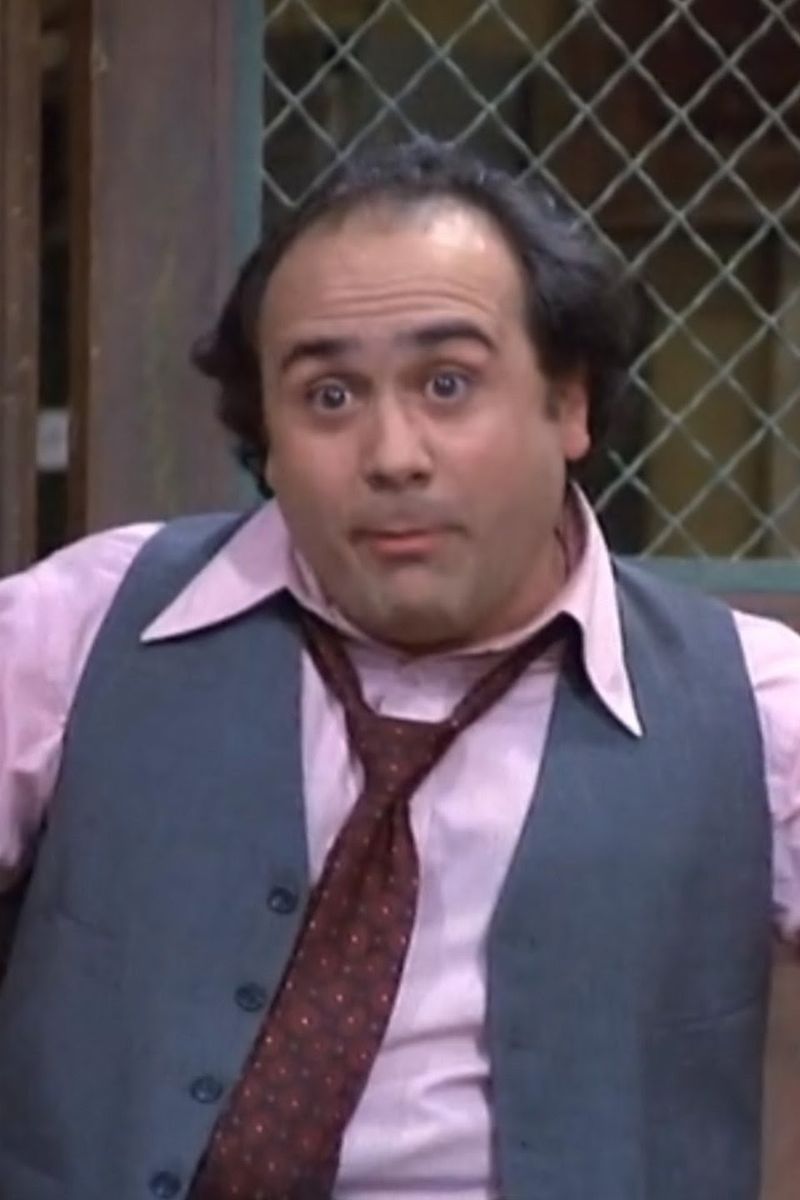
Sitting inside a wire cage in a New York taxi garage, Louie De Palma barked orders like a tiny king on a very small throne.
He worked as the dispatcher at the Sunshine Cab Company on the sitcom Taxi.
Here’s a fun link to the previous entry.
Danny DeVito played Louie years before Frank Reynolds, which makes him a two-time champion of TV troublemaking.
Taxi ran from 1978 to 1983, first on ABC and then on NBC for its final season.
DeVito won an Emmy in 1981 for this role.
Louie bullied the cab drivers, insulted them freely, and looked out for himself first.
Drivers like Alex Rieger and Tony Banta had to put up with his rudeness just to get their shifts.
So why do viewers remember him fondly?
DeVito made Louie so sharp and so shameless that his meanness turned into comedy instead of cruelty.
Most of us have dealt with a grumpy boss at some point.
Louie lets you laugh at that type from the comfort of your couch, where he can’t assign you the worst cab in the garage.
10. Ron Swanson
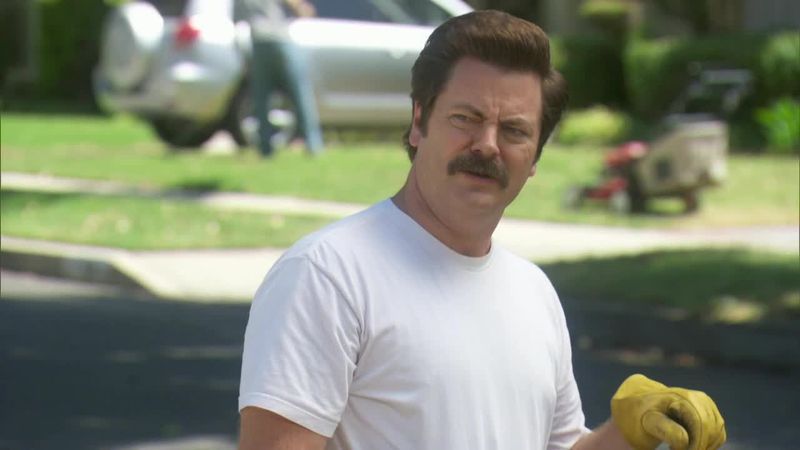
A government employee who doesn’t believe in government sounds like a bad joke, yet that’s Ron Swanson’s whole setup.
Nick Offerman played the director of the Parks and Recreation Department in Pawnee, Indiana.
Ron’s troublemaking comes from his strong beliefs.
He kept his department small, cut what he could, and openly said he’d prefer that private businesses ran things.
His personal rules come with their own surprises.
He’s buried gold in his backyard and claimed he started working at a sheet metal factory as a young boy.
He also secretly performs as Duke Silver, a smooth jazz saxophonist with a devoted fan following.
His coworkers spent a while having no clue about this second life.
One of his boldest pranks involved pretending to pull out his own tooth during a meeting.
In truth, a dentist had already removed it, but the stunt still stunned the room.
Ron makes rule-breaking look calm and almost dignified.
You don’t have to share his views to admire how firmly he sticks to them, or how much he values a quiet breakfast.
11. Jack Donaghy
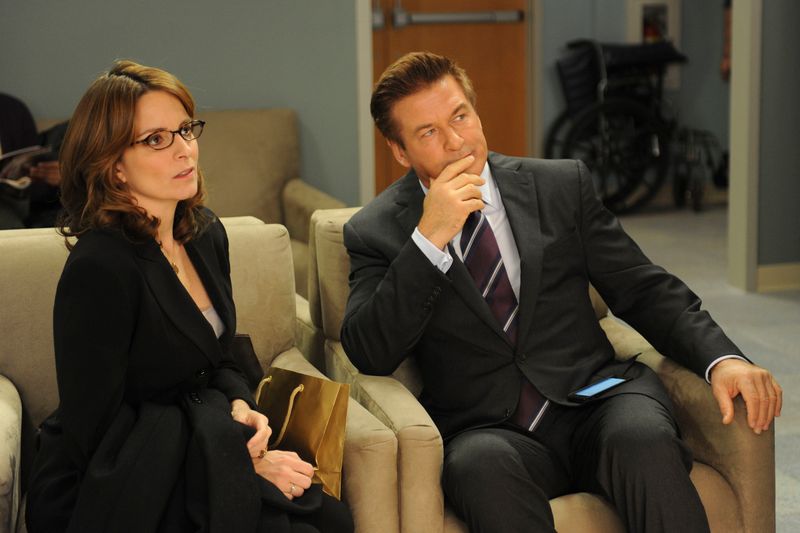
Few job titles sound as silly as Vice President of East Coast Television and Microwave Oven Programming.
Jack Donaghy held that position on 30 Rock, and he carried it with total seriousness.
Alec Baldwin played Jack on NBC from 2006 to 2013.
His work earned him two Emmy Awards, along with several Golden Globes.
Jack’s troublemaking wears a suit and tie.
He manipulates, bargains, and outmaneuvers people, usually with a smile and a perfectly timed speech.
He once bribed a test audience with pizza to sway their opinion.
In another scheme, he blackmailed staff writer Josh Girard into handling his mother’s phone calls.
What keeps him fun to watch is his odd friendship with Liz Lemon.
He mentors her, teases her, and occasionally needs her help more than he’ll admit.
There’s a lesson tucked inside his polished tricks.
Confidence and a good plan can take you far, but Jack’s best moments come when he lets someone see past the corporate armor.
12. Liz Lemon
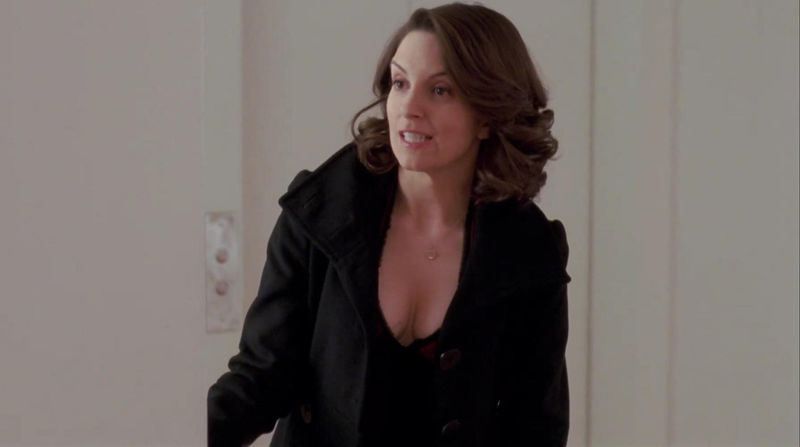
Blerg is a word Liz Lemon made her own, and it pretty much sums up her daily mood.
Tina Fey created 30 Rock and also starred as Liz, the head writer of a sketch comedy show called TGS.
Liz sees herself as the sensible one in a building packed with wild personalities.
The funny part is how often she causes problems herself.
She can be selfish, sneaky, and quick to bend a situation in her favor.
Her small schemes to get a date, win an argument, or dodge an obligation often turn into bigger messes.
She also loves food in a way many viewers find relatable.
Her devotion to sandwiches and her late-night “night cheese” became running jokes.
Liz is memorable because her flaws feel ordinary.
She isn’t plotting world domination, just trying to keep a stressful job from swallowing her life.
If you’ve ever skipped a party to eat snacks in sweatpants, she gets you.
Her mishaps make it okay to laugh at your own less-than-perfect moments too.
13. Louise Belcher
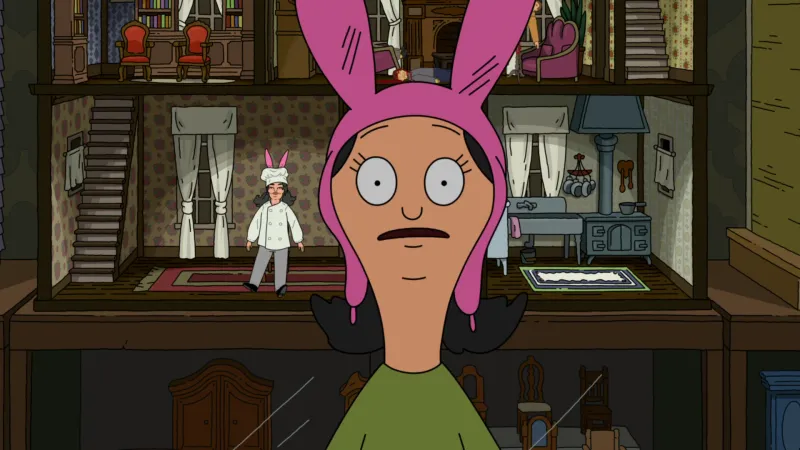
Pink bunny ears might look sweet, but they sit on top of the sharpest schemer in animation.
Louise Belcher is the youngest kid in the family on Bob’s Burgers, which premiered on Fox in 2011.
Kristen Schaal voices Louise with a sly, gravelly confidence.
The character has a love of chaos and a knack for plans that spiral fast.
She drags her siblings, Tina and Gene, into missions that rarely go as expected.
Her parents, Bob and Linda, often end up cleaning up the fallout at the family restaurant.
Still, Louise has her own sense of right and wrong.
She’ll fight hard for the people she loves, even if her methods are a bit extreme.
Her hat matters to her more than almost anything.
The show has treated it as a big part of who she is, and fans tend to recognize her by it instantly.
Louise proves that small kids can carry big personalities.
She’s a fun reminder that clever thinking and loyalty can live in the same mischievous package, along with a lot of bunny-eared attitude.
14. Wayne Arnold
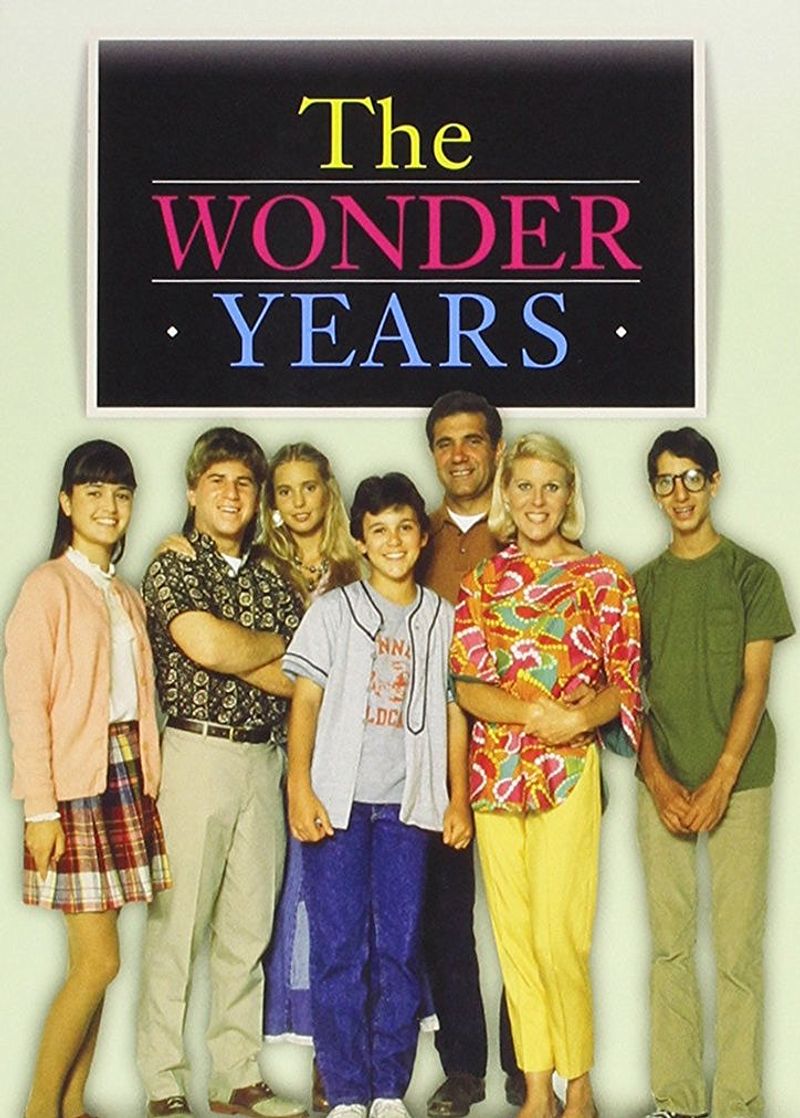
Calling his little brother “butthead” was practically Wayne Arnold’s hobby.
The older Arnold brother made life tough for Kevin on The Wonder Years, which aired on ABC from 1988 to 1993.
Jason Hervey played Wayne as the classic annoying older sibling.
He teased, wrestled, and chased Kevin around the house with endless energy.
The show looked back on growing up in the late 1960s and early 1970s.
Daniel Stern narrated as the adult Kevin, adding a reflective layer to Wayne’s antics.
That narration made Wayne funnier and a little more human.
You saw him through the eyes of a grown-up who understood family friction better than his younger self did.
Wayne also changed as the series went on.
He stayed a pest, but the show gave him moments of growth that hinted at a softer side.
If you have siblings, Wayne probably feels a bit familiar.
He’s the brother who drives you up the wall, yet you’d still notice right away if he stopped showing up at the dinner table.