 MomSkoop

It’s easy to assume that being single has something to do with how attractive a person is, especially when dating apps and social media put so much attention on appearances. But looks are only one small part of what brings people together. You’ve probably met someone who’s good-looking, funny, and genuinely kind but still hasn’t found the right relationship. Sometimes, the reasons have very little to do with physical attraction and much more to do with timing, habits, or personal circumstances.
Finding a partner isn’t always as simple as meeting someone who likes you back. The way you approach dating, the people you surround yourself with, and even what you’ve experienced in past relationships can all influence your love life. Some people are happily single by choice, while others want a relationship but keep running into the same obstacles.
1. Communication Habits

A great first impression can fade fast if talking with you feels like a guessing game.
The way you share thoughts and needs often matters more on a second date than your outfit did on the first.
Poor communication tends to leave people feeling unheard.
That frustration creates distance, and distance makes it hard for anything romantic to grow.
Healthy communication covers a few basics.
You say what you think, explain what you need clearly, and set boundaries without making the other person decode hints.
When it breaks down, certain patterns show up.
Criticism, defensiveness, contempt, and stonewalling chip away at trust, even early on.
Dodging tough conversations can also stall things.
If you always change the subject when feelings come up, a new match may decide you aren’t interested.
A simple fix is practicing short, direct statements.
Try something like, I had fun tonight and would like to see you again.
It sounds almost too plain, but clarity is attractive.
People relax when they know where they stand with you.
You can build this skill with friends and family, too.
Small honest moments add up, and soon clear talking feels normal instead of scary.
2. Fear of Vulnerability

Keeping your guard up feels safe right up until it starts feeling lonely.
Plenty of people hold back their real feelings because they worry about judgment or rejection.
Some also fear that anything personal they share could be used against them later.
That worry makes sense, especially after being hurt before.
The trouble is that closeness needs some openness.
Without it, dates stay polite and pleasant but never go much deeper.
One sneaky version is the chameleon approach.
That’s when you shape yourself into whatever the other person seems to want.
It might win a few dates, but it blocks real intimacy.
You can even feel lonely inside a relationship because nobody knows the actual you.
Past hurts can make people shut down emotionally without meaning to.
Noticing that pattern is a solid first step.
You don’t have to share your life story over appetizers.
Start small, like admitting you were nervous before the date or naming a hobby you usually keep quiet about.
Little honest moments let trust build at a comfortable pace.
If someone responds kindly, you’ve learned something useful about them, too.
3. Unrealistic Expectations
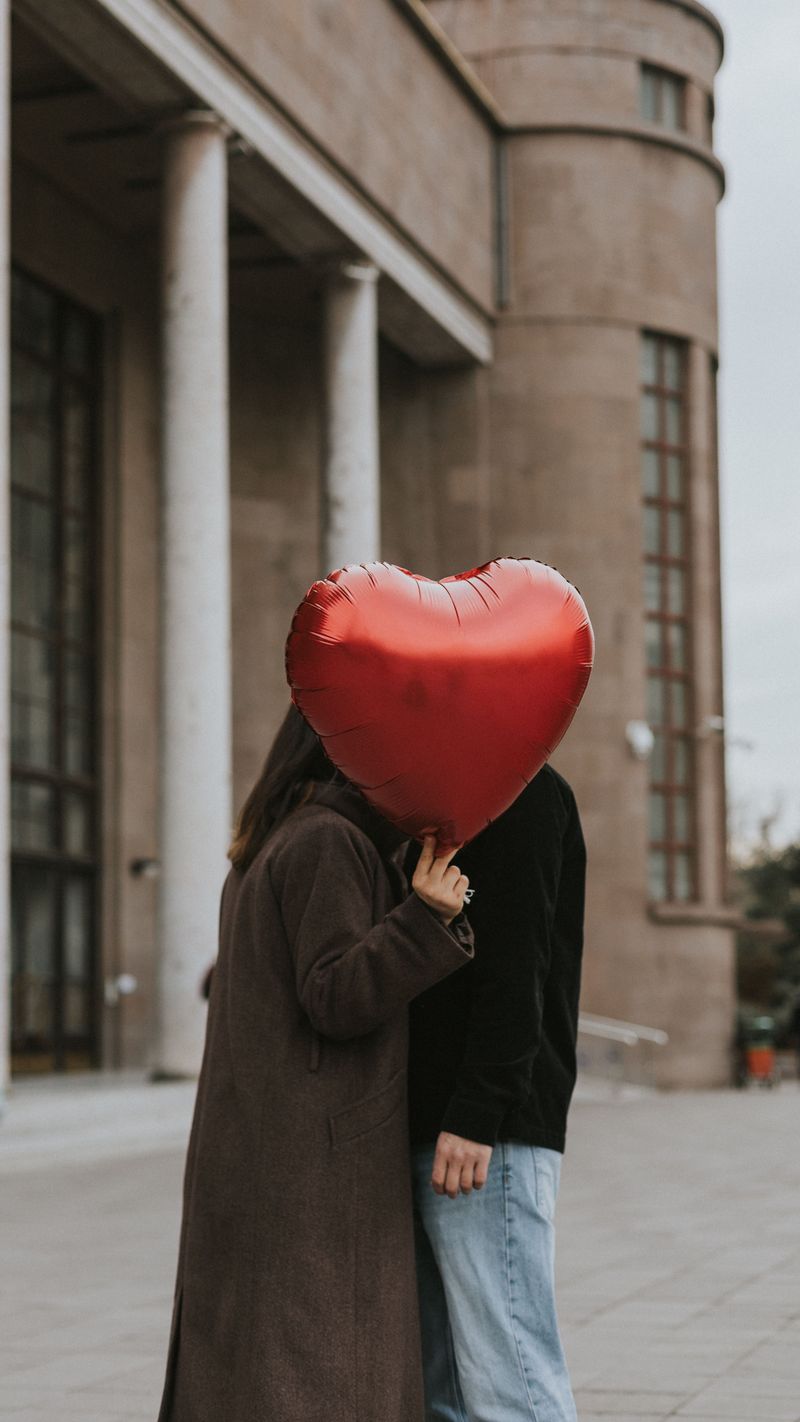
Nobody walks out of a rom-com and into real life unchanged.
Those movie moments are fun, but they can quietly set the bar sky-high.
Expecting a perfect partner, or a relationship that never takes effort, usually leads to disappointment.
Real people have off days, odd habits, and moods.
Some expectations hide in plain sight.
Believing a partner should meet every emotional need, or magically know what you want without being told, puts a lot of pressure on one person.
An impossibly high bar can also work as a shield.
If nobody ever measures up, you never have to risk getting close.
That protection comes at a price.
It builds distance and makes honest conversations harder.
Resentment can creep in when reality doesn’t match the dream.
And reality rarely matches a dream, which is sort of the point of reality.
Try sorting your hopes into two piles.
One pile holds core needs like respect and kindness, while the other holds nice extras.
Friends can help you lean on more people for support, too.
A partner works best as one important part of your life, not your entire support team.
4. Lack of Proactive Dating Efforts

Waiting for love to knock on your door works great, assuming love knows your address.
For most people, meeting someone takes at least a little action.
Some folks hesitate to make a dating profile.
Others never send the first message or never suggest an actual plan.
Low effort can send the wrong signal.
A match might read your slow replies as a lack of interest, even if you’re just shy.
Plenty of people feel that putting themselves out there seems forced.
They’d rather things happen naturally, and that’s a fair preference.
Still, natural meetings often need a nudge.
Fewer outings and fewer conversations mean fewer chances to click with someone.
Small steps can help.
You could set a goal of one new conversation a week, whether online or at a class.
Proposing specific plans also helps.
Saying, Want to grab tacos Thursday, works better than a vague, We should hang out sometime.
Dating doesn’t need to become a second job.
A bit of steady effort simply keeps the door open, so the right person has a way to walk through it.
5. Past Relationship Baggage

Old breakups have a funny habit of showing up to new dates uninvited.
Unresolved hurt from past relationships can shape how you treat someone brand new.
After a painful experience, people often build protective habits.
They might avoid emotional exposure or skip hard conversations entirely.
Those habits make sense as self-protection.
The catch is that they can also block meaningful connections from forming.
Unhealed wounds can look like trust issues.
They can also show up as fear of commitment or patterns of self-sabotage.
Maybe you pull away right when things start going well.
Or perhaps you expect a new partner to repeat an ex’s mistakes.
Noticing those reactions is useful information, not a reason for shame.
Everyone carries some history into dating.
Journaling about what an old relationship taught you can bring clarity.
Talking with a trusted friend or a licensed counselor can help too, especially if trauma is involved.
Give new people a fresh start where you can.
They deserve to be judged on their own actions, and you deserve a chance at something better than a rerun.
6. Self-Perception and Confidence

Confidence isn’t about thinking you’re flawless.
It’s more about knowing you have value even on a bad hair day.
A solid sense of self-worth helps in dating.
It supports healthy boundaries and a hopeful mindset when meeting new people.
People who recognize their own value tend to approach dates with optimism.
That calm security often comes across as appealing because it feels authentic.
Low self-esteem can pull things the other way.
It may bring feelings of unworthiness, a strong fear of rejection, and trouble forming close bonds.
A rough date can then feel like proof that something is wrong with you.
That loop can make the next date feel even harder.
Higher self-esteem is also linked with greater relationship satisfaction.
So building it pays off long after the first date.
Try tracking small wins, like finishing a project or helping a friend.
Those reminders can quiet harsh self-talk.
Spending time on activities you enjoy helps as well.
When your life feels full on its own, a partner becomes a bonus rather than a rescue mission.
7. Emotional Unavailability

Some people can talk for hours about movies and still never mention a single feeling.
Charming, sure, but it can leave a date feeling oddly empty.
Emotional unavailability means struggling or refusing to engage with feelings.
That includes your own emotions and a partner’s.
Common signs include dodging commitment and keeping conversations on the surface.
Brushing off someone else’s emotions is another clue.
Emotionally unavailable people may find it hard to name vulnerable feelings like fear or sadness.
They might also get defensive when a talk turns to the relationship itself.
Pulling back as things get deeper is a classic move.
Just when the other person starts to relax, the distance grows.
For the partner, this can feel lonely and draining.
Trying to connect with someone who keeps stepping away wears people out.
If some of this sounds familiar, you’re not stuck.
Start by naming one feeling a day, even just to yourself.
Then practice saying one to someone safe.
It might feel clunky at first, like learning a new language, but fluency comes with practice.
8. Picky Preferences Versus Dealbreakers
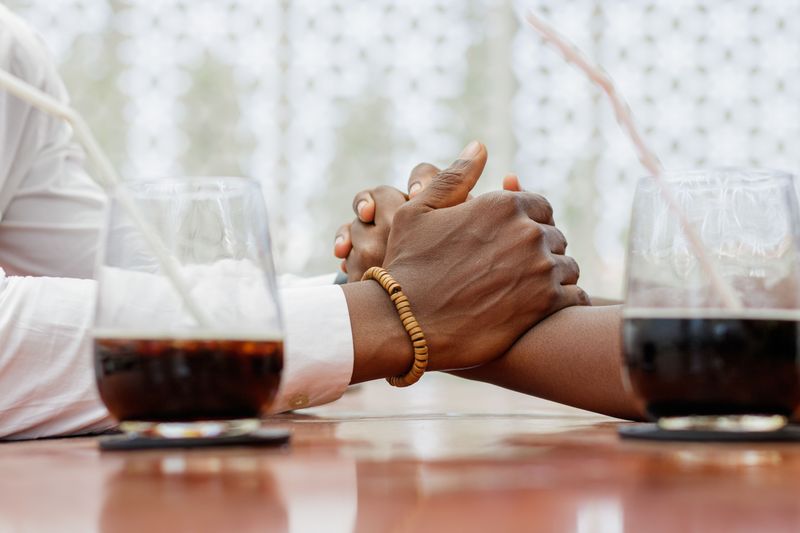
Swiping left because someone likes pineapple on pizza might be taking standards a little too far.
Being selective is healthy, but overdoing it can backfire.
Finding a dealbreaker in nearly every person shrinks your options fast.
Focusing on surface qualities instead of character does the same.
The trick is sorting essentials from preferences.
Mutual respect and shared values belong in the must list.
Hobbies, music taste, and small quirks usually belong in the flexible list.
Those differences can even make life more interesting.
Sometimes extreme pickiness comes from fear.
If past hurts linger, rejecting people early can feel safer than risking closeness.
Good matches can get tossed over minor mismatches that way.
That’s a lot to lose over someone’s sneaker choice.
Compatibility usually involves some give and take.
Rigid rules make that give and take nearly impossible.
Try writing your top three essentials on paper.
Anything beyond those deserves a second look before you rule someone out, and a second date can reveal more than any profile ever will.
9. Social Circle Limitations

Seeing the same five friends every weekend is lovely for loyalty and not so great for meeting someone new.
A small social circle naturally limits who crosses your path.
When your routine stays tight, the odds of bumping into a possible match drop.
It’s simple math more than bad luck.
A wider network opens more doors.
More people means more conversations, more introductions, and more chances to find someone compatible.
If most of your dating hopes rest on one small group, options can dry up quickly.
Everyone already knows everyone, and new faces are rare.
Expanding doesn’t require becoming a party animal.
Quiet options count too.
You could join a book club, a hiking group, a rec sports league, or a volunteer project.
Classes in cooking, pottery, or dance bring people together around a shared interest.
Friends of friends are another easy route.
Saying yes to a birthday invite where you only know the host can lead somewhere surprising.
Even if romance doesn’t spark right away, new friendships still enrich your life.
And those new friends have friends of their own.
10. Lifestyle Incompatibility
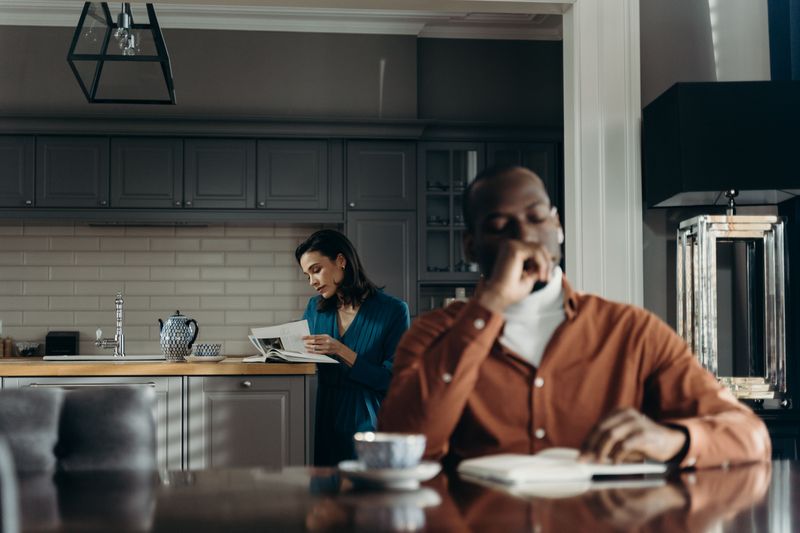
An early riser and a night owl can make it work, though somebody might end up whispering at 6 a.m.
Daily habits matter more in relationships than many people expect.
Mismatched routines can leave partners feeling out of sync.
Different sleep schedules or work hours mean less time together.
Bigger gaps show up in values and life priorities.
Shared values, beliefs, and interests help couples talk and understand each other.
When lifestyles clash, both people usually need to bend a bit.
Finding a middle ground takes effort from each side.
Without that flexibility, differences can stop a relationship before it starts.
They can also keep one from deepening over time.
Being honest early helps.
If you love quiet weekends at home, say so instead of pretending to crave nonstop adventures.
Ask about routines and goals on early dates, too.
Questions about weekends, work, and future plans reveal a lot without feeling like a job interview.
Compatibility doesn’t require identical lives.
It just needs enough overlap, plus a willingness to meet halfway when schedules or priorities pull in different directions.
11. Poor Conflict Resolution Skills

Disagreements are going to happen, even between people who adore each other.
How you handle them can decide whether a relationship lasts past the honeymoon stage.
Struggling with conflict often makes things worse.
When needs go unspoken or come out badly, small issues can grow into big arguments.
Criticism, defensiveness, and stonewalling tend to appear during tense moments.
Over time, they wear down trust and closeness.
Healthier conflict looks different.
You describe the problem clearly, share the feeling underneath it, and make a specific, respectful request.
For example, I felt left out when plans changed without a text, so could you give me a heads-up next time?
That beats, You never think about me.
Avoiding conflict isn’t a win either.
Shutting down during a disagreement leaves the problem unsolved and builds distance.
Taking a short break when emotions run high can help, as long as you come back to finish the talk.
Saying when you’ll return keeps the other person from feeling abandoned.
Arguing well is a skill you can learn.
Couples who fix problems together often feel closer afterward.
12. Negative Relationship Outlook

Walking into a date already expecting it to flop is a bit like ordering soup and bracing for a fly.
The outlook you bring can color the whole evening.
A pessimistic view of relationships can wear away trust and security.
It can also make searching for a partner feel pointless.
Fixating on what might go wrong, or replaying old letdowns, blocks growth.
That applies to you personally and to any relationship you’re building.
People with a constant negative outlook may take tiny slights personally.
They might expect the worst and overlook the good moments.
Human brains often pay more attention to negative information than positive.
That bias can skew how a relationship looks from the inside.
This mindset affects partners, too.
Being around constant doubt can be tiring and makes open conversation harder.
One helpful habit is noting three good things after each date.
Even small details count, like a funny story or a thoughtful question.
Hope isn’t naive.
It simply gives new people a fair shot and gives you a better chance to notice when something good is actually happening.
13. Inability to Compromise

Half pepperoni, half veggie pizza might be the most romantic invention ever made.
It’s proof that two people can want different things and still share dinner.
Refusing to find common ground makes partnerships tough.
Healthy relationships need effort and flexibility from both people.
Big life choices raise the stakes.
Decisions about having children or handling money call for real compromise to move forward.
Without that willingness, differences can feel impossible to solve.
A relationship may never form, or it may stall out.
Inflexibility can come from wanting lots of independence.
It can also come from struggling to see the other person’s point of view.
Compromise doesn’t mean giving up your core values.
It means bending on the things that matter less so you can protect what matters most.
Try asking, What would make this work for both of us?
That question shifts the focus from winning to solving.
Practice on small stuff first, like movie picks or weekend plans.
Those low-pressure choices build the trust you’ll need when bigger decisions arrive, and they make the pizza debate a lot friendlier.