 MomSkoop

The relationship between a mother and daughter often changes in unexpected ways as the years go by. During childhood and adolescence, it’s easy to see mothers mainly as authority figures who set rules, offer advice, and sometimes seem impossible to understand. However, as daughters grow older and begin navigating their own responsibilities, relationships, and challenges, they often start to recognize the experiences and emotions that shaped their mothers’ decisions.
With age comes a deeper understanding of the sacrifices, struggles, and personal dreams that mothers may have kept to themselves. Things that once seemed frustrating or confusing can take on new meaning when viewed through the lens of adulthood. While every mother-daughter relationship is different, certain realizations can bring greater empathy, appreciation, and perspective. Here are 14 things adult daughters often come to understand about their mothers later in life.
1. The Sacrifices She Never Mentioned

Moms rarely hand out receipts for what they gave up.
That’s part of why their sacrifices stay hidden for so long.
Many mothers set aside hobbies, friendships, and free time so their kids could have more of those things.
Some stepped back from careers, took jobs with fewer demands, or turned down promotions to stay closer to home.
Those choices often affected their income and professional growth for years.
Money is another quiet sacrifice.
Plenty of mothers delayed their own purchases, skipped classes they wanted to take, or dipped into savings to cover school costs and emergencies.
Some still help adult children financially today.
Then come the sleepless nights.
Babies wake up hungry, and teenagers come home late, and both keep a mother awake.
You may not grasp these trade-offs until you face similar ones yourself.
Choosing between a work goal and a family need can make the past suddenly look very different.
A practical step is to ask her what she once wanted to do.
You might hear about a dream job, a trip, or a talent she put on hold.
Listening without guilt can turn an old sacrifice into a meaningful conversation, and maybe even a fresh plan she can still enjoy.
2. Her Advice Was Right More Often Than Not

Few things sting quite like admitting your mom was right about that friend, that haircut, or that apartment.
Yet many daughters reach this point eventually.
Motherly advice often arrives in small, gentle doses.
A quick comment about standing up for yourself or not comparing your life to others can seem minor at sixteen.
Years later, those same comments start to feel like a map.
Lessons about kindness, manners, setting boundaries, and learning from mistakes tend to hold up well over time.
Plenty of mothers also stressed patience and courage.
They encouraged daughters to try hard things and not settle for situations that felt wrong.
Of course, not every piece of advice ages well.
Some tips reflect a different era, and you get to decide what fits your life now.
One fun idea is to start a running list of her best sayings.
Write them in your phone notes or a small notebook as you remember them.
You can even share the list with her someday.
Hearing that her words stuck around might make her day, and it gives you a handy record of guidance you can pass along to someone younger.
3. Her Strength Ran Deeper Than You Saw

Tired moms still made breakfast, signed permission slips, and found missing shoes at 7 a.m.
Looking back, that steady routine took real grit.
Motherhood brings physical demands, starting with pregnancy for many women and continuing through years of constant care.
Short nights and long days often became normal without anyone calling it impressive.
Emotional strength mattered just as much.
Plenty of mothers handled family stress, money worries, and their kids’ big feelings while running low on rest.
Many kept going because stopping simply wasn’t an option.
They didn’t avoid pain so much as push through it because people depended on them.
As an adult, you might notice this when you have a rough week but still show up for work and friends.
Suddenly the woman who never seemed to slow down looks like a quiet hero.
Telling her you noticed can mean a lot.
A simple message like “I don’t know how you managed all that” acknowledges her effort without needing a big speech.
Remember, too, that strength doesn’t require doing it alone.
Her example can remind you to keep going while still asking for help when you need it.
4. The Worries She Carried Quietly

That porch light left on until you got home wasn’t just about electricity.
It was a mom keeping watch the only way she could.
Mothers often carry a heavy pile of worries.
They think about safety, grades, friendships, health, and how their daughters feel about themselves.
Many also felt pressure to be perfect parents.
Society often expected mothers to stay calm, hold the family together, and never show strain.
That pressure sometimes leaked out as snapping, irritation, or seeming distant.
As a kid, you may have taken it personally, when it was really exhaustion talking.
Watching a daughter grow independent can feel thrilling and scary at once.
Letting go is hard, especially when the world feels unpredictable.
Understanding this can soften old memories.
Her strict curfew or endless questions may have come from fear rather than distrust.
A small habit can ease her mind today.
Sending a quick text after a long drive or a trip costs you seconds and may save her an hour of pacing.
It also opens space for honest talks about what she worried about back then, and what still keeps her up at night.
5. She Was a Whole Person All Along

Finding an old photo of your mom at twenty, laughing with friends you’ve never met, can feel like discovering a secret chapter.
She had a full life before you arrived.
Kids usually see mothers mainly as rule makers and caretakers.
Over time, daughters start noticing her opinions, humor, quirks, and flaws.
Some mothers held views that differed from what they taught at home.
Others had dreams they postponed for family duties, like school, travel, or a creative passion.
Seeing her imperfections can be surprising at first.
It can also be freeing, since it lets you stop expecting a flawless parent.
Curiosity helps here.
Try asking about her favorite music as a teen, her first job, or the friend who got her into trouble.
Old yearbooks, letters, and photo albums can spark great stories.
Many moms enjoy being asked about themselves instead of the family schedule.
You may learn that you share more with her than you thought.
Maybe she also loved painting or once wanted to live in a big city.
Getting to know her as a person, not only a parent, can make your relationship feel more like a friendship.
6. Raising Kids Was Harder Than It Looked

Packing lunches looks easy until you try to do it for a week while also working, cleaning, and remembering picture day.
Suddenly the whole operation seems wildly complicated.
Motherhood involves endless decisions, big and small.
What to cook, when to step in, and how to handle a meltdown all require quick thinking.
Many mothers handle most of the family’s mental load.
That means tracking appointments, birthdays, school forms, and everyone’s emotional needs, often without much credit.
The mother-daughter relationship adds its own challenges.
Daughters push for independence, while mothers struggle with loosening control.
Outside expectations make the job heavier.
Mothers often feel judged on everything from screen time rules to how tidy the house looks.
Once you manage a household, babysit for a weekend, or raise kids yourself, the effort becomes clear.
You might laugh remembering how you complained about leftovers.
If you’re a parent now, give yourself the same grace you’d offer her.
Nobody gets every call right.
And if you have the chance, ask her how she handled certain stages.
Her honest answer might include mistakes, which can be oddly comforting to hear.
7. Her Everyday Skills Were Seriously Useful

Somewhere around your first solo grocery budget, mom’s coupon habit starts looking less silly and more brilliant.
Practical skills earn new respect fast.
Many mothers act as the household’s planner, cook, and money manager.
They stretch meals, juggle schedules, and keep supplies stocked without making a fuss.
Watching her run a home teaches lessons you might not notice at the time.
Folding fitted sheets, removing stains, and planning weekly menus all came from somewhere.
Plenty of daughters realize this when they set up their first apartment.
That’s often when the phone calls start, asking how long to cook rice or how to fix a running toilet.
Her skills might not match your lifestyle exactly.
You may prefer apps for budgeting or takeout on busy nights, and that’s fine.
Still, it helps to learn what you can while she’s around to teach.
Ask her to show you a favorite recipe, a cleaning trick, or how she tracks bills.
Recording a video of her cooking can preserve both the technique and her voice.
Years later, that clip may become one of your most treasured family keepsakes.
8. Her Style Told Its Own Story

Those shoulder pads you once teased her about might be hanging in a vintage shop today with a hefty tag.
Fashion has a funny sense of humor.
Mothers serve as early role models for how daughters see womanhood and self-worth.
Her clothes, makeup, and choices were part of that picture.
Looking back, you may see her style in a new way.
Practical shoes, simple outfits, or one bold lipstick often reflected her budget, job, and the expectations of her time.
Some moms dressed for comfort while chasing toddlers.
Others saved a favorite dress for special occasions because it made them feel like themselves.
Her choices weren’t always about trends.
They often showed how she balanced personality with real-life limits.
A fun way to connect is to explore her closet together.
Ask about the story behind a jacket, a piece of jewelry, or that one sweater she refuses to give away.
You might borrow something and wear it your way.
Pairing her old blazer with jeans or sneakers creates a link between generations while letting your own taste shine through.
9. She Was the Glue Holding the Family Together
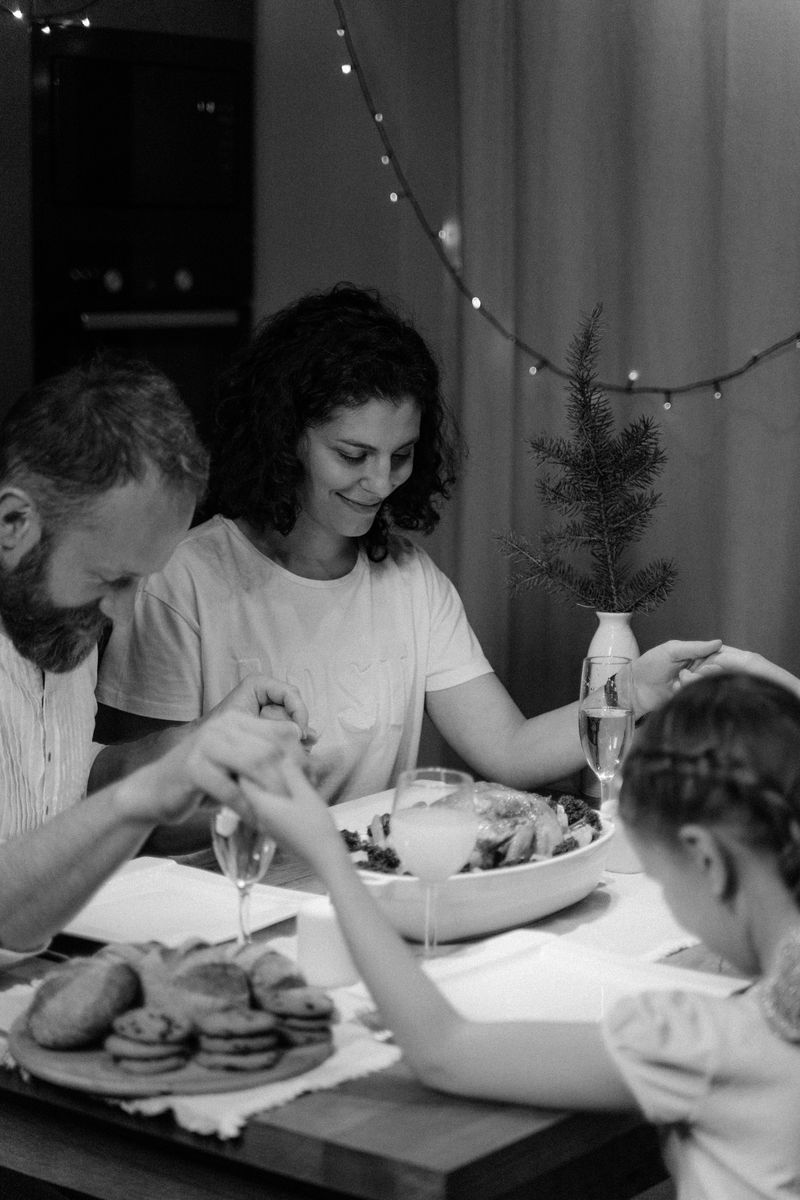
Who remembered Aunt Linda’s birthday, organized the holiday meal, and smoothed over that awkward argument?
In plenty of families, the answer is mom.
Mothers often keep communication flowing between relatives.
They pass along news, encourage phone calls, and nudge siblings to make up after spats.
Many also lead important family decisions, including money matters and plans for their children’s opportunities.
Her influence often shaped who went where and when.
Beyond logistics, mothers help shape character.
Values like honesty, sharing, and commitment often trace back to lessons at her kitchen table.
Daughters sometimes notice her role most when she steps back.
Holidays get messy and group chats go quiet without her steady push.
If you want to lighten her load, offer to take on one task.
You could host a gathering, manage the family calendar, or send birthday reminders.
Keep in mind that families work differently.
In some homes, fathers, grandparents, or others fill this role, and that matters too.
Either way, recognizing the person who keeps everyone connected is a kind gesture.
A thank-you note can go a long way.
10. She Put Herself Last Far Too Often
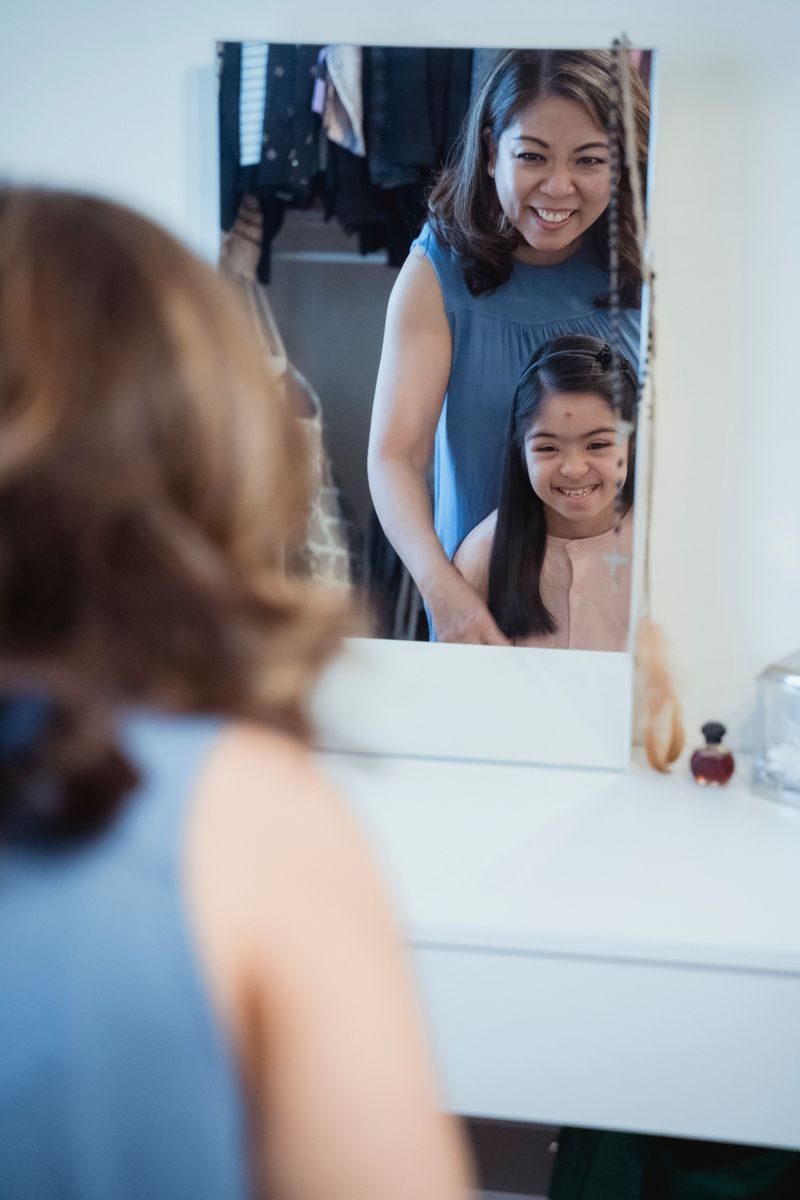
Mom always grabbed the broken cookie and the last slice of nothing.
Kids rarely notice who eats last at the table.
Plenty of mothers gave up personal time, sports, hobbies, and nights out.
Their own needs slipped quietly down the list.
Many belong to a generation that rarely talked about self-care or mental health.
Keeping busy was simply what women did, and rest could feel like a luxury.
Some mothers also held back their feelings to stay steady for their kids.
Daughters may later notice similar habits in themselves, like constant busyness or brushing off emotions.
Spotting that pattern is useful.
It gives you a chance to keep the good parts of her example while choosing rest when you need it.
You can also encourage her to care for herself now.
Suggest a class she might enjoy, plan a relaxed day together, or simply ask what she’d love to do.
Don’t be surprised if she resists at first.
Old habits stick.
Gentle consistency helps, and so does modeling it.
When she sees you take breaks without guilt, she may feel more permission to do the same.
11. Her Childhood Shaped Her Parenting
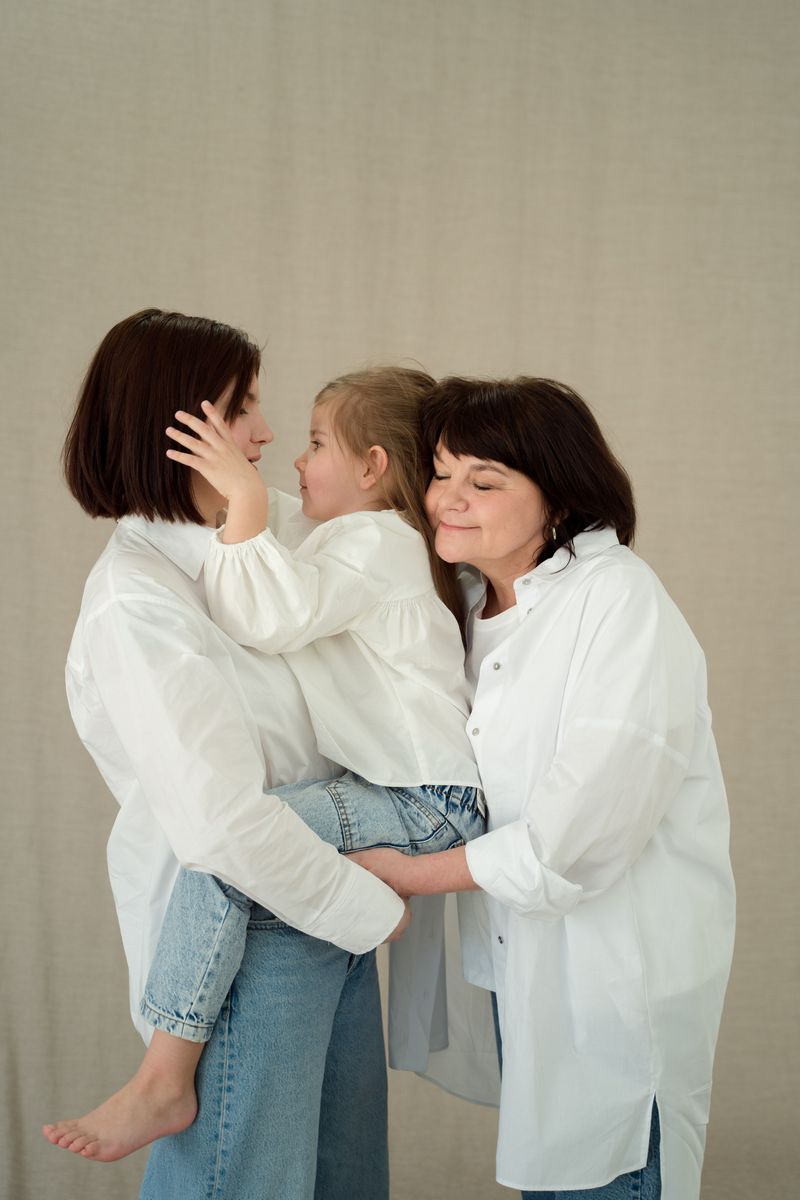
Behind every mom stands another mom, and sometimes a long line of them.
Family habits travel through generations like heirloom recipes.
The way a mother was raised often shapes how she parents.
Her reactions to stress, conflict, and affection may echo what she learned as a child.
Some daughters notice they work hard to please their mothers.
Then they discover their mothers did the very same thing with their own parents.
Old pain and social pressures can pass down quietly.
Criticism or emotional distance may have been part of the family pattern long before you were born.
Understanding this doesn’t erase hurt or excuse harmful behavior.
It simply adds context that can make her choices easier to understand.
Asking about her childhood can reveal surprising details.
What was her mother like, and what rules did she grow up with?
You might learn she softened many habits she inherited.
That progress can be easy to overlook.
This knowledge also gives you power.
Once you see a pattern, you can decide which traditions to keep and which to change, building something healthier for whoever comes next.
12. Her Steady Presence Was a Gift

A scraped knee, a breakup, a bad day at work: for many people, the first instinct is still to call mom.
That reflex says a lot.
Mothers are often a child’s first source of comfort and advice.
They become the soft place to land when life feels rough.
That steady support helps kids feel loved for who they are, not just for what they achieve.
Over time, it can grow into inner confidence.
As a kid, you probably took her availability for granted.
She was simply there, at pickups, recitals, and late-night talks.
Adulthood changes the view.
You realize how much effort it takes to be dependable while juggling your own stresses.
Not every daughter had this kind of mother, and that’s real.
Some found comfort through other relatives, mentors, or friends who filled that role.
If your mom was your safe harbor, let her know.
Mention a specific moment when her support helped, like a hard exam or a move.
Specific memories land better than general thanks.
They show her that those ordinary moments of showing up truly stayed with you.
13. Her Love Held Firm Through Every Phase

Slammed doors, eye rolls, and dramatic teenage sighs probably tested her patience.
Somehow, her love kept showing up anyway.
Many mothers describe their love as unconditional.
It stays steady through good behavior and bad, health and sickness, celebrations and setbacks.
That kind of love can build a child’s sense of security and self-esteem.
It also helps teach empathy and a sense of right and wrong.
Daughters often grasp this later, especially after hard seasons.
Remembering how she stood by you during a rough phase can bring a lump to your throat.
Love doesn’t always look soft.
Sometimes it showed up as tough conversations, firm rules, or a refusal to let you quit.
Of course, relationships vary, and some mothers struggled to express love clearly.
Recognizing the love that was present doesn’t require ignoring real problems.
For many, though, this realization brings gratitude and a little regret about those teenage outbursts.
An apology for old attitude can make a mom laugh and tear up at once.
Returning that love can be simple.
Regular calls, shared meals, or just listening show her the care went both ways.
14. You Became a Little Like Her
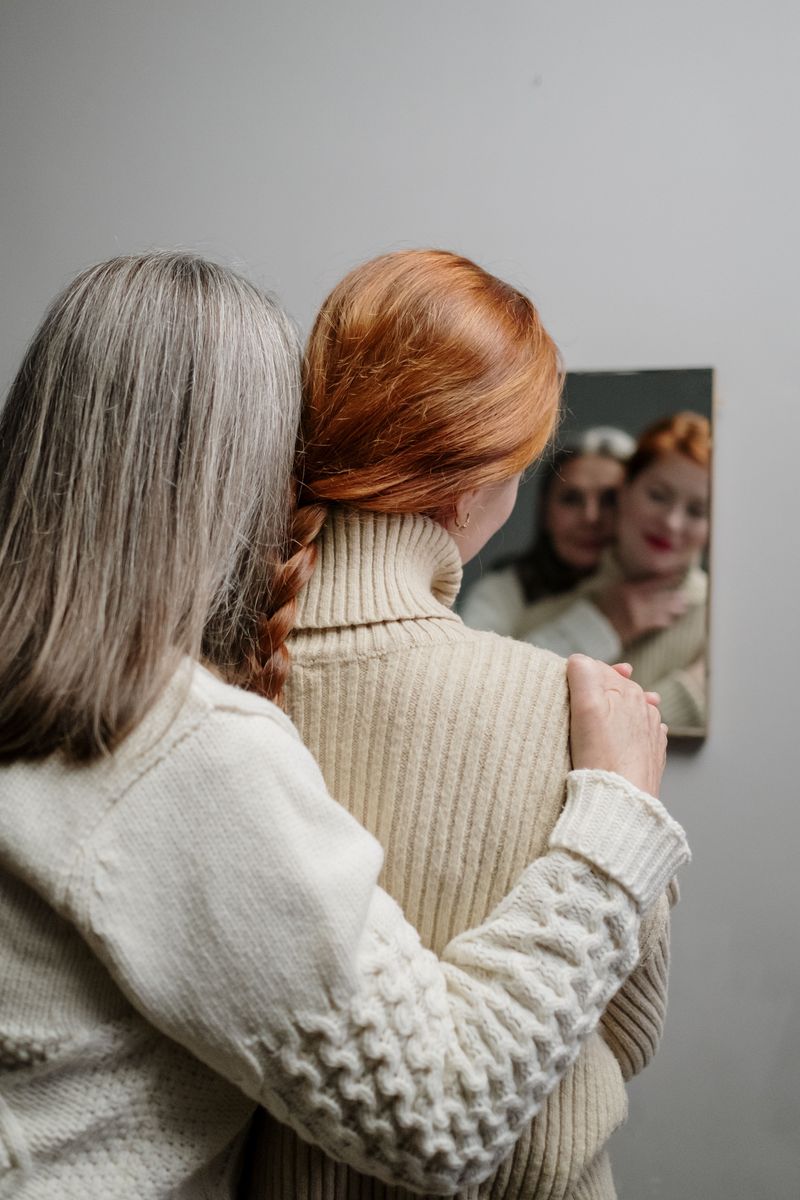
One day you catch yourself sniffing milk before pouring it, exactly like she did.
Welcome to the club.
Many daughters see their mothers in their own faces, habits, and phrases.
The resemblance can be funny, comforting, or a little startling.
The relationship keeps changing over the years.
It moves from childhood dependence to adult friendship, and sometimes daughters end up caring for aging mothers.
That role shift can reshape how you see her.
Helping her with appointments or tech questions reminds you how often she once helped you.
Daughters who become mothers often reflect on how she raised them.
They borrow some methods, rewrite others, and gain fresh empathy along the way.
Even without children, you carry pieces of her values.
Ideas about work, kindness, and self-worth often started with her.
You get to choose which traits to keep.
Maybe you’ll hold onto her generosity and drop her habit of over-apologizing.
Noticing the overlap can spark a sweet conversation.
Tell her the next time you hear her voice in your words, because she’ll probably love knowing her influence still shows up in your daily life.