 MomSkoop

Friendships are often portrayed in movies as unbreakable bonds built on loyalty, trust, and shared experiences. Audiences love watching characters support each other through difficult times, overcome challenges, and create unforgettable memories together. However, not every famous on-screen friendship is as healthy as it first appears. Behind the humor, emotional moments, and entertaining storylines, some of these relationships reveal patterns of manipulation, jealousy, unhealthy dependence, and a lack of respect for personal boundaries.
While these friendships may make for compelling entertainment, they can also highlight behaviors that would be concerning in real life. From one-sided loyalty and constant competition to emotional pressure and controlling tendencies, certain movie friendships demonstrate how easily unhealthy dynamics can be mistaken for genuine closeness. Taking a closer look at these relationships can offer valuable insights into what makes a friendship supportive or harmful.
1. Ferris Bueller’s Day Off
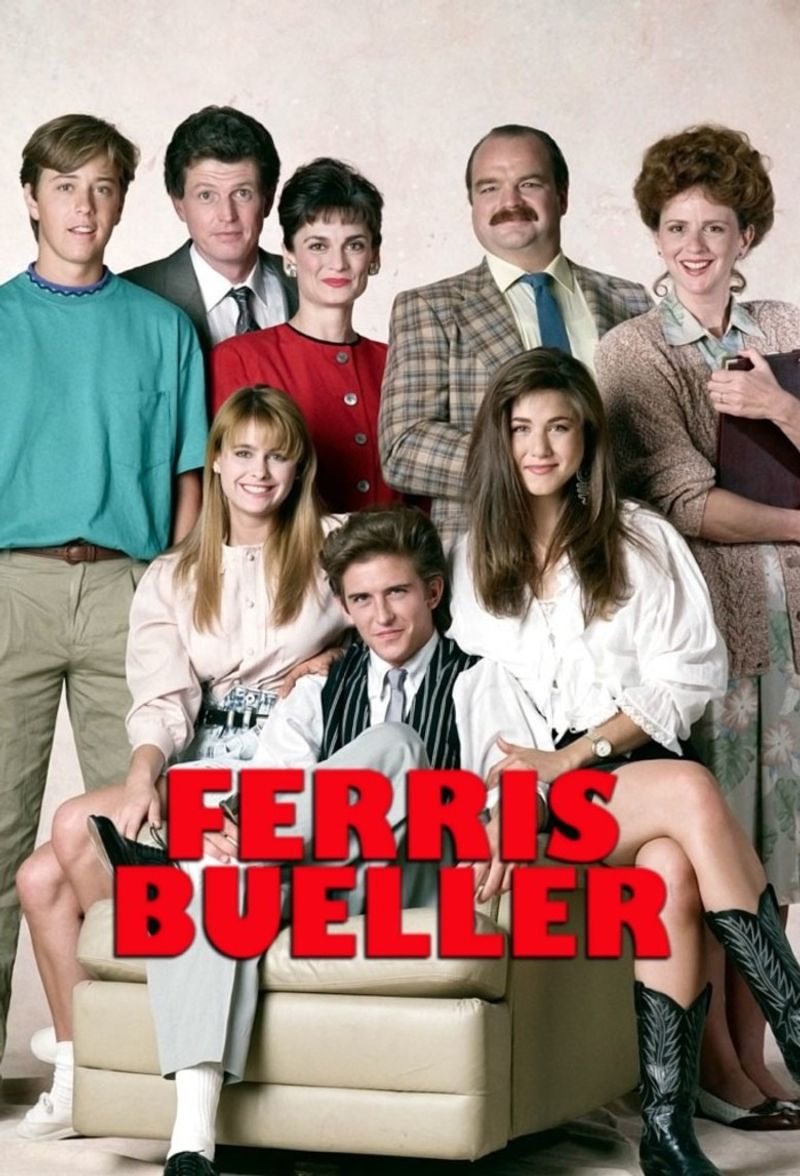
Skipping school sounds harmless until you watch Cameron Frye’s face during the 1986 classic.
Ferris Bueller talks him out of bed, into a fake excuse, and into his dad’s prized Ferrari.
Matthew Broderick plays Ferris as a smooth talker who rarely hears the word no. Alan Ruck’s Cameron says no plenty of times, and Ferris simply keeps talking until he wins.
The film treats the day as a joyride, and honestly, parts of it are a blast.
Still, notice how often Cameron looks worried while Ferris looks thrilled.
A friend who always decides the plan can feel exciting at first.
Over time, though, the quieter person may start feeling like a passenger in their own life.
Cameron’s big moment with the car comes partly from frustration with his distant father.
Ferris didn’t create that pain, but he kept pushing Cameron toward risks without checking in.
So what can you take from this?
Healthy friends ask how you feel and actually wait for the answer.
If you notice you’re always the one saying yes to plans you dread, try suggesting your own idea next time.
A good friend will happily follow your lead for once.
2. Mean Girls
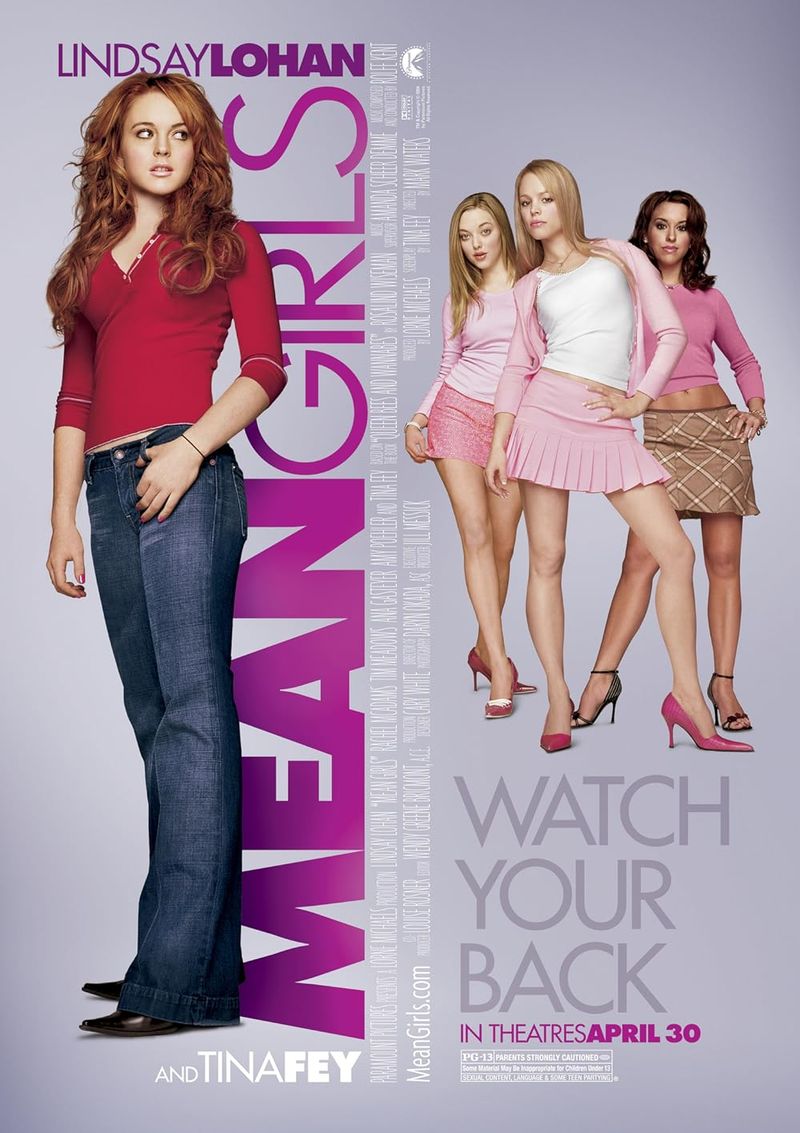
On Wednesdays they wear pink, and that rule tells you a lot about The Plastics.
Regina George runs her group at North Shore High like a strict little kingdom.
Lindsay Lohan’s Cady Heron joins the clique as part of a plan to bring Regina down.
The twist is that Cady slowly starts acting just like the girl she wanted to beat.
Tina Fey wrote the 2004 script, and its jokes still land today.
Underneath the laughs, though, the group runs on rules, rumors, and fear of falling out of favor.
The Burn Book is the clearest sign of trouble.
A friendship that bonds mainly over mocking other people usually turns on its own members sooner or later.
Gretchen Wieners shows the cost of staying close to a controlling leader.
She works hard to please Regina and still never feels secure.
Watch for a simple warning sign in your own circle.
If friends follow strict rules about clothes, crushes, or who you can talk to, that’s control, not closeness.
The best part of the movie comes when people admit their own mistakes.
Owning up can reset a group faster than any clever revenge plan.
3. Heathers
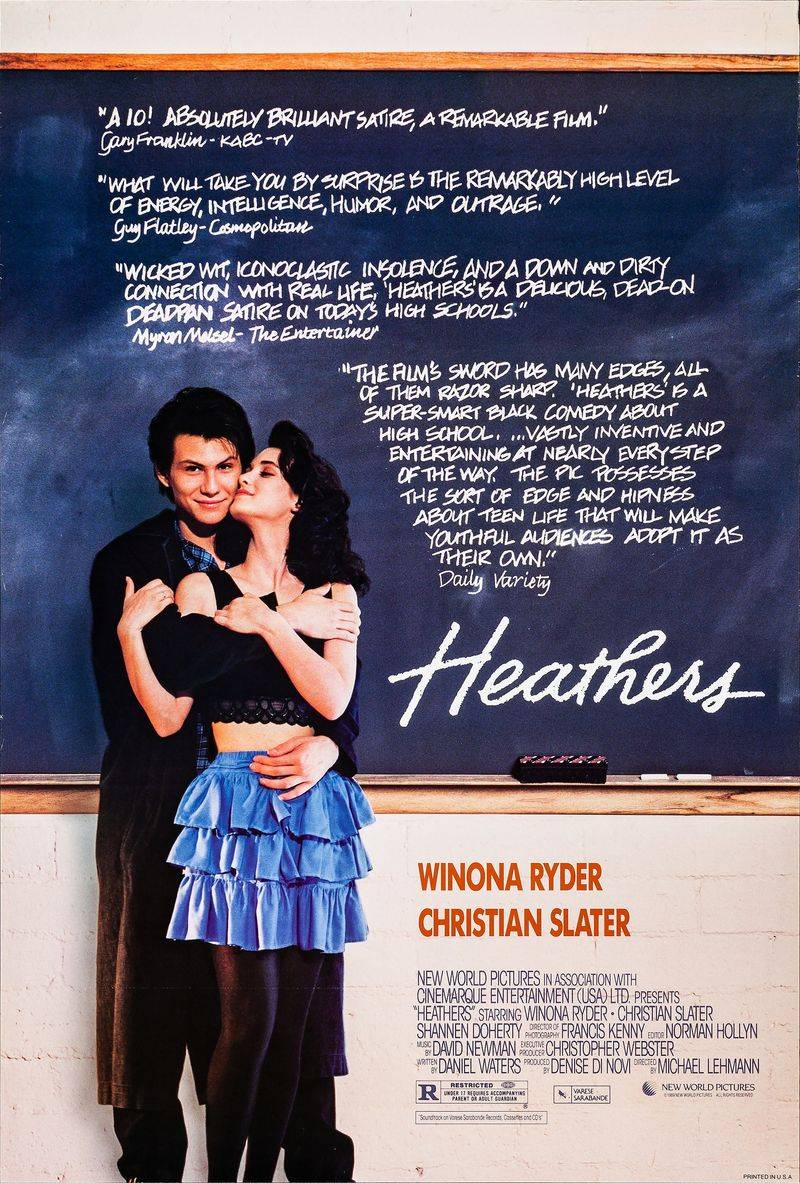
Long before Regina George, there were three girls named Heather and one very uncomfortable Veronica.
The 1988 dark comedy turned high school popularity into something sharp and unsettling.
Winona Ryder plays Veronica Sawyer, who sticks with the group at Westerburg High for status.
Heather Chandler, played by Kim Walker, leads with insults, pranks, and cold stares.
Veronica clearly dislikes how her friends treat classmates.
Yet she keeps showing up, writing forged notes, and playing along because leaving feels socially scary.
That tension is easy to relate to.
Plenty of people stay in a group that makes them feel bad simply because being alone sounds worse.
The movie takes this idea to extreme and very dark places, so it’s not a light watch.
Its story warns that anger at a toxic group can lead you toward someone even more dangerous.
Here’s a practical takeaway hiding in all that black humor.
You can step back from a mean group without needing a dramatic exit or getting even.
Spending lunch with one kind person beats sitting with a crowd that makes you cringe.
Real friendship shouldn’t require you to switch off your conscience.
4. Bridesmaids
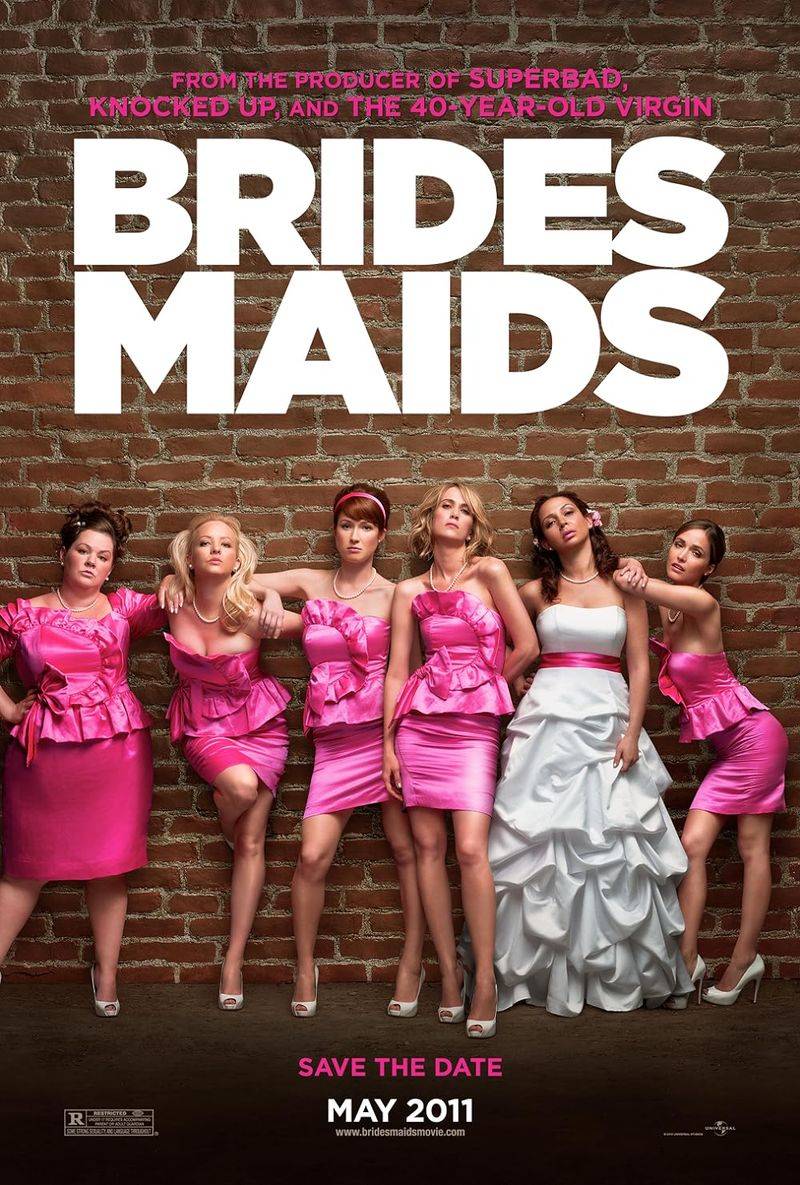
Two toasts, one microphone, and absolutely zero chill sums up Annie and Helen.
Their dueling speeches at Lillian’s engagement party stand among the funniest awkward scenes of 2011.
Kristen Wiig plays Annie, who co-wrote the film with Annie Mumolo.
Rose Byrne plays Helen, the polished new friend who seems to do everything better.
The rivalry isn’t really about Helen alone.
Annie’s job, apartment, and love life are falling apart, so every perfect party favor feels like a personal attack.
Jealousy grows fast when you compare your worst days to someone else’s highlight reel.
Helen has her own insecurities too, which the movie reveals later.
Meanwhile, poor Lillian, played by Maya Rudolph, gets stuck in the middle of the competition.
Friends who fight over you can make you feel more like a prize than a person.
The good news is that Bridesmaids lets the rivals soften.
Annie and Helen eventually find common ground once they stop keeping score.
If a new person joins your friend group, try getting curious instead of competitive.
You might learn they’re nervous about fitting in, just like you were once.
5. The Cable Guy
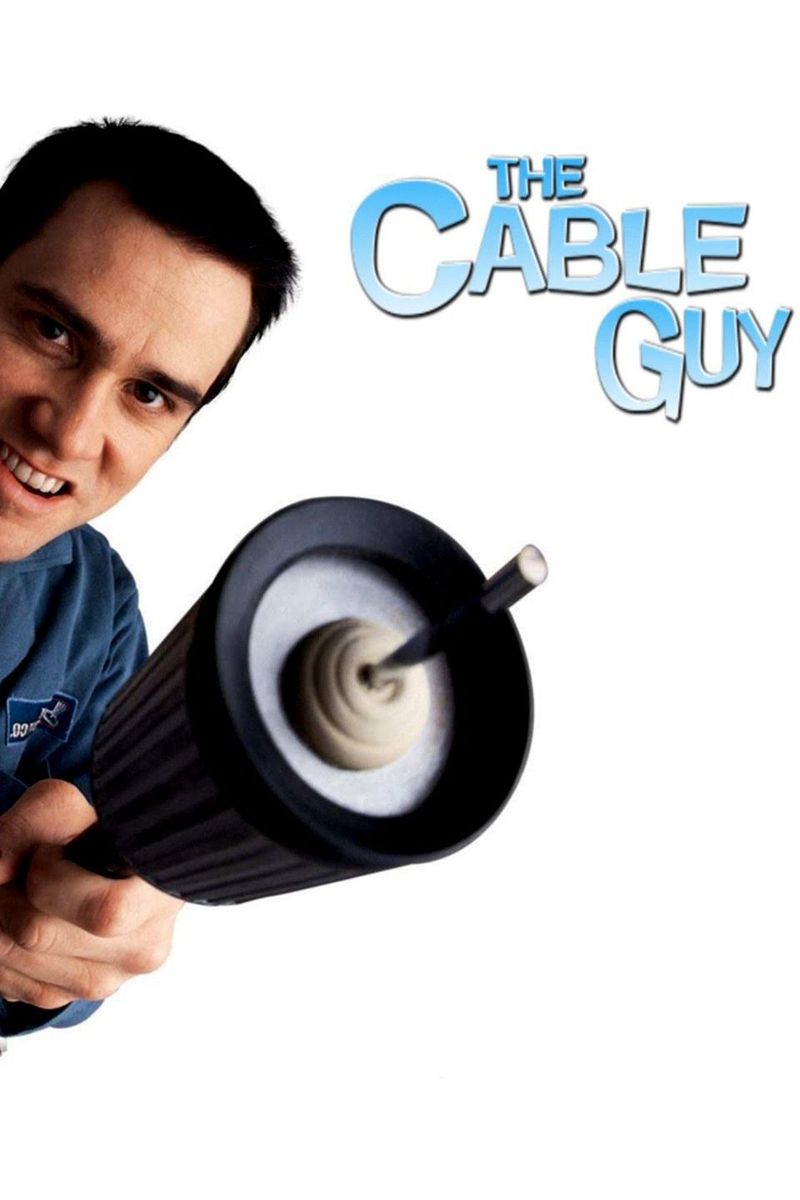
Most people just want their cable installed, but Steven Kovacs gets a full-time shadow instead.
Jim Carrey’s Chip Douglas decides they’re best friends within one visit.
Matthew Broderick plays Steven, and Ben Stiller directed this 1996 dark comedy.
Chip offers free channels, then expects loyalty, time, and constant attention in return.
The early scenes feel funny in a cringy way.
Then Chip starts showing up uninvited, crashing plans, and refusing to accept a polite no.
Once Steven sets limits, Chip turns vengeful and starts wrecking parts of his life.
That shift is the movie’s big lesson about people who can’t handle rejection.
A friendship should never feel like a debt you owe.
Gifts or favors given to lock you in aren’t kindness, they’re leverage.
Real life rarely gets this dramatic, thankfully.
Still, smaller versions show up, like someone who sulks or guilt-trips whenever you spend time with others.
Clear, calm boundaries are worth practicing early.
If someone keeps crossing them, it’s fine to tell a trusted adult or friend and get support.
6. Single White Female

A roommate ad in Manhattan leads to the most unsettling haircut in movie history.
Allie Jones just wants help with rent, and Hedy Carlson seems sweet at first.
Bridget Fonda plays Allie, while Jennifer Jason Leigh plays Hedy in this 1992 thriller.
Hedy soon starts copying Allie’s clothes, then her hairstyle, then her whole life.
Being inspired by a friend is normal and even flattering.
Losing your own identity to become someone else is a very different story.
Hedy also grows possessive whenever Allie reaches for independence.
Allie’s attempts to set boundaries only make Hedy more desperate and dangerous.
The film is pure suspense, so it exaggerates for chills.
Even so, the early warning signs feel surprisingly ordinary.
Watch for friends who get upset when you make other connections or change plans.
Copying alone isn’t scary, but copying plus jealousy deserves attention.
Healthy friendships leave room for two separate people with different tastes.
You can share a favorite jacket style and still have your own opinions, hobbies, and space.
7. The Talented Mr. Ripley
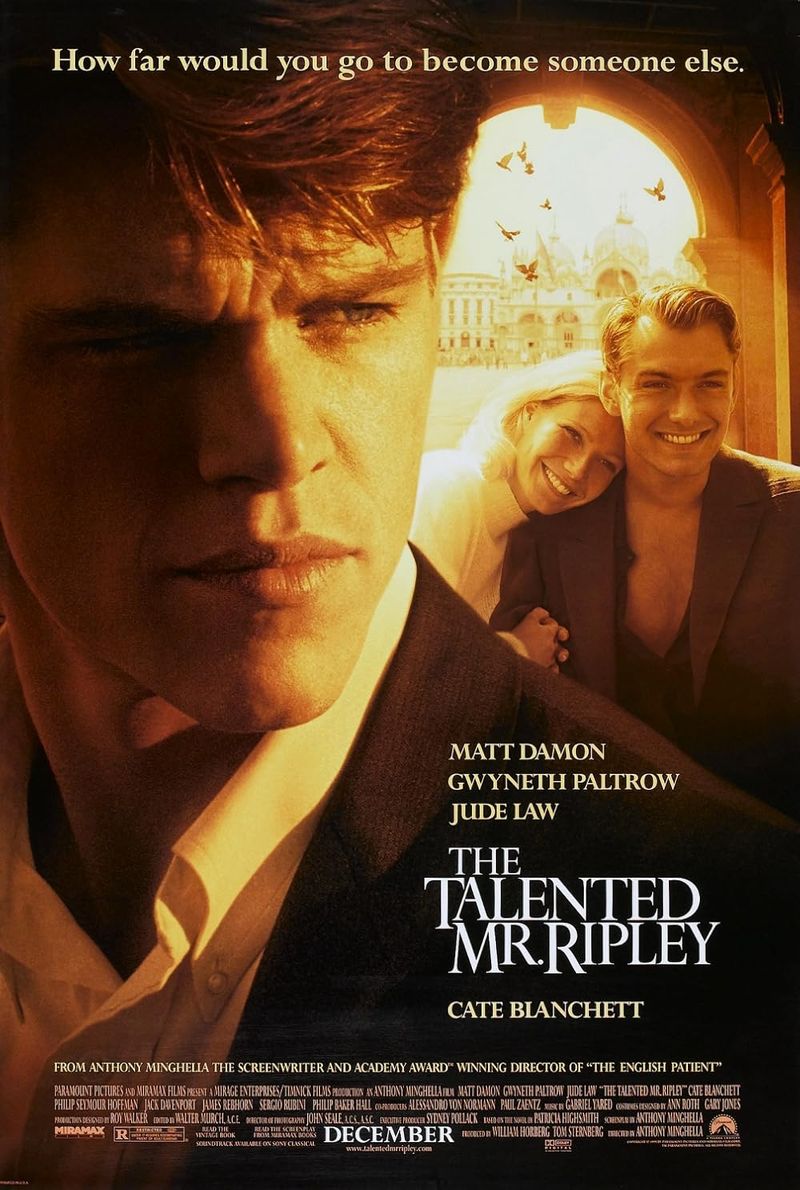
Sunny Italian beaches make a dazzling backdrop for one very dark friendship.
Tom Ripley travels to Italy in the 1950s to bring wealthy Dickie Greenleaf home.
Matt Damon plays Tom, and Jude Law plays Dickie in Anthony Minghella’s 1999 film.
Tom quickly falls under Dickie’s spell, wanting his clothes, friends, and easy lifestyle.
Dickie isn’t exactly a model friend either.
He treats people as fun for a while, then drops them when he gets bored.
That imbalance creates trouble.
Tom gives too much of himself, and Dickie gives attention only when it suits him.
When Dickie pulls away, Tom’s obsession turns into violent choices, so this one is heavy viewing.
The rest of the story follows Tom covering his tracks and living a borrowed life.
The everyday lesson is about envy and self-worth.
Wanting a friend’s life more than your own is a sign to slow down and look inward.
Admiration is healthy when it inspires you to grow.
It becomes a problem when it makes you feel like you’re nobody unless you’re near that person.
8. Notes on a Scandal
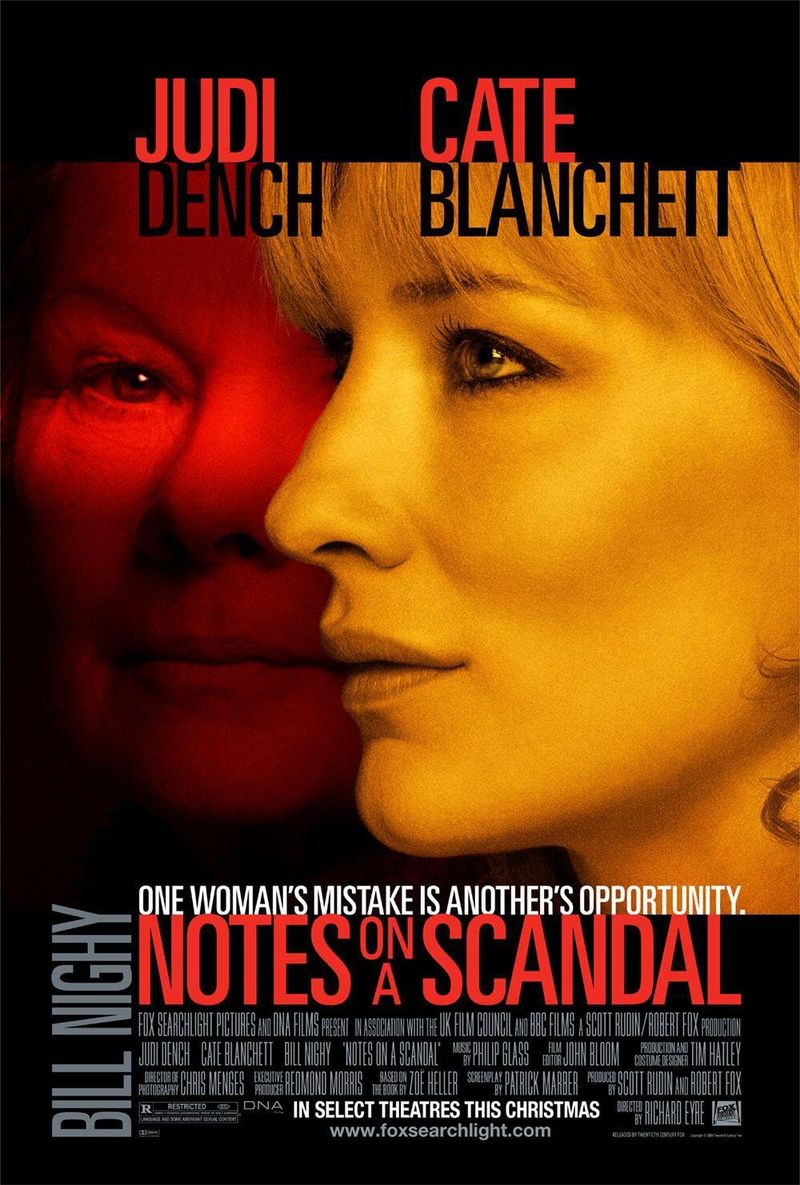
A diary sits at the center of this 2006 drama, and its pages reveal plenty.
Judi Dench plays Barbara Covett, a lonely history teacher at a London school.
Cate Blanchett plays Sheba Hart, the new art teacher Barbara decides to befriend.
Barbara records her feelings in a journal that shows how intensely she clings to Sheba.
Sheba has made serious choices of her own, and Barbara discovers her secret.
Instead of offering honest support, Barbara uses that knowledge to hold Sheba close.
That move is the heart of the unhealthy pattern.
A friend who keeps your secrets as leverage is collecting power, not building trust.
When Sheba pulls back, Barbara lets the truth slip in a way that upends Sheba’s world.
Afterward, she presents herself as the only person Sheba can rely on.
The ending suggests Barbara may repeat this pattern with someone new.
That detail makes the film feel extra chilling.
Here’s something useful to remember.
Good friends keep confidences because they care, and they never threaten to share them when they feel hurt.
9. The Social Network
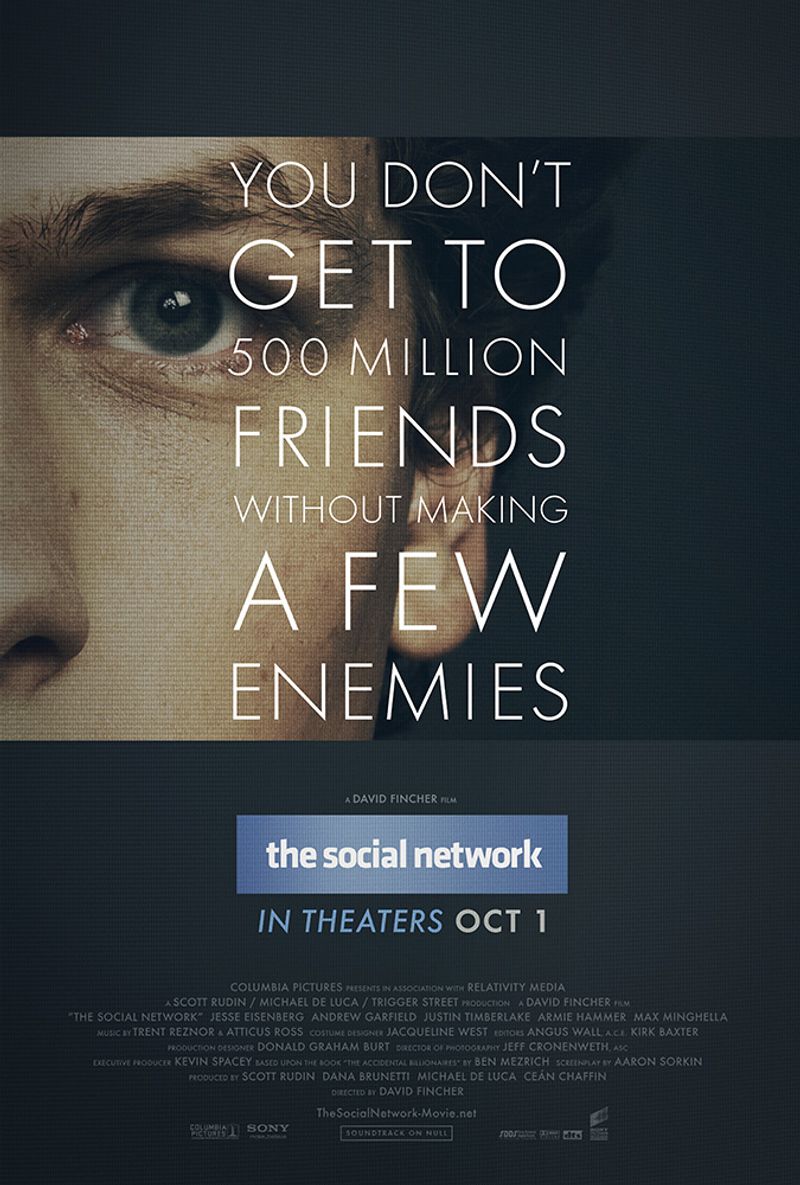
Few dorm-room ideas have caused as much friction as the one in this 2010 film.
Jesse Eisenberg plays Mark Zuckerberg, and Andrew Garfield plays his friend Eduardo Saverin.
David Fincher directed, with Aaron Sorkin writing the script.
It’s a dramatized take on real events, so keep in mind that the movie adds its own interpretation.
In the film, Eduardo puts early money into the website and acts as its business guy.
As the company grows, Sean Parker, played by Justin Timberlake, pulls Mark in new directions.
Eduardo’s shares get diluted, and he ends up suing.
The movie frames this as ambition outrunning loyalty.
Whatever the real details, the onscreen lesson works for school projects too.
Mixing friendship and big goals without clear agreements can lead to painful surprises.
Talk openly about who does what and who gets credit before things take off.
Writing it down might feel awkward, but it prevents bigger arguments later.
Also notice how a new, flashy friend can shift a long friendship.
Keeping old friends in the loop matters when life gets exciting.
10. Frances Ha

Shot in crisp black and white, this 2012 indie feels like flipping through an old photo album.
Frances and Sophie are best friends who joke that they’re basically the same person.
Greta Gerwig plays Frances and co-wrote the film with director Noah Baumbach.
Mickey Sumner plays Sophie, the roommate Frances builds her whole world around.
Nobody in this movie is a villain, which makes it refreshingly real.
The trouble comes when Sophie moves out and starts a new chapter.
Frances struggles because so much of her identity was tied to their friendship.
She feels left behind, and her plans start wobbling.
Plenty of people know this feeling after a best friend switches schools or makes new friends.
It hurts even when nobody did anything wrong.
The lesson is about leaning on one person too heavily.
Having several friends, hobbies, and goals gives you steady footing when one connection changes.
Frances slowly finds her own path, and it’s lovely to watch.
Growing apart a little doesn’t have to mean losing someone, just loving them with more room.
11. Death Becomes Her
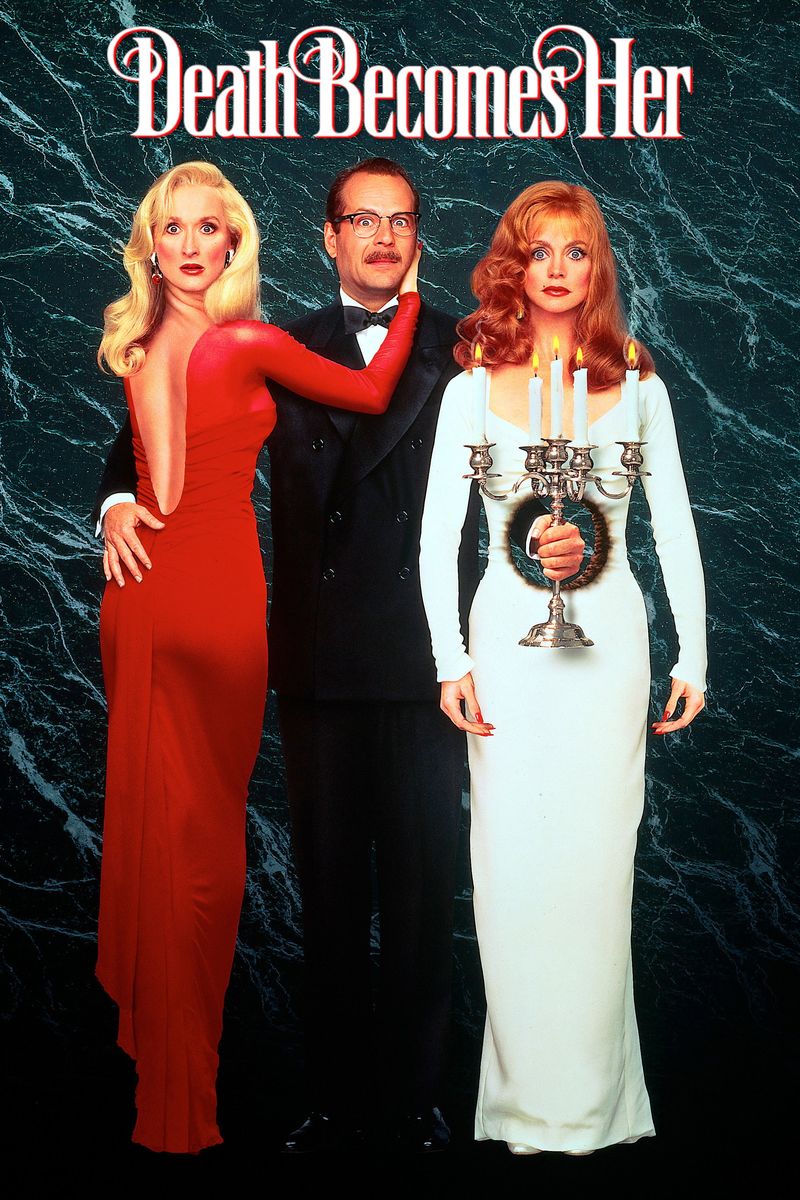
Decades of grudges, one fiancé, and a magic potion make this 1992 comedy wildly over the top.
Madeline Ashton and Helen Sharp call themselves old friends, yet they compete constantly.
Meryl Streep plays Madeline, Goldie Hawn plays Helen, and Bruce Willis plays Ernest Menville.
Robert Zemeckis directed, and the film won an Academy Award for visual effects.
Madeline steals Ernest from Helen early on, setting off years of bitterness.
Helen later returns with her own plan for payback.
The movie plays their rivalry for big, campy laughs.
Their schemes against each other become absurd, especially once a youth potion enters the picture.
Under the silliness sits a familiar pattern.
Some friendships run on one-upping, where every success becomes a score to beat.
By the end, the two are stuck together, still bickering.
It’s a funny image of how resentment can chain people to each other.
Try a quick gut check with your own friends.
If you feel more relief at their failures than joy at their wins, it might be time to talk honestly or step back.
12. The Wolf of Wall Street
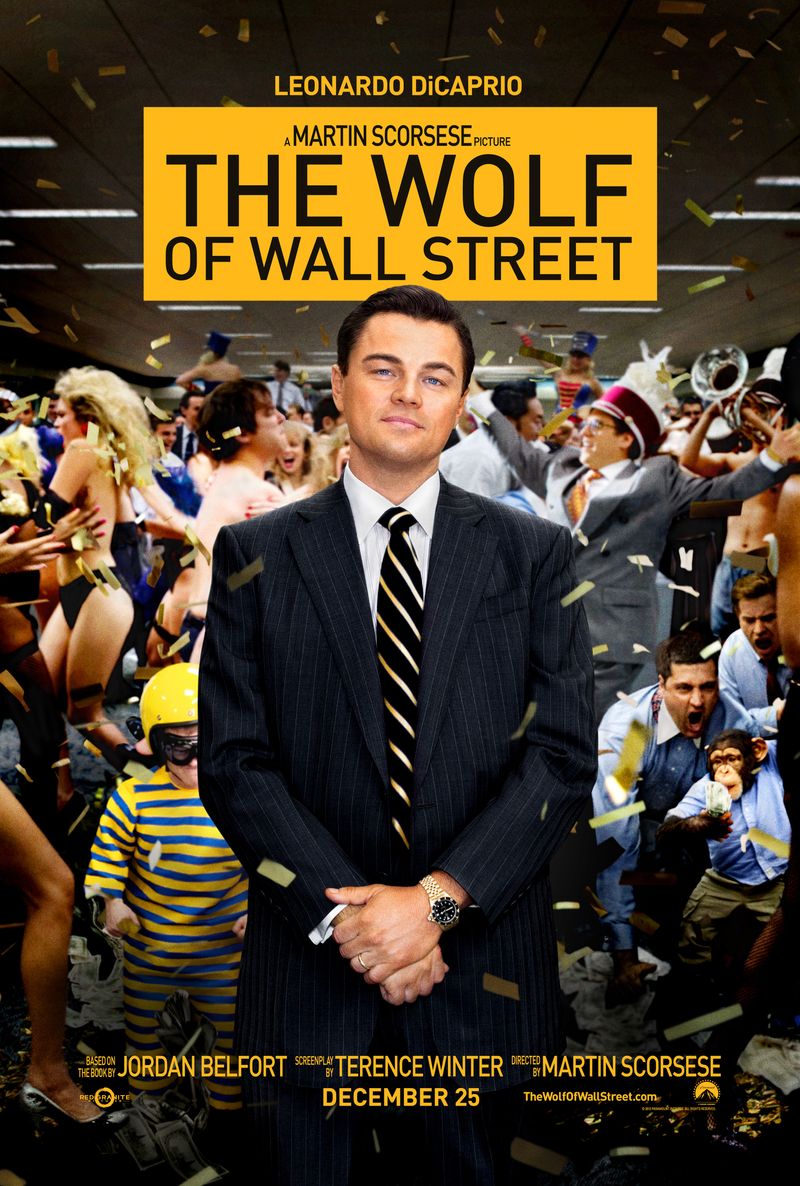
Loud suits, louder parties, and a partnership built on bad choices define this 2013 film.
Leonardo DiCaprio plays Jordan Belfort, with Jonah Hill as his sidekick Donnie Azoff.
Martin Scorsese directed the movie, based on Belfort’s memoir.
It’s rated R for good reason, so this one is strictly for older viewers.
Jordan and Donnie bond over money and wild excess.
Neither one ever tells the other to slow down or rethink a scheme.
That’s what enabling looks like.
Instead of protecting each other, they cheer each other toward bigger and riskier mistakes.
Donnie’s loyalty seems admirable at first glance in the story.
Yet loyalty to someone’s worst ideas isn’t the same as loyalty to the person.
Their choices eventually bring legal trouble crashing down.
The fun montage turns into a cautionary tale.
For everyday life, ask a simple question about your closest friend.
Do they ever push you to do better, or only to go further?
A friend who sometimes says “maybe not” is often the one looking out for you most.
13. Trainspotting
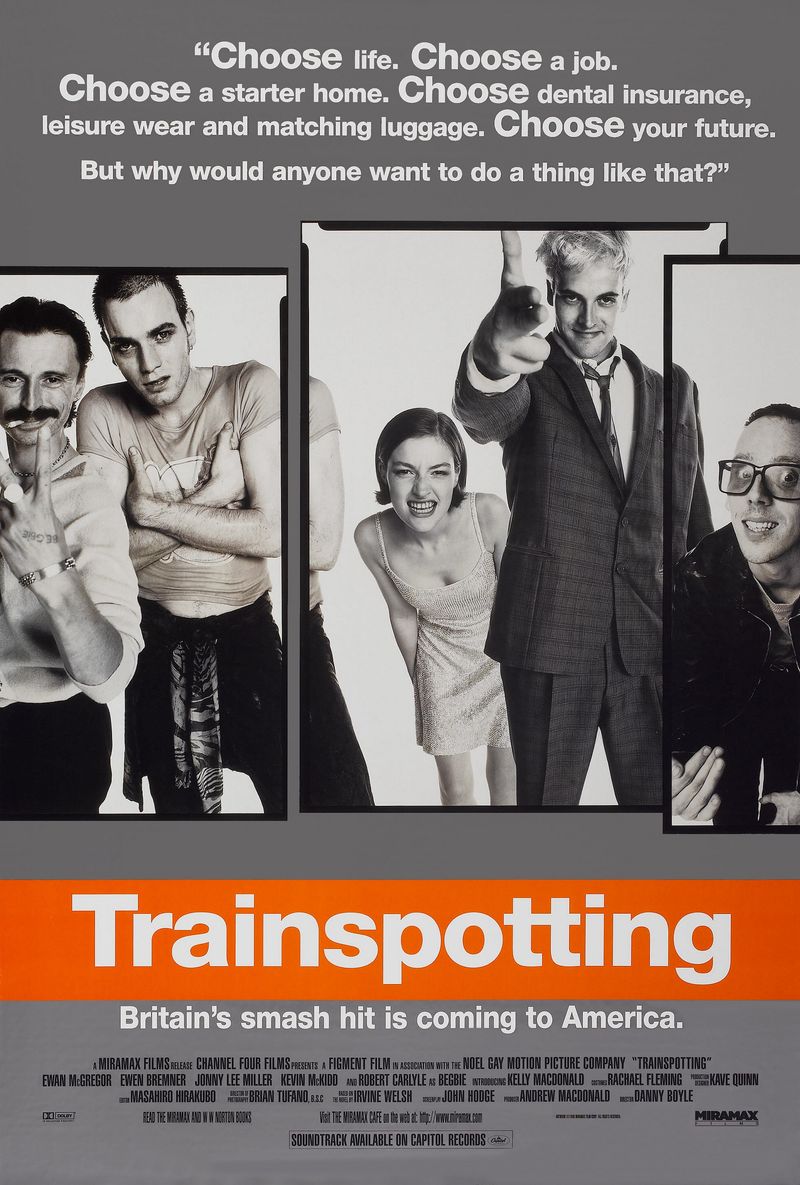
Edinburgh’s gray streets frame one of the bleakest friend groups ever filmed.
Danny Boyle’s 1996 movie follows Mark Renton and his circle through addiction and petty crime.
Ewan McGregor plays Renton, with Jonny Lee Miller as Sick Boy, Ewen Bremner as Spud, and Robert Carlyle as Begbie.
It’s an intense R-rated film meant for adults.
Each friend pulls Renton in a different unhealthy direction.
Begbie starts fights and drags others into them, while Sick Boy looks out mostly for himself.
Spud is kindhearted but often caught up in the chaos.
Renton keeps trying to quit and start fresh, yet the group keeps reeling him back.
That loop shows how friendships can make change harder.
People who share your habits may feel threatened when you try to break them.
You don’t need anything this extreme to spot the pattern.
Maybe you want to study more, eat better, or quit gossiping, and your friends tease you for it.
Supportive friends cheer when you grow, even if it changes the routine.
Those who mock your progress may be protecting their comfort, not yours.
14. The Bling Ring
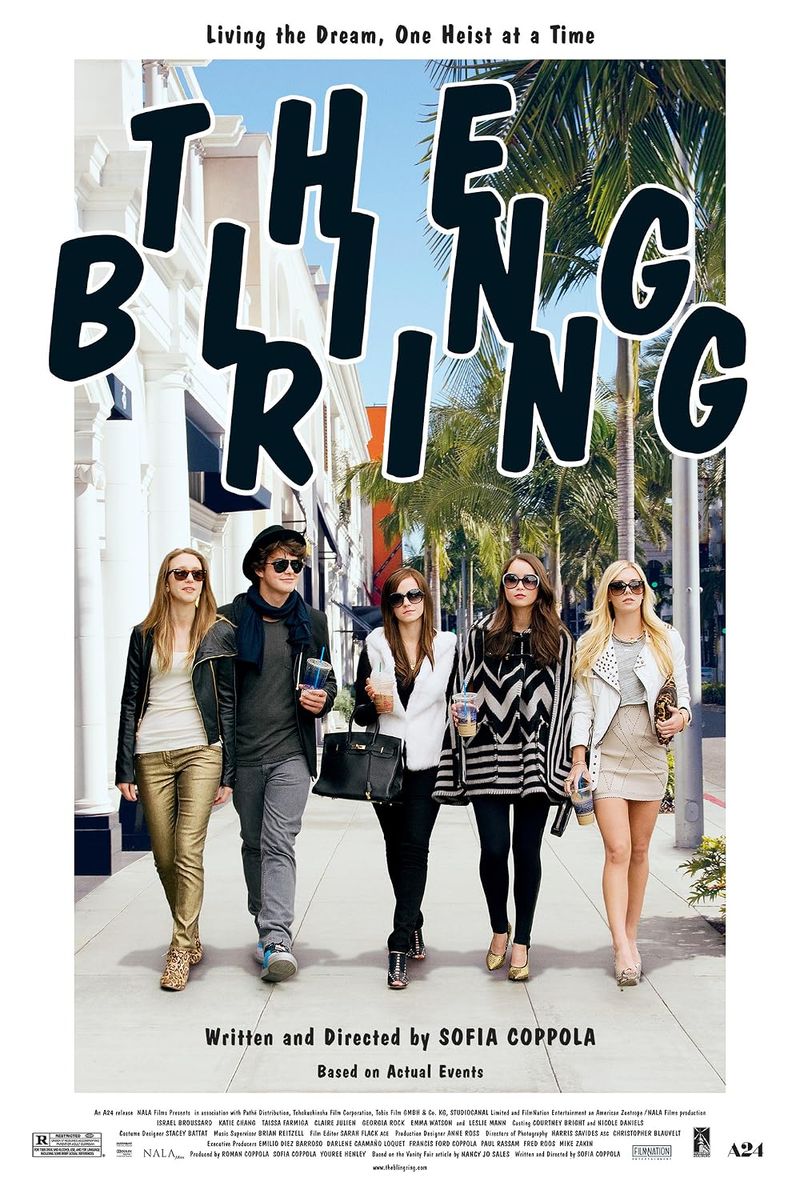
Designer bags and celebrity closets tempt a group of Los Angeles teens in Sofia Coppola’s 2013 film.
It’s inspired by real burglaries of famous people’s homes in the late 2000s.
Katie Chang plays Rebecca, and Israel Broussard plays Marc, the shy new kid she befriends.
Emma Watson also stars as another member of the group.
Marc is desperate to fit in, and Rebecca offers instant belonging.
The catch is that belonging comes with breaking into houses.
Rebecca leads, and Marc follows, even when he feels nervous.
The thrill and the stolen stuff become the glue holding them together.
That’s a common trap for anyone starting at a new school.
The first group to welcome you can feel like a lifeline, even if their plans feel wrong.
A real friend won’t make you prove yourself by taking risks.
If acceptance requires breaking rules or hurting others, the welcome isn’t worth it.
Give yourself time to find your people when you’re new somewhere.
The right friends will like you for your jokes and interests, not for your willingness to follow them anywhere.