 MomSkoop
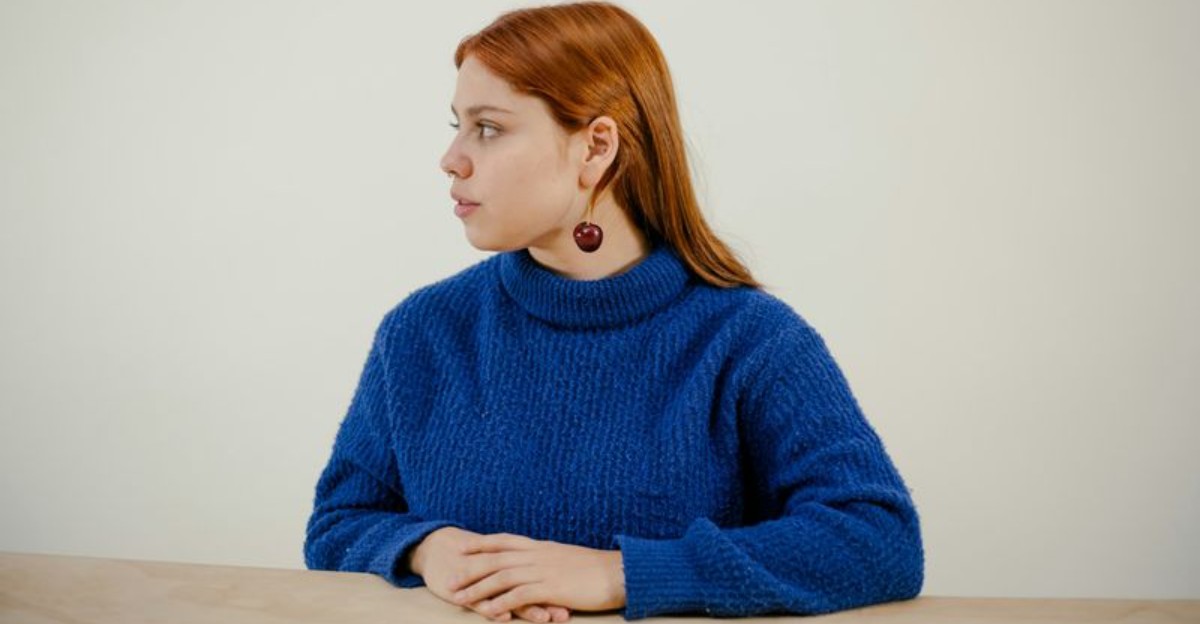
Pale beige and medium gray can quietly blend into fair skin, leaving a whole outfit looking flat. Deep, saturated shades do the opposite, creating contrast that frames a light complexion. That contrast matters most in winter, when daylight turns cool and dim. A sweater that looked fine in July can suddenly make your face seem tired by January.
The fix has nothing to do with buying a whole new closet. It mostly comes down to undertones, depth, and knowing which shades sit kindly next to your face. Some picks lean cool, some lean golden, and a few play nicely with both.
1. Rich Burgundy

Cranberry sauce had the right idea all along.
Rich burgundy brings deep red warmth that can give fair skin a soft, peachy glow instead of a washed-out look.
It works for cool and warm pale skin, which makes it one of the friendliest winter picks around.
Fair skin with ivory or peachy undertones gets an extra boost from this shade.
The red base adds life near your face, while the darkness keeps it grown-up and seasonal.
Knitwear is the easiest place to start.
A burgundy crewneck or turtleneck sits right under your chin, so you see the effect the moment you glance in a mirror.
Coats are another strong option, since a burgundy coat makes a clear statement against snow or gray streets.
Texture changes the mood in a fun way.
Velvet catches light in its folds, and cashmere gives the color a soft, rich depth.
Try a velvet skirt with a cream sweater for a holiday party, or keep it simple with burgundy knit and dark jeans.
Not into full-on burgundy?
Cranberry and wine are close cousins that deliver a similar effect.
A wine-colored scarf can test the waters before you commit to a whole coat.
2. Forest Green

Somewhere between a pine tree and a library armchair lives forest green.
It’s deep, earthy, and rich, with a subtle yellow warmth that reads sophisticated rather than loud.
On fair skin, that depth creates contrast and helps the complexion look brighter.
Warm pale skin tends to love this shade most.
If your skin leans ivory or peachy, forest green can feel like it was made for you.
Cooler fair skin isn’t left out, though, because cool emerald offers a jewel-toned option with less yellow.
Emerald also deserves a quick shout-out.
Deep emerald brings elegance without harshness, and it can look especially striking on people with cool undertones and blue or green eyes.
Coats and sweaters are the natural homes for forest green.
A forest green wool coat pairs beautifully with camel boots, cream knits, or dark denim.
Inside, a chunky green cardigan over an ivory tee feels relaxed but put together.
Want a smaller step?
Try green gloves, a beret, or a patterned scarf with green as the main color.
Once you notice how it frames your face, you might start eyeing every green knit you pass in a store window.
3. Midnight Navy
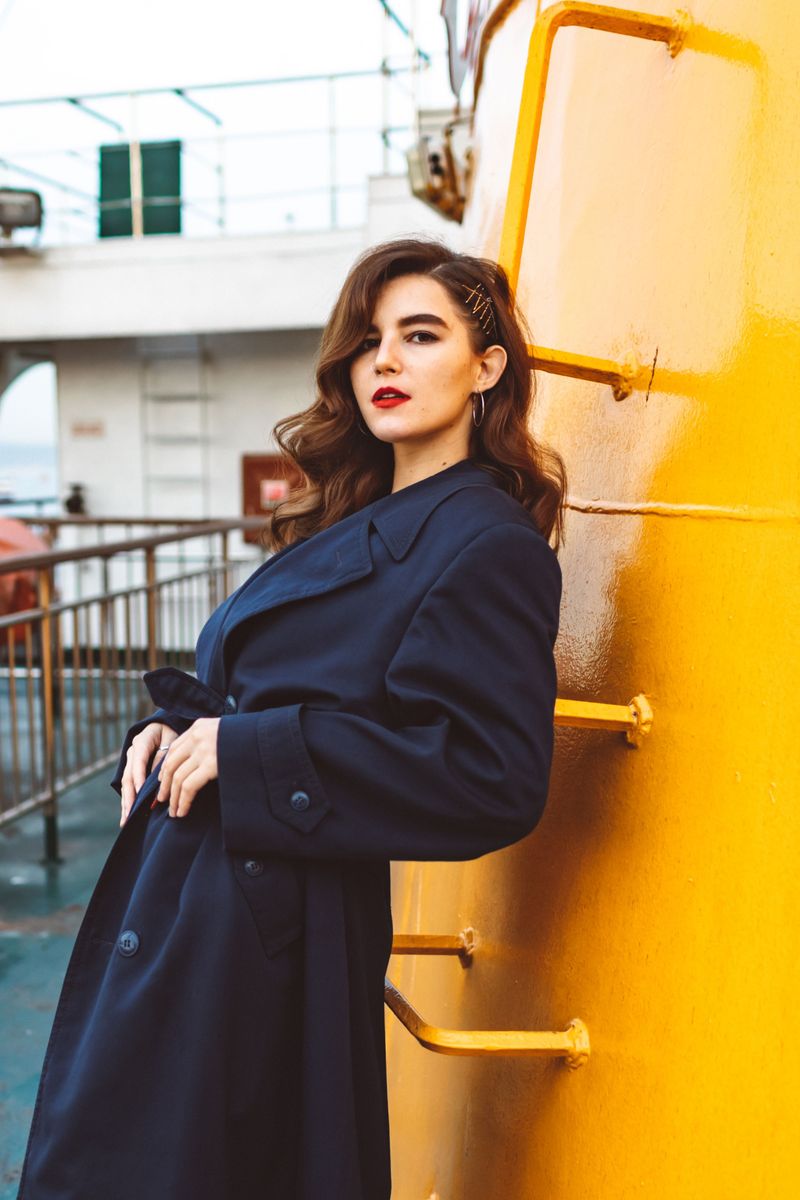
Black has a polished reputation, but midnight navy quietly does the same job with less harshness.
It brings plenty of depth and contrast, which helps define fair skin.
For people with warm undertones, flat black can look severe, and navy offers a softer alternative.
Cool pale skin with rosy or neutral-cool undertones usually pairs best with this shade.
Deep sapphire, midnight blue, and rich navy can all make porcelain skin look smoother and brighter.
Versatility is navy’s real talent.
It works for coats, knitwear, trousers, and even holiday outfits.
A navy coat goes with nearly any scarf, and navy trousers feel just as professional as black ones.
Try pairing navy with ivory for a crisp, fresh look that isn’t as stark as black and white.
Navy with burgundy feels rich and seasonal, while navy with icy blue looks clean and cool.
Here’s a practical tip for workdays.
Swap your usual black blazer for a navy one and watch how much softer the overall effect feels near your face.
You keep the polish, lose some of the severity, and still match nearly every pair of shoes you own.
4. Deep Plum
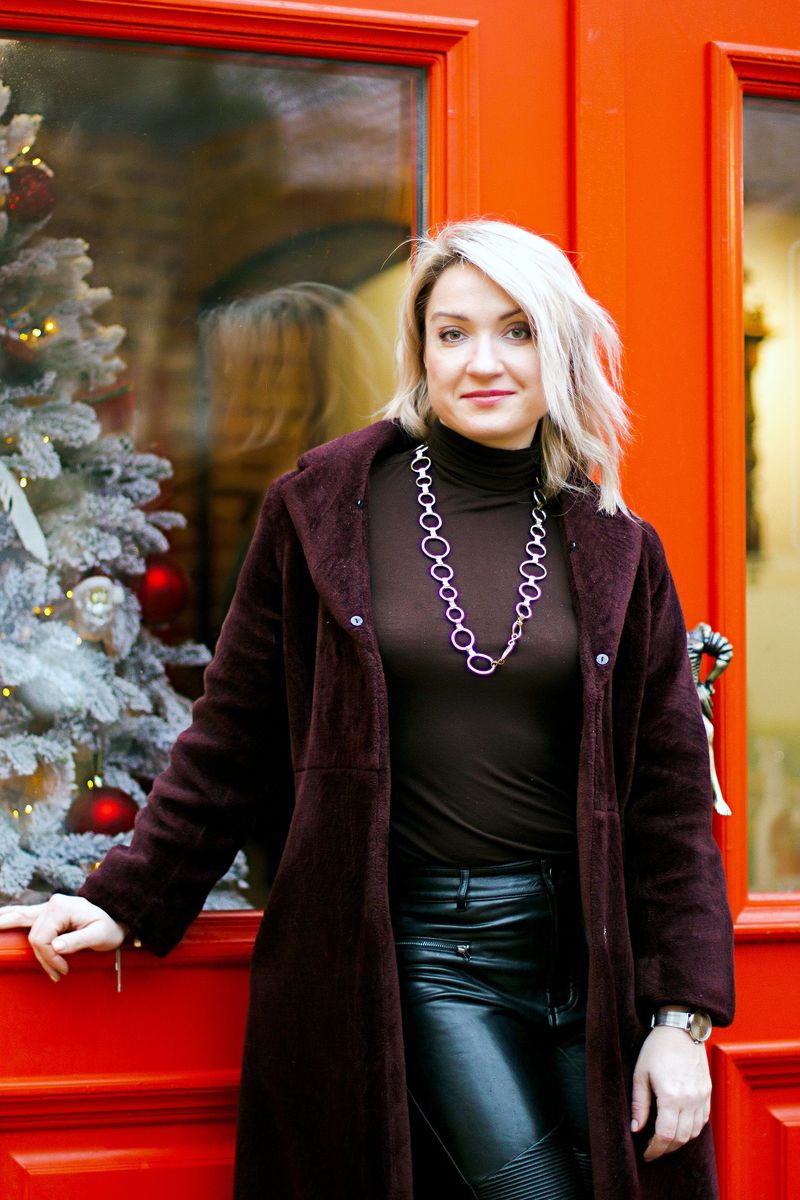
Plum has drama baked right in.
Its saturated depth turns fair skin into a bright canvas, creating an elegant contrast that feels a little theatrical in the best way.
Cool pale skin, especially with pink or neutral undertones, tends to look great in this shade.
The purple base sits comfortably with rosy tones instead of fighting them.
Pairing plum with burgundy is a clever winter move.
Together they create a layered, jewel-box effect that looks especially striking under soft lighting like candlelight.
That makes the combo a smart choice for holiday dinners or cozy evening gatherings.
Not ready for a full plum outfit?
Plum works beautifully as an accent.
A plum scarf wrapped around a navy or charcoal coat adds a rich pop right near your face, where the color matters most.
Plum gloves or a knit hat can also bring a little personality to a plain winter look.
Related shades widen your options.
Amethyst brings a slightly brighter purple, while deep violet leans bolder and bluer.
Both share plum’s depth and elegance.
One fun styling idea: try a plum sweater with gray-free neutrals like ivory trousers.
It feels unexpected without being loud.
5. Warm Ivory
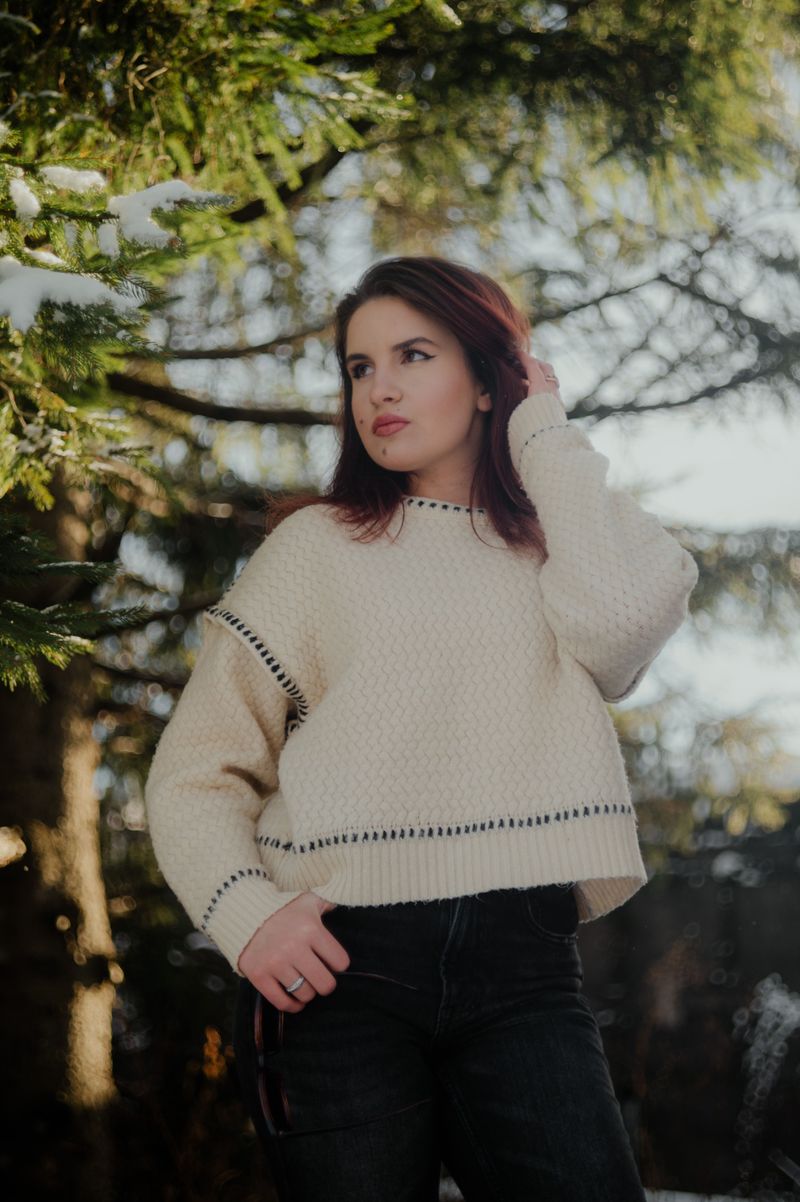
Stark white can feel like a spotlight aimed straight at your face.
Warm ivory softens that glare, giving fair skin a gentler contrast that often looks more flattering.
The secret is in the undertone.
Ivory carries a hint of warmth, so it sits in harmony with golden or peachy skin rather than creating a cold, sharp contrast.
For fair skin with those undertones, it makes an excellent light neutral for winter.
Think of ivory as the base layer of your cold-weather closet.
An ivory turtleneck under a forest green coat looks crisp.
An ivory cable-knit with dark denim feels relaxed but tidy.
Soft oatmeal works in a similar way if you want something a touch more muted.
Cream and eggshell are also part of this soft-white family.
Each offers that same gentle contrast without the harshness of optic white.
A quick reality check for practical folks: light colors show stains more easily.
If you’re worried about coffee spills, try ivory in a sweater or scarf rather than winter trousers you’ll wear through slush.
Read the care label, since many knits do best with gentle washing and flat drying.
Ivory pairs well with nearly every darker shade on this list.
6. Icy Rose
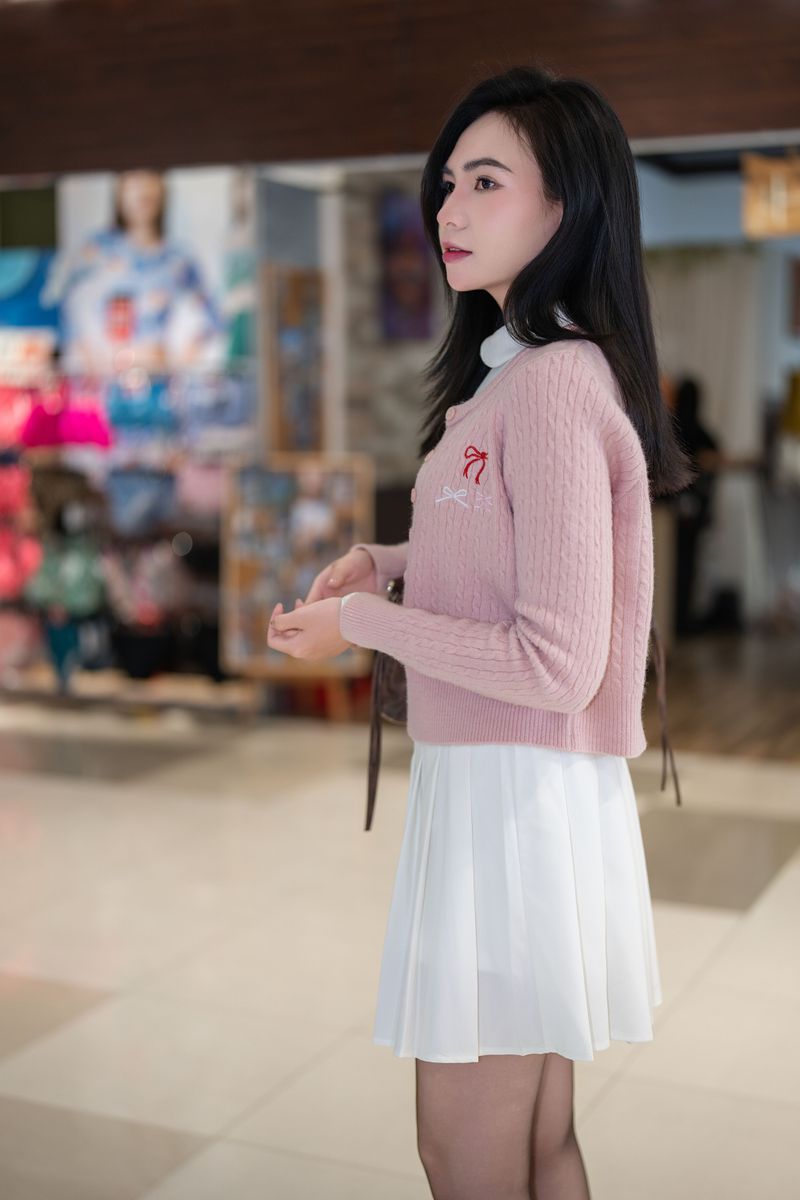
Pink in winter?
Absolutely, as long as it has the right chill.
Icy rose is a cool pastel with real presence, and it can complement cool pale skin beautifully.
Clarity is what makes it work.
Many washed-out pastels look flat in winter light, but icy rose carries noticeable color.
That clear pink tint can add a sense of warmth to very fair skin without looking fake.
Soft, low-contrast coloring benefits most.
If your hair, eyes, and skin sit close together in depth, and your undertones lean cool or neutral, this shade could be an easy first try.
People with light summer coloring often find it fits nicely into a winter closet.
Start simple with a shirt or fine knit.
An icy rose sweater with navy trousers looks fresh and polished.
Pair it with an ivory coat for a soft, wintry look that still feels bright on a gray day.
Related shades include dusty rose and icy pink.
Dusty rose feels a little softer, while icy pink brings a crisper cool tone.
One gentle warning: avoid versions that look muddy or grayish.
If the pink seems faded on the hanger, it’ll probably look faded near your face too.
7. Cobalt Blue
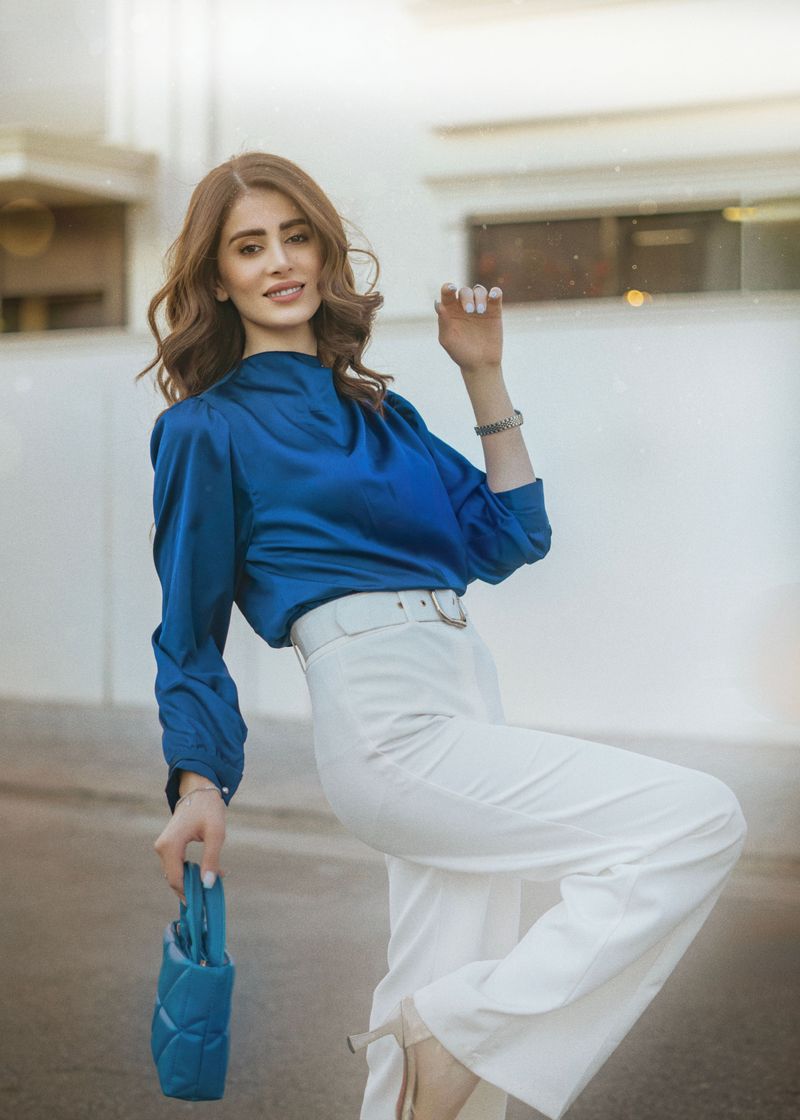
Gray winter skies have finally met their match.
Cobalt blue is bright, saturated, and bold, and it creates a strong contrast against fair skin.
Cool undertones tend to pair best with this shade.
If your skin leans rosy or pink, cobalt can make your complexion look clear and bright instead of tired.
A cobalt coat is the headline idea here.
Picture it on a dull February morning, when most people are bundled in black and brown.
A bright blue coat stands out in a crowd and keeps your face framed by color instead of shadow.
Coats aren’t the only route, of course.
A cobalt sweater with black or navy trousers works for the office.
A cobalt scarf can wake up a neutral coat in seconds.
Even cobalt gloves add a small, cheerful jolt to a winter outfit.
Royal blue shares much of cobalt’s intensity.
If you spot a royal blue sweater on sale, it can deliver a similar effect.
Styling tip: keep the rest of the outfit simple when wearing a lot of cobalt.
Ivory, navy, or deep camel lets the blue take center stage without competing colors stealing the show.
8. Deep Camel
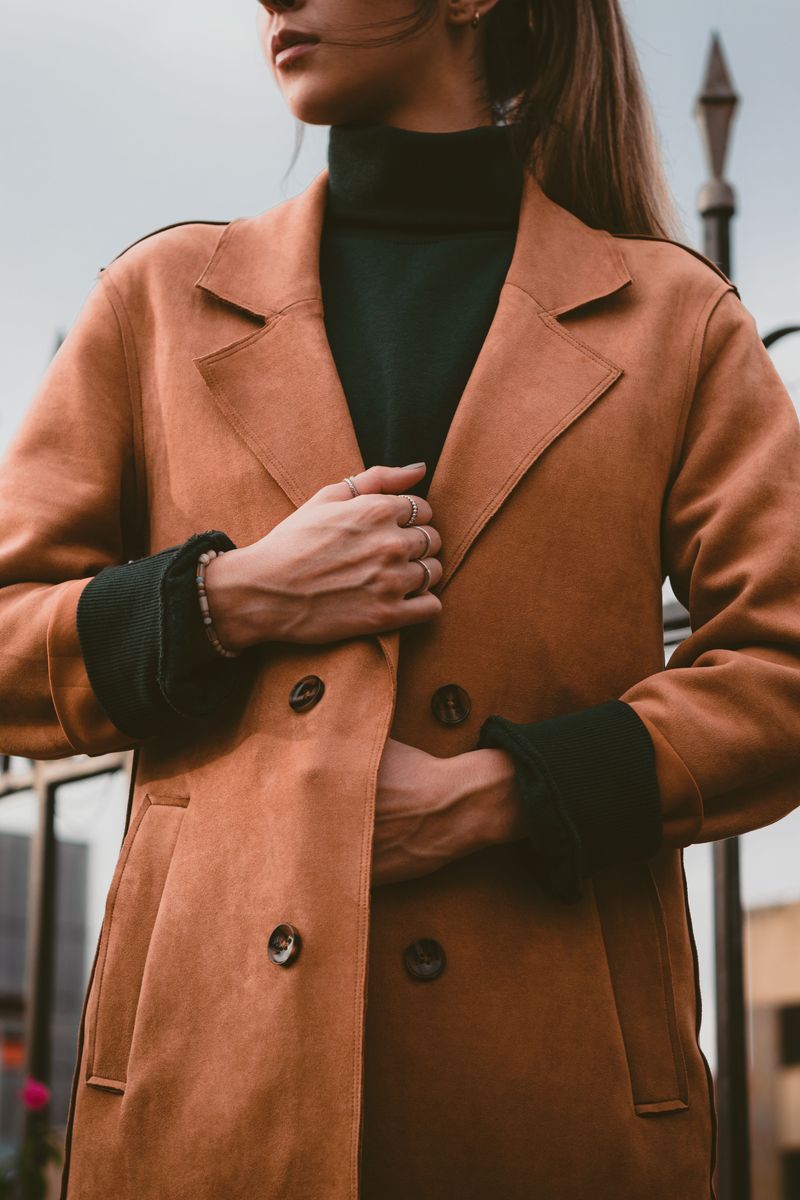
Plain camel can sometimes blend into fair skin like a beige wall.
Deep camel fixes that problem by turning up the saturation and depth.
That richer version creates clear, attractive contrast while still acting as a neutral.
It’s a strong winter pick for fair skin with golden undertones, where it helps the complexion look brighter.
Coats are where deep camel truly shines.
For warm-toned fair skin, a deep camel coat often looks more flattering than gray or charcoal, which can drain color from the face.
It also pairs easily with dark denim, black boots, and nearly any scarf in your drawer.
Try these combos for variety.
Deep camel with forest green feels earthy and rich.
Deep camel with ivory looks soft and polished.
Deep camel with burgundy brings a classic winter mood.
When shopping, compare shades side by side if you can.
Some camel coats lean pale and sandy, which may wash out light skin.
Look for a version with more depth, closer to toasted caramel than pale sand.
Also check fabric labels before buying.
Wool blends vary a lot, so read the care instructions to know whether you’ll need dry cleaning.
9. Vivid Teal
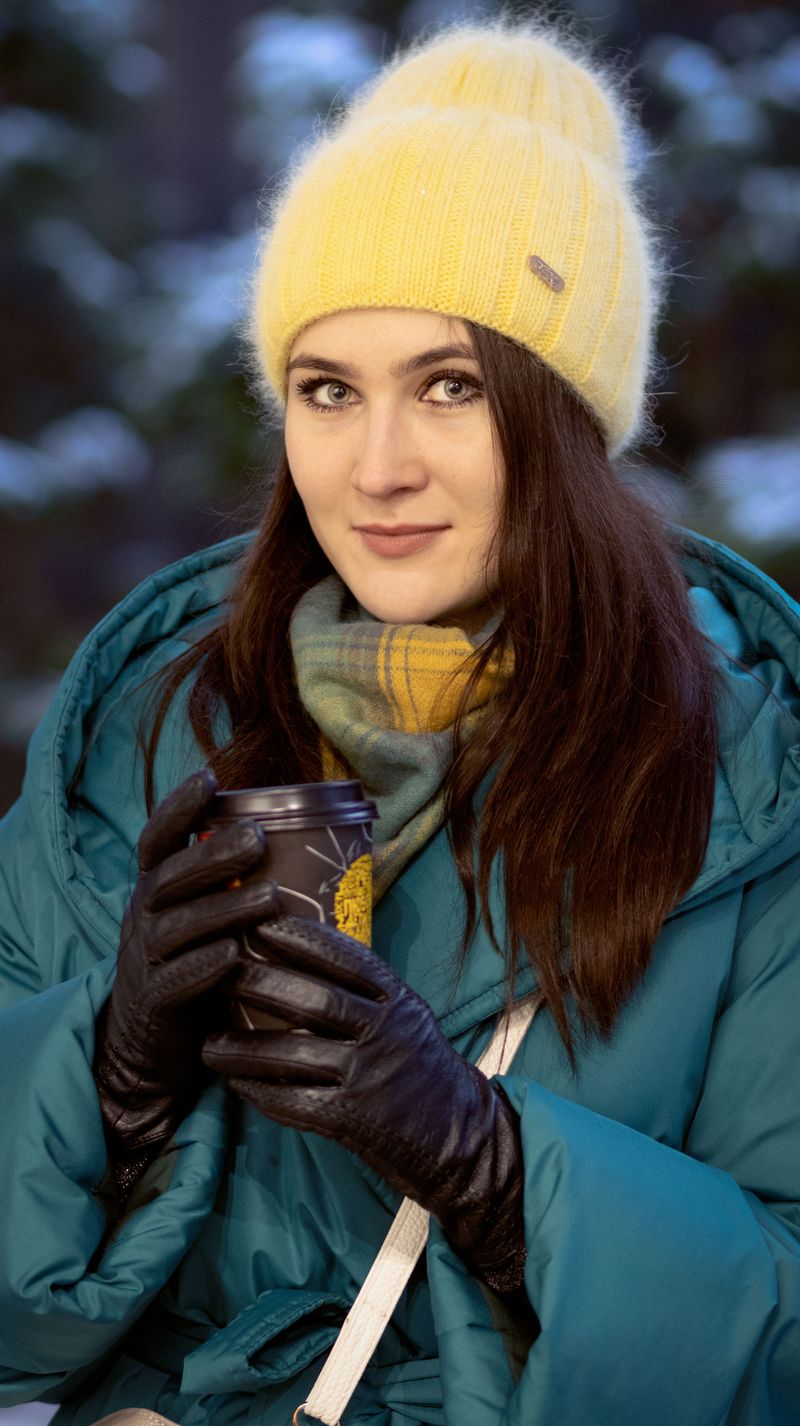
Can’t decide between blue and green?
Teal happily refuses to choose.
This balanced blue-green bridges warm and cool undertones, so it suits a wide range of fair complexions.
Winter depth is part of its appeal.
Vivid teal has enough richness to avoid looking flat, and it can act as a strong anchor in an outfit.
Deep warm teal, in particular, carries enough warmth to work with golden undertones.
Accents are where teal does some of its best work.
A teal scarf, a teal neckline peeking out from a coat, or a simple teal top can stand out without overpowering the look.
Since color near the face matters most, these small pieces still make a noticeable difference.
Pairing ideas keep things easy.
Teal with navy feels calm and coordinated.
Teal with deep camel feels earthy and balanced.
Teal with ivory looks clean and fresh.
Red hair and teal also make a fun combination, since the two sit across from each other on the color wheel.
If you’re unsure about your undertones, teal is a helpful test color.
Hold it near your face in daylight and see whether your skin looks clearer.
It’s a low-risk experiment with high payoff.
10. Icy Blue

Fresh snow and a clear morning sky inspired this pick, at least in spirit.
Icy blue gives a clean, refreshing look that brightens delicate complexions without overwhelming them.
Cool undertones get the most from this pale shade.
On fair skin with rosy or pink hints, icy blue creates a soft contrast that adds an elegant touch to winter outfits.
Light colors don’t always succeed on pale skin, so why does this one work?
Clarity is the key.
Icy blue stays crisp rather than dusty, which keeps it from looking washed out.
Mint green belongs in a similar category of clear pastels that can suit fair skin.
Try an icy blue sweater with navy trousers for a tonal look that feels polished.
Pair it with ivory for a soft, wintry palette.
An icy blue shirt under a cobalt cardigan also creates a bright, layered effect.
Powder blue and soft slate blue are related shades worth considering.
Powder blue leans gentle, while soft slate blue adds a touch more depth.
Shopping tip: pick versions that look clear in person.
If a blue sweater seems grayish under store lights, it may fall flat once you’re out in winter daylight.
11. Cognac
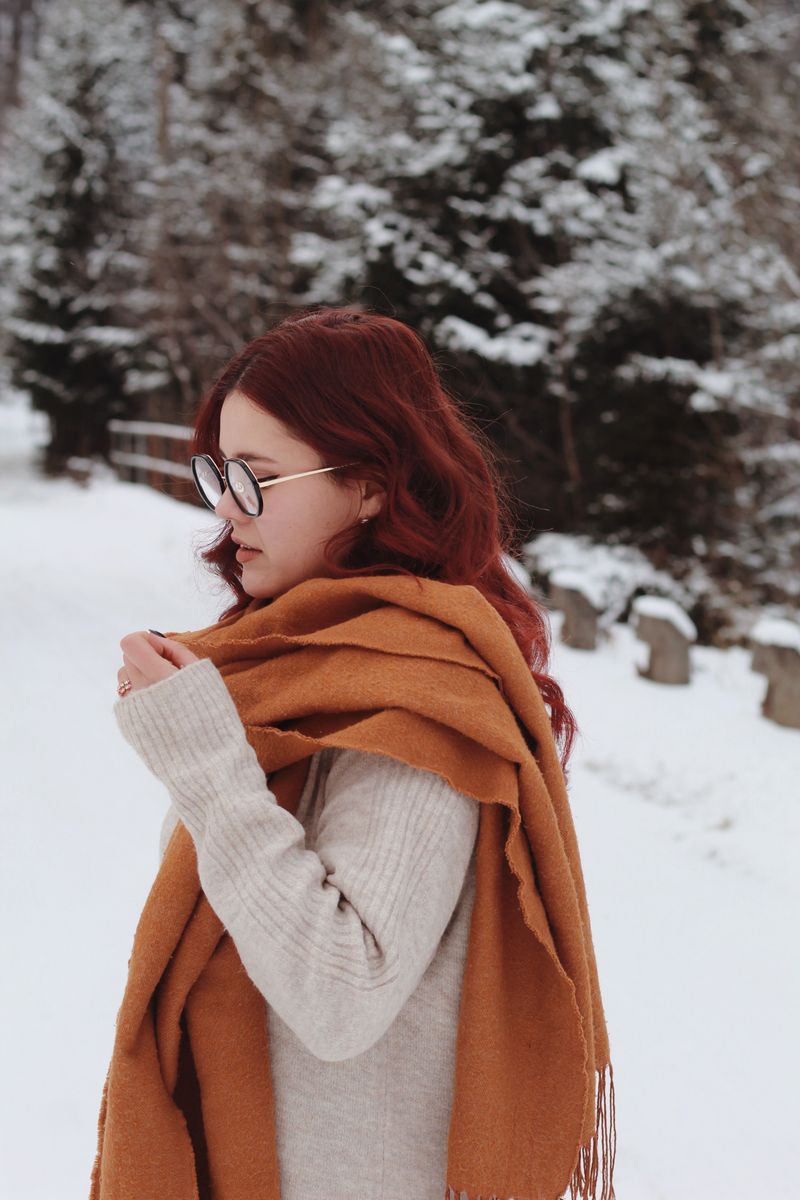
Leather boots and handbags have been wearing cognac for years, and it’s time the rest of your outfit joined in.
This deep, warm-leaning brown brings richness to fair skin, especially when undertones lean warm.
Ivory or peachy fair skin often looks particularly good in cognac.
Think of it as a dark neutral with warmth built in, so it offers depth without the coldness of black.
Foundational pieces make the most of this shade.
A cognac leather jacket, a sweater, or a pair of boots can anchor a warm winter palette.
Since cognac plays well with forest green, burgundy, deep camel, and ivory, it ties many of the warmer colors on this list together.
Try a cognac sweater with dark jeans and ivory sneakers for a relaxed weekend look.
For something dressier, pair a cognac skirt with a burgundy knit and tall boots.
Accessories count too.
A cognac bag or belt adds richness to a navy or green outfit without much effort.
Cool-toned readers aren’t banned from cognac, of course.
Wearing it on boots or a bag keeps it away from your face while still adding warmth.
Style choices are yours to play with, not rules to obey.