 MomSkoop

Beauty is often said to be in the eye of the beholder, but what happens when the person looking in the mirror fails to see what everyone else does? Surprisingly, many attractive people are completely unaware of their own appeal. While others may admire their looks, charm, or natural confidence, they might focus on tiny imperfections or simply consider themselves ordinary. The way we perceive ourselves is shaped by far more than physical appearance, and sometimes, our self-image doesn’t match how others see us.
From deeply rooted insecurities to everyday habits and psychological factors, there are several reasons why attractive individuals may underestimate their own beauty. Compliments might feel exaggerated, attention may go unnoticed, and comparisons with others can cloud their perspective. Understanding these subtle patterns reveals just how complicated self-perception can be. Here are 10 reasons attractive people may not recognize their own appeal.
1. Seeing the Same Face Every Day
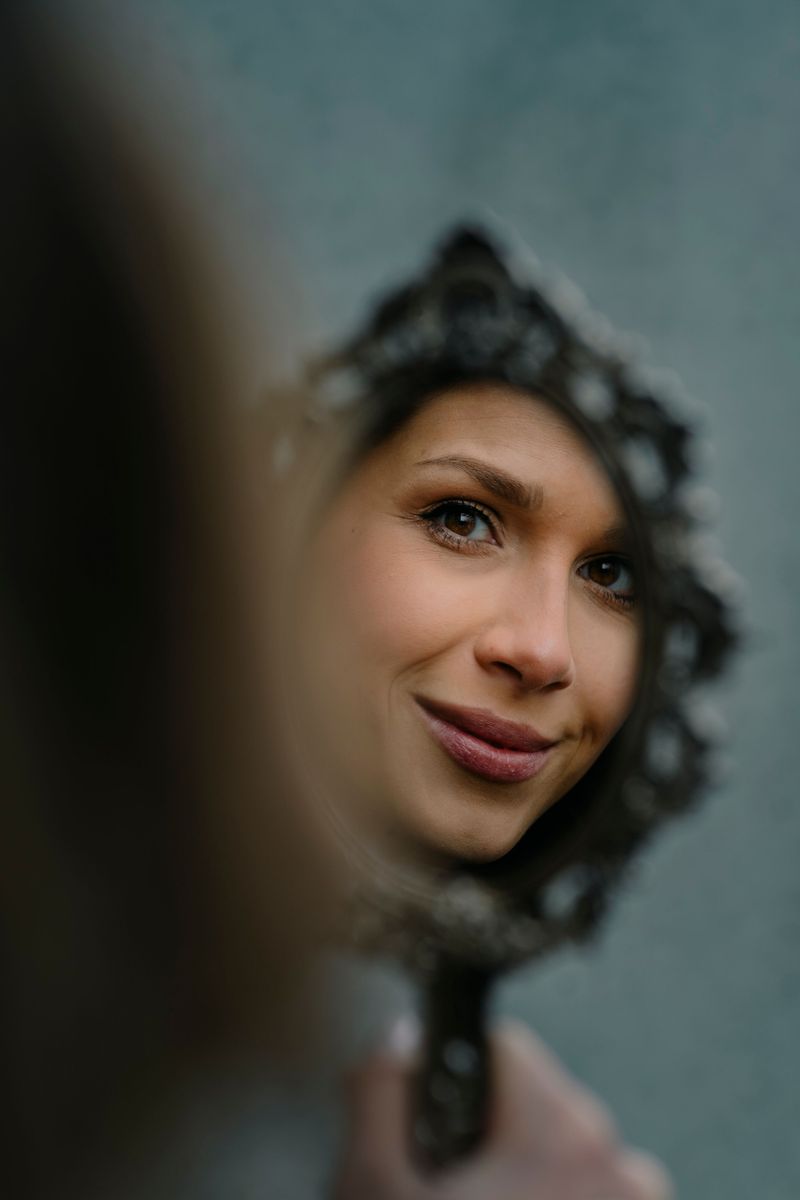
Your favorite song can lose its spark after the hundredth replay.
Faces work in a similar way, especially the one you brush your teeth beside each morning.
When you see your own features daily, they stop feeling special.
That striking eye color or great smile just becomes background, like the wallpaper in your hallway.
Meanwhile, other people meet your face fresh.
They notice the details you stopped registering years ago, which is why a compliment can catch you off guard.
The mirror adds another twist.
It shows you a reversed image, so you get used to a flipped version of yourself.
Photos then look a little off, and you may decide the camera hates you.
A simple fix can help you reset your view.
Try looking at a recent candid photo taken by a friend, not a selfie or a mirror shot.
Give it more than a quick glance before judging.
Ask yourself what a stranger would notice first, rather than what you usually scan for.
You might find features you forgot were there.
Familiarity does not erase appeal, but it can hide it from the person standing closest to it.
2. Zooming In on Tiny Flaws

Close inspection turns a freckle into a crater.
Lean into the mirror with harsh bathroom lighting, and suddenly one small spot feels like the star of the show.
Plenty of people treat their reflection like a detective treats a crime scene.
They hunt for clues, find a crooked tooth or uneven eyebrow, and close the case right there.
Other people do not look at you that way.
They see your whole face, your expressions, your voice, and the way you move, all at once.
That difference matters a lot.
A tiny bump on your nose might fill your thoughts, while a friend has never once noticed it.
Try stepping back from the mirror, literally.
Stand at the distance someone would during a normal conversation, and look at the overall picture instead of one patch.
You can also play a quick game.
For each thing you dislike, name one feature you think looks good, even if it feels silly.
Nobody needs to love every inch of their face.
Still, judging yourself by a magnifying glass sets a standard that no human face was built to pass.
3. Letting One Comment Outshout the Rest

Ten nice comments arrive, and one snarky one shows up.
Guess which one replays in your head at two in the morning?
Human brains tend to give negative remarks extra weight.
A single unkind word about your hair can stick longer than a whole week of praise.
For attractive people, this creates a strange math problem.
They may hear compliments often, yet the rare criticism feels like the real truth.
The positive feedback starts to sound like noise.
The negative comment, meanwhile, gets a front-row seat and a spotlight.
One practical trick is to write compliments down.
Keep a note on your phone, and add kind remarks when they happen, even small ones.
On a rough day, scroll through it.
Seeing the actual count can balance out that one sour comment that keeps trying to steal the microphone.
It also helps to consider the source.
A stranger online who left a rude reply probably spent four seconds on it, so it deserves about that much of your attention.
Criticism can be useful sometimes.
However, it should not get more votes than everyone else combined.
4. Comparing Yourself to Edited Images

Magazine covers and social media feeds are not windows.
They are often polished results of lighting, makeup teams, filters, and editing software.
When you scroll through those images daily, they can quietly become your measuring stick.
Your real face, with pores and shadows, then seems to fall short.
The problem is that the comparison is not fair.
You are holding a regular morning reflection up against a picture that may have been adjusted for hours.
Even the people in those photos often do not look like that in person.
Smooth skin with zero texture is usually the work of software, not reality.
A few changes can ease the pressure.
You could mute accounts that leave you feeling worse, or follow people who post unfiltered photos.
Notice how you feel after scrolling, too.
If you put your phone down and immediately start picking at your appearance, your feed might be doing more harm than good.
Attractive people fall into this trap all the time.
Measuring against an edited image can make a very good-looking person feel ordinary, which is quite the magic trick for a few pixels.
5. Carrying an Old Picture of Yourself

Braces, a bad haircut, and a growth spurt that took its sweet time.
Plenty of adults still see that kid when they think about how they look.
Looks often change faster than self-image does.
Someone can grow into their features, find a style that suits them, and gain confidence, yet still feel like the awkward teenager.
That old mental snapshot can be stubborn.
It sticks around even when the person in the mirror has clearly moved on.
So when someone calls them attractive, it feels like a mistake.
The compliment does not match the picture stored in their head.
Updating that picture takes some intention.
Look at photos from the past year, and compare them with photos from your early teens.
Notice the changes in your face, posture, and style.
Many people are surprised by how much has shifted without them really noticing.
You might also listen more closely when people describe you.
If several friends use similar words, those words probably say more about present-day you than your memories do.
Your younger self deserves kindness, of course.
They just should not keep the final say on how you look today.
6. Caring More About Other Qualities

Ask some people what they like about themselves, and looks will not even make the top five.
They might mention their humor, their work ethic, or their loyalty first.
When appearance is not central to someone’s identity, compliments about it can slide right off.
Those words simply do not land where that person keeps their sense of worth.
Honestly, that is not a bad thing.
Valuing kindness and skill over a jawline is a pretty solid way to live.
Still, it can create a blind spot.
A person who barely thinks about their looks may not realize others notice them.
They might be the friend who dresses for comfort and still turns heads.
The attention confuses them, because looks were never part of their plan.
If this sounds like you, there is no need to start obsessing over the mirror.
You can simply accept a compliment with a thank-you instead of brushing it aside.
Being appealing and being capable can live side by side.
Letting yourself see both parts gives you a fuller picture, and it makes compliments far less awkward to receive.
7. Reading Interest as Plain Politeness

Someone holds eye contact a beat too long, laughs at a so-so joke, and finds reasons to chat.
An oblivious attractive person concludes they are just very friendly.
Many people default to the most modest explanation.
A smile means good manners, and a compliment means someone is being nice.
Sometimes that reading is correct.
People are polite, and not every grin is a sign of a crush.
The trouble starts when that explanation becomes automatic every single time.
Repeated signals can pile up without ever being counted.
Friends usually see this pattern first.
They might say, “That person was clearly into you,” and get a blank stare in return.
If friends keep pointing it out, consider taking the hint.
You do not have to act on anyone’s interest, but noticing it gives you a more accurate picture.
It also helps to watch for consistency.
One kind remark could be courtesy, but repeated attention from several people over time tells a different story.
Modesty is lovely in moderation.
Just try not to let it become so strong that a clear signal gets filed under customer service.
8. Being Too Busy to Notice

Head down, earbuds in, and halfway through a to-do list.
That is a pretty common way to walk through the world.
Plenty of people simply do not track how others see them.
Their attention goes to school, work, hobbies, family, or whatever goal is currently taking over their calendar.
When your mind is busy elsewhere, you miss small social signals.
A second glance on the train or a compliment from a coworker can pass without registering.
This can be freeing in many ways.
People who are not constantly checking their reflection often have more energy for things they care about.
The downside is a lopsided self-view.
You might honestly believe nobody notices you, simply because you never looked up long enough to see it.
You do not have to change your priorities to fix this.
Just give yourself a moment now and then to pay attention to how people respond to you.
Take the earbuds out at a social event.
Notice who starts conversations with you, and who seems glad you showed up.
Focus is a strength worth keeping.
A little awareness can sit beside it without slowing you down.
9. Measuring Against an Extra-Good-Looking Crowd

Stand next to a group of models, and almost anyone will feel average.
Context can shrink appeal fast.
People tend to compare themselves with those around them.
Attractive people often end up in circles full of other attractive people, through friends, jobs, or social scenes.
Inside that bubble, good looks seem normal.
Someone who would stand out in a typical room may feel ordinary among their equally striking friends.
Some fields make this even trickier.
Acting, modeling, and fitness can surround a person with polished faces daily, raising the bar without anyone noticing.
The comparison also tends to point upward.
You size yourself up against the most stunning person in the room, not the room as a whole.
A quick reality check can help.
Think about the broader range of people you see at a grocery store, school event, or bus stop.
That wider view is a fairer backdrop.
It reminds you that your standard may be set by an unusual group.
Being average among stunning friends still puts you in impressive company.
Remember that before you judge yourself against the brightest star in the sky.
10. Hurtful Words From the Past

Old teasing can echo for years.
A nickname from middle school or a sharp remark from a relative sometimes outlasts the people who said it.
Hurtful comments early in life can shape how someone sees themselves.
If a kid hears they are ugly or awkward often enough, that message may settle in deep.
Later, compliments struggle to break through.
The old words feel like facts, while new kindness sounds like flattery.
Jealousy can play a role, too.
Some attractive kids get picked on precisely because they stand out, but they only remember the insult, not the reason behind it.
Undoing this takes time and patience.
Start by noticing when an old voice shows up in your thoughts, and ask whether it still matches your life.
Talking it through can help a lot.
A trusted friend or a licensed counselor can offer a fresh view when old hurts feel heavy.
You can also choose who gets a vote now.
People who treat you well today have a much clearer view of you than a classmate from fifteen years ago.
Those old remarks described someone else’s behavior, not your face.