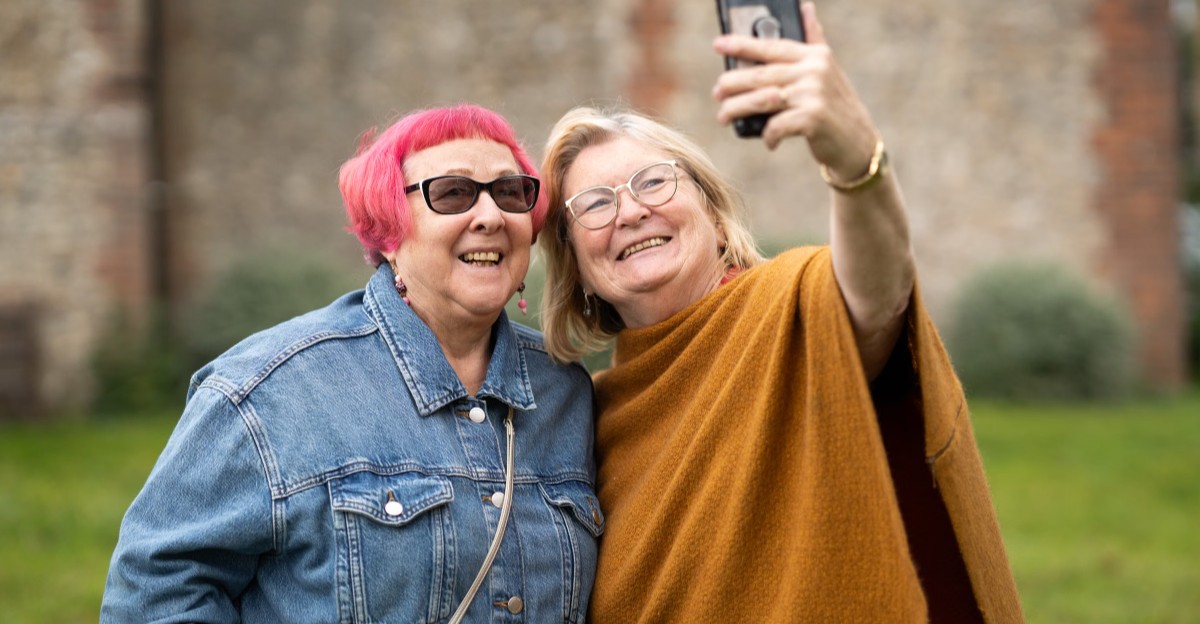
As women get older, their priorities, relationships, and perspectives on life often begin to shift. Things they once felt comfortable sharing with friends, family, or even strangers may gradually become matters they prefer to keep to themselves. While some people might interpret this change as being distant or less sociable, becoming more private doesn’t necessarily mean withdrawing from the world. In many cases, it reflects a growing sense of self-awareness, emotional maturity, and a clearer understanding of what deserves their time and energy.
For some women, privacy becomes a way to protect their peace, maintain healthier boundaries, and focus on the relationships that truly matter. Years of personal experiences, challenges, and lessons can influence how much they choose to reveal about their lives. Rather than seeking constant approval or feeling obligated to explain every decision, they may find greater comfort in keeping certain things personal. Here are 11 reasons some women become more private as they get older, and what this shift can reveal about their changing priorities and outlook on life.
1. Less Need for Outside Approval

Somewhere around the second or third decade of adulthood, the applause meter starts to matter less.
Many women reach a point where they stop performing for an audience that was never really paying close attention anyway.
Younger years often come with pressure to explain choices, share milestones, and keep up appearances.
Later on, a lot of women decide their lives don’t need a press release.
Living by your own values tends to feel lighter than living by everyone else’s opinions.
When you’re not chasing approval, there’s simply less reason to broadcast your every move.
That doesn’t mean hiding.
It means a new job, a haircut, or a big decision can stay quiet until you feel like talking about it.
If you’re noticing this shift in yourself, try a small test.
Make one choice this week without asking anyone else what they think.
See how it feels to own the decision from start to finish.
For some women, that quiet confidence becomes a habit worth keeping.
Privacy here works like a comfortable pair of shoes.
Once you find a fit that suits your real self, squeezing back into someone else’s expectations seems pretty silly.
2. Smaller, Closer Friend Circles
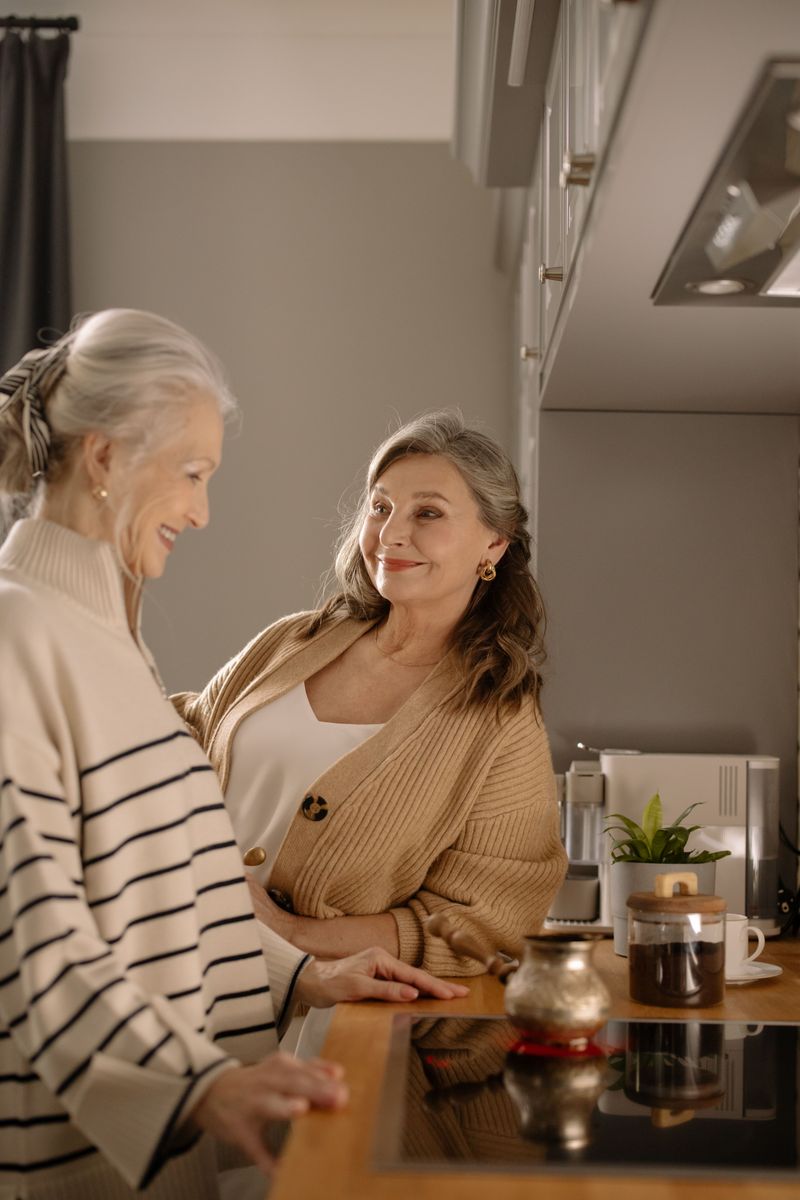
Party invitations can shrink while friendships grow deeper.
Plenty of women trade a crowded contact list for a handful of people they’d call at two in the morning.
Life changes often drive the shift.
Retirement, kids moving out, and new caregiving duties can reshape who you see and how often.
Some friendships fade naturally during those transitions, and that’s okay.
The ones that stay tend to be the relationships where both people give and take.
With fewer close friends, it makes sense to share less with the wider world.
Your news goes to the people who earned a front-row seat.
Want to strengthen the circle you already have?
Set up a standing monthly lunch, a weekly phone call, or a regular walk with one friend.
Small routines can keep a bond steady without much planning.
They also give you a trusted place to talk through private things.
A smaller circle isn’t a sign of loneliness by default.
Think of it like editing a closet down to the pieces you actually reach for, instead of keeping clothes you haven’t worn since the last decade.
3. Knowing Yourself Better

Decades of trial and error come with a surprising bonus: a much clearer sense of what you like.
Many women can finally name what drains them and what fills them back up.
That kind of self-knowledge changes social habits fast.
If big gatherings leave you tired for two days, you may start picking dinners for four instead.
Comfort with solitude often grows alongside this awareness.
Time alone stops feeling like a gap to fill and starts feeling like a choice.
Knowing yourself also means you don’t need to talk through every thought with a group.
You can process some things privately and still feel settled.
A simple way to tune in is to keep a short weekly note.
Jot down which plans left you energized and which ones felt like a chore.
Patterns usually show up within a month or two.
Those notes can guide how you spend weekends, holidays, and free evenings.
Of course, people differ, and some women become more social with age.
The point isn’t one right answer, but finally having enough information about yourself to choose on purpose.
4. Protecting Peace and Energy

After years of school runs, work deadlines, and family schedules, a quiet afternoon can feel like a small luxury.
Many women decide that peace is worth guarding.
Raising kids and building careers often leaves little room for personal downtime.
Once those demands ease, some women realize how much they missed having space to breathe.
Protecting that space can mean saying yes to fewer events.
It might also mean choosing calmer hobbies like gardening, reading, baking, or long walks.
None of this requires cutting people off.
It just means picking activities that leave you feeling better rather than worn out.
Try thinking of your energy like a monthly budget.
Spend it on the plans that matter most, and save some for rest.
Once you start tracking it, you might notice that certain group chats or obligations cost more than they give.
Muting a thread or skipping an optional meeting can free up a surprising amount of calm.
A quieter life can look boring from the outside.
From the inside, though, it may feel like finally getting to finish a cup of coffee while it’s still hot.
5. Firmer Boundaries

The word ‘no’ gets a lot easier to say with practice, and midlife offers plenty of practice.
Many women find they can decline an invitation without writing a three-paragraph apology.
Firmer boundaries naturally lead to more privacy.
When you’re clear about what you’ll share and with whom, fewer people get access to your personal details.
This might look like skipping questions about money, health, or relationships.
It might also mean telling a relative that certain topics are off the table at dinner.
Boundaries protect mental, emotional, and physical well-being.
They also make relationships clearer, because people know where they stand.
If setting limits feels awkward, keep a few short phrases ready. ‘That doesn’t work for me’ and ‘I’d rather keep that private’ are polite and complete.
You don’t owe a long explanation for either one.
Short answers often land better than lengthy justifications anyway.
Some people may push back at first, especially if they’re used to an older version of you.
Give it time, because consistent boundaries usually become the new normal, much like a fence that the neighbor’s dog eventually stops testing.
6. Lessons From Past Hurts

A broken promise or a shared secret that traveled too far can leave a lasting mark.
Over a lifetime, those experiences add up.
Some women respond by becoming more careful about what they share.
Being guarded after betrayal is a common human reaction, not a character flaw.
Spending more time alone can also help a person heal.
Quiet stretches offer room to sort through feelings without outside commentary.
Privacy can work as protection while trust rebuilds.
It lets you decide who has shown they can handle personal information well.
A helpful approach is to share in small steps.
Offer a little, watch how the other person handles it, and then decide whether to share more.
This slow method can keep you safe without shutting everyone out.
Trust becomes something earned over time instead of handed over all at once.
If old hurts feel heavy or keep you from connecting with anyone, talking with a licensed counselor may help.
Caution is reasonable, but you deserve relationships that feel safe, not just walls that keep the drafts out.
7. Tired of Living Online
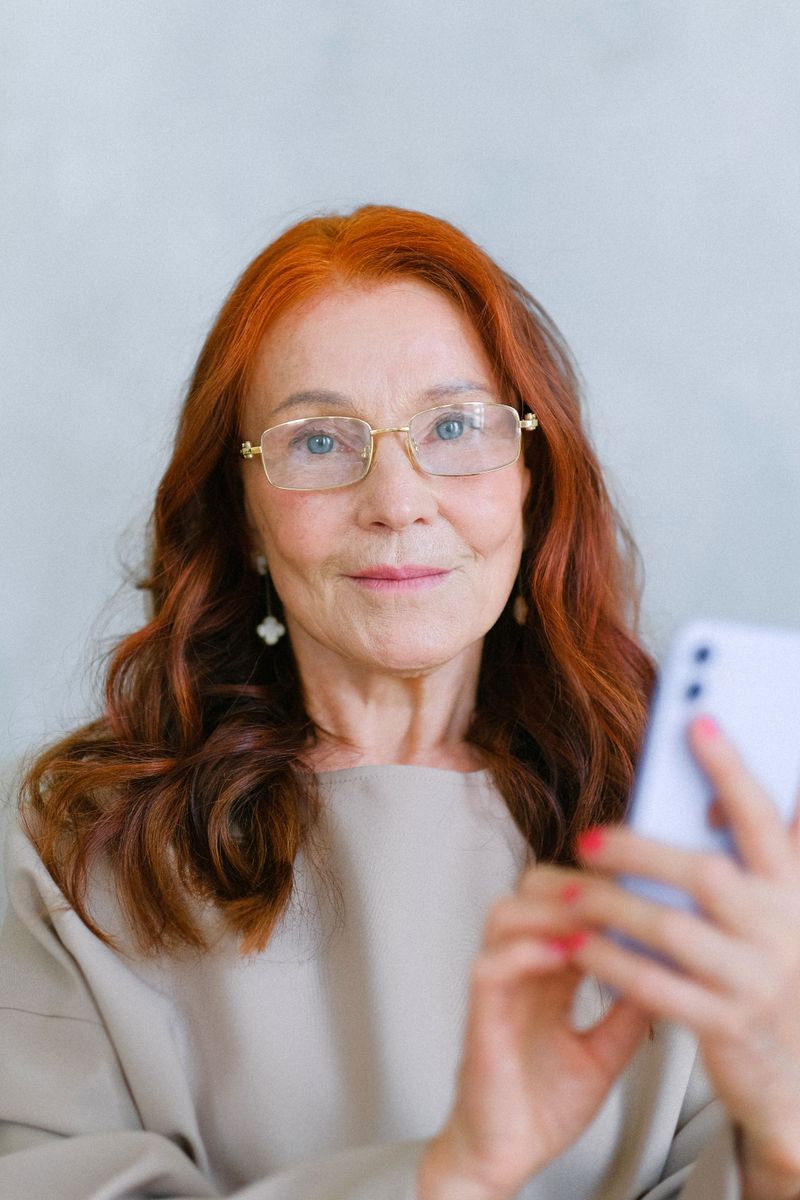
Notifications, password resets, app updates, and endless feeds can wear anyone out.
For many older women, the digital world starts to feel less like fun and more like a part-time job.
Keeping an online presence takes real effort.
Posting photos, replying to comments, and tracking what everyone else is doing adds up quickly.
Privacy concerns play a role too.
Women and older adults often care a lot about where their personal data ends up.
Stepping back can mean posting less, setting profiles to private, or deleting apps that no longer serve a purpose.
Some women keep one platform for family photos and drop the rest.
If you’re feeling overloaded, start with a quick cleanup.
Turn off nonessential notifications and review the privacy settings on your accounts.
Check who can see your posts, your birthday, and your location.
Small changes like these can cut down on both clutter and risk.
There’s no rule saying you have to share your breakfast, your vacation, or your new kitchen tiles with five hundred near-strangers.
A great dinner still counts, even if nobody online ever sees the photo.
8. Room for Reflection

Midlife has a funny habit of asking big questions at unexpected moments.
Who am I now, and what do I want next?
Many women spend more time looking back on what they’ve done and looking ahead at what’s left.
That kind of thinking usually needs quiet.
It’s hard to sort out your identity while juggling a packed calendar.
Private time gives you space to think without interruptions or advice you didn’t ask for.
Reflection can look different for different people.
Some women journal, some take long drives, and others just sit with a cup of tea and stare out the window.
You can make room for this without a major lifestyle change.
Block off twenty minutes a few times a week as thinking time.
Leave your phone in another room and let your mind wander.
Ideas, memories, and plans tend to surface when there’s finally some silence.
Friends might read this quieter phase as distance.
A simple explanation, like saying you’re taking some time to think things through, can keep relationships steady while you figure out your next chapter.
9. Discretion Feels Wise

Grandmothers have long passed down one piece of advice: not every thought needs to leave your mouth.
Plenty of women grow into that idea with age.
Life experience teaches what matters and what doesn’t.
That clarity makes it easier to skip gossip, avoid oversharing, and keep certain stories to yourself.
Discretion is about choosing carefully, not keeping secrets for fun.
Older women often become more selective about where they spend time and energy.
Being discreet can also make you a better friend.
People tend to trust someone who keeps confidences and doesn’t repeat what they hear.
One practical habit is to pause before sharing news, yours or someone else’s.
Ask whether the story is yours to tell and whether it helps anyone.
That short pause can prevent plenty of awkward moments.
It also gives you more control over how your own life gets talked about.
Wisdom like this rarely shows up overnight.
It usually comes from learning what happened after you said too much, then quietly deciding to save the best stories for the people who’ll treasure them.
10. Holding On to a Familiar Life
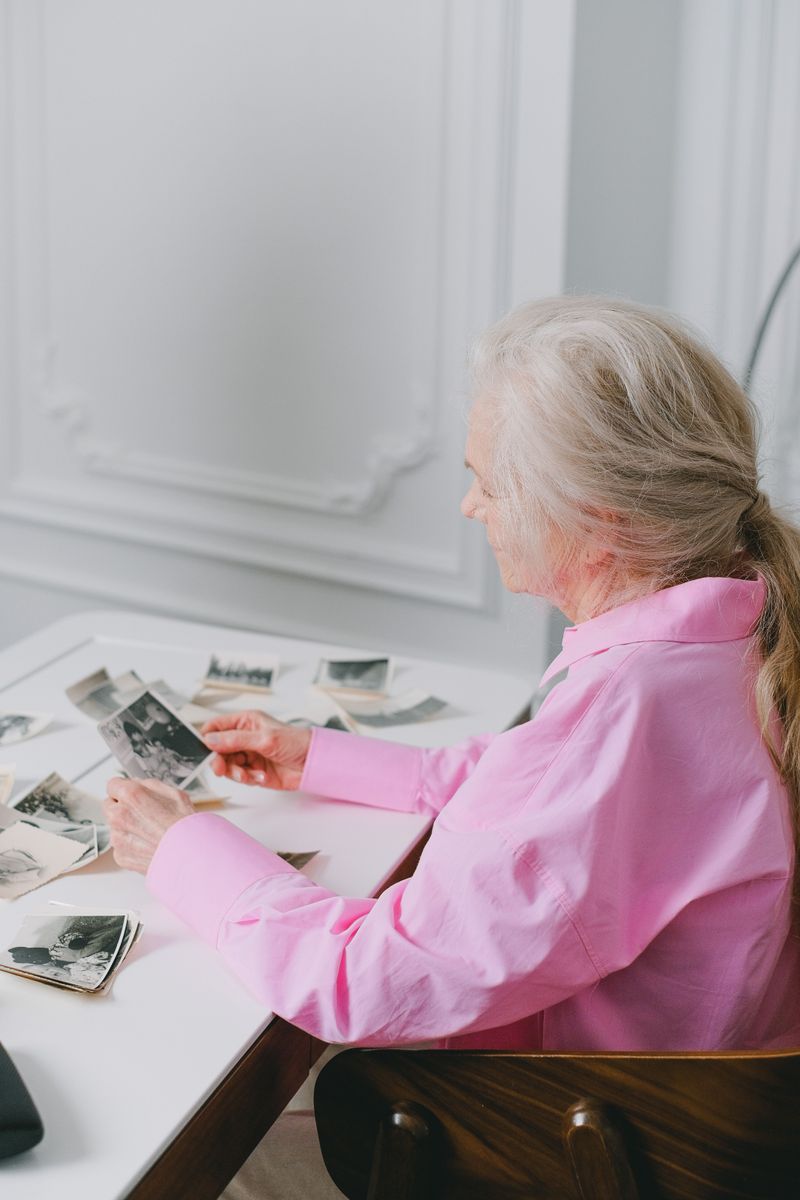
Framed photos on the mantel, a favorite chair, and a neighborhood walk taken for twenty years can mean a great deal.
For some older women, keeping that familiar life intact is a priority.
As bodies and circumstances change, people often want to preserve the identity they built.
Staying in a longtime home and continuing loved activities can help with that.
This focus on the familiar may reduce public social events.
A quiet routine at home might simply feel more meaningful than a crowded community gathering.
Memories play a big part.
Surrounding yourself with reminders of loved people and past chapters can feel grounding.
If you have an older relative who seems more private, try joining her routine instead of pulling her out of it.
Ask about the photos on the wall or help with a favorite recipe.
Showing interest in her world often opens more doors than pushing new plans.
It respects her choices while keeping you connected.
Of course, watch for real isolation or sudden changes, which may need attention.
Most of the time, though, a love of the familiar is just a woman knowing exactly where she belongs.
11. More Time for Personal Passions

That watercolor class, the novel half-written in a drawer, the language you swore you’d learn someday.
With age, ‘someday’ starts to look a lot more like now.
Recognizing that time is limited can sharpen priorities.
Many older women choose to spend their hours on interests they set aside for years.
Chasing a passion takes time and focus.
Cutting back on nonessential social plans is often the easiest way to find both.
This choice can look like privacy from the outside.
In reality, she may be busy learning piano, restoring furniture, or training for a charity walk.
If you want to start, pick one goal and give it a regular time slot.
Even two hours on a Saturday morning can build real progress over a few months.
Choose something that fits your budget and space, whether that’s library books, free online lessons, or a local community class.
Starting small makes it easier to stick with.
Friends may not hear from you as often, and that’s alright.
Someday they’ll ask where that painting on your wall came from, and you’ll get to say you made it yourself.