Some movies entertain you for a couple of hours and fade from memory, while others leave a lasting impression that can linger for years. Disturbing films have a unique way of getting under your skin, whether through unsettling imagery, psychological tension, shocking twists, or stories that explore the darkest sides of human nature. These aren’t always traditional horror movies, either. Sometimes, the most haunting experiences come from realistic dramas, psychological thrillers, and films that challenge your sense of comfort and morality.
What makes these movies so unforgettable isn’t necessarily the amount of violence or horror they contain, but the emotions and questions they leave behind. Some explore deeply uncomfortable subjects, while others create an atmosphere of dread that stays with you long after the credits roll. Whether you’re drawn to intense storytelling or simply curious about films that push emotional boundaries, these 16 disturbing movies are notoriously difficult to forget.
1. Requiem for a Dream
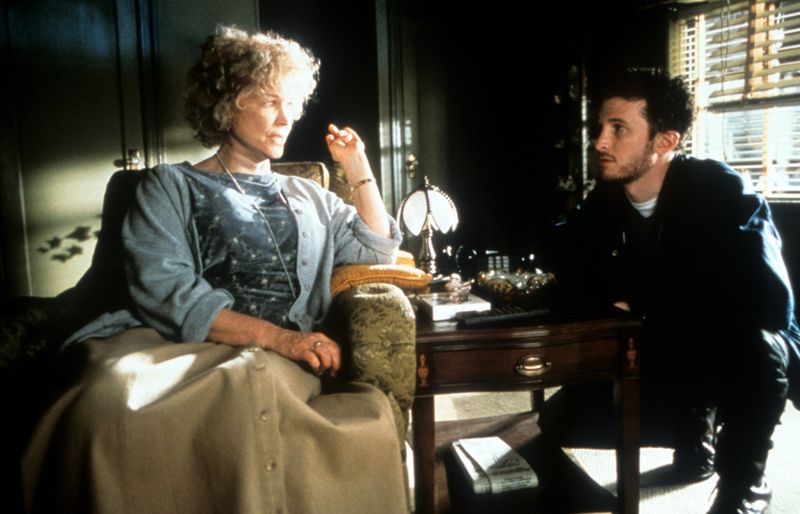
A refrigerator has never looked so threatening.
Darren Aronofsky’s 2000 drama follows four people in Brooklyn whose dreams slowly get swallowed by addiction.
Ellen Burstyn plays Sara Goldfarb, a lonely widow hoping to appear on her favorite game show.
Her performance earned an Oscar nomination for Best Actress, and it’s easy to see why.
Jared Leto, Jennifer Connelly, and Marlon Wayans round out the cast as the younger trio chasing quick money.
Their story starts with big plans and slides into something much darker each season.
The editing is a big part of the discomfort.
Aronofsky uses rapid-fire close-ups and split screens that make routines feel like traps snapping shut.
Then there’s the music.
Clint Mansell’s score, performed with the Kronos Quartet, includes the piece “Lux Aeterna,” which later showed up in countless trailers and online videos.
The film adapts Hubert Selby Jr.’s 1978 novel, and Selby co-wrote the screenplay with Aronofsky.
It was released unrated in the U.S. after receiving an NC-17 rating.
Watch it when you have a free evening and nowhere to be afterward.
You’ll probably want a walk outside, some sunlight, and a very boring sitcom once the credits roll.
2. Come and See
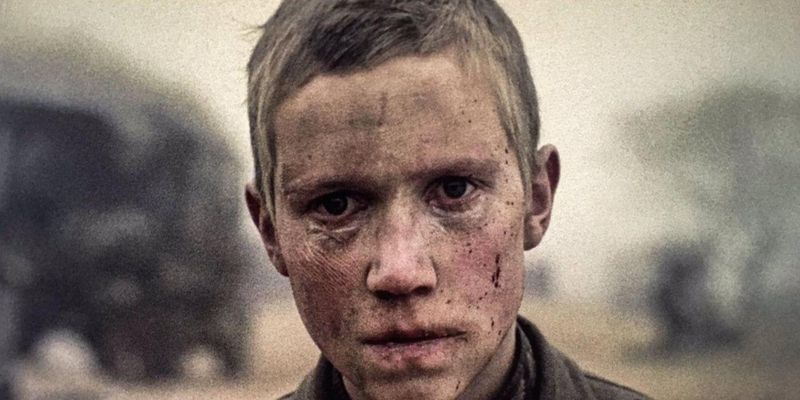
Few war movies age a face the way this one does.
Elem Klimov’s 1985 Soviet film follows Flyora, a teenage boy in Nazi-occupied Belarus in 1943.
Aleksei Kravchenko was a young teen when he played the role.
Over the course of the story, his face shifts from eager to hollow, and that change does more than any speech could.
Klimov co-wrote the script with Ales Adamovich, a Belarusian writer who drew on the history of villages destroyed during the occupation.
The result feels less like a plot and more like a nightmare you can’t step out of.
Sound plays a huge role.
After a bombing, the audio turns into a muffled ringing, so you experience the confusion right alongside Flyora.
Klimov never directed another feature after this one.
That fact alone tells you how much the film took out of the people who made it.
Go in prepared, because this is heavy viewing with long, quiet stretches and brutal moments.
Many film fans call it the most powerful war movie ever made, and that’s an opinion worth testing yourself.
Pick a day when you can sit with it afterward.
You won’t want to jump straight into something else.
3. Hereditary
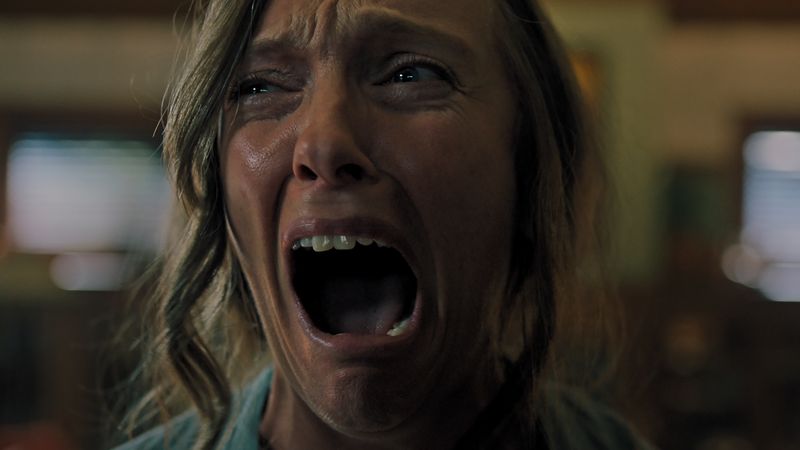
Grief gets turned into a dollhouse here, quite literally.
Toni Collette plays Annie Graham, an artist who builds detailed miniature rooms based on her own family’s life.
Ari Aster’s 2018 debut feature, released by A24, begins after the passing of Annie’s secretive mother.
From there, the Graham household starts cracking in ways nobody expects.
Gabriel Byrne plays the calm husband trying to hold things together.
Alex Wolff and Milly Shapiro play the two kids, and Shapiro’s tongue click became one of the film’s most talked-about sounds.
What makes it so rattling is how real the family arguments feel.
A dinner-table blowup between Annie and her son lands harder than many of the supernatural scenes.
Aster also loves visual tricks.
The camera often frames real rooms so they look like Annie’s miniatures, which makes the family seem like pieces being moved around.
Skip the trailers if you can, because the first act has a jolt best seen cold.
Fans of slow-building horror tend to appreciate how patient the story is.
Collette’s performance alone justifies the ticket.
Just maybe don’t watch it the night before a family reunion.
4. Grave of the Fireflies
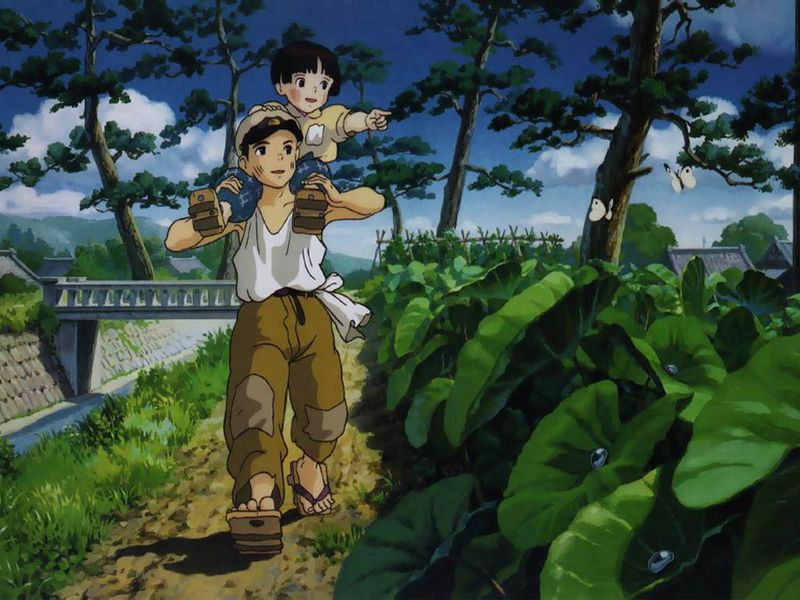
A small tin of fruit drops carries more heartbreak than most entire movies.
Isao Takahata’s 1988 Studio Ghibli film follows teenage Seita and his little sister Setsuko in Kobe near the end of World War II.
Remember that double bill from the introduction?
Grave of the Fireflies originally screened in Japan alongside My Neighbor Totoro, which makes for a wild emotional whiplash.
The story comes from Akiyuki Nosaka’s 1967 semi-autobiographical short story.
Nosaka drew on his own wartime losses, and that personal weight shows in the small, everyday details.
Nothing in the film relies on monsters or jump scares.
The disturbing part is watching two kids try to survive while adults around them shrug and move on.
Setsuko is drawn with toddler-like energy, giggling at fireflies and playing with her doll.
Those tender moments make the harder scenes almost unbearable.
Animation sometimes gets labeled as kids’ stuff, but this is not a light family pick.
Older children might handle it with a parent nearby to talk through the history.
Keep tissues close and plan for a quiet evening.
Plenty of viewers say they’ve watched it once and never had the nerve to try again.
5. Funny Games
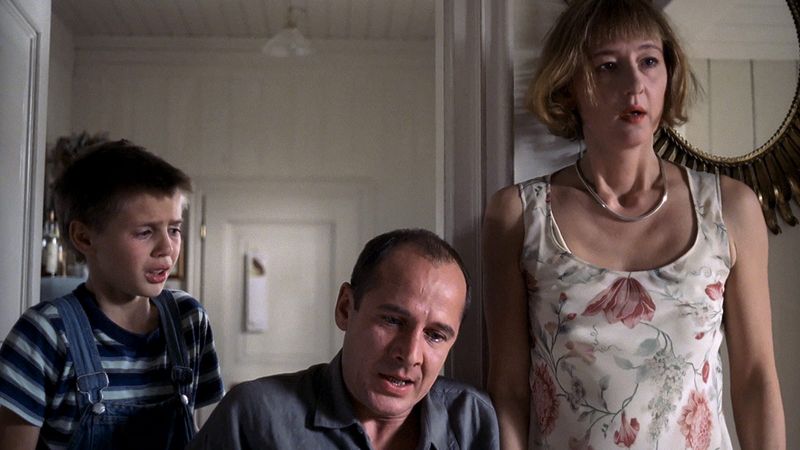
Two polite young men in crisp white outfits ask to borrow some eggs.
That’s how Michael Haneke’s thriller begins, and it gets colder from there.
Haneke first made Funny Games in Austria in 1997.
Ten years later, he directed a nearly shot-for-shot English-language remake starring Naomi Watts, Tim Roth, and Michael Pitt.
The setup is simple: a family arrives at their lake house and two visitors take them hostage.
What sets it apart is how the film treats you, the viewer.
One of the intruders occasionally turns and talks straight into the camera.
He winks, asks questions, and makes it clear the audience is part of the game.
Haneke has openly described the movie as a challenge to people who enjoy screen violence as entertainment.
Whether you think that message works or feels preachy is a fun debate after viewing.
Much of the worst action happens offscreen, so the dread comes from waiting and listening.
Long, unbroken shots make you sit in uncomfortable moments well past the point where most films would cut away.
Choose either version, since the stories match closely.
Just know the title is pure irony, and nobody involved is laughing.
6. Audition
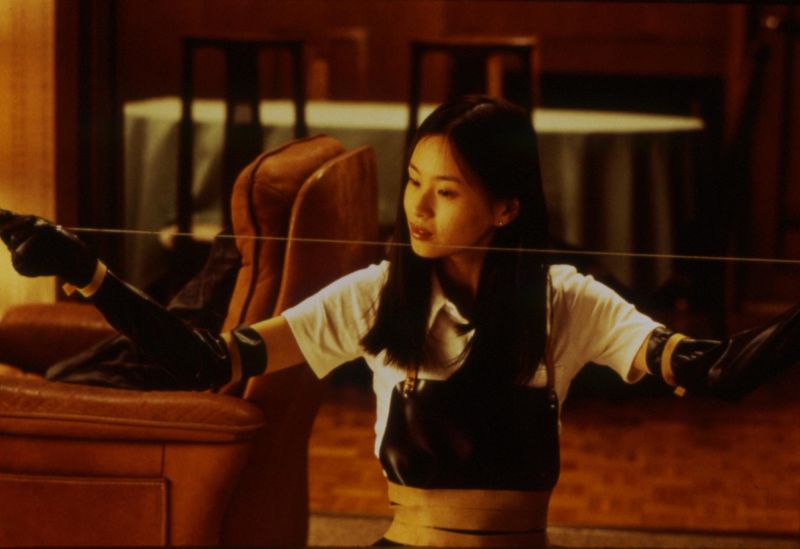
For about half its running time, Takashi Miike’s 1999 film plays like a gentle romance.
Then it absolutely does not.
Shigeharu Aoyama is a widower in Tokyo whose son encourages him to start dating again.
A film producer friend suggests holding a fake casting call so Aoyama can meet women.
He becomes smitten with Asami, played by Eihi Shiina, a shy former ballet dancer.
Her quiet manners seem perfect, but her background checks keep leading to empty rooms.
The movie is based on a novel by Ryu Murakami.
Miike, famous for working at a startling pace, directed several projects that same year.
The slow start is the secret weapon.
By the time the tone shifts, you’ve settled in so comfortably that the final act feels like a trapdoor opening.
One shot of Asami sitting motionless beside a phone has become a favorite among horror fans.
It’s simple, silent, and somehow worse than any loud scare.
Be warned that the last stretch is graphic and hard to watch.
If you can handle it, you’ll understand why so many viewers mention this one as a turning point in Japanese horror.
7. Eraserhead
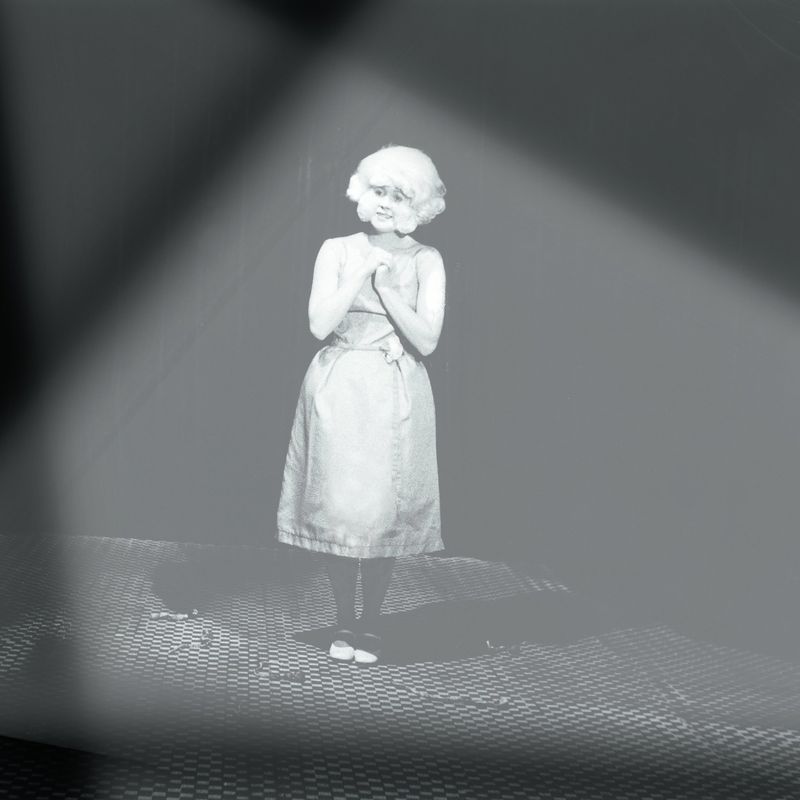
Picking a favorite weird detail here is like choosing a favorite flavor of static.
David Lynch’s first feature, released in 1977, is a black-and-white puzzle that still baffles audiences.
Jack Nance plays Henry Spencer, a nervous man with towering hair living in a grim industrial city.
After learning he’s a father, he ends up caring for a strange, constantly crying infant.
Lynch shot much of the film while studying at the American Film Institute.
Production stretched across several years, partly because money kept running out.
Sound is where the movie gets under your skin.
Lynch and sound designer Alan Splet layered hissing pipes, rumbles, and hums that rarely let up.
Then there’s the Lady in the Radiator, a puffy-cheeked singer performing a tune called “In Heaven.” She’s both sweet and deeply odd, which describes the whole film pretty well.
Eraserhead found its audience on the midnight-movie circuit, where it played for years.
Lynch famously kept the baby’s construction a secret, and fans still argue about it.
Treat it more like a dream than a story.
You don’t need to solve it, but you’ll probably think about it at strange times for weeks.
8. Threads
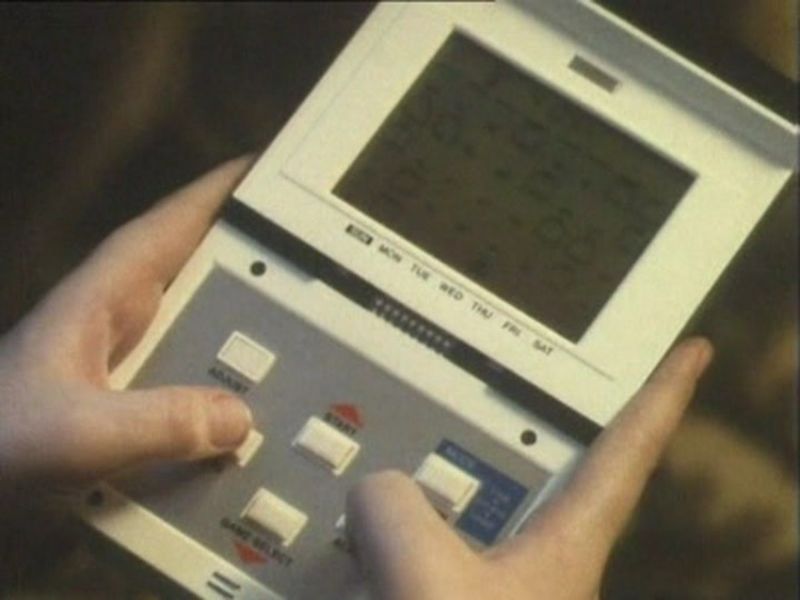
Made for British television in 1984, Threads still rattles people who discover it decades later.
The BBC film imagines a nuclear attack and its long aftermath in Sheffield, England.
Mick Jackson directed, and the script came from Barry Hines, the writer behind the novel that inspired the classic film Kes.
Their goal was realism rather than spectacle.
The story centers on Ruth and Jimmy, a young couple dealing with an unexpected pregnancy.
Their ordinary worries feel small and relatable right before the world changes.
Plain on-screen captions pop up throughout, listing facts like times, temperatures, and supply levels.
That dry, documentary style makes the events feel like a report instead of a movie.
The film doesn’t stop after the blast.
It keeps moving forward through months and years, showing how society, farming, and even language could fall apart.
Low-budget effects might look dated now, but that barely matters.
The calm delivery is what keeps viewers awake at night.
Watch it if you’re curious about Cold War history and how the 1980s pictured its biggest fear.
Afterward, a cheerful cartoon might be the best follow-up you can find.
9. Dancer in the Dark
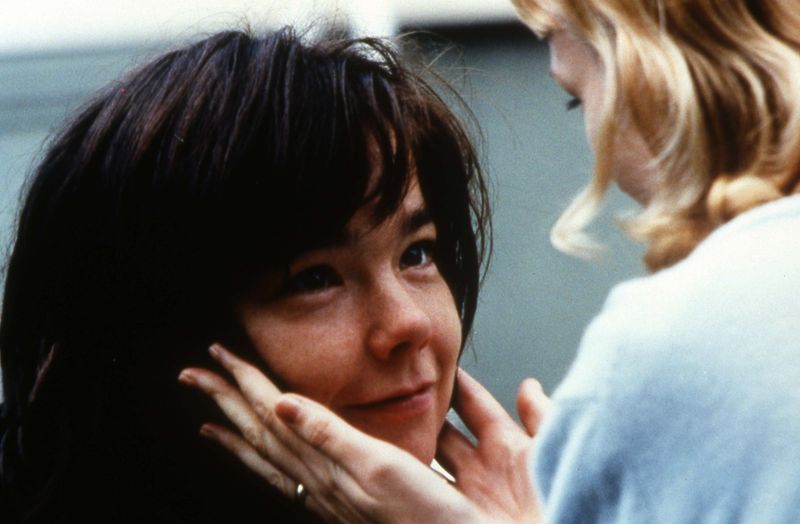
Musicals usually send you home humming.
Lars von Trier’s 2000 film sends you home staring at the ceiling.
Björk plays Selma, a Czech immigrant working in a factory in 1960s Washington state.
She’s gradually losing her eyesight and secretly saving money so her son can avoid the same fate.
To escape her hard life, Selma daydreams in song.
Factory machines and train wheels become rhythm tracks, and those fantasy sequences burst into color and choreography.
Von Trier shot the musical numbers using around a hundred small digital cameras placed around the set.
The rest of the film uses shaky handheld footage, so the contrast is striking.
Catherine Deneuve co-stars as Selma’s loyal friend Kathy.
The film won the Palme d’Or at Cannes, and Björk took home the festival’s Best Actress award.
Her song “I’ve Seen It All” also earned an Oscar nomination.
Thom Yorke of Radiohead sings on the album version.
Without spoiling anything, the ending is among the most crushing in modern film.
Fans of Björk’s music will appreciate the soundtrack, but expect the story to leave a mark that no catchy melody can erase.
10. Oldboy
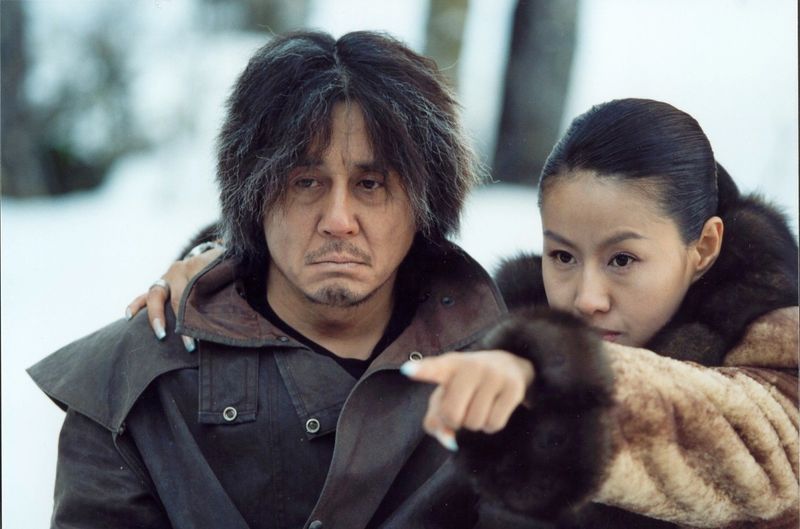
Fifteen years locked in a hotel-style room, with no explanation.
That’s what happens to Oh Dae-su in Park Chan-wook’s 2003 South Korean thriller.
Choi Min-sik plays Dae-su, an ordinary guy who suddenly gets released and has only days to figure out who imprisoned him.
The search gets twistier and much darker than you’d guess.
The film won the Grand Prix at the 2004 Cannes Film Festival.
Quentin Tarantino led that year’s jury and became one of its loudest champions.
Action fans still talk about the hallway fight.
Dae-su battles a crowd of attackers with a hammer in one long sideways tracking shot, with no obvious cuts.
Choi also ate a live octopus on camera for one scene.
It’s a strange, squirmy moment that tells you right away this movie plays by its own rules.
Oldboy is the middle chapter of Park’s loosely connected Vengeance Trilogy.
Spike Lee directed an American remake in 2013, though the original remains the more celebrated version.
Avoid reading plot summaries before watching.
The final reveal is the reason this one lingers, and you’ll want to experience it without warning.
11. Possession
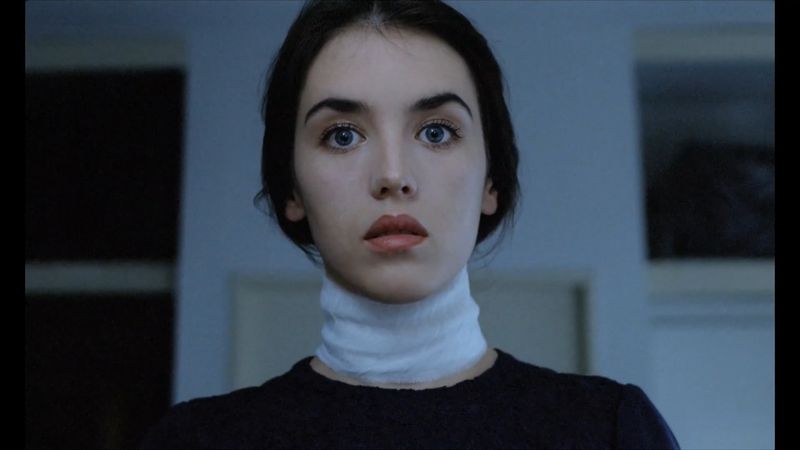
Breakups are messy, but Andrzej Żuławski’s 1981 film turns one into full-blown cosmic horror.
It’s set in West Berlin, with the Wall looming just outside the apartment windows.
Sam Neill plays Mark, a man returning from a mysterious job to find his wife Anna wants out.
Isabelle Adjani plays Anna, and her performance is pure, wild intensity.
Adjani won Best Actress at the 1981 Cannes Film Festival, sharing the prize for her work that year.
One scene in a subway tunnel is so physical and frantic that it’s hard to believe it was acted.
The camera rarely sits still.
It swoops, circles, and pushes in close, which keeps you just as off-balance as the characters.
Creature effects came from Carlo Rambaldi, who also worked on E.T. the Extra-Terrestrial.
That’s a fun bit of trivia, given how differently the two movies turned out.
For years, Possession was hard to find in its full form, especially in the U.S., where a heavily cut version was released.
Restored editions have since helped new audiences discover it.
Go in expecting emotional chaos rather than a tidy plot.
It’s loud, strange, and unlike anything else on this list.
12. The Zone of Interest
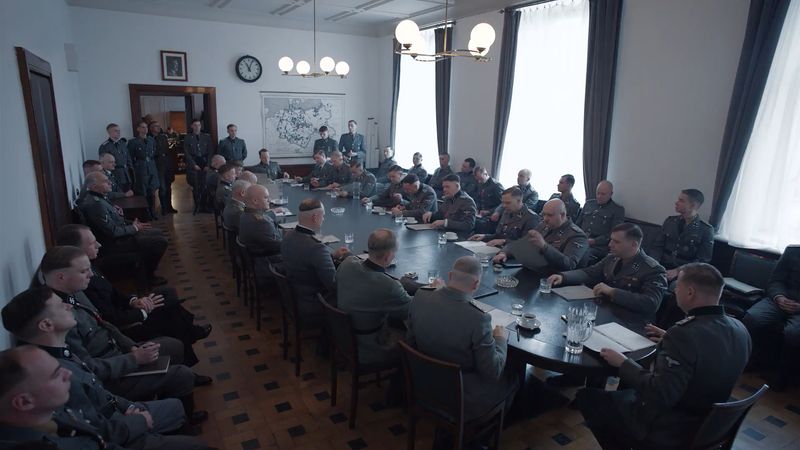
Kids splash in a pool and a mother proudly tends her flower garden.
Just over the wall stands Auschwitz.
Jonathan Glazer’s 2023 film follows Rudolf Höss, the camp’s commandant, and his wife Hedwig as they build their dream home next door.
Christian Friedel and Sandra Hüller play the couple.
Glazer loosely adapted Martin Amis’s novel but shifted the focus to the real Höss family.
The camp’s horrors stay almost entirely offscreen.
Instead, you hear them.
Distant sounds drift into the background of birthday parties and garden chats, and the family barely seems to notice.
That sound design won the Oscar for Best Sound.
The film also won Best International Feature Film for the United Kingdom, plus the Grand Prix at Cannes.
Glazer’s crew placed multiple fixed cameras around the house, and the actors often performed without a crew nearby.
The result feels like watching through security footage.
Mica Levi’s sparse score bookends the movie with unnerving sound.
Watching it can feel uncomfortable in a way that’s hard to describe, since nothing on screen looks violent.
Give yourself time afterward to think.
Ordinary chores have rarely felt this chilling.
13. The Vanishing
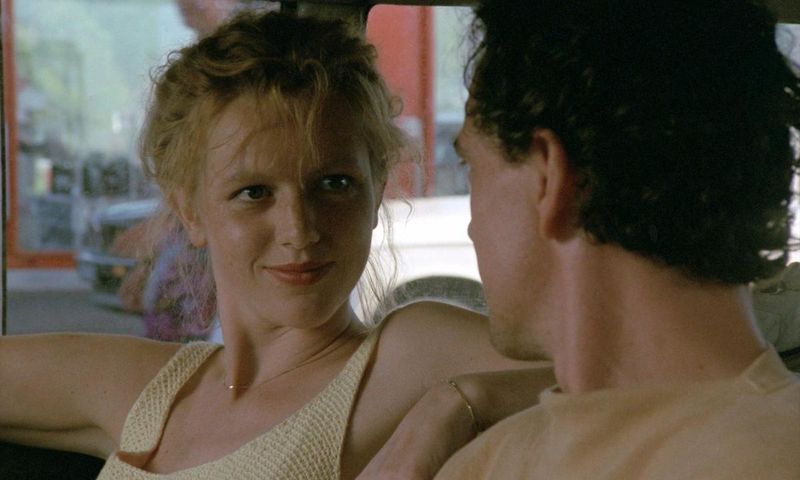
A quick stop at a busy gas station should be the most forgettable part of a road trip.
In this 1988 Dutch-French thriller, it’s where everything goes wrong.
Rex and Saskia are a young Dutch couple vacationing in France.
Saskia steps away to grab drinks and simply never comes back.
George Sluizer directed the film, known in Dutch as Spoorloos.
It’s based on Tim Krabbé’s novella The Golden Egg, and Krabbé helped write the screenplay.
The twist in structure is bold.
Early on, the movie shows you the man responsible, a mild-mannered chemistry teacher played by Bernard-Pierre Donnadieu.
So the suspense isn’t about who did it.
It’s about Rex’s years-long obsession with learning what happened, and how far he’ll go for an answer.
Sluizer remade the story in Hollywood in 1993 with Jeff Bridges, Kiefer Sutherland, and Sandra Bullock.
That version changed the ending to something more audience-friendly, and the original remains far more respected.
Stick with the 1988 version for the full effect.
The final minutes are quiet, simple, and absolutely chilling, especially for anyone who struggles with tight spaces.
14. Dogtooth
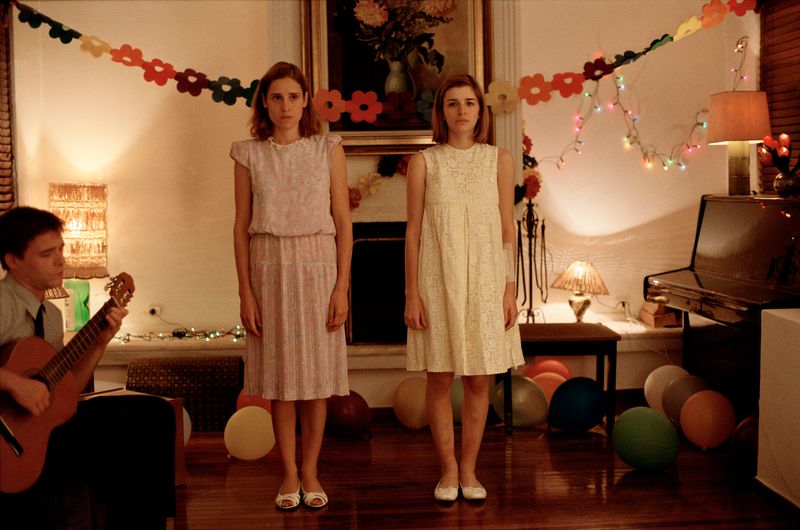
In one family’s house, the word “sea” means a leather armchair.
Yorgos Lanthimos built a whole disturbing world out of rules like that.
His 2009 Greek film follows a couple who keep their three grown children isolated behind a tall fence.
The kids have never left home and believe whatever their parents tell them.
They’re taught that airplanes overhead are toys that sometimes fall into the yard.
Cats are presented as terrifying monsters, and the outside world is described as deadly territory.
The humor is bone-dry, which makes the whole thing harder to shake.
You laugh at one odd moment and feel uneasy about it a second later.
Dogtooth won the Prix Un Certain Regard at Cannes in 2009.
It later earned an Oscar nomination for Best Foreign Language Film.
Lanthimos went on to make The Favourite and Poor Things, and his flat, deadpan style shows up early here.
If you liked those movies, this is a chance to see where that approach started.
Fair warning: some scenes are graphic and sexually explicit.
Afterward, you may find yourself thinking about how much of what you know came from what you were told.
15. The Thing
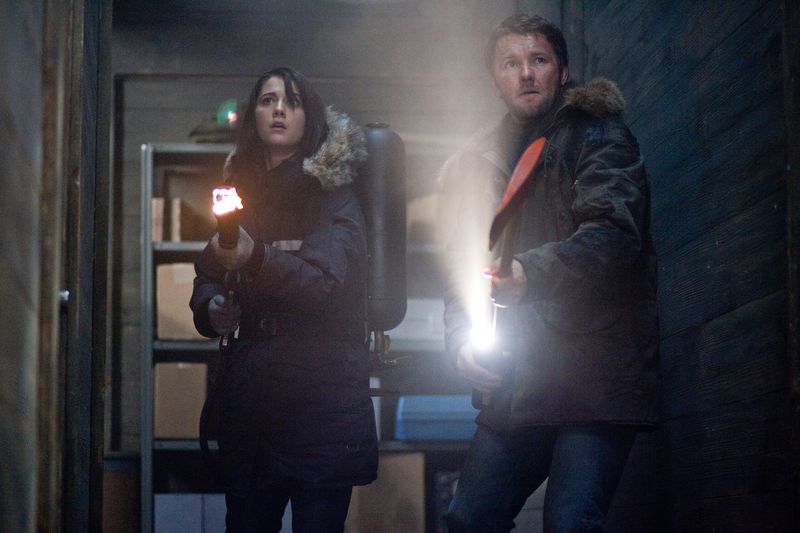
Trust issues have never looked so slimy.
John Carpenter’s 1982 horror film traps a team of researchers at an Antarctic station with a creature that can imitate any living thing.
Kurt Russell plays MacReady, a helicopter pilot trying to figure out who’s still human.
The paranoia grows so fast that the men end up as scared of each other as of the creature.
Rob Bottin designed the practical effects, and they remain jaw-dropping.
Heads sprout legs and bodies split open in ways that still look shockingly real.
Ennio Morricone composed the score, which thumps along like a slow, nervous heartbeat.
It suits the icy isolation perfectly.
The story comes from John W. Campbell’s novella Who Goes There?
It was also loosely adapted earlier as The Thing from Another World in 1951.
Surprisingly, Carpenter’s version flopped in theaters and got rough reviews.
It opened a couple of weeks after E.T., when audiences seemed to prefer friendlier aliens.
Time has been kind, and it’s now a celebrated sci-fi horror classic.
Pay close attention during the blood test scene, because it ranks among the tensest moments in film.
16. Prisoners
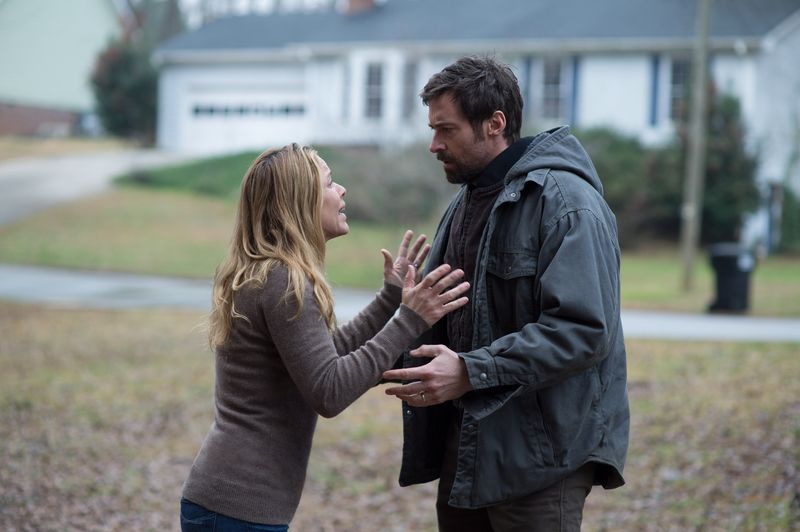
Thanksgiving starts out happy for two neighboring families in Pennsylvania.
By evening, their young daughters have gone missing.
Denis Villeneuve’s 2013 thriller stars Hugh Jackman as Keller Dover, a father who refuses to wait for police answers.
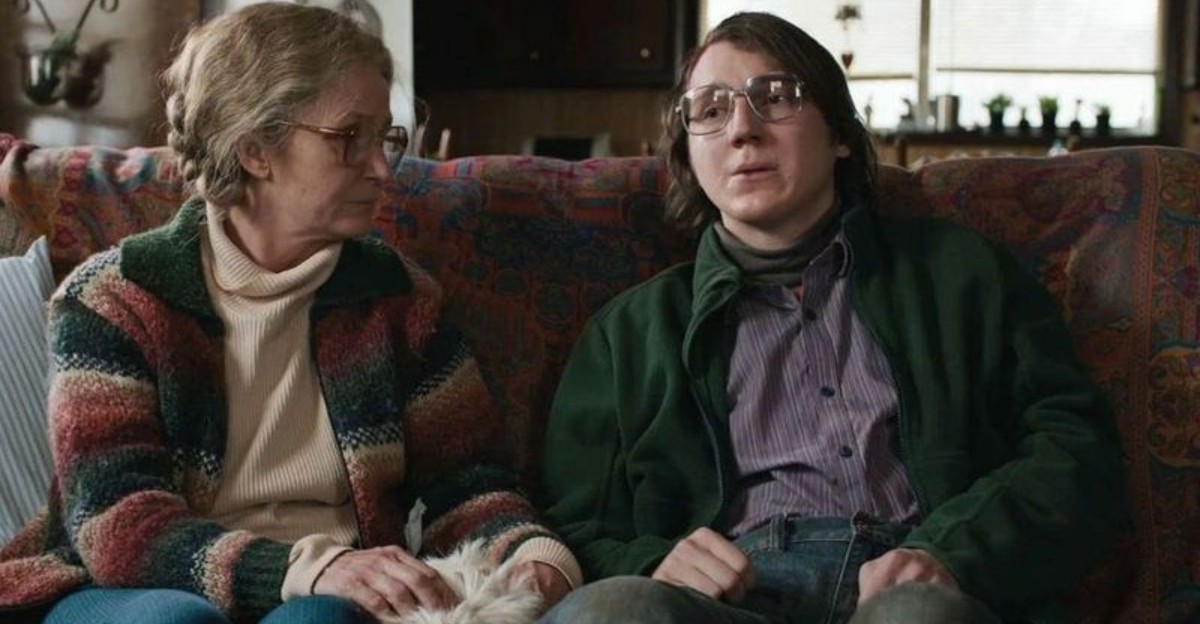
Jake Gyllenhaal plays Detective Loki, a quiet investigator with a nervous blink and no patience for interference.
Paul Dano plays Alex Jones, the main suspect, who seems unable to explain much of anything.
Keller decides to take matters into his own hands, and the film asks how far a desperate parent should go.
That question is the truly disturbing part.
You might side with Keller at first, then feel uneasy watching his choices pile up.
Roger Deakins handled the cinematography and earned an Oscar nomination for it.
His grey skies, steady drizzle, and dim basements make the whole town feel soaked in worry.
Viola Davis, Terrence Howard, Maria Bello, and Melissa Leo round out a strong supporting cast.
The running time is around two and a half hours, so plan accordingly.
Watch closely for small clues, like mazes and a certain whistle.
The last scene leaves one detail hanging, and it’ll stick with you for days.