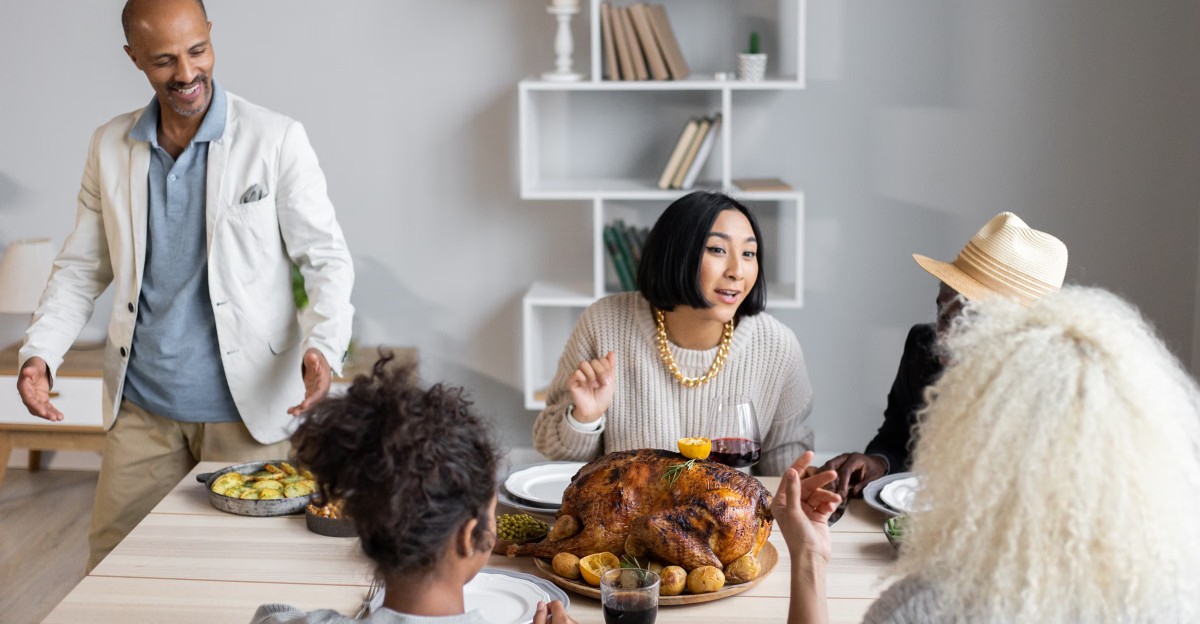
Thanksgiving is supposed to be a time for gratitude, good food, and enjoying the company of family and friends. However, even the most carefully planned gatherings can become uncomfortable when certain behaviors make guests feel unwelcome or out of place. From awkward dinner conversations to unexpected social pressure, seemingly small actions can quickly change the atmosphere around the table. While most hosts and guests have good intentions, not everyone realizes how their words or habits might affect the people around them.
The tricky thing about Thanksgiving etiquette is that what feels perfectly normal to one person can be surprisingly uncomfortable for someone else. A harmless joke, an intrusive question, or an insistence on following family traditions can leave guests wishing they were somewhere else. Creating a welcoming holiday atmosphere often comes down to being mindful of how others feel. Here are 10 Thanksgiving behaviors that can make guests uncomfortable, even when nobody intends to cause offense.
1. Serving Undercooked Turkey
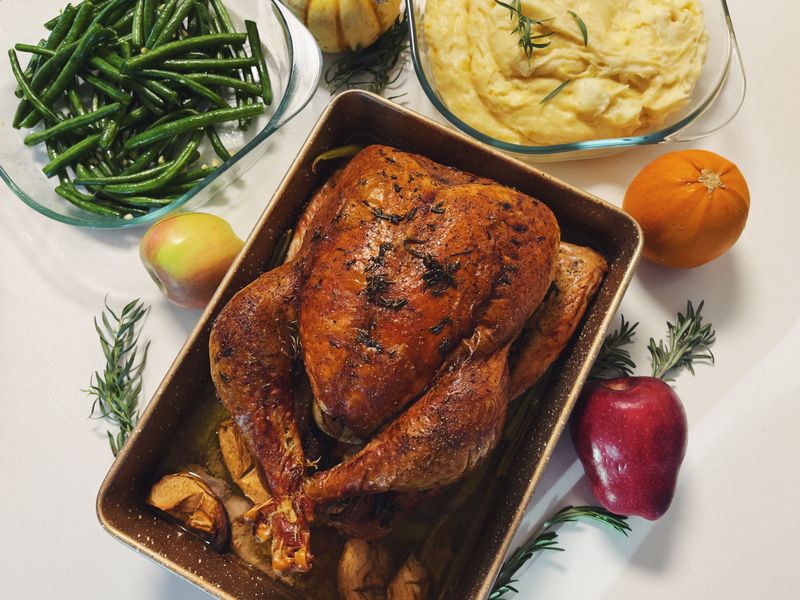
Pink juices near the bone can silence a dinner table faster than a political rant.
Guests want to be polite, but nobody wants to gamble with their stomach.
That tension can sit over the meal like a heavy cloud.
The fix is refreshingly simple and costs very little.
A food thermometer tells you more than the clock, the pop-up timer, or the color of the skin.
The USDA lists 165 degrees Fahrenheit as the safe temperature, checked in the innermost part of the thigh, the wing, and the thickest part of the breast.
Thawing matters too.
A frozen bird needs about 24 hours in the refrigerator for every 4 to 5 pounds, so a 20-pound turkey needs several days.
Starting late often leads to a rushed roast with a chilly center.
Stuffing deserves its own attention.
Cooking it in a separate dish makes it easier to heat thoroughly, and it gives you more crispy edges anyway.
If you do stuff the bird, the stuffing also needs to reach 165 degrees.
Leftovers count as part of the meal.
Get them into the fridge within two hours so tomorrow’s sandwiches are something to look forward to, not something to worry about.
2. Ignoring Dietary Restrictions
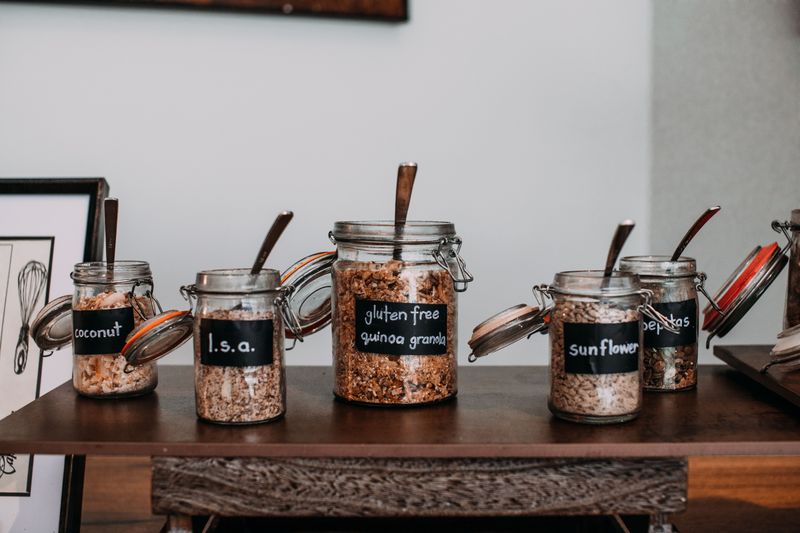
A guest with a peanut allergy staring at a table full of pecan-topped everything is having a very different holiday than everyone else.
Hunger is part of it.
Feeling forgotten is the bigger part.
Some restrictions are about taste, but many are about health.
Celiac disease, serious allergies, and religious food rules are not things a guest can simply set aside for one afternoon.
Expecting someone to pick around the problem puts the burden on the wrong person.
A quick question when you send the invitation solves most of this.
Something like asking whether anyone has allergies or foods they skip feels thoughtful, not nosy.
Once you know, you can plan one or two dishes that work for those guests.
Labels help more than you might expect.
A small card that says gluten-free or contains nuts saves people from interrogating you while you’re juggling hot pans.
It also keeps cross-contact in mind, so separate serving spoons become a habit.
Guests can pitch in as well.
If your needs are complicated, offering to bring a dish you know is safe takes pressure off the host.
That small move often turns an awkward plate into a full one.
3. Bringing an Uninvited Plus-One
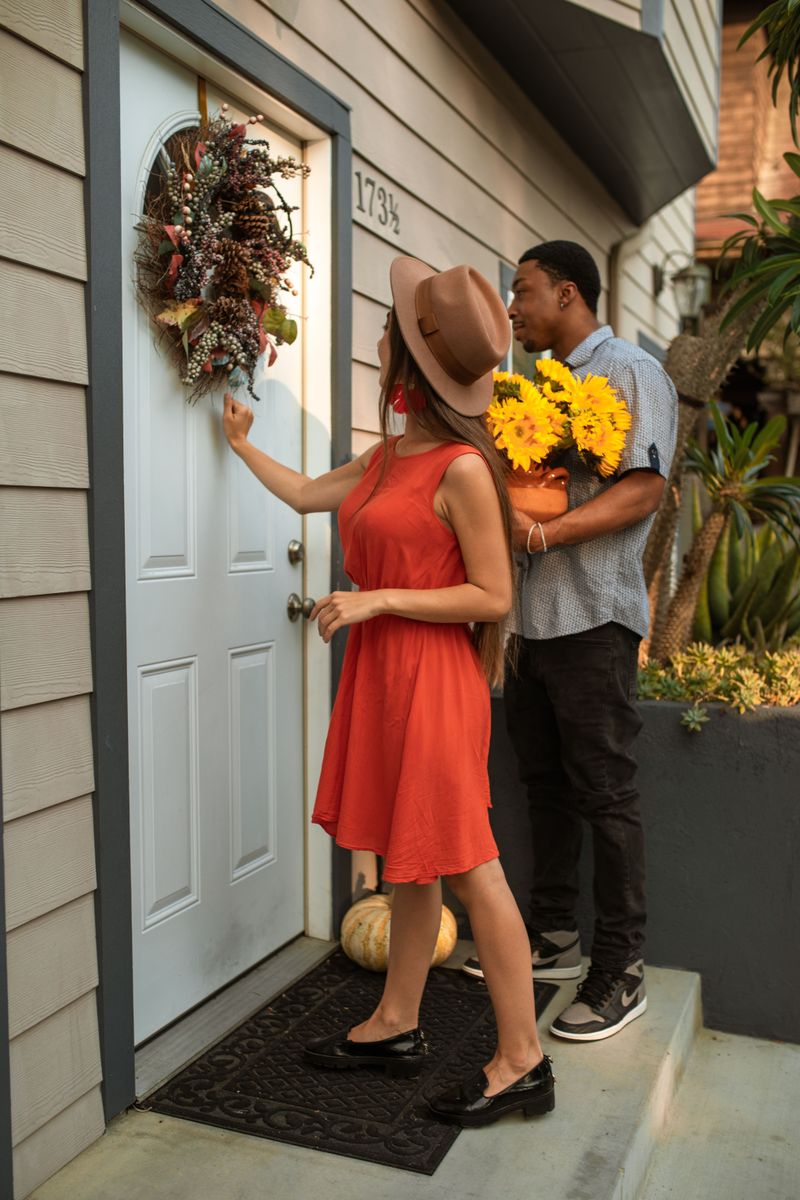
The doorbell rings, and suddenly the head count jumps by one.
Your host smiles, but somewhere behind that smile, they’re mentally counting chairs and dinner rolls.
Thanksgiving planning often runs on careful math.
Hosts figure out how many pounds of turkey to buy, how many plates to set, and who can sit near whom.
One surprise guest can throw off that whole plan, even if the newcomer is delightful.
The newcomer may feel awkward too.
Nobody enjoys being the reason someone scrambles for a folding chair from the garage.
A pleasant evening can start with an apology instead of a hug.
Asking first fixes nearly every part of this problem.
A short text a week or two ahead gives your host room to say yes, adjust the menu, or kindly explain that space is tight.
Hearing no is fine, and it’s far better than a tense moment on the porch.
If a plus-one is approved, help out a little.
Bring an extra side or dessert to cover the added appetite.
Your host will remember that gesture long after the dishes are washed and the leftovers are gone.
4. Starting Heated Debates
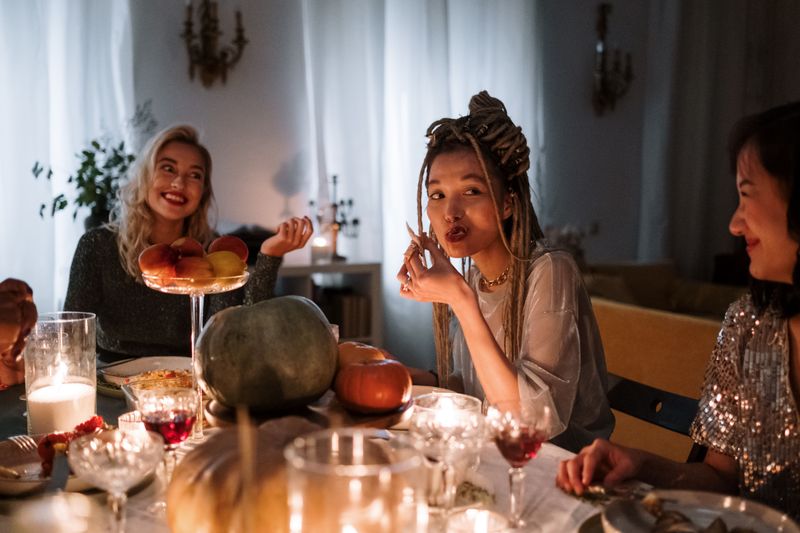
Mashed potatoes are supposed to be the thickest thing on the table, not the tension.
Yet one sharp comment about politics or an old family grudge can change the whole mood in seconds.
Big holiday tables often mix generations, beliefs, and backgrounds.
That variety can be wonderful, but it also means strong opinions are sitting elbow to elbow.
Guests who just wanted dinner may suddenly feel stuck in a debate they never signed up for.
Keeping things lighter doesn’t mean pretending nobody has views.
It just means picking a better moment than a shared meal where people can’t easily leave.
Topics like favorite holiday recipes, recent movies, travel plans, or funny childhood stories give everyone a way in.
Hosts can steer gently without sounding like a referee.
A simple question, like who wants seconds or who remembers the year the pie slid off the counter, can shift the conversation.
Humor works well here, as long as nobody becomes the punchline.
Guests have a role too.
If someone pokes at you, a calm reply like let’s save that one for another day keeps the peace.
You still get to hold your opinion, and everyone gets to finish dessert.
5. Never Offering to Help

Somewhere in America, a host is basting a turkey, stirring gravy, and refilling water glasses while a cousin naps on the couch.
That picture is funny until you’re the one holding three hot dishes at once.
Guests who never lift a finger can leave a host feeling more like staff than family.
Most hosts won’t say a word about it.
They’ll just quietly run out of steam by pie time.
On the other side sits the over-helper.
This guest rearranges the fridge, questions the seasoning, and takes over the stove without being asked.
That can feel just as uncomfortable, because it hints that the host can’t manage their own kitchen.
The sweet spot is a specific offer.
Asking whether you can clear plates, fill glasses, or set out the rolls gives the host an easy yes or no. Vague offers like let me know if you need anything often go unanswered in the chaos.
If the host turns you down, respect it.
Try again after dinner, when cleanup is in full swing.
Drying dishes or wrapping leftovers is a low-key way to say thanks without stepping on any toes.
6. Showing Up Empty-Handed
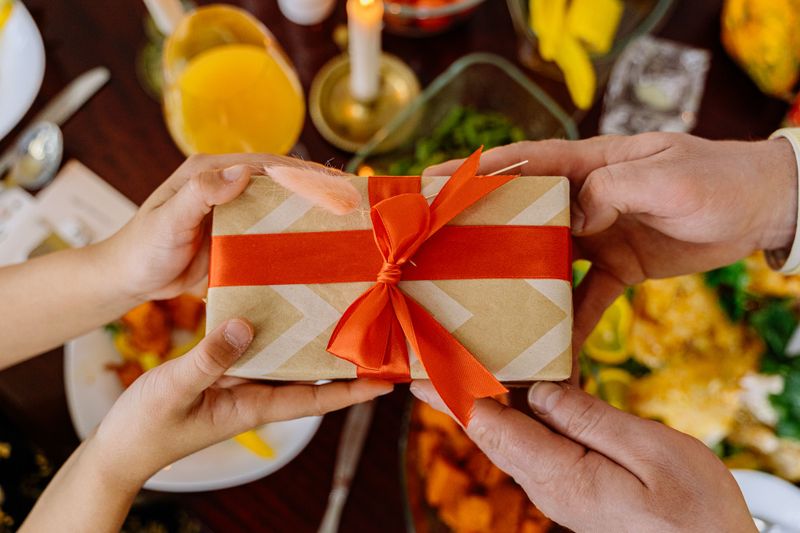
Walking in with nothing but an appetite can feel strange, even when the host said not to bring anything.
Many people still like to show up with a small thank-you in hand.
The gift doesn’t need to be fancy.
A small plant, a box of chocolates, a loaf of bread, or nice coffee for the next morning all send the same message.
You noticed the work, and you appreciate the invite.
Timing matters with food gifts.
Handing over a dish that needs oven space at the last minute can create a traffic jam in a busy kitchen.
Treats that are ready to serve, or meant for later, are easier on everyone.
If you were asked to bring a specific side, that usually counts as your contribution.
Bring it in a container you don’t need back, or one you’re happy to leave behind.
Hosts already have plenty of dishes to track down after the holiday.
A handwritten note is another option, especially if money is tight.
A few kind lines about why you enjoy their table cost almost nothing.
That card may end up stuck to the fridge long after the chocolates are gone.
7. Scrolling Through Dinner
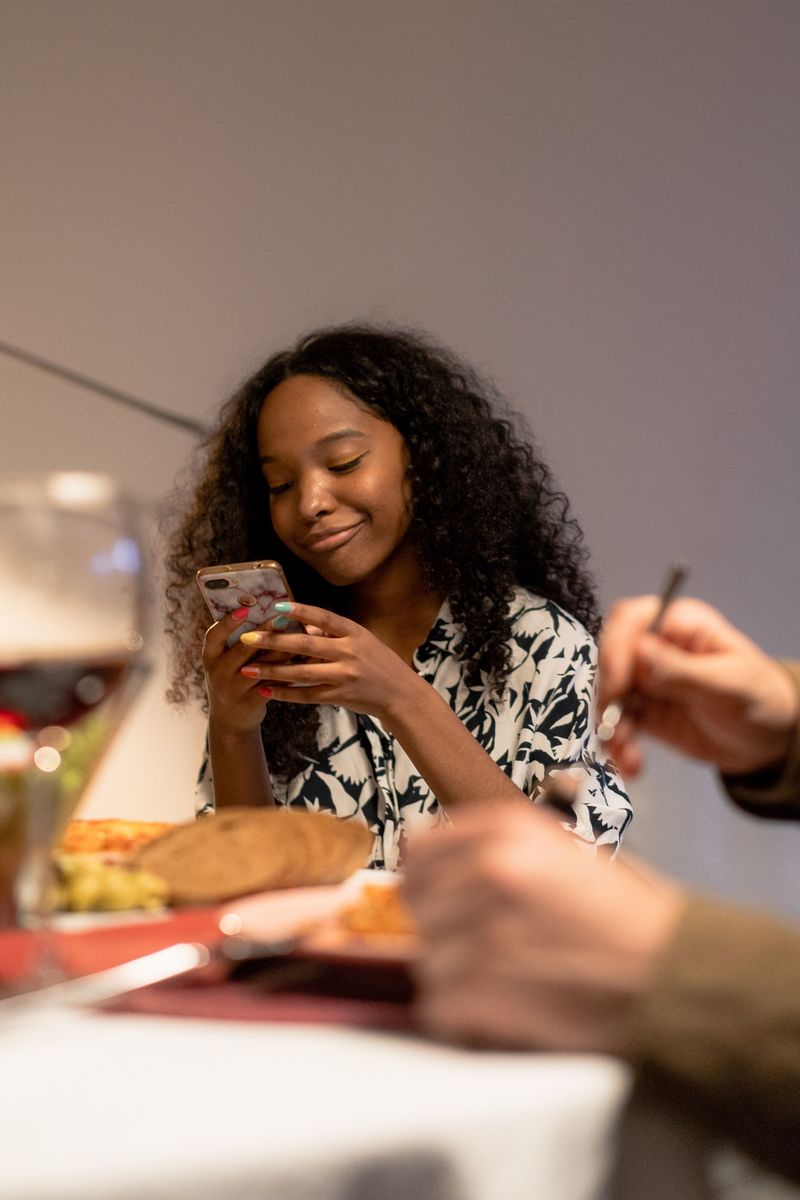
Few things deflate a story faster than watching the listener check notifications halfway through.
At the dinner table, that glowing screen can feel like a little wall between people.
Phones aren’t the villain here.
People take photos of the turkey, video call relatives who couldn’t make it, or check on a sick pet at home.
The problem starts when the scrolling never stops and nobody across the table gets eye contact.
One easy idea is a phone basket near the door or on a side table.
It keeps devices close for emergencies but out of hands during the meal.
Hosts can present it as a fun rule rather than a lecture.
Television can cause a similar issue.
Football is a real Thanksgiving tradition for plenty of families, and nobody needs to ban it.
Still, a blaring game in the dining room makes it hard to hear grandma’s story about the 1987 casserole.
A simple compromise works well.
Turn off the TV during the meal, then gather for the game afterward.
Quiet background music can fill any lulls while people eat, and everyone still catches the big plays later in the evening.
8. Overstaying Your Welcome

The pie is gone, the dishwasher is running, and the host has started wiping down counters for the third time.
If you’re still settled on the sofa, that’s your cue.
Hosting Thanksgiving can mean days of shopping, cleaning, and cooking.
By evening, many hosts are running on fumes.
They may love your company and still badly want their pajamas.
Signs that the party is winding down are usually easy to read.
Leftovers getting packed into containers, lights being dimmed, or talk about an early morning tomorrow are all gentle hints.
Most hosts won’t ask you to leave outright, so the job falls to you.
Leaving well is a small skill worth practicing.
Offer one last bit of help, say a specific thank-you, and head out while the mood is still cheerful.
Mentioning a future plan, like grabbing coffee next week, keeps the connection going without stretching the night.
Overnight guests have a slightly different situation.
Agree on arrival and departure days ahead of time so nobody feels unsure.
Pitching in with breakfast or stripping the bed before you go makes the stay feel lighter for the household.
9. Cramming Guests Into Tight Spaces
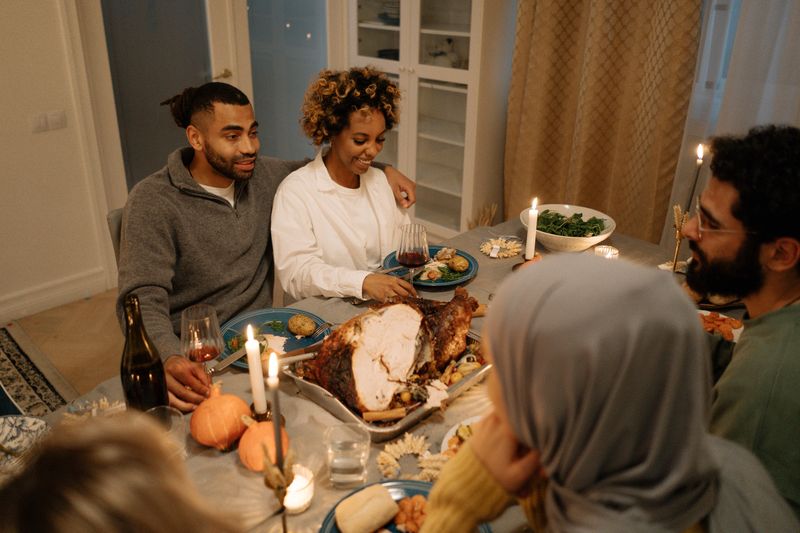
Elbow wars over the gravy boat are funny for about five minutes.
After that, a packed table can turn dinner into an endurance test.
Squeezing extra chairs around a small table is a classic holiday move, and sometimes it’s the only option.
The trouble comes when guests can’t stand up without the whole row shifting.
Someone stuck in a corner seat may skip a restroom trip just to avoid the shuffle.
A few changes can help without a bigger house.
A second table, even a folding one, often beats one overstuffed spot.
Serving buffet style from the kitchen counter also frees up table space for plates instead of serving dishes.
Think about who needs easy access.
Older relatives, guests with mobility needs, and parents with little kids usually appreciate seats near the edge.
That small bit of planning can make a big difference to how relaxed they feel.
The rest of the space matters too.
A clear spot for coats, a stocked bathroom with fresh towels, and a room that isn’t too hot from the oven all help guests settle in.
None of it needs to look magazine perfect, just comfortable enough to linger.
10. Leaving Guests Hungry and Guessing
Nothing tests holiday cheer quite like a growling stomach at 4:30 when dinner was promised at 2.
Hungry guests tend to get quiet, cranky, or suspiciously interested in the bread basket.
Big meals run late all the time, and that’s understandable.
Turkeys can take longer than planned, and oven space gets crowded fast.
The awkward part comes when nobody knows what’s happening or how long the wait might be.
Clear timing helps guests plan their day.
Some people skip lunch, take medication with meals, or have kids who melt down when hungry.
A quick update like dinner is running about 45 minutes late lets everyone adjust.
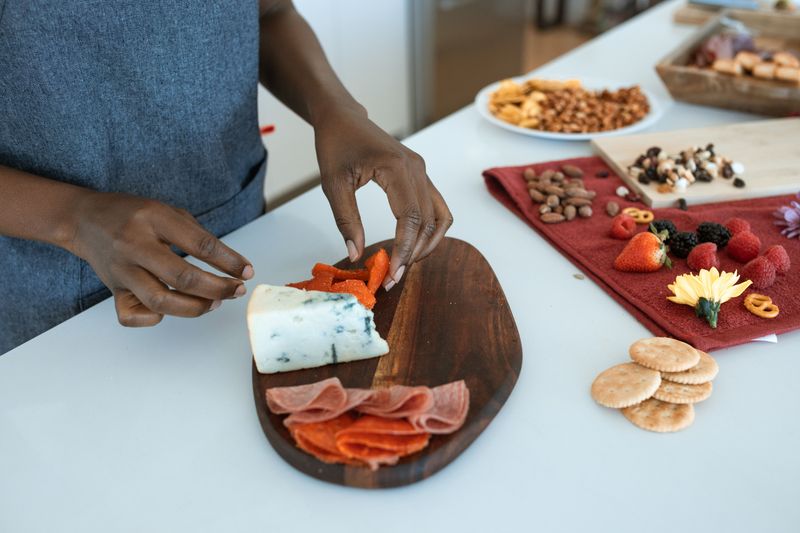
Light snacks are a lifesaver here.
A plate of cut vegetables, crackers, nuts, or a simple dip can carry people through delays without ruining appetites.
Keep it modest, since the main meal is still the star.
Serving too early can feel rushed in its own way.
Guests who just took off their coats may not be ready to sit right away.
Building in 30 to 60 minutes for arrivals and chatting gives the whole day a smoother rhythm, and it gives the cook a little breathing room too.