 MomSkoop

Love is one of the most powerful emotions humans experience, yet it remains wonderfully mysterious. Scientists have spent decades studying what happens in our brains and bodies when we fall in love, and their discoveries are truly fascinating. Understanding the psychology behind love can help you appreciate your relationships even more and maybe even explain some of those butterflies you feel!
1. Falling in Love Takes Just One-Fifth of a Second

Your brain works incredibly fast when it comes to matters of the heart. Research shows that when you see someone you’re attracted to, your brain releases chemicals in just 0.2 seconds. That’s faster than a blink!
This lightning-quick reaction triggers a rush of feel-good hormones like dopamine, oxytocin, and adrenaline throughout your body. These chemicals create that famous “butterflies in your stomach” feeling. Your heart races, your palms might get sweaty, and you feel energized.
Scientists used brain imaging to discover that twelve different areas of your brain work together during this magical moment. Love truly is a full-brain experience that happens almost instantly!
2. Looking Into Someone’s Eyes Can Make You Fall for Them

Ever heard that eyes are windows to the soul? Science backs this up in surprising ways. A famous study had complete strangers stare into each other’s eyes for just four minutes. Many participants reported feeling deeply connected afterward, and two even got married later!
When you maintain eye contact with someone, your brain releases oxytocin, often called the “love hormone.” This chemical builds trust and emotional bonding between people.
Extended eye contact can create feelings of attraction even between people who just met. Your pupils naturally dilate when you look at someone you find attractive, which makes you appear more appealing to them too. It’s a beautiful cycle!
3. Heartbreak Causes Real Physical Pain

When people say heartbreak hurts, they’re not just being dramatic. Brain scans reveal that emotional pain from a breakup activates the same areas of your brain as physical pain does. Your brain literally can’t tell the difference!
This explains why rejection or losing someone you love can make your chest feel tight or cause actual aches. Some people even experience “broken heart syndrome,” where extreme emotional stress causes real heart problems.
The good news? Your brain also processes healing from both types of pain similarly. Time, support from friends, and self-care genuinely help mend a broken heart, just like rest helps heal a physical injury.
4. Couples’ Hearts Beat in Sync

Here’s something straight out of a romance movie that’s actually true! When couples are close to each other, their heart rates begin to synchronize. Researchers discovered this by monitoring couples’ hearts while they sat near each other without even touching.
This phenomenon happens because of emotional attunement—when you’re deeply connected to someone, your body naturally mimics theirs. It’s your nervous system’s way of creating harmony.
The synchronization becomes even stronger when couples hold hands or hug. This biological rhythm-matching shows how love affects us on a physical level, creating a literal connection between two people’s bodies. Pretty romantic, right?
5. Being in Love Looks Like OCD in Brain Scans
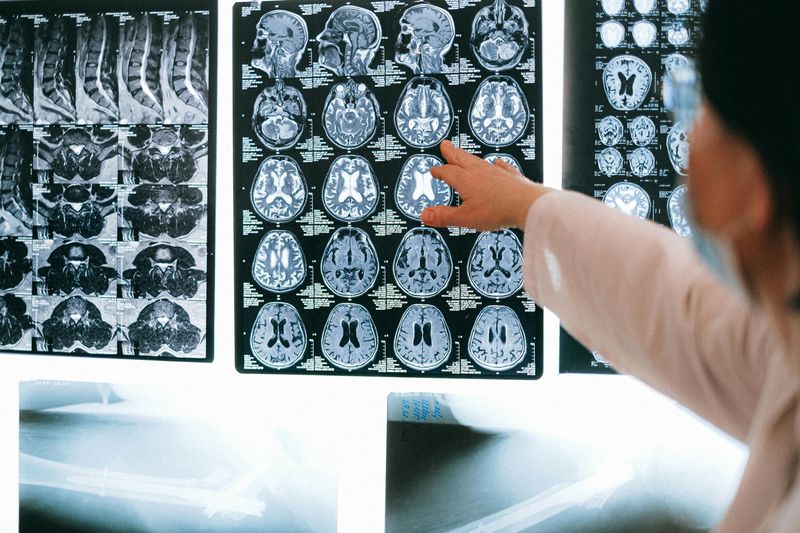
Can’t stop thinking about your crush? There’s a scientific reason why! Brain imaging studies show that people in the early stages of love have brain patterns remarkably similar to those with obsessive-compulsive disorder.
Both conditions show reduced levels of serotonin, a brain chemical that regulates mood and thoughts. This is why you obsessively check your phone for texts or constantly daydream about that special someone.
The caudate nucleus, a brain region involved in reward and motivation, lights up intensely when you’re newly in love. This creates an almost addictive feeling, making you crave more time with your romantic interest. Thankfully, these obsessive feelings usually calm down after the honeymoon phase!
6. Hugging for 20 Seconds Releases Bonding Chemicals

Twenty seconds might not seem long, but it’s the magic number for hugging. When you hug someone for at least this duration, your body releases significant amounts of oxytocin, which strengthens your emotional bond.
Quick, polite hugs don’t trigger the same response. Your body needs that longer contact to recognize the embrace as meaningful and release the bonding chemicals. Oxytocin reduces stress hormones and can even lower blood pressure.
Regular hugging with your partner strengthens your relationship by building trust and security. It’s like a natural medicine for your relationship! Next time you hug someone you love, try counting to twenty and notice how different it feels.
7. Romantic Love Affects Your Brain Like Cocaine
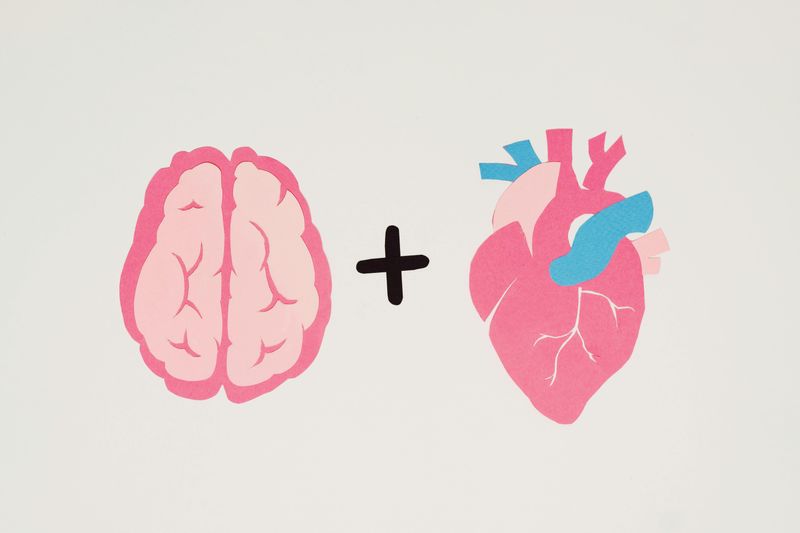
Love is literally intoxicating! Scientists found that falling in love activates the same brain regions as cocaine does. Both experiences flood your brain with dopamine, creating intense pleasure and excitement.
This explains why new love feels so exhilarating and why you might act a bit crazy when you’re smitten. Your brain’s reward system goes into overdrive, making you feel euphoric and energized. You might need less sleep or forget to eat because you’re so focused on your beloved.
The similarity to drug addiction also explains why breakups feel like withdrawal. Your brain craves those dopamine hits it got used to receiving. Love is nature’s most powerful drug!
8. Butterflies in Your Stomach Are a Stress Response

Those fluttery feelings you get around someone you like aren’t as romantic as they seem—they’re actually your body’s stress response kicking in! When you encounter someone attractive, your brain perceives it as an exciting but uncertain situation.
Your body releases adrenaline and cortisol, preparing for “fight or flight.” This causes blood to rush away from your stomach toward your muscles and brain. The reduced blood flow creates that distinctive fluttering sensation.
Essentially, attraction puts your body on high alert. While it feels uncomfortable, these butterflies signal that you care deeply about making a good impression. Your nervous system can’t distinguish between exciting attraction and actual danger—it just knows something important is happening!
9. People Are Attracted to Others Who Smell Genetically Different

Your nose knows more about compatibility than you might think! Research reveals that people are naturally attracted to the scent of others whose immune system genes differ from their own. This happens completely subconsciously.
Scientists believe this preference evolved to encourage genetic diversity in offspring, which creates healthier children with stronger immune systems. In studies, people rated the smell of T-shirts worn by genetically different individuals as more pleasant and attractive.
This might explain why chemistry feels so mysterious—part of attraction happens through invisible signals your conscious mind doesn’t even register. Your body is literally sniffing out the best genetic match! Pretty wild, right?
10. Thinking About Love Improves Creative Thinking

Need a creativity boost? Just think about love! Psychological studies show that contemplating romantic love enhances abstract thinking and creative problem-solving abilities. Love literally opens your mind.
When researchers had participants think about someone they loved, those people performed better on creative tasks compared to control groups. Love triggers long-term thinking and helps you see the bigger picture rather than getting stuck on small details.
The connection makes sense—love encourages you to imagine future possibilities and think beyond immediate concerns. Artists, writers, and musicians have known this forever: love is one of the greatest sources of creative inspiration. Your brain becomes more flexible and imaginative when filled with loving thoughts!
11. Passionate Love Only Lasts About a Year

Don’t panic—this doesn’t mean love ends after a year! The intense, butterflies-inducing, can’t-stop-thinking-about-them passion typically lasts between 12 to 18 months. Then it naturally transforms into something different but equally valuable.
Brain chemistry shifts as relationships mature. The obsessive feelings and constant excitement give way to deeper attachment and comfortable companionship. Scientists call this “companionate love,” characterized by trust, friendship, and commitment.
This transition is actually healthy and necessary for long-term relationships. Staying in that intense early phase would be exhausting! The calmer, deeper love that develops allows couples to build stable lives together. Different doesn’t mean worse—just evolved and sustainable.