 MomSkoop
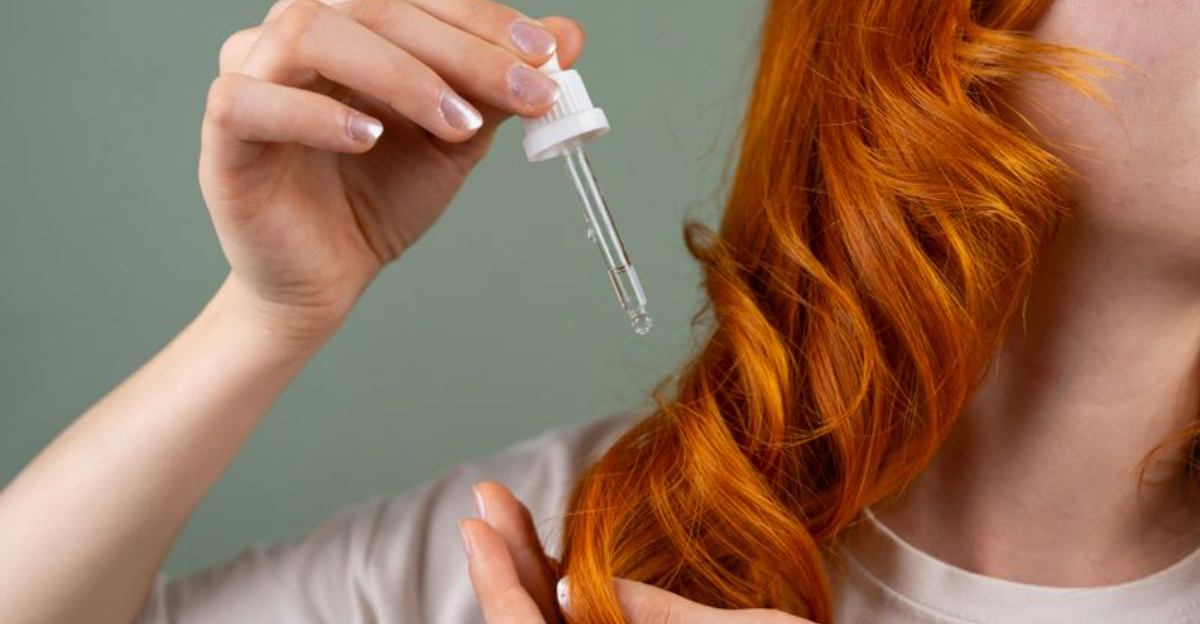
Ever wonder what makes some people have hair that looks like it belongs in a shampoo commercial? The truth is, gorgeous locks don’t just happen by accident. Women with enviable hair follow certain tried-and-true practices that keep their strands healthy, shiny, and full of life. Ready to discover the secrets that could transform your own hair routine?
1. Sleep on a Silk Pillowcase

Cotton pillowcases create friction that roughens up your hair cuticle while you sleep. Silk pillowcases let your hair glide smoothly, preventing breakage and those annoying tangles you wake up with. Plus, silk doesn’t absorb moisture like cotton does, so your hair stays hydrated all night long.
Many women notice less frizz and fewer split ends after making this simple switch. Your hairstyle also lasts longer when there’s less friction tugging at your strands. Silk pillowcases come in different colors and price ranges, making them an affordable luxury.
If silk feels too pricey, satin pillowcases work similarly and cost less.
2. Rinse with Cold Water

Hot water might feel relaxing, but it opens up your hair cuticles and strips away natural oils. Cold water does the opposite by sealing those cuticles shut, locking in moisture and creating incredible shine. You don’t need to freeze through your entire shower either.
Just finish with a cold rinse for the last 30 seconds, focusing on your hair. Your scalp might tingle a bit, but the results speak for themselves. Hair becomes smoother, shinier, and way more manageable.
This trick costs absolutely nothing and works immediately. Even celebrities mention cold rinses as one of their go-to beauty hacks for camera-ready hair.
3. Apply Hair Masks Weekly
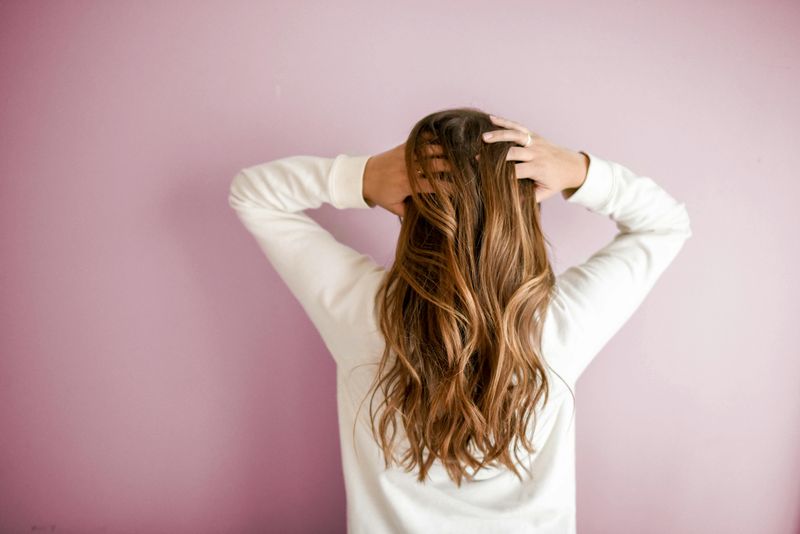
Regular conditioner only touches the surface, but deep conditioning masks penetrate your hair shaft to repair damage from within. Once a week, women with gorgeous hair set aside time for this nourishing treatment. These masks contain concentrated ingredients like proteins, oils, and vitamins that regular products can’t match.
You can buy pre-made masks or create your own using ingredients like avocado, honey, and coconut oil. Leave the mask on for at least 20 minutes, or even overnight for extra hydration. Cover your hair with a shower cap to help the ingredients absorb better.
Consistency matters more than expensive brands here.
4. Brush Before Washing
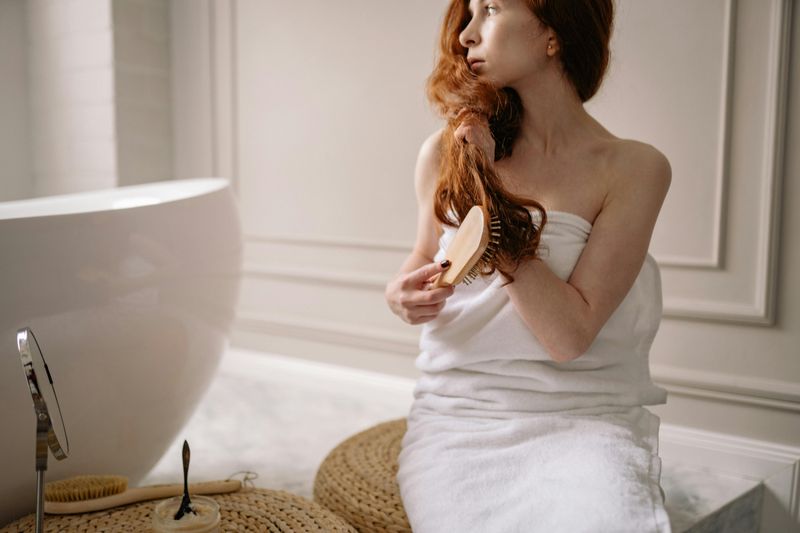
Here’s something most people get wrong: they brush their hair after showering when it’s most vulnerable. Wet hair stretches and breaks easily, leading to damage and split ends over time. Brushing before you wash removes tangles while your hair is strong and dry.
This also helps distribute your scalp’s natural oils down the hair shaft, which protects and nourishes your strands. Use a wide-tooth comb or a brush designed for detangling to work through knots gently. Start from the ends and work your way up to the roots.
Your hair will thank you by staying stronger and healthier between salon visits.
5. Protect Hair from Heat
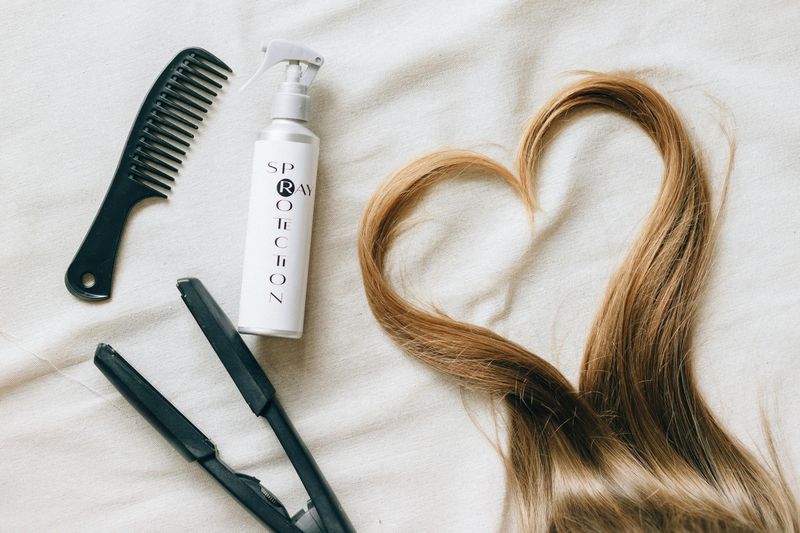
Blow dryers, flat irons, and curling wands can reach temperatures over 400 degrees, which literally cooks your hair proteins. Always spray on a heat protectant before using any hot tools. These products create a barrier that reduces damage and helps your style last longer too.
Choose heat protectants with ingredients like silicones or keratin for the best shield. Let your hair air-dry partially before blow-drying to minimize heat exposure. Whenever possible, use the lowest temperature setting that still gives you the results you want.
Did you know? Professional stylists never skip this step, even on healthy hair.
6. Trim Regularly Every 8-12 Weeks
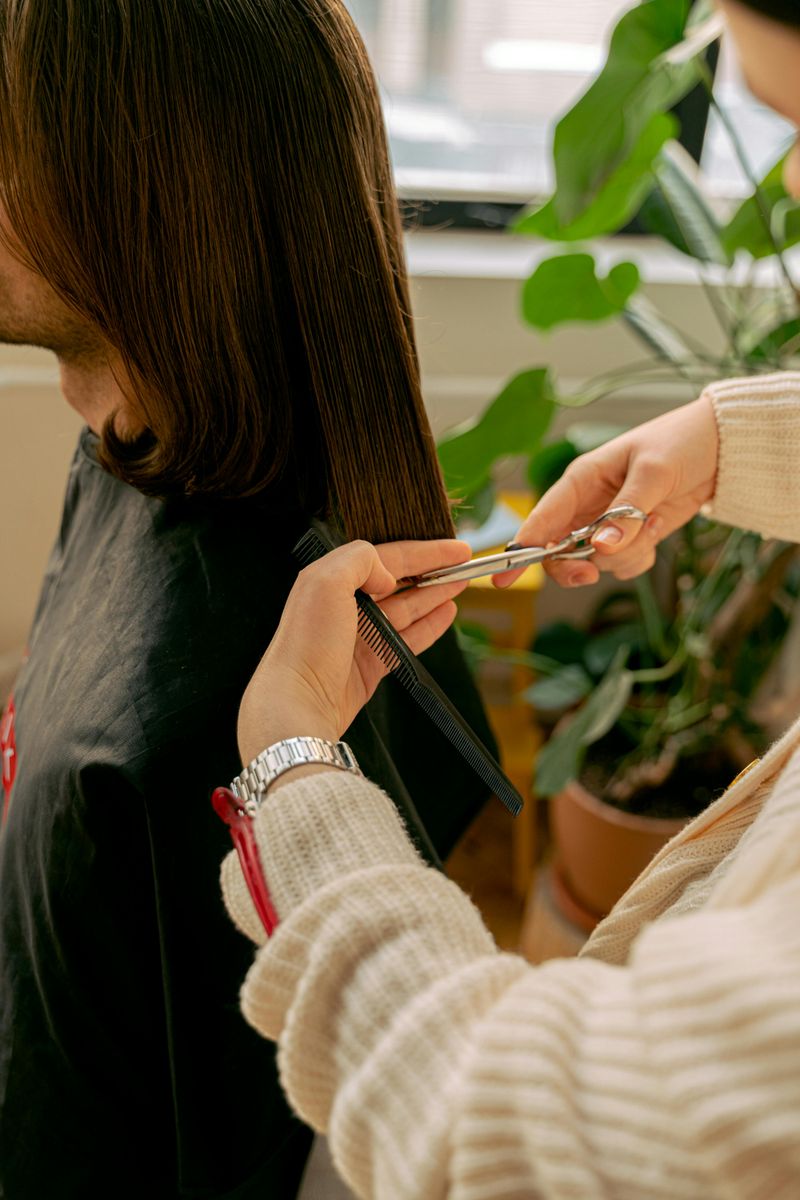
Split ends can’t be repaired with products, no matter what advertisements claim. Once your hair splits, it continues traveling up the strand like a run in stockings. Regular trims remove damaged ends before they cause bigger problems.
You only need to cut off a quarter-inch to half-inch each time, which actually helps your hair grow longer and healthier. Skipping trims makes your hair look thin and scraggly at the bottom, even if it’s long. Book appointments every two to three months, depending on how fast your hair grows.
Think of trims as maintenance, not setbacks, for your hair goals.
7. Massage Your Scalp Daily
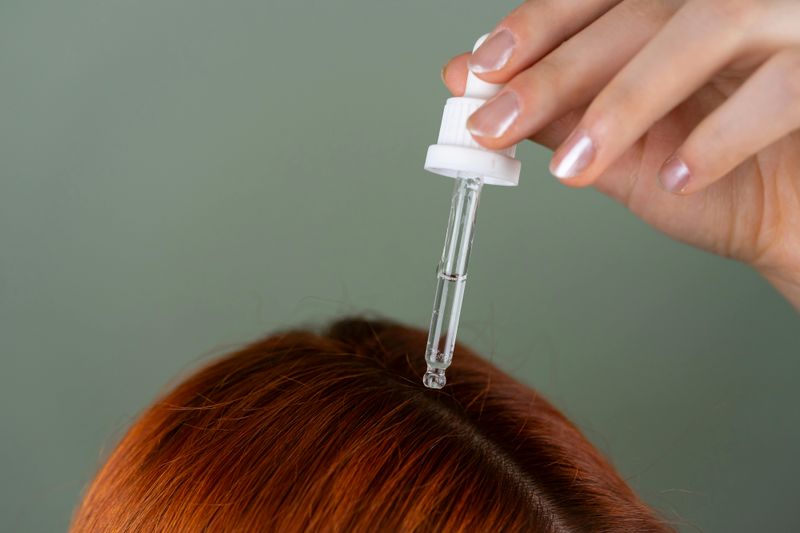
Blood flow brings nutrients and oxygen to your hair follicles, which encourages healthy growth. Spending just five minutes massaging your scalp each day stimulates circulation and can even help with stress relief. Use your fingertips (not nails) to apply gentle pressure in circular motions all over your head.
Some people use scalp massage tools or brushes designed specifically for this purpose. You can massage while shampooing, before bed, or anytime you need a relaxing break. This simple habit also helps distribute natural scalp oils, which condition your hair naturally.
Many women report their hair feels thicker and grows faster with consistent scalp massage.
8. Avoid Tight Hairstyles

Ponytails, buns, and braids that pull too tightly can cause traction alopecia, which is hair loss from constant tension. Your hairline and edges are especially vulnerable to this type of damage. Wearing tight styles occasionally won’t hurt, but doing it daily puts serious stress on your follicles.
Switch up your hairstyles and give your hair breaks from being pulled back. When you do tie your hair up, use soft scrunchies instead of tight elastics that dig into strands. Loose, relaxed styles still look polished without risking your hair health.
Your hair needs freedom to stay strong and attached to your scalp long-term.
9. Use the Right Products for Your Hair Type
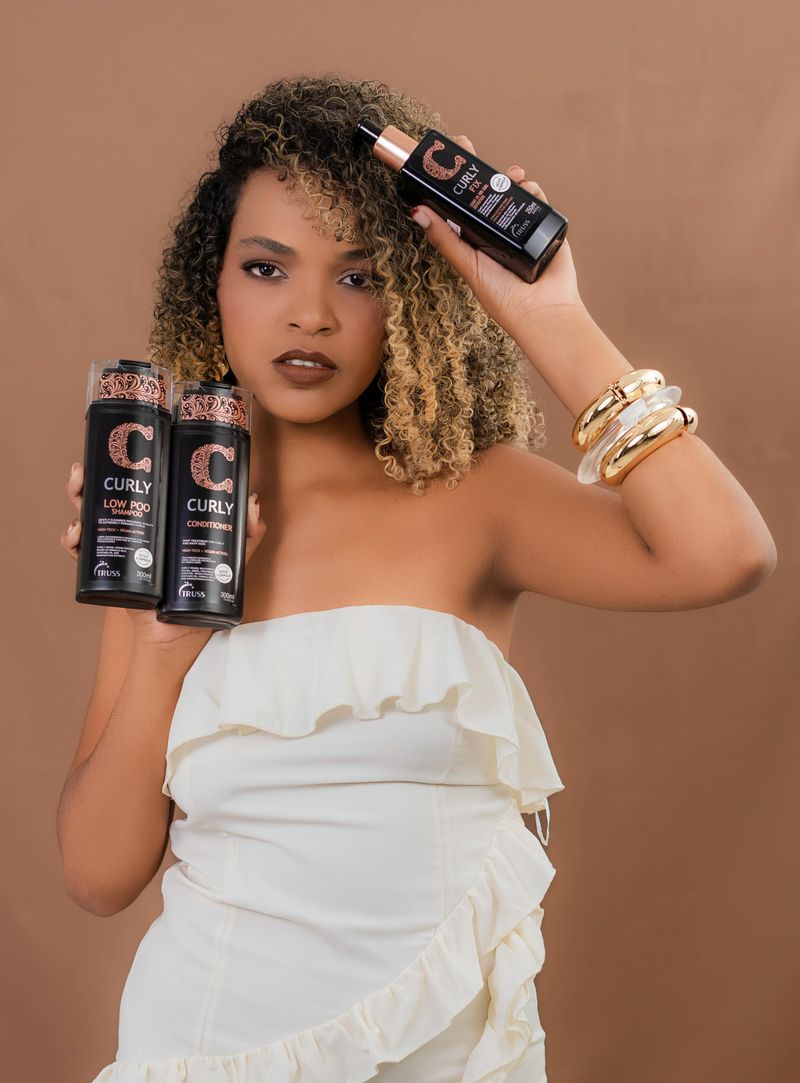
Not all shampoos and conditioners work the same for everyone. Fine hair needs lightweight, volumizing formulas, while thick or curly hair requires rich, moisturizing products. Using the wrong products can leave your hair flat, greasy, or dried out no matter how expensive they are.
Pay attention to how your hair responds after washing. If it feels heavy or looks limp, your products might be too rich. If it feels dry or frizzy, you need more moisture.
Read labels and look for products specifically designed for your texture and concerns. Sometimes switching products makes a bigger difference than any other change in your routine.
10. Eat Foods That Nourish Hair

Beautiful hair grows from the inside out, which means your diet matters just as much as your products. Protein builds hair structure, so foods like eggs, fish, and beans are essential. Omega-3 fatty acids from salmon and walnuts add shine and prevent dryness.
Vitamins A, C, and E protect your hair from damage and support healthy growth. Iron and zinc deficiencies often show up as hair loss or thinning, so include leafy greens and lean meats. Biotin, found in sweet potatoes and almonds, strengthens hair and reduces breakage.
Drinking plenty of water keeps your scalp and hair hydrated from within too.
11. Minimize Chemical Treatments
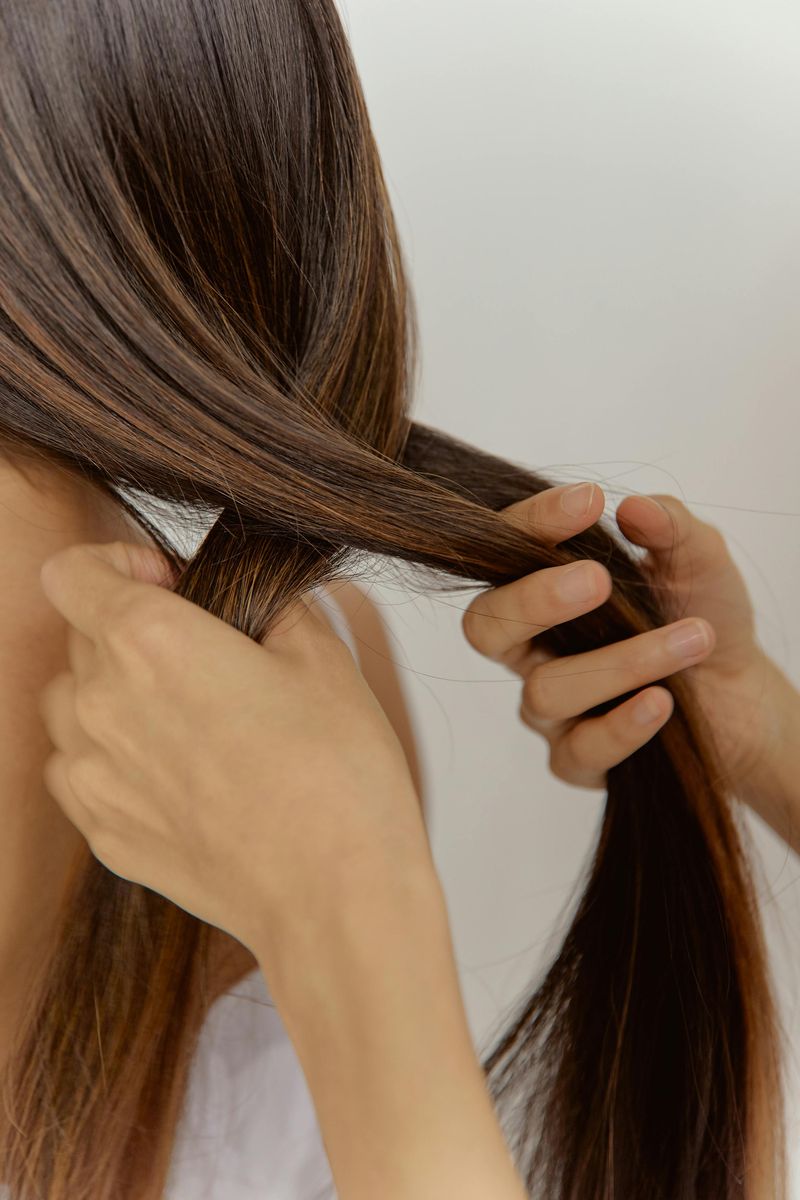
Hair coloring, bleaching, perms, and chemical straightening all alter your hair’s natural structure. While these treatments create fun new looks, they also weaken your strands and increase breakage over time. Women with the healthiest hair either avoid chemicals completely or space them out as much as possible.
If you do color your hair, consider highlights instead of full coverage to minimize damage. Deep condition more frequently when using chemical treatments. Give your hair recovery time between salon visits, ideally at least six to eight weeks.
Embracing your natural texture and color often leads to the strongest, most beautiful hair possible.