 MomSkoop

Somewhere around midlife, many people experience what feels like an internal earthquake—a shift that cracks open the life they’ve carefully built. This “midlife unraveling” isn’t a breakdown or a crisis; it’s an honest reckoning with who you’ve become versus who you really are. During this transformative season, profound lessons emerge that reshape how you see yourself, your relationships, and your purpose.
1. Control Is an Illusion You Can Finally Release

Life has a way of humbling even the most organized planners. No matter how tightly you grip the steering wheel, unexpected turns arrive without warning.
What once felt empowering—managing every detail, anticipating every outcome—becomes exhausting. The energy required to maintain that level of control drains you rather than protects you.
Accepting that some things will unfold beyond your influence brings unexpected relief. Surrendering doesn’t mean giving up; it means trusting the process. When you stop trying to orchestrate everything, you discover a quieter kind of strength that allows life to surprise you in beautiful ways.
2. Your Protective Armor Has Become a Prison

Perfectionism, people-pleasing, and relentless achievement once felt like superpowers. They earned you praise, validation, and a sense of safety in an unpredictable world.
But somewhere along the way, these protective strategies stopped working. Instead of keeping you safe, they started suffocating your authenticity and joy.
The armor you built to shield yourself from judgment or rejection now keeps real connection at bay. Recognizing this shift is painful but liberating. Shedding these old defenses allows you to breathe fully again, revealing the tender, genuine person who’s been hiding underneath all along, waiting to be seen and loved.
3. Living for Others Leaves You Empty

For years, you followed a script written by parents, society, or some invisible rulebook about how life should look. You checked boxes: the right career, the appropriate milestones, the expected behaviors.
Yet fulfillment remained elusive, always just out of reach. That nagging emptiness whispered that something essential was missing.
The truth becomes undeniable: living according to others’ expectations never satisfies your soul. Authenticity—choosing what genuinely resonates with your values and desires—fills the void that achievement never could. When you finally honor your own path, even if it disappoints others, you reclaim the life that’s rightfully yours.
4. Time Becomes Precious and Urgent

Youth carries an illusion of endless tomorrows. Midlife shatters that comfortable fantasy with a sobering realization: you’re running out of time to keep postponing your real life.
The “halfway to dead” whisper grows louder, impossible to ignore. Suddenly, wasting years on someone else’s script feels unbearable.
This urgency isn’t depressing—it’s clarifying. Recognizing your finite timeline motivates you to make bold changes you’ve been avoiding. You stop saving your dreams for “someday” and start living them now. Time becomes your most valuable currency, and you spend it more intentionally on what truly matters to your heart.
5. Vulnerability Is Courage, Not Weakness

Strength meant never showing cracks, never admitting struggle, never asking for help. Being tough and self-sufficient felt like the only acceptable way to move through the world.
But maintaining that facade becomes lonely and isolating. True connection requires letting people see your imperfections and uncertainties.
Showing up imperfectly takes more bravery than hiding behind a polished image. When you allow yourself to be genuinely seen—messy emotions and all—something magical happens. People respond with their own vulnerability, creating deeper bonds than perfection ever could. The relationships that form around your authentic self are the ones worth keeping, built on truth rather than performance.
6. Your Worth Isn’t Earned Through Achievement

You’ve spent decades proving your value through accomplishments, awards, and checked boxes. Self-worth became a ledger of achievements that never quite added up to “enough.”
No matter how much you accomplished, the internal emptiness persisted. The goalpost kept moving, leaving you perpetually chasing validation.
The radical truth hits you: worthiness isn’t something you earn—it’s something you already possess. You deserve love and belonging simply because you exist, not because of what you’ve done or produced. This realization feels revolutionary. When you finally internalize this, the exhausting performance ends, and you can rest in the knowledge that you are inherently enough.
7. Healing Means Releasing Old Roles and Identities

You’ve played certain roles for so long they feel like your identity: the caretaker, the perfectionist, the strong one everyone relies on. These roles provided purpose and recognition.
But they’ve also trapped you in patterns that no longer serve your growth. Healing requires the courage to step away from these familiar identities.
Letting go means relationships will shift, boundaries will need redrawing, and your work might change completely. Some people won’t understand or accept this new version of you. That’s okay. Releasing outdated coping mechanisms creates space for a more authentic self to emerge, even if the transition feels uncomfortable and uncertain.
8. Unraveling Is Breaking Open, Not Breaking Down

When everything you’ve known starts falling apart, it feels terrifying. The structures you built, the certainties you held—all of it seems to crumble simultaneously.
Society labels this experience as a crisis or failure, something to fix or avoid. But that interpretation misses the profound truth of what’s happening.
You’re not breaking down; you’re breaking open into something more honest and whole. Like a seed that must crack to grow, your old self makes room for a truer version to emerge. This unraveling, though uncomfortable, is actually a sacred transformation. On the other side awaits a life lived with more integrity, purpose, and genuine connection than you ever imagined possible.
9. Solitude Becomes a Gift, Not a Punishment

Many people spend their younger years running from being alone. They fill every moment with noise, plans, and people to avoid the silence. But midlife unraveling teaches you that solitude isn’t something to fear.
Spending time with yourself becomes less about loneliness and more about self-discovery. You start to enjoy your own company without guilt or restlessness. Those quiet moments let you hear your own thoughts and feelings clearly for the first time.
Eventually, solitude transforms into a sacred space where you recharge, reflect, and reconnect with who you truly are. It’s where authenticity is born.
10. Your Body Deserves Kindness, Not Criticism
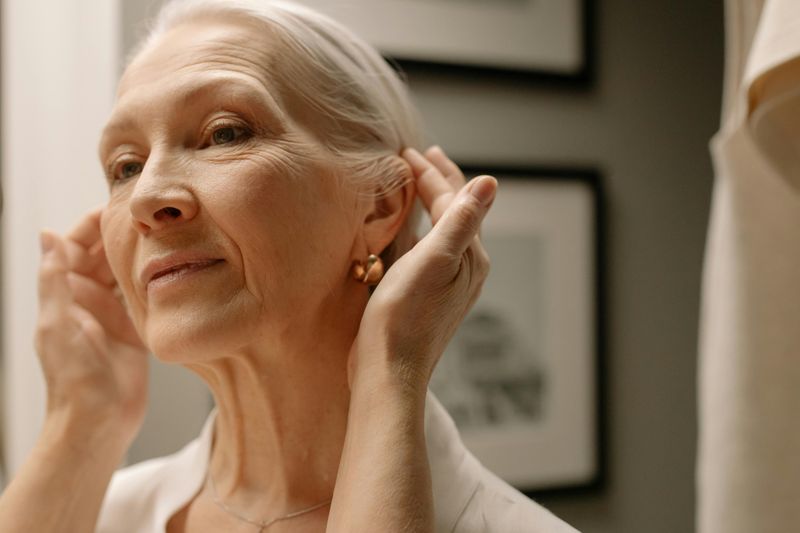
For years, you might have treated your body like a project that needed fixing. Diets, punishing workouts, and constant criticism became the norm. Midlife unraveling shifts this relationship entirely.
You begin to see your body as a loyal companion that has carried you through every experience, joy, and hardship. Instead of judgment, gratitude emerges. Instead of forcing change, you offer nourishment and rest.
This lesson isn’t about giving up on health—it’s about approaching it with compassion. Your body isn’t the enemy. Treating it with kindness unlocks energy, peace, and a freedom you didn’t know was possible.