 MomSkoop

Emotional intelligence isn’t always loud or obvious. Some people show it through quiet actions, calm energy, and the way they carry themselves in tough moments.
You can spot someone with high emotional intelligence just by watching how they move, listen, and respond—even when they don’t say a single word.
1. They Pause Before Responding to Heated or Triggering Messages

When emotions run high, reacting immediately usually makes things worse. Emotionally intelligent people understand this deeply. They take a breath, read the message again, and give themselves time to think before typing or speaking.
This pause isn’t about ignoring feelings. It’s about choosing the right response instead of the first one that comes to mind. A few seconds can prevent misunderstandings and unnecessary conflict.
This habit shows self-control and respect for both parties. It keeps conversations productive rather than explosive. Pausing is a superpower in disguise.
2. They Maintain Steady Eye Contact and Relaxed Posture During Difficult Conversations

Eye contact can say more than words ever could. When someone looks you in the eye during a tough talk, it shows they’re present and not running away from discomfort. Their shoulders stay loose, not tense or hunched.
This body language communicates confidence and openness. It tells the other person they’re safe to share what’s on their mind. There’s no fidgeting or looking at the floor.
Staying physically calm helps keep emotions balanced. It also encourages the other person to stay calm too. This simple habit builds trust without a single word spoken.
3. They Keep Their Voice Calm and Their Movements Deliberate When Stress Rises

Stress can make people talk faster, louder, or move in jerky, frantic ways. But emotionally intelligent people do the opposite. They slow down on purpose. Their voice stays even, and their gestures become smooth and controlled.
This doesn’t mean they’re robotic or cold. It means they’re managing their own nervous system so they can think clearly. Calm energy is contagious, and it helps everyone around them settle down too.
Deliberate movements show intention and control. They signal that the person isn’t overwhelmed by the situation. This habit keeps chaos from spreading.
4. They Physically Step Back or Uncross Arms When Defensiveness Appears—Giving Space

Defensiveness can creep in fast during disagreements. Emotionally intelligent people notice it in themselves and others. When they feel their body closing off—arms crossed, jaw tight—they intentionally open up again.
Stepping back a little or uncrossing arms sends a powerful message. It says, “I’m not attacking you, and I’m not shutting you out.” This small shift can change the entire tone of a conversation.
Giving physical space also gives emotional space. It allows both people to breathe and reset. This habit prevents arguments from escalating unnecessarily.
5. They Allow Others Processing Time—Staying Nearby but Not Rushing Someone

Not everyone processes emotions at the same speed. Some people need a moment to think, feel, or collect their thoughts. Emotionally intelligent people respect that. They don’t push for an answer right away.
Instead, they stay close without hovering. They might sit quietly or just be present in the room. Their body language says, “Take your time. I’m not going anywhere.”
This patience shows deep empathy and trust. It gives the other person permission to be human. Silence becomes supportive, not awkward. This habit strengthens relationships in quiet but meaningful ways.
6. They Synchronize Walking Pace or Other Subtle Body Language to Build Rapport

Ever notice how some people just feel easy to be around? Emotionally intelligent people often match the pace and energy of those they’re with. If someone walks slowly, they slow down too. If someone leans in, they mirror it naturally.
This isn’t manipulation—it’s connection. Matching body language helps people feel understood and comfortable. It creates a sense of harmony without anyone realizing it’s happening.
This habit builds rapport silently and powerfully. It shows attentiveness and respect for the other person’s rhythm. Small adjustments can make big differences in how conversations flow.
7. They Embrace Comfortable Silence Instead of Filling Every Gap with Words

Silence can feel awkward, but emotionally intelligent people know it doesn’t have to be. They let quiet moments exist without rushing to fill them. They understand that silence can be restful, thoughtful, or even healing.
Not every pause needs a comment or a joke. Sometimes, just being together is enough. This habit shows confidence and emotional maturity.
Comfortable silence also gives space for deeper thoughts to surface. It allows people to reflect instead of react. This quiet strength is rare and deeply valued by those who experience it.
8. They Stay Calm and Deliberate When Everyone Else Is Rushing or Panicking

Panic spreads fast. When everyone around them is losing their cool, emotionally intelligent people become the eye of the storm. They move with purpose, not panic. Their breathing stays steady, and their decisions remain clear.
This calmness doesn’t mean they don’t care. It means they know freaking out won’t help. They focus on what they can control and take one step at a time.
Their presence alone can ground others. People naturally look to them for direction. This habit turns chaos into clarity without a single instruction being spoken.
9. They Watch and Interpret Others’ Body Language Rather Than Only Listening to Words

Words can lie, but the body usually tells the truth. Emotionally intelligent people pay attention to hands, feet, facial expressions, and posture. They notice when someone says they’re fine but their arms are crossed tight.
This skill helps them understand what’s really going on beneath the surface. They pick up on discomfort, excitement, or hesitation that others miss. It’s like reading between the lines without needing a book.
Watching body language shows emotional attentiveness. It helps them respond to what people actually need, not just what they say. This habit deepens understanding and trust.
10. They Quietly Exit or Disengage from Gossip or Negative Chatter
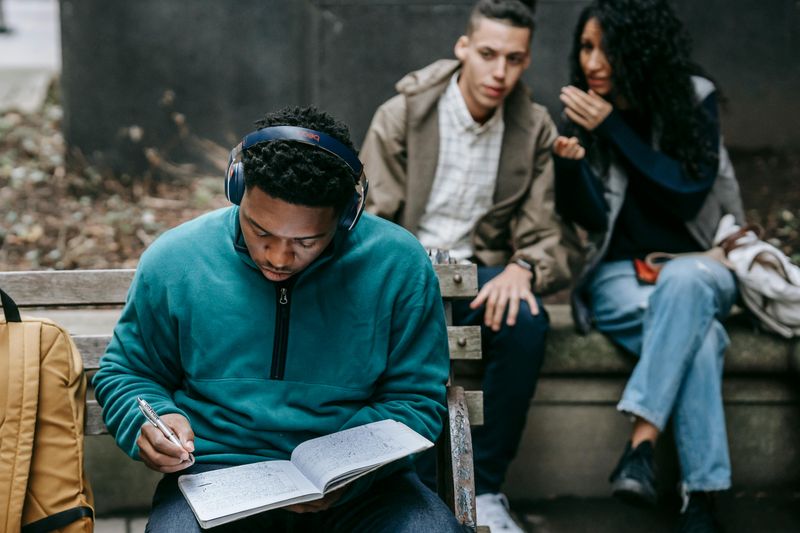
Gossip can be tempting, but emotionally intelligent people don’t take the bait. When conversations turn negative or mean-spirited, they gently step away. They don’t make a scene or lecture anyone—they just quietly remove themselves.
This habit protects their energy and integrity. They know that participating in negativity only spreads it further. Silence or a polite exit speaks volumes about their values.
Disengaging also sets a subtle example for others. It shows that you don’t have to join in to fit in. This quiet strength earns respect over time.
11. They Silently Offer Support to Someone Overwhelmed—Showing Up Without Needing to Speak

Sometimes the best support doesn’t come with words. Emotionally intelligent people know when to just be there. They bring coffee, sit beside someone, or help with a task without being asked.
Their presence alone says, “You’re not alone.” They don’t need thanks or recognition. They simply show up because they care.
This silent support can be more powerful than any pep talk. It shows empathy in action, not just in theory. People remember those who stayed when things got hard, even if nothing was said.
12. They Soften Their Facial Expression and Stay Present When Facing Anger or Tension

Anger can make people harden their faces and shut down. But emotionally intelligent people do the opposite. They relax their jaw, soften their eyes, and stay open even when someone is upset with them.
This doesn’t mean they agree or accept mistreatment. It means they’re not escalating the situation with their own defensiveness. A soft face can calm an angry heart.
Staying present through tension shows courage and empathy. It tells the other person they’re safe to express their feelings. This habit can turn conflict into connection.
13. They Make Sure Quieter Voices Are Heard—Holding Space for People Who Don’t Speak Up

Some people naturally speak up, and others don’t. Emotionally intelligent people notice who’s being left out of the conversation. They make eye contact with the quiet ones and create openings for them to share.
This might look like pausing after a loud voice finishes or asking someone directly what they think. It’s subtle, but it changes the dynamic of the room.
Holding space for quieter voices shows respect and awareness. It ensures everyone feels valued, not just the loudest. This habit builds inclusive and supportive environments without forcing anyone to perform.