 MomSkoop

Words carry incredible power, especially during moments of conflict or discomfort. The right phrase at the right time can turn a heated conversation into a productive dialogue, transforming defensiveness into understanding.
Learning to speak with empathy and openness doesn’t require fancy vocabulary or complex strategies—just a handful of simple phrases that show you genuinely care about the other person’s feelings and perspective.
1. I can see how that would be frustrating

Validation works wonders when someone feels upset or overwhelmed. Acknowledging their frustration doesn’t mean you agree with everything they’re saying—it simply shows you recognize their emotional experience as real and important.
This phrase immediately lowers defensiveness because it tells the other person their feelings matter. When people feel heard, they’re far more likely to listen in return. Instead of arguing about who’s right, you create space for genuine dialogue.
Try using this when a coworker complains about a project deadline, a friend vents about a personal issue, or a family member expresses disappointment. Your empathy becomes the bridge that connects you.
2. You’re right — that makes sense

Admitting someone has a valid point takes courage, but it’s one of the fastest ways to build trust. Nobody expects you to be perfect or always have the best answer. When you acknowledge another person’s insight, you show humility and openness.
This phrase transforms potential arguments into collaborative problem-solving sessions. Rather than competing to be correct, you’re working together toward understanding. People appreciate when you can set aside your ego and genuinely consider their perspective.
Use this when someone offers a suggestion you hadn’t considered, points out a mistake you made, or shares a viewpoint that challenges your initial thinking. Authenticity matters here—only say it when you truly mean it.
3. I might have misunderstood — can you help me understand better?

Confusion happens in every relationship, but how you handle it makes all the difference. Instead of pretending you understand or getting defensive about miscommunication, this phrase invites clarification with grace and curiosity.
Taking responsibility for potential misunderstanding removes blame from the equation entirely. You’re not accusing the other person of being unclear—you’re simply acknowledging that communication is a two-way street. This approach encourages them to explain further without feeling attacked.
Perfect for those moments when instructions seem confusing, expectations don’t align, or someone’s reaction surprises you. Asking for help understanding shows respect and a genuine desire to connect properly.
4. I really appreciate you sharing that with me
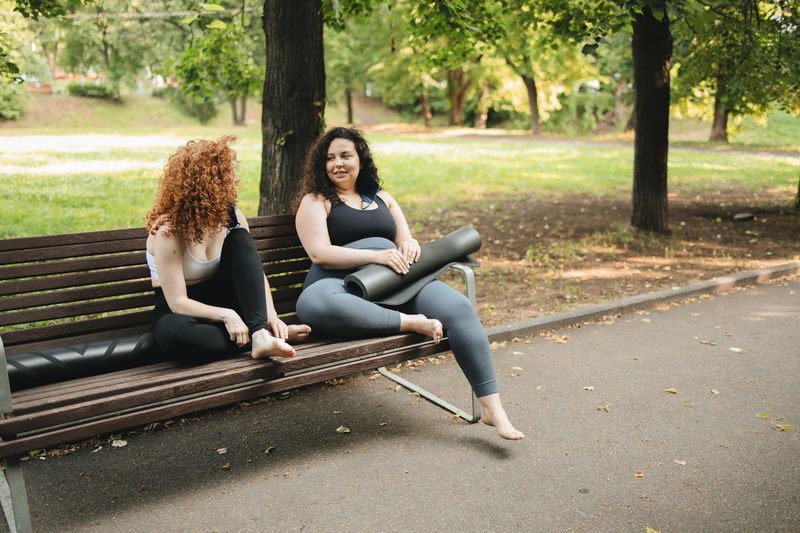
Gratitude creates instant warmth in any conversation, especially when someone shares something personal or difficult. Expressing appreciation for their vulnerability encourages deeper connection and shows you don’t take their openness for granted.
When people feel appreciated for sharing, they’re more likely to continue being honest with you. This phrase works beautifully after someone admits a mistake, confides a worry, or tells you something they’ve been holding back. It honors their courage.
Whether in friendships, romantic relationships, or professional settings, showing appreciation for transparency strengthens bonds. Make eye contact and speak sincerely—your tone matters as much as the words themselves.
5. Let’s figure this out together

Partnership language changes everything during conflict or challenge. Rather than positioning yourself against someone, you’re inviting them to stand beside you as you tackle the problem as a team. This shift in perspective is incredibly powerful.
Problems feel less overwhelming when you know you’re not facing them alone. This phrase reassures the other person that you’re committed to finding a solution together, not just defending your position or assigning blame. Collaboration replaces confrontation.
Use this during disagreements with partners, when projects at work hit snags, or when family decisions need to be made. It signals equality, respect, and a shared commitment to moving forward positively.
6. That’s a good point — I hadn’t thought of it that way

Intellectual humility is attractive and disarming. When you openly admit that someone has expanded your thinking, you create an atmosphere where ideas can flow freely without fear of judgment or dismissal.
This phrase shows you’re actively listening and willing to change your mind when presented with compelling perspectives. It validates the other person’s contribution to the conversation and encourages them to share more. Growth happens in these moments of openness.
Perfect for debates that are getting heated, brainstorming sessions where creativity matters, or personal conversations where different viewpoints emerge. Your willingness to learn makes others feel valued and respected.
7. I hear what you’re saying

Sometimes people just need to know they’ve been heard. This simple phrase provides that reassurance without requiring you to immediately agree, disagree, or solve anything. It’s pure acknowledgment of their message and feelings.
Active listening is a gift we often underestimate. When you verbally confirm you’re hearing someone, you interrupt patterns of escalation that happen when people feel ignored. They can relax knowing their words landed with you.
Especially useful when emotions run high and someone needs to vent before finding solutions. It works in arguments, complaints, or when someone shares concerns. Your attentive presence becomes the foundation for whatever comes next.
8. Thank you for your patience

Acknowledging someone’s patience shows you recognize they’ve been accommodating, even when things didn’t go smoothly. This phrase demonstrates awareness and gratitude, which can quickly defuse frustration or impatience.
Whether you’re running late, fixing a mistake, or working through a complicated situation, recognizing the other person’s tolerance matters. It shows you don’t take their time or kindness for granted. Respect flows both directions when you express genuine thanks.
Use this with customers, friends waiting on you, partners dealing with your stress, or colleagues navigating delays. It transforms potential resentment into mutual understanding and keeps relationships positive even during bumpy moments.
9. What do you think would work best here?

Inviting input empowers others and shows you value their judgment. Instead of dictating solutions or assuming you know best, you’re creating space for their expertise, creativity, and preferences to shape the outcome.
This question transforms you from someone who controls to someone who collaborates. It’s particularly effective when tensions arise around decisions or directions. People feel respected when their opinions genuinely matter in the process.
Works beautifully in team projects, relationship decisions, parenting situations, or any scenario where multiple perspectives exist. By asking rather than telling, you build investment and reduce resistance. Shared ownership leads to better solutions.
10. I value your perspective

Explicitly stating that you value someone’s viewpoint goes beyond simple politeness—it’s a powerful affirmation of their worth. In a world where people often feel dismissed or overlooked, this phrase cuts through noise and creates genuine connection.
When you tell someone their perspective matters, you’re not just being nice. You’re acknowledging their unique experiences, knowledge, and insights contribute something meaningful to the conversation. This recognition builds trust and encourages continued openness.
Use this phrase when someone offers a different opinion, shares feedback you needed to hear, or contributes ideas during planning. It’s especially meaningful in mentoring relationships, diverse teams, or any setting where varied viewpoints strengthen outcomes.