 MomSkoop

Trust is the foundation of every meaningful relationship, whether at work, at home, or in your community. Some people seem to earn trust effortlessly, while others struggle to connect. The good news is that trust isn’t magic—it’s built through specific behaviors and traits that anyone can develop. Understanding what makes people trust you can transform how you interact with the world around you.
1. Honesty

People can sense when someone is being truthful, and it creates an immediate sense of safety. Honesty doesn’t mean blurting out every thought that crosses your mind—it means speaking the truth in a respectful way. When you’re honest, others know they can rely on your word.
Dishonesty, even in small matters, erodes trust faster than almost anything else. If someone catches you in a lie, they’ll question everything you’ve ever told them. Being straightforward, even when the truth is uncomfortable, shows courage and integrity.
Building a reputation for honesty takes time, but losing it happens instantly. Make truthfulness your default setting in every conversation.
2. Reliability and Consistency

Showing up when you say you will matters more than most people realize. Reliability means others can count on you to do what you promised, whether it’s a big project or remembering to call someone back. Consistency in your actions creates a pattern people can predict and trust.
When your behavior changes wildly from day to day, people feel uncertain around you. They won’t know which version of you they’ll encounter. Steady, predictable actions make others feel secure in your presence.
Even small acts of reliability add up over time. Returning borrowed items, arriving on time, and following through on commitments all build your trustworthiness steadily.
3. Good Eye Contact

Looking someone in the eye while they speak communicates attention and respect. Eye contact creates a connection that words alone cannot achieve. It tells the other person that you’re fully present in the moment with them.
Avoiding eye contact, on the other hand, can make you seem shifty or disinterested. People might wonder if you’re hiding something or if you simply don’t care about what they’re saying. Cultural differences exist, but generally, appropriate eye contact signals openness.
Balance is key—staring too intensely can feel aggressive, while looking away constantly seems dismissive. Natural, comfortable eye contact strikes the perfect chord for building trust.
4. Active Listening

Truly hearing what someone says requires more than just your ears. Active listening involves paying attention, asking thoughtful questions, and reflecting back what you’ve heard. When people feel genuinely heard, they automatically trust you more.
Most of us are guilty of waiting for our turn to talk instead of really listening. This habit makes conversations feel transactional rather than meaningful. Putting your phone away and focusing completely on the speaker demonstrates respect.
Nodding, using verbal affirmations like “I understand,” and summarizing their points shows you’re tracking with them. These small behaviors create powerful bonds of trust between people.
5. Admitting When You Don’t Know

Pretending to know everything backfires spectacularly when people discover the truth. Admitting ignorance or mistakes actually strengthens trust because it shows authenticity. Nobody expects perfection, but everyone appreciates honesty about limitations.
Saying “I don’t know, but I’ll find out” demonstrates both humility and commitment. It shows you value accuracy over appearing knowledgeable. Vulnerability in admitting uncertainty makes you more relatable and human.
People who fake expertise eventually get exposed, and the damage to their credibility is severe. Embracing what you don’t know opens doors for learning and deeper connections with others.
6. Authenticity

Being yourself sounds simple, but many people wear masks to fit in or impress others. Authenticity means letting your true personality shine through, quirks and all. When you’re genuine, people sense it and feel more comfortable around you.
Fake personas are exhausting to maintain and easy to spot. Others can tell when you’re putting on an act, and it creates distance rather than connection. Real relationships form when both people show up as themselves.
Your unique qualities are what make you interesting and trustworthy. Embracing your authentic self gives others permission to do the same, creating mutual trust and deeper friendships.
7. Empathy
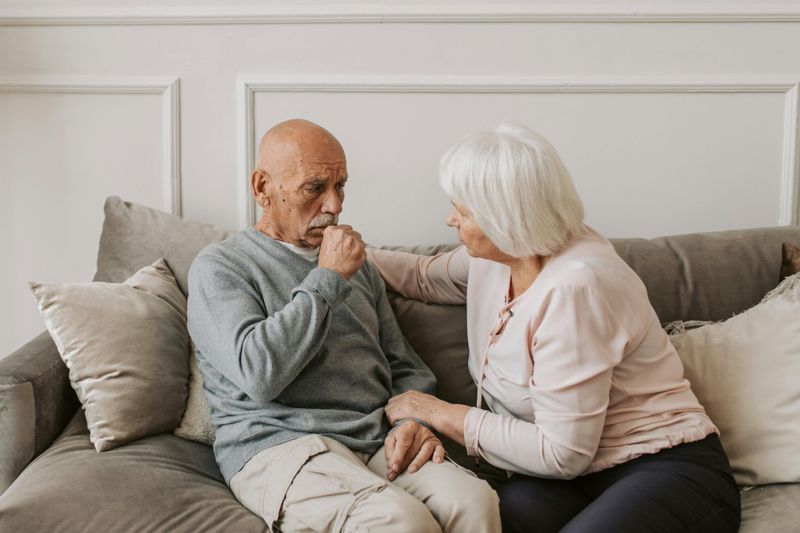
Understanding how others feel creates an instant bond of trust. Empathy means putting yourself in someone else’s shoes and recognizing their emotions as valid. When people feel understood, they open up and trust more freely.
Dismissing someone’s feelings or telling them they’re overreacting destroys trust quickly. Everyone wants to feel that their emotions matter. Acknowledging feelings doesn’t mean you have to agree with someone’s perspective—just that you recognize it.
Simple phrases like “That sounds really difficult” or “I can see why you’d feel that way” work wonders. Empathy transforms ordinary interactions into meaningful connections.
8. Respect for Boundaries

Everyone has invisible lines they don’t want crossed, whether physical, emotional, or time-related. Respecting these boundaries shows you value the other person’s comfort and autonomy. Pushing past someone’s limits damages trust, often permanently.
Paying attention to verbal and nonverbal cues helps you understand where boundaries lie. If someone steps back, changes the subject, or says no, honor that immediately. Boundary violations feel like betrayals, even if unintentional.
Asking permission before sharing personal information or touching someone demonstrates consideration. Respecting boundaries actually brings people closer because they feel safe around you.
9. Being Inclusive

Making everyone feel welcome and valued builds trust across entire groups. Inclusion means noticing who’s being left out and actively bringing them into the conversation. When people feel they belong, they trust the environment and the people in it.
Exclusion hurts deeply and signals that someone doesn’t matter. Inside jokes that exclude others, cliques, or ignoring certain people creates distrust. Small gestures like introducing newcomers or asking quiet people for their thoughts make huge differences.
Creating safe spaces where everyone can contribute builds collective trust. Inclusive behavior shows you care about people’s dignity and participation equally.
10. Keeping Promises

Your word is your bond, and broken promises shatter trust like nothing else. Even tiny commitments matter—if you promise to send an article or meet for lunch, follow through. Each kept promise deposits trust into your relationship bank account.
Making promises you can’t keep is worse than not promising at all. Overpromising to impress people backfires when you inevitably disappoint them. Be realistic about what you can actually deliver before committing.
When circumstances prevent you from keeping a promise, communicate immediately and make it right. How you handle broken commitments reveals your character and either preserves or destroys trust.
11. Transparency

Hidden agendas make people nervous because they sense something’s off without knowing what. Transparency means being open about your intentions, motivations, and processes. When your actions match your words, trust flows naturally.
Secrecy breeds suspicion, even when nothing nefarious is happening. People fill information gaps with their worst fears. Sharing appropriate information proactively prevents misunderstandings and builds confidence.
Being transparent doesn’t mean oversharing private details—it means being straightforward about what you’re doing and why. Clarity eliminates doubt and establishes you as someone with nothing to hide.
12. Humility

Nobody trusts a know-it-all who refuses to admit they might be wrong. Humility means recognizing your limitations and valuing others’ contributions. When you acknowledge that you don’t have all the answers, people feel respected and valued.
Arrogance pushes people away and creates resentment. Constantly needing to be right or taking credit for others’ work destroys team trust. Humble people lift others up and share success generously.
Admitting errors, asking for help, and celebrating others’ achievements all demonstrate humility. This quality makes you approachable and trustworthy because people know you won’t throw them under the bus.
13. Positive Outlook

Constant negativity drains people and makes them wary of spending time with you. A positive outlook doesn’t mean ignoring problems—it means approaching challenges with hope and constructive energy. Optimistic people inspire trust because they believe things can improve.
Complainers and pessimists create exhausting environments where nothing ever seems good enough. While venting occasionally is normal, chronic negativity makes people question your judgment. Positive people look for solutions instead of dwelling on problems.
Balancing realism with optimism shows emotional maturity. When you maintain hope without being naive, people trust your perspective and feel encouraged in your presence.
14. Using Someone’s Name

Hearing your own name creates an instant feeling of connection and importance. Using someone’s name during conversation shows you’ve paid attention and that they matter to you. This simple act personalizes interactions and builds rapport quickly.
Forgetting names or using generic terms like “buddy” or “hey you” can feel dismissive. People notice when you remember their name, and it signals respect. Making the effort to learn and use names demonstrates genuine interest.
Repeating someone’s name when you first meet helps you remember it while making them feel seen. Personal attention through name usage is a powerful trust-building tool that anyone can master.