 MomSkoop

Falling out of love rarely happens overnight, like flipping a switch. Instead, it’s a gradual process marked by small shifts that accumulate over time. Psychologists have identified clear warning signs that appear before emotional connection completely disappears, and recognizing them early can help you understand what’s happening in your relationship.
1. The Conversations Get Shorter

Remember when you could talk for hours without checking the clock? Those marathon conversations where time seemed to disappear are now replaced by brief exchanges about groceries and schedules.
Small talk becomes the default mode. Questions about feelings or dreams get shorter answers or none at all. What once felt natural now feels forced, like trying to squeeze water from a stone.
2. They Stop Reaching Out First
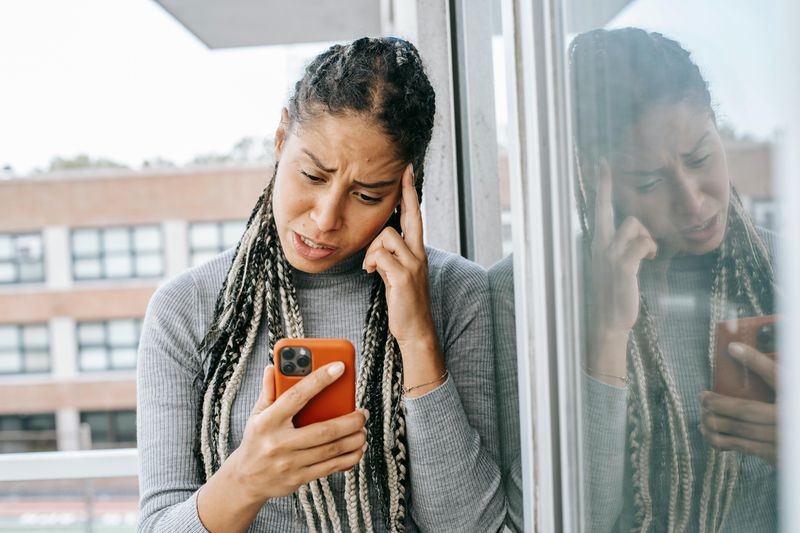
Your phone used to buzz with their messages throughout the day. Now you’re the one always initiating contact, and it feels uncomfortably one-sided. They’re not necessarily ignoring you—they’ve just lost the impulse to include you in their daily moments.
Plans that once happened naturally now require effort and coordination. You find yourself wondering if they’d reach out at all if you stopped trying. That wondering alone speaks volumes about where things stand.
Busy schedules aren’t always the real issue. People make time for what matters to them. When someone stops prioritizing connection, it’s because they don’t care the same way anymore.
3. Every Interaction Feels Like Effort

Love should feel like breathing—natural and effortless. But lately, even deciding on a movie feels like negotiating a business deal. Simple interactions that once flowed easily now require mental preparation and energy you don’t have.
This exhaustion isn’t about being physically tired. It’s emotional fatigue from constantly trying to make things work. Every conversation becomes a calculation, every plan a potential conflict.
Healthy relationships have their challenges, but the baseline should feel comfortable, not draining.
4. The Little Things Don’t Matter Anymore

Those inside jokes that used to make you both laugh? They don’t land anymore. The coffee made just right, the favorite snack picked up without asking—these thoughtful gestures go unnoticed or unappreciated. It’s like speaking a language the other person no longer understands.
Traditions and rituals you created together lose their magic. Anniversaries pass with less fanfare. The details that made your relationship yours become just another thing on the to-do list.
5. Arguments Stop Feeling Productive

Disagreements used to lead somewhere—a compromise, an understanding, or at least a clearing of the air. Now arguments feel pointless because neither person is truly listening. You’re talking past each other instead of to each other.
Sometimes one person stops fighting entirely, which feels worse than shouting. That silence isn’t peace; it’s resignation. When someone stops caring enough to argue, they’ve often already emotionally checked out.
Productive conflict requires both people to believe the relationship is worth fixing. When that belief disappears, arguments become about being right rather than finding solutions.
6. They Start Avoiding Physical Closeness

The hand-holding, the goodbye kiss, the hug when you get home. These everyday touches create connection, and when they disappear, it’s telling.
You might notice them pulling away when you reach for their hand or offering a quick side-hug instead of a real embrace. Their body language speaks louder than words, creating invisible walls between you.
Emotional distance often manifests physically before either person consciously acknowledges it. The body knows what the mind isn’t ready to admit yet.
7. They Seem Happier Apart

There’s a lightness in their eyes when they talk about time with friends or hobbies that you don’t see when they’re with you. They come alive around others but seem muted in your presence. That contrast stings more than any argument.
This isn’t necessarily about betrayal or finding someone new. Sometimes people seek emotional escape in activities and friendships when their primary relationship feels heavy or unfulfilling.
Pay attention to energy shifts. Do they seem relieved when making plans that don’t include you? Do they extend those outings longer than necessary? When someone consistently finds happiness away from you, they’re subconsciously creating distance.
8. Resentment Replaces Romance

Little quirks that once made you smile now trigger irritation. The way they chew, laugh, or tell stories suddenly grates on your nerves.
Resentment grows quietly from unspoken frustrations and unmet needs. Each small disappointment adds another brick to an emotional wall. Before long, that wall stands so tall you can barely see the person you once loved behind it.
9. They Stop Imagining a Future Together

Future conversations shift from “we” to “me.” They talk about career goals, travel dreams, or life plans without naturally including you.
You notice they stop making long-term plans together. Next year’s vacation remains undiscussed. Major decisions get made independently. Even small things like next week’s dinner feel uncertain.
When someone stops seeing you in their future, they’ve already started emotionally preparing for life without you.
10. You Stop Feeling Safe Being Vulnerable

Vulnerability requires trust, and lately, that trust feels shaky. You find yourself editing your words, hiding feelings, or pretending everything’s fine when it’s not. Honesty starts feeling too risky.
There’s a fear that sharing your true thoughts will cause conflict or be dismissed. So you hold back, creating your own emotional distance as protection. Ironically, this self-preservation accelerates the disconnection you’re trying to avoid.
Healthy love creates a safe space for authenticity. When that safety disappears, so does real intimacy. You’re both present but hiding, going through motions while keeping your true selves carefully guarded.