 MomSkoop

Finding love after years of life experience changes everything about how you approach relationships. When you fall in love later in life, you bring wisdom, scars, and self-knowledge that your younger self never had.
These shifts aren’t just about dating differently—they’re about loving with intention, depth, and a clarity that only comes with time.
1. You Prioritize Emotional Maturity Over Romantic Idealism
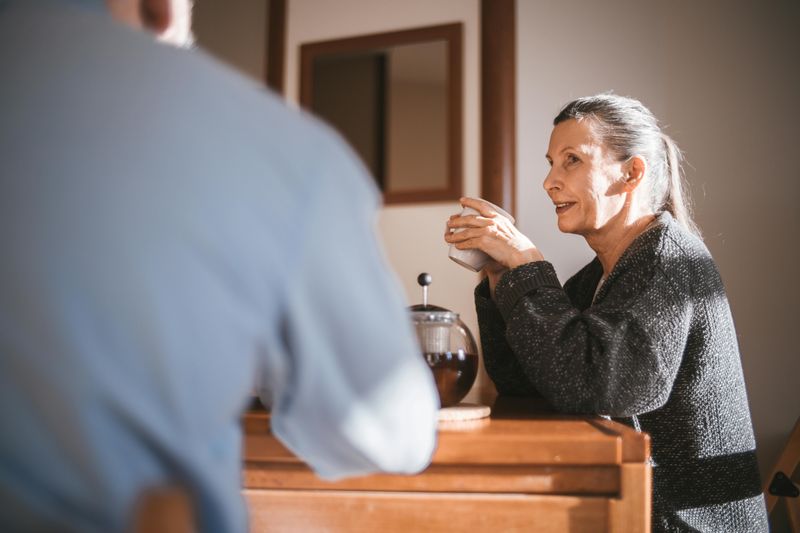
Butterflies and grand gestures lose their appeal when you’ve lived through real hardship. Emotional intelligence becomes the most attractive quality someone can have. You look for a partner who can handle conflict without shutting down, who takes responsibility for their actions, and who treats others with respect even when nobody’s watching.
The fantasy of being swept off your feet gets replaced by something steadier and more reliable. You want someone who shows up consistently, communicates clearly, and doesn’t play games. That kind of emotional stability becomes incredibly attractive because you’ve learned how exhausting the alternative can be.
2. You Become More Comfortable With Yourself and Your History

Carrying shame about your past becomes pointless when you realize everyone has a story. Your divorce, your career changes, your mistakes—they all shaped who you are today. When love arrives later, you’re less likely to hide those chapters because they taught you valuable lessons.
Confidence grows from accepting your whole journey, not just the highlight reel. You stop apologizing for being human and imperfect. This comfort with yourself makes you more genuine in relationships because you’re not performing or pretending to be someone you’re not anymore.
3. You Value Deeper Connection Rather Than Just Chemistry

Physical attraction still matters, but it’s no longer the main event. You’ve learned that chemistry alone can’t sustain a relationship through real-life challenges. What keeps you interested now is someone who understands your thoughts, shares your values, and makes you feel genuinely seen.
Conversations that go beyond surface level become essential. You crave intellectual stimulation and emotional depth that makes time disappear when you’re together. That profound sense of being understood by another person becomes more thrilling than any initial spark ever was in your youth.
4. You Let Go of Unrealistic Expectations

Fairy tales lose their grip when you’ve experienced real relationships. Nobody’s going to complete you or fix all your problems, and that’s perfectly okay. You stop searching for perfection and start appreciating someone who’s willing to grow alongside you despite their flaws.
Your checklist shrinks dramatically because you understand what truly matters. Instead of demanding someone meet fifty criteria, you focus on core values like kindness, honesty, and compatibility. This shift makes you more open to people you might have overlooked when you were younger and pickier about superficial things.
5. You Communicate More Openly and Honestly
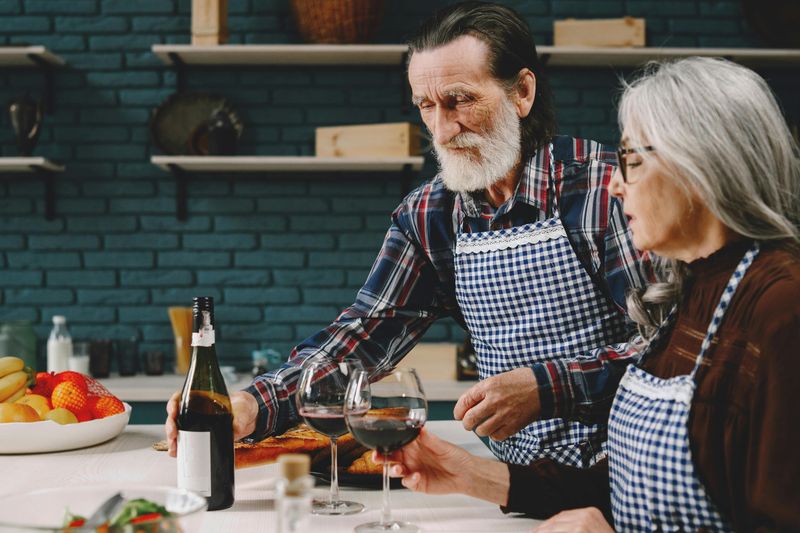
Playing it cool or waiting three days to text back seems ridiculous now. You’ve wasted enough time on misunderstandings and assumptions to know that clarity saves everyone heartache. Saying what you mean and asking for what you need becomes second nature.
Difficult conversations no longer feel impossible because you’ve had plenty of practice. You can express disappointment without attacking, listen without defending, and admit when you’re wrong. This communication style creates a foundation of trust that lets relationships deepen quickly instead of staying stuck in surface-level pleasantries for months.
6. You’re More Selective With How You Spend Your Time
Time becomes precious when you realize how much of it you’ve already spent. You’re not interested in dating someone just to fill empty weekends or avoid being alone. Every hour invested in a relationship needs to add value to your life, not drain energy from it.
This selectivity isn’t about being cold—it’s about respecting yourself. You’d rather be single than waste months with someone who isn’t genuinely compatible. That confidence to walk away early when things don’t feel right protects you from settling for less than you deserve.
7. You’re Willing to Heal Past Traumas Rather Than Ignore Them

Baggage doesn’t magically disappear just because you meet someone new. You’ve learned that unresolved pain from previous relationships or childhood will sabotage even the healthiest partnership. Doing the inner work becomes non-negotiable if you want love to succeed this time.
Therapy, journaling, or honest self-reflection become tools you actually use instead of avoid. You recognize your triggers and patterns, taking responsibility for healing instead of expecting a partner to fix you. This commitment to personal growth makes you a better partner and attracts others who’ve done their own healing work too.
8. You Embrace Vulnerability Despite the Risk

Getting hurt before makes opening up again genuinely terrifying. But you’ve also learned that walls protecting your heart also block connection. Choosing vulnerability becomes a conscious act of bravery, not something that happens accidentally when you lose control.
You share your feelings even when your voice shakes. You admit when you’re scared or uncertain instead of pretending everything’s fine. This willingness to be seen—truly seen—in all your imperfection creates intimacy that surface-level relationships never achieve. It’s scary, but the alternative is lonelier.
9. You Appreciate Stability Alongside Passion

Wild, unpredictable romance loses its appeal when you’ve experienced the chaos it brings. You still want passion and excitement, but not at the expense of peace and reliability. Finding someone who makes everyday life better becomes just as important as weekend adventures.
Cooking dinner together or running errands feels romantic because you’re building a life, not just having experiences. The comfort of knowing someone will show up when they say they will matters more than dramatic surprises. Stability doesn’t mean boring—it means having a secure foundation that lets passion flourish sustainably.
10. You Grow Together Rather Than Grow Apart

Staying stagnant while your partner evolves creates distance you can’t bridge. You’ve seen relationships fail because people changed in opposite directions. Now you look for someone who values growth and is willing to adapt as life shifts around you both.
Supporting each other’s dreams becomes a priority instead of a threat. You celebrate when your partner learns something new or pursues a passion, knowing their growth enriches the relationship. This mindset creates partnerships that strengthen over time instead of slowly crumbling under the weight of unmet potential.
11. You Integrate Your Separate Lives Rather Than Lose Your Identity

Merging completely with another person stopped being the goal once you built a life you actually like. Your friendships, hobbies, and independence matter too much to abandon them for a relationship. You want a partner who enhances your life without requiring you to disappear into theirs.
Maintaining separate interests keeps the relationship fresh and interesting. You have stories to share and perspectives to offer because you’re still growing as an individual. This balance between togetherness and autonomy creates healthier dynamics than the codependent relationships you might have tolerated when you were younger.
12. You Recognize That Love Isn’t Just Finding Someone—It’s Building Something

Romance isn’t something that just happens to you anymore. You understand that lasting relationships require intention, effort, and consistent investment from both people. Finding someone compatible is just the beginning—the real work comes in creating something meaningful together over time.
You approach love like a partnership with shared goals and mutual responsibility. Building trust, establishing routines, navigating challenges—these become the markers of success instead of just feeling butterflies. This perspective makes relationships more resilient because you’re both committed to the construction process, not just enjoying the finished product.
13. You Allow Love to Be a Conscious Choice, Not Just a Feeling

Feelings change constantly, rising and falling with stress, health, and circumstances. You’ve learned that relying solely on emotion makes relationships fragile. Choosing to love someone—even on days when you’re frustrated or tired—creates a stability that feelings alone can’t provide.
This doesn’t mean forcing yourself to stay in bad situations. It means recognizing that commitment involves daily decisions to show up, be kind, and prioritize your partner. Love becomes an action verb instead of just a noun. That shift transforms relationships from something that happens to you into something you actively create together.