 MomSkoop

Every couple starts out believing certain ideas about love and relationships. Many of these beliefs come from movies, songs, and stories we grew up with. But as relationships grow and mature, couples often realize that some of these popular ideas just aren’t true in real life.
1. You Need a Soulmate — One Perfect Person Just for You

Movies love to tell us there’s one perfect person out there waiting for us. Finding them will solve all our problems and make us feel complete. Mature couples know this simply isn’t how real relationships work.
Successful partnerships are built through effort, understanding, and growth together. No single person can be absolutely perfect for you in every way. Instead, you find someone whose imperfections you can accept and who accepts yours in return.
Real love develops over time through shared experiences and choosing each other daily. Waiting for a magical soulmate might mean missing out on genuine connections with wonderful people who could become your life partner through commitment and care.
2. If You’re Meant to Be Together, Everything Will Be Easy and Effortless

Believing relationships should feel effortless can actually harm good partnerships. All couples face challenges, disagreements, and moments when things feel hard. That doesn’t mean you’re with the wrong person.
Mature couples understand that working through difficulties together actually strengthens their bond. Communication takes practice. Compromise requires thought and effort. Building a life together means making countless small and large decisions that need discussion.
The best relationships aren’t the easiest ones. They’re the ones where both people are willing to put in consistent work. When you stop expecting everything to flow without effort, you can appreciate the value of what you’re building together day by day.
3. True Love Means You’ll Never Fight

Some people think arguing means a relationship is failing. They believe couples who truly love each other never disagree or raise their voices. This myth causes unnecessary worry when normal conflicts arise.
Healthy couples do argue sometimes. Two different people with unique backgrounds and opinions won’t agree on everything. What matters is how you handle disagreements. Fighting fair, listening respectfully, and working toward solutions together shows relationship strength, not weakness.
Mature partners know that occasional arguments are normal and even helpful. They clear the air and help both people express their needs. Avoiding all conflict often means someone is hiding their true feelings, which creates bigger problems down the road.
4. Your Partner Should Meet All Your Emotional, Physical and Personal Needs

Expecting one person to be your everything puts impossible pressure on any relationship. No single human can be your best friend, therapist, entertainer, workout buddy, intellectual equal, and everything else you need all at once.
Experienced couples maintain friendships, hobbies, and interests outside their relationship. They understand that having other connections makes them happier and more interesting partners. Getting emotional support from friends, pursuing personal passions, and having alone time are all healthy and necessary.
When you stop expecting your partner to fulfill every need, you actually appreciate what they do offer even more. They become your partner in life, not your entire life itself.
5. The Relationship Should Always Feel Like the Honeymoon Phase

That early rush of constant excitement and butterflies feels amazing. New couples often think this intense feeling should last forever. When it naturally fades, they worry something has gone wrong.
Brain chemistry actually changes over time in relationships. Those early fireworks settle into something deeper and more stable. Mature couples know this shift is normal and even beautiful. The comfortable, secure feeling that replaces constant intensity is what allows you to build a real life together.
Chasing the honeymoon feeling forever means you might leave good relationships searching for something that doesn’t exist. Deep contentment and steady affection are just as valuable as early passion.
6. If You Have Disagreements, Something Must Be Wrong
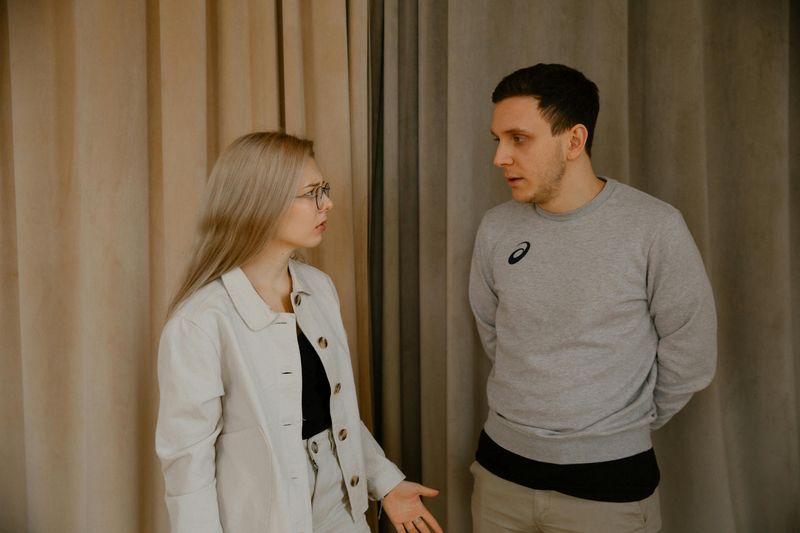
Disagreements don’t signal relationship doom. They signal that two individuals with their own thoughts and feelings are sharing their lives. Expecting constant agreement means one person is probably not being honest about their needs.
Healthy relationships include regular small disagreements about everyday things. Which movie to watch, how to spend money, or where to go for dinner are normal points of discussion. These minor conflicts help couples practice communication skills.
What experienced partners look for isn’t the absence of disagreement. They focus on whether conflicts get resolved respectfully and whether both people feel heard. Disagreeing while still respecting each other shows a strong, honest relationship where both partners feel safe expressing themselves.
7. Opposites Always Attract and Differences Make Things Perfect

Popular culture loves the idea of opposites attracting. The neat person with the messy one, the introvert with the extrovert. While differences can add interest, they can also create ongoing friction.
Research actually shows that couples with more similarities tend to have higher satisfaction. Shared values, similar life goals, and compatible communication styles matter more than surface differences. Too many opposite traits mean constant compromise on both sides, which becomes exhausting.
Mature couples look for balance. Some differences keep things interesting, but core compatibility on important issues makes daily life smoother. Being opposites might spark initial attraction, but shared foundations keep relationships strong long-term.
8. Jealousy Is a Sign of Love

Movies and songs often portray jealousy as romantic proof of deep feelings. Some people even feel flattered when partners show jealous behavior. This dangerous myth confuses possessiveness with care.
Jealousy actually stems from insecurity, not love. Healthy love includes trust and wanting your partner to be happy, even when you’re not around. Mature couples feel secure enough to let each other have friendships and lives outside the relationship without constant worry.
Occasional twinges of jealousy are human, but acting on them or expecting them as proof of love is harmful. Real affection shows through support, trust, and encouragement. When couples stop romanticizing jealousy, they build stronger foundations based on mutual respect instead of control.
9. You and Your Partner Must Be 50/50 in Everything at All Times

Keeping score in relationships creates resentment, not fairness. The idea that everything must always be split exactly down the middle ignores how life actually works. Sometimes one partner needs more support, and that’s completely normal.
Experienced couples think of balance over time, not in every moment. Maybe one person does more housework while the other handles finances. During stressful periods, one partner might carry more emotional or practical weight. The balance shifts and flows.
What matters is that both people feel the overall relationship is fair and that their contributions are valued. Rigid scorekeeping misses the point of partnership, which is supporting each other through life’s ups and downs.
10. Love Alone Is Enough to Keep the Relationship Strong

Loving someone deeply feels powerful. Many people believe this feeling alone will carry them through anything. Unfortunately, love without other key ingredients often isn’t enough to sustain a long-term relationship.
Successful couples also need respect, compatible life goals, good communication skills, and similar values. You can love someone and still be fundamentally incompatible. Love doesn’t automatically create the ability to resolve conflicts or manage money together or agree on whether to have children.
Mature partners recognize that love is the foundation, but they also actively work on all the other relationship skills. They communicate openly, show daily appreciation, and keep choosing each other even when feelings fluctuate.
11. You Should Always Be Completely Merged — Spend All Time Together and Share Everything

Some couples believe that becoming one unit means losing individual identity. They share every hobby, friend group, and interest. They feel guilty wanting alone time or having separate activities. This myth can suffocate both partners over time.
Healthy relationships allow both people to maintain their individual identities. Having your own friends, hobbies, and interests makes you a more interesting partner. It gives you things to talk about and share. Personal space and independence strengthen relationships rather than weaken them.
Mature couples celebrate their differences and support each other’s individual growth. They understand that two whole, happy individuals create a stronger partnership than two halves trying to become one.
12. If Things Feel Stale or Less Exciting, the Relationship Is Doomed

Every long-term relationship goes through quieter periods. Daily routines replace constant adventure. Some couples panic when excitement fades, thinking it means love is dying. This myth causes people to abandon perfectly good relationships.
Experienced partners know that relationships naturally cycle through different phases. Sometimes life gets busy with work, kids, or other responsibilities. The everyday routine might feel boring, but it’s also where real life happens. Comfort and stability have their own value.
Rather than seeing calm periods as problems, mature couples use them as opportunities to reconnect. They plan date nights, try new activities together, or simply appreciate the peace. Excitement can be created; it doesn’t have to be constant.