 MomSkoop
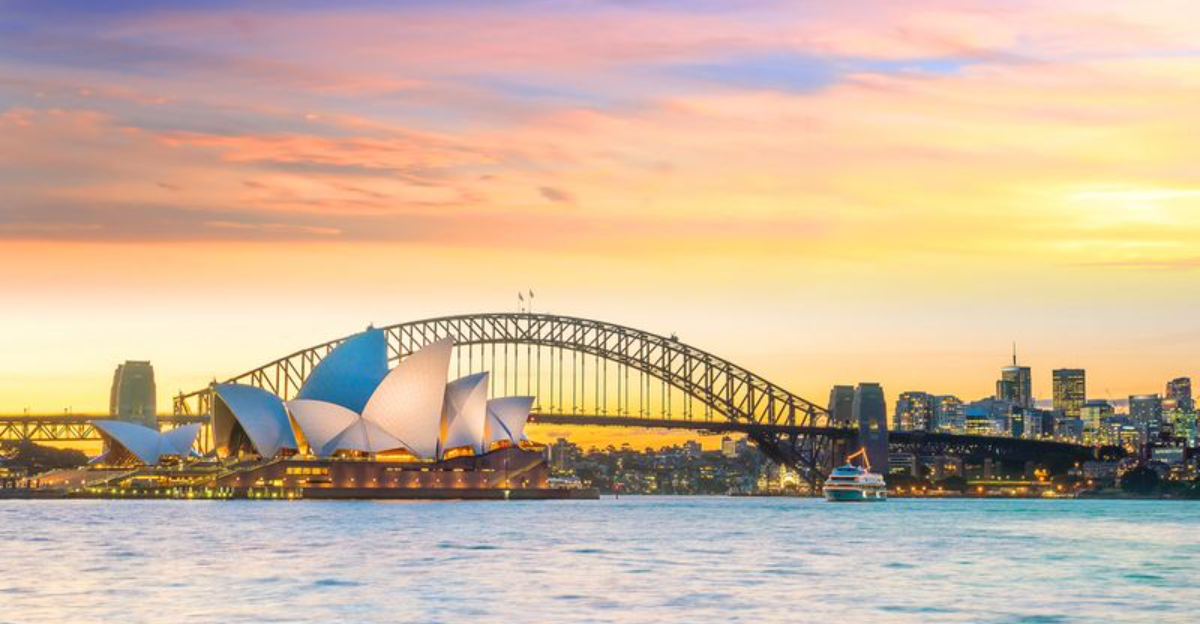
When global uncertainty strikes, many people wonder where they could go to stay safe and secure. Natural disasters, economic collapse, or political instability can make anyone think about backup plans. Some countries offer better protection, resources, and stability than others during tough times. Knowing which nations provide the best refuge could be the most important information you ever learn.
1. New Zealand
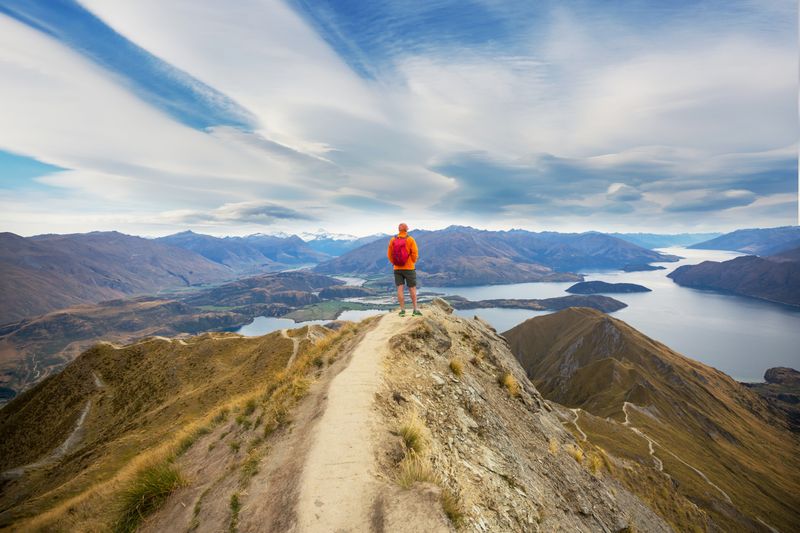
Isolated by vast oceans, New Zealand sits far from major conflict zones and offers a peaceful refuge. The country boasts political stability, strong democratic values, and a well-functioning government that prioritizes citizen welfare.
Fresh water sources are abundant, and the land produces plenty of food for its population. The temperate climate supports year-round agriculture, making self-sufficiency achievable.
New Zealanders are known for their welcoming attitude toward immigrants and have established clear pathways to residency. The nation’s small population means less competition for resources during crises, and its remote location provides natural protection from global chaos.
2. Iceland
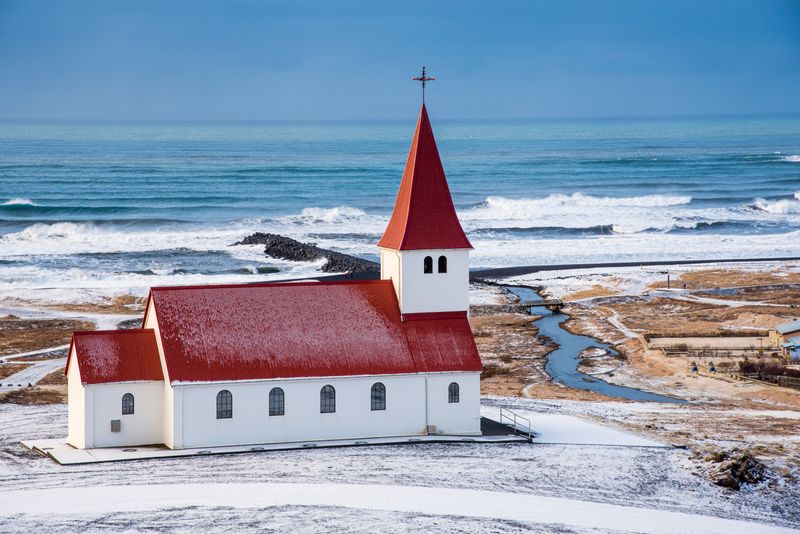
Geothermal energy powers nearly everything in Iceland, making it energy-independent and resilient against fuel shortages. Renewable resources like wind and hydroelectric power supplement this natural advantage beautifully.
Fish stocks in surrounding waters provide reliable protein sources, while greenhouse farming produces fresh vegetables despite the cold climate. Iceland consistently ranks as one of the world’s most peaceful nations with extremely low crime rates.
The population is highly educated and the healthcare system functions efficiently. Though the weather can be harsh, Icelanders have mastered living comfortably in challenging conditions. Their strong sense of community creates social networks that support everyone during difficult times.
3. Switzerland
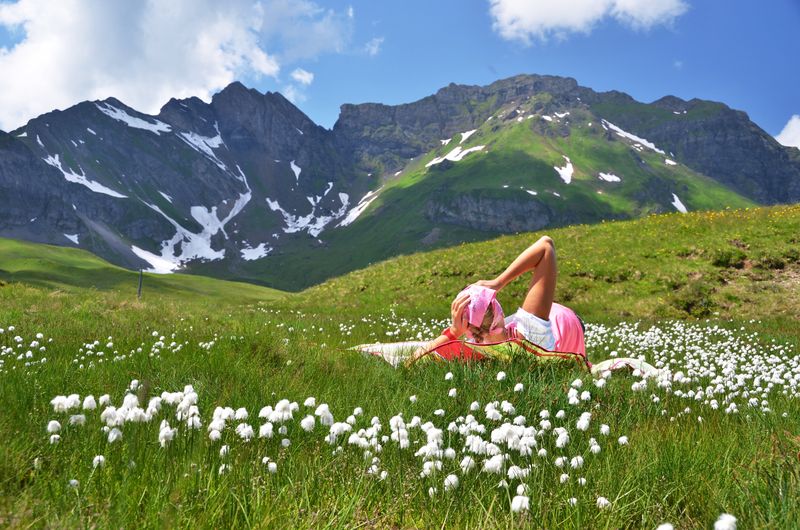
Famous for neutrality, Switzerland has avoided major conflicts for centuries through careful diplomacy. The mountainous terrain provides natural defensive barriers that have protected the nation throughout history.
Underground bunkers exist throughout the country, with enough shelter space for the entire population during emergencies. Swiss citizens receive military training and keep weapons at home, creating a well-prepared populace.
Banking systems remain stable and trusted worldwide, while the economy stays strong and diversified. Clean water flows abundantly from mountain sources, and local agriculture produces quality food. The Swiss take preparedness seriously, storing emergency supplies and maintaining infrastructure that works even under pressure.
4. Norway
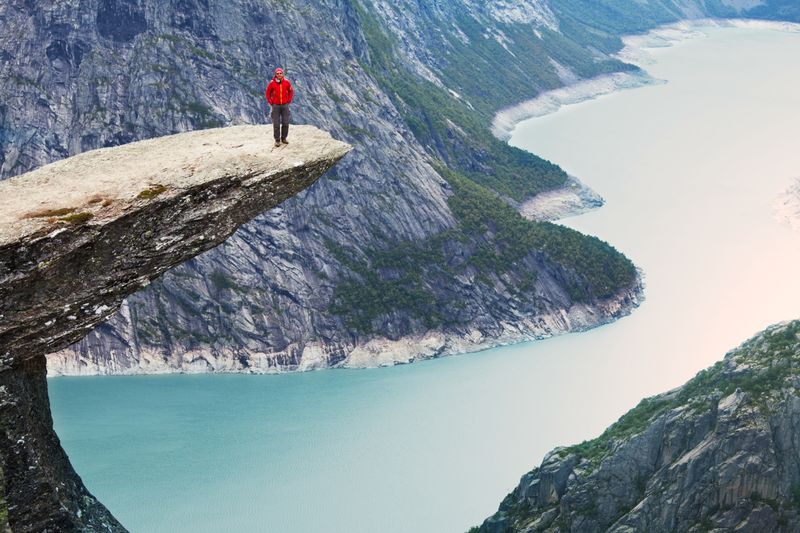
Oil reserves have made Norway incredibly wealthy, allowing the country to build a massive sovereign wealth fund for future generations. This financial cushion provides security when global economies stumble.
Fjords create natural harbors perfect for fishing, while forests provide timber and wildlife for hunting. The government invests heavily in infrastructure, ensuring roads, hospitals, and schools remain top-notch.
Low population density means plenty of space and resources per person. Norwegians enjoy universal healthcare, free education, and strong social safety nets that catch anyone who falls on hard times. The culture emphasizes equality and cooperation, building communities where people genuinely care for their neighbors.
5. Finland
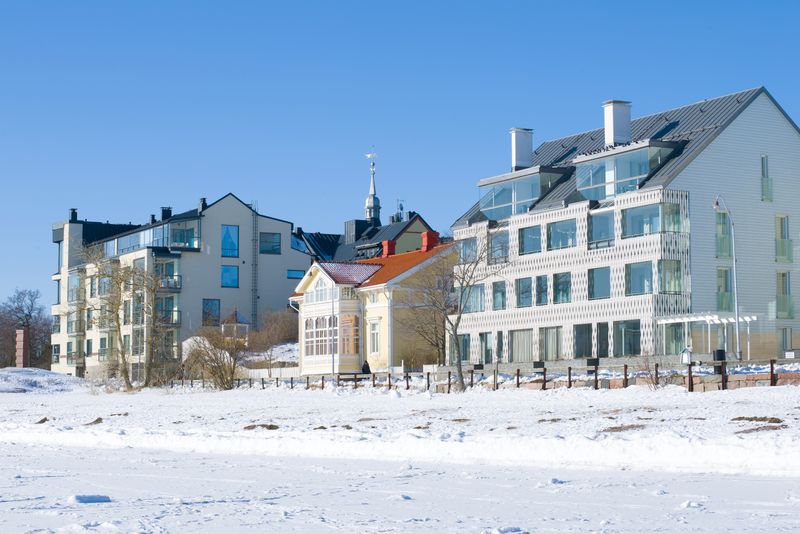
Education systems in Finland rank among the best globally, creating a population skilled in problem-solving and innovation. This intellectual capital becomes invaluable when adapting to new challenges.
Forests cover most of the country, offering wood for building and heating plus berries and game for food. Thousands of lakes provide fresh water and fish, ensuring basic needs stay met.
Finnish society values honesty, trust, and social cohesion, making cooperation during crises natural and effective. The military remains capable despite the small population, and every citizen learns survival skills. Cold winters might seem daunting, but Finns have perfected comfortable living in harsh climates through clever architecture and technology.
6. Canada

Vast wilderness areas in Canada offer unlimited space for those seeking refuge from crowded regions. Natural resources include oil, minerals, timber, and some of the world’s largest freshwater reserves.
Agricultural land produces more than enough food to feed the population, with surplus capacity for emergencies. The government maintains stability through democratic institutions and respect for rule of law.
Canadians are famously polite and welcoming to newcomers, creating multicultural communities that thrive together. Healthcare is universal, and social programs support vulnerable populations. The northern location provides distance from many global hotspots, while relationships with neighboring countries remain peaceful and cooperative.
7. Australia

Down under sits isolated from most global conflicts by massive ocean distances on all sides. Australia’s size provides room to spread out, with different climate zones supporting various types of agriculture.
Mining operations extract valuable resources that keep the economy strong even when others struggle. Coastal cities offer modern amenities while inland regions provide self-sufficient farming opportunities.
The culture emphasizes resilience and adaptability, qualities Australians have developed through living in harsh environments. Strong ties with allied nations provide security partnerships without direct involvement in distant conflicts. Healthcare and education systems function reliably, and the democratic government remains stable through changing times.
8. Denmark
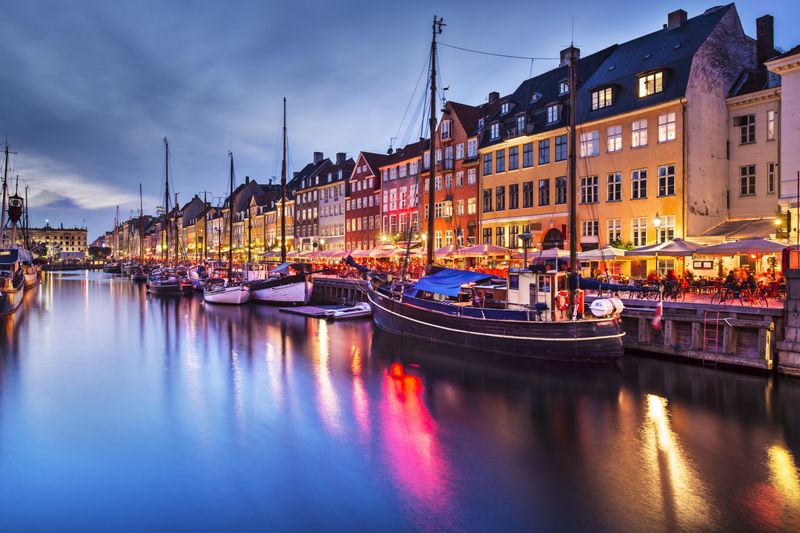
Wind turbines dot the Danish landscape, generating clean electricity that reduces dependence on imported fuel. This energy independence strengthens resilience against global supply chain disruptions.
Danish society ranks highest in happiness surveys year after year, reflecting strong social bonds and effective governance. Universal healthcare and education create equal opportunities for all citizens.
Farming remains productive despite the small land area, with emphasis on sustainable practices and organic methods. The flat terrain and mild climate make survival easier than in extreme environments. Danes value community cooperation and maintain strong social safety nets, ensuring nobody gets left behind during hardships.
9. Austria
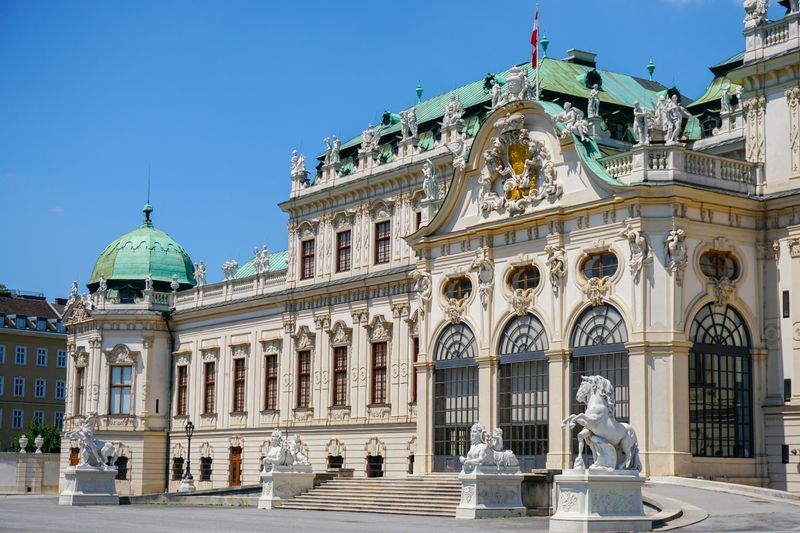
Nestled in the heart of Europe yet protected by mountains, Austria maintains neutrality like its Swiss neighbors. Alpine regions provide natural barriers and resources, including clean water from mountain streams.
The country produces enough food to sustain itself through dairy farming, forestry, and alpine agriculture. Vienna consistently ranks among the world’s most livable cities with excellent infrastructure and services.
Austrian culture emphasizes quality of life, education, and environmental protection. The healthcare system delivers outstanding care, and the economy remains stable through diversification. Strong traditions of community support mean neighbors help each other through difficulties, creating social networks that endure when times get tough.
10. Ireland

Green fields cover Ireland thanks to abundant rainfall, creating perfect conditions for raising livestock and growing crops. The island location provides natural protection while remaining accessible to European markets.
Ireland has transformed from economic struggles to prosperity through education and technology investments. The population remains relatively small compared to the land available, reducing resource competition.
Irish people are renowned for their friendliness and strong community ties that support everyone during challenges. Neutrality in military conflicts has kept the nation peaceful for decades. Coastal waters teem with fish, and the mild climate means survival needs less energy than colder regions require.
11. Slovenia
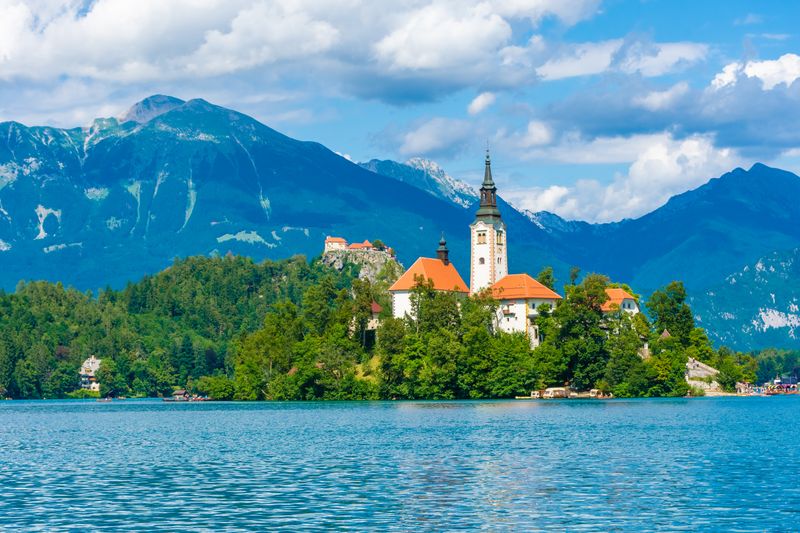
Tucked between the Alps and the Adriatic, Slovenia combines mountain protection with coastal access beautifully. Half the country remains forested, providing timber, wildlife, and natural water filtration.
Despite being small, Slovenia produces enough food for its population through efficient farming in fertile valleys. The government functions smoothly with low corruption and respect for democratic principles.
Education levels are high, and citizens speak multiple languages, facilitating communication and cooperation. Crime rates stay remarkably low, and communities maintain tight bonds through shared traditions. The country invests in green technology and sustainability, preparing for long-term challenges rather than short-term profits.
12. Uruguay

Often overlooked, Uruguay offers remarkable stability in a sometimes turbulent continent. Grasslands support extensive cattle ranching, making beef and dairy abundant and affordable.
The country runs almost entirely on renewable energy, primarily hydroelectric and wind power. Political stability and low corruption create trust in government institutions that actually serve citizens.
Beaches stretch along the coast while inland areas provide farming opportunities in a mild climate. The population embraces progressive values, including strong environmental protections and social equality. Healthcare is accessible and affordable, and the education system produces well-informed citizens ready to tackle problems cooperatively when challenges arise.